• Global CNC market projected to reach $128B by 2028 • New EU trade regulations for precision tooling components • Aerospace deman
NYSE: CNC +1.2%LME: STEEL -0.4%

Is Cost-effective Fixture Design for mass production safe?
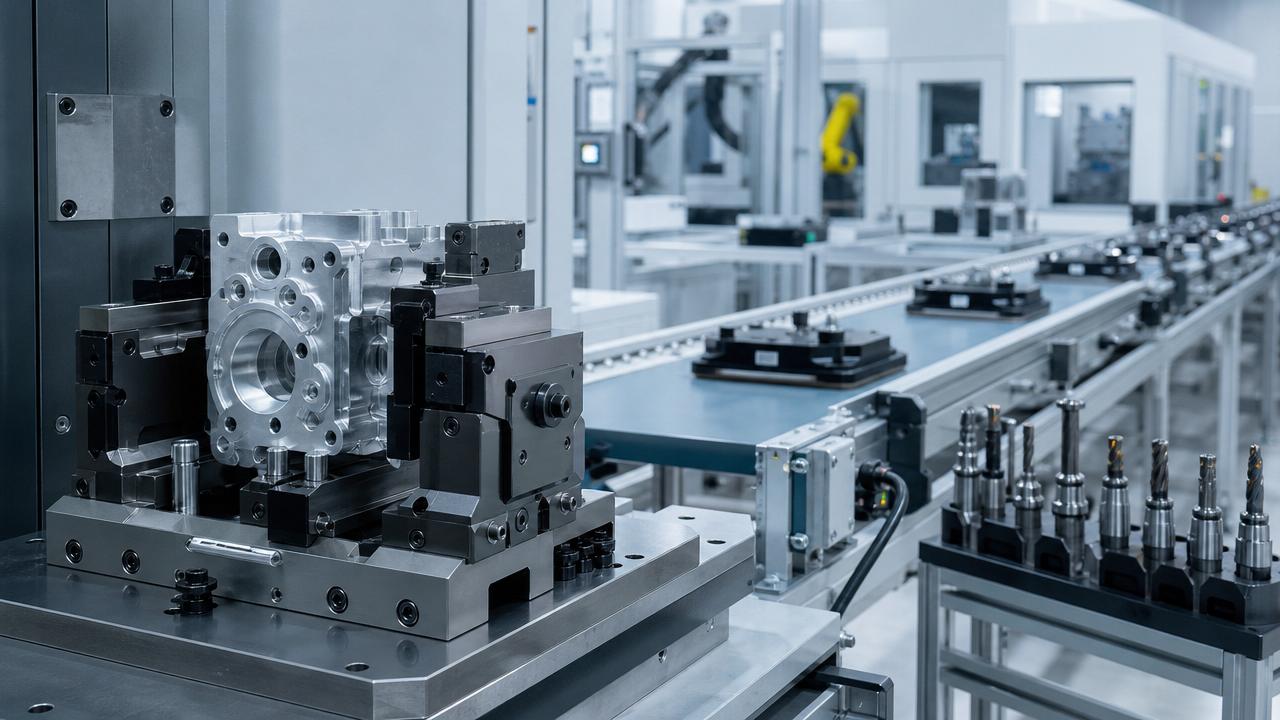
Is Cost-effective Fixture Design for mass production safe enough for demanding CNC machining environments? For quality control and safety managers, the answer depends on more than price.
A well-designed fixture must balance cost efficiency with repeatable accuracy, operator protection, process stability, and compliance with production standards.
As automated manufacturing and high-volume machining expand, fixture decisions affect defect rates, downtime, workplace safety, and overall production reliability.
This article explains when Cost-effective Fixture Design for mass production is safe, where risks appear, and how to judge fixture suitability by application scenario.
When Cost-effective Fixture Design for mass production becomes a safety decision
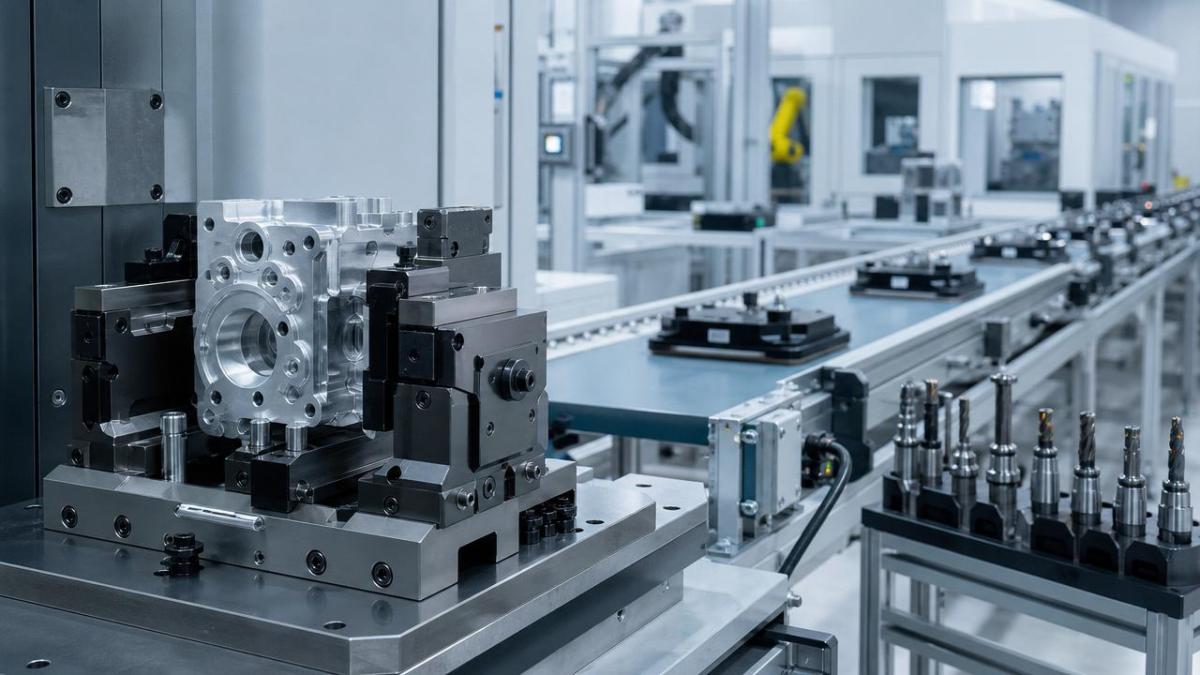
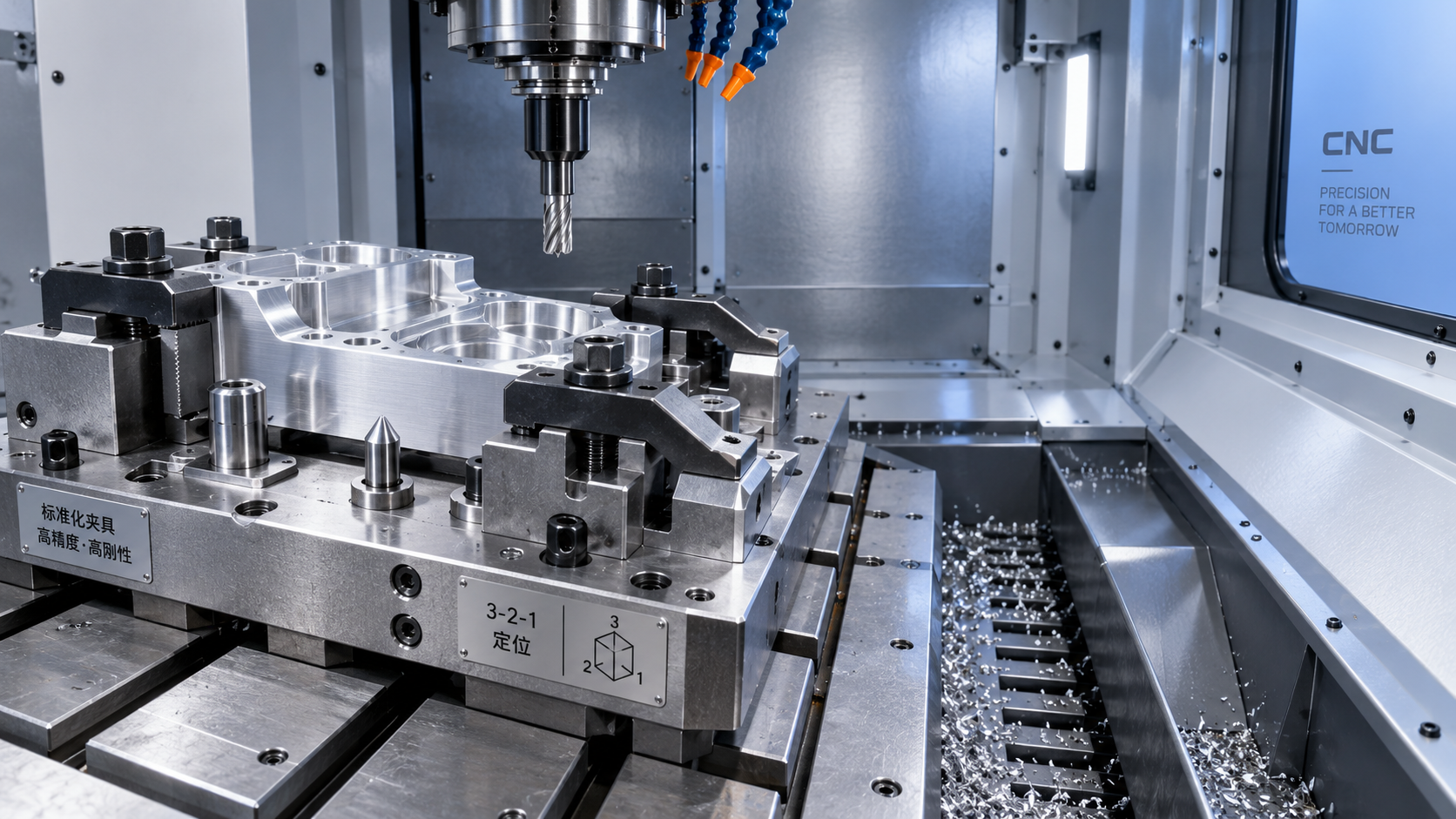
In CNC machining, a fixture is not only a holding device. It defines location, clamping force, access, repeatability, and operator interaction.
Cost-effective Fixture Design for mass production is safe when cost reduction removes waste, not structural strength, control features, or verification steps.
A low-cost fixture becomes unsafe when it causes part movement, tool interference, poor chip evacuation, or uncontrolled manual adjustment.
The safety question should start with the production scene. Volume, material, tolerance, machine type, and automation level all change requirements.
For stable parts and moderate tolerances, simplified fixture structures may work well. For aerospace or energy parts, stronger validation is required.
Therefore, Cost-effective Fixture Design for mass production should be evaluated as a risk-controlled engineering choice, not a simple purchasing shortcut.
Scenario background: why different production lines need different fixture logic
Mass production includes many different operating conditions. A fixture safe in one workshop may be unsuitable in another.
Automotive machining often values cycle time, fast loading, and stable datum control across thousands of parts per day.
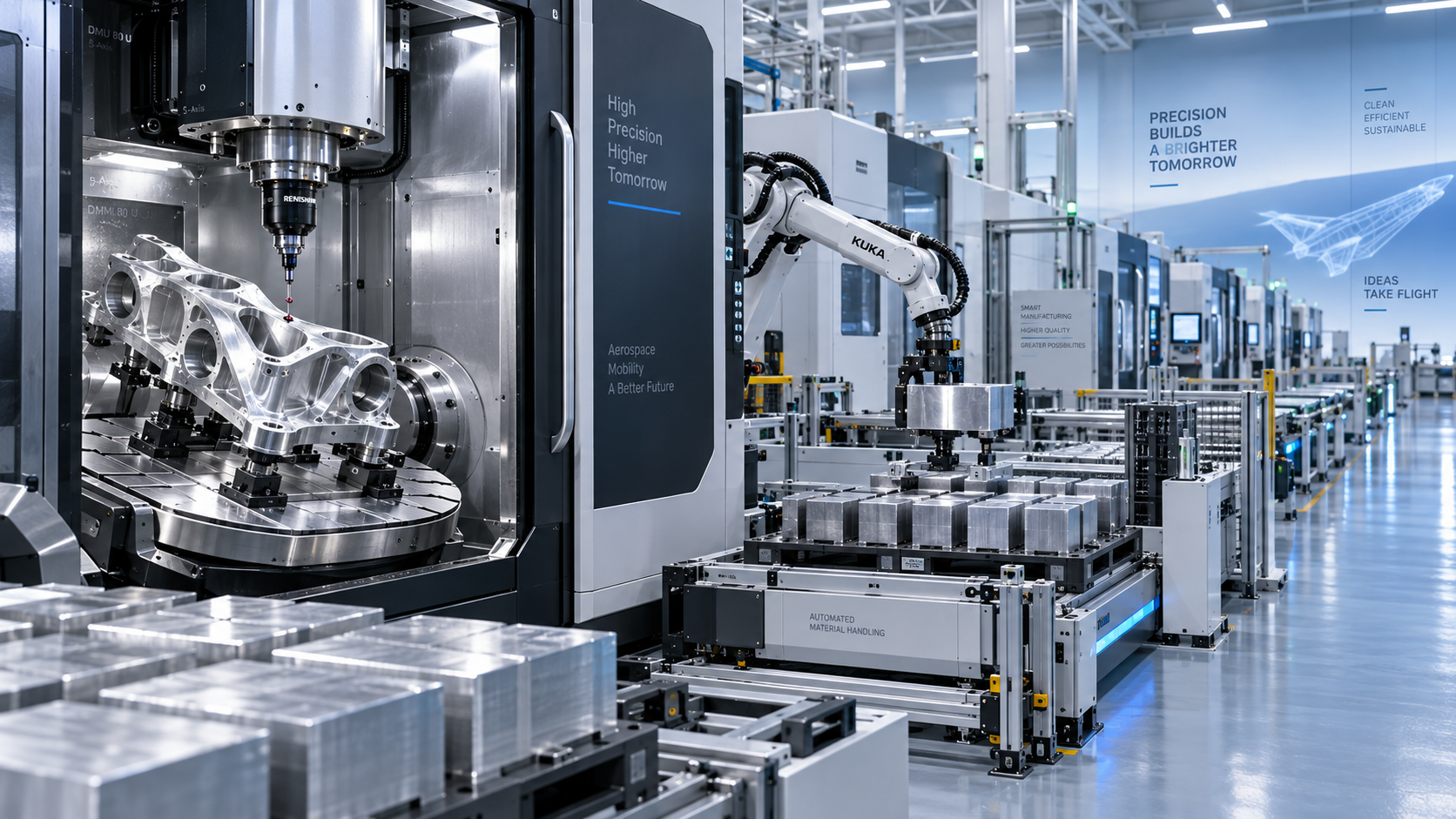
Aerospace machining may prioritize distortion control, traceability, and process documentation, even when production volume is lower.
Electronics and precision component production may require compact fixtures, burr control, micro-positioning, and clean handling conditions.
Cost-effective Fixture Design for mass production must reflect these differences. The safest fixture is one matched to the actual production risk profile.
Automotive components: safe when repeatability and speed are controlled
Automotive parts often require stable output at high speed. Brackets, housings, shafts, and discs may run continuously across several shifts.
In this scene, Cost-effective Fixture Design for mass production is safe if it reduces loading time while keeping locating accuracy consistent.
Key judgment points include poka-yoke features, wear-resistant locating surfaces, repeatable clamping stroke, and easy confirmation before cycle start.
A dangerous mistake is reducing fixture cost by using weak clamps or vague stops. Small movement can multiply into scrap and tool damage.
Safe automotive fixture design also needs planned maintenance intervals. Wear on pins, pads, and cylinders must be visible and measurable.
Aerospace and high-value parts: safe only with stronger validation
Aerospace structural parts, turbine components, and precision frames place higher demands on fixture reliability and process evidence.
Cost-effective Fixture Design for mass production can still be safe here, but cost reduction must come from optimization, not simplified verification.
The fixture should control deformation, support thin walls, maintain datum stability, and avoid hidden stress during multi-axis machining.
Finite element checks, trial cutting, capability studies, and documented inspection plans become part of the safety boundary.
For expensive blanks, a single fixture failure may exceed the savings of a cheaper design. Risk cost must be calculated honestly.
Electronics and small precision parts: safe when handling errors are prevented
Small parts create different safety and quality risks. The workpiece may be light, but tolerance and surface requirements are demanding.
Cost-effective Fixture Design for mass production should focus on precise location, fast exchange, controlled clamping force, and simple cleaning.
Vacuum fixtures, modular nests, soft jaws, or multi-cavity pallets may improve output without creating excessive mechanical complexity.
The main hazard is inconsistent manual loading. A low-cost nest without error-proofing may allow reversed parts or incomplete seating.
Safe fixture choices include clear visual references, sensor confirmation, air-blow cleaning, and controlled clamping surfaces.
Robotic loading and automated lines: safe when the fixture supports machine logic
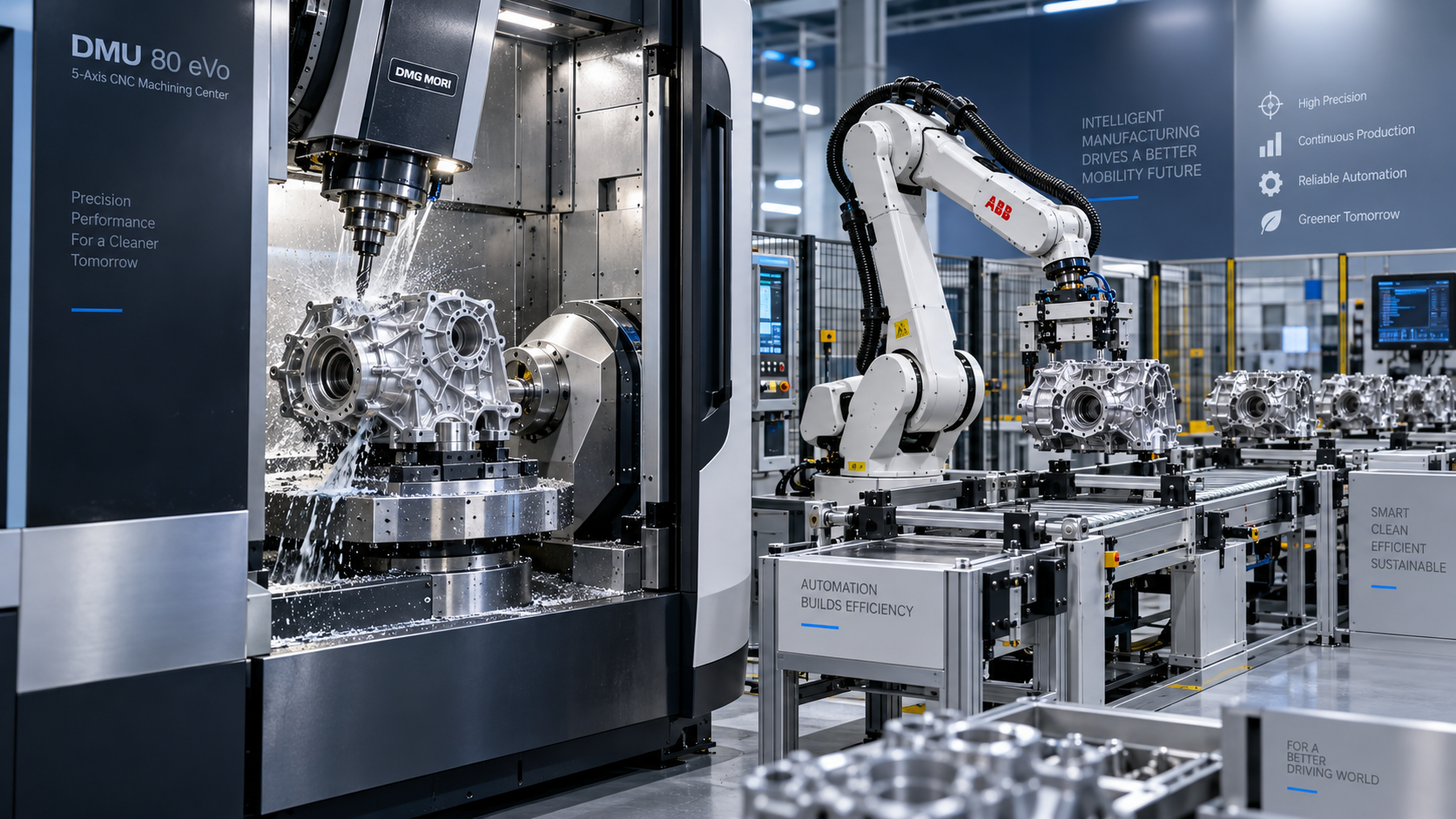
Automated production lines change fixture requirements. Robots need predictable locations, open approach paths, and reliable part release.
Cost-effective Fixture Design for mass production must consider robot grippers, sensors, interlocks, and machine communication from the beginning.
A fixture may be mechanically strong but unsafe for automation if chips block sensors or clamps interfere with robot motion.
Safe automated fixture design includes position detection, clamp status feedback, controlled pneumatic circuits, and emergency release planning.
Cost savings should come from modular interfaces, standardized cylinders, shared pallets, and simplified maintenance access.
Different scenario requirements for safe fixture decisions
This comparison shows why Cost-effective Fixture Design for mass production cannot use one universal standard across every plant.
The correct safety threshold depends on process consequence, tolerance demand, worker exposure, and machine automation level.
Practical adaptation advice before approving a fixture
Before approving Cost-effective Fixture Design for mass production, review the fixture through scenario-based checkpoints.
- Confirm that locating points match functional datums and inspection datums.
- Check whether clamping force is enough without deforming the part.
- Verify tool clearance, chip flow, coolant access, and operator reach.
- Define wear limits for pins, pads, bushings, and soft jaws.
- Test loading repeatability under real production rhythm, not only during slow trials.
- Add sensors or visual indicators where misload risk is high.
These actions keep cost control practical. They also prevent hidden safety trade-offs from entering daily production.
Cost-effective Fixture Design for mass production should also include documentation. Drawings, torque values, maintenance rules, and inspection records support repeatability.
Common misjudgments that make affordable fixtures unsafe
The first misjudgment is treating the fixture as a static steel structure. In production, it is a moving process interface.
The second misjudgment is ignoring cumulative wear. A fixture that passes initial samples may drift after thousands of cycles.
The third misjudgment is copying a fixture from a different material or machine. Cutting force and vibration behavior may change completely.
The fourth misjudgment is removing error-proofing to save cost. This often transfers risk from fixture design to manual attention.
The fifth misjudgment is skipping operator feedback. Daily loading problems often reveal risks missed during engineering review.
Safe Cost-effective Fixture Design for mass production avoids these errors through early testing, clear acceptance criteria, and maintenance planning.
How to judge whether the cost saving is truly safe
A safe fixture investment should be judged by total production impact, not fixture purchase price alone.
Useful indicators include first-pass yield, setup time, tool life, machine downtime, operator incidents, and inspection stability.
If a cheaper fixture increases rework, adjustment time, or tool crashes, it is not truly cost-effective.
If a simplified fixture maintains capability, reduces handling variation, and supports safe workflow, the design is commercially sound.
Cost-effective Fixture Design for mass production is safest when engineering savings align with measurable process control.
Action guide for safer fixture implementation
Start by classifying the production scenario. Identify whether the main risk is speed, deformation, misload, automation conflict, or wear.
Then build the fixture specification around that risk. Include datum strategy, clamping method, safety features, inspection points, and maintenance rules.
Run pilot production before full release. Measure cycle time, repeatability, defect patterns, operator effort, and fixture condition.
Use the results to adjust contact materials, clamp sequence, sensor placement, and cleaning access.
When these steps are followed, Cost-effective Fixture Design for mass production can be safe, reliable, and profitable.
The practical next step is a scenario-based fixture review before volume launch. That review turns cost control into controlled manufacturing performance.
Recommended for You
 How to Select a CNC Metal Lathe for Tight-Tolerance Shaft and Sleeve PartsCNC Machining Technology Center
 How to Select an Industrial Lathe for High-Volume Shaft ProductionMachine Tool Industry Editorial Team
 Selecting Machine Tools for Automotive Parts: Accuracy, Throughput, and AutomationMachine Tool Industry Editorial Team
 Industrial Machining: Selecting Processes for Tight-Tolerance Metal PartsCNC Machining Technology Center
 Manufacturing Technology Trends That Improve Throughput and Quality ControlManufacturing Market Research Center
 How to Design Cost-Effective Fixtures That Maintain Cycle Time in Mass ProductionCNC Machining Technology Center

Aris Katos
Future of Carbide Coatings
15+ years in precision manufacturing systems. Specialized in high-speed milling and aerospace grade alloy processing.
▶
How to Design Cost-Effective Fixtures That Maintain Cycle Time in Mass ProductionCNC Machining Technology Center▶
Zero-Point Clamping or Modular Fixtures? Choosing a Faster CNC Changeover SystemCNC Machining Technology Center▶
How to Cut CNC Fixture Changeover Time Without Sacrificing Part AccuracyCNC Machining Technology Center▶
Can One Fixture Handle Multiple Part Geometries Efficiently?CNC Machining Technology Center▶
Fixture Design Cost Breakdown: What Buyers Should Review Before RFQ and ApprovalCNC Machining Technology Center
Mastering 5-Axis Workholding Strategies
Join our technical panel on Nov 15th to learn about reducing vibrations in thin-wall components.

Providing you with integrated sanding solutions
Before-sales and after-sales services
Comprehensive technical support