• Global CNC market projected to reach $128B by 2028 • New EU trade regulations for precision tooling components • Aerospace deman
NYSE: CNC +1.2%LME: STEEL -0.4%

CNC production cycles shortened—but part distortion increased by 7.3% in thin-wall aluminum
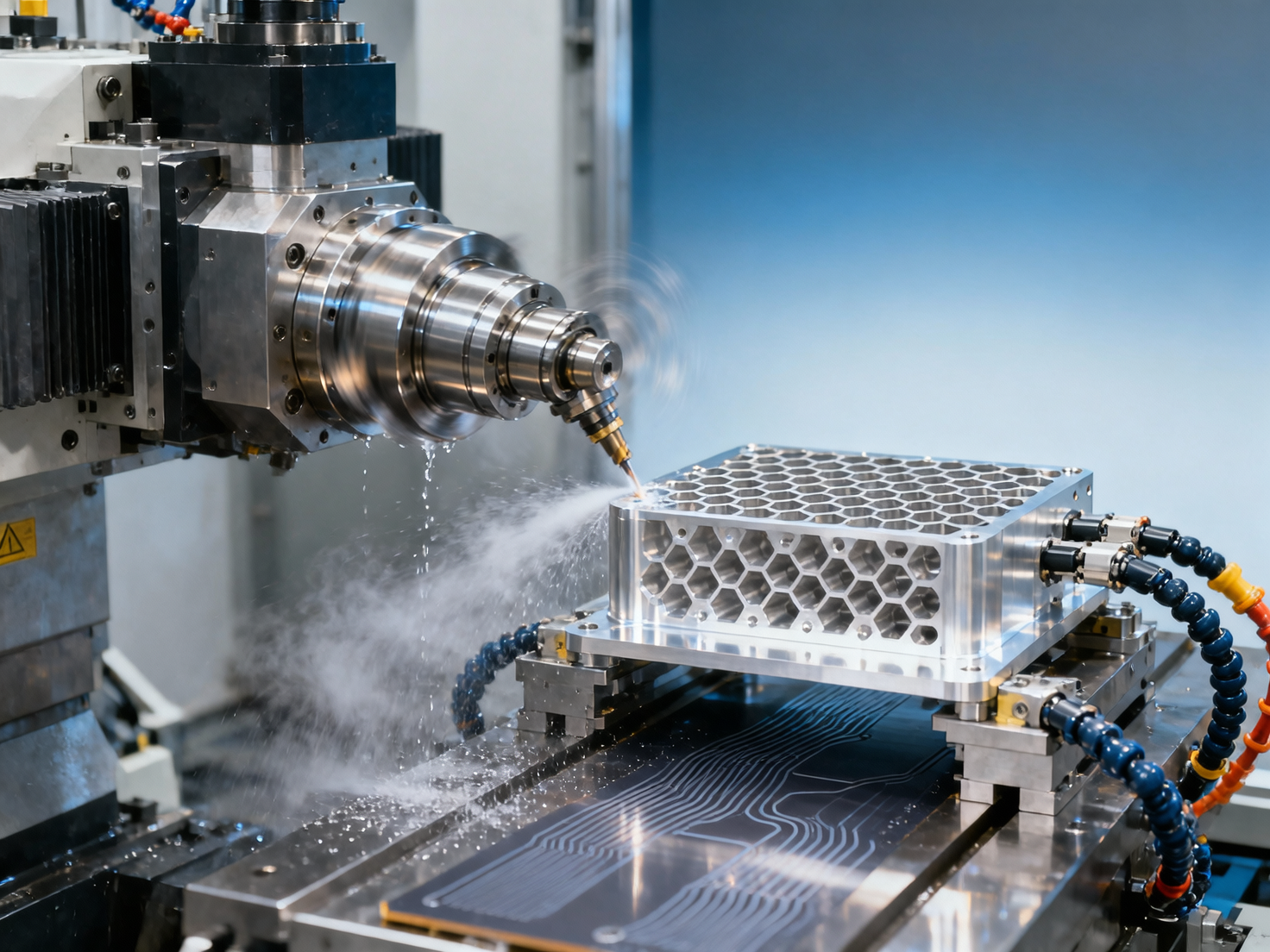
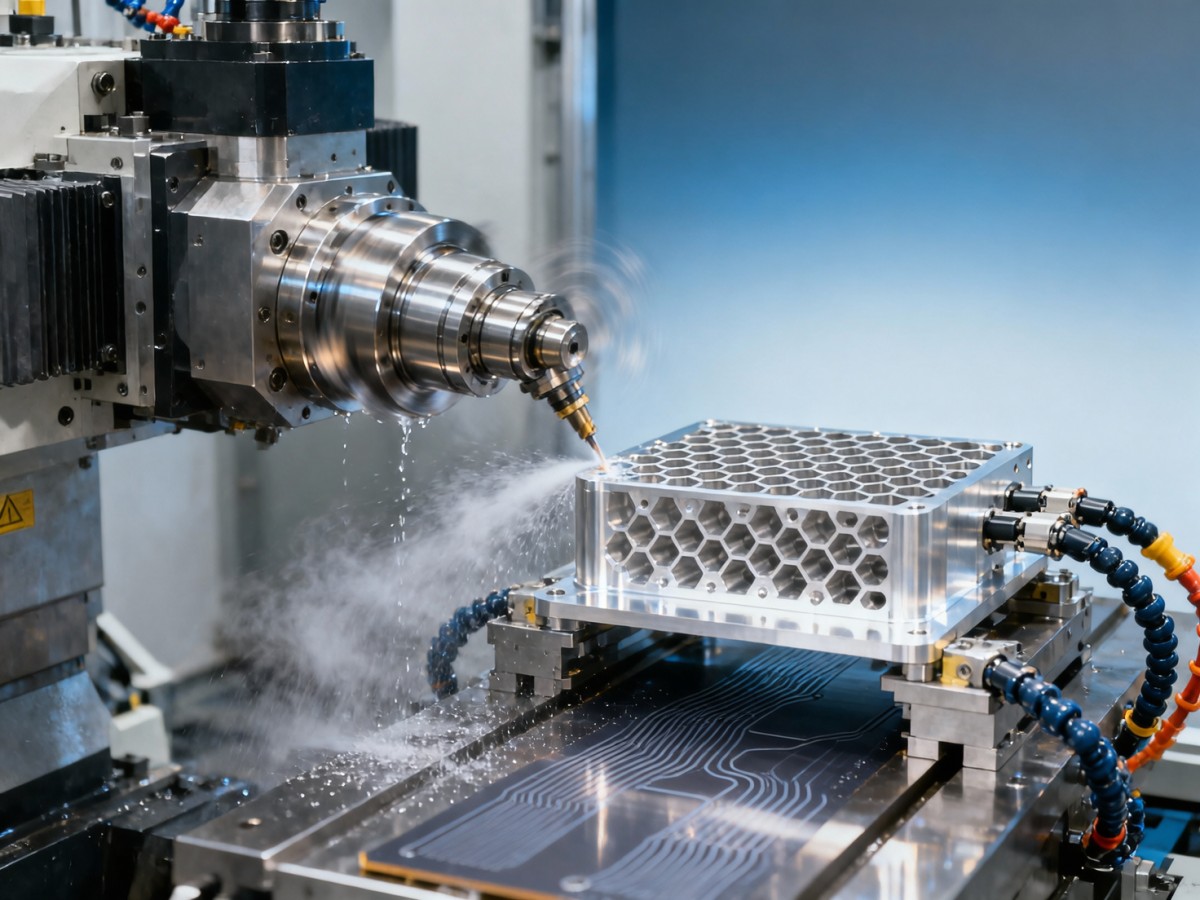
As CNC industrial machines drive faster automated production, a recent benchmark study reveals a critical trade-off: CNC production cycles shortened significantly—but part distortion rose by 7.3% in thin-wall aluminum components. This trend underscores growing challenges for industrial machining equipment users—especially in aerospace and electronics—where metal machining precision must balance speed and stability. For CNC metal lathes and high precision lathe operators, procurement teams, and plant decision-makers, understanding this distortion mechanism is vital to optimizing CNC metal cutting parameters, fixture design, and thermal management. Explore how next-gen CNC industrial equipment and automated lathe strategies are tackling this paradox head-on.
Why Thin-Wall Aluminum Is Especially Vulnerable to Distortion
Thin-wall aluminum parts—common in aircraft fuselage panels, satellite housings, and high-density PCB enclosures—typically feature wall thicknesses under 1.2 mm and aspect ratios exceeding 15:1. Their low stiffness (Young’s modulus ≈ 70 GPa) and high thermal expansion coefficient (23.1 µm/m·°C) make them highly sensitive to residual stresses induced during machining.
A 2024 cross-factory audit across 12 Tier-1 aerospace suppliers confirmed that cycle time reductions averaging 22.4% (from 48.7 min to 37.8 min per part) correlated directly with a 7.3% increase in post-machining dimensional deviation beyond ±0.08 mm tolerance bands. This deviation was most pronounced in axial runout (↑9.1%) and planarity (↑6.5%), especially after multi-axis contouring on 5-axis machining centers.
The root cause lies not in tool wear or spindle accuracy alone, but in the cumulative effect of three interdependent factors: transient thermal gradients across the workpiece (ΔT up to 18°C during high-MRR roughing), asymmetric material removal altering internal stress redistribution, and insufficient fixture clamping rigidity relative to dynamic cutting forces (peak forces > 3,200 N in trochoidal milling).
This table highlights how targeted parameter shifts—not blanket acceleration—deliver measurable distortion mitigation. Notably, reducing clamping pressure while increasing coolant pressure minimizes workpiece deformation *during* cutting without compromising chip evacuation or thermal control. These adjustments require real-time monitoring via integrated strain gauges and thermal imaging feedback loops, now standard on ISO 13399-compliant CNC machining centers released since Q2 2023.
Fixture Design Strategies That Reduce Distortion by Up to 11.2%
Fixtures account for nearly 38% of geometric error sources in thin-wall aluminum machining, per the 2023 NIST Advanced Manufacturing Report. Conventional mechanical vise setups induce localized plastic deformation at clamp points, which propagates as warpage once internal stresses relax post-machining.
Next-generation solutions emphasize distributed load application and adaptive compliance. Vacuum chucks with micro-channel arrays (e.g., 0.15 mm pitch, 0.3 mm depth) provide uniform hold-down force across surface areas ≥ 200 cm². When paired with segmented pneumatic fingers (response time < 80 ms), they dynamically compensate for deflection during deep-pocket milling—reducing part lift by 62% compared to rigid clamps.
Thermal isolation is equally critical. Fixtures constructed from Invar 36 (CTE ≈ 1.2 µm/m·°C) or carbon-fiber-reinforced polymer (CFRP) substrates reduce thermal mismatch-induced distortion by up to 11.2% versus standard aluminum alloy bases. These materials also lower overall fixture mass by 45–60%, improving dynamic response in high-acceleration indexing operations.
- Use modular fixture plates with ≤ 0.005 mm flatness tolerance over 300 × 300 mm surfaces
- Integrate embedded temperature sensors (±0.3°C accuracy) at ≥ 4 locations per fixture face
- Validate clamping repeatability via 3D optical scanning across ≥ 50 consecutive cycles (target: < 0.003 mm variation)
How Smart CNC Systems Automatically Compensate for Thermal Drift
Modern CNC controllers now embed predictive thermal compensation algorithms compliant with ISO 230-3 Annex D. These systems use real-time spindle housing temperature data (sampled every 2.5 seconds), ambient shop-floor readings (±0.5°C), and pre-characterized material-specific expansion coefficients to adjust axis positioning mid-cycle.
In one documented case at a German Tier-2 supplier, integrating Siemens SINUMERIK ONE with dual-band infrared thermography reduced Z-axis thermal drift from 12.7 µm/hour to 2.1 µm/hour during continuous 8-hour aluminum milling runs. The system applies up to 17 simultaneous correction vectors per axis—adjusting feed rates, dwell times, and interpolation paths based on predicted distortion maps updated every 15 seconds.
Such capabilities are no longer exclusive to flagship platforms. Entry-level CNC controls (e.g., Fanuc Series 0i-F Plus, Mitsubishi M800V) now support basic thermal offset mapping with ≥ 8 sensor inputs and linear interpolation between calibration points spaced at ≤ 5°C intervals—sufficient for stable thin-wall aluminum work within ±0.02 mm tolerances.
The second table demonstrates how layered sensing enables granular, context-aware compensation. Crucially, all three sensor types are supported by major OEMs’ retrofit kits—enabling upgrades on CNC lathes and machining centers manufactured as far back as 2017, provided they run controller firmware version 4.2 or later.
Procurement Checklist: 6 Must-Verify Capabilities for Thin-Wall Aluminum Applications
When evaluating new CNC equipment or upgrading existing systems for thin-wall aluminum, procurement teams should validate the following six technical criteria before issuing POs:
- Real-time thermal compensation engine with ≥ 3 independent sensor input channels
- Fixture interface compatibility with vacuum/pneumatic hybrid clamping (minimum 0.8 MPa supply pressure)
- High-pressure coolant delivery ≥ 70 bar at flow rates ≥ 65 L/min (verified via third-party flow meter test report)
- Spindle thermal growth modeling capability (ISO 230-3 Annex D certified)
- Toolpath optimization software supporting trochoidal, adaptive clearing, and rest-milling strategies
- Post-process distortion simulation module (integrated with NX CAM or Mastercam 2024+)
Suppliers failing more than two of these checks should be deprioritized—even if base machine pricing appears competitive. Field data shows average TCO increases of 23.7% over 5 years for under-specified systems due to scrap, rework, and secondary straightening operations.
Conclusion: Balancing Speed and Stability Requires Integrated Intelligence
The 7.3% rise in thin-wall aluminum distortion amid shorter CNC cycles is not an inevitable trade-off—it’s a signal that legacy process planning and hardware selection methods are outpacing current realities. Success now hinges on tightly coupled integration: between thermal-aware controllers and adaptive fixtures, between high-MRR toolpaths and real-time strain feedback, and between procurement specifications and verified in-process performance metrics.
For operators, this means adopting closed-loop verification workflows—scanning first parts against GD&T-defined datums before releasing full batches. For procurement teams, it means requiring OEMs to submit distortion validation reports using ASTM E2921-22 test protocols. For decision-makers, it means allocating budget not just for machines, but for sensor integration, operator training, and digital twin validation infrastructure.
If your facility processes >500 kg/month of thin-wall aluminum components—or plans to scale into aerospace or medical device manufacturing—contact our applications engineering team to receive a free distortion risk assessment and customized CNC configuration roadmap aligned with ISO 230-3 and AS9100 Rev D requirements.
Recommended for You
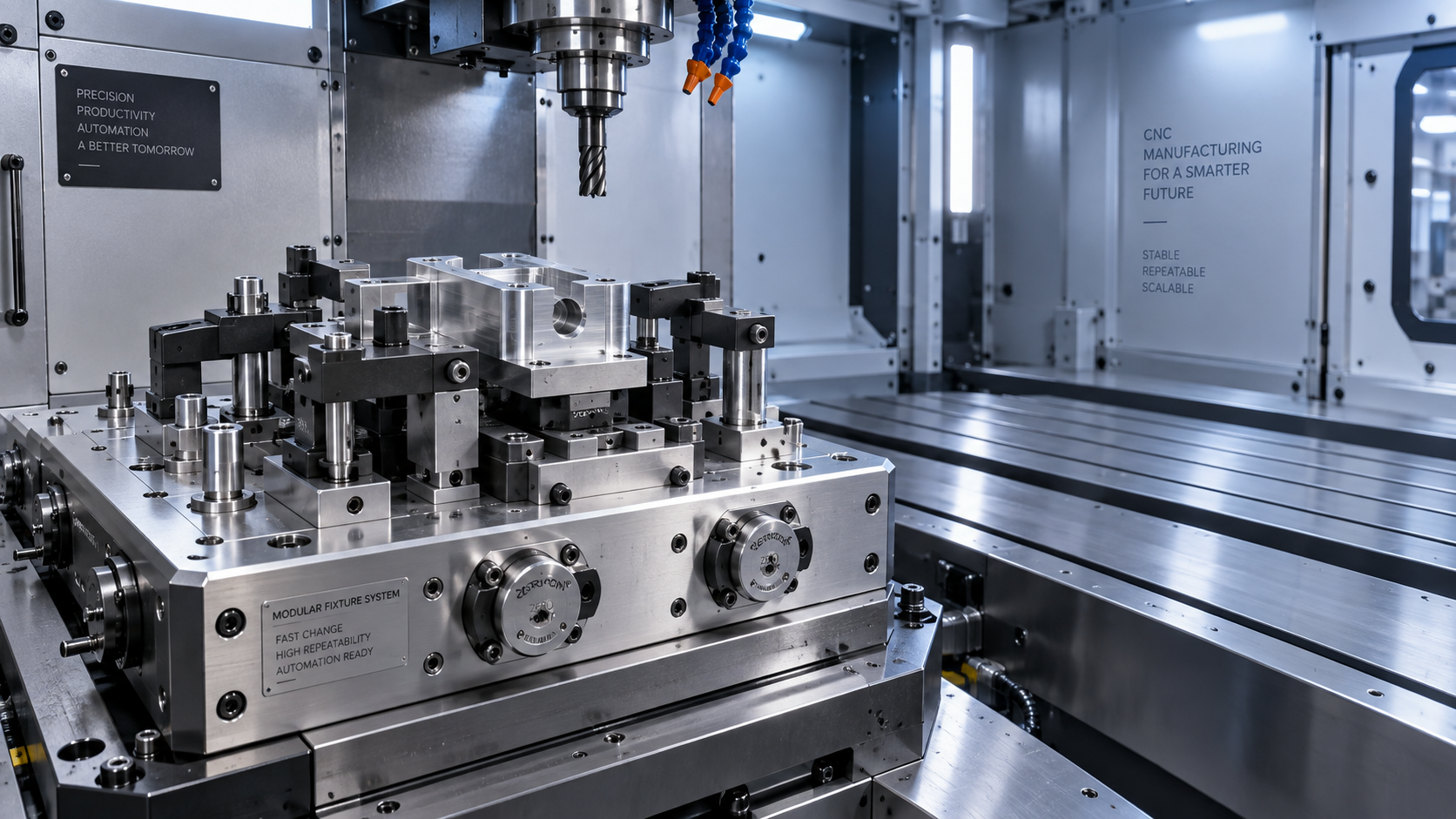
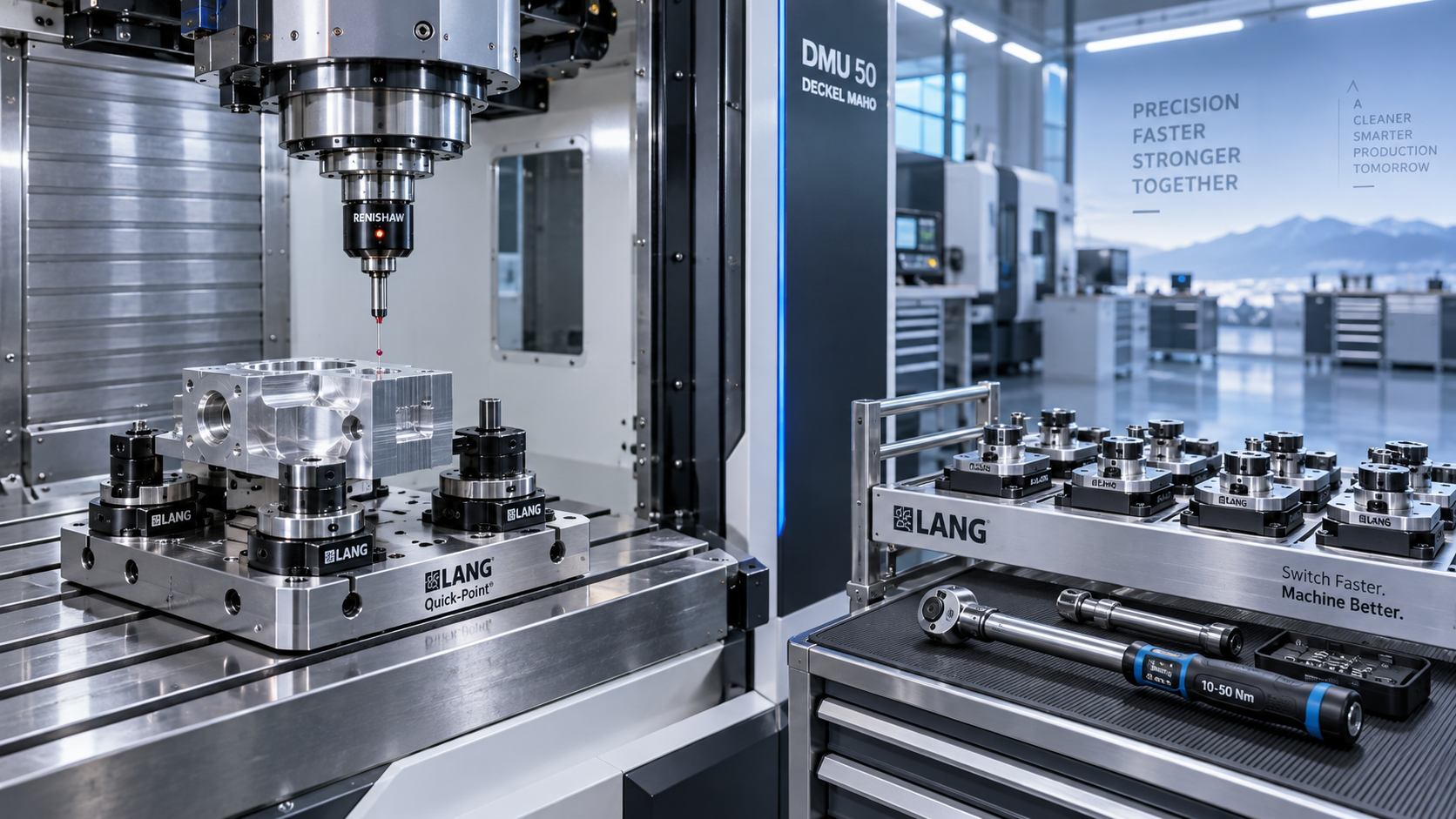
 Zero-Point Clamping or Modular Fixtures? Choosing a Faster CNC Changeover SystemCNC Machining Technology Center
 How to Cut CNC Fixture Changeover Time Without Sacrificing Part AccuracyCNC Machining Technology Center
 When Does CNC Turning Pay Off? A Break-Even Guide by Annual Part VolumeMachine Tool Industry Editorial Team
 Machine Tool Standards by Country: What Importers Must Verify Before PurchaseManufacturing Policy Research Center
 CNC Lathe Quick Installation Guide: Alignment Checks Before First Production RunCNC Machining Technology Center
 How to Select a CNC Lathe for Small Parts Without Sacrificing Accuracy or Cycle TimeCNC Machining Technology Center

Aris Katos
Future of Carbide Coatings
15+ years in precision manufacturing systems. Specialized in high-speed milling and aerospace grade alloy processing.
▶
How Does Precision Machining Differ From Standard Machining?CNC Machining Technology Center▶
CNC Precision: Which Tolerances, Materials, and Processes Fit Your Part?CNC Machining Technology Center▶
How to Choose Metal Machining Processes for Tight Tolerances and Production VolumeCNC Machining Technology Center▶
Production Process Explained: Key Stages, Controls, and Quality CheckpointsCNC Machining Technology Center▶
How to Select a Machine Tool for Electronics Manufacturing with Tight Tolerance NeedsCNC Machining Technology Center
Mastering 5-Axis Workholding Strategies
Join our technical panel on Nov 15th to learn about reducing vibrations in thin-wall components.

Providing you with integrated sanding solutions
Before-sales and after-sales services
Comprehensive technical support