• Global CNC market projected to reach $128B by 2028 • New EU trade regulations for precision tooling components • Aerospace deman
NYSE: CNC +1.2%LME: STEEL -0.4%

Precision turning isn’t just about tolerances—it’s about thermal stability in real-world shops
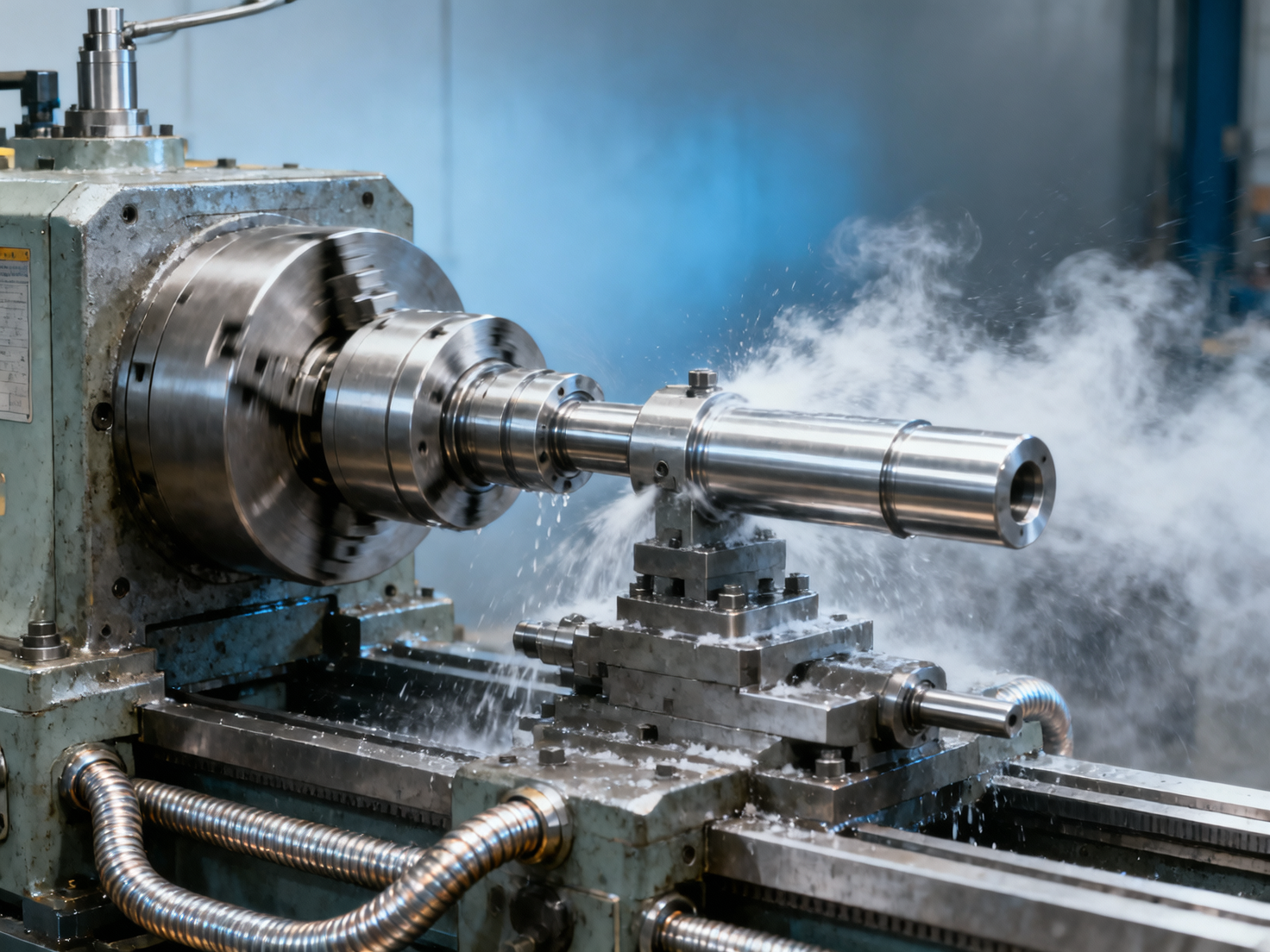
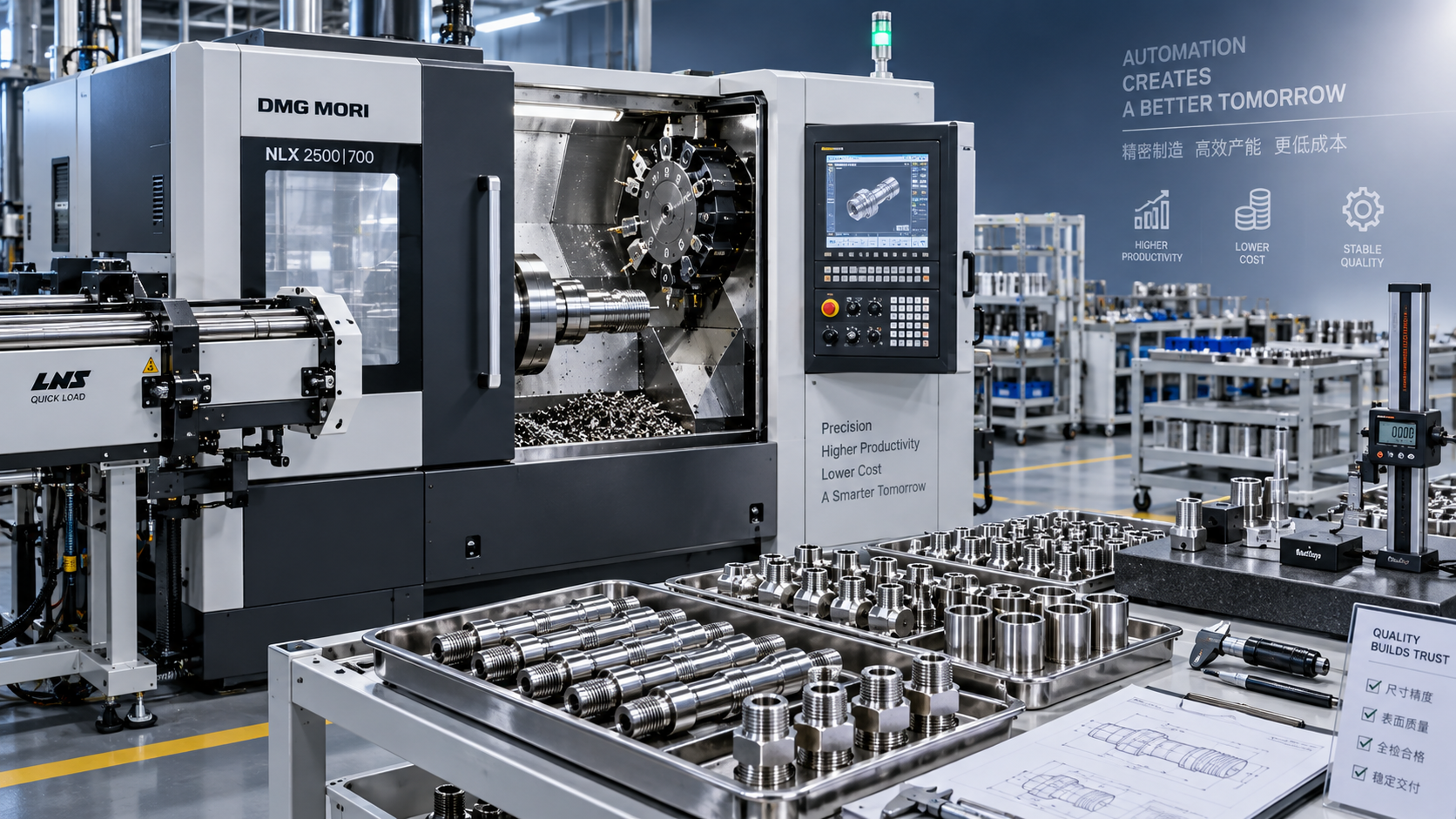
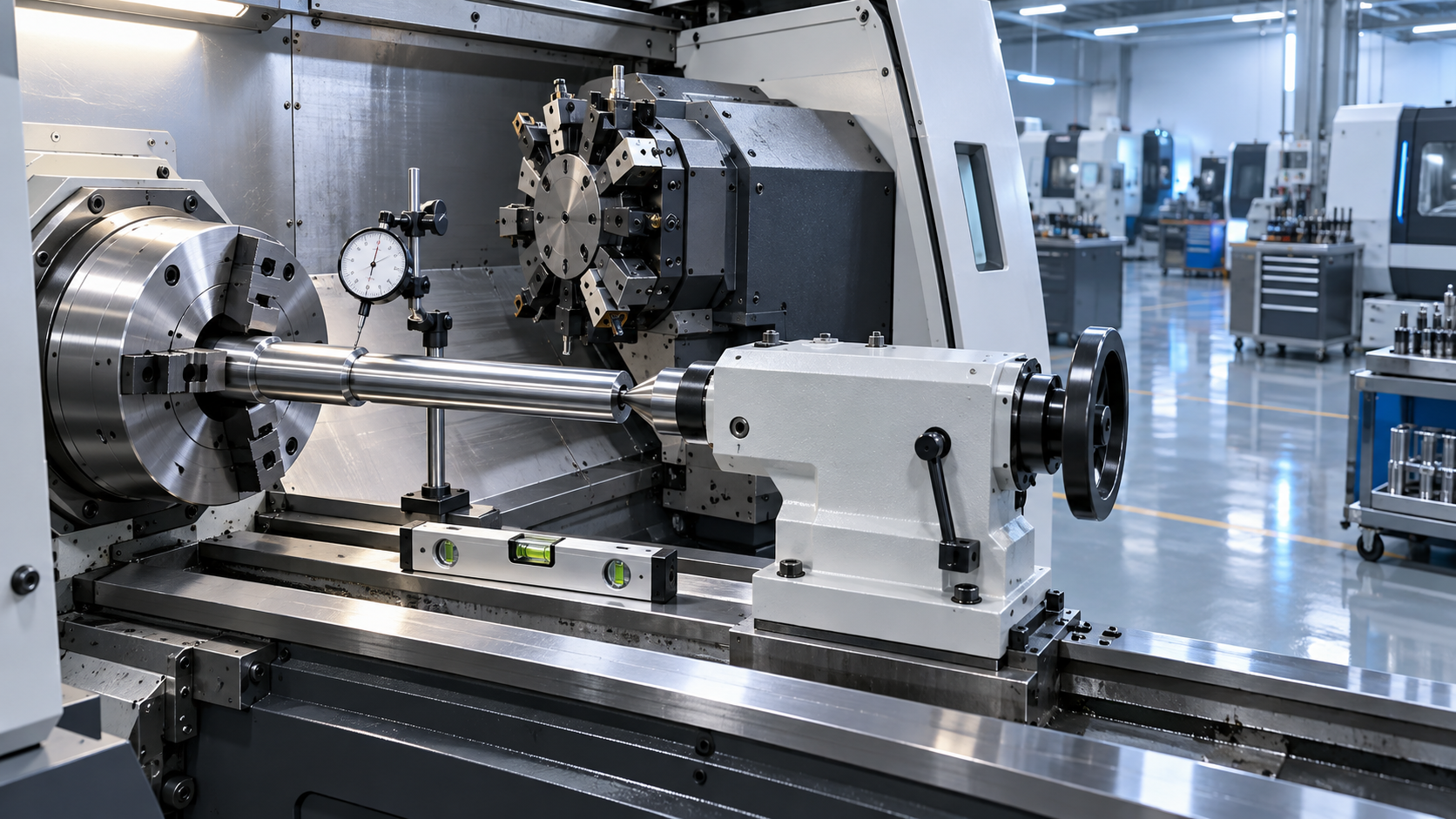
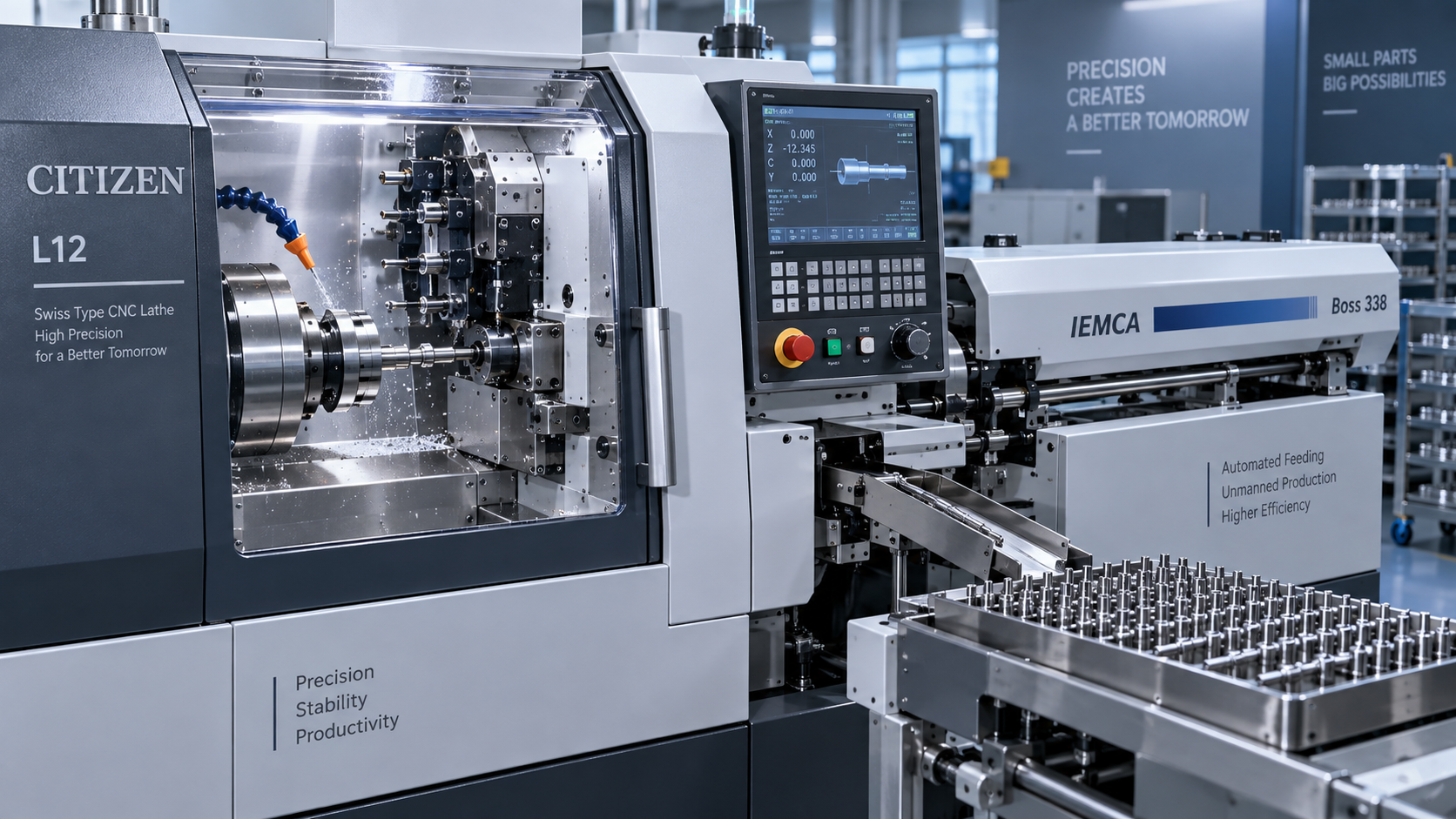
Precision turning demands more than micron-level tolerances—it hinges on thermal stability under real-world shop-floor conditions. In high-precision machining of Disc Parts and complex shafts, even minor temperature fluctuations can compromise accuracy on precision lathes, slant bed lathes, and multi-axis machining systems. As automated machine tools and Automation Lines push productivity limits, robust Tooling Systems and industrial cutting solutions must deliver consistent performance amid heat buildup. For users, procurement teams, and decision-makers in aerospace, automotive, and energy sectors, understanding this thermal reality is critical to achieving true high precision machining—where repeatability meets reliability.
Why Thermal Stability Matters More Than Micron Tolerances Alone
Tolerance specifications—such as ±0.005 mm—are essential benchmarks, but they assume stable ambient and machine-state temperatures. In practice, CNC lathes operating at 12–18 kW spindle power generate significant internal heat. Without active thermal management, bed casting temperatures can drift by 3–8℃ over a 4-hour shift—inducing up to ±0.012 mm positional error in shaft diameter measurements.
This effect intensifies with part geometry: thin-walled discs and long slender shafts exhibit higher thermal expansion coefficients and lower rigidity. A 1.2-meter aluminum shaft may elongate 0.042 mm per 10℃ rise—enough to exceed Cpk 1.33 requirements in aerospace landing gear components.
Thermal errors account for up to 70% of total volumetric inaccuracy in production-grade precision lathes—not geometric misalignment or wear. That’s why ISO 230-3:2022 explicitly mandates thermal drift testing across 8-hour continuous cycles for machines certified for “high-accuracy turning.”
How Real-World Shops Experience Thermal Instability
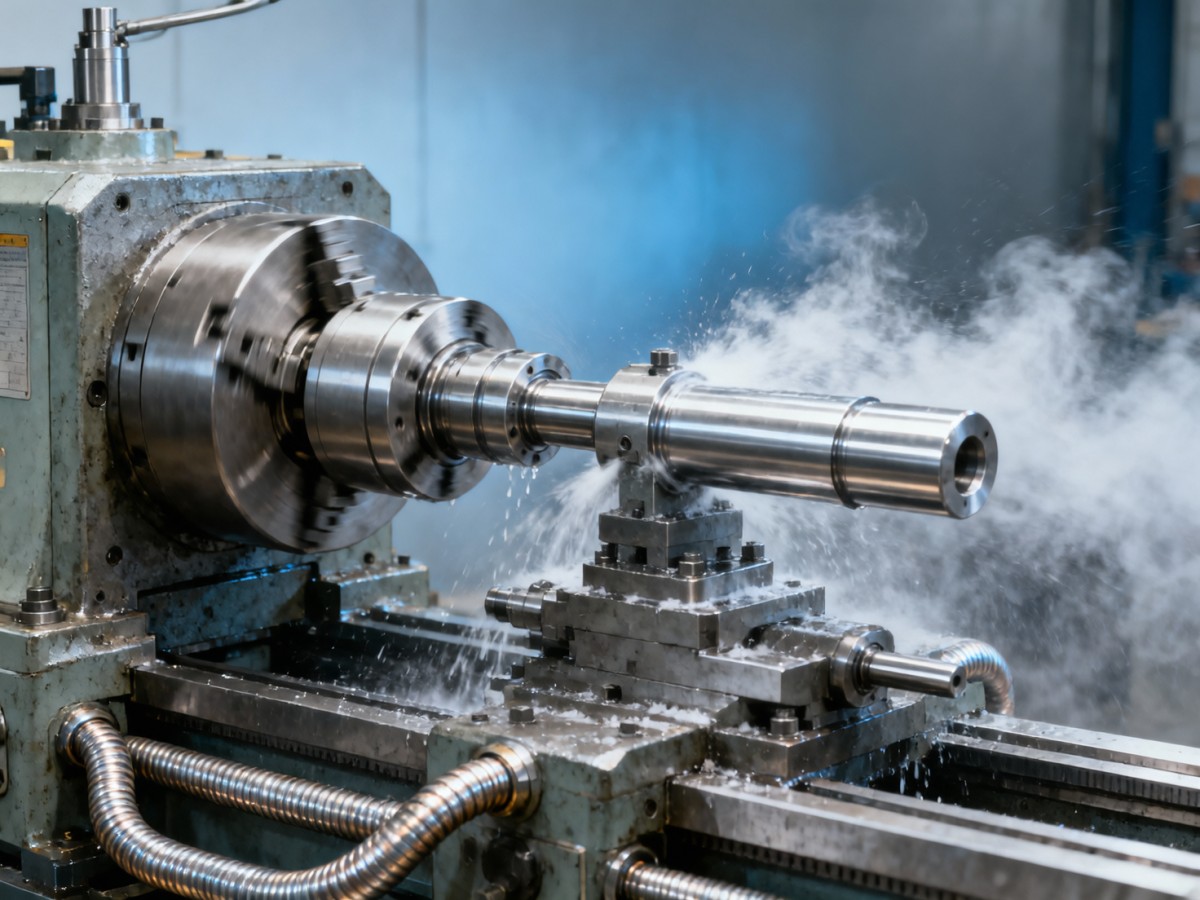
Three common thermal failure modes dominate daily operations:
- Spindle thermal growth: Bearings expand radially during warm-up—shifting tool centerline by 0.008–0.015 mm within first 30 minutes of operation.
- Bed and slide deformation: Uneven coolant flow or ambient drafts cause asymmetric expansion in cast iron beds, bending the Z-axis guideway by up to 3.5 µm/m.
- Workpiece-induced error: High-feed roughing passes raise part surface temperature by 25–40℃—causing measurable shrinkage during final finishing passes.
These effects compound in multi-shift environments where machines restart cold, then reheat inconsistently. Over 68% of surveyed shops report >20% scrap rate spikes during first-shift warm-up periods—especially in tight-tolerance disc machining for turbine assemblies.
What to Evaluate When Procuring Thermally Stable Turning Systems
Procurement teams should prioritize five measurable thermal design criteria—not just catalog specs:
These parameters directly impact your ability to hold GD&T callouts like position (⌀0.01 mm), concentricity (⌀0.008 mm), and surface finish (Ra ≤ 0.4 µm) across 200+ parts per batch—without recalibration or manual compensation.
Thermal Mitigation Strategies Across Shop Roles
For Operators & Programmers
Implement thermal soak protocols: Run spindle at 60% max RPM for 15 minutes before first part. Use G-code commands (e.g., G4 P900) to pause between roughing and finishing passes—allowing part cooldown. Monitor coolant temp every 2 hours; adjust feed rates if deviation exceeds ±1.2℃.
For Procurement Teams
Require OEM-provided thermal drift test reports per ISO 230-3 Annex D. Verify inclusion of 3-point temperature mapping (spindle nose, turret base, tailstock quill) over 8-hour cycles. Confirm warranty covers thermal compensation software updates for ≥3 years.
For Decision-Makers
Thermal stability reduces post-process inspection frequency by 40–60% and extends tool life by 22–35%. Factoring in scrap reduction and throughput gains, ROI for thermally optimized lathes averages 14–22 months in Tier-1 automotive and aerospace suppliers.
Why Partner With Our Precision Turning Solutions Team
We support global manufacturers with turnkey thermal assurance—from specification review to validation. Our engineers co-develop thermal compensation strategies aligned with your specific part families (discs, shafts, flanges), material groups (Inconel 718, Ti-6Al-4V, 42CrMo4), and production rhythm (batch size 50–500, cycle time ≤ 8.2 min).
You’ll receive:
- Pre-delivery thermal drift verification report (per ISO 230-3, 8-hour continuous test)
- On-site thermal mapping service—including 3D thermal gradient analysis of your shop floor environment
- Customized thermal compensation training for operators and maintenance staff (2-day onsite program)
- Access to our global network of certified service centers—average response time < 72 hours for thermal calibration support
Ready to eliminate thermal-related scrap and boost first-pass yield? Contact us today for a free thermal readiness assessment—including part-specific tolerance risk analysis and recommended mitigation steps.
Recommended for You
 Zero-Point Clamping or Modular Fixtures? Choosing a Faster CNC Changeover SystemCNC Machining Technology Center
 How to Cut CNC Fixture Changeover Time Without Sacrificing Part AccuracyCNC Machining Technology Center
 When Does CNC Turning Pay Off? A Break-Even Guide by Annual Part VolumeMachine Tool Industry Editorial Team
 Machine Tool Standards by Country: What Importers Must Verify Before PurchaseManufacturing Policy Research Center
 CNC Lathe Quick Installation Guide: Alignment Checks Before First Production RunCNC Machining Technology Center
 How to Select a CNC Lathe for Small Parts Without Sacrificing Accuracy or Cycle TimeCNC Machining Technology Center

Aris Katos
Future of Carbide Coatings
15+ years in precision manufacturing systems. Specialized in high-speed milling and aerospace grade alloy processing.
▶
How Does Precision Machining Differ From Standard Machining?CNC Machining Technology Center▶
CNC Precision: Which Tolerances, Materials, and Processes Fit Your Part?CNC Machining Technology Center▶
How to Choose Metal Machining Processes for Tight Tolerances and Production VolumeCNC Machining Technology Center▶
Production Process Explained: Key Stages, Controls, and Quality CheckpointsCNC Machining Technology Center▶
How to Select a Machine Tool for Electronics Manufacturing with Tight Tolerance NeedsCNC Machining Technology Center
Mastering 5-Axis Workholding Strategies
Join our technical panel on Nov 15th to learn about reducing vibrations in thin-wall components.

Providing you with integrated sanding solutions
Before-sales and after-sales services
Comprehensive technical support