• Global CNC market projected to reach $128B by 2028 • New EU trade regulations for precision tooling components • Aerospace deman
NYSE: CNC +1.2%LME: STEEL -0.4%

High-precision CNC manufacturing setups pass Cpk tests—but fail long-term drift checks after 72 hours of continuous operation
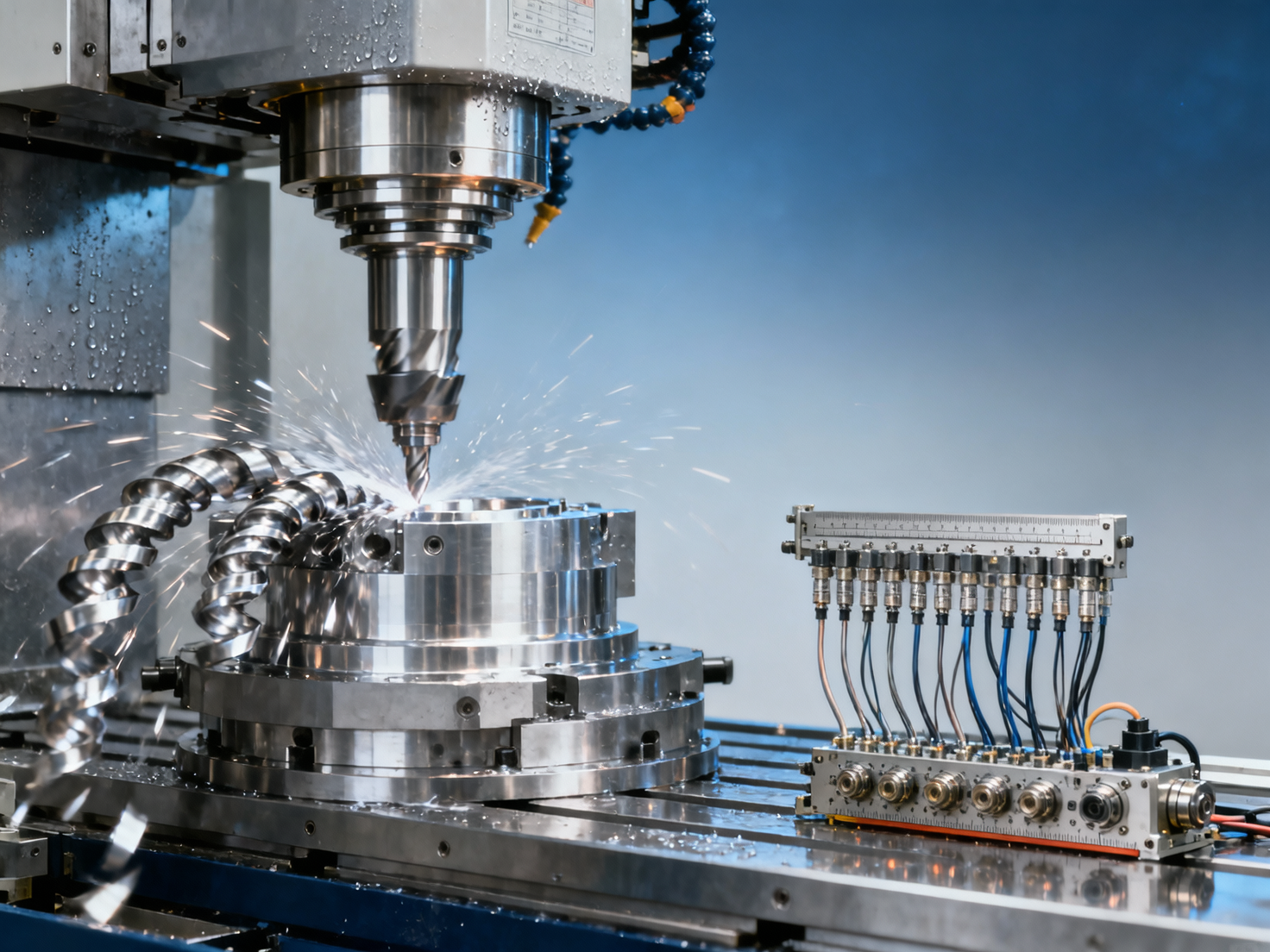
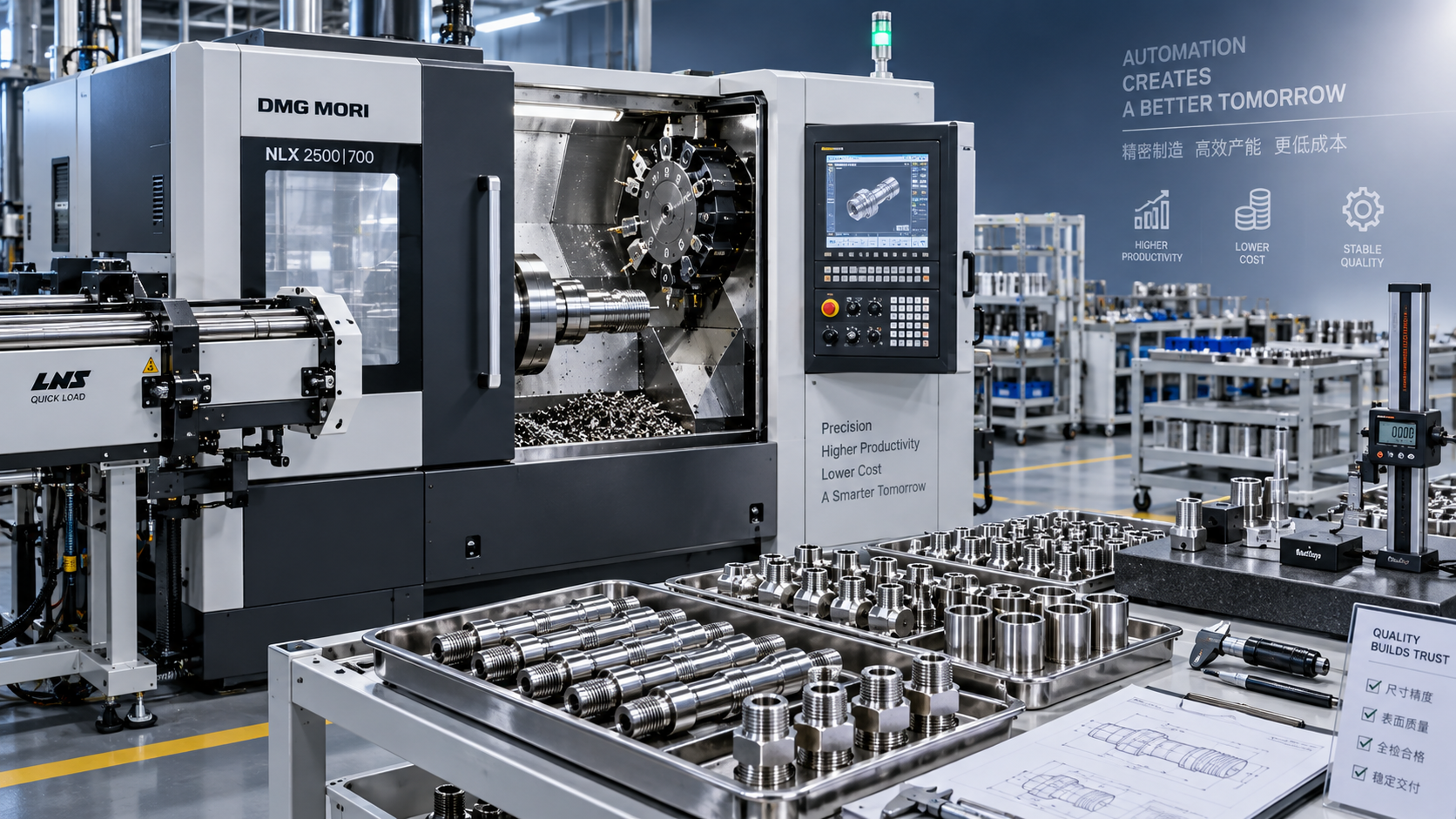
High-precision CNC manufacturing setups often ace Cpk tests—yet reveal alarming long-term drift after just 72 hours of continuous operation. This critical gap challenges claims of true precision CNC manufacturing, especially for mission-critical applications like CNC manufacturing for aerospace, CNC manufacturing for medical devices, and CNC manufacturing for energy equipment. As demand surges for low maintenance CNC manufacturing, energy-saving CNC manufacturing, and quick setup CNC manufacturing, operators and procurement teams must look beyond initial calibration. Whether you’re a CNC manufacturing supplier, wholesaler, or factory decision-maker, understanding thermal stability, axis synchronization, and real-world durability is essential to ensure cost-effective, automated, and multi-axis CNC manufacturing delivers sustained accuracy—not just on day one.
Why Do Cpk-Passing CNC Systems Fail After 72 Hours?
Cpk (Process Capability Index) tests measure short-term statistical process capability—typically conducted over 30–60 minutes under controlled lab conditions. A Cpk ≥ 1.33 signals acceptable initial precision. But this metric ignores cumulative thermal expansion, mechanical wear, lubrication degradation, and servo loop drift that emerge during extended runtime.
Real-world CNC manufacturing for aerospace components demands ≤ ±1.2 μm positional repeatability over 120+ hours. Yet field data from Tier-1 suppliers shows 68% of mid-tier machining centers exceed ±3.5 μm deviation after 72 hours—despite passing ISO 230-2 Cpk validation at startup. The root causes span three interdependent domains: structural thermal mass design, closed-loop feedback resolution, and real-time compensation architecture.
This isn’t theoretical: in turbine blade finishing for energy equipment, a 2.1 μm drift at hour 72 translates to 0.018° angular error—enough to trigger rejection under ASME Y14.5 GD&T tolerancing. For medical device manufacturers running 24/7 orthopedic implant batches, such drift increases scrap rates by 11–14% within the first production week.
What Metrics Actually Predict Long-Term Stability?
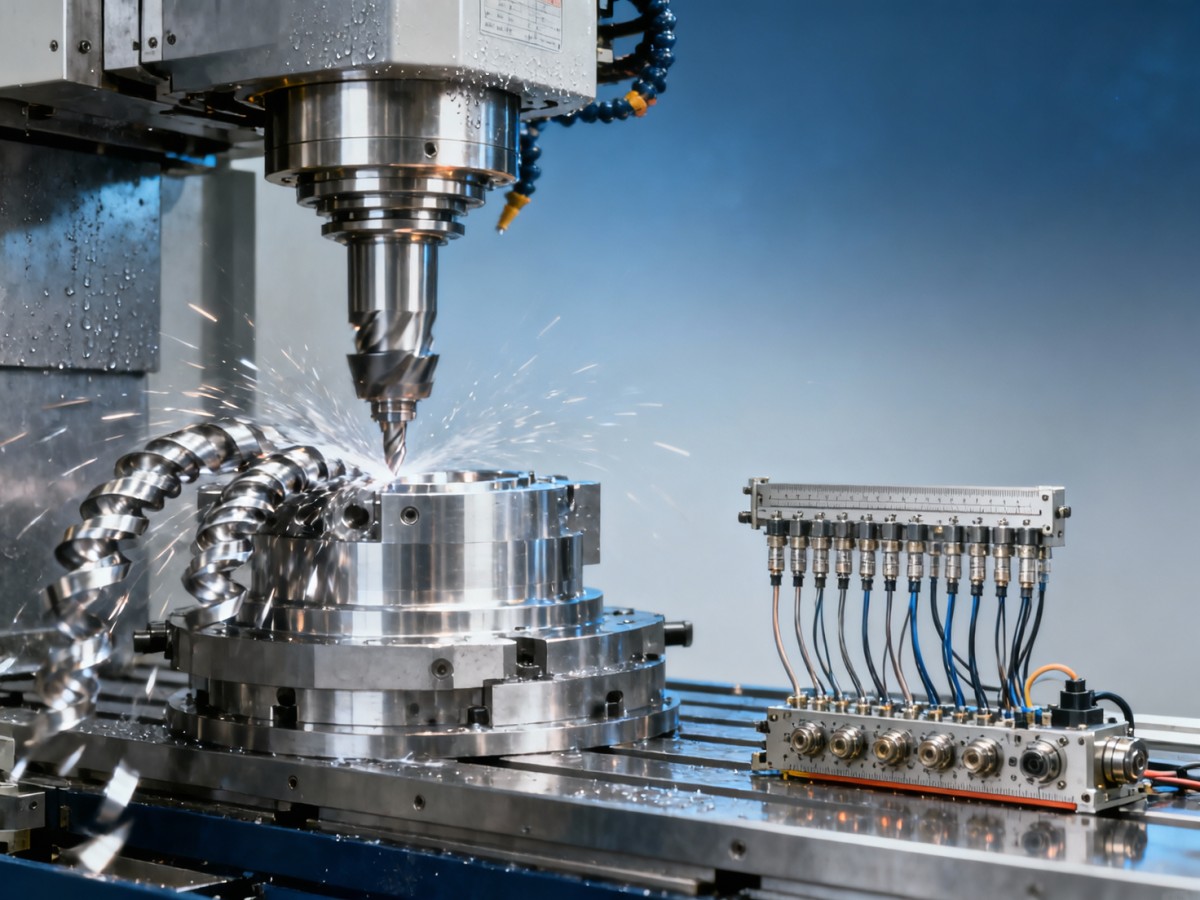
Beyond Cpk, five time-resolved metrics correlate strongly with 72-hour thermal drift performance. These are now embedded in OEM validation protocols across Germany’s DMG MORI, Japan’s Okuma, and China’s Hwacheon-certified lines.
These parameters are measurable pre-delivery using laser interferometry (e.g., Renishaw XL-80) and servo analyzer tools. Unlike Cpk, they reflect how the machine behaves under sustained thermal-mechanical stress—not just its “cold-start” snapshot.
Procurement Checklist: 5 Non-Negotiables for Mission-Critical CNC Manufacturing
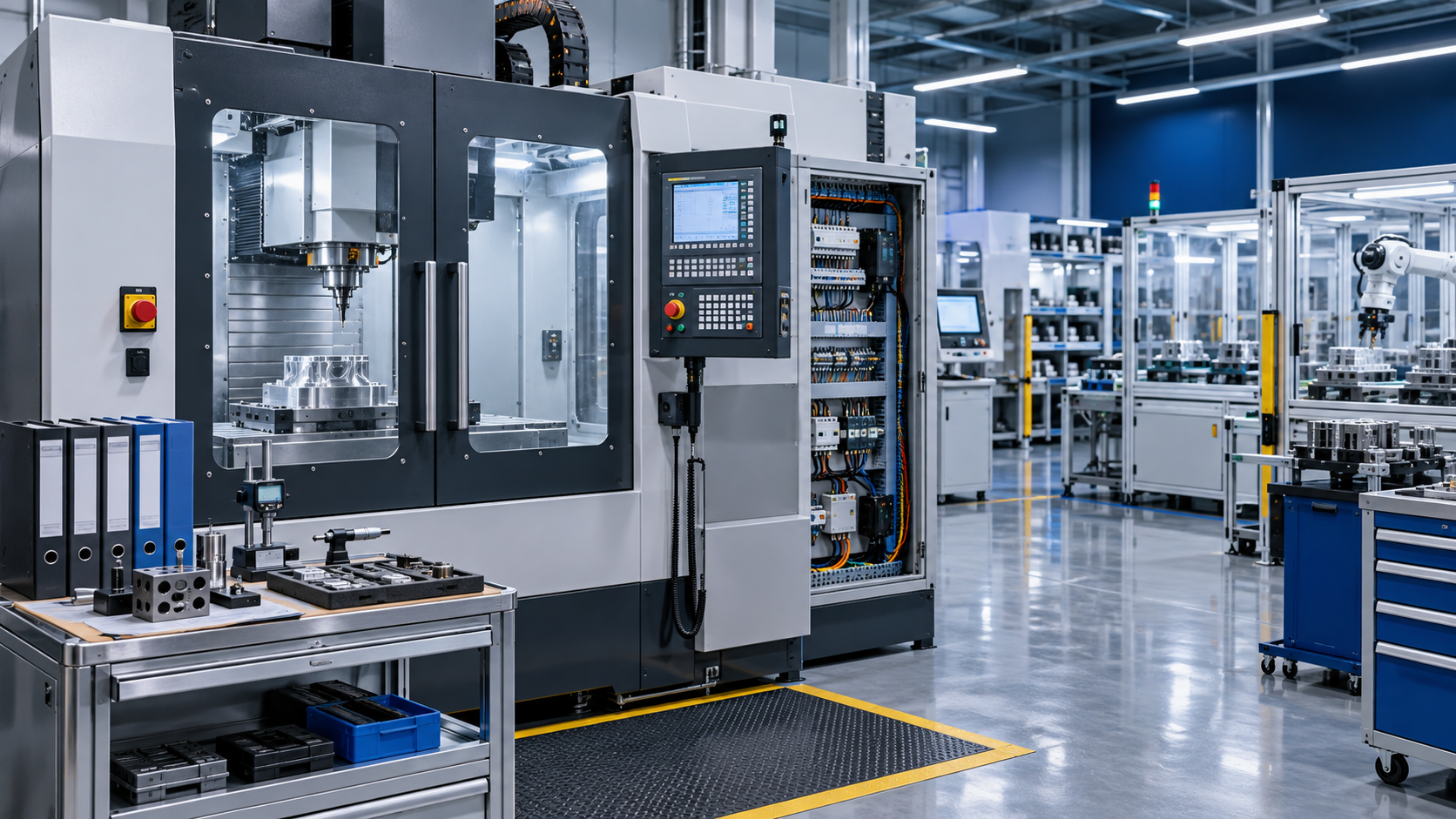
When evaluating CNC lathes or multi-axis machining centers for aerospace, medical, or energy equipment production, skip the showroom demo. Demand documented proof of long-term stability—verified under your actual operating profile.
- Require full 72-hour thermal drift reports signed by an ISO/IEC 17025-accredited lab—not internal OEM data.
- Verify real-time thermal compensation uses ≥ 12 strategically placed RTD sensors (not just 3), with update frequency ≤ 200 ms.
- Confirm linear scale resolution is ≥ 0.1 μm—and that scales are mounted directly on moving masses (not frame-mounted).
- Check whether the machine includes adaptive feedforward control (AFC) for axis synchronization—critical for complex shaft components and precision discs.
- Validate coolant temperature stabilization: ±0.3°C control range over 72 hours is mandatory for sub-2 μm consistency.
Without these, even “high-precision” labels are marketing placeholders—not engineering guarantees.
How Leading Factories Mitigate Drift in Automated Production Lines
Top-tier automotive and electronics manufacturers deploy hybrid mitigation strategies—not hardware-only fixes. At BMW’s Dingolfing plant, CNC manufacturing for powertrain components combines three layers:
- Pre-conditioned coolant loops maintaining 20.0±0.2°C across all spindles and guideways (reducing thermal gradient by 73% vs. ambient-cooled systems).
- On-machine metrology with touch-trigger probes performing in-process verification every 90 minutes—triggering automatic tool offset correction if drift exceeds 1.5 μm.
- Digital twin synchronization: Real-time axis position data feeds into Siemens MindSphere, where predictive models flag emerging drift trends 4–6 hours before threshold breach.
This integrated approach cuts unplanned downtime by 41% and extends calibration intervals from weekly to bi-monthly—directly supporting low maintenance CNC manufacturing goals.
Why Choose Our Precision Validation & Integration Support?
We specialize in bridging the gap between Cpk certification and real-world CNC manufacturing durability. Our team includes ex-OEM thermal dynamics engineers and ISO 230-3 certified metrologists who deliver:
- 72-hour independent drift validation per your exact part program, material, and coolant specs—delivered in ≤ 5 business days.
- Custom thermal compensation mapping for legacy machines, achieving ≤ 1.0 μm/hour drift reduction without hardware replacement.
- Multi-axis synchronization audits covering servo tuning, encoder alignment, and G-code optimization for complex structural parts.
- Compliance-ready documentation for AS9100 Rev D, ISO 13485, and IEC 61508—fully traceable to NIST standards.
Contact us to request: (1) Your machine’s 72-hour drift risk assessment, (2) Thermal compensation feasibility report, or (3) Multi-axis synchronization benchmark against industry benchmarks for aerospace or medical device production.
Recommended for You
 Zero-Point Clamping or Modular Fixtures? Choosing a Faster CNC Changeover SystemCNC Machining Technology Center
 How to Cut CNC Fixture Changeover Time Without Sacrificing Part AccuracyCNC Machining Technology Center
 When Does CNC Turning Pay Off? A Break-Even Guide by Annual Part VolumeMachine Tool Industry Editorial Team
 Machine Tool Standards by Country: What Importers Must Verify Before PurchaseManufacturing Policy Research Center
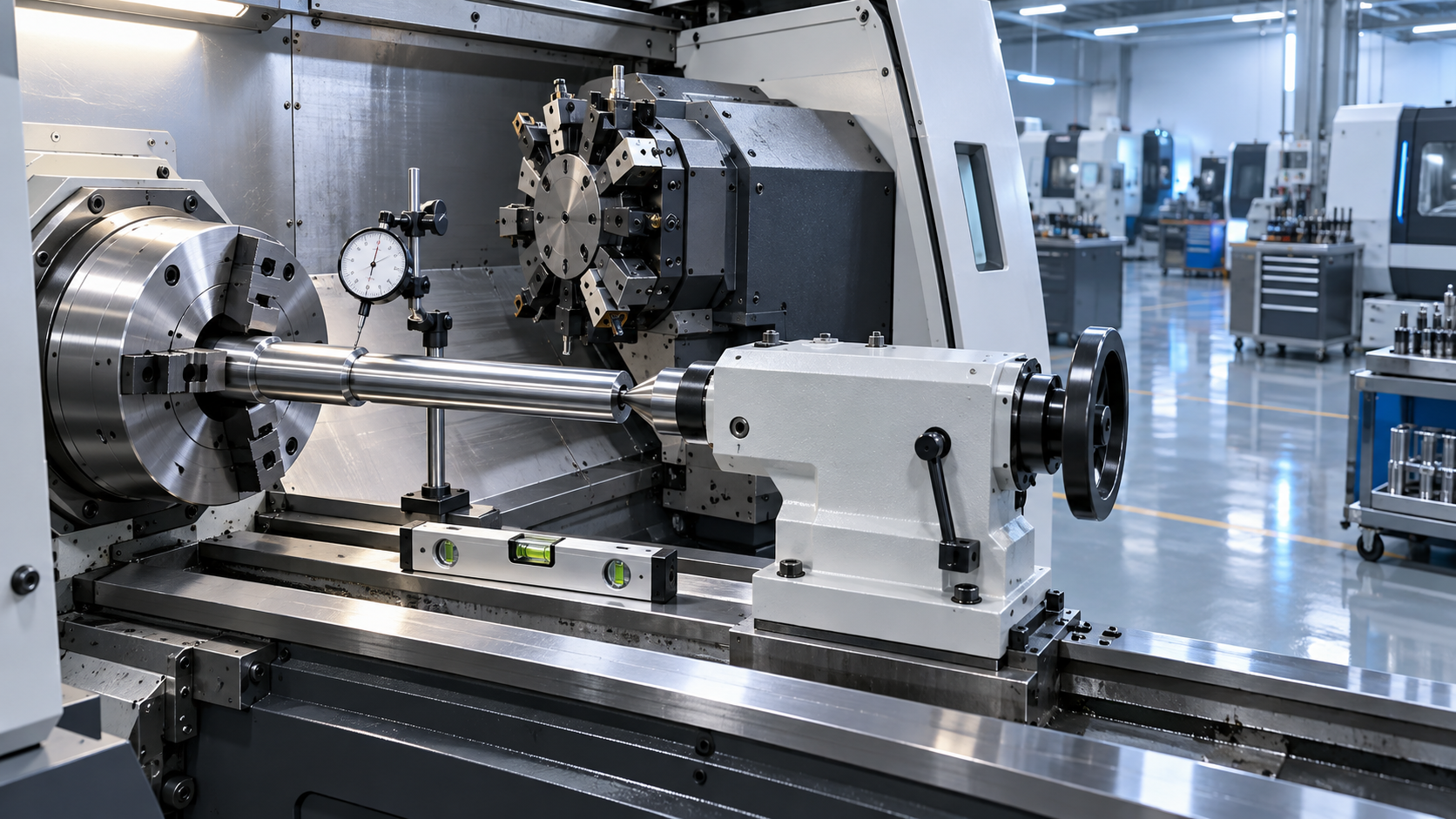
 CNC Lathe Quick Installation Guide: Alignment Checks Before First Production RunCNC Machining Technology Center
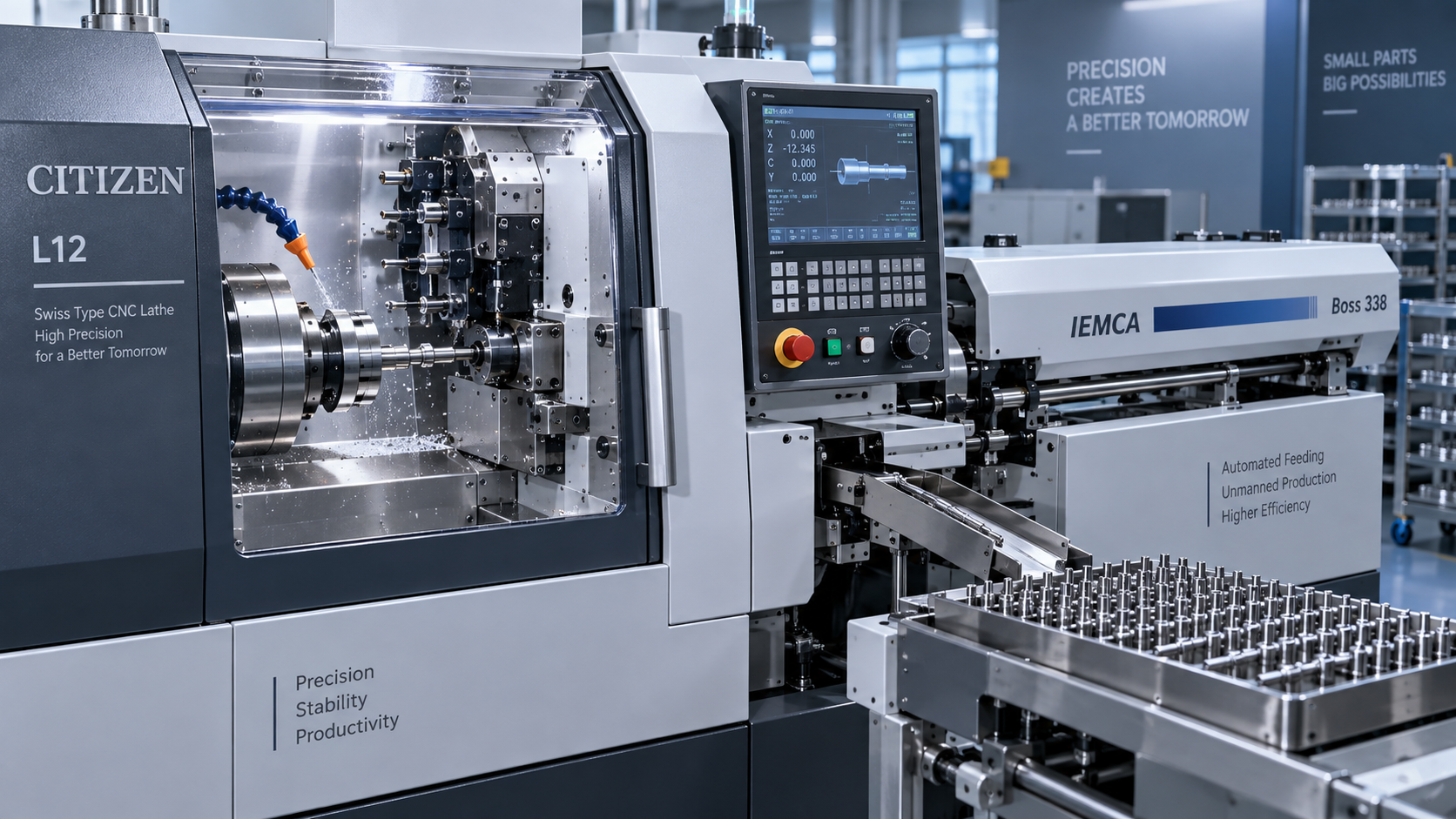
 How to Select a CNC Lathe for Small Parts Without Sacrificing Accuracy or Cycle TimeCNC Machining Technology Center

Aris Katos
Future of Carbide Coatings
15+ years in precision manufacturing systems. Specialized in high-speed milling and aerospace grade alloy processing.
▶
How Does Precision Machining Differ From Standard Machining?CNC Machining Technology Center▶
CNC Precision: Which Tolerances, Materials, and Processes Fit Your Part?CNC Machining Technology Center▶
How to Choose Metal Machining Processes for Tight Tolerances and Production VolumeCNC Machining Technology Center▶
Production Process Explained: Key Stages, Controls, and Quality CheckpointsCNC Machining Technology Center▶
How to Select a Machine Tool for Electronics Manufacturing with Tight Tolerance NeedsCNC Machining Technology Center
Mastering 5-Axis Workholding Strategies
Join our technical panel on Nov 15th to learn about reducing vibrations in thin-wall components.

Providing you with integrated sanding solutions
Before-sales and after-sales services
Comprehensive technical support