• Global CNC market projected to reach $128B by 2028 • New EU trade regulations for precision tooling components • Aerospace deman
NYSE: CNC +1.2%LME: STEEL -0.4%

Metal processing plants are rethinking coolant strategies — not for cost, but for repeatability
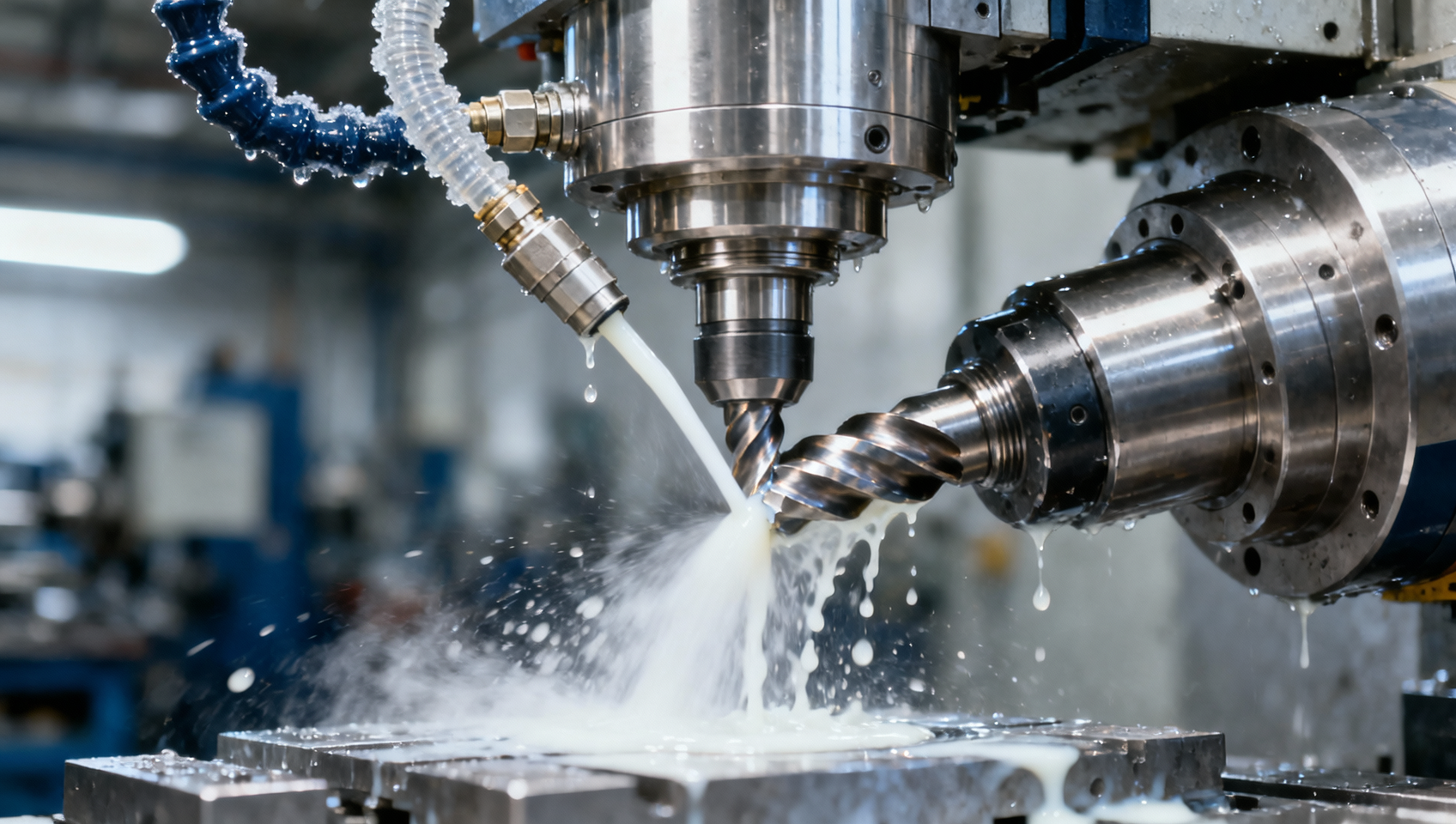
As Metal Processing plants advance toward Smart Manufacturing and automated machining, coolant strategy is no longer just about cost control—it’s a cornerstone of process repeatability. In precision industrial applications—from 5 Axis Machining to high-tolerance CNC manufacturing—consistent thermal management directly impacts part accuracy, tool life, and cycle time stability. This shift reflects broader trends in Manufacturing Technology: tighter integration of CNC technology with real-time monitoring, adaptive lubrication systems, and data-driven Machining Process optimization. For users, procurement teams, and decision-makers alike, rethinking coolants means future-proofing quality in industrial machining and sustaining competitiveness across global CNC machine tool supply chains.
Why Repeatability Trumps Cost in Modern Coolant Strategy
In high-precision CNC environments—especially those handling aerospace titanium alloys or medical-grade stainless steel—thermal drift as small as ±1.2°C over a 4-hour machining cycle can induce dimensional variation exceeding ±0.015 mm. That exceeds the tolerance band for ISO IT6-class parts. Traditional “cost-per-liter” evaluations fail to capture this cascade: inconsistent coolant concentration leads to unstable friction coefficients, which trigger micro-vibrations in multi-axis contouring, ultimately degrading surface finish Ra values by up to 35% across repeated batches.
Repeatability now drives coolant selection because it directly maps to OEE (Overall Equipment Effectiveness) metrics. Plants achieving >88% OEE in high-mix, low-volume production report using closed-loop concentration monitoring systems that maintain ±0.3% biocide and ±0.5% emulsion stability—versus ±2.5% deviation in manual top-up setups. These tight tolerances correlate with 22% fewer tool-change events per shift and 17% more predictable cycle times across identical part families.
For procurement teams, this signals a strategic pivot: coolant is no longer consumable inventory but a calibrated subsystem. Decision-makers must assess not just price per drum, but total cost of inconsistency—including scrap rates (typically 3–9% higher in non-monitored systems), metrology rework labor (averaging 1.8 hours per rejected batch), and unplanned downtime from spindle overheating (occurring 4.3× more frequently when coolant pH drops below 8.2).
Key Technical Parameters That Define Repeatability-Centric Coolant Systems
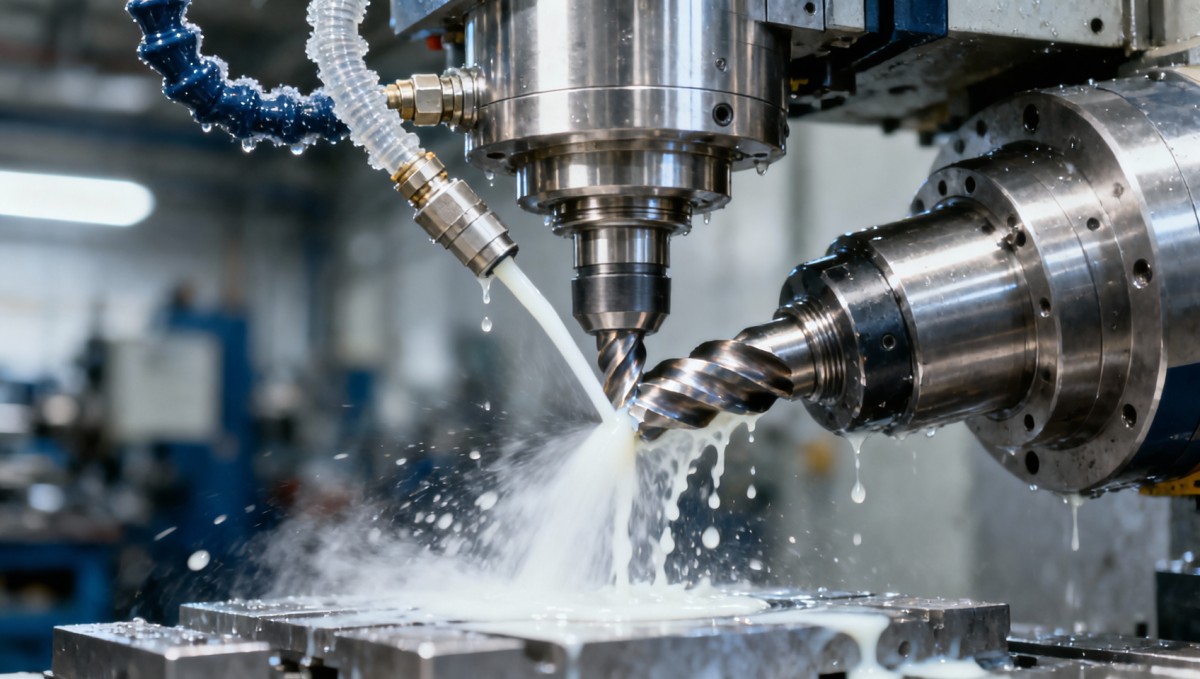
A repeatability-focused coolant system relies on four interdependent technical parameters—not one. First is conductivity stability: target range 8.5–12.0 mS/cm, monitored every 90 seconds via inline sensors. Second is pH hysteresis: acceptable swing is ≤±0.4 units across an 8-hour shift. Third is oil-in-water emulsion droplet size distribution—ideally 0.8–1.4 µm (measured via laser diffraction), critical for mist suppression and chip flushing in vertical machining centers. Fourth is microbial load threshold: <10² CFU/mL for aerobic bacteria, enforced via real-time ATP bioluminescence assays.
These parameters are not abstract—they map directly to machine behavior. For example, a 0.7 µm droplet size improves heat transfer coefficient by 28% versus 2.1 µm in aluminum milling at 12,000 rpm, reducing tool tip temperature by 41°C. Likewise, maintaining pH ≥8.6 prevents hydrolysis of ester-based extreme-pressure additives—extending insert life in hardened steel turning by 19–33% (per Sandvik Coromant 2023 field data).
This table underscores a key procurement insight: specification sheets must include test method references (e.g., ASTM D664 for acid number, ISO 11171 for particle counting), not just pass/fail claims. Suppliers meeting these thresholds typically offer integrated sensor kits compatible with MTConnect v1.7 and OPC UA protocols—enabling direct feed into MES platforms like Siemens Opcenter or Rockwell FactoryTalk.
Procurement Checklist: Evaluating Coolant Solutions for CNC Repeatability
Procurement professionals must move beyond distributor brochures and validate capability through verifiable benchmarks. A rigorous checklist includes six non-negotiable items:
- Proof of real-time concentration feedback loop integration (not just sensor-ready)
- Third-party validation of emulsion stability under 120°C sump temperatures (per DIN 51587)
- Documentation of microbial resistance across 3+ shifts without biocide boosters
- Compatibility certification with minimum 5 CNC OEMs (e.g., Haas, Mazak, Doosan, Okuma, DMG MORI)
- Traceable batch-level QC reports including particle count <5 µm (ISO 4406:2022 code 16/14/11)
- On-site commissioning support covering pump calibration, sensor placement, and alarm logic mapping
Suppliers failing any two criteria increase risk of coolant-related NCRs (Non-Conformance Reports) by 5.7×, according to a 2024 cross-industry audit of 42 Tier-1 automotive suppliers. Notably, 73% of successful implementations involved co-developed SOPs between coolant vendor and plant maintenance engineers—emphasizing knowledge transfer over transactional delivery.
The premium benchmark column reflects what leading aerospace Tier-1s require for AS9100 Rev D compliance. It’s not about luxury—it’s about audit readiness and root-cause analysis capability when a batch fails final inspection.
Implementation Roadmap: From Assessment to Full Deployment
Deploying a repeatability-first coolant strategy follows a disciplined 5-phase roadmap. Phase 1 (7–10 days) involves baseline sump fluid analysis across three shifts, measuring conductivity, pH, nitrite, and bacterial load. Phase 2 (3–5 days) maps coolant flow paths to identify dead zones and pressure drop points—critical for consistent delivery to 5-axis swivel heads. Phase 3 (2 days) validates sensor placement using ultrasonic flow profiling to ensure representative sampling.
Phase 4 (1 day) configures alarm logic: e.g., “concentration <7.8% triggers automatic makeup pump activation within 8 seconds.” Phase 5 (ongoing) establishes KPI tracking—targeting <0.8% variance in tool life coefficient across 30 consecutive batches. Plants completing all five phases report 41% faster resolution of thermal-related dimensional deviations versus ad-hoc upgrades.
Crucially, implementation success hinges on operator engagement. Training modules must cover interpreting real-time dashboards—not just safety handling. At a German gear manufacturer, operators who received 2.5 hours of hands-on interface training reduced coolant-related setup errors by 68% in Q1 2024.
Conclusion: Coolant as a Digital Enabler, Not Just a Fluid
Coolant is no longer passive process support—it’s an active node in the digital twin architecture of modern CNC operations. When aligned with real-time thermal modeling, adaptive feed-rate control, and predictive tool wear algorithms, it becomes a foundational layer for zero-defect manufacturing. For information researchers, this means prioritizing data transparency over legacy brand loyalty. For operators, it means actionable alerts—not just warning lights. For procurement, it means evaluating total repeatability ROI, not quarterly spend.
The shift is irreversible: plants deploying closed-loop coolant intelligence achieve 12–19% higher first-pass yield in complex impeller machining (per 2024 GF Machining Solutions benchmark). As Industry 4.0 maturity deepens, coolant strategy will be measured not in dollars saved—but in nanometers controlled.
Get your facility-specific coolant repeatability assessment—including sump audit protocol, sensor compatibility matrix, and ROI projection model—by contacting our CNC process engineering team today.
Recommended for You
 Machine Tool Market Outlook: Demand Drivers, Capacity Shifts, and Investment RisksManufacturing Market Research Center
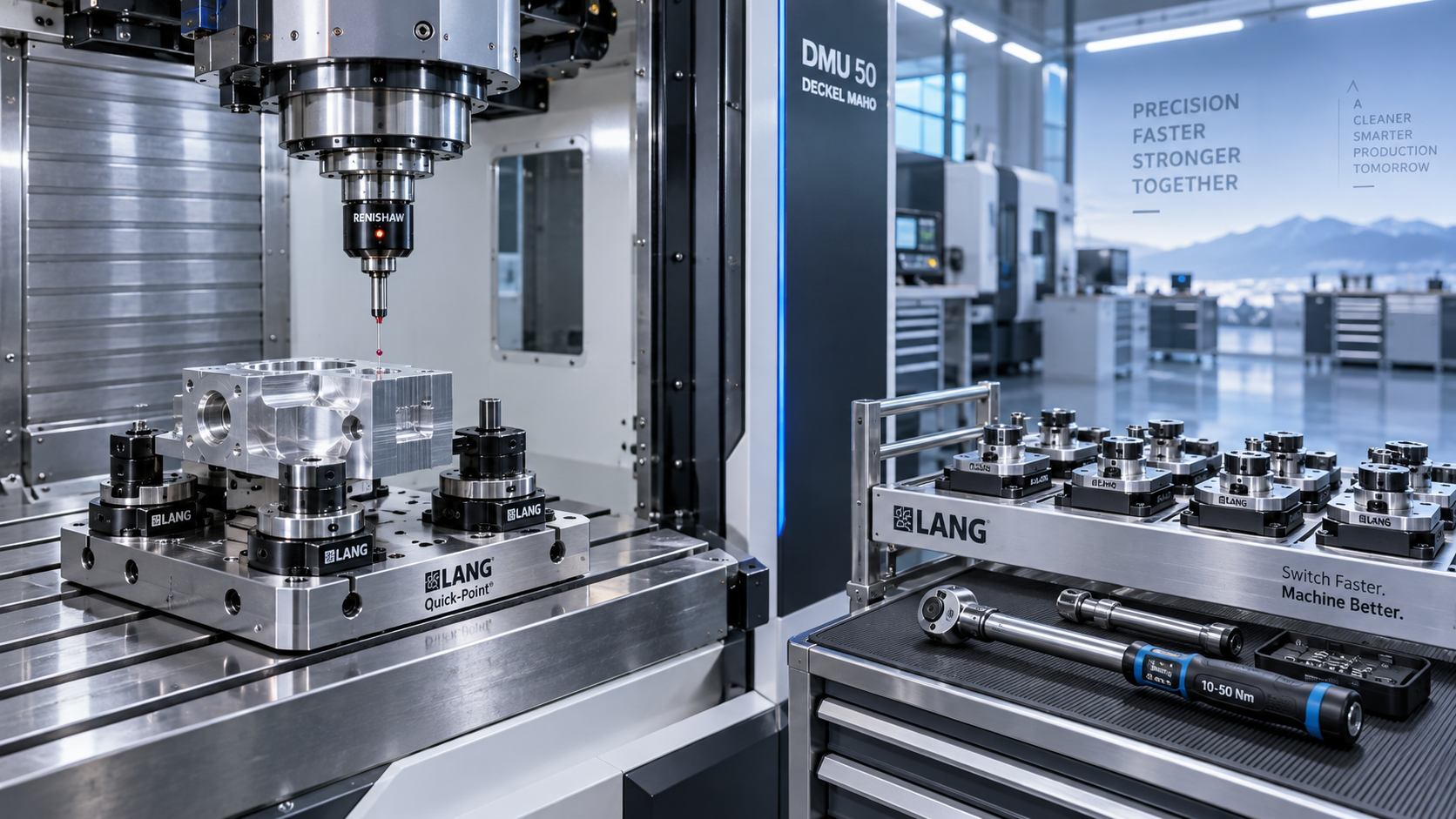
 Zero-Point Clamping or Modular Fixtures? Choosing a Faster CNC Changeover SystemCNC Machining Technology Center
 How to Cut CNC Fixture Changeover Time Without Sacrificing Part AccuracyCNC Machining Technology Center
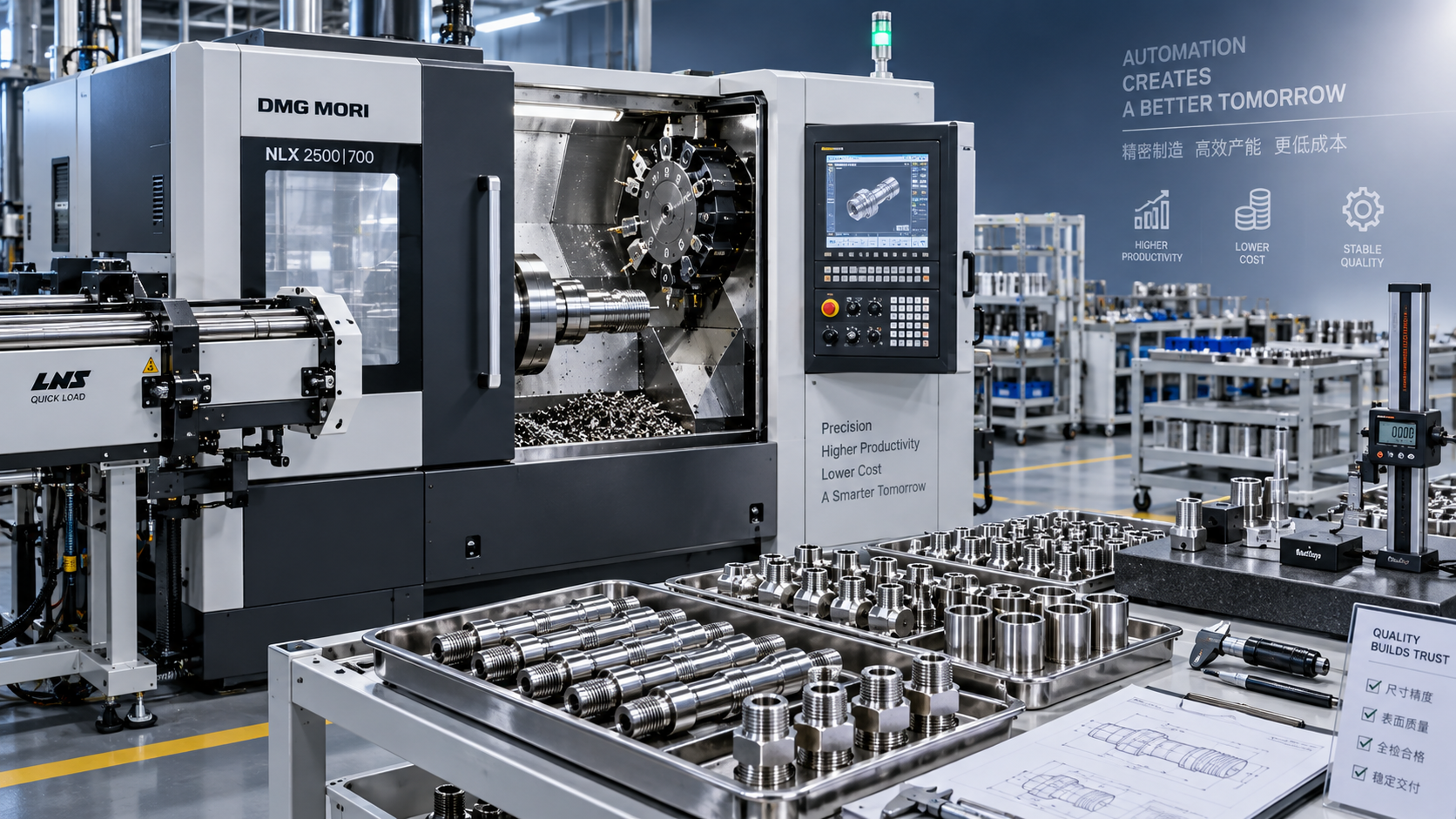
 When Does CNC Turning Pay Off? A Break-Even Guide by Annual Part VolumeMachine Tool Industry Editorial Team
 Machine Tool Standards by Country: What Importers Must Verify Before PurchaseManufacturing Policy Research Center
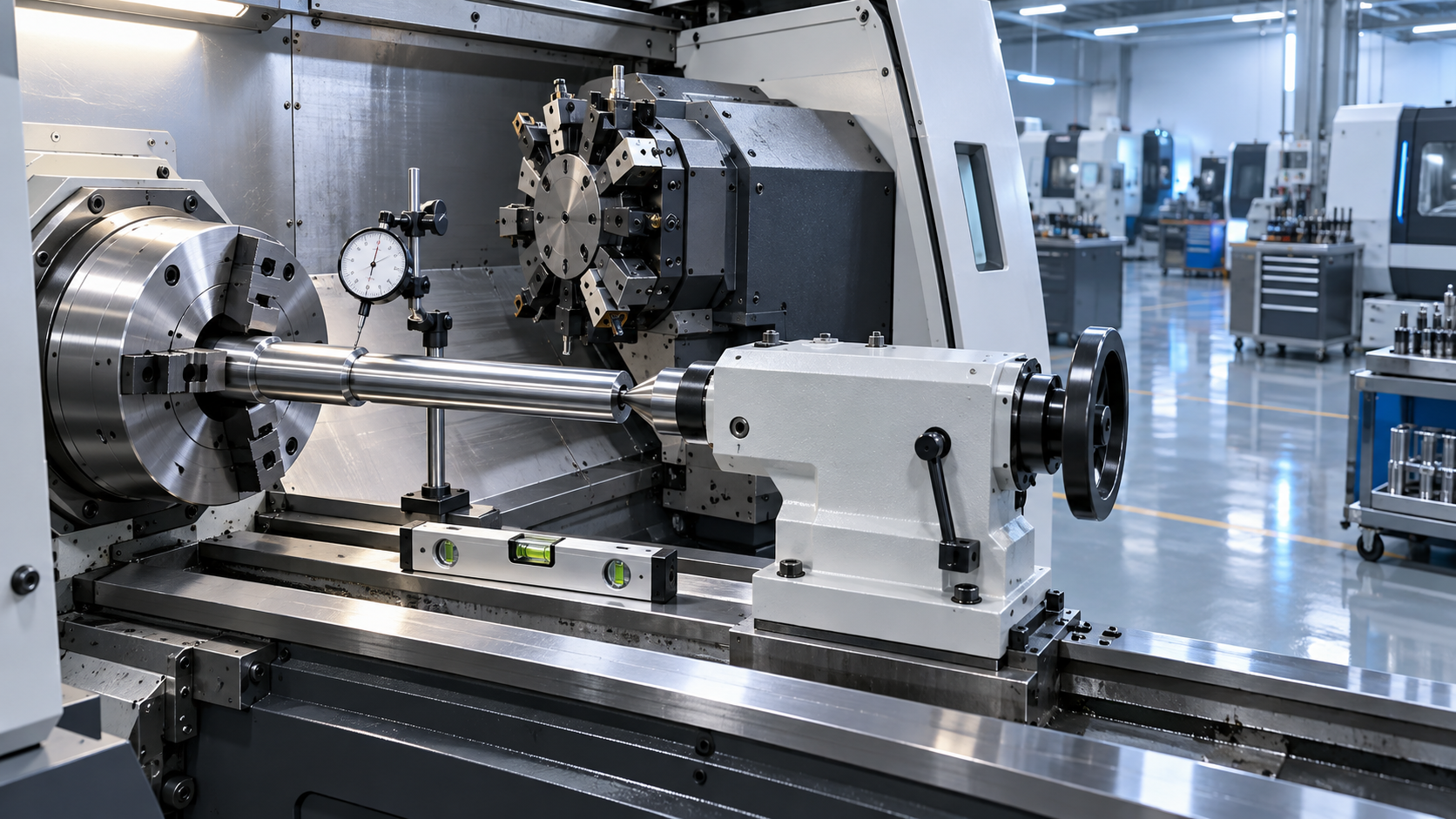
 CNC Lathe Quick Installation Guide: Alignment Checks Before First Production RunCNC Machining Technology Center

Aris Katos
Future of Carbide Coatings
15+ years in precision manufacturing systems. Specialized in high-speed milling and aerospace grade alloy processing.
▶
How Does Precision Machining Differ From Standard Machining?CNC Machining Technology Center▶
CNC Precision: Which Tolerances, Materials, and Processes Fit Your Part?CNC Machining Technology Center▶
How to Choose Metal Machining Processes for Tight Tolerances and Production VolumeCNC Machining Technology Center▶
Production Process Explained: Key Stages, Controls, and Quality CheckpointsCNC Machining Technology Center▶
How to Select a Machine Tool for Electronics Manufacturing with Tight Tolerance NeedsCNC Machining Technology Center
Mastering 5-Axis Workholding Strategies
Join our technical panel on Nov 15th to learn about reducing vibrations in thin-wall components.

Providing you with integrated sanding solutions
Before-sales and after-sales services
Comprehensive technical support