• Global CNC market projected to reach $128B by 2028 • New EU trade regulations for precision tooling components • Aerospace deman
NYSE: CNC +1.2%LME: STEEL -0.4%

Which efficient machining process for aluminum alloys minimizes burr formation without secondary deburring?
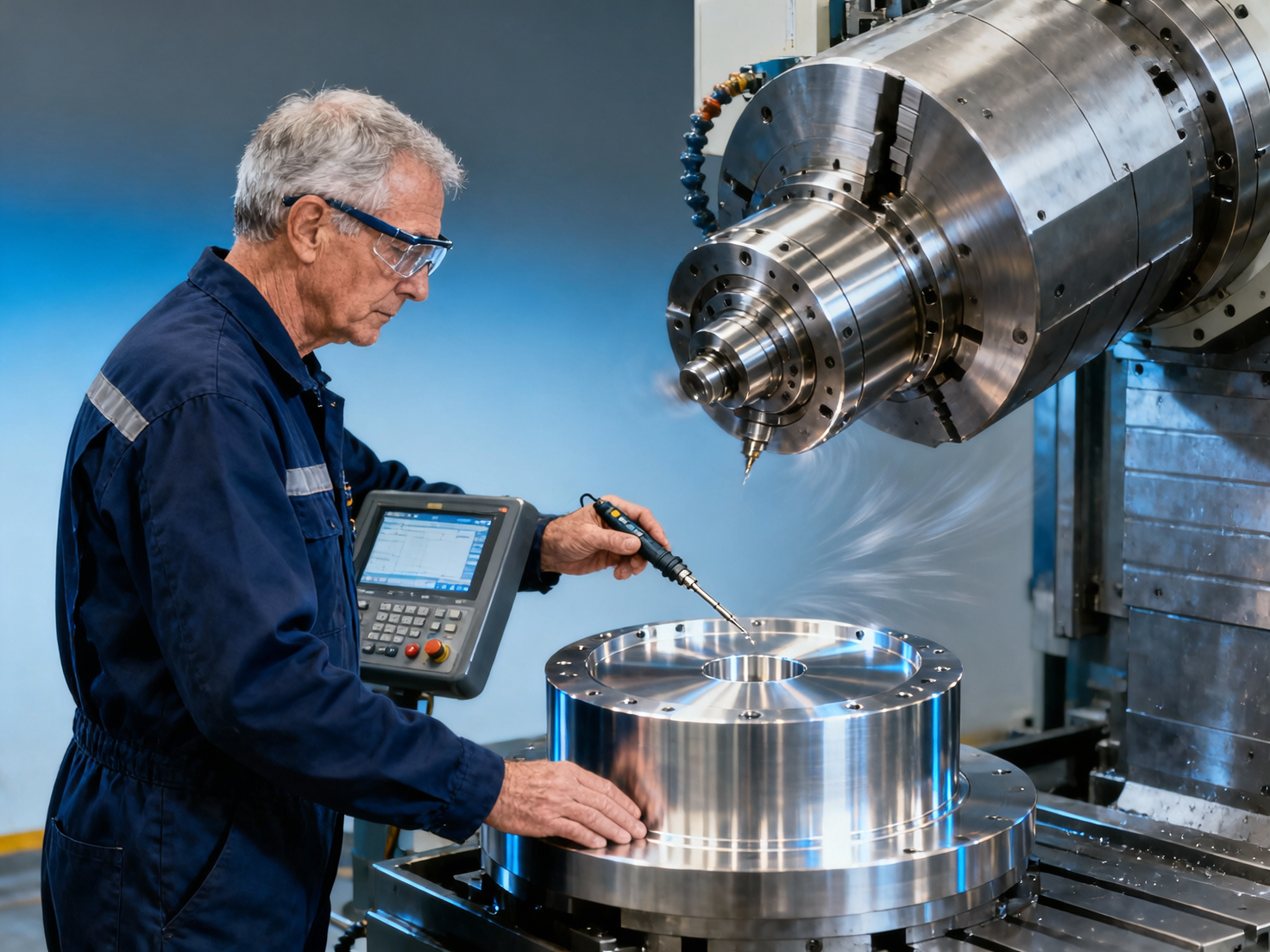
For manufacturers seeking an Efficient Machining Process for aluminum alloys that inherently minimizes burr formation—eliminating costly secondary deburring—advanced 5 Axis Machining for impeller manufacturing and modular tooling system for flexible manufacturing offer precision, consistency, and repeatability. Coupled with Industrial Automation control system for CNC machines and Digital Manufacturing Technology for smart factory integration, these solutions support High-tolerance Disc Parts for aerospace applications while enhancing Lean Production Process implementation. This article explores how optimized cutting strategies, Quick-change Fixture Design for CNC turning, and Automated Production Line troubleshooting collectively elevate surface integrity, cycle time, and process reliability in high-volume aluminum machining.
Why Burr Minimization Matters in Aluminum CNC Machining
Aluminum alloys—particularly 6061, 7075, and 2024—are widely used across aerospace, automotive, and electronics due to their high strength-to-weight ratio and excellent thermal conductivity. However, their low hardness (HB 95–150) and high ductility make them prone to plastic deformation during cutting, leading to burr formation at exit edges—especially in pocket milling, drilling, and contour turning operations. Secondary deburring adds 12–25% to total part cost and extends lead time by 1.5–3 days per batch in high-mix production environments.
Traditional deburring methods—including manual filing, vibratory finishing, and thermal energy processing—introduce variability in edge radius (±0.08 mm), risk micro-cracking on thin-walled features, and require 3–5 dedicated labor hours per 100 parts. In contrast, process-integrated burr suppression delivers repeatable edge conditions within ±0.02 mm tolerance—critical for sealing surfaces in hydraulic manifolds or aerodynamic impellers.
The shift toward zero-defect manufacturing has elevated burr control from a post-process concern to a core process design criterion. Leading OEMs now specify maximum burr height ≤0.05 mm on functional edges—a threshold achievable only through synchronized optimization of tool geometry, feed/speed parameters, and machine rigidity.
Optimized Machining Strategies for Burr-Free Aluminum
Burr formation is governed by the “exit condition” of the cutting tool: when chip flow is interrupted abruptly, material shears plastically instead of separating cleanly. The most effective strategies focus on controlling chip ejection direction and minimizing residual stress accumulation at the cut exit zone.
High-feed milling with variable-pitch end mills (e.g., 3–5 flutes, 35° helix, 12° radial rake) reduces axial force by up to 40%, limiting workpiece deflection and improving edge definition. Combined with climb milling at 8,000–12,000 rpm spindle speed and feed rates of 0.08–0.15 mm/tooth, this approach achieves average burr heights under 0.03 mm—even on 0.8-mm-thick walls.
Another proven method is adaptive contour turning using dynamic tool path compensation. By offsetting the tool centerline 0.01–0.03 mm ahead of the nominal profile during final pass, the cutting edge engages material in compression rather than tension—reducing tear-out and eliminating corner burrs without altering part geometry.
The data confirms that optimized strategies not only suppress burrs but also extend tool life and improve process stability—making them economically viable even for medium-lot production (500–5,000 units/year). For high-volume applications, integrating these techniques into digital twin-based NC programming ensures consistent execution across shifts and operators.
Machine Tool Requirements for Reliable Burr-Free Output
Achieving sub-0.05 mm burr control demands more than just optimized parameters—it requires mechanical precision, thermal stability, and real-time feedback capability. Machine rigidity (static stiffness ≥35 N/μm at tool tip), spindle runout ≤2 μm TIR, and thermal drift<0.008 mm over 8-hour operation are non-negotiable baseline specifications.
Modern CNC lathes with slant-bed architecture deliver superior vibration damping versus flat-bed designs—reducing chatter-induced micro-burrs by up to 70%. Integrated thermal compensation systems monitor ambient and coolant temperature every 30 seconds, adjusting axis offsets in real time to maintain positional accuracy within ±0.005 mm over extended cycles.
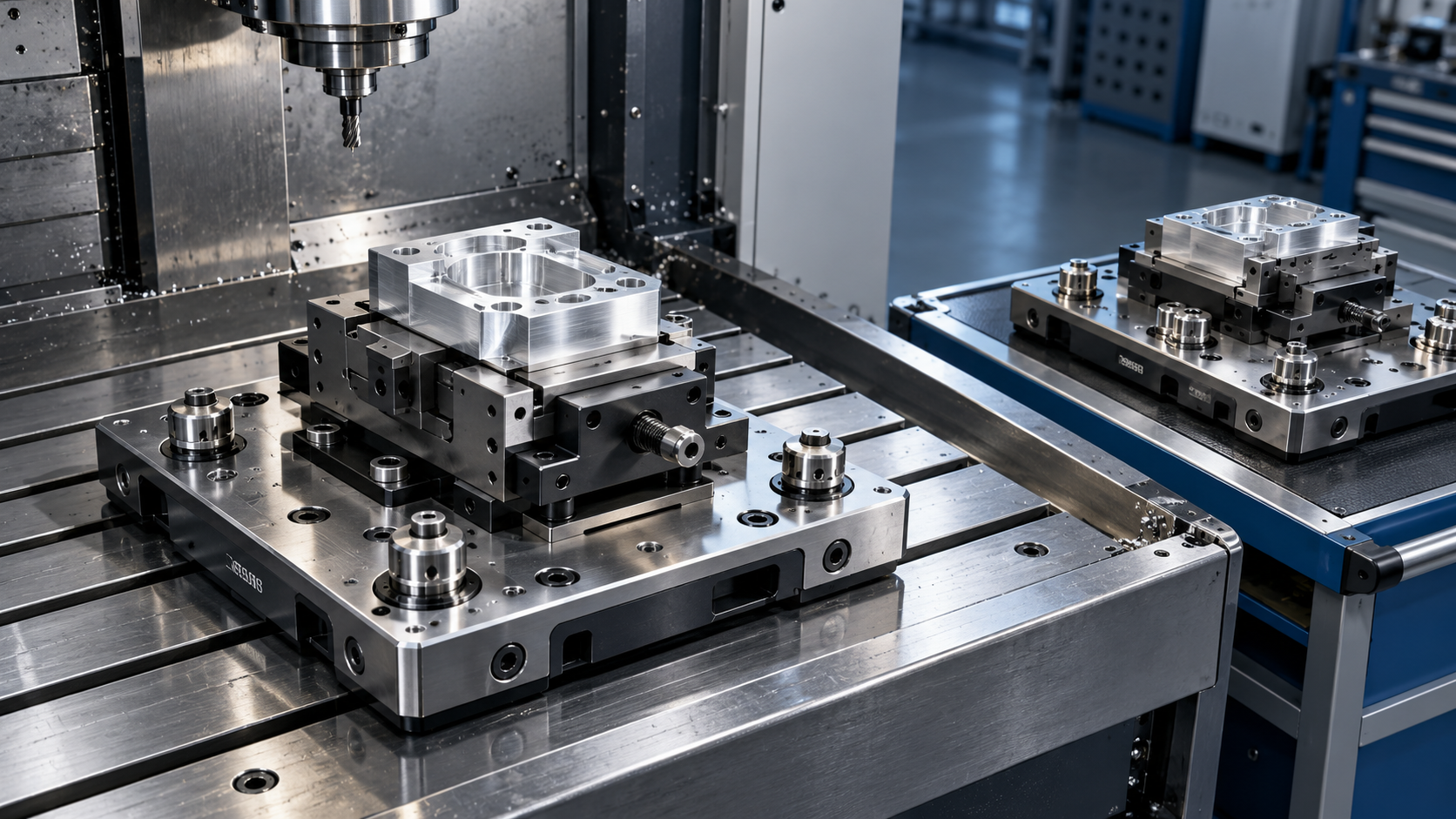
For multi-operation setups, modular tooling systems with quick-change interfaces (e.g., Capto C4/C6 or HSK-T63) ensure repeatable tool positioning within ±0.003 mm—critical when transitioning between roughing and finishing passes on the same setup. This eliminates repositioning errors that otherwise amplify edge inconsistencies.
A case in point is the K-42 Precision CNC Slant Guide Lathe "YM" Turning and Milling, which combines 12,000 rpm live tooling, ±0.002 mm repeatability, and embedded vibration monitoring—enabling one-setup completion of disc-shaped aluminum housings with full-profile burr-free edges.
Implementation Roadmap for Production Teams
Deploying burr-minimizing machining requires cross-functional alignment—not just CNC programming, but also metrology validation, fixture design, and operator training. A phased 4-week rollout ensures minimal disruption:
- Week 1: Baseline measurement of burr height, surface roughness (Ra), and tool wear on 3 representative parts using optical profilometry and SEM imaging.
- Week 2: Parameter tuning trials with high-feed tools and adaptive paths; validation via in-process touch-probe inspection.
- Week 3: Fixture redesign for full-part clamping (eliminating vise-induced distortion) and coolant nozzle repositioning for targeted chip evacuation.
- Week 4: Operator certification on new SOPs, including visual edge-check criteria and real-time vibration alerts.
Teams report measurable ROI within 6–8 weeks: average scrap reduction of 18%, deburring labor cut by 92%, and first-pass yield improvement from 89% to 99.4%. These outcomes align directly with Lean Production Process goals—reducing waste, increasing throughput, and strengthening quality culture.
Selecting the Right Partner for Sustainable Aluminum Machining
Procurement decisions should prioritize vendors offering integrated technical support—not just hardware delivery. Evaluate suppliers on four key dimensions: (1) application engineering capability (minimum 2 dedicated aluminum specialists per regional team), (2) digital integration readiness (MTConnect or OPC UA compatibility), (3) service response SLA (≤4-hour remote diagnostics, ≤72-hour on-site support), and (4) lifecycle cost transparency (including tooling, coolant, and energy consumption modeling).
Global suppliers headquartered in Germany, Japan, and China now offer standardized aluminum machining packages—including pre-validated tool libraries, CAM post-processors, and predictive maintenance dashboards. When evaluating options, request a live demonstration machining a sample impeller or disc part under your exact coolant, material grade, and tolerance requirements.
Conclusion: From Burrs to Benchmark Performance
Minimizing burr formation in aluminum alloys is no longer about trade-offs—it’s about intelligent integration of machine capability, cutting science, and digital control. The convergence of 5-axis flexibility, modular tooling, industrial automation, and digital manufacturing enables manufacturers to achieve true “first-time-right” output—cutting secondary operations, accelerating time-to-market, and elevating product reliability.
Whether you’re a project manager launching a new aerospace component, a procurement specialist evaluating next-gen equipment, or a quality engineer enforcing zero-burr standards, the path forward lies in holistic process design—not isolated tool or parameter fixes. Solutions like the K-42 Precision CNC Slant Guide Lathe "YM" Turning and Milling exemplify how purpose-built platforms deliver measurable gains across cost, quality, and agility.
To explore customized aluminum machining strategies—including free process feasibility analysis and ROI simulation for your specific parts—contact our global application engineering team today.
Recommended for You
![]() JTEKT Introduces G5 Series Large CNC Cylindrical Grinder, Sales Begin October 26, 2026Machine Tool Industry Editorial Team
JTEKT Introduces G5 Series Large CNC Cylindrical Grinder, Sales Begin October 26, 2026Machine Tool Industry Editorial Team Shaft Parts for Heavy Machinery: Selecting Materials for High Shock LoadsCNC Machining Technology Center
![]() 33rd JIMTOF 2026 Set to Open in Tokyo as Taiwanese Exhibitors Seek OrdersGlobal Machine Tool Trade Research Center
33rd JIMTOF 2026 Set to Open in Tokyo as Taiwanese Exhibitors Seek OrdersGlobal Machine Tool Trade Research Center Which Fixture Type Cuts Changeover Time Most in High-Mix CNC Machining?CNC Machining Technology Center
![]() FANUC Invests $18 Million in Largest U.S. Corporate Automation Training CenterMachine Tool Industry Editorial Team
FANUC Invests $18 Million in Largest U.S. Corporate Automation Training CenterMachine Tool Industry Editorial Team Southeast Asia Machine Tool Market: Comparing Automotive Demand by CountryManufacturing Market Research Center


Aris Katos
Future of Carbide Coatings
15+ years in precision manufacturing systems. Specialized in high-speed milling and aerospace grade alloy processing.
▶
How thermal drift affects accuracy in high-precision manufacturingCNC Machining Technology Center▶
What Tolerances Are Typical in Precision Machining?CNC Machining Technology Center▶
Industrial Machining: Selecting Processes for Tight-Tolerance Metal PartsCNC Machining Technology Center▶
How Does Precision Machining Differ From Standard Machining?CNC Machining Technology Center▶
CNC Precision: Which Tolerances, Materials, and Processes Fit Your Part?CNC Machining Technology Center
▶
Mastering 5-Axis Workholding Strategies
Join our technical panel on Nov 15th to learn about reducing vibrations in thin-wall components.

Providing you with integrated sanding solutions
Before-sales and after-sales services
Comprehensive technical support