• Global CNC market projected to reach $128B by 2028 • New EU trade regulations for precision tooling components • Aerospace deman
NYSE: CNC +1.2%LME: STEEL -0.4%

What Is Metal Machining? Processes, Materials, and Key Selection Factors
What Is Metal Machining? Processes, Materials, and Key Selection Factors
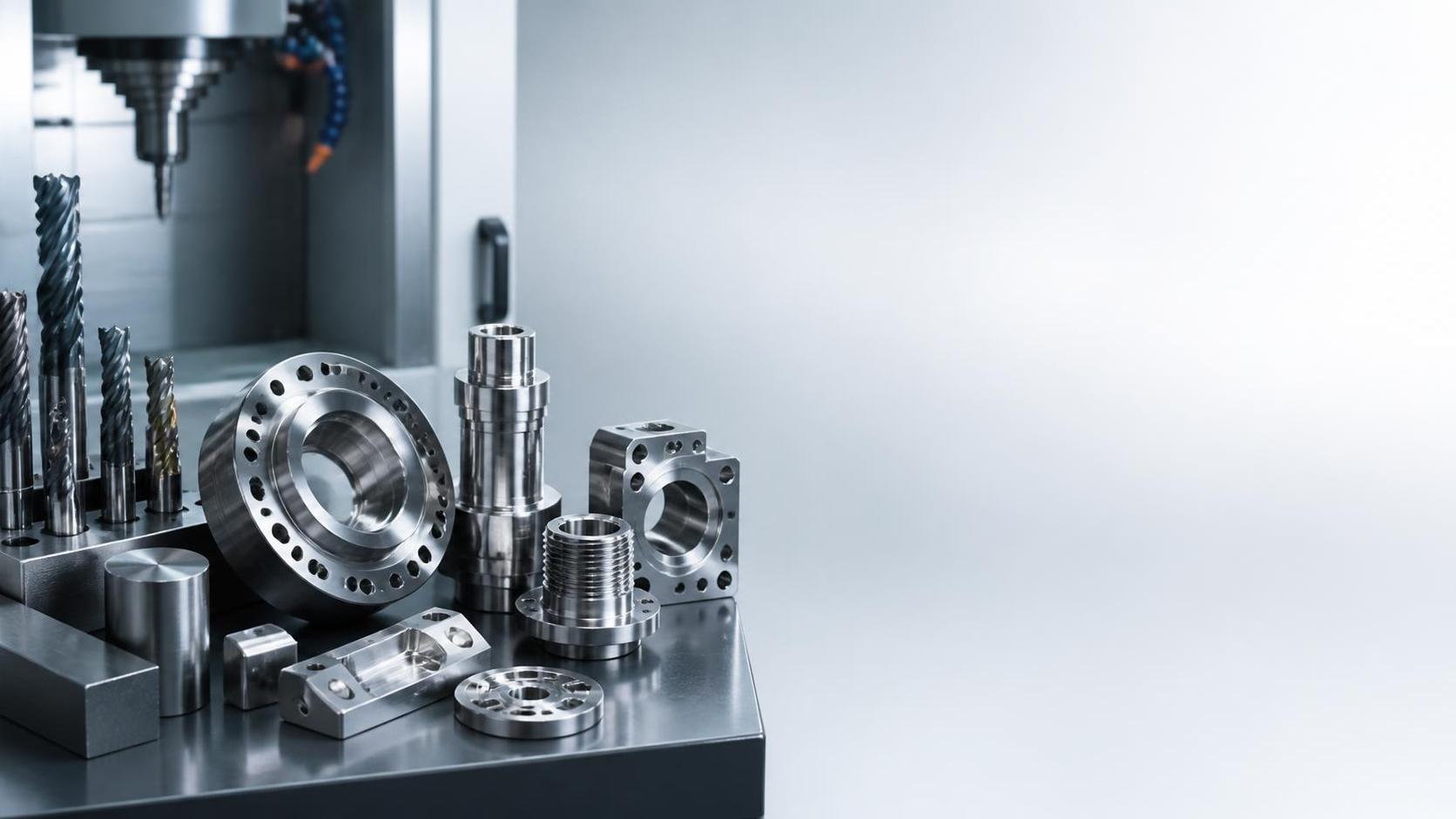
Metal machining is one of those manufacturing terms that sounds broad until you have to choose a process for a real part. In practice, it means removing material from a metal workpiece to create a component with the required shape, size, surface finish, and tolerance. That can be a simple turned shaft, a complex aerospace bracket, or a precision housing for electronics. The method changes, but the logic stays the same: start with a metal blank, remove what is unnecessary, and control the result closely enough that the part performs as intended.
For modern manufacturing, metal machining is not just a shop-floor activity. It sits at the center of CNC production, automation, tooling strategy, and quality control. As machine tools become more precise and digital integration becomes more common, machining has moved from being a manual craft in many factories to a highly engineered process chain. The interesting part is that the “best” machining method is rarely the most advanced one on paper. It is usually the one that matches the part, the material, the quantity, and the tolerance window without creating unnecessary risk.
The main machining processes, and where each one makes sense
Most people first think of milling or turning, but metal machining includes several distinct processes. Turning is used when the workpiece rotates and the cutting tool stays mostly fixed. It is the natural choice for shafts, bushings, pins, and other round parts. On CNC lathes, it is often the fastest and most economical route for rotational components, especially when the geometry is symmetrical and the part needs consistent concentricity.
Milling works the other way around: the cutter rotates and the workpiece is held still or indexed. This is where machining centers shine, especially for prismatic parts, pockets, slots, faces, and complex surfaces. A lot of structural parts in automotive, aerospace, and equipment manufacturing live here. Once a part needs multiple faces, angled holes, or features that are not friendly to a lathe, milling becomes the practical choice.
Drilling, tapping, boring, reaming, grinding, and EDM all solve narrower problems. Drilling is obvious enough, but in production it is often the least forgiving operation because hole location and chip evacuation matter more than people expect. Reaming is used when the hole needs a better finish or tighter size control. Grinding is usually a finishing step, not a first-choice roughing method, because it is excellent for precision but slower and more specialized. EDM is different again: it is not for every shop, but when the geometry is difficult to cut conventionally, it can be the right answer.
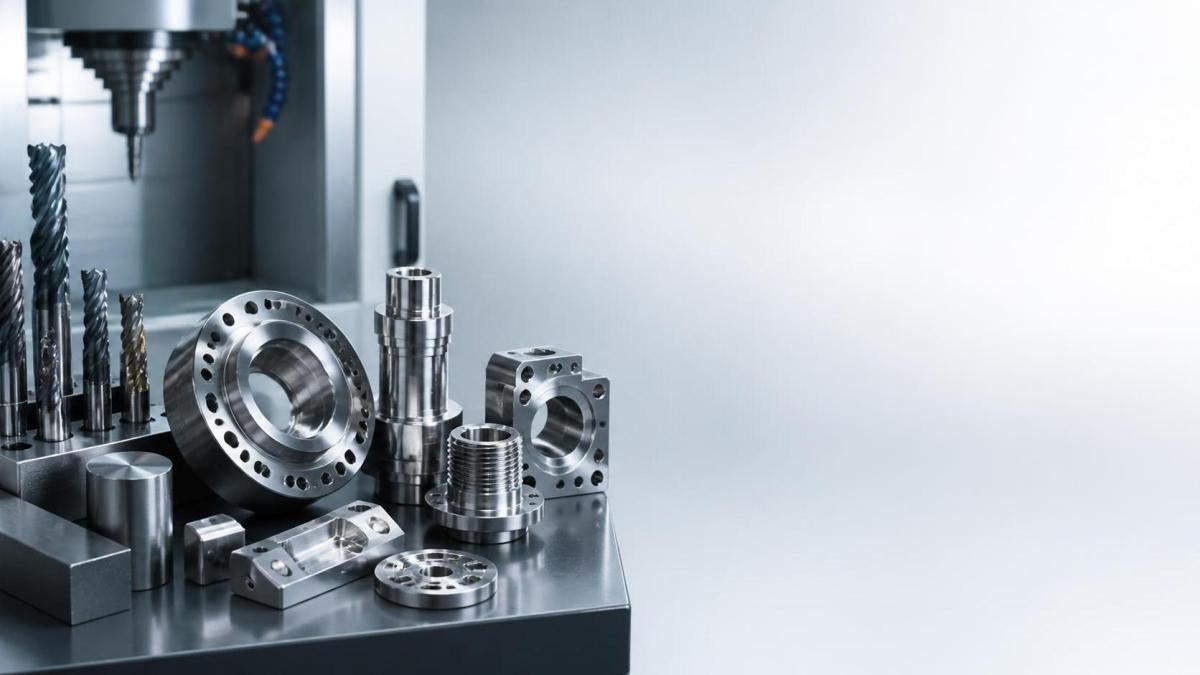
In real projects, the process is often a sequence rather than a single operation. A part may be rough-machined on a machining center, transferred to a lathe for finishing, then ground on a critical surface. The fewer setups required, the lower the risk of stack-up error, but reducing setups is not always worth a complicated fixture or a higher programming burden. That trade-off is one of the first things experienced engineers look at.
Materials change the machining strategy more than many people expect
Metal machining is never just about the machine. The material often determines tool life, cutting speed, chip form, surface quality, and even whether the part should be machined in one operation or in stages. Aluminum is generally easier to cut, which is why it is widely used in electronics, automotive components, and lightweight structural parts. But “easy” does not mean automatic. Some aluminum alloys are sticky, and if chip clearance or tool geometry is poor, the finish can still suffer.
Carbon steel and alloy steel are common because they balance strength, cost, and availability. They also cover a wide range of machinability. A low-carbon steel part may be straightforward, while a hardened alloy steel component may require more conservative cutting parameters, better coolant control, and a more deliberate tool selection. Stainless steel is a different story: many grades work harden quickly and generate heat, so tool wear and poor chip control can become the real bottleneck. Shops that ignore this often end up chasing tool changes instead of stable output.
Titanium and nickel-based alloys are where machining decisions become more sensitive. These materials are valued in aerospace, energy equipment, and some high-performance applications because of their strength and heat resistance, but they are unforgiving to process shortcuts. Cutting forces, heat buildup, and tool wear can rise quickly. That usually means more attention to rigidity, toolpath planning, and coolant delivery. For these materials, a “faster” feed rate is not automatically an advantage if it damages tool life or part integrity.
Cast iron and copper alloys sit somewhere else in the spectrum. Cast iron machines well in many cases and is often used for machine bases, housings, and brake-related components, though dust control matters. Copper alloys can be attractive for electrical and thermal applications, but their softness can make surface marking and burr control more noticeable. In short, material choice affects more than machinability alone; it also affects how the part should be clamped, inspected, cleaned, and finished.
What actually drives process selection
People often ask for the “best” machining process, but in production there is no universal answer. The selection usually starts with geometry. A long round part points toward turning. A block with multiple faces and holes points toward milling or a machining center. If the geometry is complex enough, multi-axis machining may reduce repositioning and improve consistency, especially for parts that would otherwise need multiple fixtures.
Tolerance is another filter. A part may be machinable in several ways, but if the drawing calls for tight positional accuracy or a fine surface finish, the low-cost option may not be the best option. Surface finish requirements also matter more than many first-time buyers realize. A part that “looks right” can still fail if the functional surface is too rough, especially in sealing, sliding, or mating applications.
Volume changes the equation as well. For a prototype or low-volume order, flexibility matters more than cycle-time perfection. For large-scale production, setup stability, automation compatibility, and repeatability usually outweigh operator convenience. This is where CNC machine tools, fixtures, and automated loading systems become part of the decision, not just accessories. In high-mix manufacturing, a process that can be retooled quickly may beat a slightly faster process that is painful to switch over.
Cost should be treated carefully. The cheapest machining route at the quotation stage is not always the cheapest in production. If a process creates excessive scrap, short tool life, frequent manual intervention, or downstream rework, the apparent savings disappear fast. Good process selection looks at total manufacturability, not just one line on the quote.
Why CNC and automation changed the conversation
CNC machining did not replace the logic of machining; it made the logic more repeatable. A skilled machinist still matters, but the control system now handles complexity, repeatability, and production consistency in ways that manual processes struggle to match. That is one reason CNC lathes, machining centers, and multi-axis systems are now standard in automotive, aerospace, energy equipment, and electronics manufacturing.
Automation adds another layer. Robotic loading, flexible production lines, and digital monitoring are especially useful when part families are similar and uptime matters. Still, automation is not a cure-all. If the part design is unstable, the fixturing is weak, or the incoming material varies too much, automation can simply make the problem repeat faster. That is why smart factories often spend as much time on process control and tooling strategy as they do on the machine itself.
In global machine tool markets, the trend toward higher precision and digital integration is visible across China, Germany, Japan, and South Korea, where strong manufacturing clusters continue to support machine tool development, tooling, and component supply. For buyers and engineers, that mainly means more options, but also more need to compare capabilities carefully rather than assuming one brand or one country fits every job.
A few practical checks before choosing a machining route
If you are evaluating metal machining for a new part, it helps to ask a few grounded questions. Is the part rotational or prismatic? Which dimensions are truly critical, and which are just nominal? Will the material cut cleanly, or will it demand slower speeds and better tool management? Can the part be completed in one setup, or does it need staged machining? These questions sound basic, but they prevent many expensive mistakes.
It also pays to think beyond machining alone. Fixtures, cutting tools, deburring, inspection, and downstream assembly all affect the final result. A process that is technically capable but awkward to inspect or clean can create trouble later. In many shops, that is where the hidden time goes.
Metal machining is best understood as a balancing act. The right process is the one that fits the shape, the material, the tolerance, and the production reality—not the one that sounds most advanced in a brochure. For simple parts, standard turning or milling may be enough. For demanding components, the real work is in matching machine capability, tooling, and process control to what the drawing actually asks for.
NEXT ARTICLE
Recommended for You
![]() China Temporarily Bans Helium ExportsManufacturing Market Research Center
China Temporarily Bans Helium ExportsManufacturing Market Research Center What Is Metal Machining? Processes, Materials, and Key Selection FactorsCNC Machining Technology Center
![]() 日本高端机床出口管制生效,五轴CNC审批趋严Global Machine Tool Trade Research Center
日本高端机床出口管制生效,五轴CNC审批趋严Global Machine Tool Trade Research Center![]() Japan Tightens Controls on High-End Machine Tool ExportsGlobal Machine Tool Trade Research Center
Japan Tightens Controls on High-End Machine Tool ExportsGlobal Machine Tool Trade Research Center How 5 Axis Machining Improves Accuracy and Surface Finish in Impeller ManufacturingCNC Machining Technology Center
![]() EU Sets CE-EMC+AI Certification Rule for CNC ExportsManufacturing Policy Research Center
EU Sets CE-EMC+AI Certification Rule for CNC ExportsManufacturing Policy Research Center


Aris Katos
Future of Carbide Coatings
15+ years in precision manufacturing systems. Specialized in high-speed milling and aerospace grade alloy processing.
▶
What Is Metal Machining? Processes, Materials, and Key Selection FactorsCNC Machining Technology Center▶
How to Evaluate Precision CNC Manufacturing for Tight-Tolerance Metal PartsCNC Machining Technology Center▶
What Is a Production Process? Key Stages, Workflow Elements, and Quality ControlCNC Machining Technology Center▶
How to Evaluate 5 Axis Machining Services in USA for Complex Precision PartsCNC Machining Technology Center▶
How to Evaluate a High Precision Machining Center for Medical Equipment ProductionCNC Machining Technology Center
Mastering 5-Axis Workholding Strategies
Join our technical panel on Nov 15th to learn about reducing vibrations in thin-wall components.

Providing you with integrated sanding solutions
Before-sales and after-sales services
Comprehensive technical support