• Global CNC market projected to reach $128B by 2028 • New EU trade regulations for precision tooling components • Aerospace deman
NYSE: CNC +1.2%LME: STEEL -0.4%

TUV Rheinland Rule Adds PL e Data Interface for CNCs

On October 1, 2026, a new compliance requirement tied to TUV Rheinland’s June 26, 2026 mandatory technical notice came into effect for new-generation CNC machining centers, mill-turn machine tools, and automated production line equipment sold into the EU. The core change is not only about functional safety itself, but about embedding a digital certification interface aligned with EN ISO 13849-1:2023 PL e so that remote safety logic verification and automatic PL-level reporting are possible. For machine builders, exporters, integrators, buyers, and certification-facing teams, this is worth close attention because non-compliant equipment cannot obtain CE mark renewal.
What the notice requires from October 2026
According to the information provided, TUV Rheinland issued a mandatory technical notice on June 26, 2026. The notice requires all new-generation CNC machining centers, mill-turn machine tools, and automated production line equipment sold to the EU to include a built-in digital certification interface compliant with EN ISO 13849-1:2023 PL e starting from October 1, 2026.
The required interface must support remote verification of safety logic and automatic reporting of the PL rating. The consequence stated in the notice is direct: equipment that does not meet the requirement will be unable to secure CE mark renewal.
Where the operational impact is likely to appear first
Machine builders shipping into the EU
From an industry perspective, original equipment manufacturers are the first group likely to feel the effect because the requirement is attached to the machine itself. The impact is likely to concentrate in product design, controls architecture, compliance documentation, and export readiness. What deserves closer attention is whether models intended for the EU market already reserve the required digital interface and whether internal certification workflows can support remote safety logic verification and PL-level reporting as required.
Automation line integrators and project delivery teams
For integrators handling automated production line equipment, the likely pressure point is system delivery rather than single-machine specification alone. Analysis shows that projects involving multiple devices may need closer coordination around safety logic validation, interface compatibility, and compliance handover. Teams engaged in commissioning and customer acceptance should watch for how this requirement affects project schedules, documentation packages, and discussions around CE-related deliverables.
Export, channel, and customer-facing commercial roles
Companies involved in cross-border sales, distribution, and tender support may also be affected because the rule changes what customers and EU-bound buyers are likely to ask before shipment or acceptance. The practical impact is likely to surface in quotations, technical clarifications, contract terms, and pre-delivery communication. What deserves closer attention is whether sales materials, declarations, and customer responses clearly address the presence of the EN ISO 13849-1:2023 PL e digital certification interface and its reporting functions.
Buyers and end users procuring new equipment
For procurement teams and end users purchasing new CNC or automated line equipment for the EU market, the issue is likely to be a qualification and delivery-risk question. Observably, the main concern is not only nominal compliance, but whether the delivered equipment can pass the relevant certification path without delay. Buyers should therefore pay attention to model scope, compliance statements, and whether suppliers can explain how the required interface supports remote safety logic verification and PL-level auto-reporting.
What companies should track in practice
Separate confirmed requirements from pending interpretation
The confirmed facts are limited to the requirement date, covered equipment categories, the need for a built-in EN ISO 13849-1:2023 PL e digital certification interface, the support for remote safety logic verification and automatic PL reporting, and the CE mark renewal consequence for non-compliant equipment. Analysis shows that companies should avoid assuming further technical details beyond those points until additional official wording is available.
Review affected product and project scope immediately
What deserves closer attention is which product lines, machine configurations, and automation projects are intended for EU delivery on or after October 1, 2026. In practice, this is likely to affect order screening, model configuration, and shipment planning. Businesses with mixed regional product strategies should check whether EU-bound versions are clearly distinguished in internal processes and customer documentation.
Check supplier and documentation readiness
For firms relying on external control systems, subsystems, or integration partners, analysis shows that supplier communication becomes a practical priority. The key point is not a broad management response, but whether technical and compliance documents can substantiate the required interface and its reporting capability when customers or certification-related parties request proof.
Prepare for customer and certification-side communication
Commercial and compliance teams should be aligned on how to answer questions related to CE mark renewal exposure. Observably, this rule has a direct commercial implication because a compliance gap can interrupt certification continuity. That makes customer communication, contract wording, and pre-delivery clarification more important than a routine standards reference.
Why this looks like a structural compliance signal
Analysis shows that this development is better understood as more than a short-term notice affecting paperwork. The requirement points to a compliance direction in which machine safety is expected to be both standards-based and digitally verifiable through embedded interfaces. At the same time, it would be premature to extend that conclusion beyond the specific facts provided. What deserves closer attention is how the rule is interpreted in technical practice and whether later official materials add detail on implementation, validation, or documentation expectations.
It is more appropriate to understand this as a concrete compliance change with longer-term signaling value, rather than as a fully closed regulatory story. The effective date and CE renewal consequence are already explicit, but the broader operational meaning still requires continued observation.
How the market may best read this update now
At this stage, the industry significance lies in the combination of a defined compliance deadline, a named functional safety benchmark, and a direct certification consequence for non-compliance. For companies tied to EU equipment sales or delivery, the immediate issue is execution risk around product readiness and certification continuity. From an industry perspective, the most balanced reading is that this is an actionable rule change with wider implications for how safety compliance is evidenced, while some practical interpretation questions may still need ongoing verification.
Basis of this article and follow-up verification
This article is generated on the basis of the user-provided news title, event date, and event summary. For this type of industry update, relevant source categories would typically include official notices, company statements, industry association information, authoritative media coverage, and standards-related documents. The specific official source link was not provided in the input, so continued verification is still necessary.
Follow-up attention should remain on any later official clarification related to wording, scope, implementation expectations, and certification practice connected to this requirement.
PREVIOUS ARTICLE
NEXT ARTICLE
Recommended for You
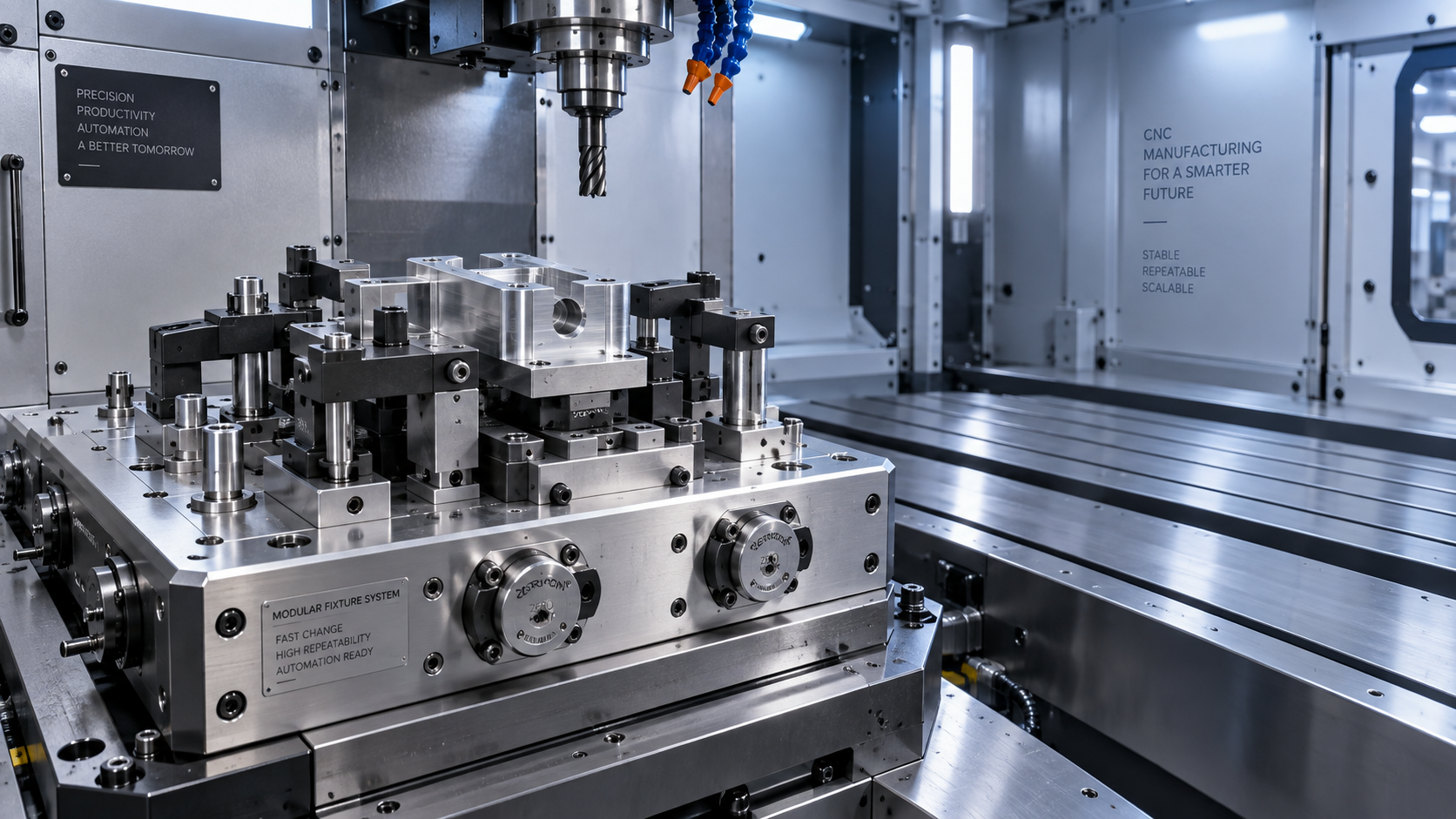
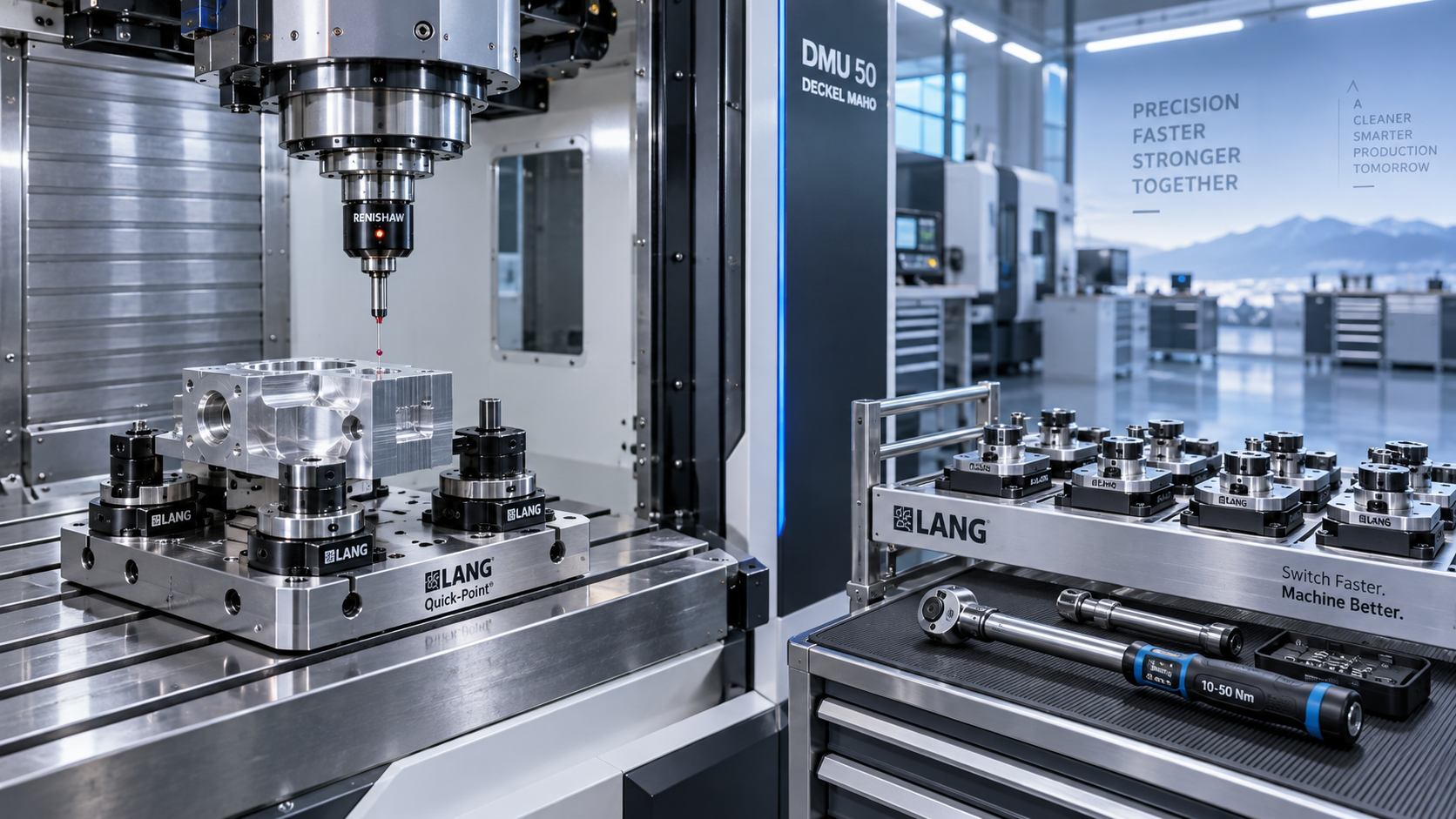
 Zero-Point Clamping or Modular Fixtures? Choosing a Faster CNC Changeover SystemCNC Machining Technology Center
 How to Cut CNC Fixture Changeover Time Without Sacrificing Part AccuracyCNC Machining Technology Center
 When Does CNC Turning Pay Off? A Break-Even Guide by Annual Part VolumeMachine Tool Industry Editorial Team
 Machine Tool Standards by Country: What Importers Must Verify Before PurchaseManufacturing Policy Research Center
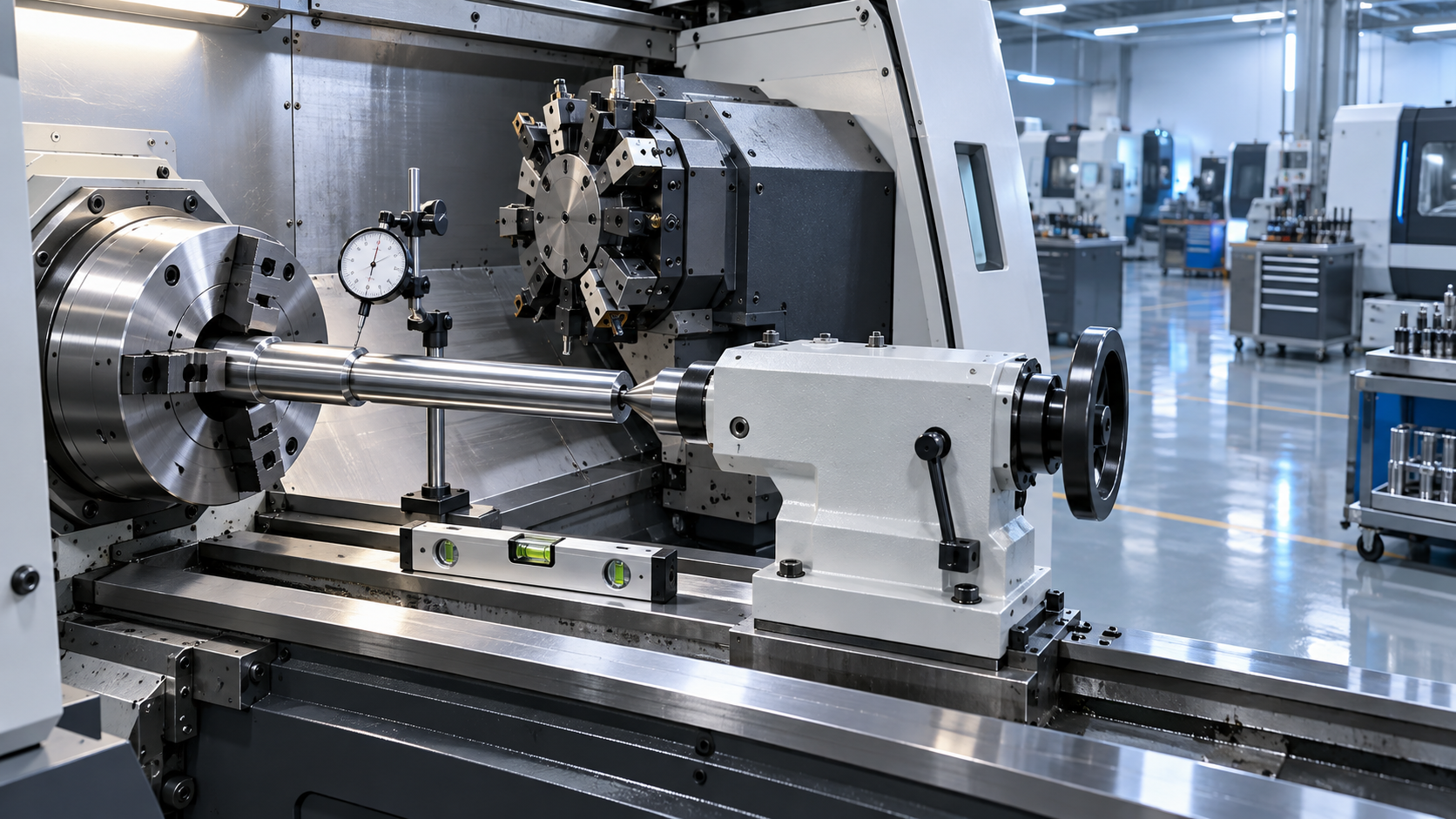
 CNC Lathe Quick Installation Guide: Alignment Checks Before First Production RunCNC Machining Technology Center
 How to Select a CNC Lathe for Small Parts Without Sacrificing Accuracy or Cycle TimeCNC Machining Technology Center



Aris Katos
Future of Carbide Coatings
15+ years in precision manufacturing systems. Specialized in high-speed milling and aerospace grade alloy processing.
▶
Brazil ANVISA Rule Targets Medical Mold CNC ImportsManufacturing Policy Research Center▶
BAFA Adds CNC Grinding Controls to Dual-Use ListManufacturing Policy Research Center▶
TUV Rheinland Rule Adds PL e Data Interface for CNCsManufacturing Policy Research Center▶
Germany Tightens CNC Safety Rules With AI Stop ModuleManufacturing Policy Research Center▶
China Seeks Feedback on E-Motorcycle Battery RulesManufacturing Policy Research Center
Mastering 5-Axis Workholding Strategies
Join our technical panel on Nov 15th to learn about reducing vibrations in thin-wall components.

Providing you with integrated sanding solutions
Before-sales and after-sales services
Comprehensive technical support