• Global CNC market projected to reach $128B by 2028 • New EU trade regulations for precision tooling components • Aerospace deman
NYSE: CNC +1.2%LME: STEEL -0.4%

EU Extends CE Transition for Key Machinery Standards

On June 27, 2026, the European Commission issued notice C/2026/4128 extending the transition period for mandatory CE implementation of EN ISO 12100:2023 and EN ISO 13849-1:2023 through December 31, 2027. The measure applies to CNC machine tools, automated production lines, and integrated clamping systems that include PL e safety functions. For importers, OEMs, distributors, and related supply chain participants, the announcement matters because it reduces the immediate risk of certification gaps that could disrupt customs clearance or market access while giving more time for compliance adjustments and coordination with suppliers.
What the Commission Notice Confirms
The confirmed facts are limited but clear. According to the information provided, the European Commission released official notice C/2026/4128 on June 27, 2026. The notice extends the grace period for mandatory CE application of EN ISO 12100:2023 and EN ISO 13849-1:2023 until December 31, 2027. The scope identified in the input covers CNC machine tools, automated production lines, and integrated clamping systems that involve PL e level safety functions. The stated practical effect is to give overseas importers, OEM manufacturers, and distributors additional time to complete compliance rectification work and align with suppliers, helping avoid delays in customs clearance or market-entry risk caused by a break in certification continuity.
Where the Operational Impact Is Most Likely to Be Felt
Import-side planning gets more time, but not less complexity
From an industry perspective, overseas importers are among the most directly affected parties because certification timing can influence whether machinery moves smoothly through entry procedures and onward delivery. The extension may affect document preparation, shipment scheduling, and supplier coordination. What deserves closer attention is whether internal compliance timelines are being reset in an orderly way rather than simply postponed.
OEM production and technical files remain under pressure
For OEM manufacturers, the announcement mainly touches the compliance side of product release and delivery planning. Analysis shows the extra transition time may ease short-term pressure around technical adjustments tied to the named standards, especially for equipment categories involving PL e safety functions. Even so, the operational focus remains on how product documentation, conformity preparation, and supplier inputs are organized during the extended window.
Distributors still need to manage continuity risk
Distributors may not control product design, but they can still be exposed when certification status affects placement on the market or cross-border movement. The impact is likely to appear in inventory turnover, customer communication, and supporting documentation review. Observably, the extension reduces immediate discontinuity risk, but it does not remove the need to verify whether upstream partners are progressing on compliance work.
Integrated equipment projects may need closer supplier alignment
For businesses involved in automated lines and integrated clamping systems, the practical issue is often coordination across multiple parties rather than a single product file. Analysis shows the extension may be especially relevant where several suppliers contribute to one system and timing gaps can affect final delivery or acceptance. The key change to watch is whether all linked parties are using the added time to close documentation and compliance gaps consistently.
What Companies Should Watch During the Extended Window
Track whether later official wording changes the practical scope
What deserves closer attention is the distinction between the headline extension and its operational application. Companies should continue monitoring whether later official wording, interpretations, or implementation notices change how the extension is applied in practice to the affected machinery categories.
Review product and project exposure by equipment type
Businesses with CNC machine tools, automated production lines, or integrated clamping systems involving PL e safety functions should map which orders, models, or projects sit within the announced scope. This is less about broad policy reaction and more about identifying where delivery, conformity documentation, or customer commitments could be affected.
Use the extra time to tighten supplier documentation flow
Analysis shows the value of the extension depends on whether companies actually improve coordination with suppliers. Priority areas include supplier qualifications, technical documents, conformity-related records, and the timing of document handover. Where cross-border delivery is involved, incomplete paperwork can still create friction even during a grace period.
Separate legal timing relief from commercial expectations
Observably, an extended transition period does not automatically change customer schedules, contract milestones, or distributor expectations. Companies should keep procurement, delivery, and customer communication aligned so that the policy extension is not misread internally as a reason to delay all compliance preparation.
Why This Looks More Like a Buffer Than a Final Resolution
Analysis shows this announcement is best understood as a timing adjustment rather than a full reset of compliance expectations. The immediate signal is practical: the Commission has allowed more time for affected market participants to manage implementation and avoid certification discontinuity. At the same time, it is more appropriate to understand this as an industry development that still requires follow-up observation, because the business outcome will depend on how companies use the extended period and how consistently supply chain partners respond.
How to Read the Announcement for Now
At this stage, the extension carries clear short-term operational relevance for machinery trade and manufacturing involving the specified standards and equipment categories. It offers breathing room for importers, OEMs, and distributors, especially where customs clearance or market access could be affected by certification timing. A neutral reading is that this is a meaningful but limited compliance window extension, not a reason to treat the underlying requirements as settled or commercially irrelevant.
Basis of This Article and Ongoing Verification
This article is based on the user-provided news title, event date, and event summary. For developments of this kind, relevant source types usually include official notices, company statements, industry association updates, authoritative media coverage, and standard-organization documents. The specific official source link was not provided in the input, so continued verification remains necessary. The main follow-up areas to monitor are whether any later official communication refines the scope, wording, or practical implementation of the extended transition period.
PREVIOUS ARTICLE
Recommended for You
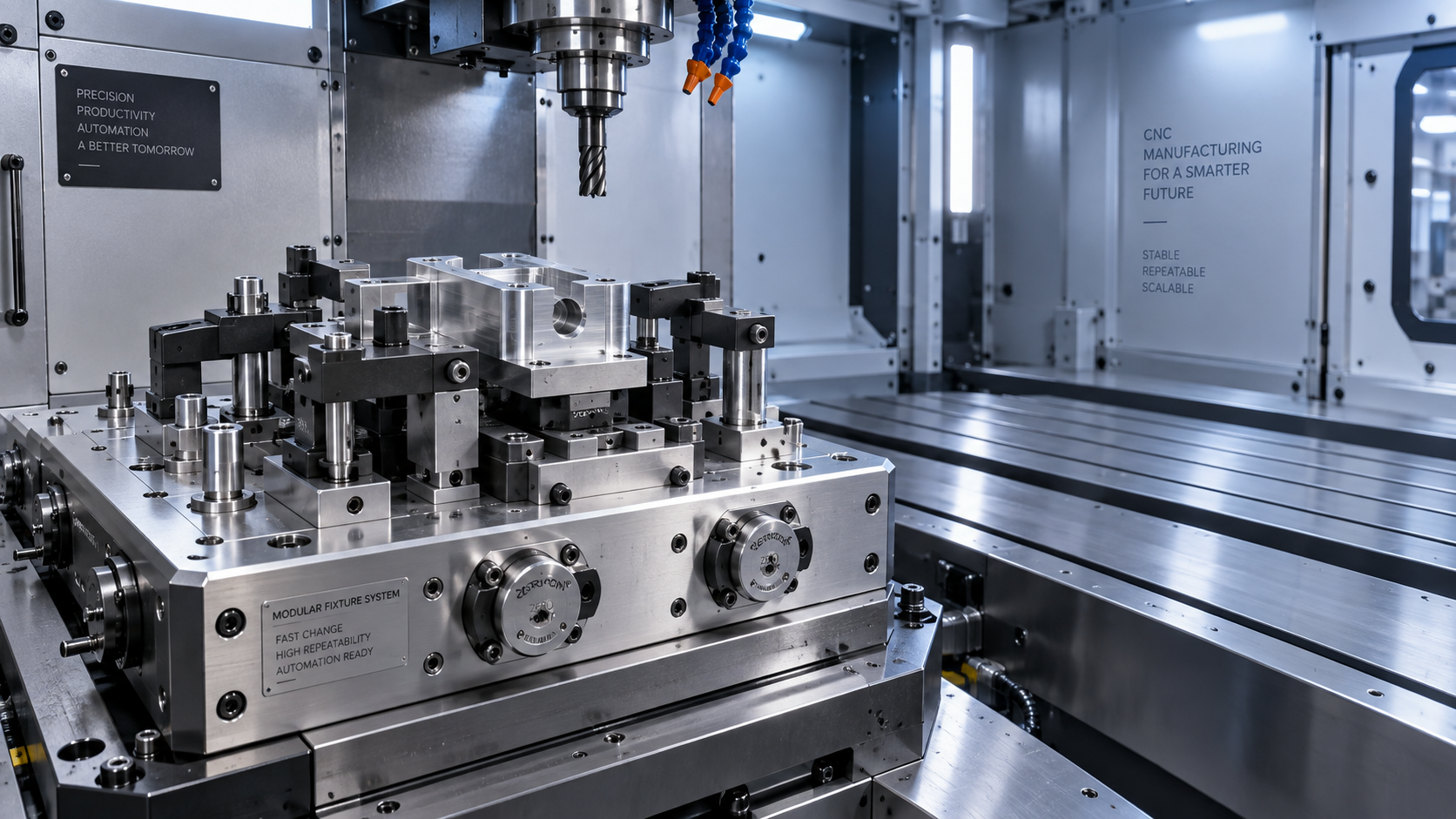
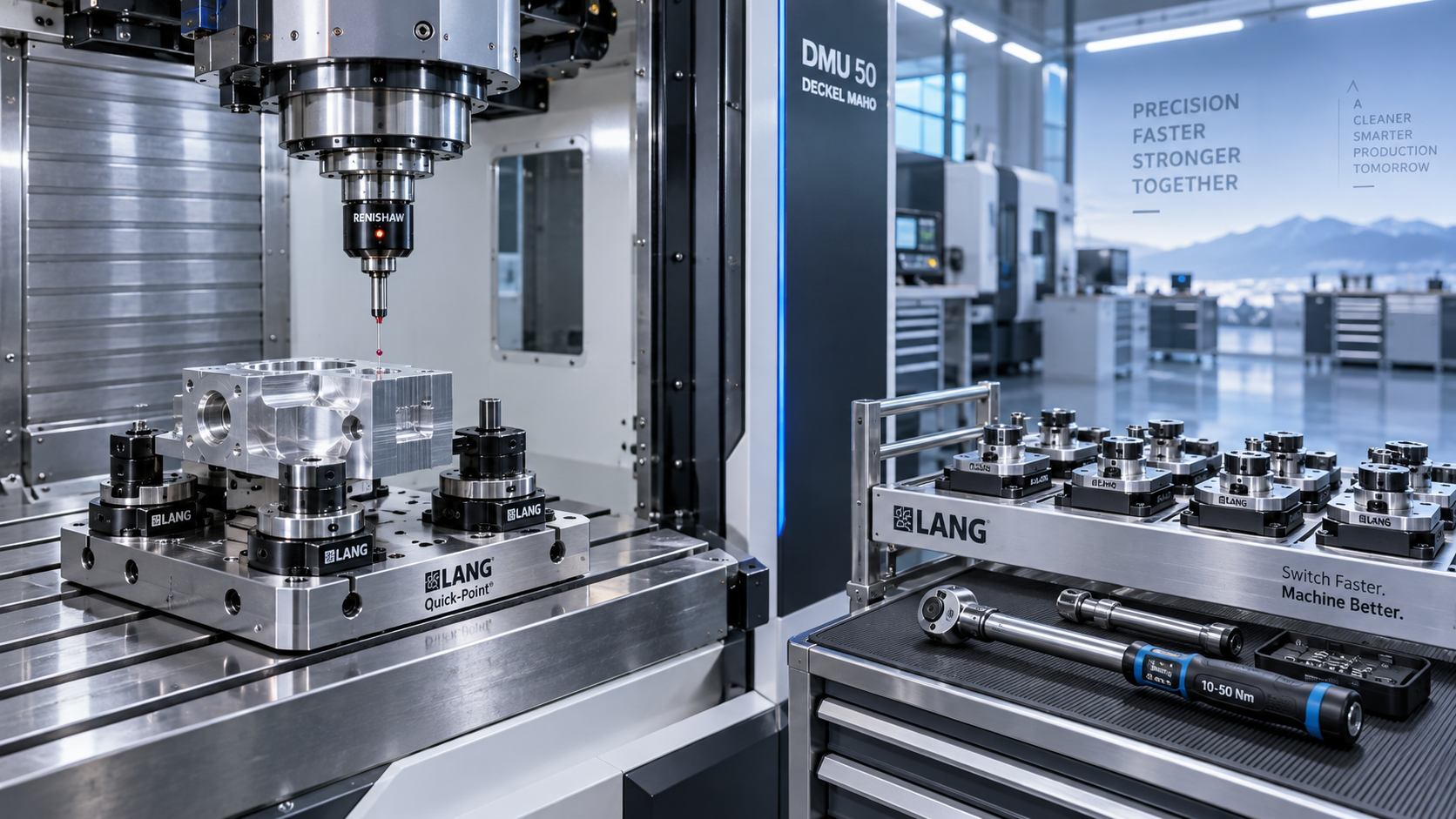
 Zero-Point Clamping or Modular Fixtures? Choosing a Faster CNC Changeover SystemCNC Machining Technology Center
 How to Cut CNC Fixture Changeover Time Without Sacrificing Part AccuracyCNC Machining Technology Center
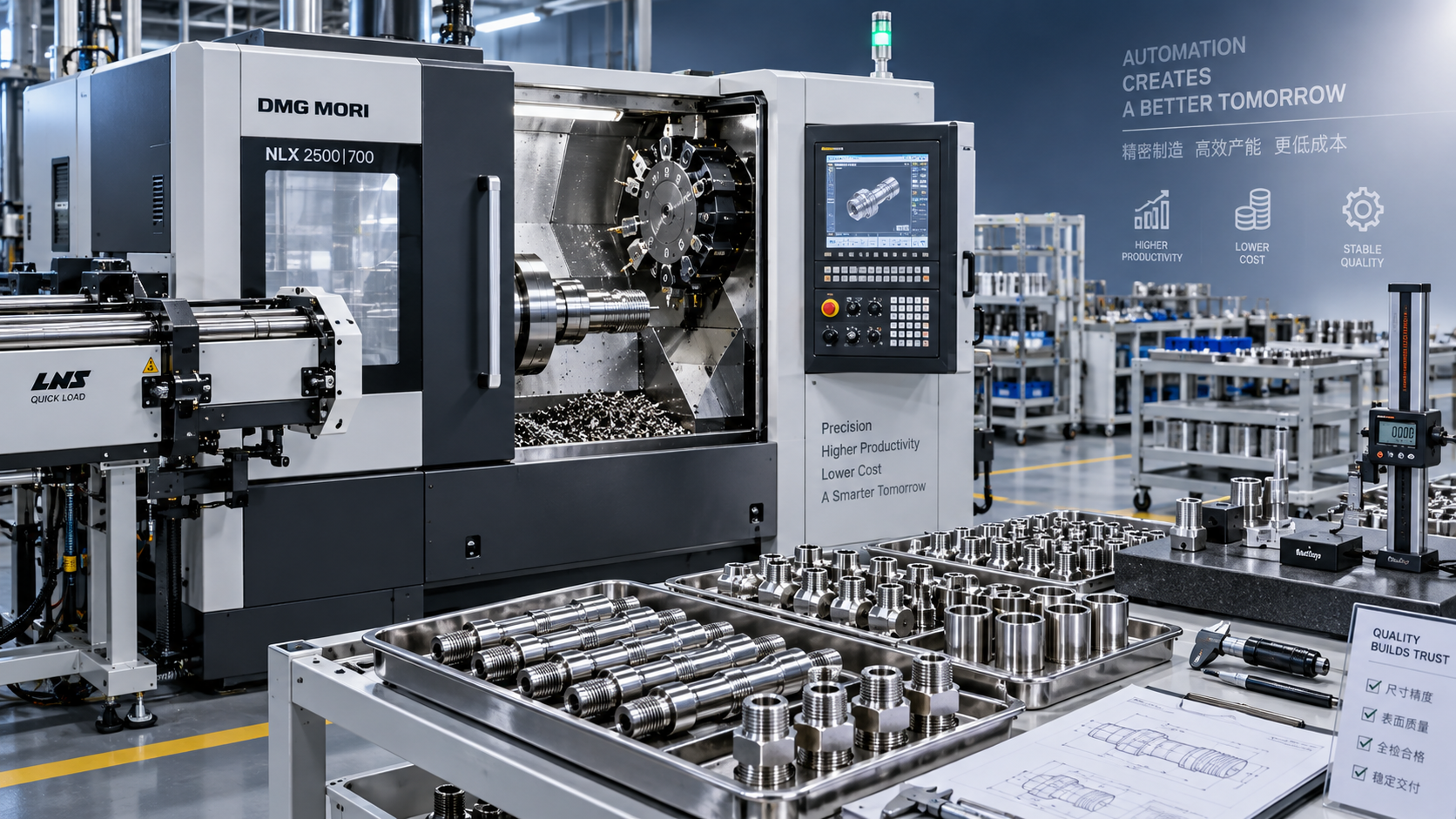
 When Does CNC Turning Pay Off? A Break-Even Guide by Annual Part VolumeMachine Tool Industry Editorial Team
 Machine Tool Standards by Country: What Importers Must Verify Before PurchaseManufacturing Policy Research Center
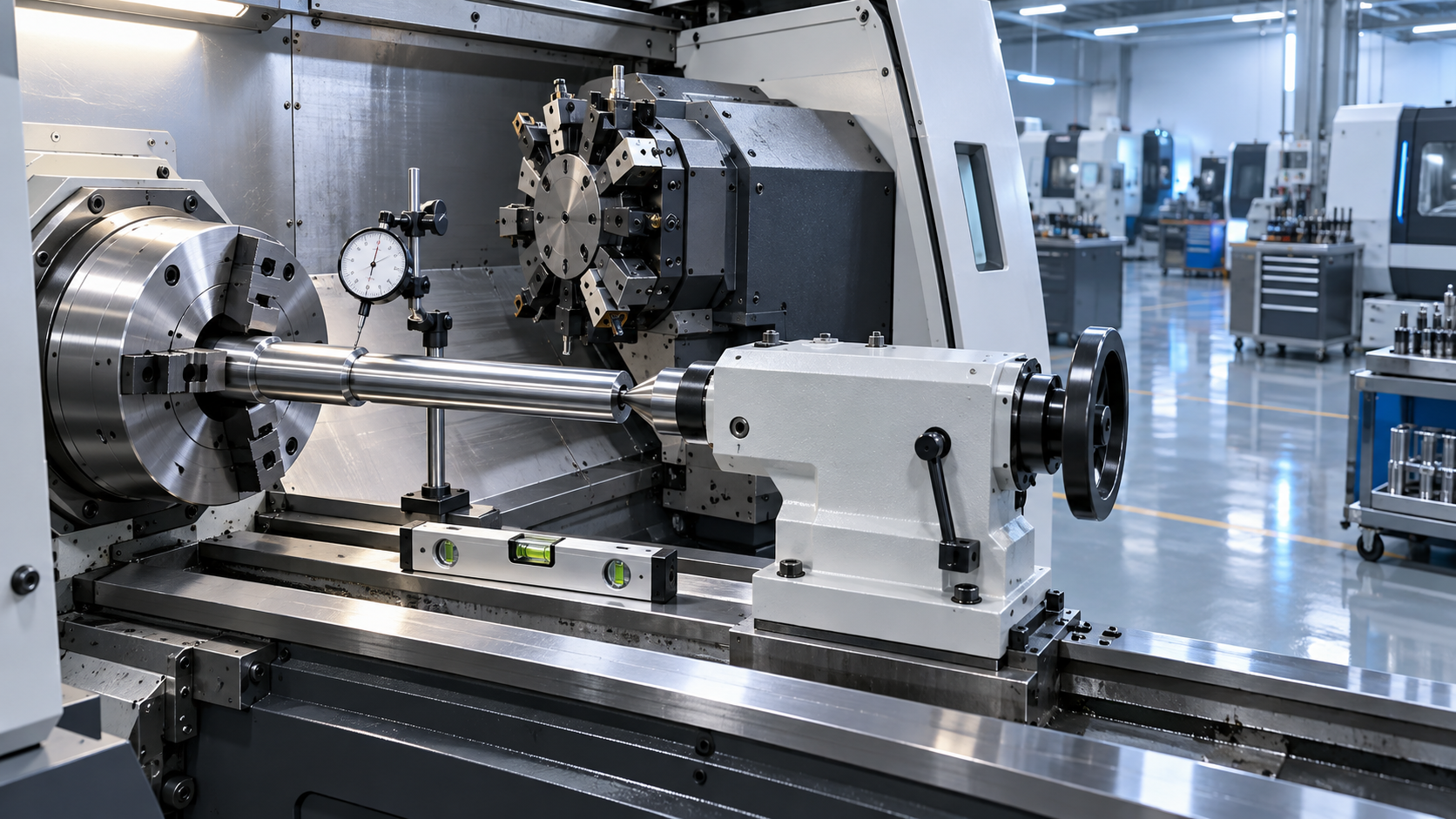
 CNC Lathe Quick Installation Guide: Alignment Checks Before First Production RunCNC Machining Technology Center
 How to Select a CNC Lathe for Small Parts Without Sacrificing Accuracy or Cycle TimeCNC Machining Technology Center


Aris Katos
Future of Carbide Coatings
15+ years in precision manufacturing systems. Specialized in high-speed milling and aerospace grade alloy processing.
▶
Machine Tool Standards by Country: What Importers Must Verify Before PurchaseManufacturing Policy Research Center▶
EU Sets CE-EMC+AI Certification Rule for CNC ExportsManufacturing Policy Research Center▶
EU Rule Update Raises CNC Safety Certification BarManufacturing Policy Research Center▶
U.S. Tightens Reviews for China CNC ExportsManufacturing Policy Research Center▶
EU Tightens CNC Export Compliance from October 2026Manufacturing Policy Research Center
Mastering 5-Axis Workholding Strategies
Join our technical panel on Nov 15th to learn about reducing vibrations in thin-wall components.

Providing you with integrated sanding solutions
Before-sales and after-sales services
Comprehensive technical support