• Global CNC market projected to reach $128B by 2028 • New EU trade regulations for precision tooling components • Aerospace deman
NYSE: CNC +1.2%LME: STEEL -0.4%

US Commerce Proposes Stricter Export Controls on AI-Enhanced 5-Axis CNC Systems to China

The U.S. Department of Commerce’s Bureau of Industry and Security (BIS) issued Notice of Proposed Rulemaking (NPRM) EAR 2026-XXX on May 17, 2026, proposing to add AI-driven five-axis联动 CNC systems — including upgraded versions from Chinese-integrated platforms such as Heidenhain, Neway, and GSK — to Export Control Classification Number (ECCN) 2B001. The rule specifically targets systems featuring real-time AI-based cutting parameter optimization and adaptive fixture control. This development warrants close attention from manufacturers of high-precision machine tools, global industrial automation suppliers, and cross-border technology collaboration partners.
Event Overview
On May 17, 2026, the U.S. Bureau of Industry and Security (BIS) published NPRM EAR 2026-XXX in the Federal Register. The proposal seeks to amend the Export Administration Regulations (EAR) by adding certain five-axis联动 CNC systems with AI-enabled ‘smart process optimization modules’ — defined as capabilities including real-time adaptive cutting parameter adjustment and intelligent fixture coordination — to ECCN 2B001. The proposed controls would restrict exports and reexports of these systems to China, as well as prohibit U.S. persons from providing related technical assistance or collaboration. As of publication, the rule remains in the proposed (not yet final) stage and is subject to public comment and potential revision.
Industries Affected by Segment
Direct Exporters and Trade Intermediaries
These entities face immediate compliance exposure: systems incorporating AI-enhanced motion control logic — even when built on non-U.S. hardware platforms like upgraded Heidenhain or GSK controllers — may now fall under licensing requirements for China-bound shipments. Impact manifests in delayed order fulfillment, increased pre-shipment classification reviews, and heightened due diligence obligations for end-use verification.
Machine Tool OEMs and System Integrators
OEMs integrating third-party CNC platforms (e.g., Neway or GSK units with added AI modules) into their machines may encounter dual-layer risk: both the embedded controller and the final assembled system could trigger ECCN 2B001 applicability. This affects product certification timelines, export documentation workflows, and after-sales technical support protocols involving U.S. personnel or cloud-based optimization services.
Global Distributors and Aftermarket Service Providers
Distributors supplying spare parts, firmware updates, or remote diagnostics for covered CNC systems must assess whether such activities constitute ‘technology transfer’ under the proposed rule. Remote access to AI model training interfaces or cloud-hosted optimization engines — especially if hosted or maintained by U.S.-based engineers — may require authorization, affecting service-level agreements and uptime guarantees.
Supply Chain Technology Providers
Firms offering AI middleware, digital twin platforms, or edge-computing modules designed for integration with multi-axis CNC systems must verify whether their solutions enable or enhance the specific functionalities cited in the NPRM (e.g., real-time feed/speed adaptation based on sensor feedback). Even software-only deployments may be captured if they are marketed or functionally deployed as part of a controlled system architecture.
What Enterprises and Practitioners Should Monitor and Do Now
Track the Final Rule Timeline and Scope Clarifications
Monitor the Federal Register for the official comment period closing date and any BIS-issued FAQs or scope guidance. Particular attention should be paid to definitions of ‘smart process optimization module’ — whether functionality alone triggers control, or whether physical integration with a five-axis motion platform is required.
Review Product Architecture and Support Flows for Controlled Features
Conduct internal technical audits of all CNC-integrated products shipped to or serviced in China. Identify whether AI-driven adaptive functions (e.g., vibration-aware feed rate modulation, thermal drift compensation via real-time kinematic recalibration) are implemented, and whether those features rely on U.S.-origin algorithms, training data, or cloud infrastructure.
Distinguish Between Policy Signal and Enforceable Requirement
Recognize that NPRM status means no immediate licensing mandate exists. However, BIS has historically enforced ‘red flag’ awareness: exporters who proceed without reasonable inquiry into newly highlighted capabilities may face retroactive liability if the rule is finalized with minimal change. Avoid assuming grandfathering for existing configurations unless explicitly confirmed in final language.
Prepare Documentation and Internal Compliance Protocols Ahead of Finalization
Update internal export classification records (e.g., ECCN self-determinations), revise technical datasheets to disclose AI functionality boundaries, and train sales and engineering teams on identifying controlled features during customer engagements — especially where customization or on-site optimization services are offered in China.
Editorial Perspective / Industry Observation
Observably, this NPRM signals a deliberate expansion of U.S. controls beyond hardware-centric criteria toward functional performance thresholds enabled by AI software layers. Analysis shows the focus is not on nationality of the CNC platform vendor, but on whether the integrated capability meets the defined technical benchmark — meaning domestically developed systems incorporating similar AI modules may also become subject to scrutiny in future iterations. From an industry perspective, this represents less an immediate operational disruption and more a structural recalibration: it underscores that AI-augmented industrial control logic is now treated as a strategic enabler warranting export discipline. Continued monitoring is warranted not only for this rule’s final form, but for its potential precedent in regulating other AI-infused industrial automation components.
This notice does not reflect a finalized regulatory outcome, but rather a formalized policy direction. Its significance lies not in immediate enforcement, but in the explicit linkage drawn between AI-driven process intelligence and national security-relevant manufacturing capability. Current interpretation should treat it as a forward-looking signal — one that clarifies emerging U.S. regulatory priorities for intelligent industrial systems, rather than a closed chapter on export eligibility.
Source: U.S. Department of Commerce, Bureau of Industry and Security (BIS), Notice of Proposed Rulemaking (NPRM) EAR 2026-XXX, published May 17, 2026. Note: The rule remains proposed; finalization timeline and potential modifications are under active public review and await BIS decision.
Recommended for You
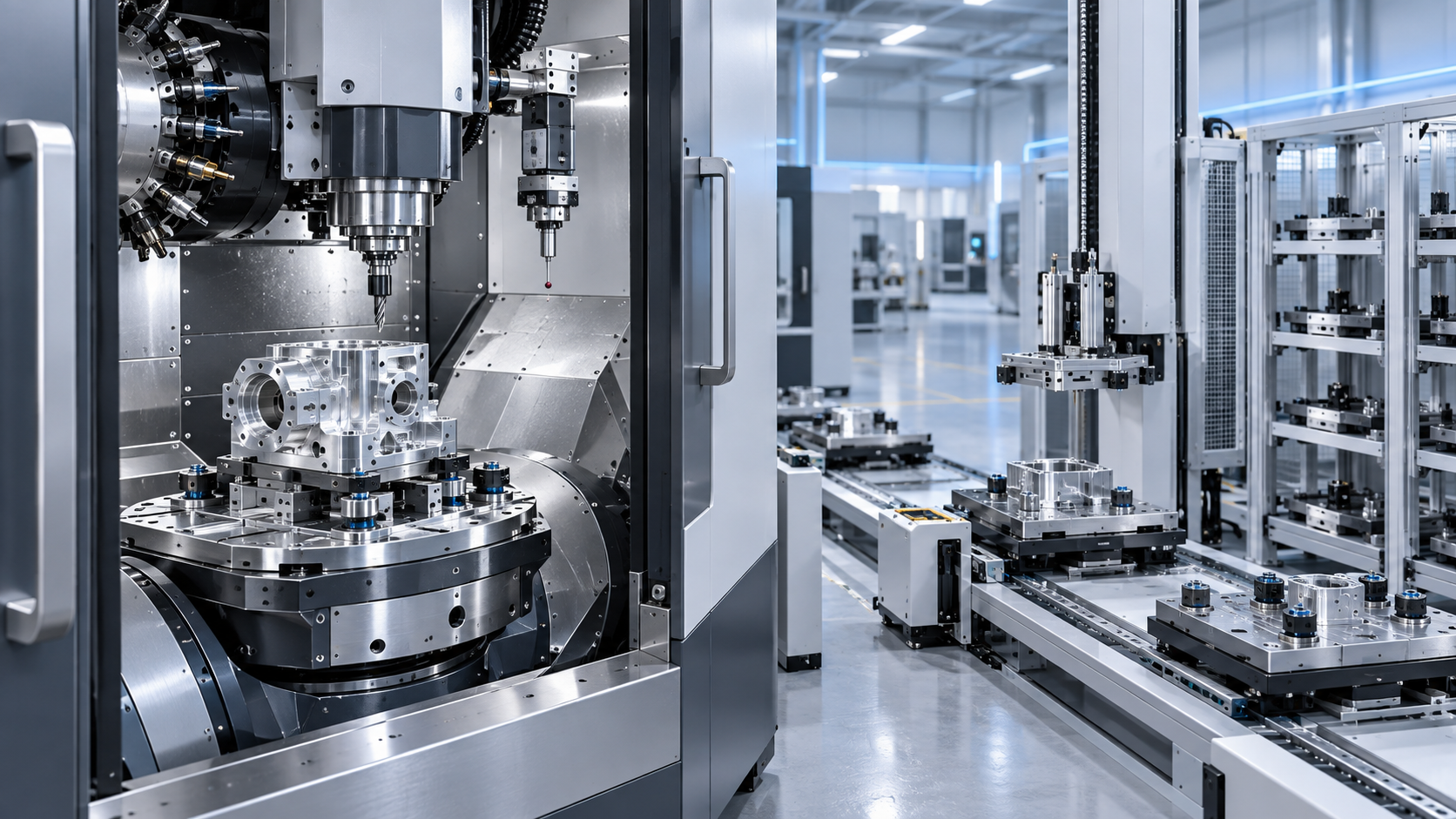
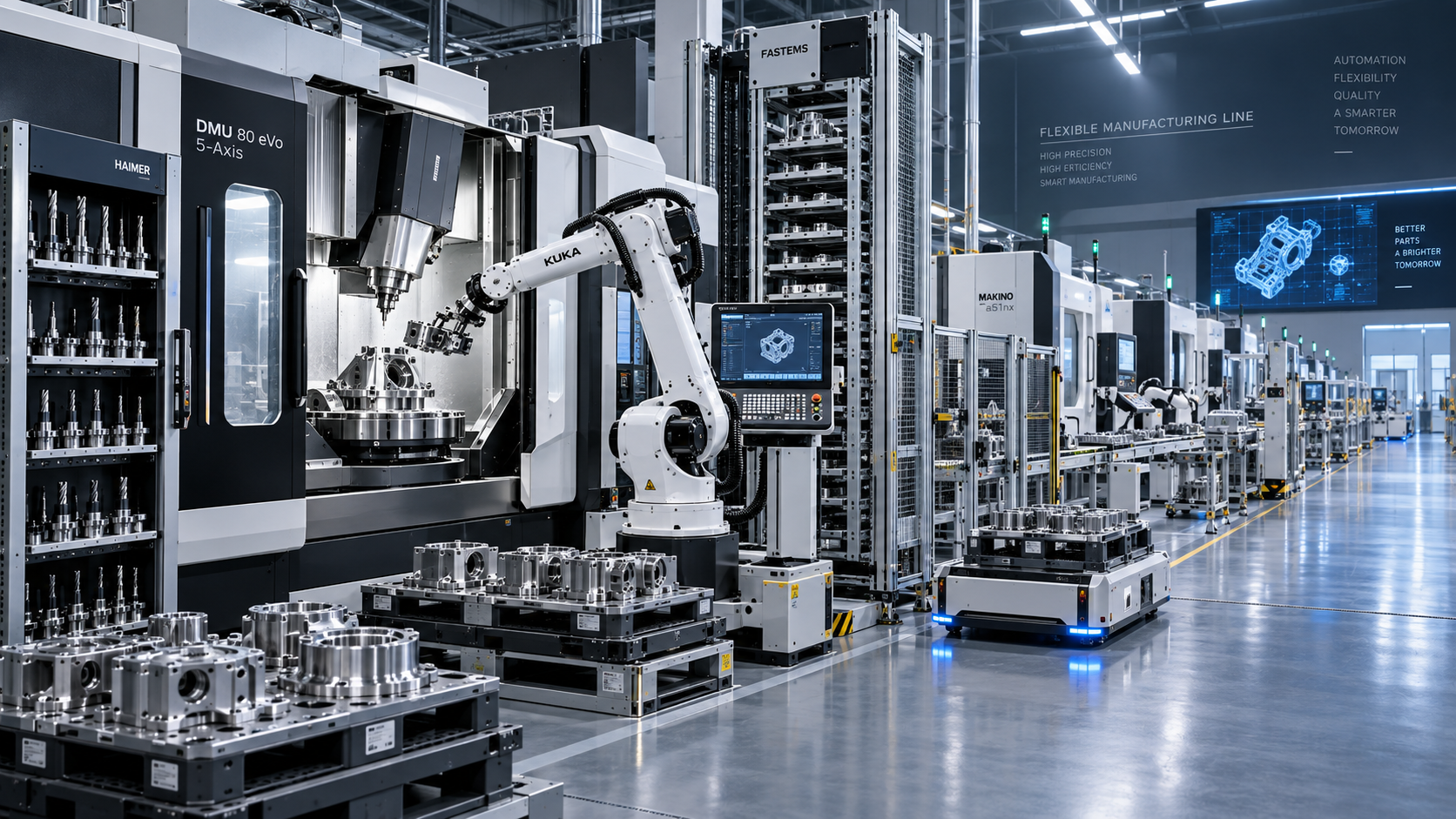
 How to Select CNC Equipment for High-Mix, Low-Volume ProductionCNC Machining Technology Center
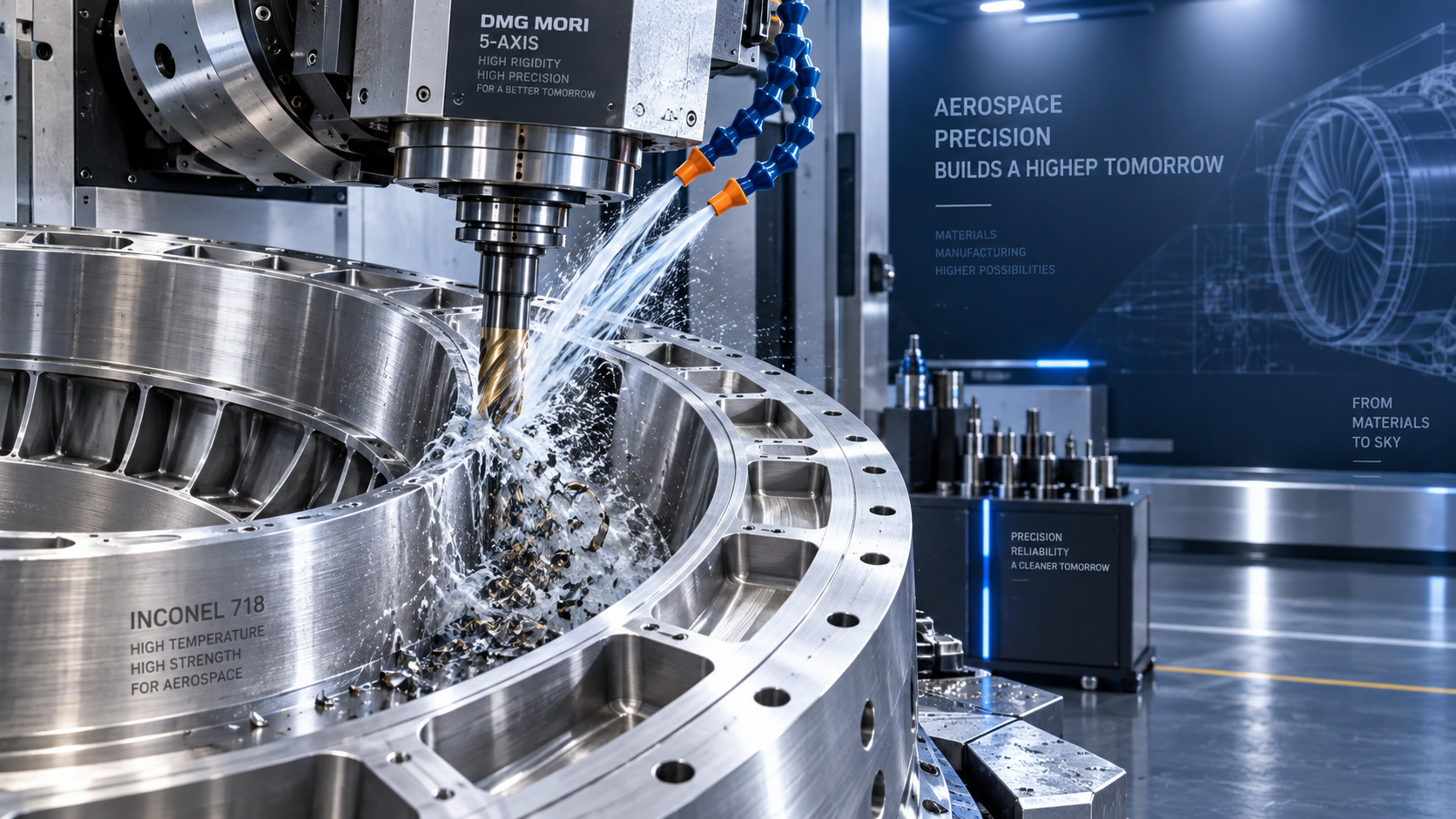
 Can CNC Machining Inconel Control Tool Wear in High-Temperature Aerospace Parts?CNC Machining Technology Center
 Machine Tool Market Outlook: Demand Drivers, Capacity Shifts, and Investment RisksManufacturing Market Research Center
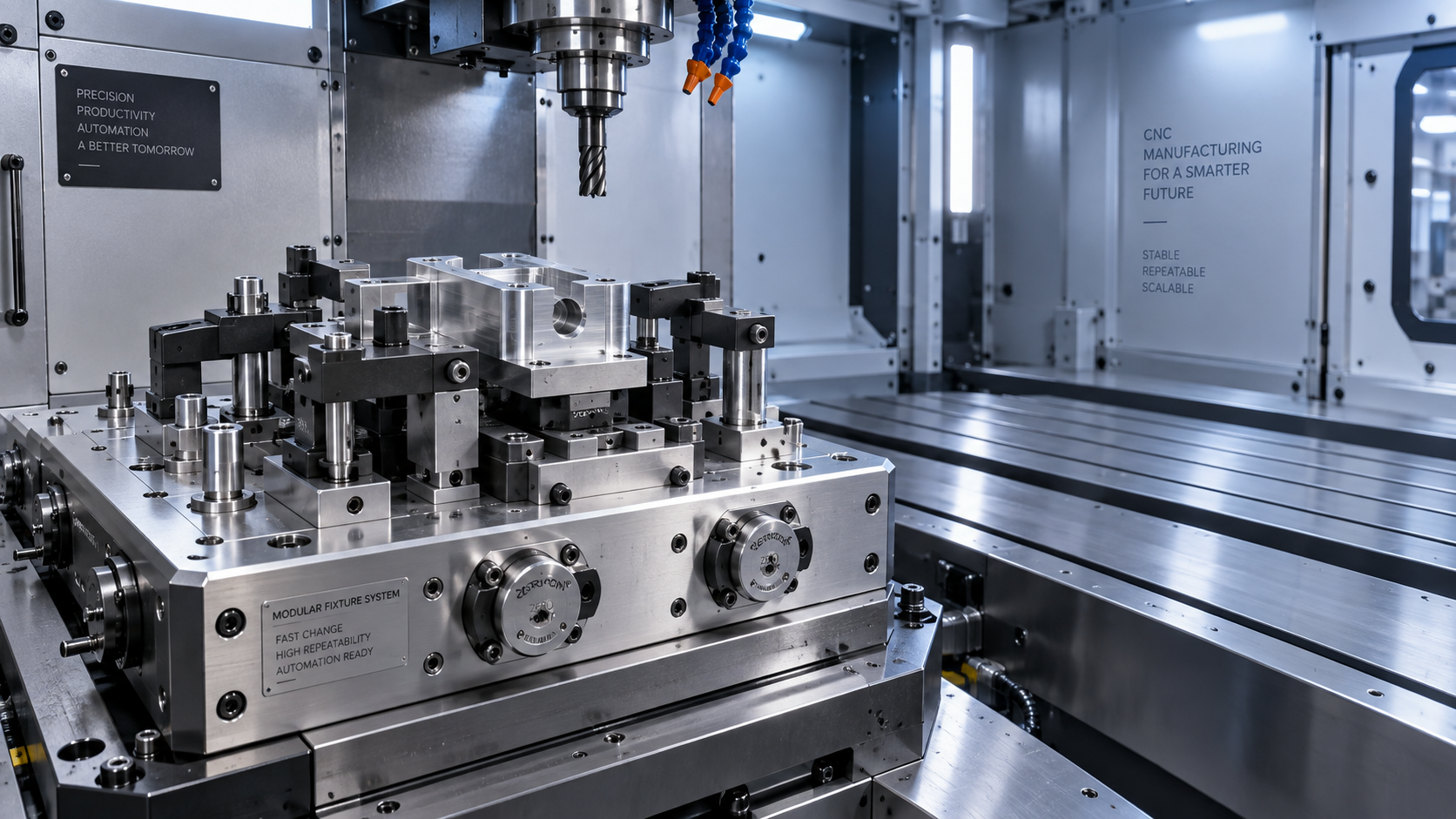
 Zero-Point Clamping or Modular Fixtures? Choosing a Faster CNC Changeover SystemCNC Machining Technology Center
 How to Cut CNC Fixture Changeover Time Without Sacrificing Part AccuracyCNC Machining Technology Center
 When Does CNC Turning Pay Off? A Break-Even Guide by Annual Part VolumeMachine Tool Industry Editorial Team

Aris Katos
Future of Carbide Coatings
15+ years in precision manufacturing systems. Specialized in high-speed milling and aerospace grade alloy processing.
▶
Machine Tool Standards by Country: What Importers Must Verify Before PurchaseManufacturing Policy Research Center▶
EU Sets CE-EMC+AI Certification Rule for CNC ExportsManufacturing Policy Research Center▶
EU Rule Update Raises CNC Safety Certification BarManufacturing Policy Research Center▶
U.S. Tightens Reviews for China CNC ExportsManufacturing Policy Research Center▶
EU Tightens CNC Export Compliance from October 2026Manufacturing Policy Research Center
Mastering 5-Axis Workholding Strategies
Join our technical panel on Nov 15th to learn about reducing vibrations in thin-wall components.

Providing you with integrated sanding solutions
Before-sales and after-sales services
Comprehensive technical support