• Global CNC market projected to reach $128B by 2028 • New EU trade regulations for precision tooling components • Aerospace deman
NYSE: CNC +1.2%LME: STEEL -0.4%

China’s CNC Machine Imports to Germany Hit 28.6% in Q1 2026

German machinery imports of CNC machining centers and CNC lathes from China reached 28.6% of total German imports in Q1 2026 — a new high — while average delivery lead times extended to 14.2 weeks, according to the VDMA’s April 30, 2026 report. This development warrants close attention from European metalworking equipment distributors, contract manufacturers, and industrial automation integrators, as it signals tightening supply dynamics amid shifting global production priorities.
Event Overview
On April 30, 2026, the German Engineering Federation (VDMA) released its quarterly import analysis showing that Chinese-origin CNC machining centers and CNC lathes accounted for 28.6% of Germany’s total CNC machine tool imports in Q1 2026 — the highest share on record. Concurrently, the average delivery lead time for these machines rose to 14.2 weeks, an increase of 2.7 weeks year-on-year. VDMA attributes the delay primarily to constrained maritime container capacity and reallocation of domestic Chinese manufacturer capacity toward新能源 vehicle (NEV) component production — a trend confirmed in the report’s explanatory notes.
Which Subsectors Are Affected
Direct Importers & Trading Companies
Importers sourcing CNC equipment directly from Chinese OEMs face extended procurement cycles and greater uncertainty in order fulfillment. The 14.2-week lead time complicates just-in-time replenishment models and increases working capital requirements for inventory holding.
Contract Manufacturing & Job Shops
European SMEs relying on imported CNC machines for capacity expansion or replacement face delayed capital deployment. Longer wait times risk postponing planned production upgrades, affecting competitiveness in precision-machined components for automotive and aerospace sectors.
Industrial Automation Integrators
Firms integrating CNC systems into turnkey production lines must revise project timelines and buffer scheduling. Extended machine delivery windows challenge coordinated commissioning with robotics, vision systems, and MES implementation — increasing risk of sequential delays.
Supply Chain & Logistics Service Providers
Freight forwarders and customs brokers specializing in machinery imports are observing increased demand for expedited documentation handling and alternative routing consultations (e.g., rail freight from China via Poland), though VDMA data does not quantify modal shifts.
What Relevant Companies or Practitioners Should Monitor and Do
Track official updates on Chinese export licensing and EU dual-use controls
The VDMA report notes no policy changes — but rising import shares and supply constraints may prompt closer scrutiny of technology transfer compliance. Companies should monitor updates from BAFA (Germany’s Federal Office for Economic Affairs and Export Control) and EU Commission notices regarding CNC machine exports classified under Wassenaar Arrangement Annex I.
Assess exposure to specific CNC subcategories with longest lead times
VDMA’s dataset distinguishes between machining centers and CNC lathes but does not break down lead times by control system (e.g., Fanuc vs. native Chinese CNC), spindle power class, or accuracy grade. Firms should request supplier-specific lead time data for their target configurations — especially for machines with ≥4-axis联动 capability or ≤5 µm repeatability.
Re-evaluate safety stock policies for critical spares and consumables
With longer machine delivery cycles, downtime risk rises. Practitioners should audit current spare parts inventories — particularly for drives, servo motors, and controller PCBs — and consider pre-booking vendor-managed inventory (VMI) arrangements where supported by Chinese suppliers.
Prepare contingency plans for alternative sourcing routes
While China’s share rose to 28.6%, VDMA data shows Taiwan (12.1%), Japan (10.7%), and South Korea (6.3%) remain significant sources. Firms with urgent capacity needs should re-engage regional distributors for comparative lead time validation and explore hybrid procurement (e.g., base machine from China, control system upgrade kit from EU-based integrator).
Editorial Perspective / Industry Observation
Observably, this shift reflects structural realignment rather than temporary disruption: China’s CNC export growth is now coupled with visible capacity trade-offs — notably toward NEV supply chain demands. Analysis shows the 14.2-week lead time is not merely logistical; it signals prioritization within Chinese manufacturing ecosystems. From an industry perspective, this is less a short-term bottleneck and more an early indicator of sustained resource competition across advanced manufacturing segments. Current monitoring should focus on whether similar lead-time extensions appear in other high-precision equipment categories (e.g., coordinate measuring machines, grinding machines) in upcoming VDMA reports — which would confirm broader capacity reallocation patterns.
Concluding, this data point underscores a recalibration in global CNC supply dynamics: higher dependency on Chinese production coexists with reduced delivery predictability. It is best understood not as a crisis, but as a signal prompting strategic reassessment of procurement resilience, lead-time buffers, and multi-source qualification — especially among SMEs with limited supply chain redundancy.
Source: VDMA (Verband Deutscher Maschinen- und Anlagenbau), “CNC Machine Tool Import Statistics – Q1 2026”, published April 30, 2026. Lead time attribution to maritime capacity constraints and NEV-related capacity shifts is explicitly stated in the report’s methodology annex. Ongoing observation is recommended for Q2 2026 VDMA data, expected in late July 2026, to assess whether the 14.2-week average persists or moderates.
Recommended for You
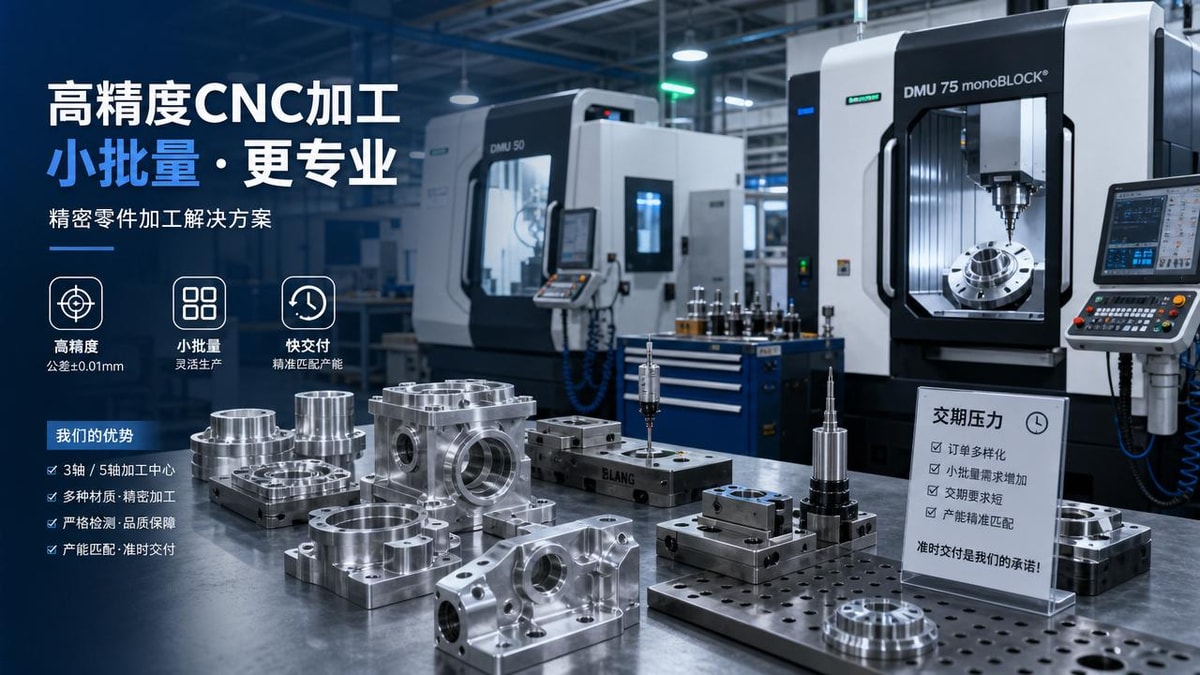
 CNC Milling Capacity Gaps Can Hurt Small Batch ProfitabilityManufacturing Market Research Center
 Industrial Robotics Payback Is Changing in Mid-Size PlantsManufacturing Market Research Center
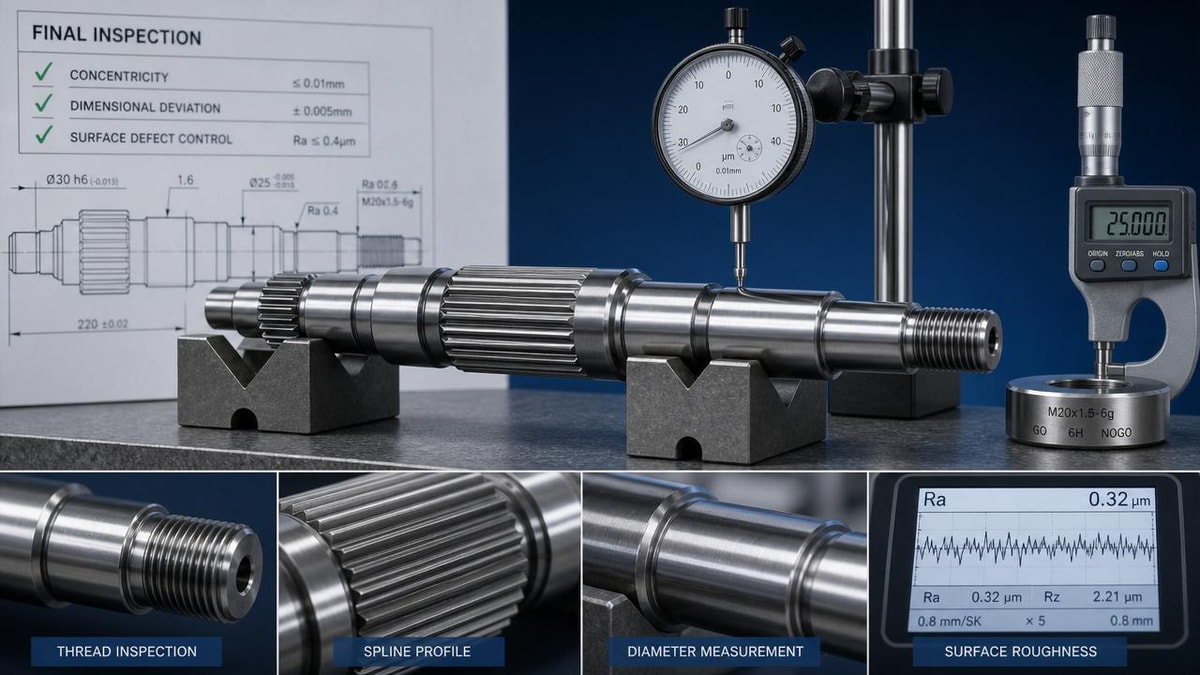
 Shaft Parts Machining Problems That Show Up at Final InspectionCNC Machining Technology Center
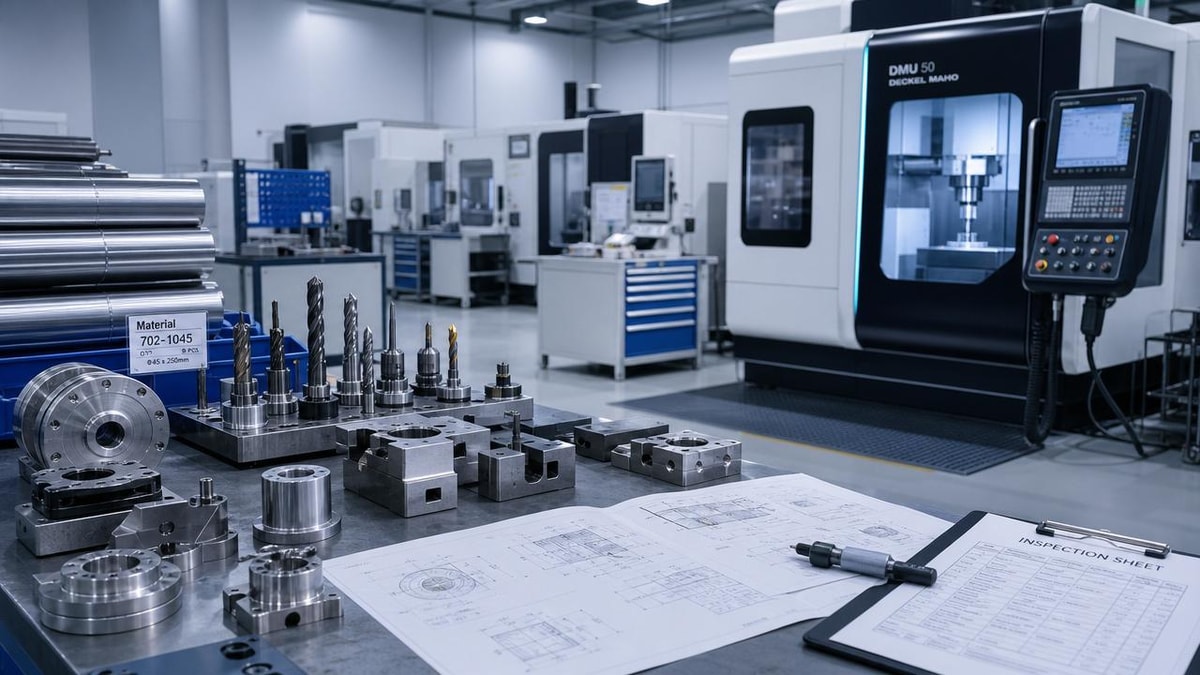
 Production Process Delays Usually Start Before Machining BeginsCNC Machining Technology Center
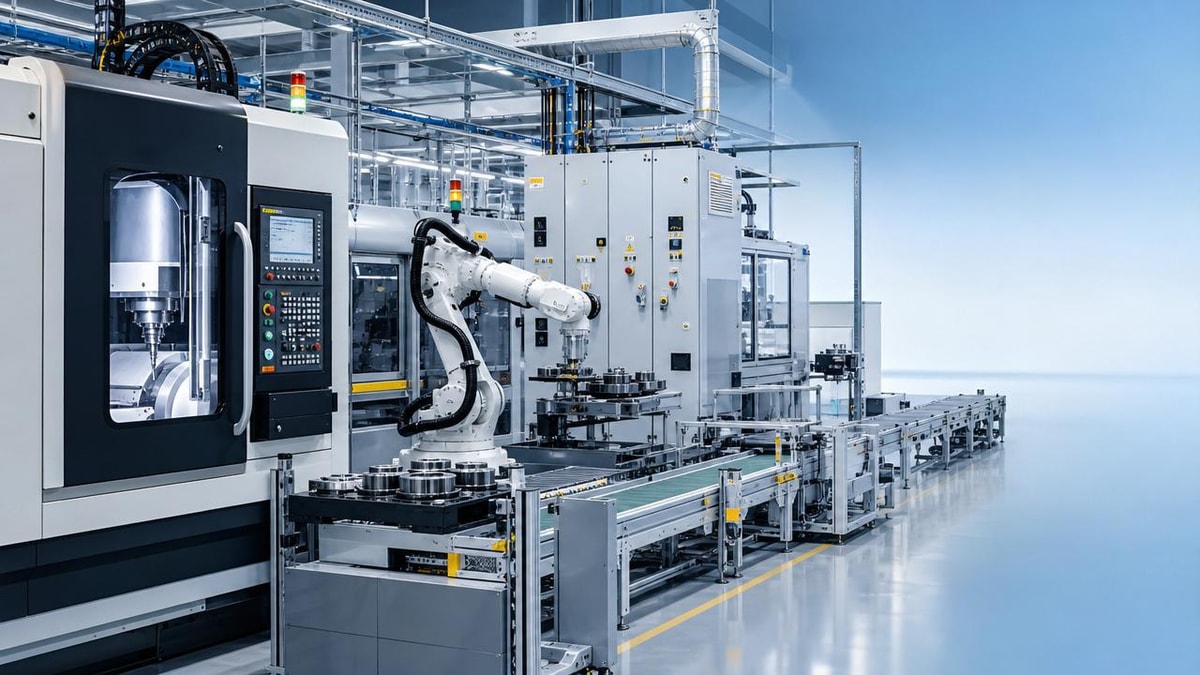
 Industrial Automation Projects Often Miss This Integration StepCNC Machining Technology Center
 CNC Metal Cutting Tool Wear Is Costing More Than You ThinkCNC Machining Technology Center


Aris Katos
Future of Carbide Coatings
15+ years in precision manufacturing systems. Specialized in high-speed milling and aerospace grade alloy processing.
▶
Japan Launches Green Machine Tool Subsidy 2.0 for Imported CNCGlobal Machine Tool Trade Research Center▶
China’s CNC Machine Imports to Germany Hit 28.6% in Q1 2026Global Machine Tool Trade Research Center▶
Vietnam Enforces VIEE 3.0 Energy Label for CNC Machines from May 2026Global Machine Tool Trade Research Center▶
Japan Launches Green Machine Tool Subsidy 2.0 for Chinese CNC ImportsGlobal Machine Tool Trade Research Center▶
德国VDMA最新数据:中国CNC设备进口份额达28.6%,但平均交期延长至14.2周Global Machine Tool Trade Research Center
Mastering 5-Axis Workholding Strategies
Join our technical panel on Nov 15th to learn about reducing vibrations in thin-wall components.

Providing you with integrated sanding solutions
Before-sales and after-sales services
Comprehensive technical support