• Global CNC market projected to reach $128B by 2028 • New EU trade regulations for precision tooling components • Aerospace deman
NYSE: CNC +1.2%LME: STEEL -0.4%

Why automated lathe exports face stricter compliance checks
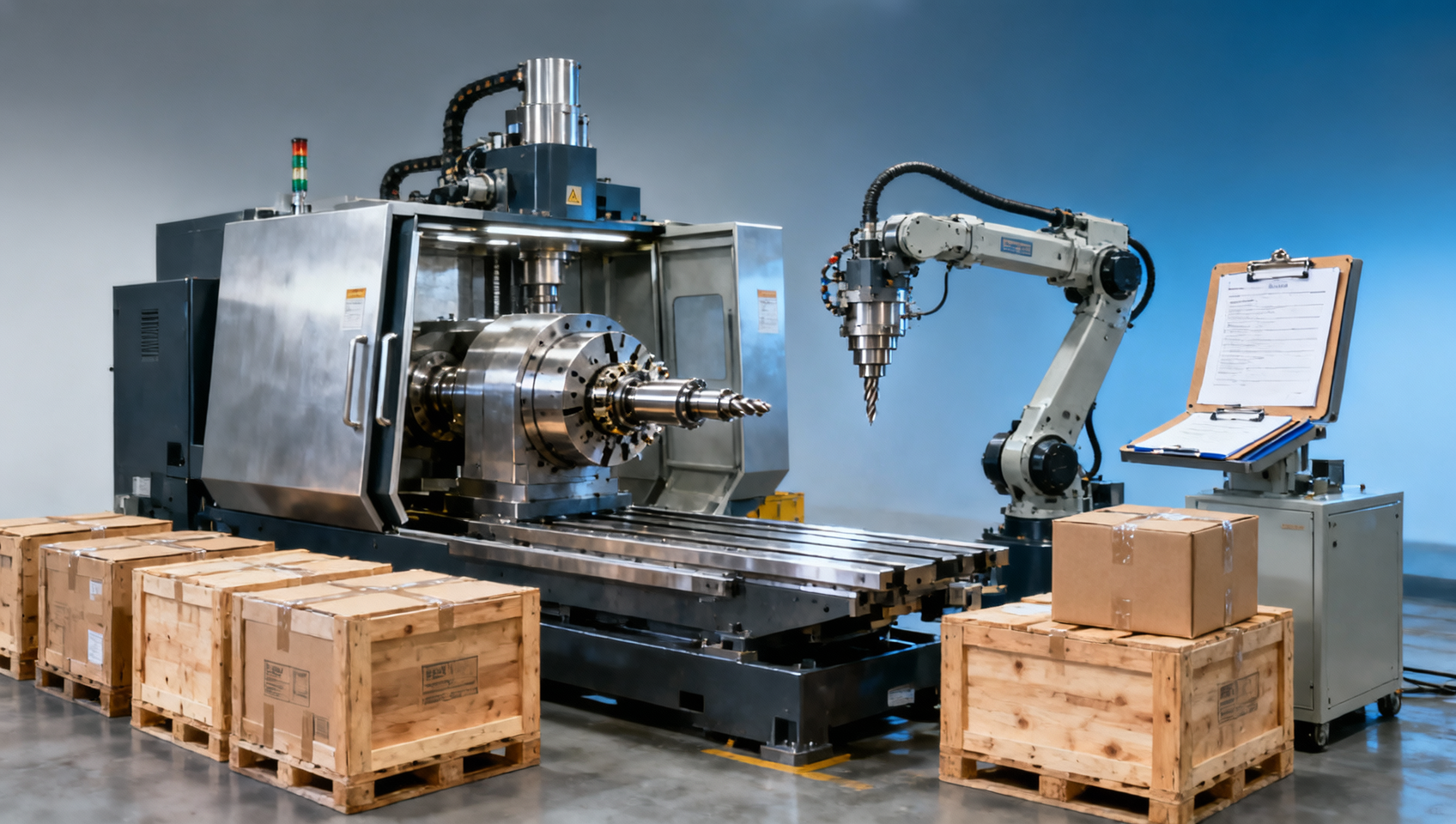
As Global Manufacturing tightens trade oversight, automated lathe exports are facing stricter compliance checks across the Manufacturing Industry. For buyers, operators, and decision-makers in industrial CNC and CNC metalworking, understanding how metal lathe specifications, CNC production applications, and automated production line usage affect export review is now essential to reducing risk, avoiding delays, and protecting cross-border business continuity.
In the CNC machine tool sector, export screening is no longer limited to invoices, packing lists, and basic customs declarations. Automated lathes now sit at the intersection of precision manufacturing, industrial automation, software control, and cross-border technology transfer. That combination makes them more visible to customs authorities, licensing teams, and end-use reviewers in many markets.
For companies sourcing, selling, or integrating CNC lathes, the practical question is not whether compliance checks are increasing, but why they are becoming more detailed and how to prepare for them. A machine with a 2-axis turning setup may be reviewed very differently from a multi-axis automated lathe linked to robotics, remote diagnostics, and unattended production cells.
This article explains the drivers behind stricter export checks, the technical and commercial details that often trigger review, and the steps procurement teams, operators, and executives can take to keep shipments moving with fewer surprises.
Why automated lathe exports attract closer scrutiny
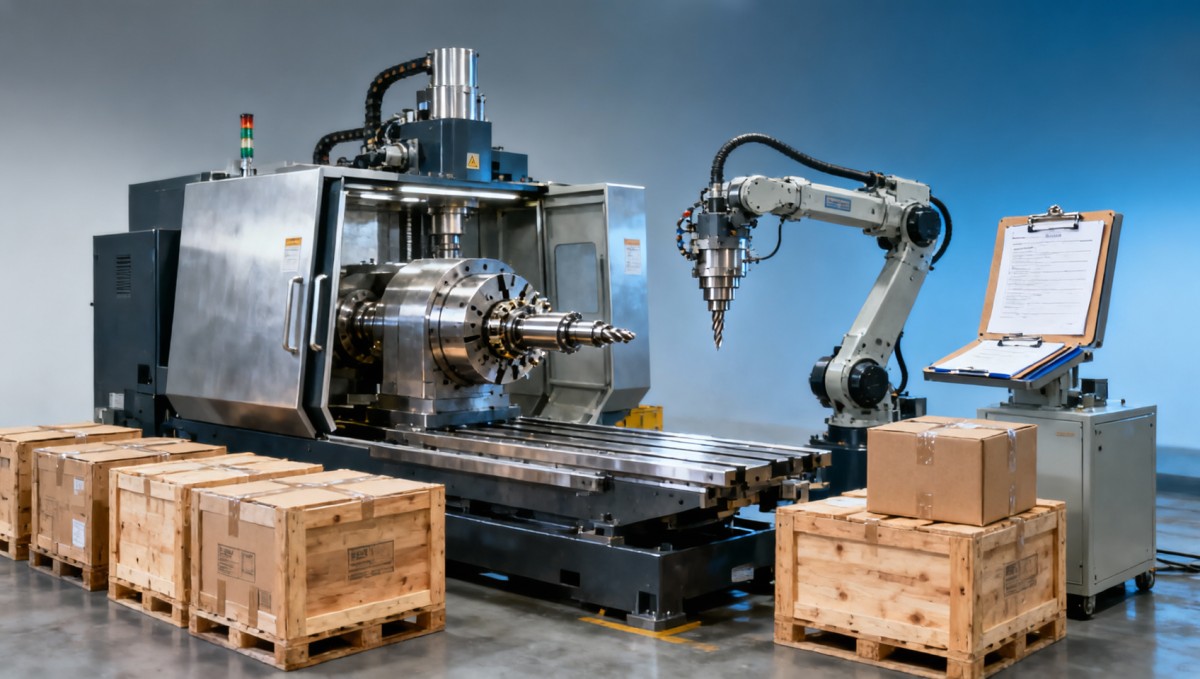
Automated lathe exports face stricter compliance checks because the machines are no longer treated as simple standalone equipment. In many cases, they combine mechanical precision, programmable motion control, software integration, servo systems, tool management, and sometimes robotic loading. That broad capability profile can increase the level of documentation needed before cross-border shipment is approved.
Authorities also look more closely at how the machine may be used after delivery. A CNC lathe intended for general automotive shafts, valve bodies, or electronic connectors may pass routine review, while equipment configured for aerospace alloys, defense-adjacent components, energy equipment, or high-precision rotating parts can receive more questions. Even a difference in tolerance capability, such as moving from ±0.02 mm to ±0.005 mm, may change how the machine is assessed.
Another factor is automation density. A basic slant-bed CNC lathe is one thing; an automated production line with bar feeder, gantry loader, robot arm, online probing, and 24-hour unattended operation is another. The more the machine supports lights-out production, rapid repeatability, and integrated manufacturing cells, the more likely regulators are to ask for detailed technical descriptions, software functions, and end-user information.
Trade policy changes also matter. In the last 3 to 5 years, many markets have increased review of advanced manufacturing equipment, especially where the exported system includes motion controllers, feedback systems, precision spindles, or remote software access. This does not mean every shipment is restricted, but it does mean exporters need more complete classification and supporting records.
For procurement teams, the business impact is immediate. A compliance hold of 7 to 21 days can disrupt installation schedules, factory expansion plans, and customer delivery commitments. For operators and production planners, delays can affect tooling preparation, commissioning windows, and workforce planning. For decision-makers, the cost is larger than freight delay alone; it can affect cash flow, customer confidence, and market entry timing.
Key drivers behind stronger checks
- Higher machine precision and multi-axis capability, especially in 4-axis to 9-axis turning systems.
- Integration with industrial robots, bar feeders, automatic loading, and closed-loop process monitoring.
- Software-enabled production functions such as remote diagnostics, data logging, and networked control.
- End-use concerns in aerospace, energy equipment, electronics, and other high-value sectors.
- Growing demand for detailed exporter records, end-user statements, and technical parameter declarations.
What this means in practice
In practice, a shipment can be delayed not because the lathe is prohibited, but because the paperwork does not clearly explain spindle speed range, control system type, automation accessories, intended application, or final installation site. In export compliance, unclear documentation often creates as much risk as the machine specification itself.
Technical specifications that often trigger compliance review
Not every CNC lathe receives the same level of review. Compliance teams usually focus on certain technical characteristics that indicate higher manufacturing capability or broader strategic use. Buyers should therefore ask suppliers for a detailed technical sheet early, ideally before purchase order confirmation, not after the machine is ready to ship.
The first trigger is precision performance. Machines designed for repeatability in the low micron range, fine surface finish, thermal compensation, or high-rigidity spindle structures may require closer classification work. The second trigger is axis complexity. A 2-axis or 3-axis system is generally easier to describe than a multi-axis turn-mill center with live tooling, Y-axis travel, sub-spindle, and synchronized machining functions.
The third trigger is software and connectivity. If an automated lathe supports remote service, machine data export, industrial network protocols, or integrated production management functions, authorities may require more clarity about what is installed and how it will be used. Even optional modules can matter if they are included on the final packing list or control license file.
The table below shows common specification areas that influence review intensity during automated lathe exports.
The main takeaway is that technical detail needs to be translated into compliance language. A machine builder may describe a lathe in terms of productivity, cycle time, and surface quality, while customs and export reviewers need to understand configuration, functionality, and intended use. If those two descriptions are not aligned, the shipment is more likely to be flagged.
Documents that should match the technical file
At minimum, the commercial invoice, packing list, technical specification sheet, quotation, and end-user declaration should describe the equipment consistently. Differences in model description, control option, spindle rating, or accessory list can trigger manual review. A mismatch as small as an omitted robot interface or software module may lead to additional questions.
Useful pre-shipment checklist
- Confirm axis count, spindle data, tooling options, and automation components in one final specification file.
- Check that the buyer name, installation site, and consignee details are identical across all export documents.
- Clarify end-use in plain manufacturing terms, such as automotive fittings, pump shafts, or general industrial parts.
- Review whether remote access, production software, or digital service modules are included in the shipment.
- Complete this review 10 to 14 days before planned dispatch, not on loading day.
How end-use, industry sector, and destination market affect export approval
Compliance review is rarely based on machine hardware alone. End-use, end-user, and destination market can significantly affect how an automated lathe export is evaluated. Two machines with nearly identical specifications may receive different treatment if one is going to a consumer electronics supplier and the other to a facility producing high-spec energy or aerospace components.
For buyers, this means purchase planning should include a clear statement of application. A lathe used for stainless steel shafts, brass fittings, hydraulic sleeves, or aluminum housings in batch sizes of 500 to 5,000 pieces is easier to contextualize than a purchase with only vague wording such as “industrial precision parts.” Specific descriptions reduce uncertainty and help exporters prepare stronger supporting files.
Destination market matters because import regulations, customs scrutiny levels, and technology transfer expectations differ by region. Some markets focus heavily on customs classification and valuation, while others ask for more detailed technical declarations, installation addresses, or end-user verification. Lead times can therefore vary from 3 to 7 days for routine clearance to 2 to 6 weeks when additional review is required.
The following comparison helps procurement and export teams assess where additional compliance preparation is most often needed.
The conclusion is straightforward: the more precisely the exporter can explain who will use the machine, what parts it will make, and how the production line is configured, the easier it is to manage compliance review. Ambiguity is one of the most common causes of delay in automated lathe exports.
Typical questions from compliance reviewers
- What materials and part categories will the CNC lathe process during normal production?
- Will the machine operate as a standalone turning unit or inside an automated production line?
- Does the shipment include software, remote service access, or data communication modules?
- Is the final user the importer, a contract manufacturer, or another group entity?
- What is the expected production volume per shift, such as 200, 800, or 2,000 parts?
How exporters and buyers can reduce delays before shipment
The most effective way to manage stricter compliance checks is to build export readiness into the sales and procurement process. That means starting at the quotation stage, not waiting until freight booking. If the exporter and buyer align technical scope, application description, and document wording early, they can prevent many avoidable holds.
A practical approach is to divide preparation into 4 stages: technical review, end-use confirmation, document alignment, and pre-shipment verification. Each stage should have a named owner, such as sales engineer, trade compliance officer, procurement manager, or project coordinator. In medium-to-large equipment transactions, this internal structure can save 1 to 3 weeks of back-and-forth later.
Buyers should also request a machine configuration summary that clearly lists standard scope and optional scope. For example, if the lathe package includes a 12-station turret, bar feeder, chip conveyor, oil mist collector, automatic door, and robot interface, those details should appear consistently. Optional items removed before shipment should also be documented, so the final export file reflects the actual machine delivered.
For operators and plant managers, factory acceptance and installation planning should include compliance timing assumptions. If customs clearance can take 5 days in one project and 20 days in another, then tooling procurement, foundation work, utility setup, and operator training should not all be scheduled against the earliest possible arrival date.
Recommended pre-export workflow
- Finalize machine scope and technical parameters at least 2 weeks before dispatch.
- Collect end-user statement with installation address, production use, and business activity.
- Cross-check invoice, packing list, technical sheet, and contract description line by line.
- Review destination-specific import and licensing considerations with freight or compliance partners.
- Hold a final release meeting 48 to 72 hours before container loading or air shipment handover.
Common mistakes that increase delay risk
The most common mistakes include vague product descriptions, inconsistent machine configuration records, incomplete consignee information, and late disclosure of automation modules. Another frequent issue is treating software, control functions, or robot-ready interfaces as minor accessories when they may influence classification or review depth. Small documentation gaps can have outsized consequences once the shipment is already at port.
In B2B machine tool trade, good compliance management is not just a legal task. It is a delivery reliability tool. Companies that standardize document preparation and end-use screening often gain a competitive advantage because their cross-border projects are easier for buyers to approve internally and easier for logistics teams to execute on time.
FAQ for procurement teams, operators, and decision-makers
How do I know if an automated lathe is more likely to face export review?
Start with four indicators: high precision capability, multi-axis machining, integrated automation, and software connectivity. If the machine includes features such as Y-axis turning, sub-spindle, robotic loading, unattended production, or remote diagnostics, it is wise to expect a more detailed review. That does not automatically create a barrier, but it does require stronger technical and end-use documentation.
What should buyers ask suppliers before placing an order?
Ask for a full specification sheet, final accessory list, software scope, estimated lead time, and export document support process. Buyers should also confirm whether the supplier can provide a consistent machine description across quotation, contract, invoice, and packing list. Requesting this information 30 to 45 days before shipment is more effective than asking after the machine is packed.
Can an automated production line create more compliance work than a single CNC lathe?
Yes. A production line that combines lathe, robot, loading system, measuring unit, and control interface usually needs more detailed review because the shipment is no longer only about cutting capacity. It also involves automation architecture, system integration, and sometimes separate component declarations. In large projects, documentation can easily expand from 5 basic files to 10 or more supporting records.
What is a realistic timeline for compliance preparation?
For standard CNC lathe exports, basic preparation may take 3 to 7 working days if documents are already organized. For more advanced automated lathe exports, a safer planning window is 10 to 15 working days before dispatch. If destination review is expected to be strict, adding an extra 1 to 2 weeks to the project buffer is often a practical decision.
Stricter compliance checks on automated lathe exports are a direct result of rising precision capability, broader automation integration, tighter trade controls, and closer attention to end-use in global manufacturing. For CNC machine tool buyers and exporters, the best response is not guesswork but disciplined preparation: accurate technical files, clear application statements, consistent shipping documents, and early review of destination requirements.
Whether you are evaluating a standalone CNC lathe, a multi-axis turn-mill system, or a fully automated production line, a structured compliance process helps protect delivery schedules, investment plans, and customer commitments. If you need support assessing machine configurations, preparing export-ready documentation, or matching CNC equipment to your production and trade requirements, contact us to get a tailored solution and discuss the right next step for your project.
Recommended for You
 Heavy-duty Machining Center for mold making: Why coolant filtration standards evolve faster than OEM manualsMachine Tool Industry Editorial Team
 Quick-change Fixture Design for CNC turning: Why clamping force consistency drops after 200 cyclesCNC Machining Technology Center
 5 Axis Machining for impeller manufacturing: Why toolpath smoothing affects surface fatigue lifeCNC Machining Technology Center
 Lean Production Process implementation: Where value stream mapping fails to expose hidden machine downtimeManufacturing Market Research Center
 Modular Tooling System for flexible manufacturing: Why interface repeatability degrades faster than expectedMachine Tool Industry Editorial Team
 Industrial Automation control system for CNC machines: When cybersecurity updates disrupt scheduled maintenanceMachine Tool Industry Editorial Team

Aris Katos
Future of Carbide Coatings
15+ years in precision manufacturing systems. Specialized in high-speed milling and aerospace grade alloy processing.
▶
Machine Tool Market Recovery Depends on More Than ExportsGlobal Machine Tool Trade Research Center▶
Why automated lathe exports face stricter compliance checksGlobal Machine Tool Trade Research Center▶
What’s really behind the 2026 surge in automated lathe exports from GermanyGlobal Machine Tool Trade Research Center▶
Machine tool distributor reliability: What happens when firmware updates require third-party certificationGlobal Machine Tool Trade Research Center▶
CNC manufacturing exporter challenges in 2026: Beyond customs paperwork and CE markingGlobal Machine Tool Trade Research Center
Mastering 5-Axis Workholding Strategies
Join our technical panel on Nov 15th to learn about reducing vibrations in thin-wall components.

Providing you with integrated sanding solutions
Before-sales and after-sales services
Comprehensive technical support