• Global CNC market projected to reach $128B by 2028 • New EU trade regulations for precision tooling components • Aerospace deman
NYSE: CNC +1.2%LME: STEEL -0.4%

How to Compare a Machine Tool Distributor Without Regret
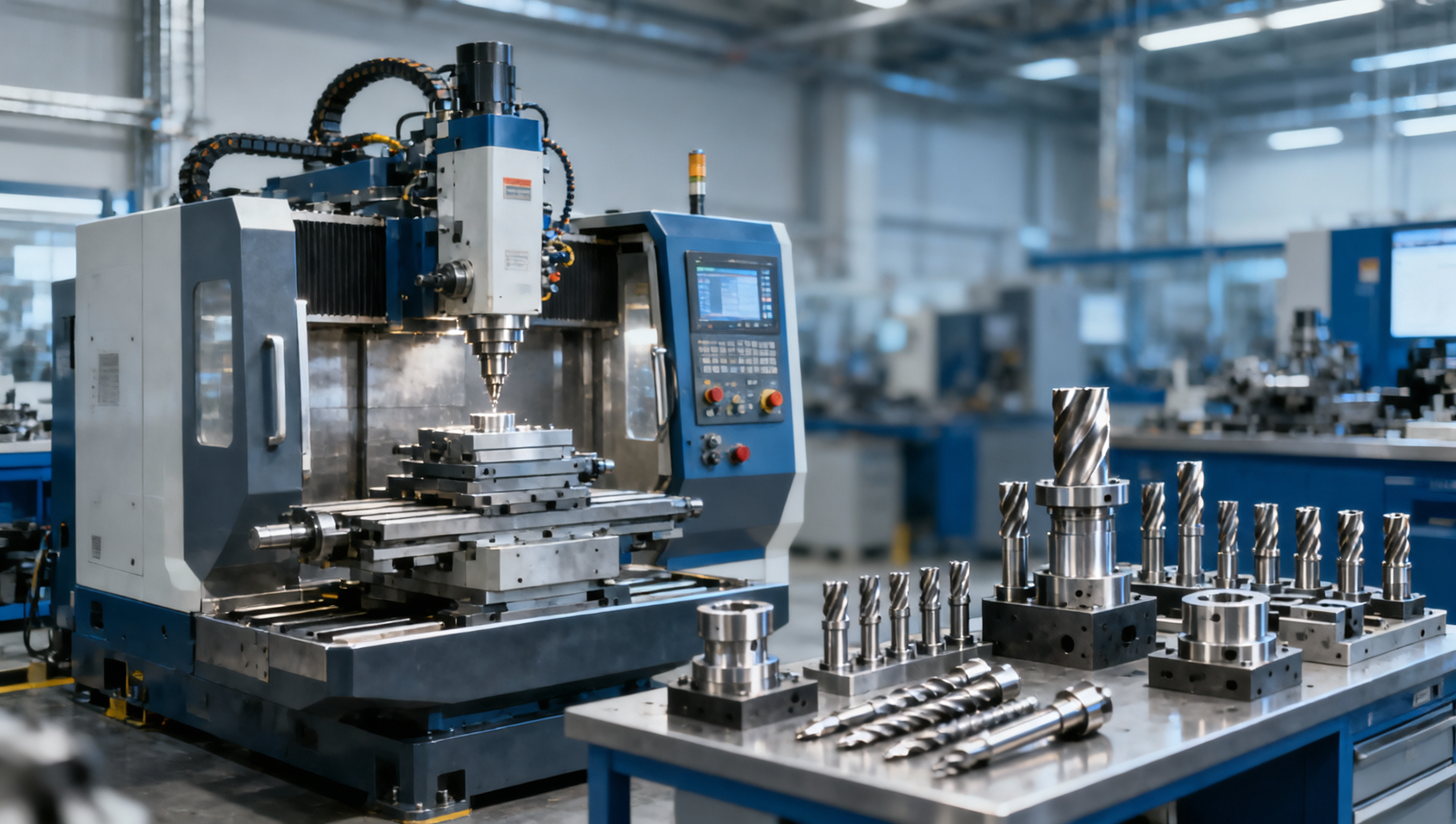
Choosing the right machine tool distributor can shape your production cost, uptime, and long-term competitiveness. Whether you need a compact machine tool, high precision machine tool, or automated CNC manufacturing solution, comparing a machine tool supplier goes far beyond machine tool price. This guide helps buyers, operators, and decision-makers evaluate CNC machine tool manufacturer strength, service capability, and application fit for aerospace, electronics, energy equipment, and automotive industry needs.
What should you compare first when evaluating a machine tool distributor?
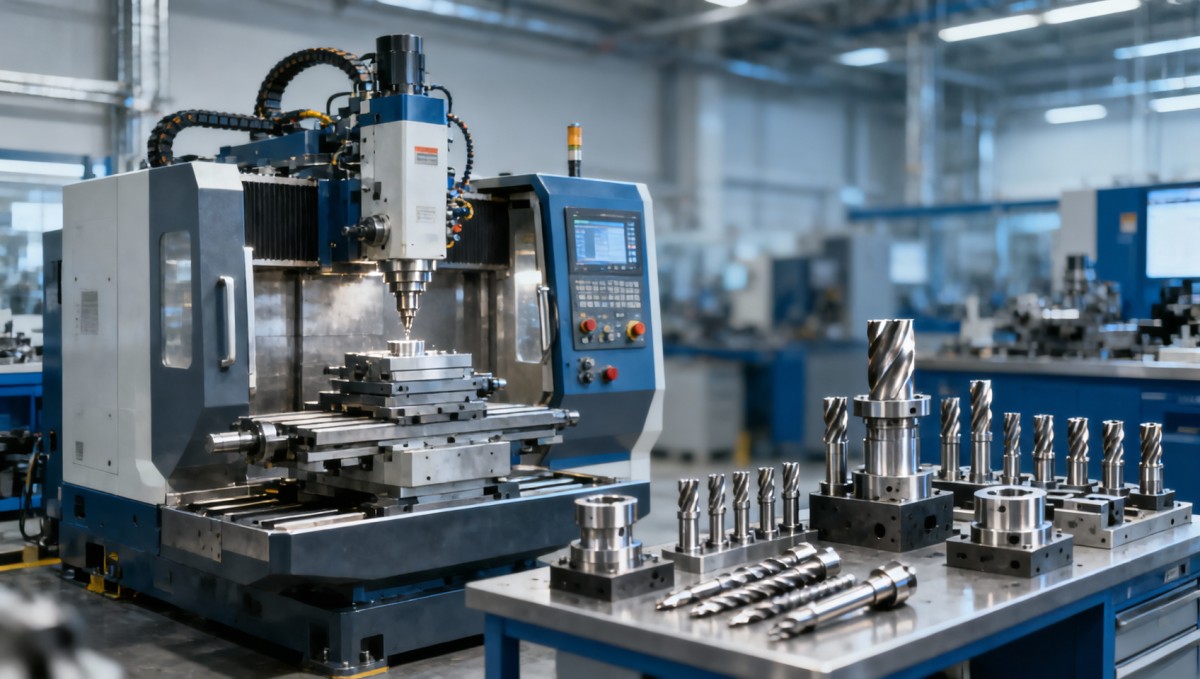
Many buyers begin with quotations, but the better starting point is operating fit. A machine tool distributor affects not only acquisition cost, but also spindle uptime, tooling compatibility, installation speed, and service response during the first 6–12 months. In CNC machining, a low initial price can become expensive if the machine stalls production or fails tolerance checks in real parts.
For information researchers, the key question is simple: can the distributor translate machine specifications into application results? For operators, the issue is usability, programming support, and maintenance access. For procurement teams, it is total purchasing risk. For business decision-makers, it is whether the supplier can support scaling from single machines to cells, lines, or smart factory integration over 2–5 years.
In sectors such as aerospace, electronics, energy equipment, and automotive manufacturing, comparing a machine tool distributor requires a structured review of 4 core areas: technical matching, delivery reliability, service capability, and lifecycle cost. If one area is weak, the distributor may still look attractive on paper while creating hidden costs after commissioning.
A capable machine tool supplier should also understand the broader ecosystem around CNC lathes, machining centers, multi-axis machining systems, fixtures, cutting tools, automation interfaces, and inspection workflows. Modern manufacturing is increasingly digital, so distributors that can discuss connectivity, production data, and future line expansion usually offer stronger long-term value than sellers focused only on one machine tool quote.
A practical 5-point starting checklist
- Confirm whether the distributor has proven experience in your part family, such as shafts, discs, housings, or thin-wall structural components.
- Check if technical discussions include tolerance range, batch size, material type, and cycle-time targets rather than only travel and spindle speed.
- Ask about installation and training duration, which commonly ranges from 2–5 days for standard machines and longer for automated cells.
- Review after-sales response process, spare parts availability, and whether remote diagnostics are available within normal working hours or 24/7 support windows.
- Evaluate whether the distributor can support future upgrades such as probing, pallet systems, bar feeders, robot loading, or MES data interfaces.
This first screening saves time because it separates brochure-based sellers from true application partners. In practice, the distributor that asks better questions early is often the one that reduces regret later.
How to compare machine tool distributors side by side
A direct comparison table helps procurement teams move beyond subjective impressions. The best machine tool distributor is rarely the one with the cheapest quote or the broadest catalog alone. Instead, buyers should compare measurable decision factors linked to production output, quality consistency, and service continuity.
The table below organizes common evaluation points for CNC machine tool distributors serving precision manufacturing. It is suitable for compact machine tool purchases, high precision machine tool selection, or larger automated CNC manufacturing projects.
This comparison method is useful because it aligns technical, operational, and commercial perspectives. A distributor may score well in price but poorly in response time or application engineering. That gap often becomes visible only after the machine reaches the shop floor.
Questions that reveal real distributor capability
When comparing machine tool suppliers, ask for example process assumptions. What material removal strategy was used? What tool life estimate supports the quoted cycle time? How many setups are assumed: 1, 2, or 3? Can the distributor explain fixture changeover time for small-batch versus medium-batch production? Detailed answers usually indicate genuine manufacturing understanding.
Also ask about failure-handling workflows. If the spindle alarm appears during a night shift, who responds first? Is remote diagnosis available in 30–120 minutes, and can field service typically arrive within 24–72 hours depending on region? These practical questions matter more than generic statements about strong service.
Red flags during distributor comparison
- The quotation lacks detail on controller model, tooling scope, probing, coolant system, or chip management.
- The sales team discusses only machine tool price and avoids part drawings, tolerance risks, or production rhythm.
- Training is not defined by audience, such as operator training, maintenance training, and programmer handover.
- Spare parts planning is vague, especially for wear items and control-related components with longer replacement cycles.
If two distributors look similar, the one with clearer assumptions, service process, and acceptance criteria is usually the safer choice. Regret often comes from ambiguity, not from the visible line items in the quotation.
Which technical and service details matter most in real production?
In machine tool procurement, technical fit must be tied to production reality. A distributor may offer a high precision machine tool, but precision alone is not enough. Buyers should examine how machine structure, spindle range, axis configuration, thermal stability, tooling package, and automation readiness fit the actual process window. For many applications, the question is not the maximum machine capability, but the stable capability over 8–20 operating hours per day.
For operators and maintenance teams, service design is equally important. Clear lubrication schedules, preventive maintenance intervals, filter replacement frequency, and alarm-handling guidance can reduce avoidable downtime. A distributor with strong documentation and practical training often improves usable output more than one offering only broad technical claims.
Environmental fit should not be ignored. Precision machine tools generally perform better under stable power supply, controlled ambient conditions, and proper foundation preparation. Depending on machine category and process sensitivity, buyers may need to review floor load, coolant treatment, compressed air quality, and temperature variation windows such as 20℃ ±2℃ for tighter tolerance work.
The following table helps teams compare not just machine parameters, but also the distributor support needed to turn those parameters into predictable production performance.
This table shows why technical comparison should always include service translation. A specification sheet describes the machine. A strong distributor explains how that machine will behave in your workshop, under your workload, with your operators and your delivery pressure.
Typical service checkpoints before purchase order
- Define a 3-stage acceptance flow: document review, installation check, and first-part validation.
- List 6 key handover items: manuals, electrical diagrams, lubrication guide, backup files, spare list, and training record.
- Agree on fault escalation contacts for operator, maintenance, supervisor, and distributor service engineer.
- Clarify whether the distributor supports process optimization after startup, especially during the first 30–90 days.
These checkpoints are especially valuable when buying automated CNC manufacturing systems, where mechanical, electrical, control, and workflow issues interact. The more complex the project, the more important structured service becomes.
How do application, compliance, and cost change the best distributor choice?
The ideal machine tool distributor for automotive components may not be the best choice for aerospace structures or electronics parts. Application context changes everything: tolerance requirements, traceability expectations, material behavior, production volume, and automation level. That is why buyers should compare suppliers by scenario, not by general reputation alone.
For example, a distributor serving energy equipment may need stronger knowledge of large workpieces, rigid cutting, and longer machining cycles. In electronics production, the focus may shift toward compact machine tool layouts, fine surface finish, thermal control, and repeatability for small precision parts. In aerospace, documentation discipline and process stability often receive closer scrutiny throughout qualification and production transfer.
Compliance is another differentiator. While exact certification needs vary by market and customer, buyers commonly review machine safety documentation, electrical conformity, operating manuals, and traceable acceptance records. If exports are involved, installation location and local regulations may affect the required document package and commissioning sequence.
Cost should therefore be considered as lifecycle cost across 3 layers: acquisition, operation, and interruption. Operating cost includes tooling consumption, energy use, coolant management, and maintenance. Interruption cost includes late delivery, scrap, delayed changeovers, and service delays. A distributor that helps reduce these variables can be commercially stronger even when the purchase price is not the lowest.
Application-driven selection logic
- For small-batch, high-mix work, prioritize flexibility, setup support, quick program adjustment, and responsive service.
- For medium-batch production, compare cycle-time stability, fixture strategy, tool life assumptions, and maintenance intervals.
- For large-batch or automated lines, focus on repeatability, robot interface readiness, spare parts planning, and downtime recovery process.
- For precision-critical sectors, review thermal management, inspection integration, documentation discipline, and operator skill transfer.
This scenario logic helps prevent a common mistake: selecting a distributor based on broad machine brand visibility while ignoring whether the supplier can support the actual production environment. A well-known name does not automatically mean the best local service fit.
Common misconceptions that lead to regret
One misconception is that machine tool price reflects total value. In reality, two distributors can quote similar machine platforms but differ significantly in included tooling, startup support, service coverage, and commissioning quality. Another misconception is that the highest precision specification guarantees better output. If the shop lacks environmental stability, trained operators, or suitable fixtures, the real production result may fall short.
A third misconception is that all distributors can support automation later. Some can deliver a stand-alone machine effectively but have limited capability in robot loading, interlocks, probing, or line-level data integration. For companies planning phased expansion over 12–36 months, this difference is critical.
FAQ and next steps for buyers, operators, and decision-makers
Before making a final decision, many teams still have practical concerns about lead time, selection criteria, and post-sale support. The questions below reflect common search intent and day-to-day procurement challenges in CNC machine tool projects.
How should I compare a machine tool distributor if I have only basic technical knowledge?
Start with part drawings, material type, annual volume, and target tolerance instead of machine jargon. Ask each distributor to explain the recommended machine, tooling concept, expected setup count, and support plan in plain language. A good supplier should be able to convert technical complexity into a clear 4-step proposal: machine choice, process fit, delivery plan, and service coverage.
What lead time is typical for CNC machine tool delivery and commissioning?
Lead time varies by machine type, configuration, and region. Standard machines may fall within 4–12 weeks, while more customized systems or automation packages can extend to 12–24 weeks or longer. Commissioning commonly takes 2–7 days for stand-alone equipment, but integrated cells may require additional validation stages depending on interfaces and safety checks.
Which documents should procurement teams request before approval?
At minimum, request a detailed quotation, technical configuration list, utility requirements, installation scope, training plan, spare parts recommendation, and acceptance criteria. If your project includes export or regulated sectors, also ask about machine safety documentation, electrical conformity information, and the proposed service workflow after handover.
How do operators know whether a distributor will provide practical support?
Look for concrete training content rather than generic promises. Useful support usually includes operation basics, parameter adjustment boundaries, daily inspection points, lubrication and coolant checks, alarm interpretation, and safe restart procedures. If possible, ask whether the distributor provides structured support during the first 30 days of production ramp-up.
Why choose us for machine tool comparison, sourcing, and project planning?
We focus on the global CNC machining and precision manufacturing industry, with close attention to machine tools, automation trends, technical selection logic, and international trade realities. That means our support is not limited to a catalog view. We help connect machine capability, distributor evaluation, industry application, and practical procurement judgment in one decision process.
If you are comparing a machine tool distributor, we can help you sort the key variables before you commit. This includes parameter confirmation for CNC lathes or machining centers, application-based selection for aerospace, electronics, energy equipment, and automotive parts, as well as review of delivery cycle assumptions, service scope, and automation expansion options.
You can contact us for specific support on 6 practical topics: machine configuration review, distributor comparison checklist, quotation interpretation, expected lead time planning, customization discussion, and compliance document preparation. If your project involves compact machine tools, high precision machine tools, or automated CNC manufacturing solutions, we can help organize the decision around risk, output, and long-term fit.
For faster evaluation, prepare your part drawings, material information, target tolerances, batch volume, and preferred delivery window. With those inputs, the comparison process becomes clearer, more objective, and far less likely to end in costly regret.
PREVIOUS ARTICLE
NEXT ARTICLE
Recommended for You
 How to Choose a Heavy-Duty Machining Center for Mold MakingMachine Tool Industry Editorial Team
 How Quick-Change Fixture Design Cuts CNC Turning Setup TimeCNC Machining Technology Center
 Why 5 Axis Machining Is Ideal for Impeller ManufacturingCNC Machining Technology Center
 How to Start Lean Production Without Disrupting OutputManufacturing Market Research Center
 When a Modular Tooling System Improves Flexible ManufacturingMachine Tool Industry Editorial Team
 How CNC Machine Control Systems Improve Automation StabilityMachine Tool Industry Editorial Team



Aris Katos
Future of Carbide Coatings
15+ years in precision manufacturing systems. Specialized in high-speed milling and aerospace grade alloy processing.
▶
How to Compare a Machine Tool Distributor Without RegretGlobal Machine Tool Trade Research Center▶
What Buyers Miss When Choosing a Machine Tool WholesalerGlobal Machine Tool Trade Research Center▶
What to Check Before Using a CNC Manufacturing WholesalerGlobal Machine Tool Trade Research Center▶
What Medical Buyers Need in CNC Manufacturing TodayGlobal Machine Tool Trade Research Center▶
How to Find a Machine Tool Distributor You Can TrustGlobal Machine Tool Trade Research Center
Mastering 5-Axis Workholding Strategies
Join our technical panel on Nov 15th to learn about reducing vibrations in thin-wall components.

Providing you with integrated sanding solutions
Before-sales and after-sales services
Comprehensive technical support