• Global CNC market projected to reach $128B by 2028 • New EU trade regulations for precision tooling components • Aerospace deman
NYSE: CNC +1.2%LME: STEEL -0.4%

What Buyers Miss When Choosing a Machine Tool Wholesaler
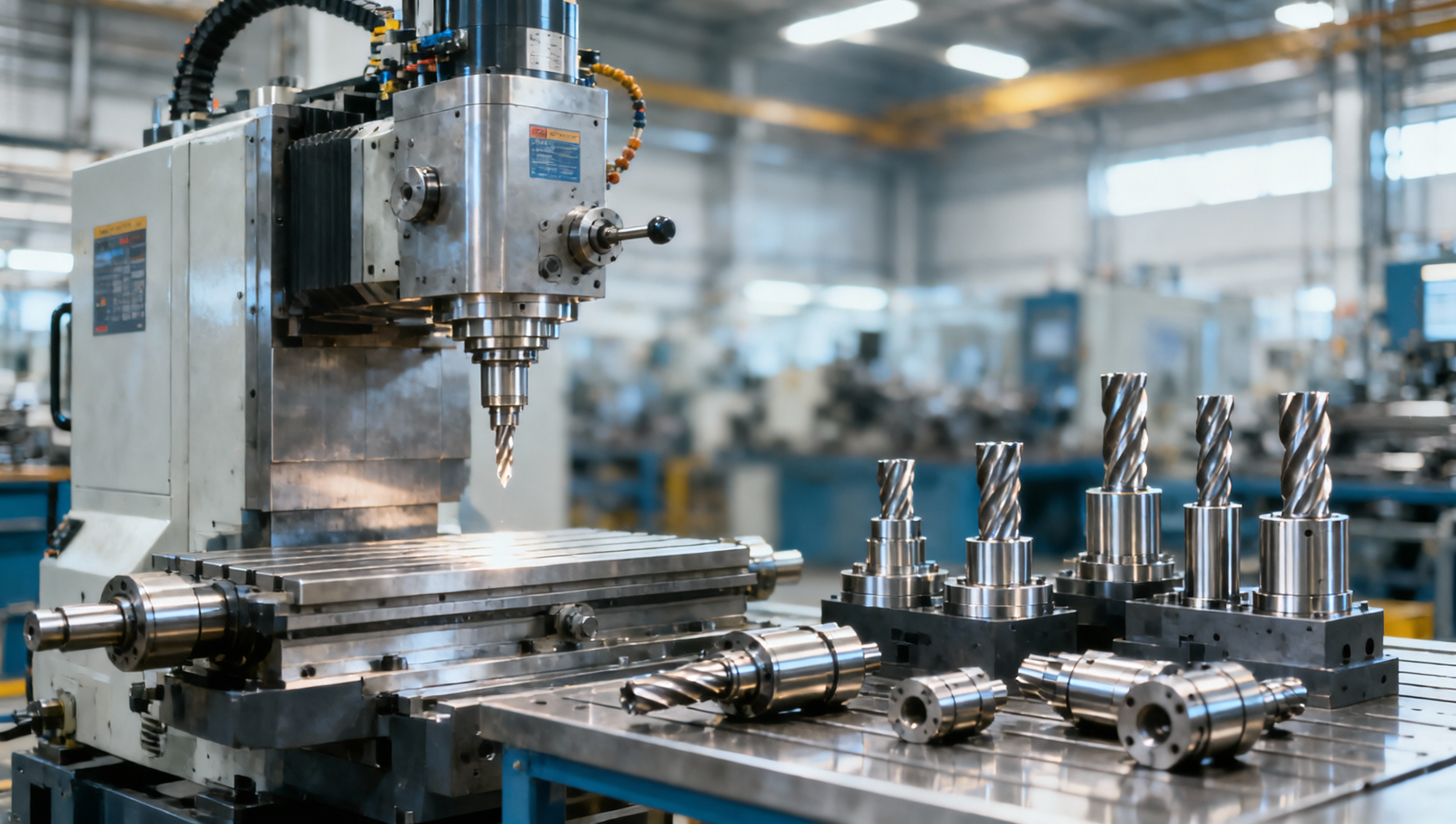
Many buyers compare machine tool price, spindle speed, axis travel, and control brands first. Those specifications matter, but they rarely tell the full story. The real difference between a good machine tool wholesaler and a risky one is not just the catalog—it is the wholesaler’s ability to deliver stable quality, application fit, technical support, spare parts access, and long-term production reliability. For buyers in automotive, aerospace, electronics, and energy equipment manufacturing, choosing the wrong wholesale partner can lead to downtime, scrap, delayed launches, and hidden operating costs that far exceed the original purchase price.
If you are evaluating a CNC lathe supplier, machining center wholesaler, or multi-axis machine tool distributor, the key question is simple: can this partner support your production goals beyond the initial sale? That is what many buyers miss.
Why price and specifications alone are not enough
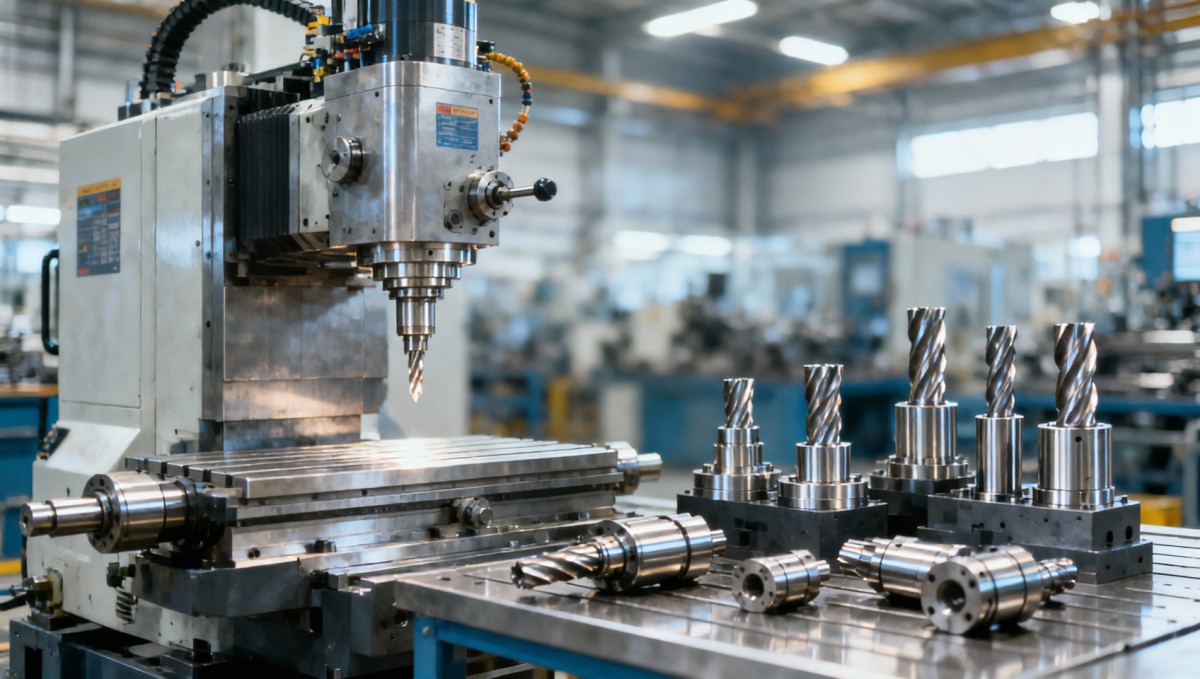
In machine tool procurement, the most common mistake is treating all suppliers with similar specifications as interchangeable. On paper, two machines may look close: similar spindle power, tool magazine capacity, positioning accuracy, and controller options. But in real production, performance depends on far more than listed specs.
A machine tool wholesaler influences:
- Machine configuration accuracy for your actual parts and materials
- Quality consistency across delivered units
- Installation and commissioning efficiency
- Training quality for operators and maintenance teams
- Response speed when faults occur
- Spare parts availability and lead times
- Integration with automation, fixturing, tooling, and software systems
For procurement teams and business decision-makers, this means the wholesale partner affects total cost of ownership, not just purchase cost. A cheaper machine sourced through a weak wholesaler can become more expensive through downtime, rework, lower output, and service delays.
What buyers often miss when evaluating a machine tool wholesaler
Buyers who focus only on the machine itself often overlook the wholesaler’s real operating capability. These are the factors that deserve closer attention.
1. Application matching is more important than broad product range
Some wholesalers present a wide portfolio of CNC lathes, vertical machining centers, horizontal machining centers, and multi-axis machine tool systems. A large catalog can look impressive, but range alone does not mean suitability.
The better question is whether the wholesaler understands your production application:
- Part geometry and tolerance requirements
- Material type, hardness, and cutting behavior
- Batch size and takt time targets
- Surface finish expectations
- Changeover frequency
- Future automation plans
A reliable machine tool wholesaler should be able to recommend not only a model, but a process-fit solution. For example, a buyer producing precision shaft components has different priorities from one machining structural aerospace parts or high-volume electronics housings. If the supplier cannot discuss cycle time logic, fixture implications, coolant requirements, and tool path considerations, they may be acting as a trader rather than a technical partner.
2. Claimed precision is not the same as production stability
High precision machine tool capability is one of the most attractive selling points in the CNC market. But buyers should separate laboratory precision claims from stable production performance.
Important questions include:
- Can the machine hold tolerance across long production runs?
- How does it perform under thermal load?
- What is the consistency between units from different batches?
- What inspection and acceptance procedures are used before delivery?
- How is geometric accuracy verified after installation?
This is especially important in aerospace, automotive, and energy equipment manufacturing, where precision drift can create serious downstream quality issues. A competent wholesaler should be able to explain acceptance standards, machine calibration practices, and how they address repeatability in actual shop-floor conditions.
3. The wholesaler’s service network may matter more than the machine brand
Many buyers assume a well-known machine brand automatically guarantees support. In reality, support quality often depends on the wholesaler or regional distributor responsible for installation, training, troubleshooting, and parts coordination.
Check whether the wholesaler can provide:
- Local or regional service engineers
- Remote diagnostics capability
- Startup commissioning support
- Operator and maintenance training
- Preventive maintenance plans
- Fast escalation channels for urgent failures
For users and operators, this is critical. Even a strong machine platform can become a production bottleneck if no one can resolve alarms, servo issues, tool changer faults, or controller integration problems quickly.
4. Spare parts access is a hidden risk factor
Downtime is often driven not by major machine failure, but by delayed access to common service parts. Buyers frequently ask about warranty, but not enough ask about practical spare parts support.
You should confirm:
- Which wear parts and critical components are stocked locally
- Average lead times for spindles, drives, boards, sensors, pumps, and lubrication parts
- Whether parts come directly from OEM channels
- How obsolete components are handled
- Whether recommended spare parts lists are supplied at purchase
For high-output factories, a wholesaler that can support uptime is often more valuable than one offering a slightly lower machine price.
5. Automation compatibility should be checked early, not later
As automated CNC manufacturing expands, many buyers need more than a standalone machine. They need compatibility with robotic loading, pallet systems, bar feeders, probing, tool management, MES connectivity, and flexible production line planning.
If your plant is moving toward smart manufacturing, ask whether the wholesaler can support:
- Machine communication protocols and data integration
- Robot or gantry loading interfaces
- Fixture and tooling coordination
- Unattended or lights-out machining requirements
- Expansion from single machine cells to larger automated lines
This is one of the most overlooked buying criteria. A machine that works well as a standalone asset may be difficult or expensive to integrate later. The right wholesaler should understand both the machine tool and the production ecosystem around it.
6. Delivery reliability is not the same as promised lead time
Many wholesalers can offer attractive delivery promises during quotation. Fewer can consistently meet those dates when supply chains tighten, component shortages appear, or custom configurations are involved.
For procurement and operations teams, delivery reliability affects production planning, launch timing, and capital deployment. Evaluate:
- Historical on-time delivery performance
- Dependency on third-party assembly or imported controls
- Clarity around standard vs custom machine lead times
- Factory acceptance testing schedule
- Packing, export documentation, and international shipping experience
This matters even more in cross-border sourcing, where a wholesaler may be technically capable but operationally weak in logistics and documentation.
Questions procurement teams should ask before selecting a wholesaler
To move beyond sales claims, buyers should use a structured evaluation process. The following questions can reveal whether a supplier is genuinely reliable:
- Which industries and part types do you serve most often?
- Can you provide case examples similar to our production scenario?
- How do you recommend machine selection based on tolerance, material, and output targets?
- What commissioning and training support is included?
- What are your average response times for technical service?
- Which spare parts are stocked locally or regionally?
- How do you support automation integration?
- What acceptance testing process is used before shipment and after installation?
- What common operating issues should we expect for this machine type?
- What is the realistic delivery schedule, including controls, tooling interface, and optional accessories?
These questions help information researchers, procurement managers, and decision-makers separate marketing language from operational substance.
How different buyer groups should evaluate a machine tool wholesaler
Not every stakeholder looks at the same risks. A stronger buying decision usually comes from combining commercial, technical, and production perspectives.
For procurement personnel
Focus on total cost, delivery reliability, contract clarity, service commitments, and parts support. Avoid comparing quotes on machine price alone.
For operators and production users
Pay attention to usability, setup efficiency, alarm handling, training quality, maintenance accessibility, and process stability. Operator frustration is often an early warning sign of poor supplier support.
For technical evaluators
Review machine rigidity, control architecture, thermal behavior, axis dynamics, tooling compatibility, and readiness for your actual process conditions. If possible, validate with test cuts, sample parts, or customer references.
For business decision-makers
Look at business continuity. The right machine tool wholesaler supports capacity growth, production quality, automation transition, and long-term asset utilization. The wrong one creates hidden risk across output, margins, and customer delivery performance.
Signs you are dealing with a strong wholesale partner
A capable machine tool wholesaler typically shows several of these characteristics:
- They ask detailed process questions before quoting
- They discuss application fit, not just product availability
- They explain limitations as clearly as advantages
- They provide realistic lead times and service terms
- They can support installation, training, and follow-up maintenance
- They understand automation and future production scaling
- They offer documentation, acceptance procedures, and reference cases
In contrast, a weak wholesaler often focuses heavily on discounting, avoids technical depth, gives vague service answers, and cannot clearly explain how the machine will perform in your production environment.
Final takeaway: choose a wholesaler that protects production, not just budget
What buyers miss when choosing a machine tool wholesaler is that the purchase is never only about the machine. It is about production continuity, precision stability, service response, spare parts access, and future manufacturing flexibility. In modern CNC machining and precision manufacturing, those factors have a direct impact on uptime, quality, and return on investment.
Whether you are sourcing a CNC lathe, machining center, or multi-axis machine tool system, the best wholesale partner is the one that understands your application, supports your operation after installation, and helps your factory perform reliably over time. That is where real purchasing value is created.
PREVIOUS ARTICLE
Recommended for You
 How to Choose a Heavy-Duty Machining Center for Mold MakingMachine Tool Industry Editorial Team
 How Quick-Change Fixture Design Cuts CNC Turning Setup TimeCNC Machining Technology Center
 Why 5 Axis Machining Is Ideal for Impeller ManufacturingCNC Machining Technology Center
 How to Start Lean Production Without Disrupting OutputManufacturing Market Research Center
 When a Modular Tooling System Improves Flexible ManufacturingMachine Tool Industry Editorial Team
 How CNC Machine Control Systems Improve Automation StabilityMachine Tool Industry Editorial Team

Aris Katos
Future of Carbide Coatings
15+ years in precision manufacturing systems. Specialized in high-speed milling and aerospace grade alloy processing.
▶
How to Compare a Machine Tool Distributor Without RegretGlobal Machine Tool Trade Research Center▶
What Buyers Miss When Choosing a Machine Tool WholesalerGlobal Machine Tool Trade Research Center▶
What to Check Before Using a CNC Manufacturing WholesalerGlobal Machine Tool Trade Research Center▶
What Medical Buyers Need in CNC Manufacturing TodayGlobal Machine Tool Trade Research Center▶
How to Find a Machine Tool Distributor You Can TrustGlobal Machine Tool Trade Research Center
Mastering 5-Axis Workholding Strategies
Join our technical panel on Nov 15th to learn about reducing vibrations in thin-wall components.

Providing you with integrated sanding solutions
Before-sales and after-sales services
Comprehensive technical support