• Global CNC market projected to reach $128B by 2028 • New EU trade regulations for precision tooling components • Aerospace deman
NYSE: CNC +1.2%LME: STEEL -0.4%

What causes chatter in metal machining and how to stop it
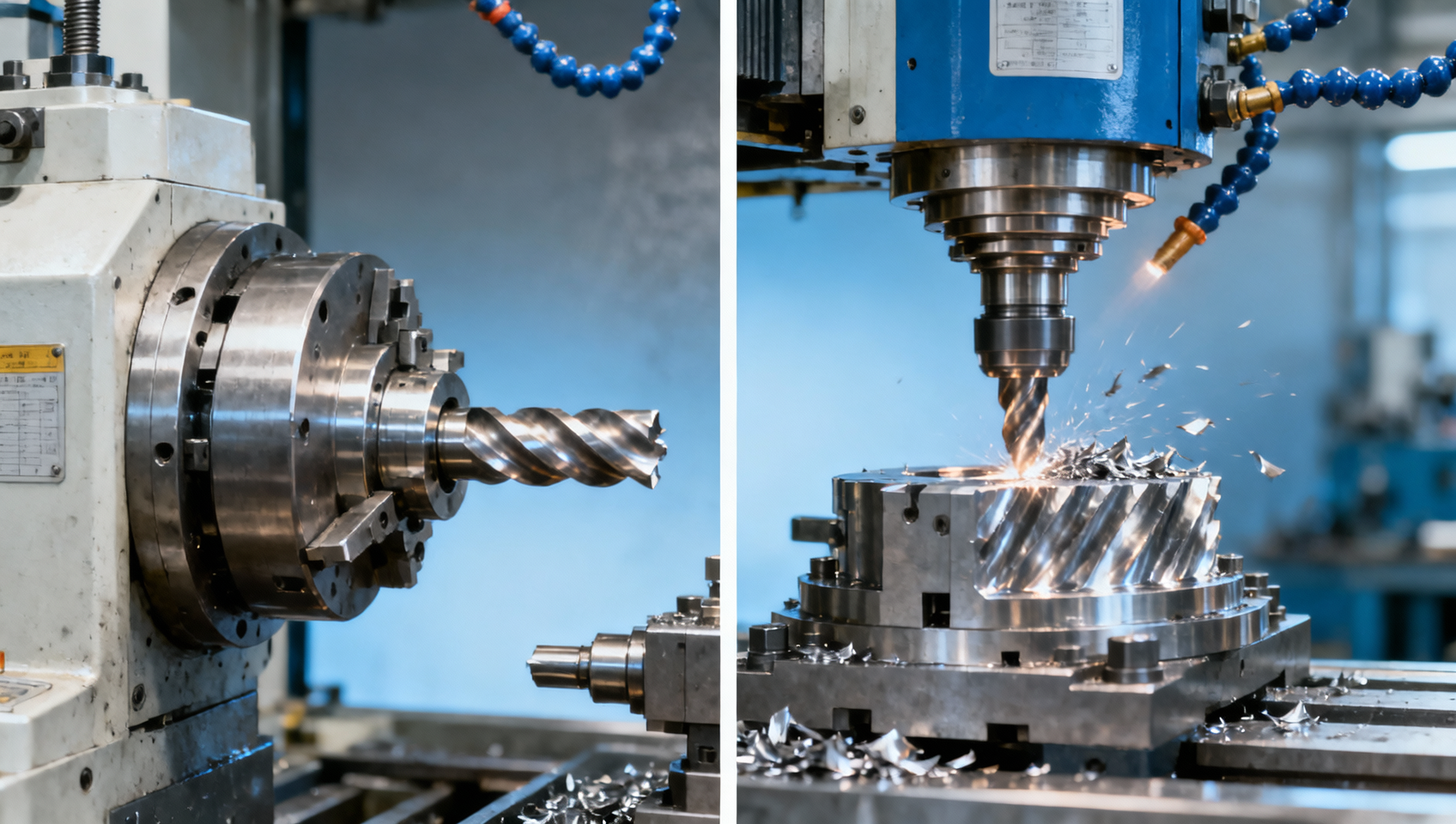
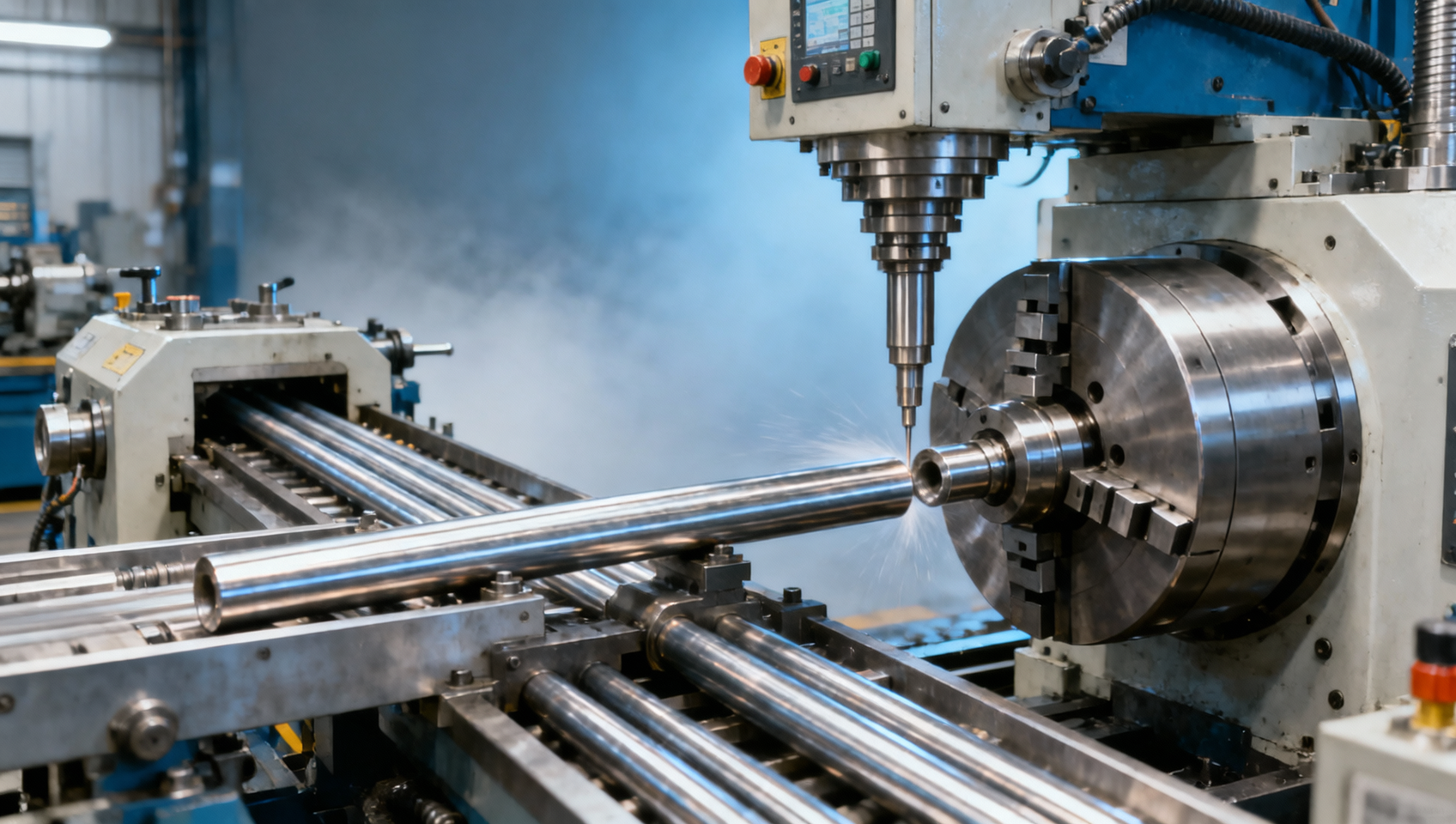
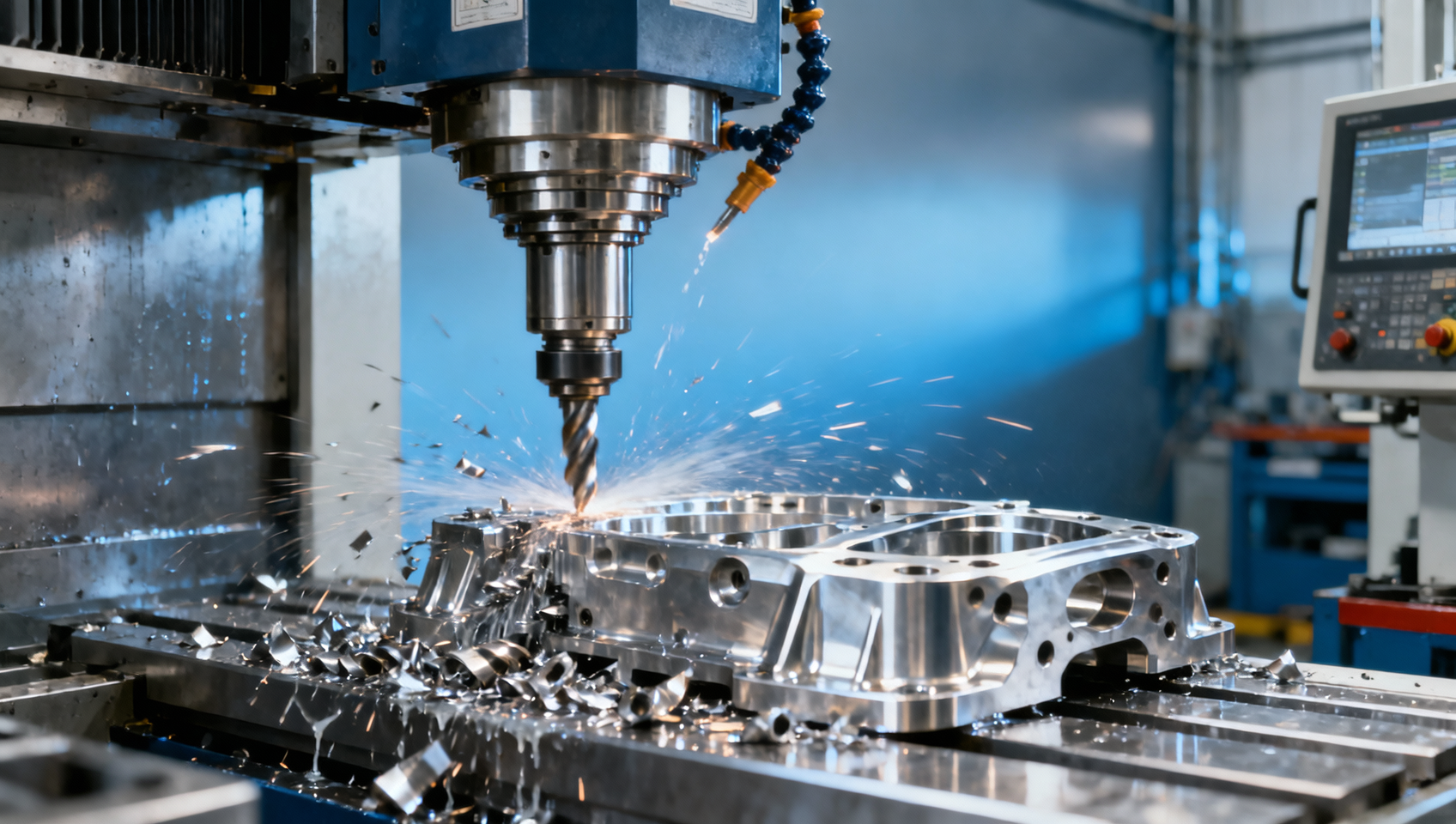
Chatter in metal machining can ruin surface finish, shorten tool life, and disrupt the entire production process in industrial CNC and CNC metalworking environments. Whether you run an automated lathe, metal lathe, vertical lathe, or CNC milling system, understanding what causes vibration and how to control it is essential for stable CNC cutting, higher efficiency, and more reliable automated production.
For operators, chatter is often first noticed as noise, visible waviness, or unstable chip formation. For production managers and buyers, it quickly becomes a cost issue: more scrap, faster insert consumption, longer cycle times, and inconsistent dimensional control. In high-precision machining lines serving automotive, aerospace, energy, and electronics applications, even small vibration problems can affect throughput across multiple shifts.
This article explains the main causes of chatter in metal machining, how to diagnose it in CNC environments, and what practical measures can reduce or stop it. It is written for technical researchers, machine users, procurement teams, and decision-makers who need a solution-oriented understanding of vibration control in modern machining operations.
What chatter is and why it matters in CNC machining
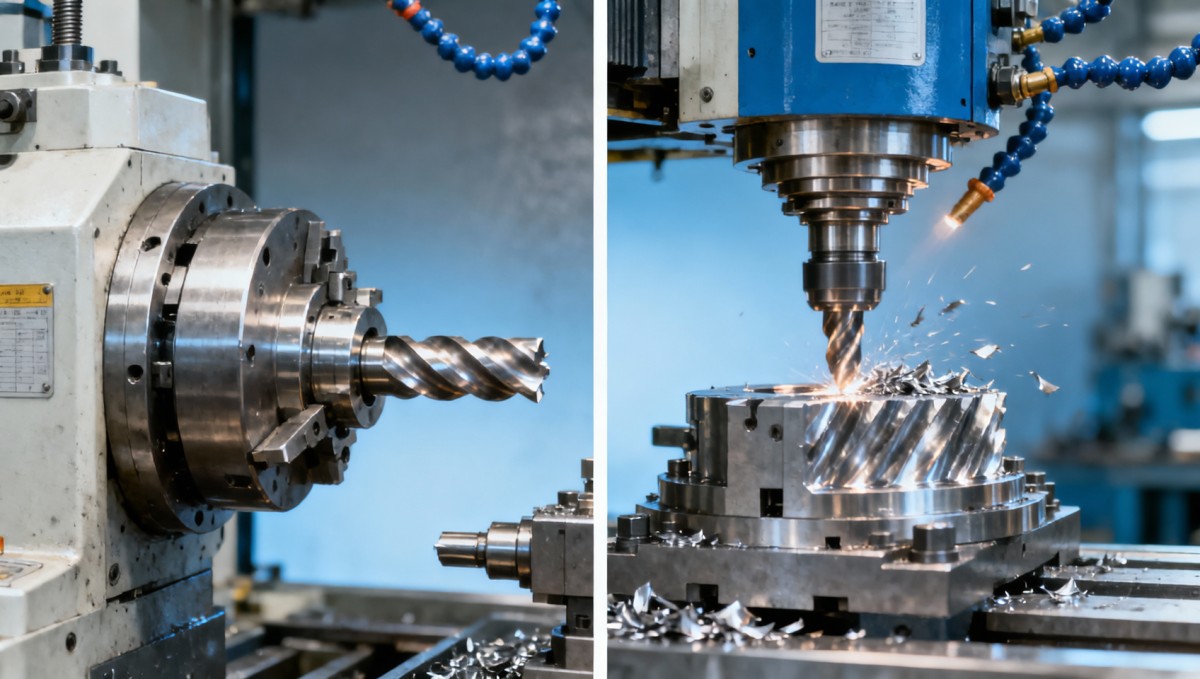
Chatter is a self-excited vibration that develops during cutting when the interaction among the tool, workpiece, spindle, fixture, and machine structure becomes unstable. It is different from ordinary background vibration. Normal machine vibration may be present at low amplitude, but chatter grows rapidly and leaves visible marks on the machined surface. In many shops, operators can hear the difference within 2 to 3 seconds after the cut becomes unstable.
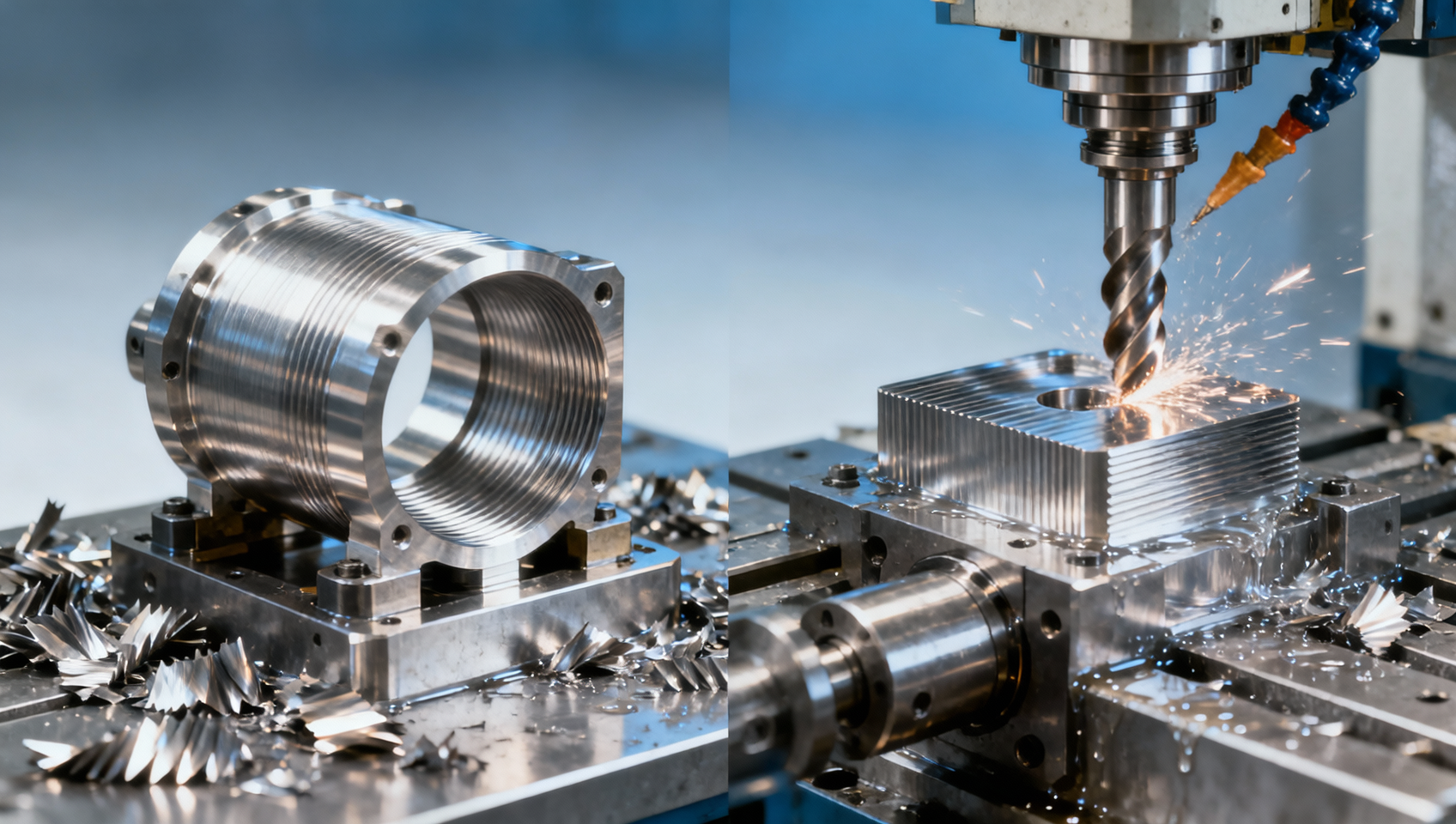
The effect is not limited to appearance. Chatter can push surface roughness from a stable Ra 0.8–1.6 µm range to 3.2 µm or higher, depending on material, overhang, and cutting conditions. It can also reduce tool life by 20% to 50% in demanding metal cutting operations, especially when machining stainless steel, hardened alloys, or thin-wall parts on CNC lathes and machining centers.
In automated production, the hidden cost is often larger than the visible one. A line running 200 to 500 parts per shift may not stop immediately, but chatter can create gradual deviation, unstable dimensions, and unplanned tool changes. That means more machine downtime, more inspection time, and lower confidence in process capability. For procurement teams, this also affects how machine tools, holders, and fixtures should be specified.
Chatter usually appears when at least one element in the cutting system loses stiffness or falls into an unfavorable dynamic condition. In practical terms, that means the problem rarely comes from one source alone. It is often the combined result of cutting parameters, part geometry, holder selection, spindle condition, clamping method, and even machine foundation or thermal stability.
Common signs operators should not ignore
- A high-pitched or rhythmic sound during turning, milling, or boring, especially at certain spindle speed bands such as 1,200–1,800 rpm or 3,000–4,500 rpm.
- Visible wave patterns, ripples, or periodic marks on shafts, bores, and flat machined surfaces.
- Sudden increase in insert edge wear, chipping, or tool breakage before the expected life is reached.
- Inconsistent part dimensions over batches of 20, 50, or 100 pieces, even when the CNC program remains unchanged.
The table below separates normal vibration from machining chatter so users can identify the issue faster during process setup or troubleshooting.
The key difference is growth behavior. Chatter feeds on the cutting process itself, which is why a cut can start normally and then deteriorate in a few rotations or a few tool passes. That is why early diagnosis matters more than simply increasing coolant or slowing the feed without analysis.
Main causes of chatter in metal machining
The most common cause is low system rigidity. If the tool overhang is too long, the workpiece is thin or unsupported, or the fixture does not clamp evenly, the cutting force can excite the weakest point in the system. As a rule of thumb, reducing tool overhang by 20% can make a noticeable difference in stability, especially in boring, deep turning, and long-reach milling operations.
Another major cause is unfavorable cutting parameters. Spindle speed, feed rate, depth of cut, and radial engagement interact dynamically. A parameter set that works well on one machine may chatter on another because spindle power, damping, holder type, and structure are different. In some cases, changing spindle speed by only 10% to 15% moves the cut away from the unstable frequency band and immediately improves surface quality.
Tooling condition also matters. Worn inserts, chipped cutting edges, poor insert seating, or runout in the holder can all trigger unstable cutting. For milling, radial runout above 0.01–0.02 mm may create uneven tooth loading. For turning and boring, insufficient clamp force or a damaged pocket can cause micro-movement under load. These issues are especially common in high-volume production where tools are changed frequently across multiple shifts.
Machine-related causes should not be overlooked. Spindle bearing wear, guideway looseness, backlash, turret alignment error, hydraulic pressure fluctuation, and weak machine foundations can amplify vibration. On older equipment or heavily used automated lathes, chatter may gradually appear even though the CNC program and workpiece material remain unchanged. That often leads teams to blame the insert first when the root cause is machine condition.
Material and part geometry effects
Some materials are naturally more difficult to cut stably. Austenitic stainless steel, heat-resistant alloys, and gummy low-carbon steels can create variable cutting forces and unstable chip flow. Thin-wall components, long shafts, rings, and large-diameter discs are also more likely to vibrate because their stiffness changes as material is removed. In multi-axis machining, the issue becomes more complex because tool orientation and engagement angle keep changing.
Root causes at a glance
- Excessive tool overhang, boring bar extension, or unsupported workpiece length.
- Spindle speed located in a resonance zone for the machine-tool-part system.
- Tool wear, insert instability, runout, imbalance, or poor holder quality.
- Weak clamping, fixture distortion, soft jaws with insufficient contact area, or tailstock misalignment.
- Machine wear, spindle problems, or foundation and leveling issues.
For buyers and plant managers, the lesson is clear: chatter is not only a tooling issue. It is a system issue. When evaluating CNC machine tools, workholding systems, and automated production lines, dynamic stability should be reviewed alongside spindle speed, axis travel, and nominal accuracy.
How to diagnose chatter before it becomes a production loss
Effective diagnosis starts with observation. Operators should record when chatter appears: roughing or finishing, dry or wet cutting, low speed or high speed, and whether it occurs on every part or only on certain lengths or diameters. A simple process log covering 5 to 10 consecutive parts can reveal whether the vibration is tied to tool wear progression, temperature, material batch variation, or a particular toolpath segment.
The next step is to isolate the source. If a spindle speed change of 200–500 rpm reduces the noise immediately, the problem is likely dynamic instability rather than bearing damage. If chatter continues across different tools and cutting conditions, machine condition, workholding, or part support should be inspected first. In turning, checking chuck grip, tailstock pressure, and unsupported length is often faster than replacing inserts blindly.
In modern CNC environments, diagnostic data can also come from spindle load trends, vibration sensors, and in-process monitoring. Even without advanced analytics, many shops can compare spindle load fluctuation over a 30-second cut. A stable cut may show relatively smooth load behavior, while chatter often produces repeated spikes. This is useful in automated cells where one operator oversees several machines at once.
A practical diagnosis routine should be standardized so it can be used by setup technicians, process engineers, and production supervisors. That reduces downtime and avoids trial-and-error adjustments that waste material and cutting tools.
A 5-step shop-floor diagnosis routine
- Confirm whether the vibration is repeatable on the same operation, material, and tool position.
- Change one variable at a time, such as spindle speed by 10%, feed by 5%–10%, or depth of cut by one level.
- Inspect tool condition, holder runout, insert seating, and tool overhang.
- Check workholding contact area, support method, clamping force, and machine alignment.
- Review machine health if instability remains across multiple tools or programs.
The following table shows a practical diagnosis matrix that can help teams narrow the problem faster during CNC metalworking operations.
This type of structured troubleshooting is especially valuable in B2B manufacturing settings where the real target is not just stopping one noisy cut, but restoring stable output over hundreds or thousands of parts.
Proven ways to stop chatter in turning, milling, and boring
The fastest corrective action is often to adjust spindle speed. In many cases, moving the speed up or down by 10% to 20% breaks the self-excited vibration cycle. However, speed changes alone are not always enough. If the setup lacks rigidity, chatter may return at a different stage of the cut. That is why process changes should be combined with mechanical improvements whenever possible.
Reducing tool overhang is one of the most reliable fixes. In turning and boring, every extra millimeter of unsupported length lowers stiffness. Using the shortest practical projection, switching to a larger shank, or selecting a damped boring bar can significantly improve stability. For milling, reducing gauge length, using a balanced holder, and checking tool runout often produces better results than simply reducing feed.
Workholding improvements are equally important. Thin or long parts may require tailstock support, steady rests, mandrels, support sleeves, or better jaw contact geometry. On vertical lathes and machining centers, fixture flatness and clamp sequence can influence vibration as much as spindle settings. A part that is distorted by excessive clamp force may chatter after partial material removal because its stiffness changes during the cut.
Toolpath strategy also matters in automated CNC production. Lower radial engagement, smoother entry, controlled step-over, and constant chip load methods can reduce force variation. In some milling operations, increasing feed per tooth slightly while reducing radial engagement creates a more stable cut than heavy slotting at conservative feed values. The correct approach depends on the material, machine power, and target cycle time.
Practical correction priorities
- Adjust spindle speed first because it is fast, measurable, and often effective within one test part.
- Shorten tool overhang and improve holder rigidity before making major program changes.
- Reduce depth of cut or engagement if the system is near its stability limit.
- Improve workpiece support and review fixture repeatability across the full production batch.
- Inspect spindle, turret, or axis condition if chatter affects several different jobs.
Typical process changes and expected effect
The table below summarizes common anti-chatter actions used in CNC cutting and their typical use cases.
For high-mix and automated production, the best solution is rarely a single adjustment. A repeatable anti-chatter strategy combines parameter tuning, proper toolholding, better support, and preventive machine inspection.
Equipment selection and purchasing factors that reduce chatter risk
For procurement teams and plant decision-makers, chatter prevention starts before installation. Machine selection should include dynamic performance, not only static specifications. A machine may offer high spindle speed and good positioning accuracy, but if the structure, spindle interface, or turret rigidity is not suited to the target materials and part geometry, vibration can limit actual output. This is especially important for automotive shafts, aerospace rings, energy components, and precision electronic housings.
When comparing CNC lathes, vertical lathes, or machining centers, buyers should review spindle taper, maximum tool projection in real production, chuck or fixture compatibility, and support options for long or thin parts. If 60% to 80% of planned jobs involve slender workpieces or interrupted cuts, the machine, holder system, and fixturing package must be chosen accordingly. Otherwise, the nominal machine capability will not translate into stable cutting performance.
Tooling procurement deserves the same attention. Premium holders, balanced assemblies, damped bars, and repeatable clamping systems may cost more at the start, but they can reduce scrap, insert use, and setup time. In medium-to-large production environments, even a 5% reduction in scrap or a 15% extension in tool life can justify investment across a 12-month operating cycle.
Decision-makers should also ask suppliers about service capability. Vibration issues sometimes involve leveling, alignment, spindle assessment, fixture optimization, or process support after installation. A supplier that can respond within 24 to 72 hours with practical troubleshooting support often brings more value than one that only provides standard manuals.
Key evaluation points for buyers
- Machine structure and rigidity under actual cutting loads, not just unloaded accuracy data.
- Compatibility with damped tooling, steady rests, tailstocks, or custom fixtures.
- Ease of process optimization, including spindle speed range, control functions, and monitoring options.
- After-sales support speed, spare parts availability, and application engineering support.
The table below can be used as a practical purchasing checklist when vibration control is a high priority.
For B2B buyers, the right question is not only “What is the machine price?” but also “How stable will the machine cut our target parts over the next 3 to 5 years?” That is the more useful measure of total production value.
FAQ and maintenance tips for stable long-term machining
Even after a chatter problem is solved, long-term stability depends on maintenance discipline and process control. Shops that review holder condition, clamping repeatability, spindle health, and tool life rules at fixed intervals usually achieve more consistent output than those that only react after visible defects appear. A monthly review cycle for critical machines is common, while high-load production equipment may need weekly checks.
Below are frequently asked questions that reflect typical concerns from operators, process engineers, purchasing teams, and factory managers working with CNC metal machining systems.
How do I know whether chatter comes from the tool or the machine?
If the problem changes clearly after replacing the tool, shortening overhang, or correcting runout, tooling is the likely source. If chatter remains across different cutters, inserts, and programs, machine condition or workholding should be checked. A repeat problem on several part types over 1 to 2 weeks is often a sign that the issue is larger than one tool setup.
Can lowering feed always stop chatter?
No. Lower feed may reduce cutting force, but it can also create rubbing or unstable chip formation in some materials. In many cases, speed adjustment is more effective than feed reduction. The correct response depends on whether the vibration is caused by resonance, lack of stiffness, or poor tool condition.
Which parts are most likely to suffer from chatter?
Long shafts, deep bores, thin-wall sleeves, large discs, interrupted-cut components, and difficult alloys are high-risk categories. If the ratio between unsupported length and diameter becomes too high, or if wall thickness falls as material is removed, stability usually drops. These parts should be planned with support, damping, and process testing from the start.
What maintenance actions help prevent chatter over time?
- Check spindle condition, backlash, and alignment on a scheduled basis, especially on heavily loaded machines.
- Control holder cleanliness, insert seating condition, and runout before every critical setup.
- Standardize clamping force and support methods for repeat parts to avoid batch-to-batch variation.
- Review tool life rules after every 200 to 500 parts or according to the actual production cycle.
Chatter in metal machining is a manageable problem when teams treat it as a full system issue rather than a single-parameter defect. Stable CNC cutting depends on the balance of machine rigidity, workholding, tooling, cutting conditions, and maintenance discipline. If your production line faces recurring vibration, poor finish, or inconsistent tool life, now is the right time to review your machining process, equipment configuration, and support strategy. Contact us to discuss your application, get a tailored solution, and learn more about practical CNC machining and precision manufacturing options for reliable automated production.
PREVIOUS ARTICLE
NEXT ARTICLE
Recommended for You
 What causes chatter in metal machining and how to stop itCNC Machining Technology Center
 Industrial CNC lead times are shifting in 2026Manufacturing Market Research Center
 When CNC industrial upgrades cut output instead of raising itMachine Tool Industry Editorial Team
 Automated lathe errors that often start with bar feedingMachine Tool Industry Editorial Team
 Why CNC metalworking scrap rates rise on thin wall partsCNC Machining Technology Center
 CNC cutting speed or finish quality: where losses beginCNC Machining Technology Center

Aris Katos
Future of Carbide Coatings
15+ years in precision manufacturing systems. Specialized in high-speed milling and aerospace grade alloy processing.
▶
What causes chatter in metal machining and how to stop itCNC Machining Technology Center▶
CNC Programming mistakes that quietly add cycle timeCNC Machining Technology Center▶
Metal machining costs rise fast when chip control is overlookedCNC Machining Technology Center▶
CNC metalworking shops still over-relying on manual tool offsets?CNC Machining Technology Center▶
CNC cutting strategies failing on titanium alloys when feed rate exceeds 120 mm/minCNC Machining Technology Center
Mastering 5-Axis Workholding Strategies
Join our technical panel on Nov 15th to learn about reducing vibrations in thin-wall components.

Providing you with integrated sanding solutions
Before-sales and after-sales services
Comprehensive technical support