• Global CNC market projected to reach $128B by 2028 • New EU trade regulations for precision tooling components • Aerospace deman
NYSE: CNC +1.2%LME: STEEL -0.4%

When a Heavy Duty Machine Tool Is the Better Investment
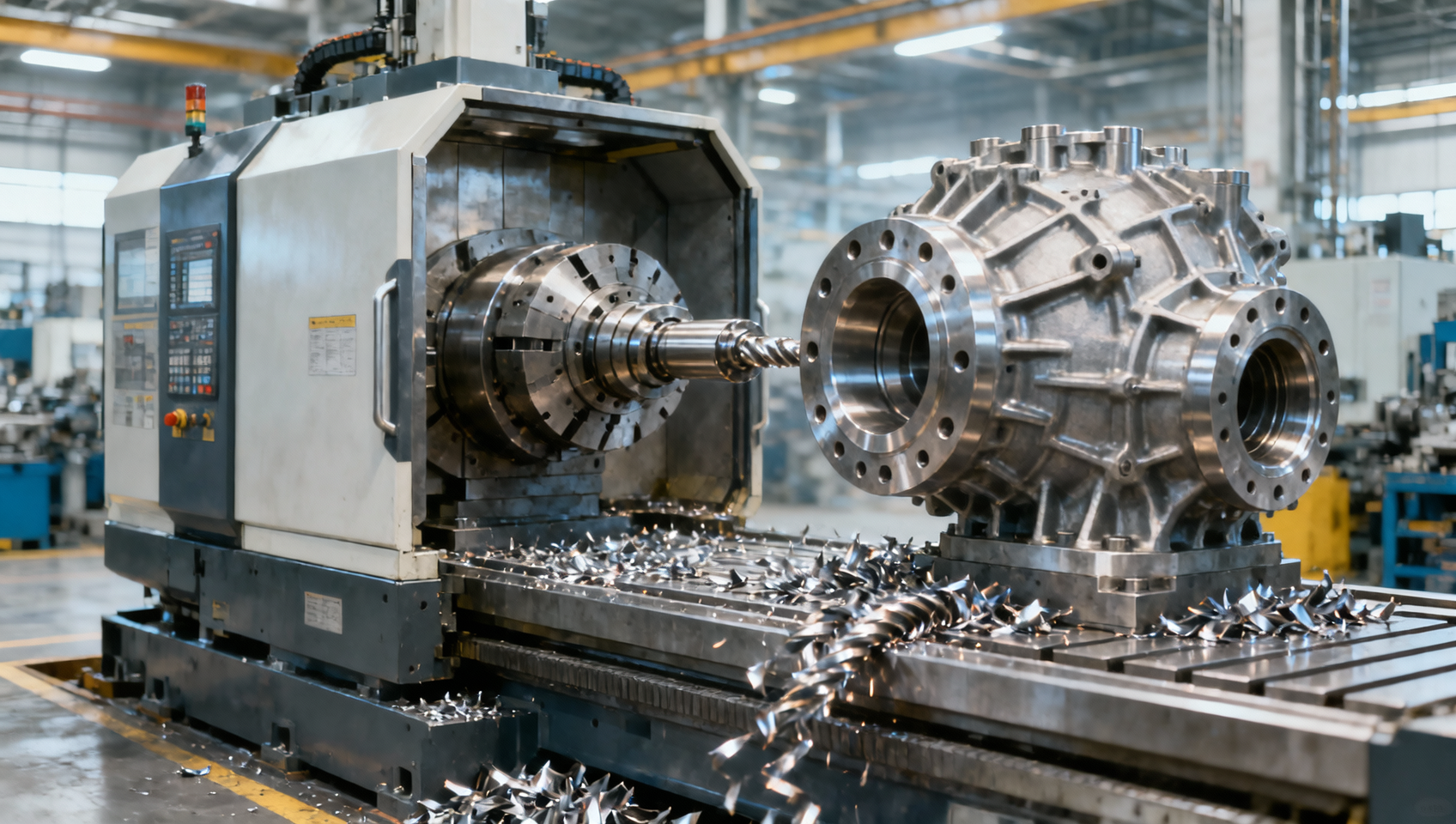
Choosing a heavy duty machine tool is often the smarter long-term move when production demands high precision, stability, and nonstop output. For buyers comparing a compact machine tool or evaluating a CNC machine tool manufacturer, the real investment value lies in precision CNC manufacturing, low maintenance CNC manufacturing, and reliable performance for aerospace, automotive, and energy equipment applications.
In machine tool procurement, the lowest entry price rarely tells the full story. Operators focus on uptime, process stability, and ease of maintenance. Purchasing teams compare specifications, service scope, and lifecycle cost. Business decision-makers look at output per shift, scrap reduction, and how fast the equipment can support future production growth. In many of these cases, a heavy duty machine tool delivers stronger long-term value than a lighter, lower-cost alternative.
This matters even more in industries where tolerance windows can fall within microns, part weights may exceed several hundred kilograms, and production lines may run 16 to 24 hours per day. A machine that is rigid, thermally stable, and designed for continuous cutting can protect quality, reduce unplanned downtime, and support more demanding materials and geometries. The better investment is not always the bigger machine, but it is often the machine built for heavier duty operating conditions.
What Makes a Heavy Duty Machine Tool Different
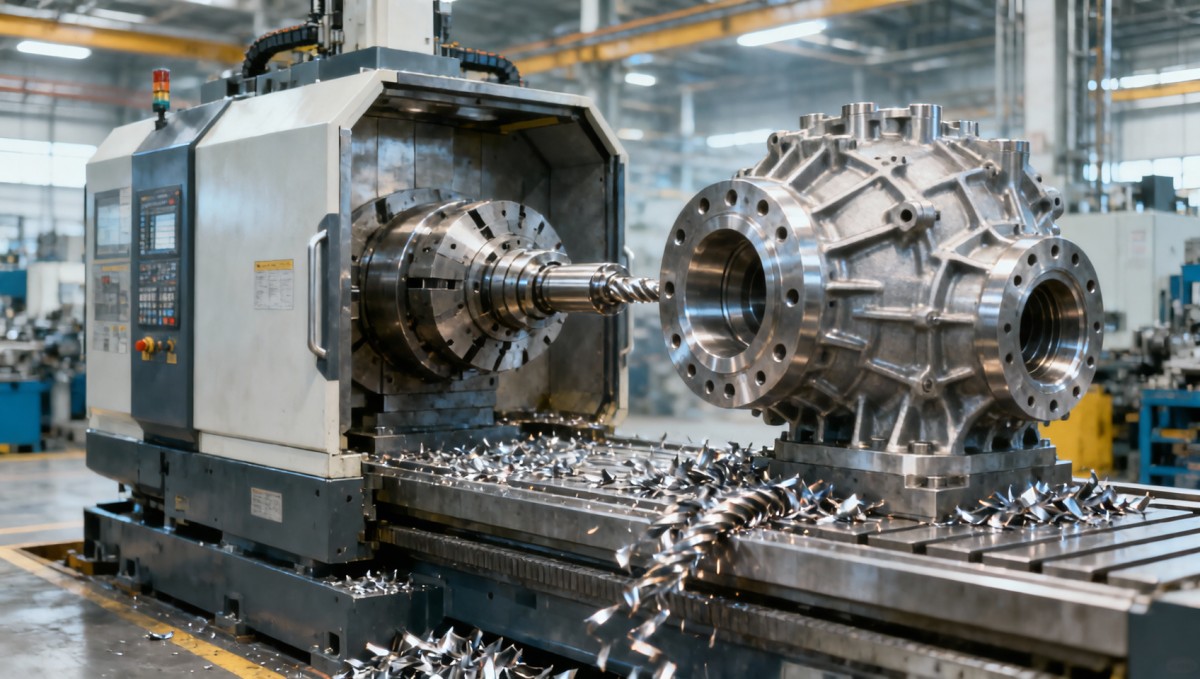
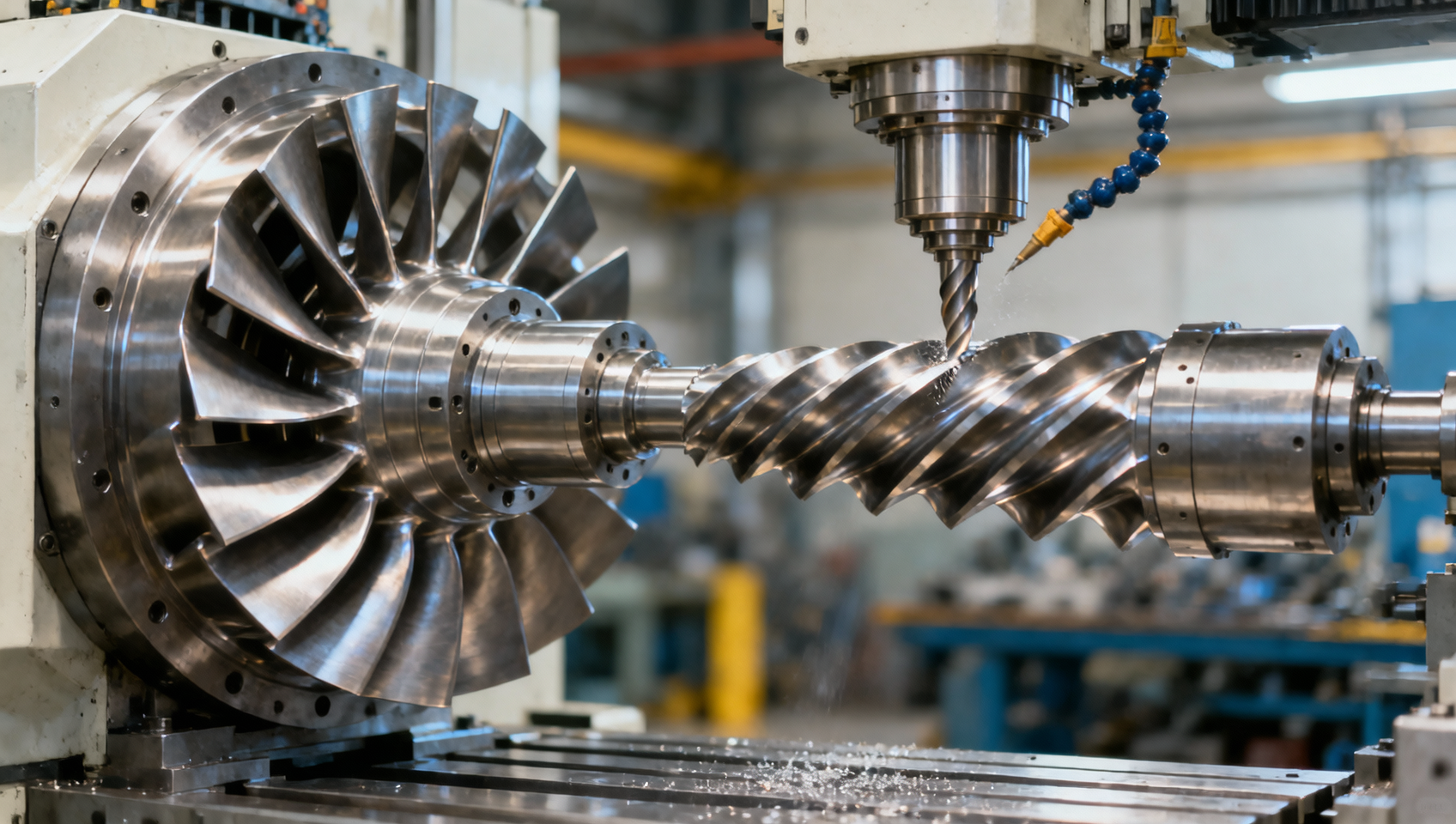
A heavy duty machine tool is designed for higher structural rigidity, stronger spindle support, greater load capacity, and more stable cutting performance over long production cycles. Compared with a compact machine tool, it usually has a heavier machine bed, reinforced guideways, a more robust ball screw or drive system, and larger spindle torque reserves. These characteristics matter when machining large shafts, thick flanges, turbine components, transmission housings, and other demanding workpieces.
In practical CNC machining, machine rigidity directly affects vibration control, surface finish, and dimensional consistency. When a part requires tolerance control within ±0.01 mm to ±0.02 mm across repeated cycles, even small structural deflection can create measurable quality loss. Heavy duty machines are typically better suited to deep cuts, interrupted cuts, and hard materials because their mass and frame design help suppress chatter and maintain stable tool engagement.
Another difference lies in duty cycle. Many lighter machines perform well in intermittent production or prototyping, but they may struggle under 2-shift or 3-shift conditions. Heavy duty machine tools are often specified for continuous operation, with cooling, lubrication, chip evacuation, and enclosure design sized for sustained throughput. This becomes critical when production targets require 18 to 22 hours of productive machine time each day.
Core design features that influence investment value
- Machine bed mass and structural layout, which improve rigidity and reduce deformation during long cuts.
- Spindle torque range, often more important than peak speed when roughing heavy materials or large diameters.
- Guideway and drive durability, especially under high load, large workpiece weight, and frequent production cycles.
- Thermal stability systems, including spindle cooling, lubrication management, and cabinet heat control.
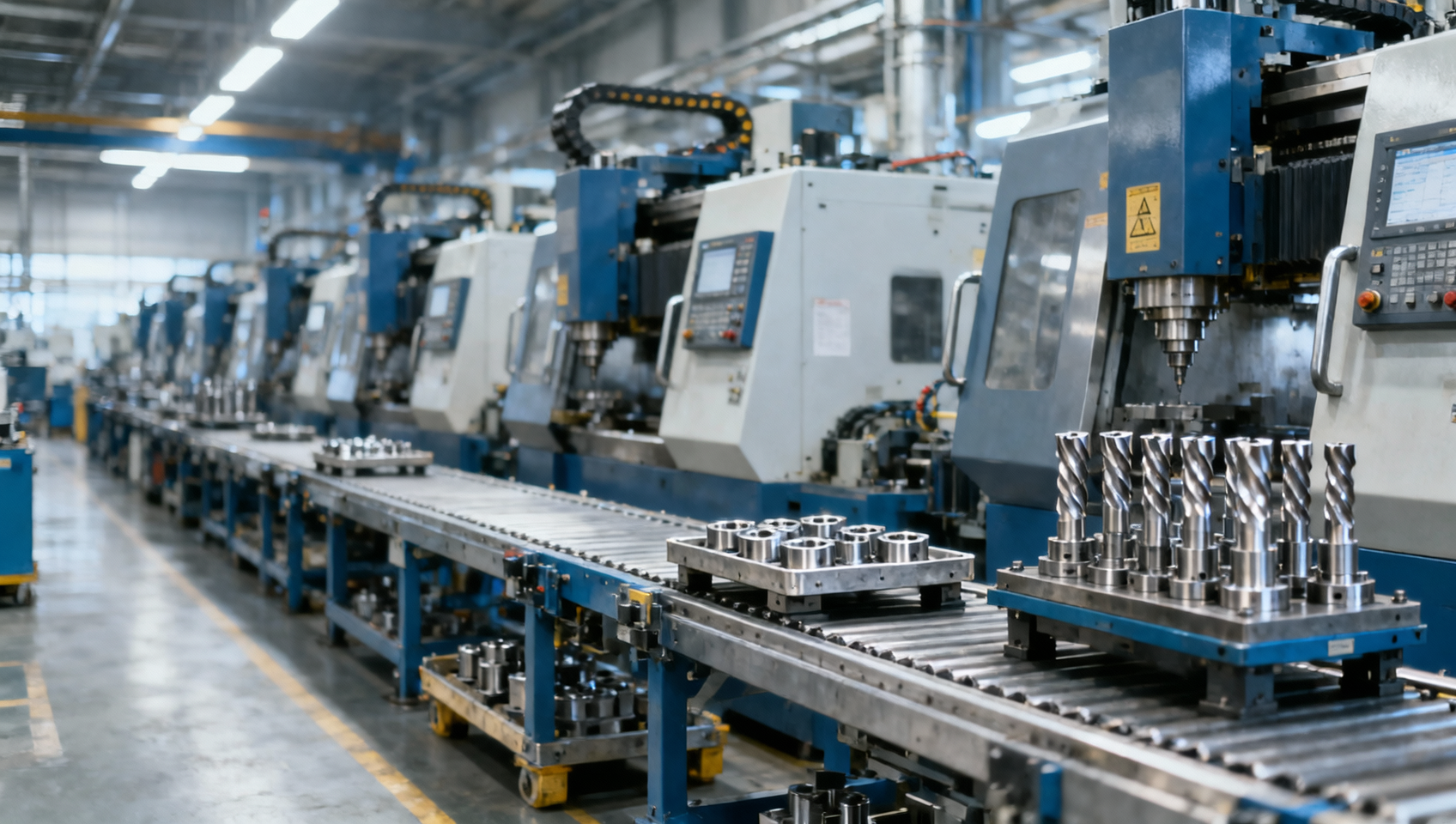
- Automation compatibility for bar feeding, robotic loading, pallet handling, or in-line measurement.
The table below highlights how a heavy duty machine tool typically compares with a compact machine tool in real manufacturing environments. The goal is not to say one is always better, but to clarify where the return on investment changes.
The key conclusion is that machine selection should follow load, tolerance, and production rhythm rather than floor space alone. If your part mix includes frequent heavy cutting, larger diameters, or non-stop production schedules, the heavy duty option often protects quality and capacity far better over a 5 to 10 year equipment life.
When the Higher Initial Cost Produces Lower Total Cost
A heavy duty machine tool usually costs more upfront, but capital price should be evaluated against total cost of ownership. In CNC manufacturing, the true expense includes tooling life, maintenance frequency, setup time, scrap rate, labor requirements, and lost output from downtime. A lower-priced machine can become the more expensive option if it generates unstable dimensions, requires frequent alignment checks, or cannot maintain process consistency under heavy loads.
For example, if one machine produces 2% to 4% scrap on a high-value part while a more rigid system reduces scrap to below 1%, the annual savings can quickly offset a higher purchase price. This is especially relevant for aerospace alloys, hardened steels, and precision automotive parts, where each rejected component may also waste expensive material, tool life, and inspection time.
Maintenance is another major cost driver. Low maintenance CNC manufacturing is not about avoiding service altogether. It means using equipment engineered to reduce wear under real industrial conditions. Stronger spindle assemblies, better chip management, more stable lubrication systems, and easier service access can reduce stoppages and improve preventive maintenance efficiency. Even saving 4 to 6 hours of downtime per month can make a clear difference in plants with tight delivery commitments.
Lifecycle cost areas buyers should calculate
- Acquisition and installation cost, including tooling, fixture adaptation, and foundation requirements.
- Monthly output value based on cycle time, uptime percentage, and acceptable part yield.
- Maintenance labor and spare parts over 12, 24, and 60 months of operation.
- Quality cost, including scrap, rework, inspection load, and delivery penalties.
- Expansion readiness, such as automation integration or additional process capability.
The following table gives a practical way to compare investment logic across different buying situations.
The financial takeaway is simple: if your process loses money through instability rather than idle equipment ownership, investing in a more capable platform often produces the better operating margin. This is why many procurement teams now assess machine tools over a 3-year to 7-year horizon instead of focusing only on the first invoice.
Best-Fit Applications Across Aerospace, Automotive, and Energy Equipment
Not every production line requires heavy duty equipment, but several sectors depend on it. In aerospace manufacturing, structural parts, landing gear elements, engine casings, and titanium or nickel-based components demand rigid cutting conditions and repeatable thermal control. Production volumes may vary, but quality tolerance and traceability requirements remain strict throughout each batch.
In automotive manufacturing, heavy duty machine tools are often selected for transmission parts, axle components, brake system housings, molds, and large engine-related assemblies. Here the investment logic combines precision with throughput. A machine may need to hold repeatability over hundreds or thousands of cycles while supporting fixture consistency, tool monitoring, and automated loading. A small drift in stability can affect an entire shift’s output.
Energy equipment presents a different challenge. Valve bodies, pump housings, turbine parts, compressor components, and oilfield hardware frequently involve larger dimensions, thicker walls, and difficult materials. Cutting forces are high, and any machine weakness can show up quickly in chatter, tool failure, or poor surface finish. In such cases, spindle torque, bed rigidity, and load-bearing capacity are not optional benefits but core process requirements.
Typical indicators that point toward a heavy duty machine tool
- Workpiece weight regularly exceeds 150 kg to 300 kg, or part diameter requires a larger swing capacity.
- Daily operation is planned above 14 hours, especially in 2-shift or 3-shift production.
- Material includes alloy steel, stainless steel, titanium, cast iron, or other difficult-cut grades.
- Target tolerance stays within ±0.02 mm or better across repeated batches.
- Future plans include robotics, pallet systems, or flexible line integration.
Application matching by production need
What matters most is matching machine class to the process window. A compact machine tool can still be a smart choice for short runs, smaller electronics parts, light aluminum components, or facilities with limited installation space. The better investment appears when production risk rises with part size, hardness, cycle load, or service pressure. In these conditions, extra machine capacity becomes a safeguard rather than unused overhead.
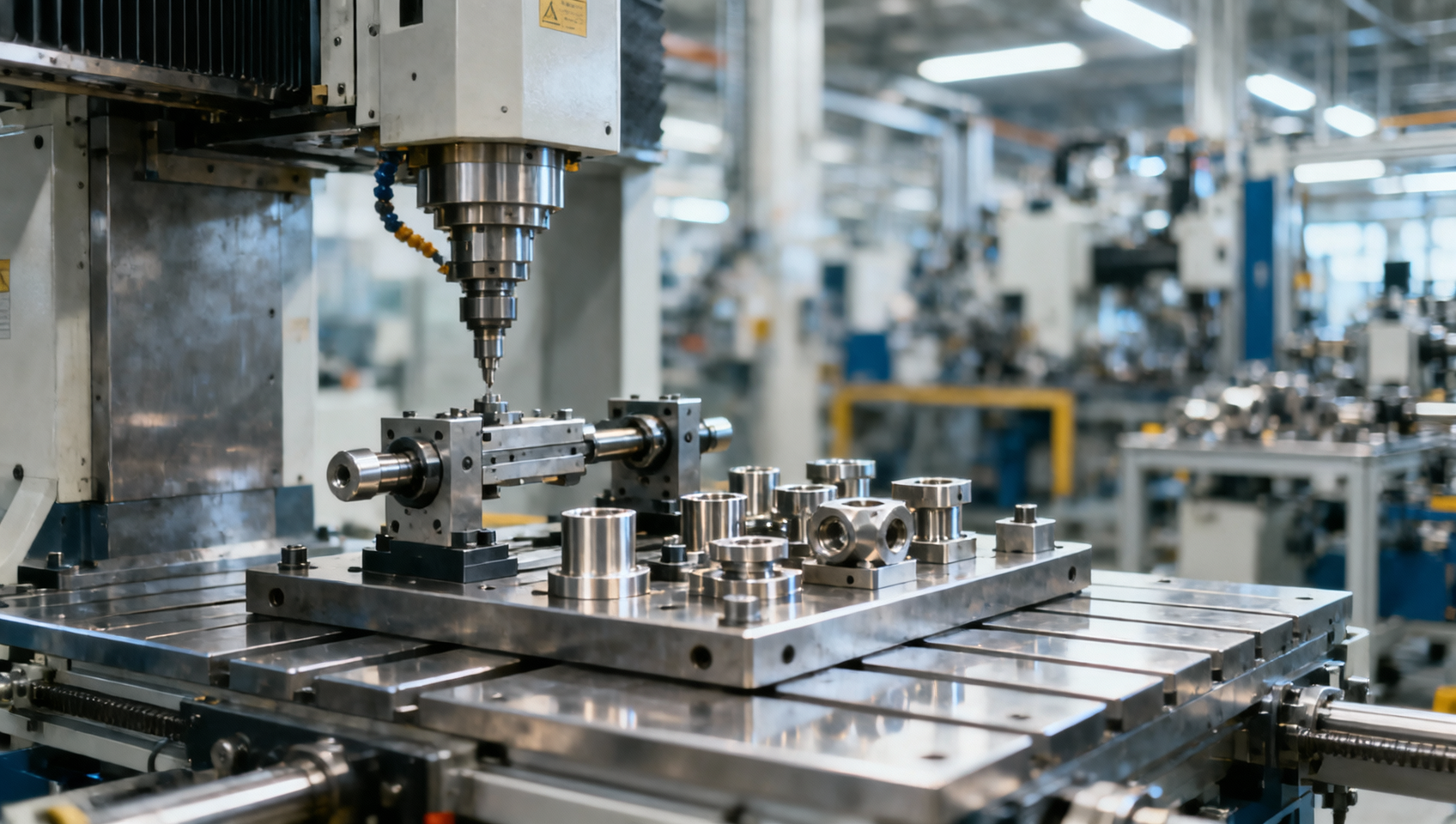
This matching process should also include fixture design, coolant strategy, and inspection plan. A heavy duty machine tool performs best when the full process chain supports stable manufacturing. Buyers should review not only the machine frame, but also spindle capability, tool magazine size, chip evacuation path, probing options, and operator access during setup and maintenance.
How to Evaluate a CNC Machine Tool Manufacturer Before Buying
Selecting the right CNC machine tool manufacturer is as important as selecting the machine itself. Two suppliers may offer similar travel ranges or spindle ratings, yet differ significantly in casting quality, assembly consistency, controls integration, after-sales response, and spare parts planning. For procurement teams, this means the buying decision should include technical review, factory support capability, and long-term service confidence.
Start with process alignment. Ask whether the supplier understands your part family, materials, tolerance demands, and production targets. A capable manufacturer should be able to discuss cutting conditions, fixture requirements, coolant flow, chip removal, and likely wear points. If the conversation stays only at brochure level, the risk of mismatch increases.
Next, review support structure. For industrial users, a service response time of 24 to 72 hours may be acceptable depending on geography and machine criticality, but spare parts availability, remote diagnostics, and commissioning quality are equally important. A well-built machine with weak service support can still become a poor investment if downtime stretches across multiple days waiting for diagnosis or components.
A practical supplier evaluation checklist
The table below can help operators, buyers, and managers compare manufacturers in a more structured way instead of relying on price and catalog claims alone.
A strong manufacturer should also provide a realistic delivery and implementation schedule. For many heavy duty CNC systems, lead times can range from 8 to 20 weeks depending on configuration, automation content, and regional logistics. Buyers should ask for clarity on installation milestones, operator training hours, trial cutting expectations, and acceptance criteria before finalizing the order.
The best buying decisions usually come from cross-functional review. Operators can assess usability and maintenance access, engineers can validate process capability, procurement can compare contract terms, and management can weigh scalability. That four-way view reduces surprises after delivery.
Implementation, Maintenance, and Common Buying Mistakes
Even the right heavy duty machine tool can underperform if implementation is rushed. Installation should include foundation review, power and coolant verification, leveling, spindle warm-up planning, tool presetting, and process trial runs. In many factories, the first 2 to 4 weeks after commissioning determine how quickly the equipment reaches stable output. Skipping this ramp-up discipline often leads to false conclusions about machine capability.
Maintenance planning should also begin before startup. A practical program covers daily checks, weekly cleaning, monthly lubrication review, and periodic inspection of guideways, spindle behavior, hydraulic systems, and chip conveyors. Low maintenance CNC manufacturing does not mean no routine work. It means designing maintenance into production so that short planned stops prevent larger failures later.
A common buying mistake is selecting a machine only by work envelope while ignoring cutting load, torque profile, and long-run thermal behavior. Another is overbuying capacity without matching fixtures, tooling, and operators to the machine’s real potential. Heavy duty equipment creates value when the plant can use its stability and throughput, not simply because the machine is larger.
Five-step implementation approach
- Define part families, material range, tolerance targets, and expected shift pattern before machine configuration.
- Confirm site conditions, including floor load, power supply, compressed air, coolant management, and chip handling.
- Run acceptance trials using representative parts, not only simple sample cuts.
- Train operators and maintenance staff separately, because setup efficiency and service reliability require different skills.
- Track the first 60 to 90 days of uptime, scrap rate, and tool consumption to validate ROI assumptions.
Frequent misconceptions to avoid
- Assuming spindle speed matters more than torque for all jobs. Heavy components often need torque and rigidity first.
- Comparing machines only by brochure specifications without reviewing real cutting scenarios.
- Ignoring service access and spare parts planning during vendor selection.
- Expecting advanced precision without matching fixturing, tooling, and thermal control.
For plants moving toward smart manufacturing, implementation should also include data capture. Monitoring alarms, cycle time, spindle load, and downtime categories over the first 3 months can reveal where process adjustments will produce the fastest gains. This turns the machine from a capital purchase into a measurable production asset.
FAQ: Practical Questions Buyers and Users Often Ask
How do I know whether a compact machine tool is no longer enough?
If you regularly see chatter during heavier cuts, unstable tolerance across long runs, frequent downtime under 2-shift production, or limitations with part weight and size, a compact machine may be reaching its practical limit. Another sign is when cycle time reduction is blocked not by tooling but by machine rigidity or spindle load capacity.
What production volume justifies a heavy duty machine tool?
There is no single threshold, but the case becomes stronger when production is continuous, part value is high, or quality loss is expensive. Some shops justify the upgrade with only dozens of large precision parts per month, while others need thousands of medium-duty automotive parts. The deciding factors are process risk, downtime cost, and quality consistency, not only unit volume.
What should procurement ask during quotation review?
Ask for machine configuration details, spindle torque characteristics, load limits, expected lead time, training scope, recommended spare parts, and the acceptance process. It is also useful to request clarification on installation responsibilities, commissioning duration, and what support is available during the first 30 days after startup.
Can heavy duty machines still support flexible manufacturing?
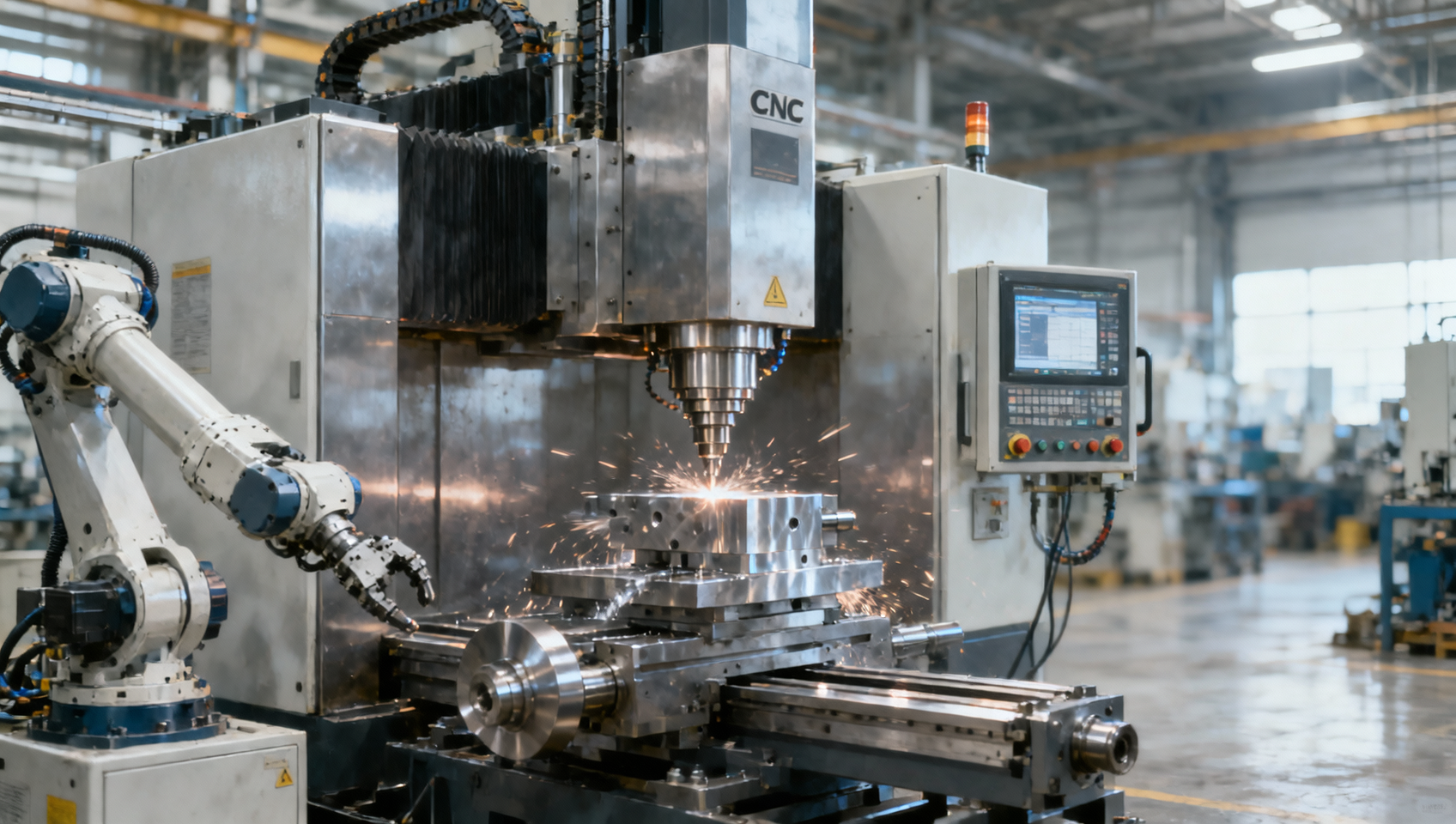
Yes, many can. Modern heavy duty CNC platforms can be integrated with automatic tool changers, pallet systems, probes, robotic loading, and digital monitoring. The best results come when flexibility is planned from the start, especially if the production mix includes both roughing and finishing, or multiple part families across aerospace, automotive, and energy equipment programs.
A heavy duty machine tool becomes the better investment when your production environment values precision, rigidity, long-run stability, and dependable output more than minimum entry cost. For operators, it can mean easier process control and fewer interruptions. For buyers, it supports lower lifecycle cost. For decision-makers, it creates stronger capacity for demanding industries and future automation expansion.
If you are comparing machine options, reviewing a CNC machine tool manufacturer, or planning a more stable precision CNC manufacturing strategy, the next step should be a process-based evaluation rather than a price-only comparison. Contact us to discuss your application, get a tailored equipment recommendation, and explore more solutions for high-precision, low maintenance CNC manufacturing.
PREVIOUS ARTICLE
NEXT ARTICLE
Recommended for You
 How to Choose a Heavy-Duty Machining Center for Mold MakingMachine Tool Industry Editorial Team
 How Quick-Change Fixture Design Cuts CNC Turning Setup TimeCNC Machining Technology Center
 Why 5 Axis Machining Is Ideal for Impeller ManufacturingCNC Machining Technology Center
 How to Start Lean Production Without Disrupting OutputManufacturing Market Research Center
 When a Modular Tooling System Improves Flexible ManufacturingMachine Tool Industry Editorial Team
 How CNC Machine Control Systems Improve Automation StabilityMachine Tool Industry Editorial Team

Aris Katos
Future of Carbide Coatings
15+ years in precision manufacturing systems. Specialized in high-speed milling and aerospace grade alloy processing.
▶
When a Heavy Duty Machine Tool Is the Better InvestmentManufacturing Market Research Center▶
Automated Production or Outsourcing: Which WinsManufacturing Market Research Center▶
Lean Production Process implementation: Where value stream mapping fails to expose hidden machine downtimeManufacturing Market Research Center▶
Industrial Automation Investment Is Shifting to Modular CellsManufacturing Market Research Center▶
Why some industrial lathe investments take longer to pay backManufacturing Market Research Center
Mastering 5-Axis Workholding Strategies
Join our technical panel on Nov 15th to learn about reducing vibrations in thin-wall components.

Providing you with integrated sanding solutions
Before-sales and after-sales services
Comprehensive technical support