• Global CNC market projected to reach $128B by 2028 • New EU trade regulations for precision tooling components • Aerospace deman
NYSE: CNC +1.2%LME: STEEL -0.4%

Machine Tool Market pricing is changing as financing tightens
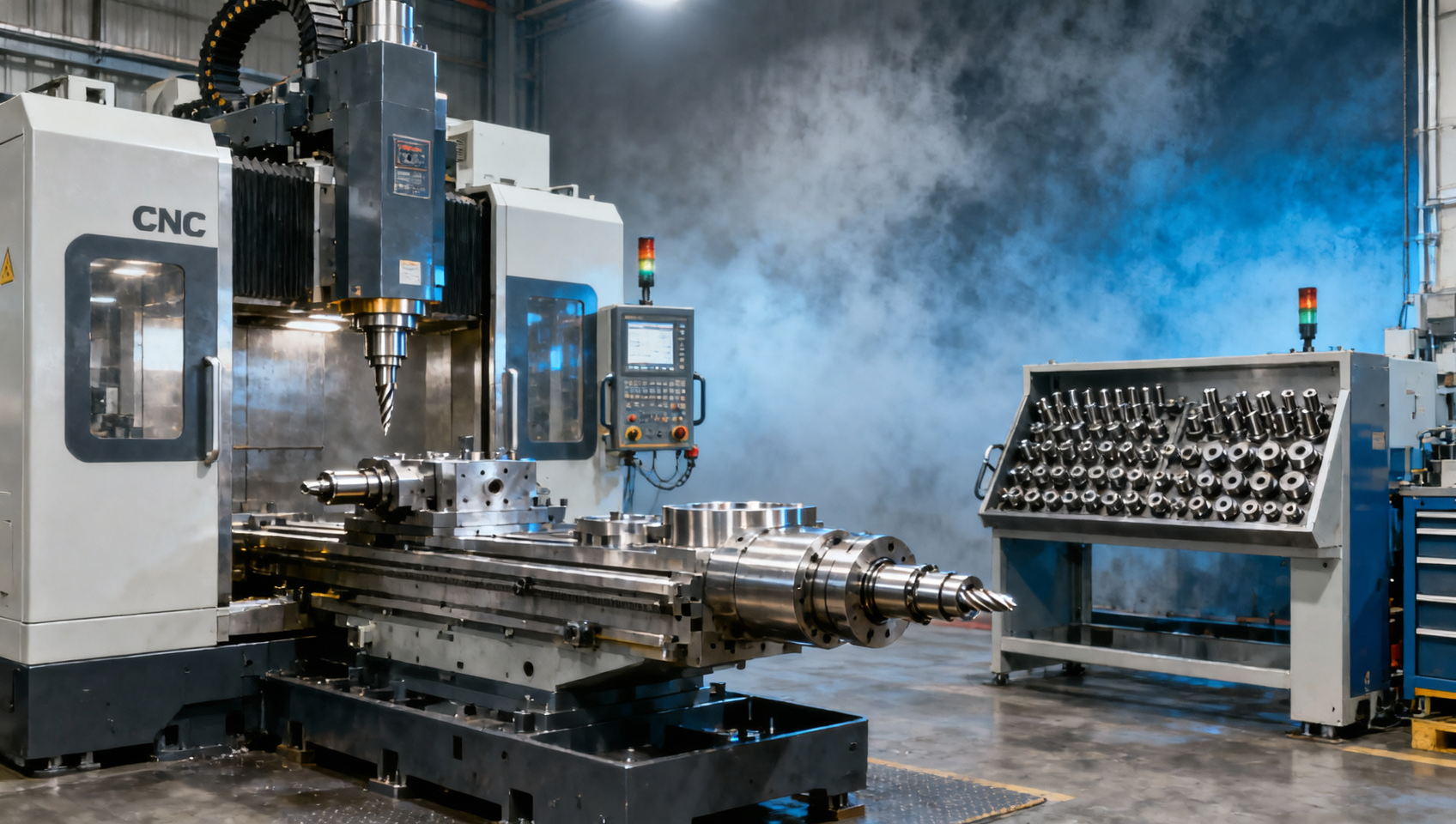
As financing tightens, the Machine Tool Market is entering a new pricing cycle across Global Manufacturing. From metal machining and industrial CNC systems to automated production lines, buyers in the Manufacturing Industry are reassessing costs, capacity, and return on investment. This shift is reshaping purchasing decisions for CNC metalworking, CNC milling, and industrial automation equipment worldwide.
For researchers, operators, procurement teams, and business leaders, the issue is no longer limited to list price. The real question is how tighter credit, longer approval cycles, and higher carrying costs are changing the total economics of machine tool investment. In many cases, a CNC lathe, machining center, or multi-axis system that looked affordable 12 months ago now carries a different monthly burden.
This matters across automotive, aerospace, electronics, energy equipment, and precision parts manufacturing. When borrowing costs rise by even 1%–3%, the effect can spread through machine selection, tooling strategy, installation timing, and production ramp-up plans. Buyers are now comparing not only machine performance, but also payback speed, utilization rate, and flexibility under uncertain demand.
The global CNC machining and precision manufacturing industry is therefore entering a more selective market phase. Equipment suppliers, integrators, and factories must respond with sharper pricing logic, more transparent delivery planning, and stronger value demonstration. The sections below examine what is changing, where pricing pressure is showing up, and how industrial buyers can make better decisions in this environment.
Why machine tool pricing is shifting under tighter financing conditions
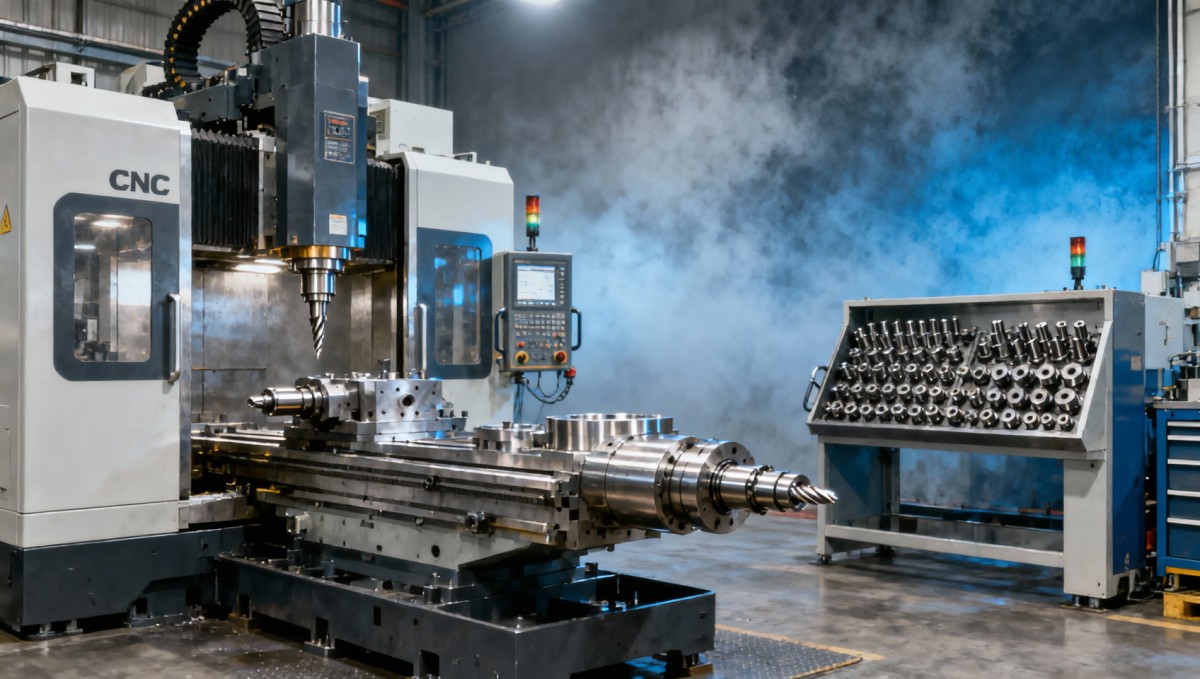
Machine tool pricing is not moving in a straight line. In a tighter financing environment, the quoted price of a CNC machine is only one layer of the buying decision. The more important change is that financing cost, down payment ratio, approval speed, and cash preservation are now shaping what buyers are actually willing to pay. A machine priced at the same level as last year may still feel significantly more expensive once interest and repayment terms are included.
This pricing shift is especially visible in capital-intensive equipment such as 3-axis and 5-axis machining centers, heavy-duty CNC lathes, gantry mills, and automated production cells. In many industrial purchasing cycles, repayment periods range from 24 to 60 months. When lending conditions tighten or leasing becomes more selective, buyers begin prioritizing shorter payback projects, lower-risk machine configurations, and standardized automation packages.
Another factor is inventory discipline. Suppliers may be less willing to hold finished machines for extended periods, and buyers may be less willing to place early orders without confirmed production schedules. This creates uneven pricing behavior: standard machines may face discount pressure, while machines with specific spindle speeds, travel ranges, automation interfaces, or control system options can maintain firmer pricing due to limited availability and longer lead times.
In practical terms, the market is dividing into three groups: urgent-capacity buyers, cautious upgraders, and opportunistic investors. The first group pays for immediate delivery. The second delays projects by 3–6 months and renegotiates specifications. The third looks for value in surplus inventory, refurbished equipment, or phased automation plans that reduce upfront cash exposure.
Key cost drivers behind the new pricing cycle
The current machine tool market reflects more than financing costs alone. Energy prices, imported component availability, controller lead times, and freight volatility continue to affect machine builders and distributors. A CNC system that depends on high-end spindles, servo motors, tool changers, ball screws, or probing systems may see price changes even when the base casting cost remains stable.
- Borrowing and leasing terms often add 8%–20% to the effective acquisition burden over a 3–5 year term, depending on the structure.
- Imported electrical and motion-control components can extend delivery by 6–16 weeks if inventories are tight.
- Installation, training, and tooling can add another 10%–25% beyond the base machine quotation.
- Floor preparation, power upgrades, coolant systems, and chip handling are frequently underestimated in project budgets.
For procurement teams, the lesson is clear: pricing has become system-based rather than machine-based. A lower headline price may not mean a lower project cost if setup delays, service limitations, or financing penalties increase the total cost of ownership during the first 12–24 months.
How different buyer groups are responding in the manufacturing industry
Not every buyer reacts to pricing pressure in the same way. Information researchers tend to focus on market direction, benchmark pricing, and lead-time visibility. Operators care more about machine stability, ease of setup, and training requirements, especially when staffing is tight. Procurement managers concentrate on quotation structure, payment terms, maintenance exposure, and spare-parts access. Decision-makers look at ROI, capacity planning, and the flexibility to shift between product programs.
In sectors such as automotive and electronics, where output planning can change quarterly, buyers increasingly prefer machines that support multiple part families instead of single-purpose capital equipment. This means stronger demand for flexible machining centers, robotic loading options, modular fixturing, and software-ready CNC platforms. Even when initial pricing is higher by 5%–12%, flexibility often improves utilization and protects ROI.
For operators and plant engineers, the financing shift also changes acceptance priorities. A machine that takes 2 weeks longer to commission or requires extensive manual intervention can reduce expected savings. In an environment where every investment is scrutinized, stable cycle time, repeatability, and low downtime matter more than marketing-level performance claims.
Procurement teams are also narrowing approved supplier lists. Instead of collecting 8–10 broad quotations, many factories now compare 3–4 realistic options with stronger technical and commercial alignment. This shortens evaluation time and reduces risk, but it also raises the standard for suppliers that want to stay competitive in the machine tool market.
Typical buyer priorities by role
The table below shows how purchasing logic differs across common stakeholder groups in CNC machining and precision manufacturing projects.
The key takeaway is that one quotation rarely satisfies all stakeholders. Successful suppliers now support multi-layer evaluation: technical fit for operators, cost clarity for procurement, and financial logic for management. This is one reason why specification transparency and implementation planning have become more influential in pricing discussions.
A practical review checklist before requesting final quotes
- Confirm annual part volume, batch size, and utilization target for the next 12 months.
- Separate base machine cost from tooling, fixturing, probing, automation, and training expenses.
- Ask suppliers for realistic commissioning timelines, not only shipment dates.
- Model payback under 2 production scenarios: planned demand and reduced demand.
- Review maintenance intervals, key spare lead times, and local service response capacity.
What procurement teams should compare beyond the base machine price
When the machine tool market becomes more financing-sensitive, procurement cannot stop at sticker price. A lower-priced CNC milling machine may create a more expensive project if spindle capability is mismatched, control integration is weak, or service support is distant. In contrast, a slightly higher quotation may produce lower cost per part if setup time is shorter, tool life is better managed, and maintenance is more predictable.
For most industrial CNC systems, procurement teams should compare at least 6 dimensions: machine specification fit, financing structure, operating cost, lead time, implementation risk, and supplier support depth. These criteria become even more important in automated production lines, where one underperforming subsystem can affect the entire cell.
A common mistake is to evaluate machine classes too broadly. For example, a vertical machining center for general parts and a higher-rigidity system for aerospace alloys should not be judged by the same pricing logic. The expected spindle load, material type, positional accuracy, tool magazine size, and unmanned runtime all influence value. Procurement needs to translate these technical differences into financial impact.
It is also wise to quantify hidden costs over the first 18–24 months. These often include preventive maintenance, coolant and chip handling management, fixture revisions, software upgrades, and operator retraining. In a tighter credit environment, surprises in the first year can damage both budget credibility and production continuity.
Core comparison dimensions for CNC equipment buying
The following comparison framework helps buyers evaluate machine tools and industrial automation equipment on a total project basis instead of a narrow quotation basis.
The strongest procurement decisions usually combine technical review with scenario planning. If order volumes drop by 20%, can the machine remain profitable? If a new part family is added within 9 months, can the equipment adapt without major reinvestment? Those questions are increasingly central in the current machine tool market.
Parameters worth checking in detail
- Tolerance capability for target parts, often evaluated in the micrometer range for precision work.
- Spindle speed and torque balance, especially for mixed material operations.
- Tool magazine capacity, commonly 24, 30, 40, or higher depending on part complexity.
- Automation readiness, including robot interface, pallet handling, and data connectivity.
- Local support window, such as remote response within 24 hours and on-site support within 48–72 hours where available.
Implementation, risk control, and ROI planning for CNC investment
A tighter financing environment does not mean manufacturers should stop investing. It means every machine purchase needs a clearer implementation roadmap. In many cases, ROI is not lost because the machine is overpriced, but because commissioning, process validation, or operator adaptation takes longer than expected. A delay of 4–8 weeks can materially weaken the financial case for a new CNC installation.
For plants adding machining centers, CNC lathes, or automated cells, the project should be broken into defined milestones. These usually include requirement confirmation, layout review, utility preparation, machine installation, test cutting, operator training, and final acceptance. When each phase has measurable targets, it becomes easier to align cash release with project progress and reduce internal approval friction.
Risk control also requires realistic capacity assumptions. If a machine is modeled at 85% utilization but the factory historically runs new equipment at 55%–65% in the first quarter, the payback forecast may be too optimistic. Decision-makers should use phased utilization models, especially for multi-axis machining, automated loading, and complex part programs.
The maintenance plan should be discussed before purchase, not after delivery. Preventive checks on lubrication, spindle condition, coolant cleanliness, and alignment stability can materially reduce unplanned stops. For many production environments, a preventive inspection cycle every 250–500 operating hours is a practical baseline, though exact frequency depends on load, material, and shift pattern.
Suggested 5-step implementation path
- Define part family, material range, tolerance target, and expected annual volume before locking the machine class.
- Create a full budget including tooling, fixturing, software, power, coolant, and training, not just machine cost.
- Agree on acceptance standards such as trial part quality, cycle time range, and operator training completion.
- Launch with phased production, moving from sample verification to small batch and then stable output.
- Track actual utilization, scrap rate, downtime, and cost per part for the first 90–180 days.
Common mistakes that weaken machine tool ROI
Several recurring errors appear in the current market. Some buyers select too many optional features before confirming real production need. Others underestimate fixture changes, cutting strategy optimization, or training hours for less experienced operators. In automated production lines, even a small integration gap between CNC machine, robot, and MES interface can create long troubleshooting cycles.
Another mistake is ignoring working capital after installation. A machine may arrive on time, but if tooling stock, inspection setup, or raw material buffers are underfunded, output ramp-up can stall. In a financing-tight market, protecting startup continuity is just as important as negotiating a lower purchase price.
FAQ: practical questions buyers ask as pricing changes
As the machine tool market enters a new pricing cycle, buyers often search for practical answers rather than broad trend commentary. The questions below reflect common concerns from manufacturing companies evaluating CNC metalworking equipment, automation systems, and precision machining capacity.
How should a buyer judge whether now is the right time to purchase?
The best timing depends on capacity urgency, financing structure, and expected order visibility over the next 6–12 months. If current outsourcing cost is high, delivery reliability is weak, or bottlenecks are constraining production, waiting for a lower machine quote may be less valuable than securing earlier throughput. Buyers should compare delayed-purchase savings against lost production margin and customer risk.
Are standard CNC machines safer to buy than customized systems in a tighter market?
Often yes, especially when demand visibility is limited. Standardized machine platforms usually have shorter lead times, simpler maintenance planning, and better resale flexibility. However, if the process requires specific automation, fixture logic, or multi-operation integration, a partially customized solution may deliver better long-term economics. The key is to avoid customization that does not directly improve throughput, quality, or labor efficiency.
What delivery timeline should procurement teams plan for?
A common planning range is 4–12 weeks for standard machines already in regional inventory, and 12–28 weeks for more specialized configurations or integrated automation cells. Buyers should separate shipping lead time from installation and validation time. In many factories, full operational readiness requires an additional 1–4 weeks after delivery, depending on utilities, training, and first-part approval complexity.
Which indicators matter most when comparing suppliers?
Four indicators usually matter most: specification accuracy, implementation reliability, service responsiveness, and cost transparency. Buyers should ask for a clear scope of supply, startup support detail, preventive maintenance guidance, and spare parts expectations. A supplier that explains these points well often presents lower execution risk than one offering only aggressive pricing.
Machine tool pricing is changing because capital is more selective, project economics are under closer review, and manufacturers want faster, clearer returns from every CNC and automation investment. In this environment, the most effective buying strategy is not simply to chase the lowest quotation, but to align machine capability, financing structure, implementation speed, and long-term operating efficiency.
Whether you are researching market shifts, operating production equipment, managing procurement, or making capital decisions, a well-structured evaluation process can reduce risk and improve payback. If you are assessing CNC machine tools, machining centers, automated production lines, or precision manufacturing upgrades, now is the right time to compare options with greater detail and discipline.
To discuss suitable machine configurations, procurement planning, or implementation strategies for your manufacturing application, contact us today to get a tailored solution, review product details, and explore more practical options for the current market cycle.
Recommended for You
![]() Iranian LNG Vessels Breach U.S. Strait Blockade; Shanghai Crude Surges 4%Manufacturing Market Research Center
Iranian LNG Vessels Breach U.S. Strait Blockade; Shanghai Crude Surges 4%Manufacturing Market Research Center![]() Pakistan Launches CNC Localization Tender for CPEC II Smart Manufacturing ParkGlobal Machine Tool Trade Research Center
Pakistan Launches CNC Localization Tender for CPEC II Smart Manufacturing ParkGlobal Machine Tool Trade Research Center![]() NVIDIA Joins $1T Club; AI-Driven CNC Digital Twin Gains Global TractionCNC Machining Technology Center
NVIDIA Joins $1T Club; AI-Driven CNC Digital Twin Gains Global TractionCNC Machining Technology Center![]() World's First 5-Axis Middle-Grade Wire EDM Machine Enters Mass ProductionMachine Tool Industry Editorial Team
World's First 5-Axis Middle-Grade Wire EDM Machine Enters Mass ProductionMachine Tool Industry Editorial Team![]() China’s CNC Machine Tool Export Prices Up 11.3% in Q1 2026Global Machine Tool Trade Research Center
China’s CNC Machine Tool Export Prices Up 11.3% in Q1 2026Global Machine Tool Trade Research Center![]() Saudi Energy Security Boosts CNC Import Efficiency in Middle EastGlobal Machine Tool Trade Research Center
Saudi Energy Security Boosts CNC Import Efficiency in Middle EastGlobal Machine Tool Trade Research Center


Aris Katos
Future of Carbide Coatings
15+ years in precision manufacturing systems. Specialized in high-speed milling and aerospace grade alloy processing.
▶
Machine tool price: Why list pricing masks total cost of ownership over 5 yearsManufacturing Market Research Center▶
Machine tool for energy equipment: Why corrosion resistance specs often lag behind actual field exposureManufacturing Market Research Center▶
Machine tool wholesaler: Why regional stocking locations matter more than catalog depthManufacturing Market Research Center▶
CNC Metalworking Capacity Looks Strong but Margins Stay ThinManufacturing Market Research Center▶
Machine Tool Market Signals Worth Watching in 2026Manufacturing Market Research Center
Mastering 5-Axis Workholding Strategies
Join our technical panel on Nov 15th to learn about reducing vibrations in thin-wall components.

Providing you with integrated sanding solutions
Before-sales and after-sales services
Comprehensive technical support