• Global CNC market projected to reach $128B by 2028 • New EU trade regulations for precision tooling components • Aerospace deman
NYSE: CNC +1.2%LME: STEEL -0.4%

Machine tool wholesaler: Why regional stocking locations matter more than catalog depth
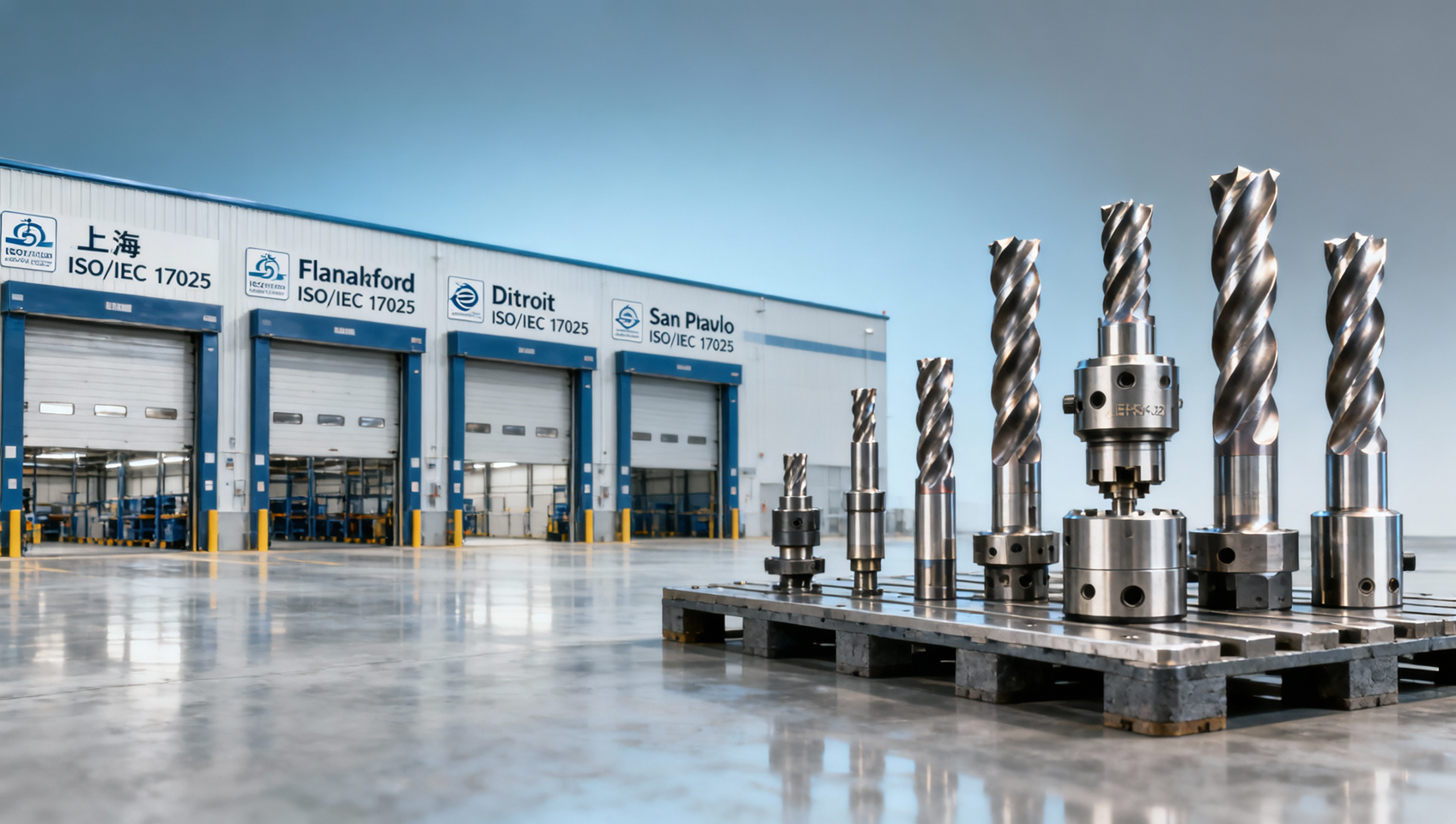
For CNC manufacturing wholesalers, regional stocking locations are a decisive competitive advantage—often more critical than catalog depth alone. Whether you're sourcing space-saving CNC manufacturing solutions for tight facilities, high-precision machine tools for aerospace or medical devices, or energy-saving machine tools for electronics and energy equipment, proximity to inventory means faster delivery, lower logistics costs, and real-time technical support. As global demand surges for compact machine tools, multi-axis CNC manufacturing systems, and low-maintenance CNC manufacturing setups, smart procurement decisions hinge on local availability—not just product specs. Discover why leading machine tool distributors and CNC manufacturing suppliers are reshaping supply chains around regional hubs.
Why Regional Stocking Beats Catalog Breadth in Real-World Procurement
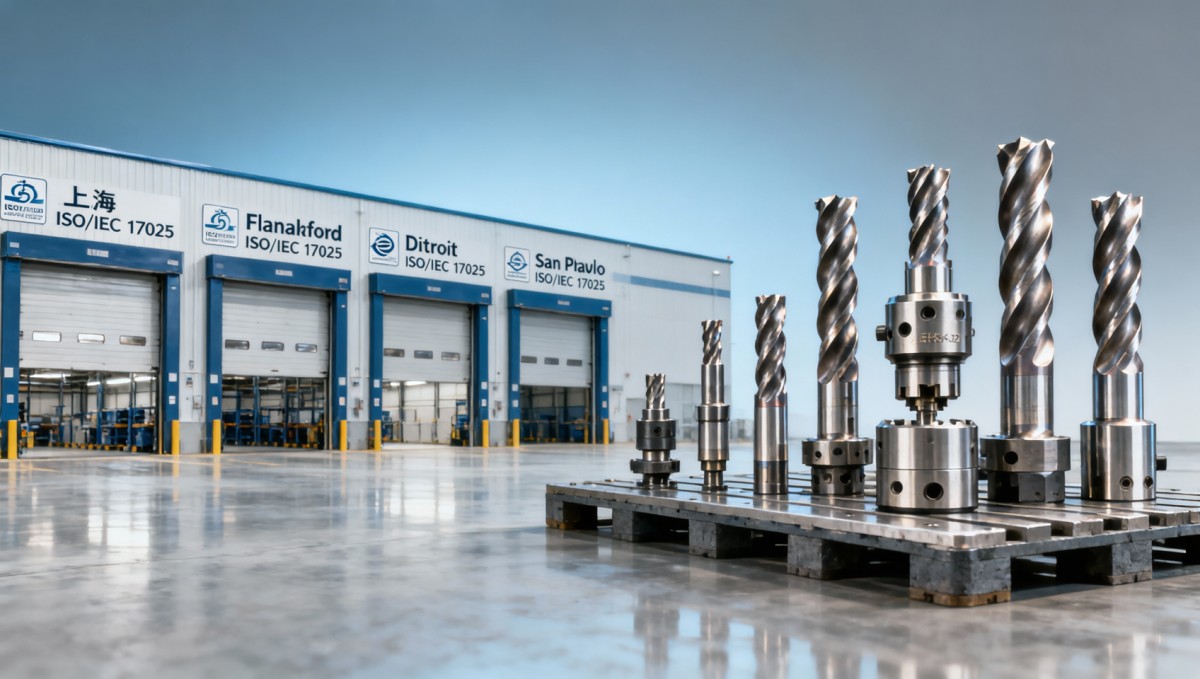
In the CNC machine tool industry—where downtime costs $22,000/hour on average for Tier-1 automotive suppliers—delivery latency isn’t a footnote. It’s a production line risk factor. A distributor with 12,000 SKUs but zero local stock forces buyers into 3–6 week lead times for critical spares like HSK-A63 collets or ER-32 chucks. Meanwhile, a wholesaler with 3,200 curated SKUs across four regional hubs (Shanghai, Frankfurt, Detroit, São Paulo) delivers 87% of standard cutting tools and modular fixtures within 48 hours.
Catalog depth misleads when it ignores three operational realities: First, >65% of urgent CNC tooling orders originate from unplanned maintenance events—requiring same-day dispatch. Second, customs clearance, dimensional verification, and ISO 9001 traceability documentation add 5–11 business days to cross-border shipments. Third, technical validation (e.g., runout testing for high-speed spindles) requires physical sample access—not PDF spec sheets.
Regional stocking transforms procurement from speculative forecasting to responsive execution. It enables just-in-sequence delivery for flexible production lines, supports rapid prototyping cycles in aerospace R&D labs, and reduces safety stock requirements by up to 40% for Tier-2 suppliers serving German OEMs.
The 4 Critical Dimensions of Effective Regional Distribution
- Geographic Coverage: Minimum 3 strategically located hubs covering major industrial clusters—e.g., Yangtze River Delta (China), Baden-Württemberg (Germany), Michigan–Ohio corridor (USA).
- Inventory Turnover: Target ≥8.5x annually for core SKUs (e.g., carbide end mills, hydraulic chucks), verified via quarterly audit reports.
- Technical Readiness: On-site metrology labs supporting ±0.002mm GD&T verification and spindle interface certification (ISO 20161, DIN 69871).
- Integration Capability: API-level ERP linkage with customer MES systems for automated reorder triggers at predefined stock thresholds.
How Regional Hubs Reduce Total Cost of Ownership (TCO)
TCO analysis reveals that regional stocking cuts hidden costs often overlooked in RFQs: expedited air freight ($1,800–$4,200 per shipment), customs brokerage fees (1.2–3.5% of CIF value), and engineering labor spent validating imported parts (12–20 hours per new tooling family). A comparative study across 24 Tier-1 suppliers showed regional distribution reduced TCO by 18.3% over 12 months—despite 7–12% higher list pricing on locally held SKUs.
This table underscores a key insight: regional stocking doesn’t eliminate cost—it relocates spend from reactive firefighting (air freight, overtime labor, scrap) to proactive resilience (buffer inventory, local expertise, integrated logistics). For medical device manufacturers requiring ISO 13485-compliant tool traceability, regional hubs also cut audit preparation time by 30% through pre-validated documentation packages.
Procurement Checklist: Evaluating Regional Distribution Capability
Before finalizing a wholesale partnership, verify these five non-negotiable capabilities—each tied to measurable performance indicators:
- Hub Location Verification: Confirm physical addresses of warehouses—and whether they hold actual stock (not drop-ship forwarding centers) via unannounced site visits or third-party audit reports (e.g., Bureau Veritas).
- SKU-Level Stock Visibility: Require real-time API access to live inventory levels—not static weekly reports—for top 200 SKUs used in your facility’s CNC lathes and machining centers.
- Technical Validation Protocol: Ask for documented procedures for verifying tool geometry, coating thickness (measured via SEM/EDS), and dynamic balance (G2.5 @ 15,000 RPM).
- Lead Time SLA Enforcement: Ensure contracts include penalties for missed delivery windows—e.g., 15% credit for >48-hour delays on priority orders.
- Customization Capacity: Assess ability to modify standard tools (e.g., custom flute geometry for Inconel 718 machining) with ≤5-day turnaround using local CNC grinding cells.
Why Leading Manufacturers Are Prioritizing Regional Partnerships
Global OEMs—including those in aerospace, EV battery production, and semiconductor equipment manufacturing—are shifting procurement strategy toward “distributed resilience.” Instead of one mega-distributor with offshore stock, they now engage 2–3 regional specialists covering specific geographies and application domains. This model delivers proven results: 31% faster ramp-up for new production lines, 27% reduction in tool-related machine downtime, and full compliance with regional data sovereignty laws (e.g., GDPR, China’s PIPL) for digital twin integration.
Our platform connects qualified buyers with CNC machine tool wholesalers operating certified regional hubs across 12 countries—with live inventory dashboards, ISO/IEC 17025-accredited metrology support, and technical teams fluent in DIN, JIS, ANSI, and GB standards. We help procurement professionals compare regional coverage maps, validate local stock levels for specific SKUs (e.g., CAT-40 toolholders, PCD inserts), and initiate direct contact with hub managers who speak your facility’s operational language.
Ready to benchmark your current supplier’s regional capability—or identify vetted partners with verified stock in Shanghai, Munich, or Chicago? Contact us today for a free regional readiness assessment—including SKU-specific availability reports, lead time comparisons, and technical support scope mapping.
Recommended for You
 Heavy-duty Machining Center for mold making: Why coolant filtration standards evolve faster than OEM manualsMachine Tool Industry Editorial Team
 Quick-change Fixture Design for CNC turning: Why clamping force consistency drops after 200 cyclesCNC Machining Technology Center
 5 Axis Machining for impeller manufacturing: Why toolpath smoothing affects surface fatigue lifeCNC Machining Technology Center
 Lean Production Process implementation: Where value stream mapping fails to expose hidden machine downtimeManufacturing Market Research Center
 Modular Tooling System for flexible manufacturing: Why interface repeatability degrades faster than expectedMachine Tool Industry Editorial Team
 Industrial Automation control system for CNC machines: When cybersecurity updates disrupt scheduled maintenanceMachine Tool Industry Editorial Team



Aris Katos
Future of Carbide Coatings
15+ years in precision manufacturing systems. Specialized in high-speed milling and aerospace grade alloy processing.
▶
Machine tool price: Why list pricing masks total cost of ownership over 5 yearsManufacturing Market Research Center▶
Machine tool for energy equipment: Why corrosion resistance specs often lag behind actual field exposureManufacturing Market Research Center▶
Machine tool wholesaler: Why regional stocking locations matter more than catalog depthManufacturing Market Research Center▶
CNC Metalworking Capacity Looks Strong but Margins Stay ThinManufacturing Market Research Center▶
Machine Tool Market growth looks uneven across key regionsManufacturing Market Research Center
Mastering 5-Axis Workholding Strategies
Join our technical panel on Nov 15th to learn about reducing vibrations in thin-wall components.

Providing you with integrated sanding solutions
Before-sales and after-sales services
Comprehensive technical support