• Global CNC market projected to reach $128B by 2028 • New EU trade regulations for precision tooling components • Aerospace deman
NYSE: CNC +1.2%LME: STEEL -0.4%

CNC production capacity looks strong, but delivery stays weak
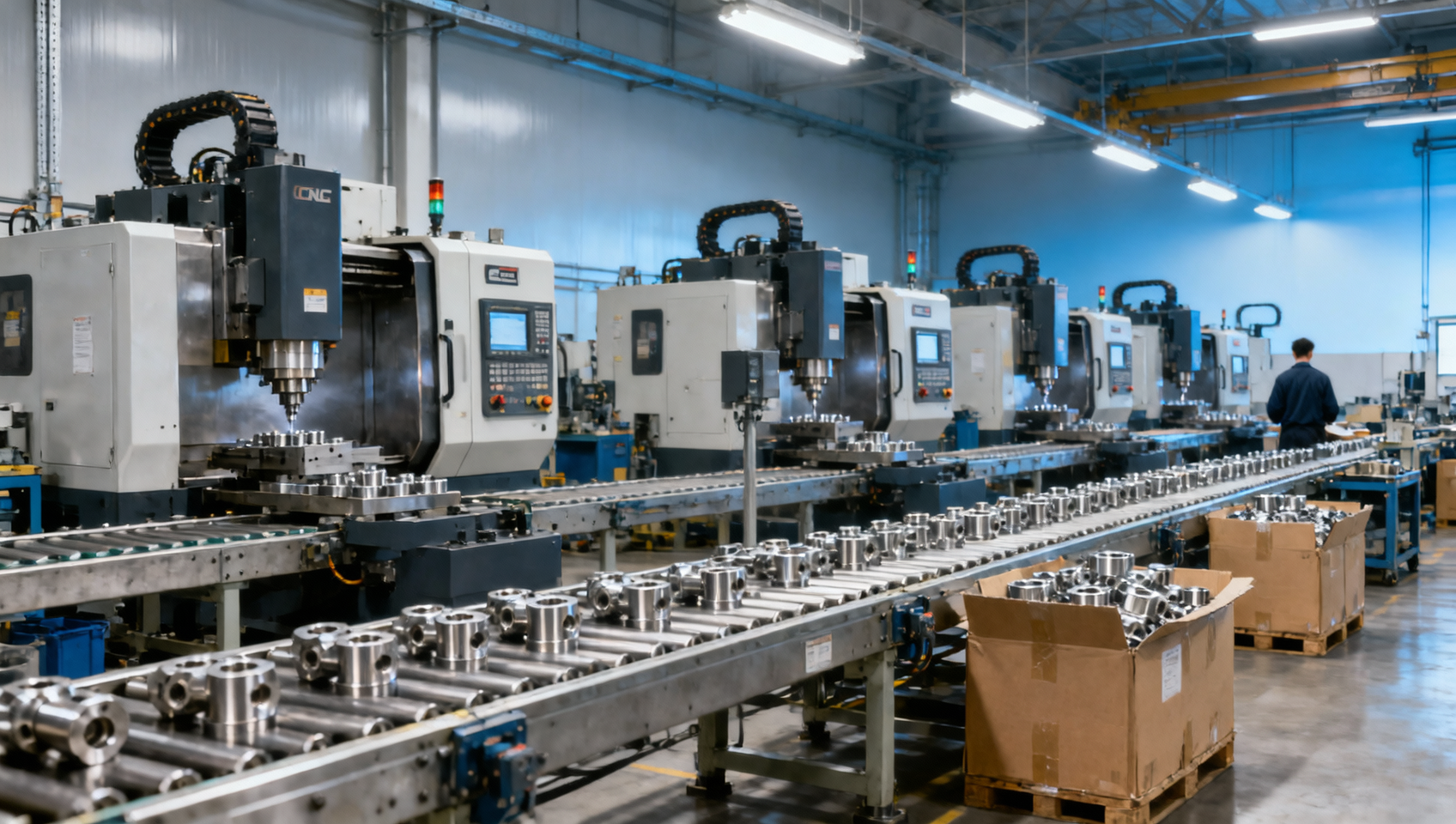
CNC production capacity appears resilient across the Global Manufacturing landscape, yet weak delivery continues to pressure the Machine Tool Market and the broader Manufacturing Industry. For buyers, operators, and decision-makers, this gap raises urgent questions about metal machining efficiency, industrial CNC utilization, automated production stability, and the real performance of CNC metalworking, CNC milling, and automated production lines.
In practical terms, many factories still report acceptable spindle hours, machine availability, and installed capacity, but shipment schedules, component lead times, and line balancing remain unstable. This mismatch matters across automotive, aerospace, electronics, and energy equipment production, where a 7-day delay in one machined part can hold up a 30-day assembly plan.
For market researchers, the key issue is not simply whether CNC demand is rising or falling. The more useful question is where capacity is real, where it is constrained by tooling, labor, fixtures, programming, or logistics, and how those bottlenecks affect purchasing decisions. For operators and plant managers, the concern is even more immediate: why can a workshop run at 75% to 85% machine utilization while on-time delivery still underperforms?
This article examines why CNC production capacity can look strong on paper while delivery remains weak in execution. It also outlines what procurement teams, production supervisors, and business leaders should evaluate when selecting suppliers, expanding machine tool capacity, or improving automated production lines.
Why CNC Capacity and Delivery Are Moving in Different Directions
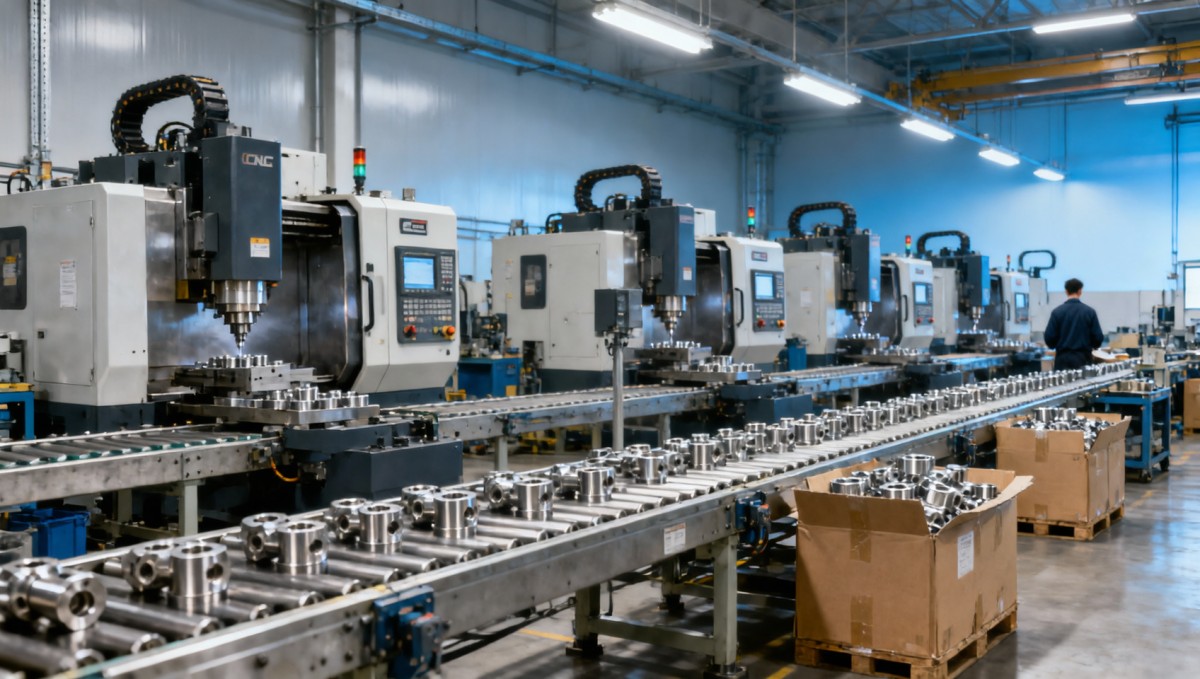
In the machine tool industry, capacity is often measured by installed equipment, shift availability, spindle hours, and theoretical output. Delivery performance, however, depends on a longer chain that includes material readiness, cutting tool life, fixture stability, program verification, inspection throughput, and outbound logistics. A plant may add 10 new CNC machines yet still fail to improve lead time if these supporting links do not scale together.
This is especially common in high-mix, low-to-medium volume machining environments. A 3-axis machining center can be fully booked, but if the shop is frequently switching between aluminum housings, steel shafts, and precision discs, setup losses may consume 15% to 25% of available production time. As a result, nominal CNC production capacity looks strong, while actual output of finished, approved parts remains inconsistent.
Another common issue is that capacity expansion often focuses on core metal cutting equipment rather than bottleneck stations. In many industrial CNC workshops, coordinate measuring machines, deburring stations, heat treatment coordination, and tool presetting areas are still sized for older volumes. When batch sizes increase from 50 pieces to 300 pieces, the downstream process can quickly become the new limiting factor.
Supply chain variability adds another layer of pressure. Tool holders, carbide inserts, precision bearings, ball screws, electrical control modules, and imported CNC components can extend replenishment cycles from 2 weeks to 6 weeks. Even if the machine tool itself is available, production planning weakens when critical consumables or replacement parts are delayed.
The table below shows why capacity indicators and delivery indicators should never be treated as the same operating signal in precision manufacturing.
The key takeaway is simple: strong CNC capacity does not automatically create strong delivery. For procurement and operations teams, it is more useful to assess effective capacity, validated throughput, and on-time completion rate than to rely on machine quantity alone.
Three structural reasons delivery stays weak
- Planning complexity rises faster than machine count, especially when part families exceed 30 to 50 active SKUs per week.
- Skilled labor gaps remain visible in programming, process engineering, and quality control, even when operators are available for standard loading tasks.
- Automated production lines improve repeatability for stable batches, but they can underperform in volatile order environments without robust scheduling logic.
What Weak Delivery Means for Buyers, Operators, and Decision-Makers
For buyers, poor delivery performance directly affects cost control. When one CNC supplier misses a milestone by 10 to 14 days, the procurement team may need to split orders, pay premium freight, or hold extra safety stock. In sectors such as automotive components and industrial equipment, this can raise total landed cost by 5% to 12%, even if the quoted part price originally looked competitive.
For shop-floor operators, weak delivery usually appears as unstable scheduling rather than a single obvious problem. One week may bring excessive overtime, while the next week leaves machines waiting for drawings, material, or fixture approval. This stop-start pattern reduces machining efficiency, increases tool wear uncertainty, and makes preventive maintenance harder to schedule on a 2-week or monthly cycle.
For enterprise leaders, the bigger issue is planning confidence. If promised lead time is 4 weeks but actual performance varies between 3 weeks and 9 weeks, capacity planning becomes unreliable across sales, production, warehousing, and customer service. Revenue forecasts may remain strong, yet cash flow and customer retention become more volatile.
This matters in automated production as well. A flexible production line built around CNC milling, turning, robotic loading, and in-process inspection is only as reliable as its weakest control point. When one subsystem has a recurring 6-hour downtime window or fixture changeover exceeds 40 minutes, the output rhythm of the entire line can deteriorate.
Operational signals that should not be ignored
Many companies wait too long to react because they focus on monthly shipment totals instead of early warning signals. The following checkpoints provide a more practical view of delivery risk in CNC metalworking and machine tool operations.
These indicators are useful because they connect shop-floor reality with supplier reliability. A buyer comparing CNC suppliers should ask for not only installed machine lists, but also setup time control, inspection turnaround, preventive maintenance frequency, and recent delivery consistency over the last 8 to 12 weeks.
Who is most exposed to weak delivery?
- Companies sourcing customized parts with tolerances such as ±0.01 mm to ±0.05 mm, where rework consumes both time and inspection capacity.
- Plants using mixed batches under 100 pieces, because frequent changeovers reduce the benefit of high installed CNC capacity.
- Operations dependent on synchronized lines, where one delayed machined component can stop robotic assembly, testing, and packaging.
How to Evaluate Real CNC Delivery Strength Before You Buy
Procurement teams often overvalue visible assets such as new machine tools, automation cells, or showroom-ready machining centers. Those assets matter, but real delivery strength comes from process discipline. A supplier with 15 well-managed CNC machines may outperform a supplier with 30 machines if the first has stable tooling control, verified programs, clear escalation paths, and disciplined production review every 24 hours.
A more useful supplier evaluation model includes four layers: manufacturing capability, scheduling stability, quality release speed, and supply assurance. This applies whether you are sourcing CNC milling parts, turned shafts, structural housings, or components for automated production lines.
Buyers should also separate prototype performance from repeat-order performance. A supplier may deliver 5 sample parts in 7 days, yet require 5 to 6 weeks for a repeat batch of 500 parts if fixture design, inspection planning, and shift labor are not aligned. Small-lot success does not automatically prove scalable production.
The checklist below can help buyers and decision-makers compare suppliers on delivery resilience rather than just nominal CNC production capacity.
This type of evaluation is especially important for B2B sourcing in global machine tool clusters such as China, Germany, Japan, and South Korea, where equipment density may be high but delivery performance can still vary sharply from supplier to supplier.
A practical 5-step supplier review process
- Confirm machine capability by material, part size, tolerance range, and batch type rather than by machine brand alone.
- Check recent on-time delivery trends over at least 8 weeks, not just one successful order.
- Review how tooling, fixtures, and inspection are managed during peak load periods.
- Ask how engineering changes are handled when drawings or material grades shift mid-order.
- Test communication quality by requesting milestone updates at 3 fixed points: process release, first piece approval, and shipment booking.
Operational Fixes That Improve Delivery Without Chasing Endless Capacity Expansion
Many manufacturers respond to delivery pressure by adding more CNC machines, but this is not always the fastest or most profitable move. In some workshops, delivery can improve by 10% to 20% without major capital expenditure if process bottlenecks are addressed first. The most common gains come from shorter setup times, better fixture standardization, improved tool life planning, and tighter inspection release discipline.
One practical method is to group parts into machining families instead of scheduling every order independently. If shafts with similar diameters, materials, and chucking logic are clustered together, setup frequency can drop and tool usage becomes more predictable. In medium-volume operations, even a 10-minute reduction per setup can recover several machine hours per week.
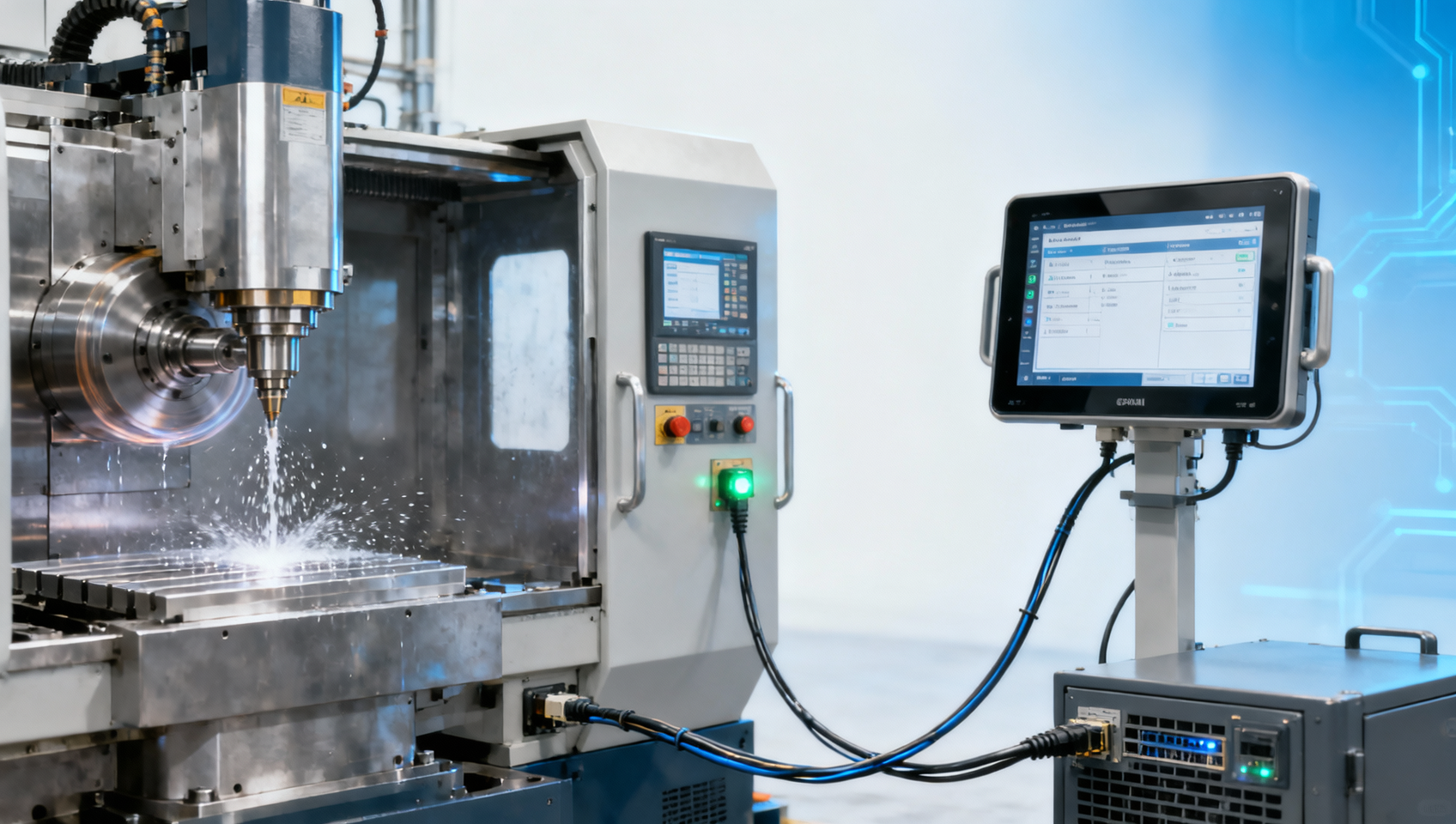
Another improvement area is digital visibility. A smart factory dashboard does not need to be complex to be useful. If planners can see machine status, queue time, tool alarms, and inspection backlog in near real time, they can intervene earlier. This is particularly valuable on automated production lines where an upstream CNC cell delay can ripple into robotic loading, washing, marking, and packing stations.
Maintenance policy also matters. When preventive maintenance is deferred during high-load periods, delivery may look better for 1 or 2 weeks, but unscheduled downtime often returns at a higher cost later. A balanced schedule that protects spindle health, lubrication systems, coolant condition, and alignment checks usually supports more stable long-cycle output.
Priority actions for production teams
- Reduce first-piece approval delay by aligning operator, programmer, and quality staff within the first 2 hours of a new job release.
- Standardize fixtures for repeat part families to cut changeover time from 45 minutes toward a 15–25 minute target range.
- Set tool replenishment triggers before stock falls below 2 to 3 production cycles, especially for critical inserts and drills.
- Measure queue time before inspection and shipping, not just machining completion time.
Common mistakes that slow delivery
A frequent mistake is accepting urgent orders without re-prioritizing the existing production board. This often creates hidden lateness across multiple jobs instead of solving one urgent issue. Another mistake is treating automated production as self-correcting. Robots and flexible cells improve consistency, but they do not eliminate the need for stable tooling, verified offsets, and realistic cycle planning.
A third mistake is underestimating the effect of engineering changes. When tolerances shift from ±0.05 mm to ±0.02 mm, or when material changes from standard carbon steel to a harder alloy, cycle time, tool wear, and inspection demand can all rise. If lead time is not reset accordingly, delivery reliability will deteriorate even in a well-equipped machine shop.
FAQ: Key Questions About CNC Capacity, Lead Time, and Purchasing Risk
How long should CNC delivery normally take?
It depends on part complexity, batch size, material availability, and post-processing needs. For standard machined parts, a common commercial range is 1 to 3 weeks for prototypes and 3 to 6 weeks for repeat production. Parts requiring heat treatment, coating, multi-axis machining, or strict inspection documentation may take longer. What matters most is not the shortest quoted number, but whether that timeline is consistently met.
What is the difference between machine availability and real output?
Machine availability shows whether a CNC machine can run. Real output measures how many approved parts are completed and shipped. A machine can be mechanically available for 90% of planned hours, yet real output may still underperform because of setup delays, program revisions, waiting inspection, fixture shortages, or missing tools.
What should procurement teams ask before placing a large CNC order?
Ask for three kinds of evidence: actual lead time performance over recent weeks, process readiness for your material and tolerances, and contingency plans when tooling or inspection becomes constrained. It is also wise to ask how often progress updates are issued and whether shipment milestones are reviewed weekly or daily for time-sensitive programs.
Are automated production lines always better for delivery?
Not always. Automated production lines work best when product mix is stable, fixtures are standardized, and upstream scheduling is disciplined. In highly variable low-volume environments, a flexible manual-plus-CNC setup can sometimes react faster than a rigid automated sequence. The right choice depends on batch repeatability, target cycle time, and changeover tolerance.
Strong CNC production capacity remains a positive signal for the global manufacturing sector, but it should never be confused with reliable delivery on its own. Buyers need better supplier evaluation, operators need tighter process control, and decision-makers need visibility into bottlenecks beyond the machine tool itself. When capacity, tooling, inspection, scheduling, and logistics are aligned, CNC metalworking and automated production lines can deliver both precision and dependable lead times.
If you are comparing CNC suppliers, planning a machine tool investment, or reviewing delivery risk in your manufacturing chain, now is the right time to assess real throughput rather than theoretical capacity. Contact us to discuss your application, request a tailored sourcing or production review, and explore more solutions for CNC machining, precision manufacturing, and automated production planning.
Recommended for You
 Heavy-duty Machining Center for mold making: Why coolant filtration standards evolve faster than OEM manualsMachine Tool Industry Editorial Team
 Quick-change Fixture Design for CNC turning: Why clamping force consistency drops after 200 cyclesCNC Machining Technology Center
 5 Axis Machining for impeller manufacturing: Why toolpath smoothing affects surface fatigue lifeCNC Machining Technology Center
 Lean Production Process implementation: Where value stream mapping fails to expose hidden machine downtimeManufacturing Market Research Center
 Modular Tooling System for flexible manufacturing: Why interface repeatability degrades faster than expectedMachine Tool Industry Editorial Team
 Industrial Automation control system for CNC machines: When cybersecurity updates disrupt scheduled maintenanceMachine Tool Industry Editorial Team

Aris Katos
Future of Carbide Coatings
15+ years in precision manufacturing systems. Specialized in high-speed milling and aerospace grade alloy processing.
▶
Metal Machining Capacity Planning Gets Harder With Short RunsManufacturing Market Research Center▶
CNC production capacity looks strong, but delivery stays weakManufacturing Market Research Center▶
Guobang TCM Decoction Pieces Phase II Project Begins Construction: Boosting Standardized Production for Global MarketsManufacturing Market Research Center▶
Manufacturing Supply Chain disruptions reshaping CNC metalworking raw material lead timesManufacturing Market Research Center▶
Machine tool supplier lead times: How component shortages reshape order sequencing logicManufacturing Market Research Center
Mastering 5-Axis Workholding Strategies
Join our technical panel on Nov 15th to learn about reducing vibrations in thin-wall components.

Providing you with integrated sanding solutions
Before-sales and after-sales services
Comprehensive technical support