• Global CNC market projected to reach $128B by 2028 • New EU trade regulations for precision tooling components • Aerospace deman
NYSE: CNC +1.2%LME: STEEL -0.4%

Metal Machining Capacity Planning Gets Harder With Short Runs
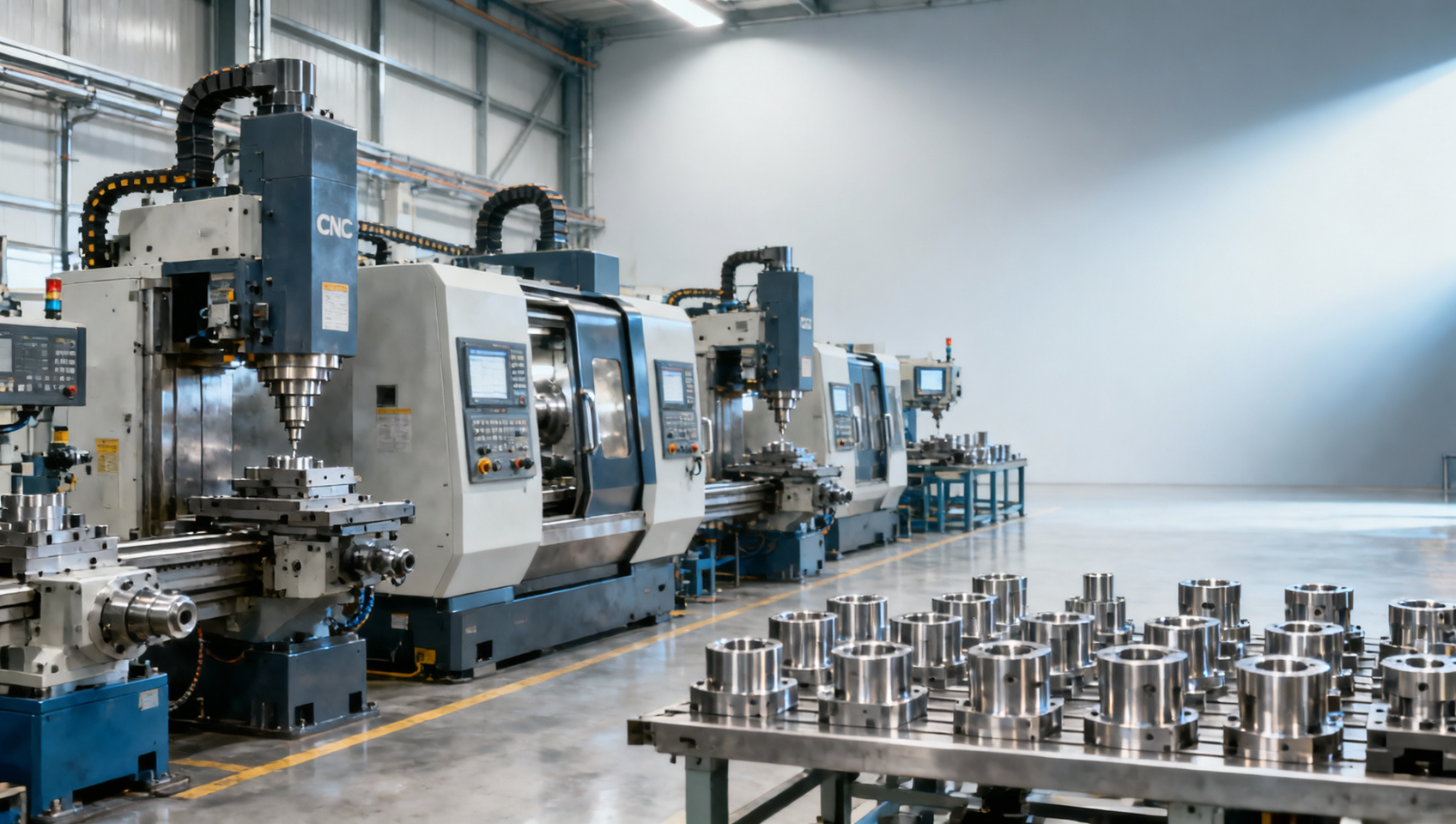
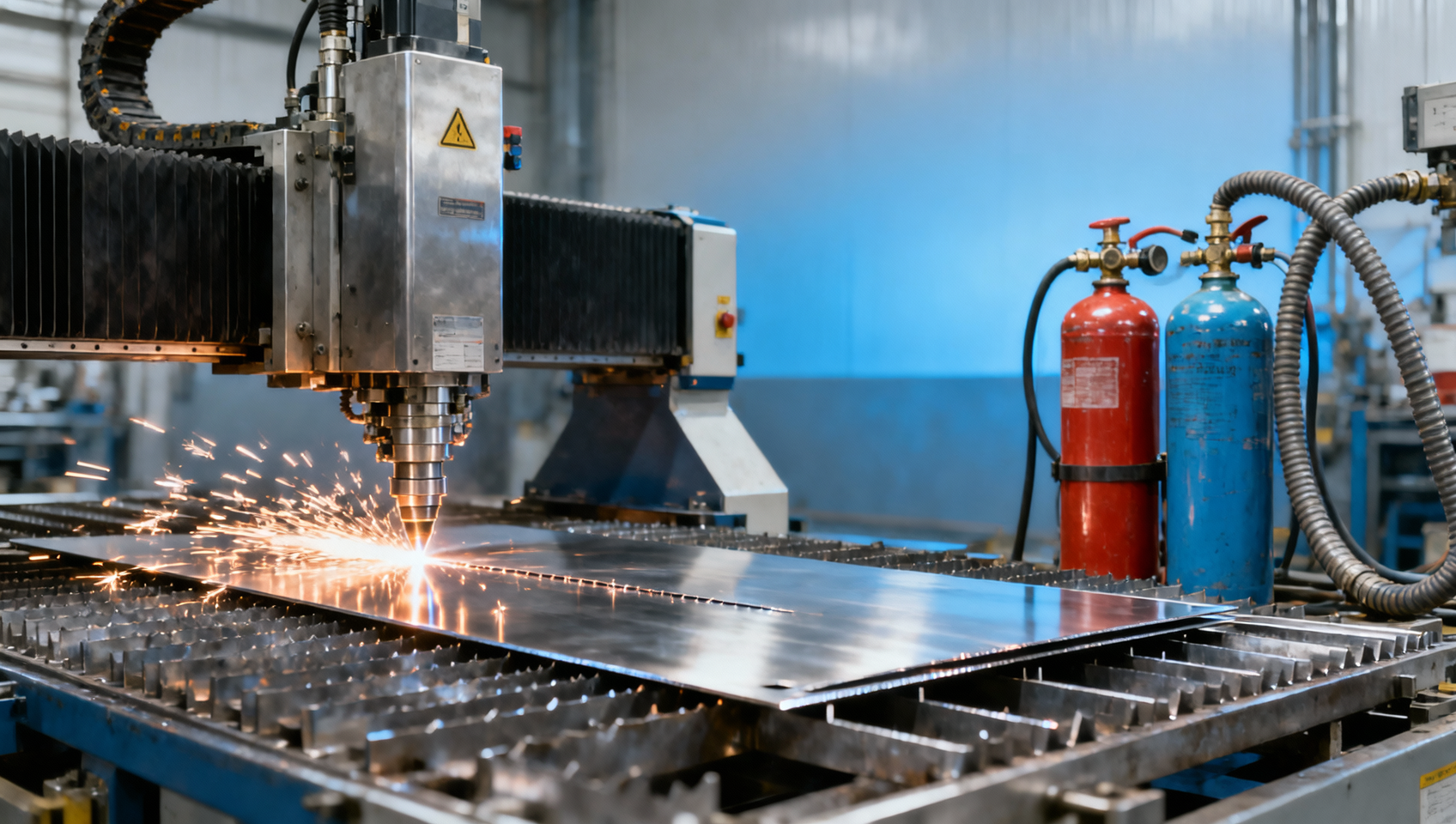
Short-run orders are reshaping metal machining capacity planning across the Manufacturing Industry. As industrial CNC, CNC milling, CNC cutting, and automated production systems handle more mixed-volume jobs, manufacturers must balance speed, flexibility, and cost. This article explores how CNC production, industrial automation, and smarter production process strategies help shops stay competitive in Global Manufacturing.
Why Short Runs Make Metal Machining Capacity Planning More Difficult
Capacity planning used to be more predictable when a shop could schedule long batches of similar parts for 2–4 weeks at a time. Today, many CNC machine tool users face shorter order cycles, more part variation, and tighter delivery promises. In practical terms, this means setup time, fixture changes, tool management, programming, in-process inspection, and machine allocation now consume a larger share of total available capacity.
For operators, the challenge is not simply machine uptime. A spindle can run 16–20 hours per day and still fail to deliver planned output if every shift includes multiple changeovers. For procurement teams, the issue is broader: selecting machine tools, cutting tools, automation modules, and support systems that can handle both small batches and urgent repeat orders without pushing per-part cost too high.
For decision-makers in global manufacturing, short-run complexity affects quoting, scheduling, labor loading, raw material purchasing, and customer satisfaction. Automotive prototyping, aerospace spare parts, energy equipment components, and electronics housings often move in volumes such as 10–50 pieces, 50–200 pieces, or 200–500 pieces rather than traditional long production runs. That shift requires more flexible CNC production logic.
The key point is simple: in short-run metal machining, available machine hours are not the same as usable production capacity. Shops must account for non-cutting time, engineering time, quality checks, and scheduling friction. When these hidden losses are ignored, promised lead times of 7–15 days can quickly become delayed shipments and margin erosion.
Where the hidden capacity loss usually happens
- Frequent setup and fixture replacement, especially when one machining center handles 3–6 part families in a week.
- Programming revisions for CNC milling and CNC cutting when customer drawings change after quotation.
- Tool wear uncertainty across mixed materials such as carbon steel, stainless steel, aluminum, and alloy steels.
- Inspection bottlenecks when first-article approval and in-process measurement are not synchronized with production scheduling.
How to Evaluate Capacity in Mixed-Volume CNC Production
A more realistic approach to metal machining capacity planning starts with separating cutting time from total manufacturing time. In short-run environments, a shop should evaluate at least 5 core layers: machine availability, setup time, programming workload, tooling readiness, and inspection capacity. This framework helps information researchers compare suppliers and helps buyers ask better technical questions before committing to a purchase order.
It is also useful to group work orders by process similarity instead of by customer alone. For example, two orders from different industries may still fit the same tooling package, spindle speed range, or fixturing concept. Grouping jobs in this way can reduce changeover frequency over a 1-week scheduling window and improve effective output without adding new machines.
The table below shows a practical capacity evaluation model for industrial CNC shops that manage short runs. It does not rely on unrealistic utilization assumptions. Instead, it highlights the difference between installed capacity and deliverable capacity, which is what procurement and plant leadership actually need to understand.
This model shows why a shop with nominally high machine utilization may still struggle to accept urgent orders. If setup takes 25% of total job time and first-article confirmation adds another 6–12 hours, the practical output window shrinks fast. Buyers comparing CNC machining suppliers should therefore ask not only about machine quantity, but also about setup strategy, engineering response time, and inspection workflow.
Three planning questions that improve supplier evaluation
First, how many new part introductions can the shop process per week without affecting current production? Second, what is the normal changeover rhythm on key CNC lathes, machining centers, or multi-axis systems? Third, can the supplier provide a realistic 3-stage plan covering programming, pilot production, and stable batch delivery? These questions reveal true production control maturity.
This matters across automotive manufacturing, aerospace, energy equipment, and electronics production. In all of these sectors, mixed demand patterns are now common, and capacity planning must reflect actual process constraints rather than idealized machine-hour calculations.
Which Production Strategies Help Shops Stay Flexible Without Losing Margin
Short-run success depends on process design as much as on equipment level. A shop running industrial automation and CNC production efficiently does not treat every order as a unique event. Instead, it standardizes what can be standardized: fixture bases, tool libraries, workholding logic, post-processing templates, offset routines, and quality checkpoints. Even reducing average setup time by 20–30 minutes across 4 changeovers per day can create meaningful capacity recovery.
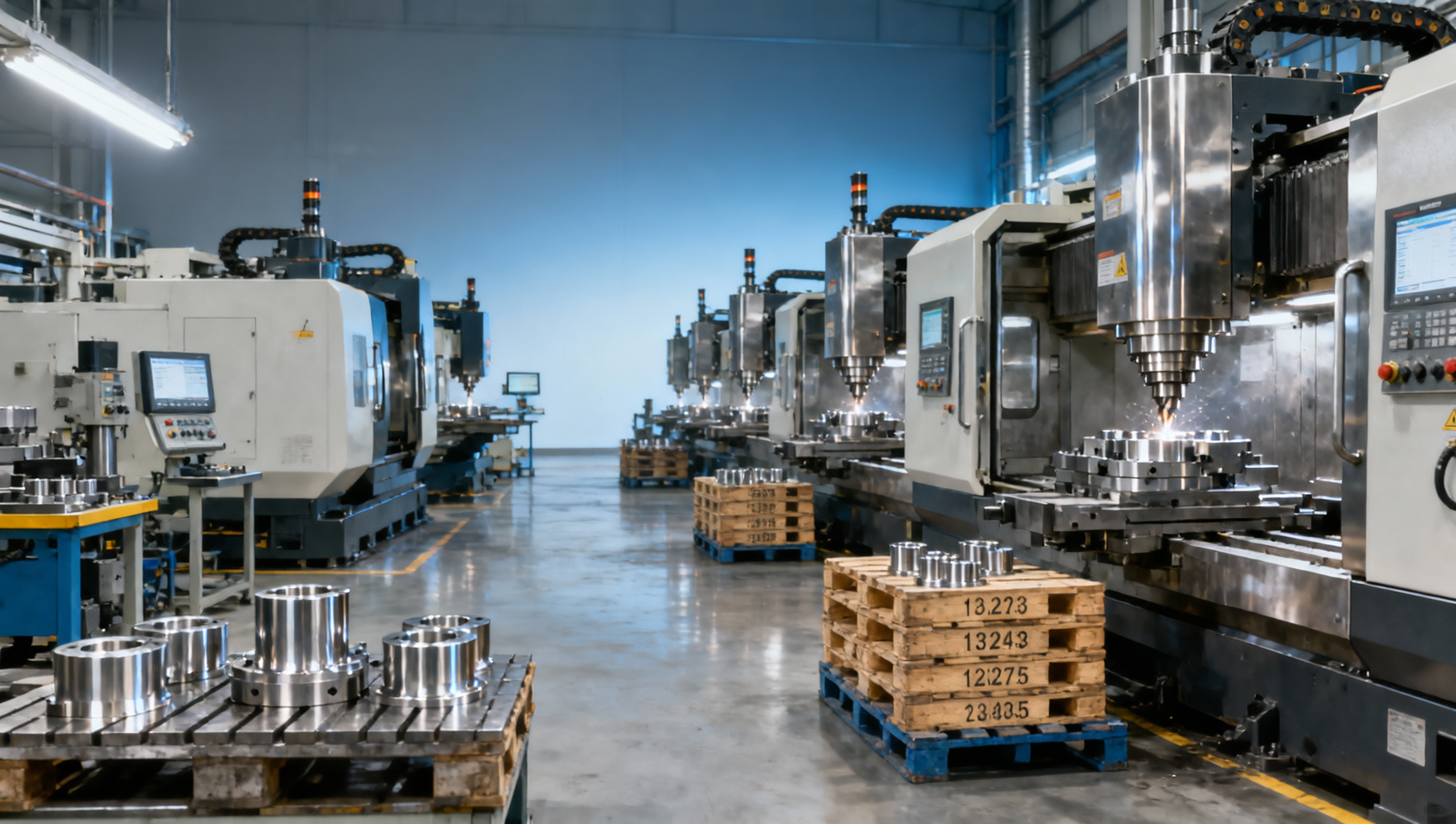
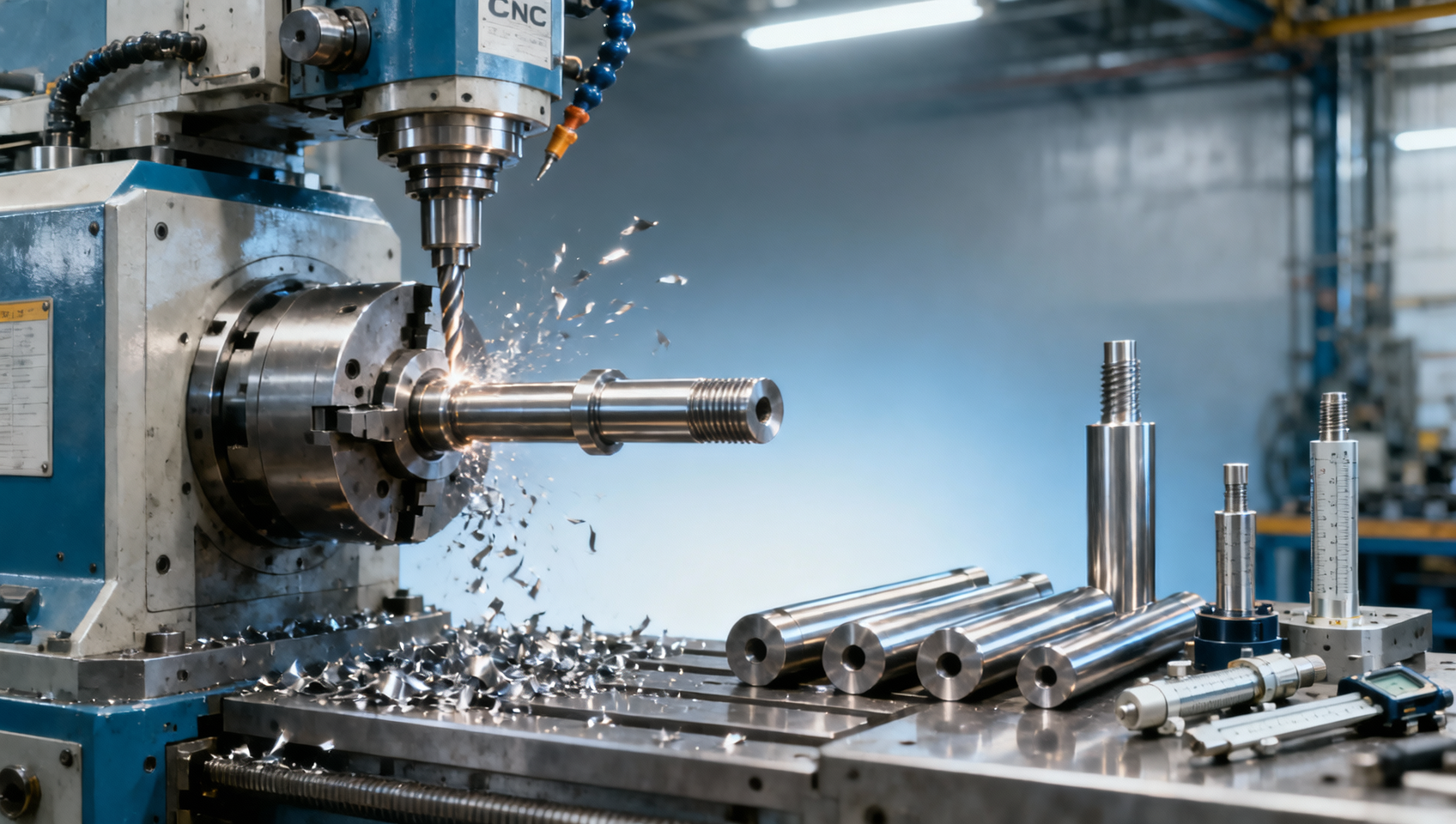
Flexible production cells are especially valuable when part geometry varies but process routes are similar. For example, one cell may combine a machining center, offline presetting, modular fixturing, and a compact robot for part handling. Another may focus on CNC turning with live tooling for shaft parts and precision discs. The correct configuration depends on batch size, repeat frequency, tolerance class, and delivery pressure.
Smarter scheduling also matters. Many machining businesses still sequence jobs primarily by due date. In short-run environments, that method should be balanced with setup similarity and material grouping. A hybrid scheduling method can lower tool changes and improve output stability over 5-day or 10-day planning horizons, especially when rush orders enter the queue.
The comparison below outlines how different operational approaches affect cost, responsiveness, and planning stability in metal machining capacity planning.
The best option is often not full automation and not pure manual flexibility. It is usually a layered model: standardized process design for all jobs, modular tooling for most jobs, and selective automation for recurring short runs. This is particularly relevant in global manufacturing, where labor cost, delivery expectations, and product complexity differ by region.
What operators and planners should standardize first
Priority areas for process control
- Create common tool libraries for the top 20–30 recurring cutting tools to reduce setup variability.
- Use modular fixture systems for part families with similar datum logic and clamping needs.
- Separate prototype, pilot, and repeat short-run orders in the planning board because their engineering load is different.
- Define first-article and in-process inspection checkpoints before launch, not after the job reaches the machine.
What Procurement Teams and Decision-Makers Should Check Before Buying Capacity
Buying machining capacity is not only about price per part. In short-run metal machining, the better question is whether the supplier can repeatedly deliver small or mixed batches without unstable lead times, quality drift, or hidden engineering charges. Procurement teams should compare suppliers using 4 dimensions: process flexibility, quality control, delivery discipline, and expansion capability.
For enterprise decision-makers, it is equally important to distinguish between prototype support and scalable short-run production. Some shops are excellent at one-off samples but struggle when a customer needs 50 pieces this month, 120 pieces next month, and 40 expedited replacements two weeks later. That pattern is common in energy equipment maintenance, industrial product development, and aftermarket component supply.
Where standards or regulated sectors apply, buyers should also verify whether the supplier can work within general quality management and traceability frameworks. Depending on the product and region, this may involve drawing revision control, material certificate handling, inspection records, or process documentation aligned with customer-specific requirements. No single certificate solves planning problems, but basic compliance discipline reduces execution risk.
The checklist below helps procurement teams compare CNC machining suppliers that claim flexibility. It is especially useful when evaluating partners for automotive, aerospace support manufacturing, electronics parts, or precision industrial components.
Short-run supplier selection checklist
- Can the supplier explain a normal quotation-to-launch process in 4 steps, including drawing review, process design, tooling preparation, and pilot validation?
- What is the realistic lead time range for new jobs versus repeat jobs, such as 7–15 days for standard repeats and 2–4 weeks for more complex first runs?
- How many machines are relevant to your process, and are they interchangeable or dependent on one critical bottleneck machine?
- Does the supplier manage tooling, fixtures, and inspection plans internally, or is each urgent job handled ad hoc?
- Can they support material traceability, dimensional reports, or sampling requirements if your sector demands them?
Common purchasing mistake
A frequent mistake is choosing the lowest quoted unit price without reviewing setup policy, minimum batch assumptions, or engineering charges. In short-run CNC production, a lower unit price can still create a higher total cost if the supplier needs extra lead time, repeated clarifications, or multiple setup resets. Total landed value should include schedule reliability, quality consistency, and responsiveness to change.
Implementation Roadmap, Risk Control, and FAQ for Short-Run Machining
If a factory wants to improve metal machining capacity planning, the first phase should focus on visibility rather than immediate expansion. Over a 30–60 day period, map actual setup time, programming hours, approval delays, and machine queue conflicts. This often reveals that the constraint is not total machine count but poor synchronization between engineering, tooling, and production release.
The second phase is process segmentation. Split work into at least 3 categories: prototypes, repeat short runs, and semi-stable batches. Each category needs different planning logic, costing assumptions, and dispatch rules. Once this segmentation is in place, a plant can make better decisions about when to use flexible production lines, when to use CNC milling cells, and when to reserve multi-axis systems for higher-value work.
The third phase is targeted investment. Rather than buying capacity everywhere, many shops benefit more from modular fixturing, presetting systems, offline programming support, better tool management, or partial automation on recurring part families. In many cases, a 3-step improvement sequence delivers better operational control than a major equipment purchase made without data.
Below are common questions from researchers, operators, buyers, and manufacturing leaders evaluating short-run CNC production and industrial automation strategies.
How do you know whether short runs justify automation?
Automation is usually justified when small batches repeat often, loading is labor-intensive, and night-shift utilization matters. If a part family returns every week or every month in quantities such as 20–100 pieces, robotic loading or palletized handling may support more stable output. If jobs are highly irregular and geometry changes constantly, modular manual setups may remain more economical.
What lead time is realistic for short-run CNC machining?
For repeat jobs with ready tooling and stable drawings, 7–15 days is a common practical range. For new parts requiring programming, tooling preparation, first-article checks, and process confirmation, 2–4 weeks is often more realistic. Extremely urgent delivery may be possible, but only if material, machine slots, and inspection capacity are already available.
What should operators monitor during mixed-volume production?
Operators should track setup duration, tool life consistency, first-off approval time, scrap causes, and restart stability after changeover. These indicators provide more actionable information than spindle utilization alone. In short-run manufacturing, process repeatability across many restarts is often a stronger predictor of delivery performance than raw cutting speed.
Why do short runs often cost more than expected?
Because non-cutting activities occupy a larger share of total time. Programming, setup, fixture selection, tool preparation, measurement, and process validation may represent a significant portion of the job, especially at quantities below 50 pieces. That is why a supplier with better process organization can sometimes offer stronger total value even if the quoted hourly rate is not the lowest.
Why Work With a Platform Focused on Global CNC Machining and Precision Manufacturing
When capacity planning becomes harder with short runs, market visibility becomes as important as machine capability. A specialized platform focused on global CNC machining, precision machine tools, automated production lines, and international manufacturing trends helps users move faster from information search to practical supplier evaluation. That is valuable for technical researchers, plant users, procurement teams, and enterprise leaders alike.
Our focus covers the real operating context of modern manufacturing: CNC lathes, machining centers, multi-axis machining systems, cutting tools, fixtures, industrial robots, flexible production lines, and smart factory development. We follow how major machine tool clusters in China, Germany, Japan, and South Korea influence supply capability, technology direction, and cross-border sourcing choices.
If you are comparing suppliers or planning new machining capacity, you can contact us for support on concrete topics rather than broad sales talk. This includes parameter confirmation for part geometry and tolerance needs, product and process selection for CNC milling or CNC cutting routes, expected delivery windows, short-run versus repeat-batch planning, general compliance considerations, sample support discussions, and quotation communication for customized manufacturing solutions.
A useful inquiry usually starts with 5 items: part drawings or 3D files, material type, estimated annual or quarterly demand, target lead time, and inspection or documentation needs. With that information, discussions become faster and more accurate. Whether you are assessing industrial automation options or looking for a flexible precision manufacturing partner, the next step is not guesswork. It is a structured technical conversation built around your real production process.
NEXT ARTICLE
Recommended for You
 Global Manufacturing Lead Times Improve but Not EverywhereGlobal Machine Tool Trade Research Center
 Machine Tool Market Inventory Pressure Is Building AgainGlobal Machine Tool Trade Research Center
 Metal Lathe vs CNC Milling for Low Volume Round PartsCNC Machining Technology Center
 CNC Cutting Gas Choice Affects More Than Edge FinishCNC Machining Technology Center
 CNC Metalworking Shops Face New Pressure on TraceabilityManufacturing Policy Research Center
 Automated Lathe Cycle Time Gains Can Hide Quality LossesCNC Machining Technology Center

Aris Katos
Future of Carbide Coatings
15+ years in precision manufacturing systems. Specialized in high-speed milling and aerospace grade alloy processing.
▶
Metal Machining Capacity Planning Gets Harder With Short RunsManufacturing Market Research Center▶
Guobang TCM Decoction Pieces Phase II Project Begins Construction: Boosting Standardized Production for Global MarketsManufacturing Market Research Center▶
Manufacturing Supply Chain disruptions reshaping CNC metalworking raw material lead timesManufacturing Market Research Center▶
Machine tool supplier lead times: How component shortages reshape order sequencing logicManufacturing Market Research Center▶
What’s causing the widening gap between quoted CNC metalworking lead times and actual delivery?Manufacturing Market Research Center
Mastering 5-Axis Workholding Strategies
Join our technical panel on Nov 15th to learn about reducing vibrations in thin-wall components.

Providing you with integrated sanding solutions
Before-sales and after-sales services
Comprehensive technical support