• Global CNC market projected to reach $128B by 2028 • New EU trade regulations for precision tooling components • Aerospace deman
NYSE: CNC +1.2%LME: STEEL -0.4%

Cost-effective CNC manufacturing: How hidden programming and fixturing costs erode margins
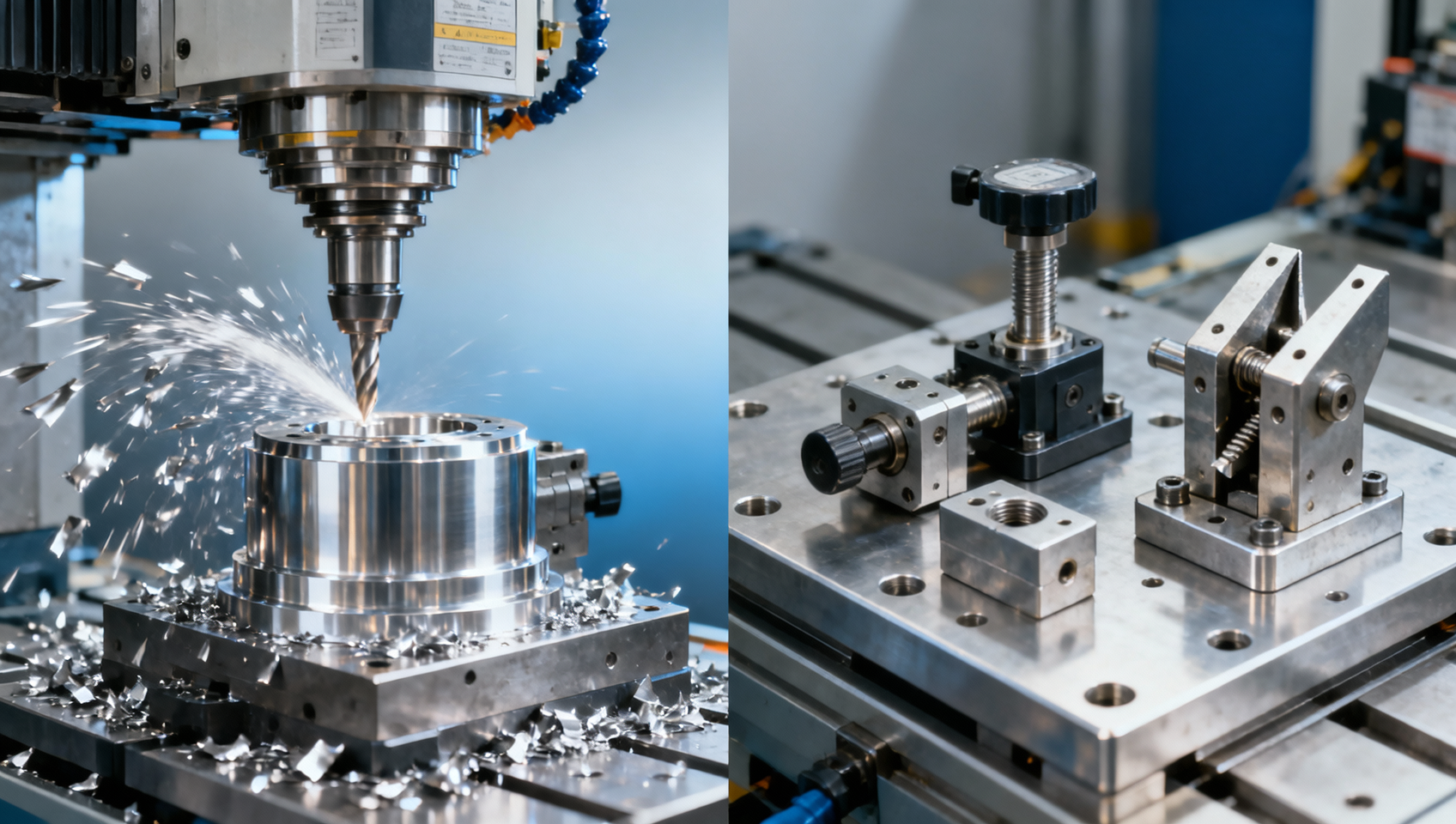
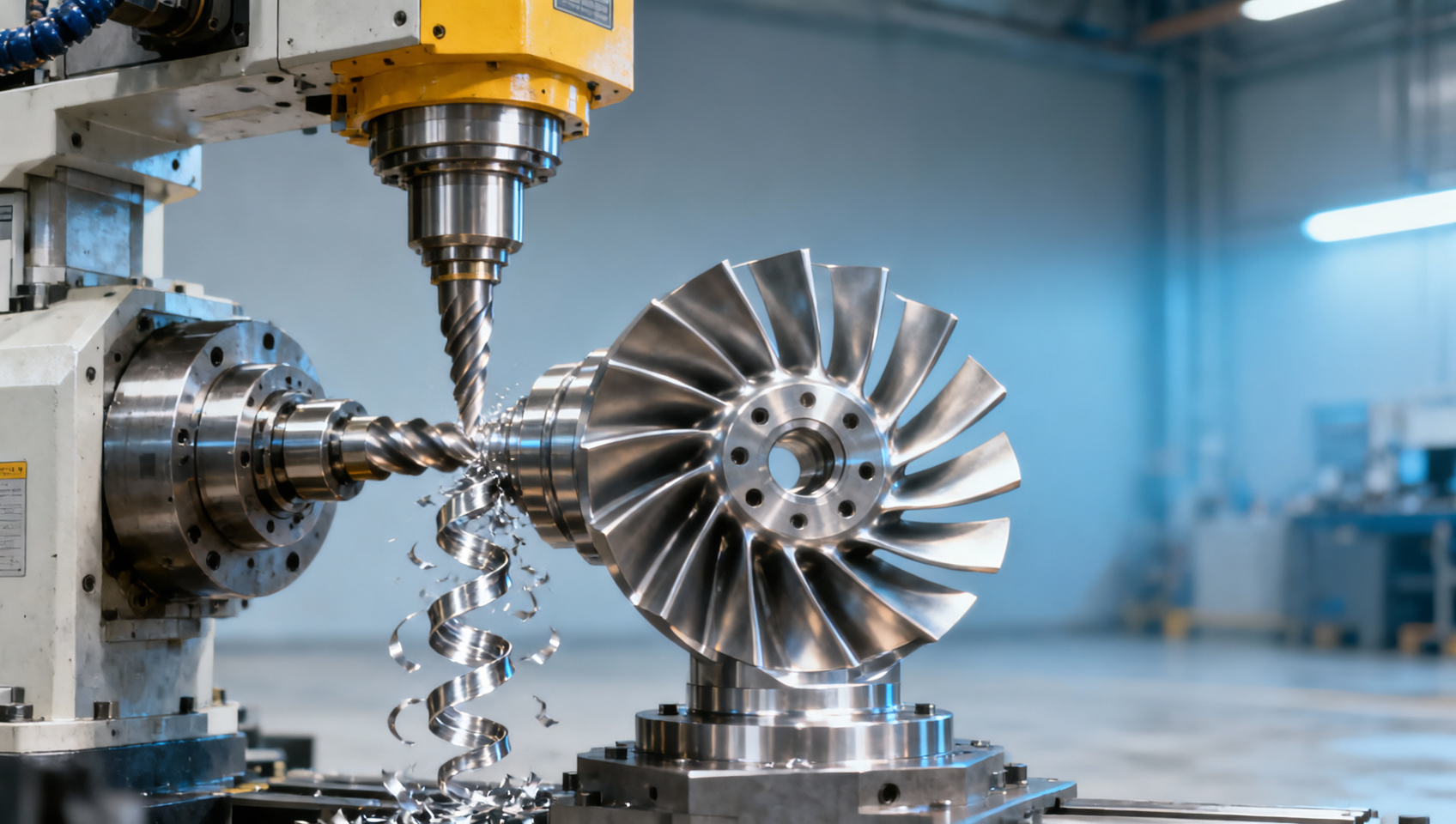
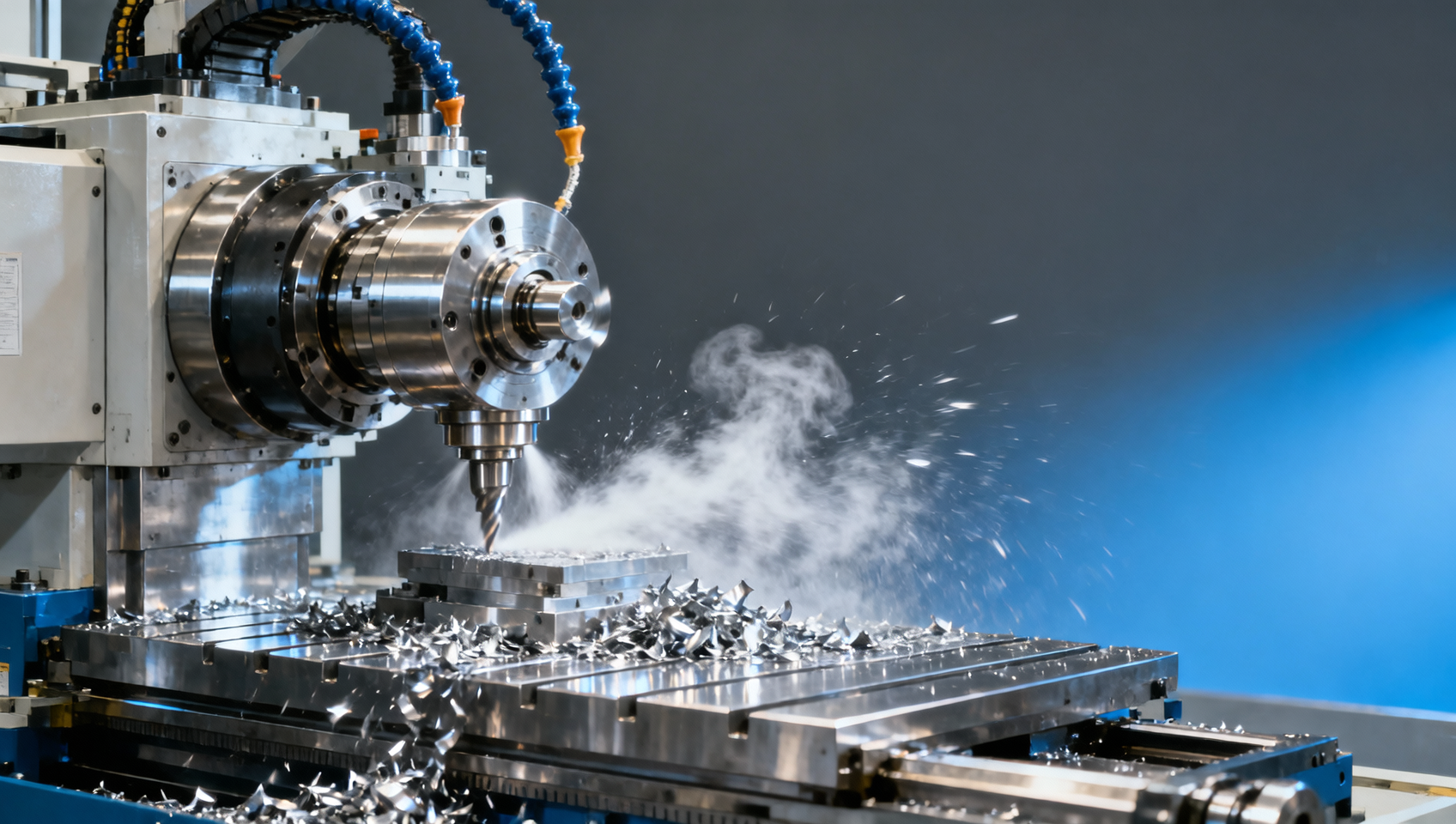
Many manufacturers assume 'cost-effective CNC manufacturing' means low machine prices—until hidden programming and fixturing costs slash margins. From quick-setup CNC manufacturing for medical devices to multi-axis CNC manufacturing for aerospace, inefficient tooling, non-modular fixtures, and manual programming inflate labor and downtime. Whether you're a procurement professional sourcing a CNC manufacturing wholesaler or an engineer evaluating compact machine tools for energy-saving production, overlooked process overheads undermine true cost efficiency. This article reveals how lean fixture design, automated CNC manufacturing workflows, and smart digital manufacturing technology restore profitability—without compromising high-precision CNC manufacturing standards.
The Real Cost Drivers in CNC Manufacturing
True cost-effectiveness in CNC manufacturing is rarely about the sticker price of a machining center. Industry data shows that up to 38% of total part cost stems from non-machine-related overhead—including CNC programming time (averaging 6–12 hours per new part family), custom fixture development (typically $1,200–$4,500 per setup), and changeover delays averaging 47 minutes per job shift. These figures are consistent across automotive Tier-1 suppliers, medical device contract manufacturers, and aerospace subcontractors surveyed in 2024 across Germany, Japan, and China.
Manual G-code programming remains prevalent in SMEs—especially where legacy CAD/CAM systems lack parametric modeling or simulation capabilities. Without integrated toolpath validation, rework rates climb by 19–23%, and first-article approval cycles extend by 2–4 weeks. Similarly, non-modular fixtures force full redesign for even minor geometry changes—adding 3–5 days of engineering lead time and $850+ in CNC-machined aluminum or steel components per iteration.
For procurement professionals, this translates into hidden TCO (Total Cost of Ownership) escalation: a $185,000 5-axis machining center may incur $22,000–$35,000 annually in avoidable programming and fixture maintenance—not including scrap, inspection bottlenecks, or floor-space inefficiency caused by oversized dedicated tooling.
This table confirms what decision-makers observe daily: programming and fixturing aren’t ancillary—they’re primary cost levers. The break-even thresholds alone signal why high-mix, low-volume producers (e.g., prototyping labs or defense subcontractors) see margins compress faster than high-volume OEMs—even with identical machine acquisition costs.
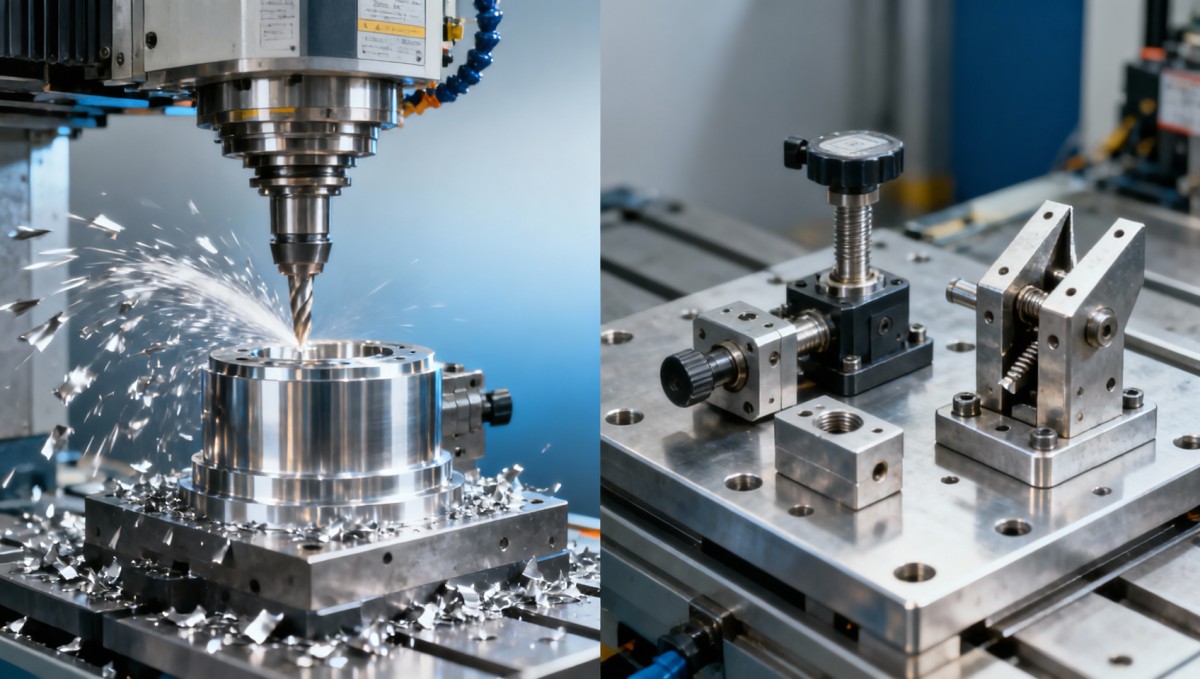
Lean Fixturing: Modular, Reconfigurable, and Measured
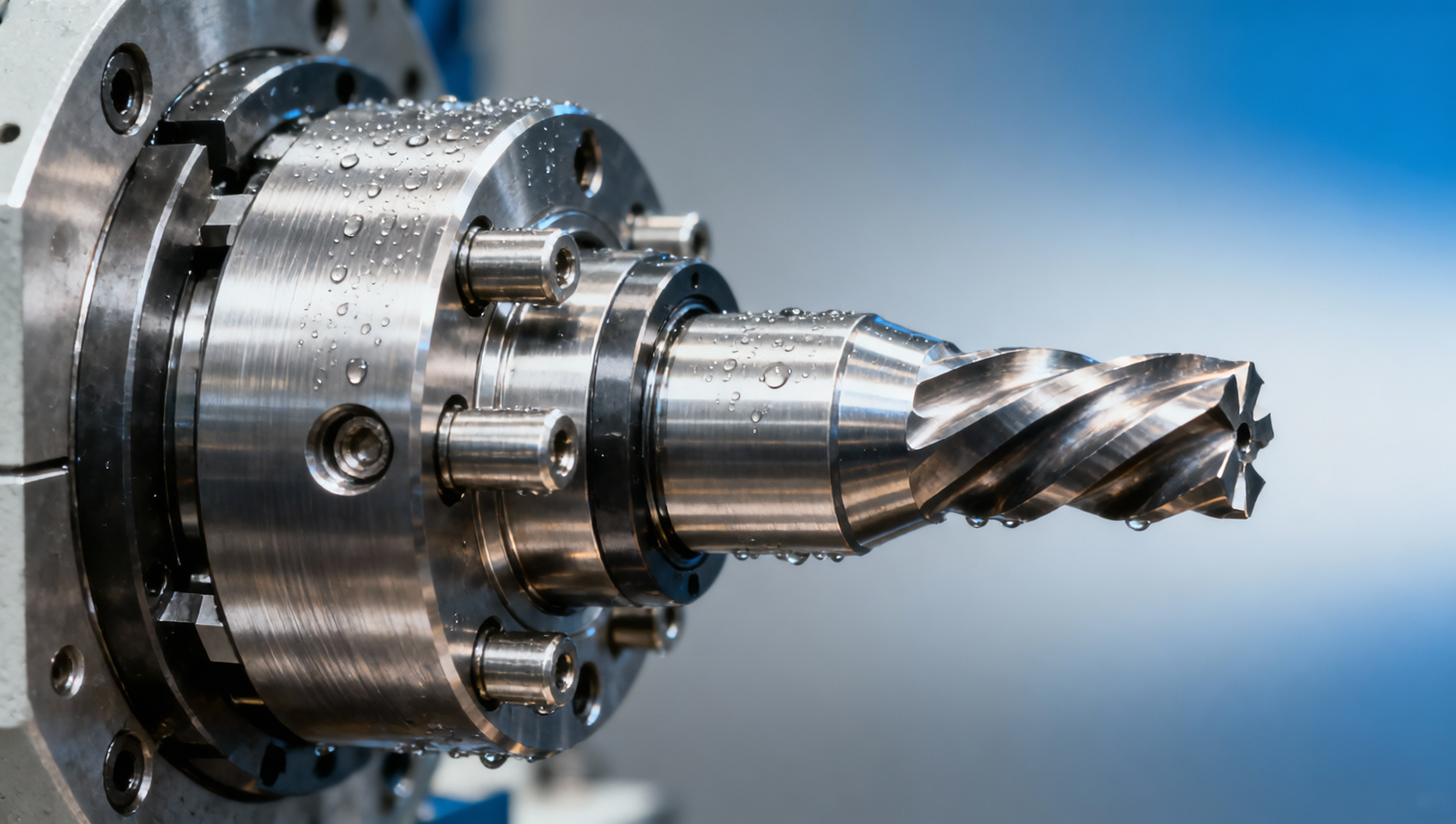
Modular fixturing replaces one-off designs with standardized base plates, clamps, locators, and adaptors—enabling rapid reconfiguration in under 15 minutes. Systems compliant with ISO 841-4 (modular workholding standards) reduce fixture development time by 65–78% and lower per-job tooling cost by up to 42%. For example, a German medical device supplier cut its knee-joint implant fixture lead time from 11 days to 2.7 days—and reused 83% of components across 7 part variants.
Critical selection criteria include repeatability (±0.01 mm or better), load capacity (≥5× part weight), and compatibility with common CNC pallet systems (e.g., 200 × 200 mm, 300 × 300 mm, or VDI 3441 interfaces). Top-tier modular kits also integrate RFID-tagged components for digital twin synchronization—allowing ERP/MES platforms to auto-log usage, wear, and calibration status.
Procurement teams should evaluate vendors against four key metrics: (1) component interchangeability across 3+ machine brands; (2) documented mean time between failures (MTBF ≥ 12,000 cycles); (3) availability of ISO 9001-certified calibration reports; and (4) local technical support response time (<24 hours for urgent issues).
Three Implementation Steps for Immediate ROI
- Phase 1 (Weeks 1–2): Audit existing fixtures—tag all single-use designs and quantify annual replacement spend.
- Phase 2 (Weeks 3–6): Pilot modular system on 2–3 high-turnover part families; track setup time, scrap rate, and operator feedback.
- Phase 3 (Month 3+): Integrate fixture data into MES; enable predictive maintenance alerts based on cycle logs.
Automated Programming: From Manual G-Code to Smart CAM Workflows
Modern CAM software now delivers automation beyond post-processing. Feature-based recognition (FBR) cuts programming time by 40–65% for prismatic parts, while AI-assisted toolpath optimization reduces cycle time by 12–18% without sacrificing surface finish (Ra ≤ 0.8 µm). Cloud-connected platforms also enable version-controlled NC program libraries—ensuring compliance with AS9100 Rev D or ISO 13485 when updating medical or aerospace programs.
Key enablers include native integration with SolidWorks, Siemens NX, and Autodesk Fusion 360; built-in GD&T-aware tolerance mapping; and real-time collision detection across multi-axis kinematics (up to 7-axis simultaneous motion). Validation isn’t optional: every generated program should undergo verified simulation—reducing trial runs by 70% and preventing costly machine crashes (average repair cost: $14,000–$32,000).
These benchmarks reflect real-world performance across 217 CNC shops globally. Notably, firms using GD&T-aware CAM saw 37% fewer inspection iterations—directly accelerating first-article approvals and reducing quality hold times by 2.3 days on average.
Digital Integration: Closing the Loop Between Design, Machine, and Data
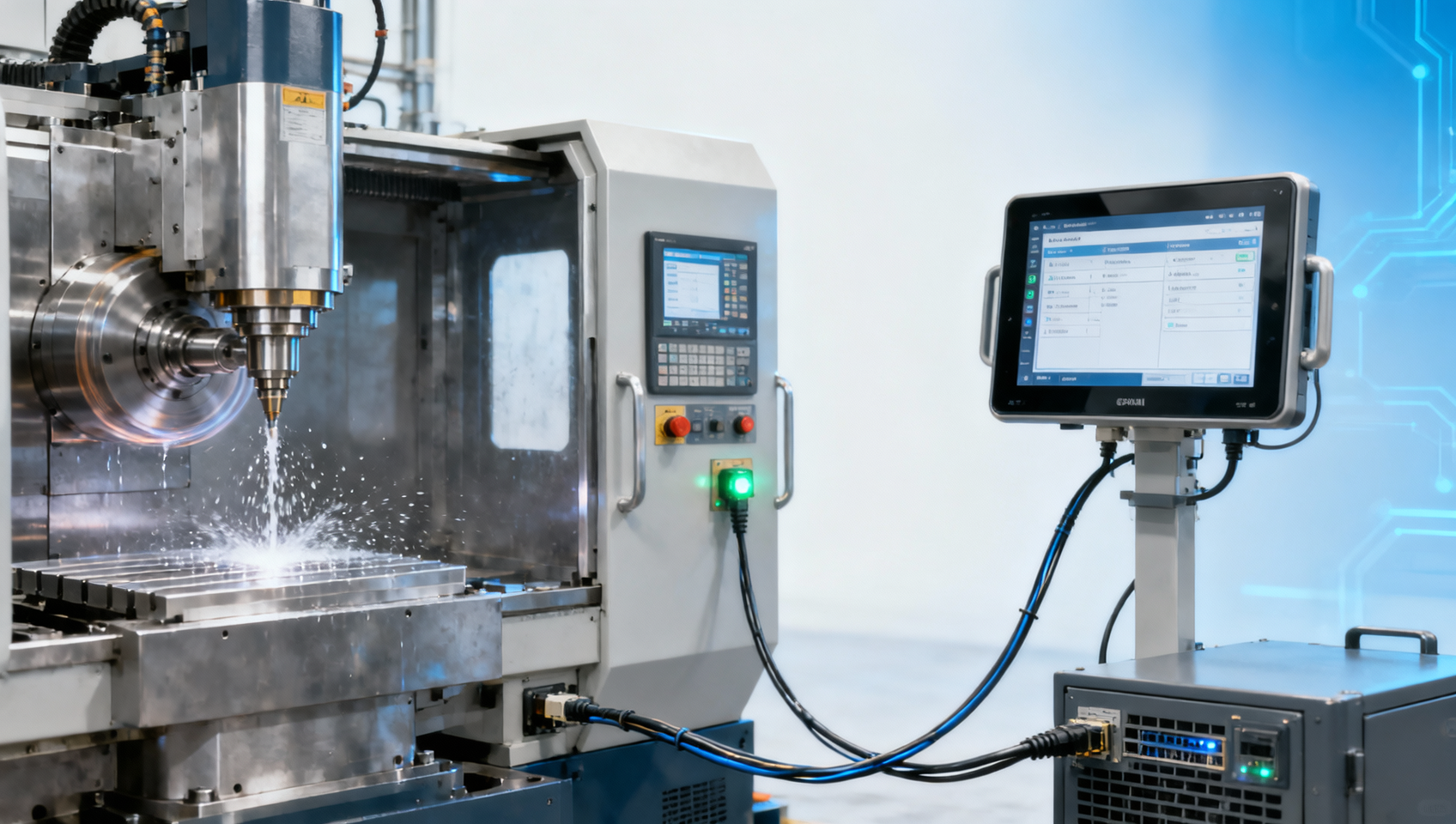
Smart digital manufacturing unifies CNC programming, fixturing, and machine monitoring into a closed-loop workflow. OPC UA–compliant CNC controllers feed real-time spindle load, vibration, and thermal drift data into cloud analytics platforms—triggering automatic feed/speed adjustments or flagging fixture wear before dimensional drift exceeds ±0.015 mm.
For enterprise decision-makers, this means predictive maintenance scheduling (cutting unplanned downtime by 29%), dynamic lot-size optimization (enabling economic batch sizes as low as 12 units), and traceable digital work instructions embedded directly in HMI screens—eliminating paper-based setup checklists prone to human error.
Implementation requires three interoperability layers: (1) machine-side edge gateway (supporting MTConnect or OPC UA PubSub); (2) secure cloud platform with ISO/IEC 27001 certification; and (3) role-based dashboards for operators (real-time alerts), engineers (tool life analytics), and procurement (fixture utilization KPIs).
Making the Right Decision: A Procurement Checklist
When evaluating CNC manufacturing partners or internal upgrades, prioritize measurable outcomes—not just specs. Ask for documented evidence of:
- Fixture reuse rate across ≥5 part families (target: ≥75%)
- Average NC program validation time (benchmark: ≤22 minutes)
- First-time-right (FTR) rate on new aerospace/medical parts (target: ≥91%)
- Time-to-reconfigure modular fixtures (validated via video audit)
- Integration readiness with your existing MES/ERP (e.g., SAP S/4HANA, Oracle Cloud)
Avoid vendors who cannot share anonymized case studies showing quantifiable reductions in programming hours, fixture cost per SKU, or OEE lift over 6–12 months. True cost-effective CNC manufacturing isn’t cheaper—it’s more predictable, more repeatable, and more digitally accountable.
To benchmark your current CNC process against industry best practices—or to request a no-obligation workflow assessment with fixture and programming cost modeling—contact our precision manufacturing solutions team today.
Recommended for You
 Heavy-duty Machining Center for mold making: Why coolant filtration standards evolve faster than OEM manualsMachine Tool Industry Editorial Team
 Quick-change Fixture Design for CNC turning: Why clamping force consistency drops after 200 cyclesCNC Machining Technology Center
 5 Axis Machining for impeller manufacturing: Why toolpath smoothing affects surface fatigue lifeCNC Machining Technology Center
 Lean Production Process implementation: Where value stream mapping fails to expose hidden machine downtimeManufacturing Market Research Center
 Modular Tooling System for flexible manufacturing: Why interface repeatability degrades faster than expectedMachine Tool Industry Editorial Team
 Industrial Automation control system for CNC machines: When cybersecurity updates disrupt scheduled maintenanceMachine Tool Industry Editorial Team

Aris Katos
Future of Carbide Coatings
15+ years in precision manufacturing systems. Specialized in high-speed milling and aerospace grade alloy processing.
▶
5 Axis Machining for impeller manufacturing: Why toolpath smoothing affects surface fatigue lifeCNC Machining Technology Center▶
Efficient Machining Process for aluminum alloys: Why chip evacuation defines success more than feed rateCNC Machining Technology Center▶
Multi-axis machine tool: When kinematic error mapping exposes hidden geometry driftCNC Machining Technology Center▶
CNC manufacturing for automotive industry: Why batch size flexibility now outweighs top speedCNC Machining Technology Center▶
Cost-effective CNC manufacturing: How hidden programming and fixturing costs erode marginsCNC Machining Technology Center
Mastering 5-Axis Workholding Strategies
Join our technical panel on Nov 15th to learn about reducing vibrations in thin-wall components.

Providing you with integrated sanding solutions
Before-sales and after-sales services
Comprehensive technical support