• Global CNC market projected to reach $128B by 2028 • New EU trade regulations for precision tooling components • Aerospace deman
NYSE: CNC +1.2%LME: STEEL -0.4%

Why Electronics Parts Need Specialized CNC Manufacturing
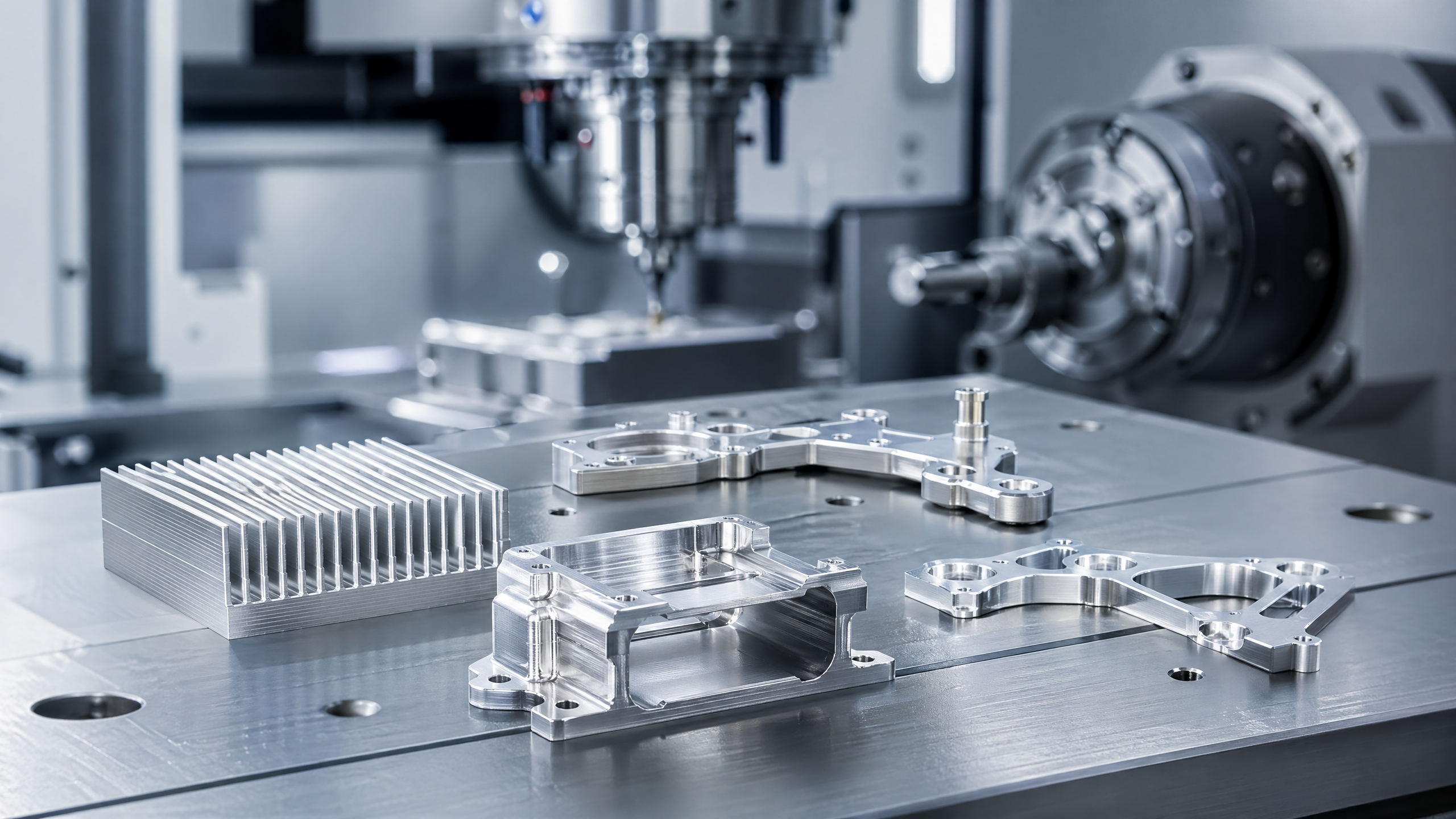
Why do electronics parts demand specialized CNC manufacturing? In electronics production, high precision CNC manufacturing, multi-axis CNC manufacturing, and automated CNC manufacturing are essential for tiny, complex components with tight tolerances. From CNC manufacturing for electronics to compact machine tool solutions, manufacturers need cost-effective, energy-saving, and quick setup CNC manufacturing to ensure speed, consistency, and reliable quality.
For research teams, machine operators, buyers, and business evaluators, this is not only a technical topic but also a practical sourcing and production issue. Electronics parts are often smaller than 50 mm, require tolerances as tight as ±0.005 mm, and must fit into fast-moving supply chains where lead times can range from 7 days for prototypes to 4 weeks for batch delivery.
Unlike general industrial components, electronics housings, connector bodies, heat sinks, shielding parts, sensor mounts, and micro-structural brackets involve thin walls, delicate edges, and strict surface quality. Specialized CNC manufacturing helps control burrs, thermal distortion, tool wear, and repeatability, all of which directly affect assembly yield and long-term product reliability.
Why Electronics Components Are Different from General Machined Parts
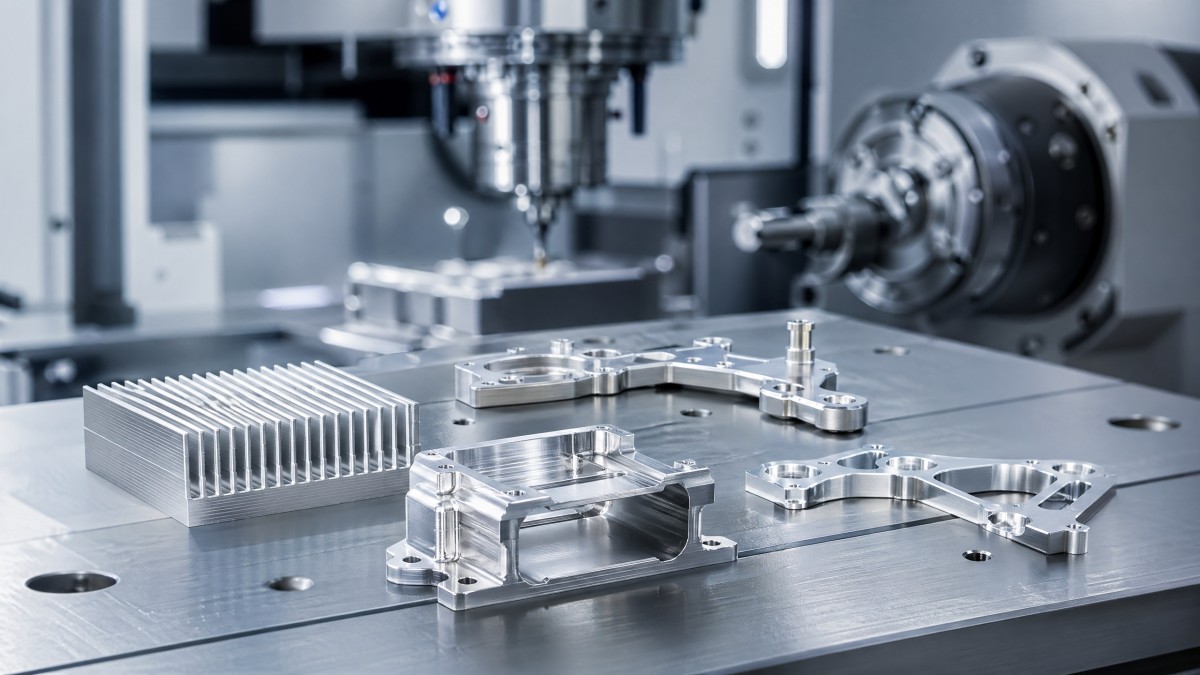
Electronics components usually combine three difficult requirements at once: small size, high dimensional accuracy, and large-volume consistency. A bracket used in an industrial control board may only be 20–40 mm long, yet its mounting holes may require positional accuracy within ±0.01 mm. If one feature drifts, assembly stress can affect connectors, PCB alignment, or thermal contact.
Material selection also increases complexity. Electronics manufacturers often machine aluminum alloys, brass, copper, stainless steel, engineering plastics, and thermally conductive materials. Each behaves differently during cutting. Copper can create built-up edge, thin-wall aluminum can deform under clamping, and plastics may expand when heat is not managed properly during long cycle times.
Another difference is cosmetic and functional surface quality. In consumer, telecom, and industrial electronics, visible parts may require Ra 0.8–1.6 μm surface finish, while hidden internal parts still need clean edges and stable flatness for assembly. Burrs as small as 0.02–0.05 mm can interfere with electrical isolation, screw fit, or enclosure sealing.
Tolerance stack-up is especially important when parts are produced in thousands or tens of thousands. A single machining variation might seem minor, but across 4 to 6 mating features, accumulated deviation can reduce line yield. This is why electronics production often requires dedicated tooling strategies, in-process inspection, and machine setups optimized specifically for compact precision parts rather than general-purpose metal cutting.
Typical electronics part characteristics
The table below outlines how electronics parts differ from standard mechanical components in machining priorities and risk points.
The key takeaway is that electronics parts are not simply “small machined parts.” Their scale, material sensitivity, and assembly role make process stability far more important than basic cutting capacity alone.
What Specialized CNC Manufacturing Includes for Electronics Production
Specialized CNC manufacturing for electronics is built around precision, repeatability, and fast changeover. In practice, that usually means compact machining centers, 4-axis or 5-axis machining for complex geometries, high-speed spindles in the 12,000–24,000 rpm range, and fixtures designed for thin or miniature components. These configurations reduce secondary handling and improve feature consistency.
Multi-axis CNC manufacturing is particularly valuable for electronics housings, connector shells, and heat dissipation structures. When a part has side holes, recessed channels, or multi-face features, producing it in 1 or 2 setups instead of 4 or 5 lowers cumulative error. It also shortens production time and reduces the chance of fixture marks on visible surfaces.
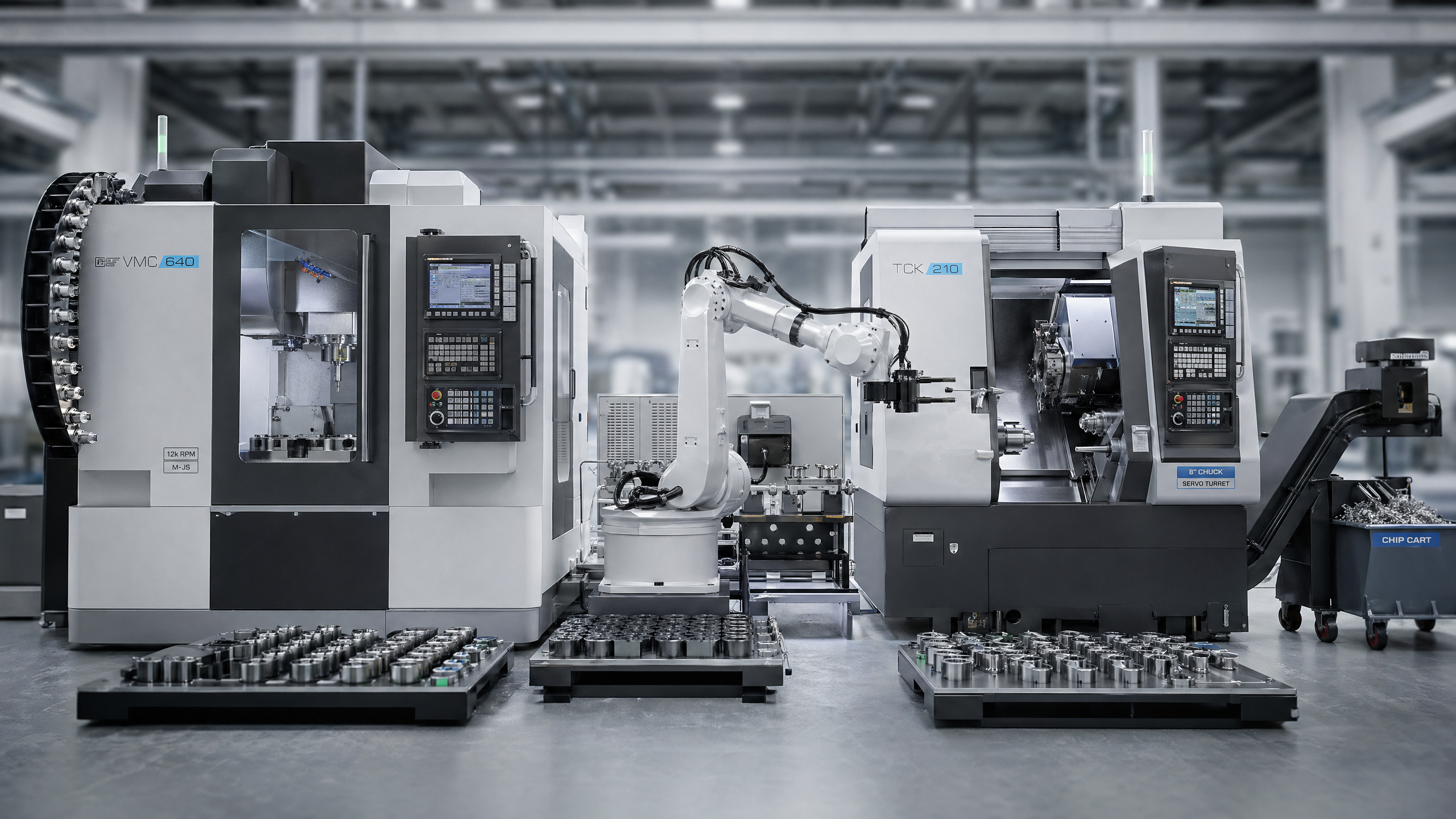
Automated CNC manufacturing adds another layer of control. With robotic loading, pallet systems, or integrated part probing, manufacturers can support medium to high-volume output with better cycle consistency. For runs of 500 to 10,000 pieces, automation often improves machine utilization and reduces dependence on manual repositioning, which is a common source of variation in small parts.
Quick setup capability matters as well. Electronics product cycles move fast, and engineering changes can happen within days. A supplier that can switch fixtures, update programs, and validate first articles within 24–72 hours is better positioned to support NPI, pilot runs, and staged ramp-up production.
Core process elements that add value
- High-speed and high-precision spindle systems for micro-features, fine slotting, and stable finishing on aluminum, brass, and copper.
- Dedicated fixturing that limits clamping distortion on thin-wall parts and improves repeatability across 50, 500, or 5,000-piece batches.
- Tool management plans that define wear offsets, replacement intervals, and material-specific cutting strategies.
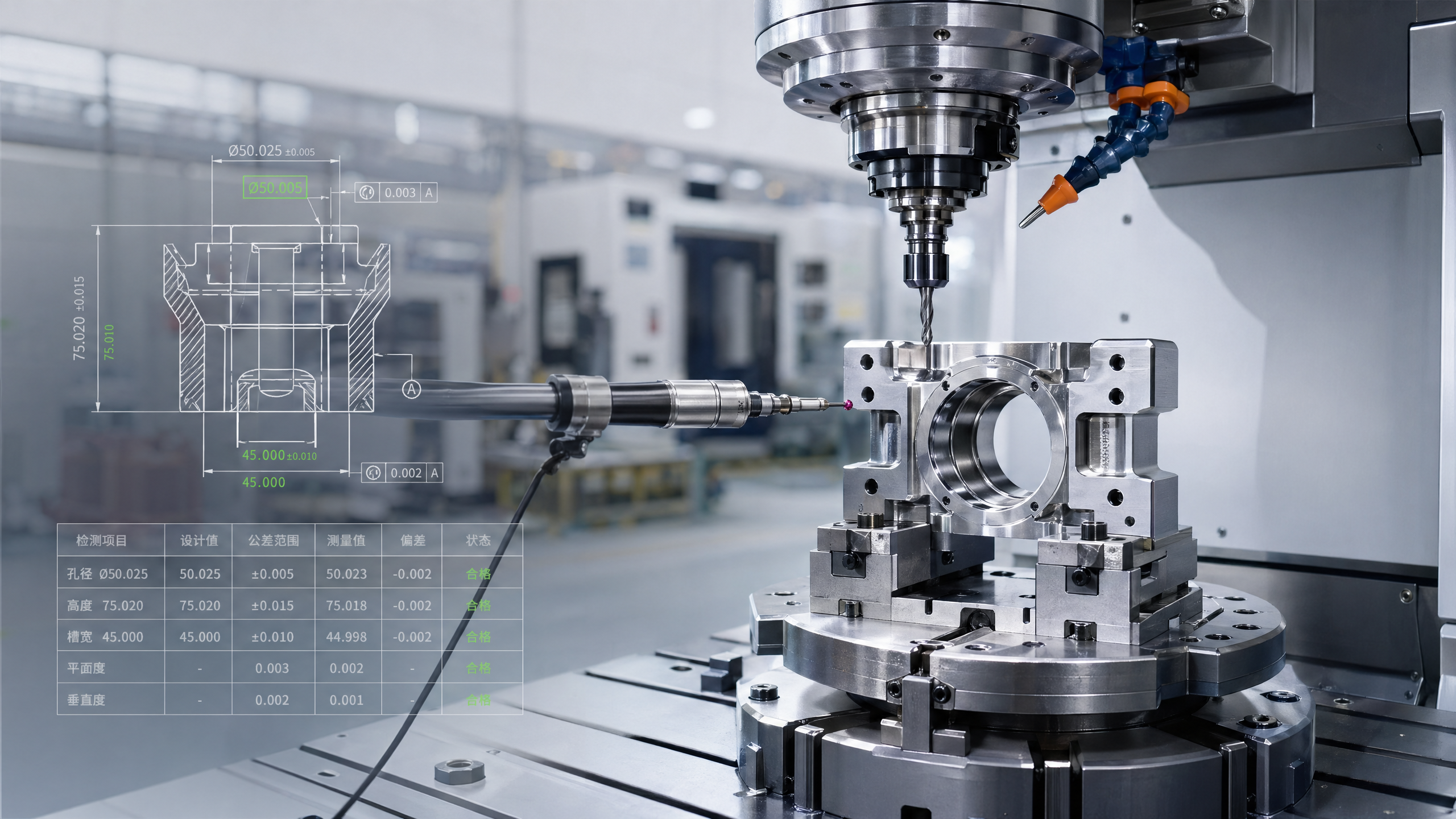
- In-process measurement using probes, gauges, or optical checks to catch deviation before a full lot is affected.
Common machine and process choices
Not every electronics part needs the same machine architecture. The comparison below helps buyers and technical teams align part requirements with manufacturing capability.
The right specialized setup depends on part geometry, annual volume, and change frequency. In electronics manufacturing, flexibility and repeatability often matter more than simply choosing the biggest or fastest machine.
Key Risks in Electronics CNC Manufacturing and How to Control Them
The most common quality risks in CNC manufacturing for electronics are burrs, micro-deformation, thermal growth, misalignment across multiple faces, and cosmetic damage. These issues are often not visible in a rough first-pass inspection, but they create problems later during assembly, coating, or electrical testing.
Thin-wall parts are especially sensitive. When wall thickness falls below 1.0 mm, clamping pressure, tool engagement, and spindle heat can all affect dimensional stability. A process that works for a 5 mm steel bracket may fail completely for a 0.8 mm aluminum shielding frame. Specialized CNC workflows use lower cutting force strategies, staged finishing, and fixture support close to the cutting area.
Another major issue is tool wear management. In high-volume production, even a slight edge degradation can push a hole diameter or slot width out of specification after 200, 500, or 1,000 cycles. For precision electronics parts, preventive tool replacement is often more economical than running tools to full life and sorting nonconforming parts later.
Cleanliness and secondary process compatibility should also be checked early. If a machined part will be anodized, plated, laser marked, or assembled near sensitive electronic elements, chips, embedded burrs, or residual coolant can become downstream quality risks. That is why process planning should include deburring, cleaning, and packaging requirements, not just the machining program.
Risk control checklist for operators and quality teams
- Confirm critical tolerances and datum references before programming, especially on multi-face parts with 3 or more key mounting features.
- Match fixturing force to material and wall thickness; for 0.5–1.5 mm structures, avoid excessive clamping that can distort the final shape.
- Set tool life control rules based on material behavior and surface demands, not only on cycle count.
- Use first-article inspection and in-process checks at defined intervals, such as every 20, 50, or 100 pieces depending on batch size.
- Verify deburring, cleaning, and packaging standards before shipment to reduce assembly-line defects.
Common mistakes during sourcing or production transfer
A frequent mistake is selecting a supplier based only on unit price. For electronics parts, a price difference of 3%–8% may be less important than process capability, setup speed, and lot consistency. Another mistake is using general tolerance drawings for parts that actually require controlled flatness, coaxiality, or burr limits.
Businesses that scale from prototype to mass production should also revalidate the process. A part that performs well in a 20-piece pilot run may behave differently in a 2,000-piece order because heat accumulation, fixture wear, and tool drift become more significant over longer production windows.
How Buyers and Business Evaluators Should Select a CNC Manufacturing Partner
For procurement teams and commercial evaluators, supplier selection should combine technical capability with delivery and communication performance. The first question is whether the manufacturer has proven experience with electronics-grade precision parts, not just general machining capacity. Ask how they handle tolerances below ±0.01 mm, multi-face parts, and thin-wall components in repeat production.
The second focus should be process responsiveness. In electronics, design revisions, pilot schedules, and forecast changes happen frequently. A practical supplier should be able to provide DFM feedback within 24–48 hours, prepare samples in 3–7 days for simpler parts, and clearly explain what extends lead time, such as custom fixtures, material sourcing, or secondary finishes.
Third, evaluate inspection and traceability discipline. Even when no special certification is requested, it is reasonable to ask how dimensions are checked, what critical features are tracked, and how nonconforming parts are isolated. For batches above 500 pieces, traceability by lot, setup, or tool-life stage can significantly reduce quality dispute risk.
Finally, consider total operational fit. Cost-effective CNC manufacturing does not always mean the lowest quote. Energy-saving equipment, compact machine tool layouts, and quick setup practices can lower total cost through shorter lead time, fewer rejected parts, and more stable output over repeated orders.
Practical supplier evaluation matrix
The following table can be used during RFQ review or supplier comparison meetings.
This matrix helps separate capable precision suppliers from general machining vendors. For electronics programs, stable process control and communication speed usually create more value than a narrow focus on initial piece price.
Questions buyers should ask before placing an order
- Which features are considered critical and how are they measured during production?
- How many setups are needed, and can a 4-axis or 5-axis route reduce handling risk?
- What is the expected lead time for prototype, pilot, and repeat batch orders?
- How are burr control, cleaning, and packaging handled for electronics applications?
Implementation Trends: Automation, Energy Efficiency, and Faster Ramp-Up
The broader CNC machine tool industry is moving toward higher automation, digital integration, and better energy performance, and electronics manufacturing is one of the clearest beneficiaries. Compact automated cells are increasingly used for small precision parts because they combine stable output with a smaller floor footprint, making them practical for both specialized workshops and smart factory environments.
Energy-saving CNC manufacturing is becoming more relevant in sourcing decisions. Machines with efficient spindle control, standby power management, and optimized coolant systems can reduce operating cost over long production runs. While energy usage varies by machine size and cycle profile, even moderate reductions become meaningful when a line runs 16–24 hours per day across multiple shifts.
Digital process monitoring also supports faster ramp-up. When machine data, inspection checkpoints, and tool-life records are connected, manufacturers can identify drift earlier and stabilize new jobs more quickly. In practical terms, this can shorten the transition from first sample approval to repeatable batch output from several weeks to a more controlled 1–2 week validation window for many standard electronics components.
Global supply networks are another factor. Strong machine tool and precision manufacturing clusters in China, Germany, Japan, and South Korea continue to shape sourcing options for electronics brands and OEM suppliers. For buyers, this means the decision is no longer only about country of origin, but about process fit, communication efficiency, and the ability to support international delivery expectations.
FAQ for sourcing and operations teams
How do I know if a part needs specialized CNC manufacturing?
If the part includes tolerances tighter than ±0.02 mm, wall thickness below 2 mm, multiple machined faces, fine surface requirements, or repeat volumes above 500 pieces, specialized CNC manufacturing is usually justified. These factors increase the need for process control, fixture quality, and inspection discipline.
What lead time is typical for electronics CNC parts?
For simple prototype parts, 3–7 days is common when material is available. For complex parts with custom fixtures, multiple setups, or finishing steps, 2–4 weeks is a more realistic planning range for initial batch delivery. Repeat orders are often faster once the process is validated.
Is multi-axis machining always necessary?
No. A 3-axis precision setup is often enough for flat plates, simple brackets, and straightforward housings. Multi-axis machining becomes more valuable when the part has angled features, side holes, recessed geometry, or requires fewer setups to protect accuracy and surface appearance.
What should operators watch most closely during production?
The main points are tool wear, clamping stability, burr condition, temperature-related drift, and first-off versus in-process dimension trends. For small precision electronics parts, checking only at the beginning and end of a shift is often not enough; planned interval checks provide better process control.
Electronics parts require specialized CNC manufacturing because the margin for error is small and the cost of inconsistency is high. High precision CNC manufacturing, multi-axis capability, compact machine tool solutions, and automated CNC manufacturing together create the control needed for miniature features, tight tolerances, clean finishes, and dependable batch repeatability.
Whether you are researching production methods, operating machining processes, comparing suppliers, or evaluating sourcing strategy, the best results come from matching part requirements to the right manufacturing approach. If you need support with CNC manufacturing for electronics, prototype planning, or supplier evaluation, contact us to get a tailored solution, discuss technical details, and explore more precision manufacturing options.
PREVIOUS ARTICLE
Recommended for You
 How to Choose a Space-Saving CNC Manufacturing SetupCNC Machining Technology Center
![]() What to Check Before Using a CNC Manufacturing WholesalerGlobal Machine Tool Trade Research Center
What to Check Before Using a CNC Manufacturing WholesalerGlobal Machine Tool Trade Research Center Why Precision CNC Manufacturing Fails Tolerance GoalsCNC Machining Technology Center
 Is CNC Manufacturing for Energy Equipment Worth the CostManufacturing Market Research Center
![]() How Low Maintenance CNC Manufacturing Cuts DowntimeMachine Tool Industry Editorial Team
How Low Maintenance CNC Manufacturing Cuts DowntimeMachine Tool Industry Editorial Team How to Compare One CNC Manufacturing Factory to AnotherManufacturing Market Research Center


Aris Katos
Future of Carbide Coatings
15+ years in precision manufacturing systems. Specialized in high-speed milling and aerospace grade alloy processing.
▶
Why Precision CNC Manufacturing Fails Tolerance GoalsCNC Machining Technology Center▶
Why Electronics Parts Need Specialized CNC ManufacturingCNC Machining Technology Center▶
Why Aerospace CNC Manufacturing Demands More Than AccuracyCNC Machining Technology Center▶
How High Precision CNC Manufacturing Supports Tight FitsCNC Machining Technology Center▶
Precision CNC Manufacturing: Tolerances You Can Expect in 2024CNC Machining Technology Center
Mastering 5-Axis Workholding Strategies
Join our technical panel on Nov 15th to learn about reducing vibrations in thin-wall components.

Providing you with integrated sanding solutions
Before-sales and after-sales services
Comprehensive technical support