• Global CNC market projected to reach $128B by 2028 • New EU trade regulations for precision tooling components • Aerospace deman
NYSE: CNC +1.2%LME: STEEL -0.4%

How to Vet a CNC Manufacturing Exporter for Overseas Orders
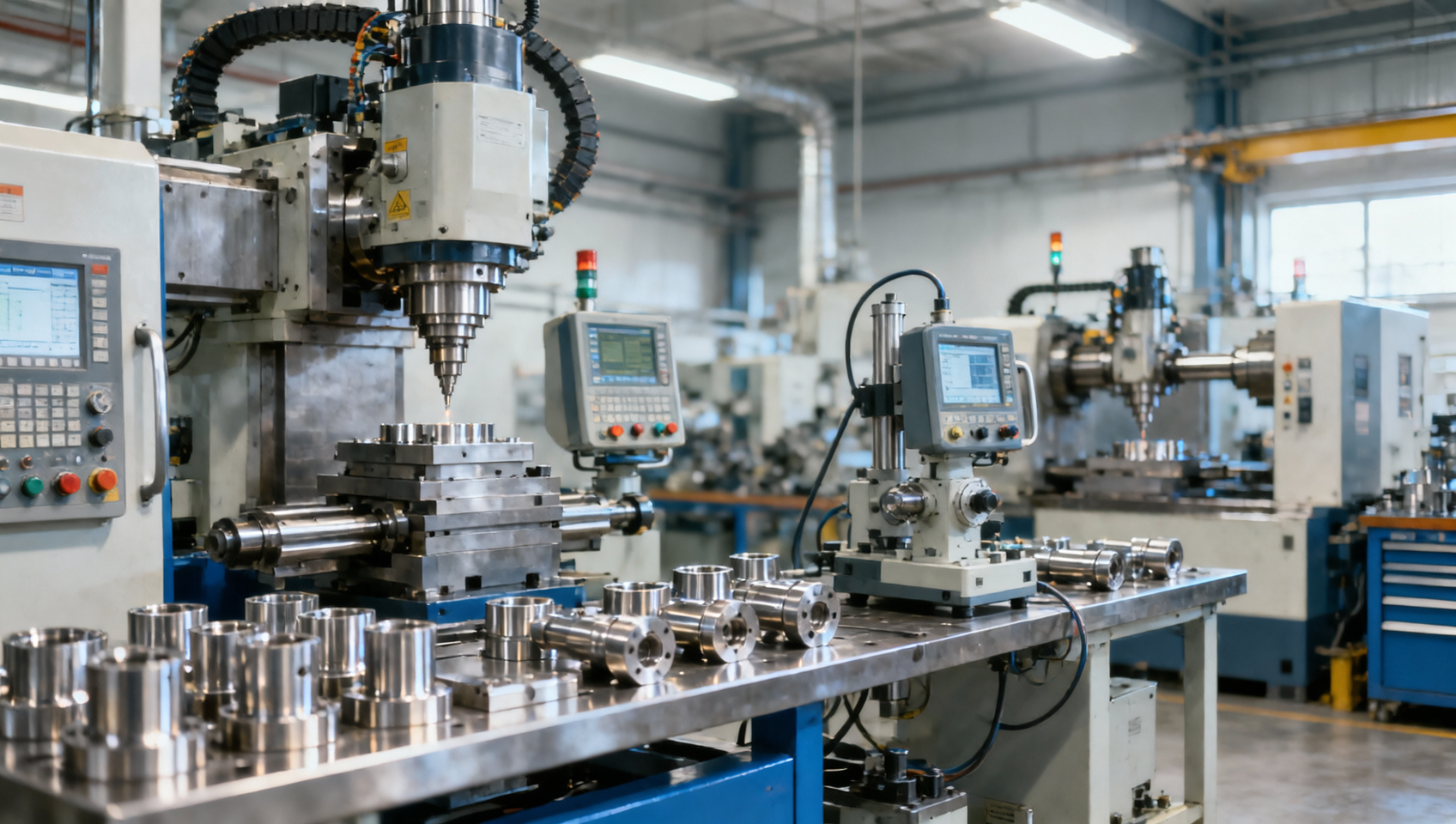
Choosing the right CNC manufacturing exporter is critical for overseas buyers seeking high precision CNC manufacturing, reliable delivery, and cost-effective machine tool solutions. Whether you source from a CNC manufacturing factory, a CNC machine tool manufacturer, or a machine tool wholesaler, careful vetting helps reduce risk and ensures long-term value for automotive, aerospace, electronics, and energy equipment applications.
For most overseas buyers, the core question is simple: can this exporter consistently deliver the parts, machines, or assemblies you need at the required quality level, on time, and without creating hidden commercial or compliance risks? The best way to answer that is not by comparing price alone, but by checking technical capability, export experience, quality systems, communication discipline, and after-sales support together.
What overseas buyers should verify first
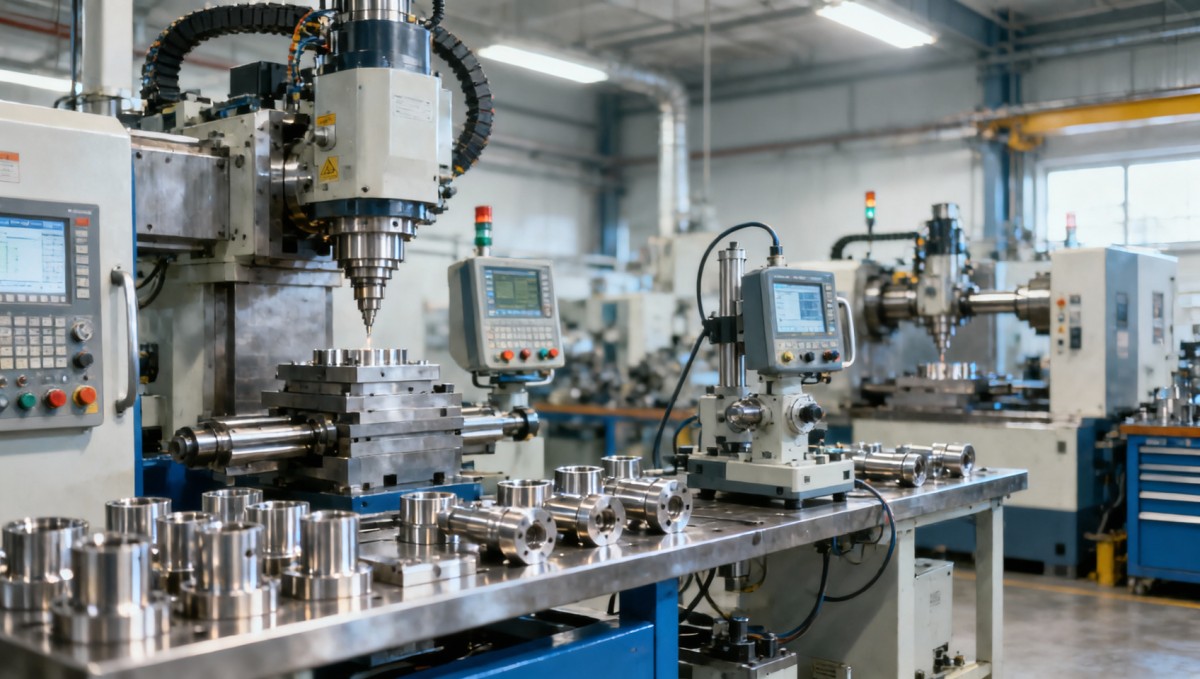
If you are evaluating a CNC manufacturing exporter for international orders, start with the factors that have the biggest effect on delivery success and total procurement risk.
First, confirm what the company actually does. Some suppliers are true CNC manufacturing factories with in-house production. Others are trading companies, integrators, or machine tool wholesalers that coordinate multiple subcontractors. Neither model is automatically bad, but you need transparency. If the supplier claims to be a CNC machine tool manufacturer or precision machining exporter, ask which processes are owned internally and which are outsourced.
Second, check whether their capability matches your application. A supplier that performs well for general industrial parts may not be suitable for aerospace components, tight-tolerance electronics housings, or energy equipment parts that require material traceability and strict process control. Look for evidence of work similar to your own product type, tolerance range, material, volume, and inspection requirements.
Third, evaluate export readiness, not just manufacturing strength. A factory may be technically capable but still weak at overseas documentation, Incoterms handling, packaging for sea freight, customs requirements, spare parts support, or multilingual communication. For international orders, these export-side details matter just as much as machining accuracy.
How to assess real manufacturing capability
One of the most common mistakes buyers make is relying on a polished website, a catalog, or a broad product list. Real CNC manufacturing capability should be checked through evidence.
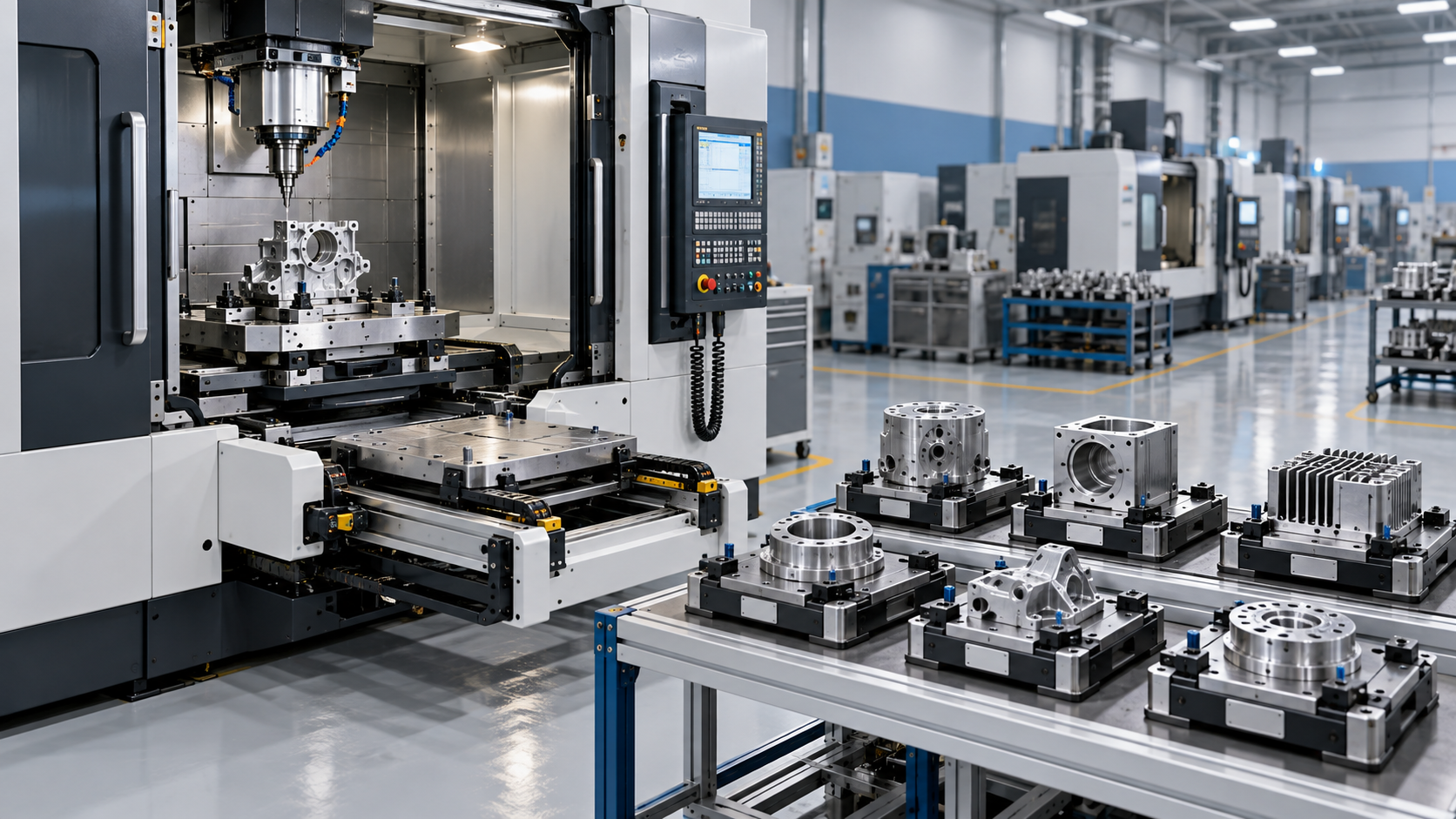
Review the machine list and process range. Ask for details on CNC lathes, machining centers, multi-axis machines, grinding, EDM, heat treatment coordination, surface finishing, and assembly capabilities. If your part requires 5-axis machining, automated inspection, or complex fixture design, the exporter should be able to explain how that work is managed.
Ask about tolerances and critical dimensions. A reliable supplier should be able to state what tolerance levels they commonly achieve, on which materials, under what process conditions, and how those dimensions are inspected. Be cautious if answers remain vague or overly sales-driven.
Request sample cases or production records. Good exporters can usually share redacted case studies, sample inspection reports, process flow charts, or photos and videos from relevant production lines. For machine tool exporters, request references to installed equipment, application examples, and customer industries.
Check production scalability. Some suppliers are strong in prototyping but weak in repeat production. Others are built for volume but not for engineering changes. Ask how they handle pilot runs, batch consistency, tooling updates, preventive maintenance, and schedule planning during peak periods.
Which quality controls matter most for international CNC orders
For procurement teams and decision-makers, quality assurance is often the dividing line between a low-cost order and an expensive failure. A credible CNC manufacturing exporter should be able to show how quality is built into the process, not just inspected at the end.
Look at the quality management system. Certifications such as ISO 9001 are useful, but they are only a starting point. For certain industries, additional standards may matter, such as aerospace, automotive, or medical-related requirements. More importantly, ask how the quality system is implemented in daily operations.
Verify incoming, in-process, and final inspection. Important questions include:
- How are raw materials verified?
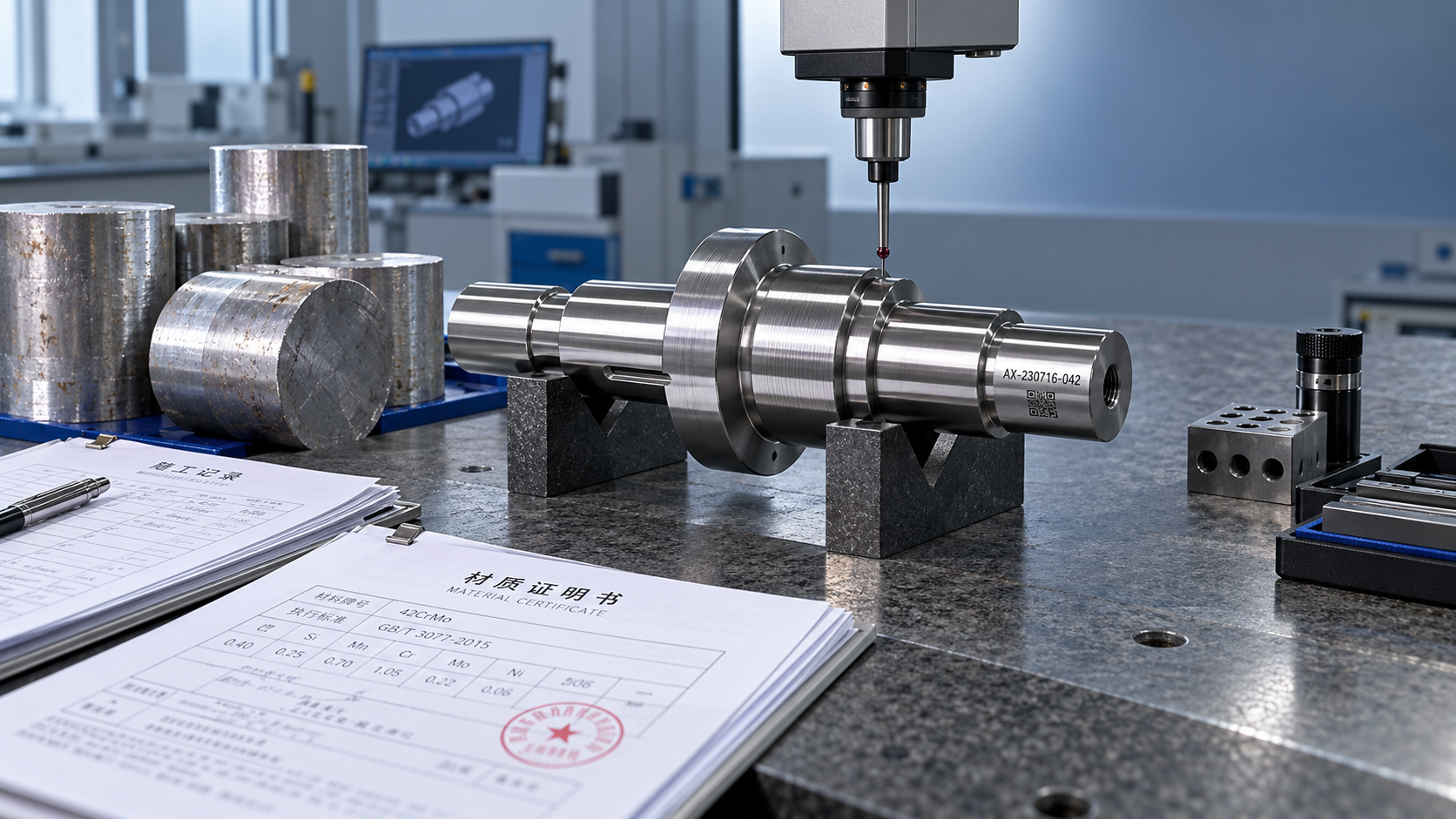
- Is material traceability available?
- What measuring equipment is used?
- Are first article inspections documented?
- How are nonconforming parts handled?
- Can inspection reports be provided with each shipment?
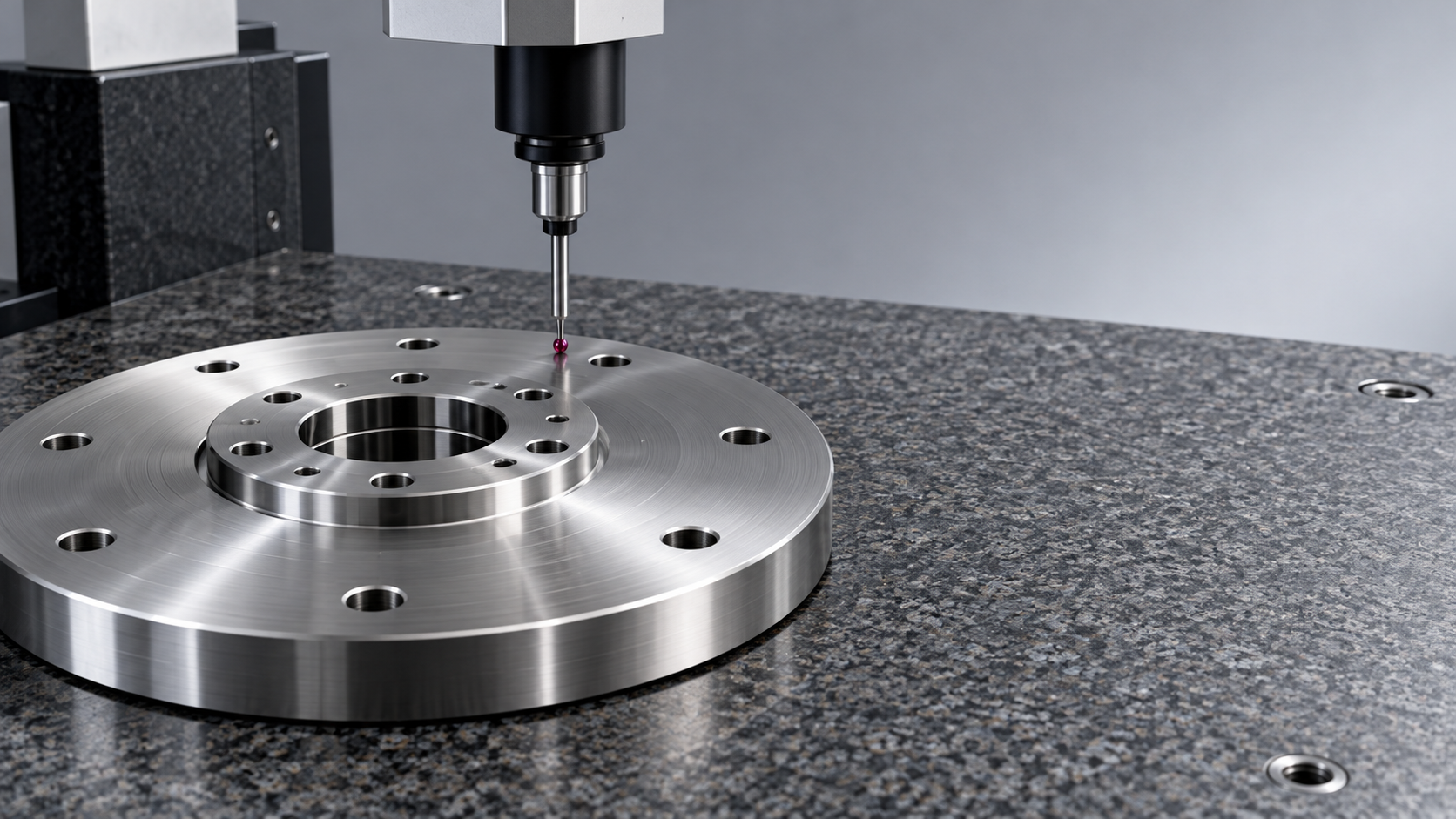
Confirm metrology capability. For precision machining, the exporter should be able to explain use of CMMs, height gauges, micrometers, optical measurement, surface roughness testing, and calibration practices where relevant. If tolerances are tight, measurement discipline is not optional.
Ask how process stability is maintained. Quality problems in overseas orders often come from batch inconsistency, tool wear, operator variation, and undocumented process changes. A strong exporter will have controls for setup approval, tool life management, work instructions, and revision control.
How to check exporter reliability beyond price and promises
Even technically capable suppliers can become risky partners if they lack business reliability. Overseas buyers should assess whether the exporter can support long-term cooperation, not just one successful quotation.
Review communication quality early. Fast replies are helpful, but clarity matters more. Does the supplier answer technical questions directly? Do they identify risks in your drawings or specifications? Do they confirm assumptions before quoting? Strong communication is often a leading indicator of strong project execution.
Examine quotation transparency. A professional quote should clearly define scope, material, tolerances, surface treatment, inspection, packaging, lead time, tooling charges, MOQ, payment terms, and shipping assumptions. Hidden ambiguity often becomes a dispute later.
Check export documentation capability. Depending on the product and destination, you may need commercial invoices, packing lists, certificates of origin, inspection documents, compliance declarations, or machine manuals. If the supplier exports CNC machines or integrated production equipment, after-sales documents and spare parts lists are especially important.
Evaluate logistics and packaging readiness. Precision machine tools and CNC machined parts can be damaged by poor rust prevention, weak crate design, or insufficient shock protection. Ask how the exporter prepares goods for sea freight, air freight, or long-distance warehousing.
Investigate commercial stability. Buyers should also verify business licenses, export registrations where applicable, years in operation, major markets served, and whether the supplier has experience with customers in your region. A factory that regularly exports to Europe, North America, the Middle East, or Southeast Asia is more likely to understand destination-specific expectations.
Questions procurement teams should ask before placing an order
A structured supplier review usually reveals more than a general company introduction. These questions help procurement teams, engineers, and managers make a practical decision.
- Which production steps are completed in-house, and which are outsourced?
- What similar projects have you completed for overseas customers?
- What are your standard lead times for samples and mass production?
- How do you control dimensional consistency across batches?
- What inspection reports can you provide with shipment?
- How do you manage engineering changes after order confirmation?
- What is your process for handling quality complaints or warranty claims?
- What Incoterms do you commonly support?
- How do you package parts or machines for export transport?
- Can you provide customer references, audit records, or factory videos?
If the exporter gives clear, specific, and consistent answers, that is a positive sign. If answers are evasive, contradictory, or purely promotional, treat that as a warning.
Red flags that suggest a CNC exporter may not be suitable
Many supplier risks are visible before the first order is placed. Watch for these common red flags:
- Prices far below market without a credible explanation
- Unclear identity as manufacturer versus trader
- No evidence of similar export projects
- Weak technical responses to drawings or specifications
- Reluctance to share quality documents or process details
- Inconsistent lead times or changing commercial terms
- No defined after-sales or complaint-handling process
- Poor English communication on technical topics
- Overpromising on tolerance, volume, and delivery simultaneously
These issues do not always mean the supplier is dishonest, but they often indicate limited operational maturity. For overseas orders, that can become costly very quickly.
A practical vetting process for decision-makers and sourcing teams
If you want a repeatable way to vet a CNC manufacturing exporter, use a staged approach instead of making a decision from quotes alone.
Step 1: Initial screening. Review company profile, capabilities, certifications, export markets, and response quality.
Step 2: Technical review. Share drawings or specifications under NDA if necessary, then evaluate manufacturability feedback, tolerance understanding, and process recommendations.
Step 3: Commercial review. Compare quotation structure, payment terms, lead times, tooling assumptions, and logistics conditions.
Step 4: Factory verification. Conduct a remote audit, video walkthrough, third-party inspection, or on-site visit if the project value justifies it.
Step 5: Trial order. Start with samples, prototypes, or a controlled first batch to test quality consistency, communication, packaging, and shipping execution.
Step 6: Performance review. Assess on-time delivery, defect rates, responsiveness, corrective actions, and total cost of ownership before scaling up.
This process helps both procurement teams and business leaders reduce risk while identifying exporters that can support long-term production or machine tool supply needs.
Final takeaway: choose the exporter that reduces risk, not just unit cost
The best CNC manufacturing exporter for overseas orders is not necessarily the one with the lowest quote. It is the supplier that can prove technical capability, maintain quality consistency, communicate clearly, manage export requirements, and support your business after shipment.
For buyers in automotive, aerospace, electronics, energy equipment, and broader industrial manufacturing, the right vetting process should focus on evidence: real machine capability, quality control discipline, export experience, documentation readiness, and reliable problem solving. When these elements are verified early, you are far more likely to secure stable supply, predictable lead times, and better long-term value.
In short, if you want to vet a CNC manufacturing factory, CNC machine tool manufacturer, or machine tool wholesaler effectively, look beyond catalogs and pricing. Test capability, verify process control, and confirm exporter maturity. That is what turns an overseas supplier into a dependable manufacturing partner.
Recommended for You
![]() Mitsubishi Electric Announces Physical AI System Linking Humanoid Robots and CNC MachinesMachine Tool Industry Editorial Team
 Precision Machining for Defense: Supplier Quality and Traceability ChecksManufacturing Market Research Center
![]() Nidec Machine Tool Launches MVR-5X Five-Axis Gantry MachineMachine Tool Industry Editorial Team
 Choosing a Precision Disc Parts Manufacturer in China: Tolerances and Quality ChecksManufacturing Market Research Center
![]() Siemens Executive Says AI Could Raise Factory Automation to 80%Manufacturing Market Research Center
 Choosing Automated Machine Tools for High-Mix, Low-Volume ProductionMachine Tool Industry Editorial Team


Aris Katos
Future of Carbide Coatings
15+ years in precision manufacturing systems. Specialized in high-speed milling and aerospace grade alloy processing.
▶
日本高端机床出口管制生效,五轴CNC审批趋严Global Machine Tool Trade Research Center▶
Japan Tightens Controls on High-End Machine Tool ExportsGlobal Machine Tool Trade Research Center▶
US Proposes 25% Tariff on China CNC Servo DrivesGlobal Machine Tool Trade Research Center▶
US Adds 37 Chinese Machine Tool Firms to Export ListGlobal Machine Tool Trade Research Center▶
US Tightens CNC Export Curbs, Adds 52 China EntitiesGlobal Machine Tool Trade Research Center
▶
Mastering 5-Axis Workholding Strategies
Join our technical panel on Nov 15th to learn about reducing vibrations in thin-wall components.

Providing you with integrated sanding solutions
Before-sales and after-sales services
Comprehensive technical support