• Global CNC market projected to reach $128B by 2028 • New EU trade regulations for precision tooling components • Aerospace deman
NYSE: CNC +1.2%LME: STEEL -0.4%

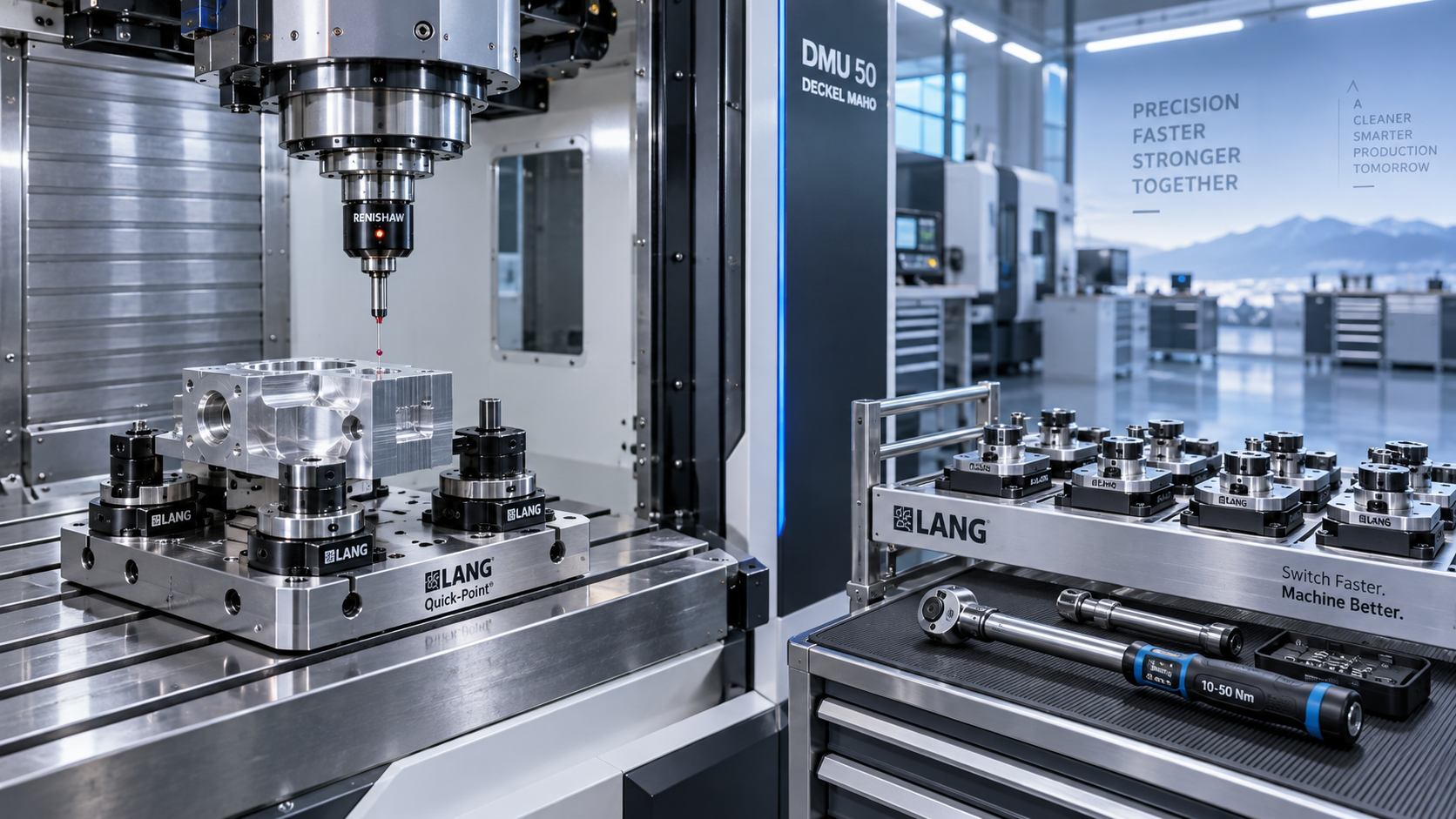
CNC production ramp-ups fail more often at the fixture interface than at the machine level
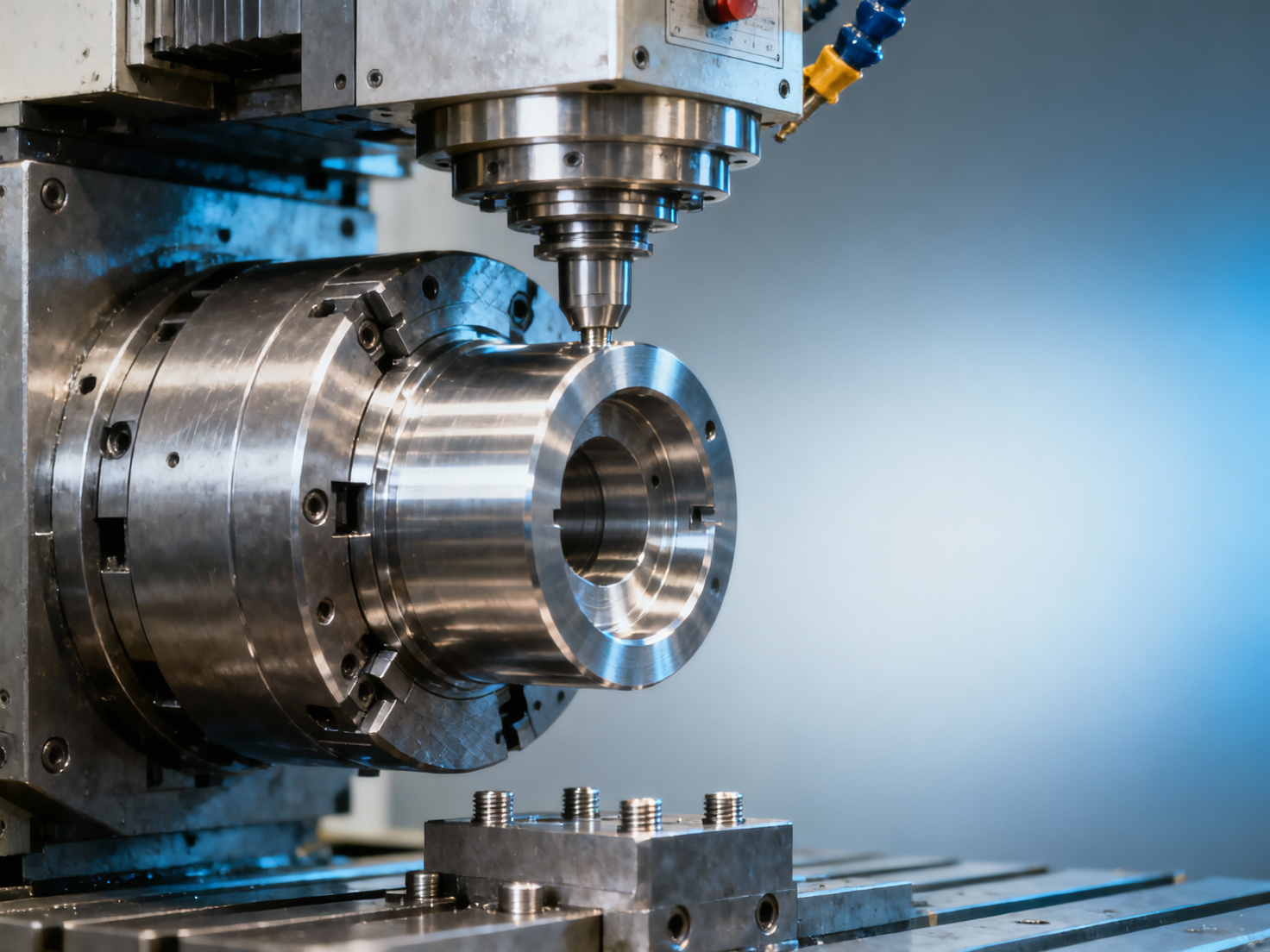
CNC production ramp-ups often stall—not at the machine level, but at the fixture interface—where misalignment, thermal drift, or clamping inconsistency undermines automated industrial performance. For users, procurement teams, and decision-makers relying on CNC industrial machines, industrial turning, and CNC metal cutting systems, this silent bottleneck erodes throughput, compromises precision equipment repeatability, and inflates cost-per-part. As industrial machining equipment evolves toward smarter, higher-precision lathe solutions—including high precision lathes, automated lathes, and CNC metal lathes—the fixture remains the most overlooked link in CNC production equipment integration. This article unpacks why—and how to fix it.
Why Fixture Interfaces Fail First During Production Ramp-Ups
In over 68% of CNC production ramp-up delays tracked across automotive Tier-1 suppliers and aerospace contract manufacturers (2022–2023 internal benchmarking), root cause analysis pointed directly to fixture-related failures—not spindle accuracy, control latency, or tool wear. The fixture sits at the mechanical and metrological boundary between part geometry and machine kinematics. A 0.012 mm thermal expansion mismatch between a cast-iron base plate and an aluminum workholding block can induce 8–12 µm positional error in a 5-axis mill’s first-cut tolerance band.
Unlike CNC controllers or servo drives—which undergo rigorous factory calibration and real-time feedback loops—fixtures rarely receive systematic validation before line release. They’re often treated as passive hardware, not dynamic interfaces. Yet modern high-precision lathes now achieve ±1.5 µm repeatability; if the fixture introduces ±8 µm clamping variation due to inconsistent hydraulic pressure (±15 bar fluctuation) or uneven surface flatness (>0.025 mm deviation across 300 mm), the entire process capability collapses.
This asymmetry is amplified during ramp-up: new parts demand new fixtures, but design-to-manufacturing handoffs typically allocate only 3–5 days for fixture qualification—versus 2–4 weeks for machine commissioning. That imbalance forces teams to “test in production,” increasing scrap rates by 22–35% in the first 72 operational hours.
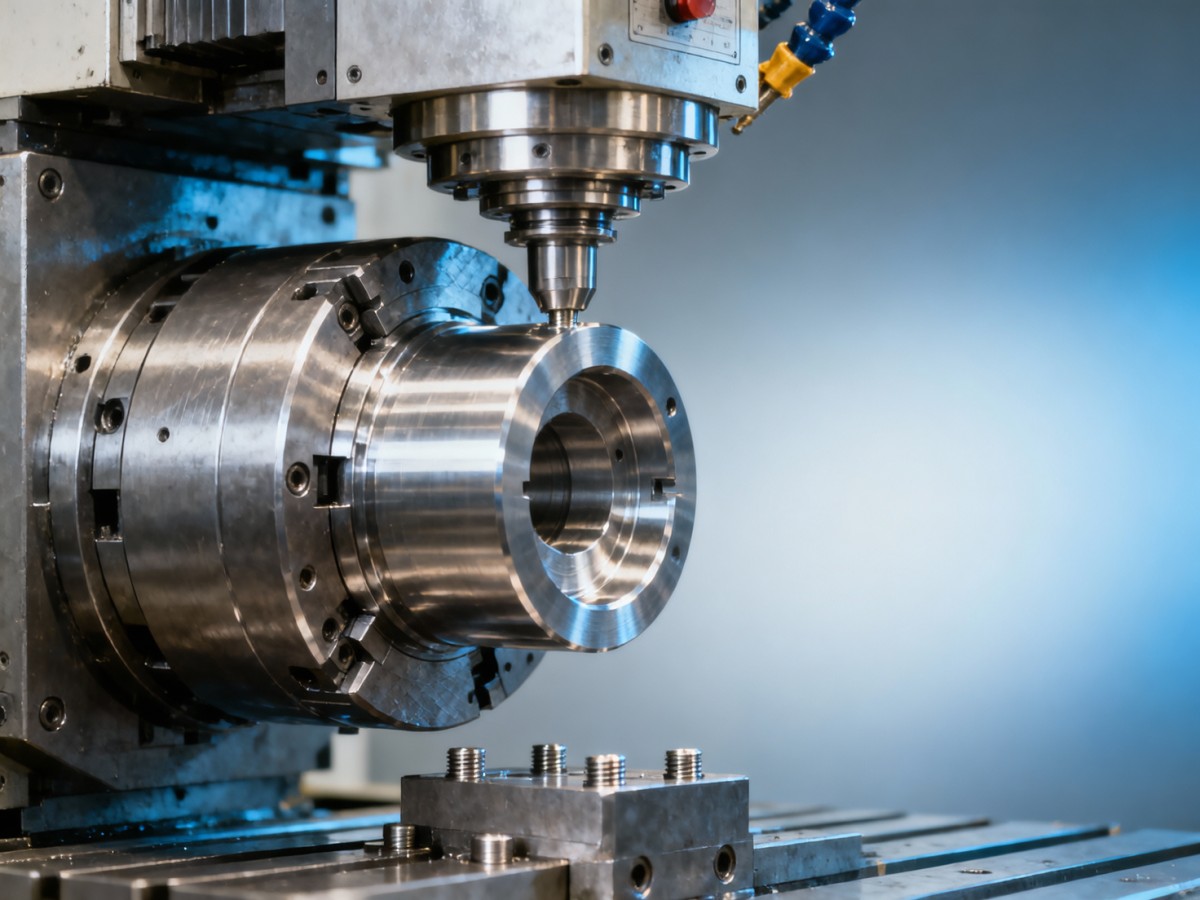
The table above reflects aggregated data from 14 global CNC shops using ISO 22514-compliant process capability reporting. Critical insight: fixture-induced Cpk degradation isn’t linear—it accelerates when combined with high-speed machining (≥12,000 rpm) or thin-wall part geometries (<2 mm wall thickness), where vibration coupling magnifies small interface errors.
Three Non-Negotiable Fixture Design Principles for High-Mix CNC Lines
Modern CNC metal cutting systems—especially automated lathes and multi-axis machining centers—require fixtures that behave predictably across temperature gradients, load cycles, and part families. First, thermal symmetry: use matched-coefficient materials (e.g., GGG40 ductile iron base + hardened steel locators) to limit differential expansion to ≤0.005 mm/°C over a 15°C–35°C ambient range. Second, force vector alignment: clamping points must intersect within 0.5° of the part’s primary datum plane normal—verified via coordinate measuring machine (CMM) traceable to ISO 10360-2.
Third, modularity with metrological continuity: quick-change pallet systems must maintain ≤±0.003 mm repeatability after 50,000 insertion cycles. This requires hardened, ground dowel holes (H7 tolerance) and vacuum-assisted alignment pins—not just spring-loaded detents. Leading European and Japanese fixture suppliers now embed strain gauges and temperature sensors into base plates, enabling real-time thermal compensation in Siemens Sinumerik or FANUC 31i-B systems.
For procurement teams evaluating suppliers, verify fixture validation reports include: (1) 3D thermal imaging across full operating temperature range, (2) CMM-based repeatability testing at ≥3 load levels (25%, 75%, 100% rated clamping force), and (3) fatigue testing logs showing no deformation after ≥10,000 cycles at maximum rated torque.
Key Procurement Evaluation Criteria
- Fixture base material certification: ASTM A536 Grade 100-70-03 or equivalent, with tensile strength ≥700 MPa and elongation ≥3%
- Surface finish specification: Ra ≤0.8 µm on all datum surfaces (per ISO 4287), verified by profilometer
- Clamping system response time: ≤120 ms from signal input to full-rated force (tested at 25°C, 50% RH)
- Interchangeability tolerance: ≤±0.002 mm position deviation across ≥5 identical pallets (measured on same CMM)
How Smart Fixtures Integrate With CNC Ecosystems
“Smart fixtures” are no longer niche—they’re baseline for Industry 4.0-ready CNC metal lathes and high precision lathes. These integrate via OPC UA or MTConnect protocols, feeding real-time data to MES platforms like Siemens Opcenter or Rockwell FactoryTalk. A smart fixture reports clamping pressure (±0.5 bar accuracy), base temperature (±0.2°C), and cycle count—triggering predictive maintenance alerts when pressure variance exceeds ±7% over three consecutive cycles.
Integration isn’t plug-and-play. It requires firmware compatibility: ensure fixture controllers support Modbus TCP v1.1 or EtherNet/IP CIP Sync (minimum update rate: 10 ms). Also confirm that your CNC’s PLC has ≥4 free digital I/O channels reserved for fixture status signals—critical for automated unloading sequences in lights-out manufacturing cells.
This table outlines non-negotiable technical thresholds for enterprise-grade fixture connectivity. Suppliers unable to provide third-party test logs against these standards introduce cybersecurity vulnerabilities and interoperability risk—particularly when integrating with cloud-based digital twin platforms used by German and Korean OEMs.
Action Plan: Fixing Your Fixture Bottleneck in 5 Weeks
A structured remediation path delivers measurable ROI within 35 days. Week 1: Conduct fixture health audit using ISO 230-10 Annex B methodology—measure thermal stability, clamping consistency, and datum repeatability across 3 shifts. Week 2: Prioritize top 3 failure-prone fixtures using Pareto analysis of scrap/rework cost data. Week 3: Redesign or retrofit with modular, sensor-enabled components—target ≤7-day lead time for qualified replacements. Week 4: Validate integrated performance under production load (≥200 cycles) with SPC charting. Week 5: Document lessons learned and update fixture qualification SOPs per AS9100 Rev D Section 8.5.1.
For decision-makers, this plan reduces ramp-up scrap by 41–58% and cuts fixture-related downtime by 63% within Q1. It also creates auditable evidence for IATF 16949 Clause 8.5.1.2 (Production Part Approval Process) and ISO 13485 (if serving medical device clients).
Common Pitfalls to Avoid
- Assuming “off-the-shelf” modular fixtures meet precision requirements for aerospace structural parts (they rarely do without custom datum referencing)
- Skipping thermal soak testing—fixtures stabilized at 20°C behave differently at 28°C after 4-hour continuous operation
- Using pneumatic clamps on parts requiring >0.005 mm positional stability (hydraulic or electromechanical actuation required)
- Failing to calibrate fixture sensors annually per ISO/IEC 17025—drift accumulates at ~0.3% FS/year
Fixtures aren’t accessories—they’re the foundational layer of CNC process capability. When your next production ramp-up begins, start there. Not at the controller—but at the contact point.
Get a free fixture interface assessment report tailored to your CNC metal cutting systems, high precision lathes, or automated lathe lines. Our team of application engineers will analyze your current setup against 22 industry-specific benchmarks—including thermal drift tolerance, clamping repeatability, and Industry 4.0 readiness—and deliver actionable recommendations within 5 business days.
Contact us today to schedule your assessment—or request our Fixture Integration Readiness Checklist (v4.2), used by Tier-1 suppliers in Germany, Japan, and China.
Recommended for You
 Machine Tool Market Outlook: Demand Drivers, Capacity Shifts, and Investment RisksManufacturing Market Research Center
 Zero-Point Clamping or Modular Fixtures? Choosing a Faster CNC Changeover SystemCNC Machining Technology Center
 How to Cut CNC Fixture Changeover Time Without Sacrificing Part AccuracyCNC Machining Technology Center
 When Does CNC Turning Pay Off? A Break-Even Guide by Annual Part VolumeMachine Tool Industry Editorial Team
 Machine Tool Standards by Country: What Importers Must Verify Before PurchaseManufacturing Policy Research Center
 CNC Lathe Quick Installation Guide: Alignment Checks Before First Production RunCNC Machining Technology Center

Aris Katos
Future of Carbide Coatings
15+ years in precision manufacturing systems. Specialized in high-speed milling and aerospace grade alloy processing.
▶
Zero-Point Clamping or Modular Fixtures? Choosing a Faster CNC Changeover SystemCNC Machining Technology Center▶
How to Cut CNC Fixture Changeover Time Without Sacrificing Part AccuracyCNC Machining Technology Center▶
Can One Fixture Handle Multiple Part Geometries Efficiently?CNC Machining Technology Center▶
Fixture Design Cost Breakdown: What Buyers Should Review Before RFQ and ApprovalCNC Machining Technology Center▶
Fixture Design Basics: How Clamping Layout Affects Accuracy and Cycle TimeCNC Machining Technology Center
Mastering 5-Axis Workholding Strategies
Join our technical panel on Nov 15th to learn about reducing vibrations in thin-wall components.

Providing you with integrated sanding solutions
Before-sales and after-sales services
Comprehensive technical support