• Global CNC market projected to reach $128B by 2028 • New EU trade regulations for precision tooling components • Aerospace deman
NYSE: CNC +1.2%LME: STEEL -0.4%

CNC Lathe Quick Installation Guide: Common Setup Mistakes and How to Avoid Them
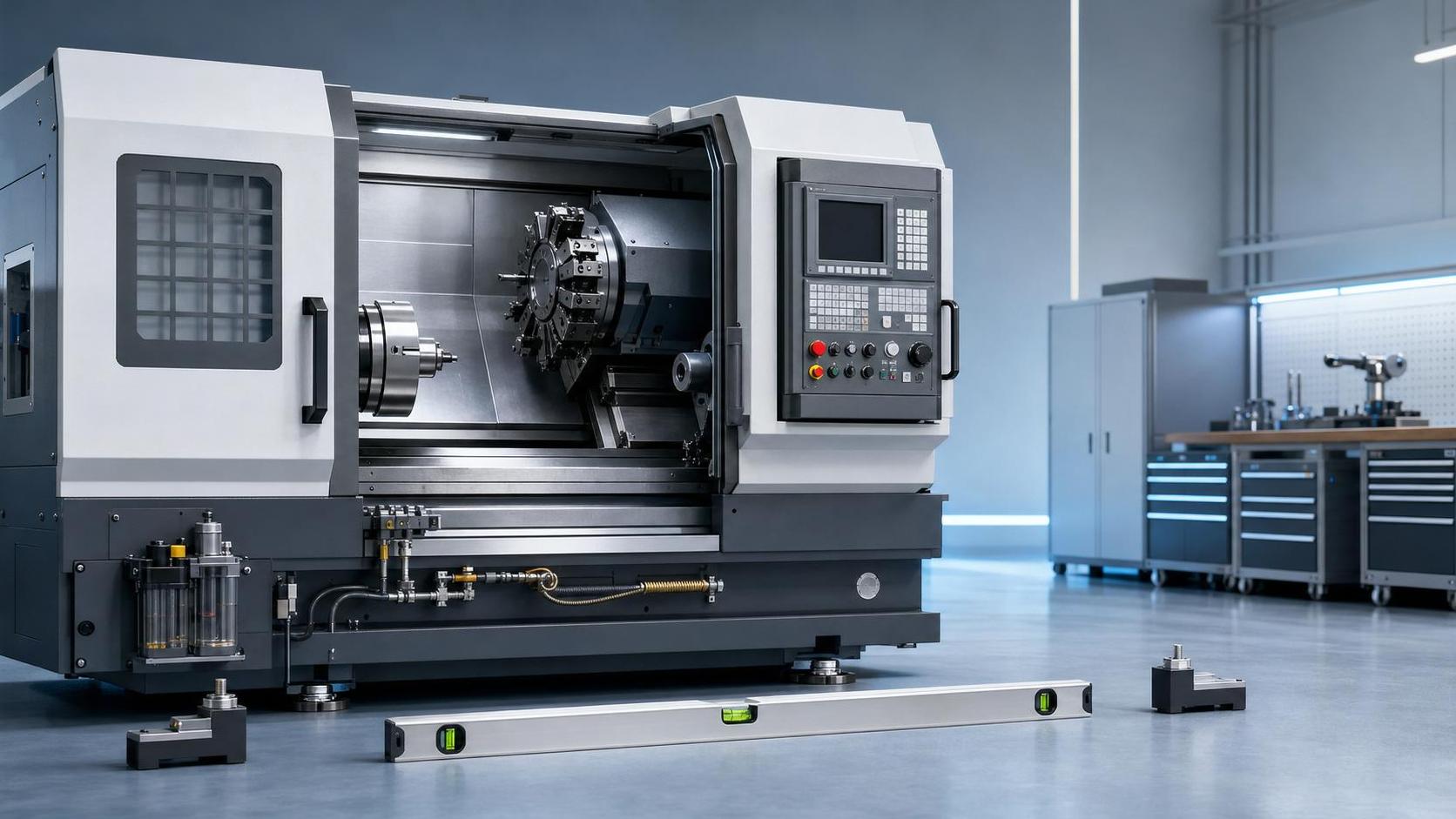
A reliable CNC Lathe Quick Installation Guide matters long before the first part is cut. Installation errors often hide in small details, yet they quickly turn into scrap, vibration, alarms, and lost production time.
That matters across modern manufacturing. Automotive, aerospace, energy equipment, and electronics production all depend on stable machine accuracy, repeatability, and safe startup conditions.
In practice, quick installation does not mean rushed installation. It means following the right checks in the right order, so commissioning stays efficient without creating avoidable problems later.
What should a CNC Lathe Quick Installation Guide actually cover first?
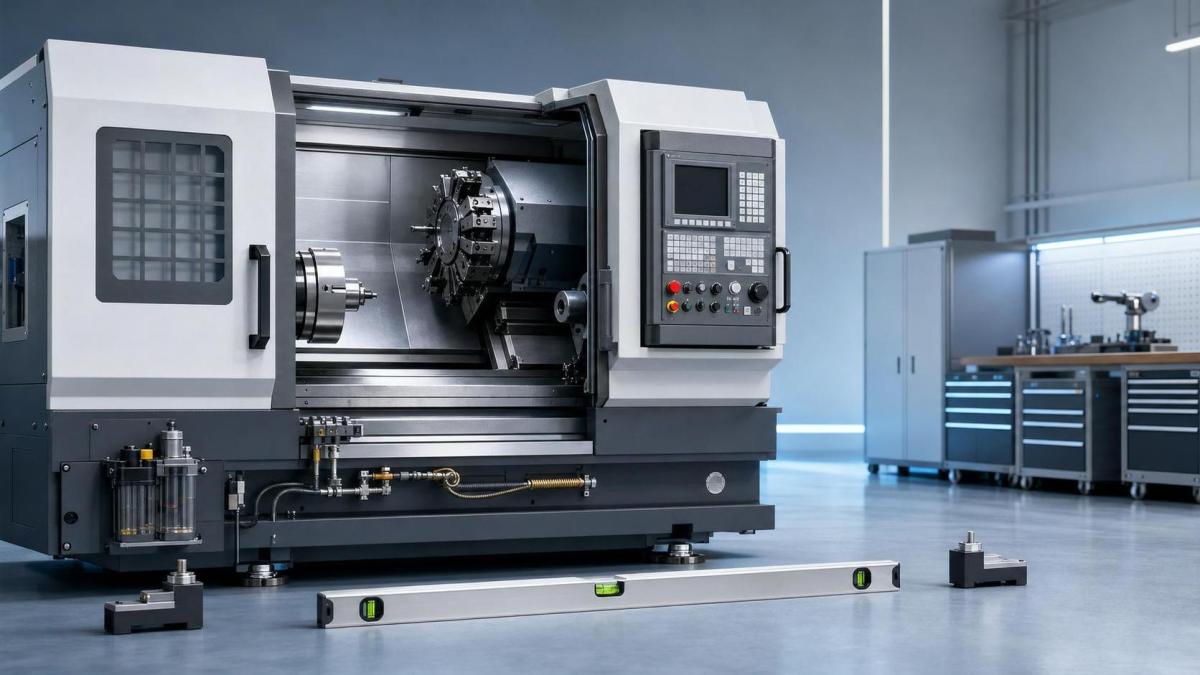
Most searches for a CNC Lathe Quick Installation Guide focus on speed. The better question is what must be verified before power-up, because that stage prevents most startup mistakes.
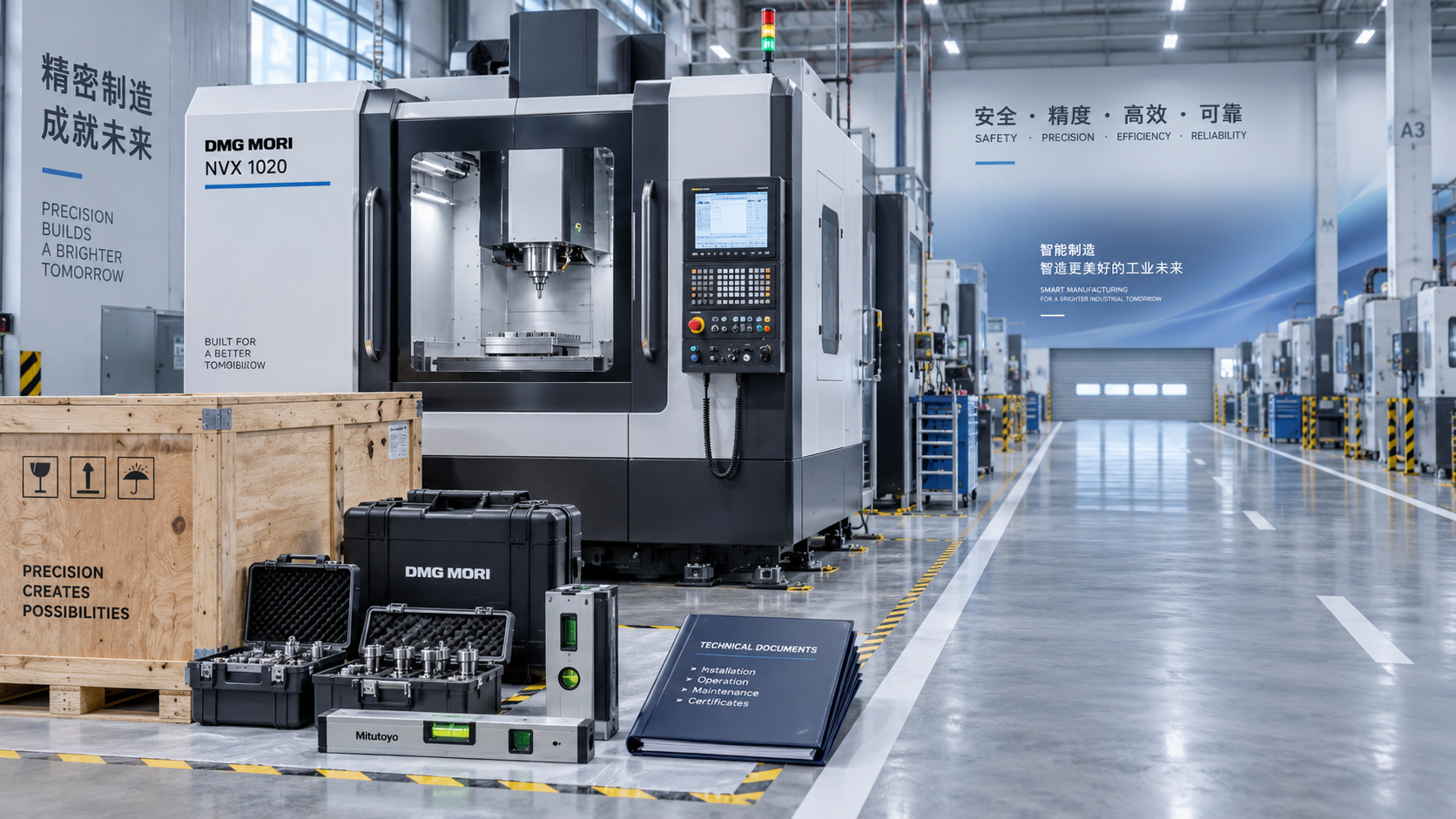
A solid guide usually begins with the site itself. Floor strength, anchor points, coolant drainage, lifting path, and service clearance all affect whether the machine can be installed correctly.
The next layer is utilities. Voltage, phase balance, grounding quality, air pressure, lubrication supply, and coolant readiness should be checked before any axis moves.
Then comes geometry. Leveling, bed stability, turret alignment, tailstock position, and spindle condition influence cutting accuracy from day one.
Finally, the guide should include a controlled startup sequence. That means parameter review, lubrication confirmation, manual jogging, warm-up routine, and a trial cut with measurement.
In other words, a CNC Lathe Quick Installation Guide is not only a moving-and-connecting checklist. It is a risk filter for accuracy, safety, and commissioning time.
Why do leveling and foundation mistakes show up so often?
Because they are easy to underestimate. A machine can look stable and still be twisted enough to cause taper, chatter, or inconsistent tool wear.
In actual installation work, the common mistake is treating leveling as a one-time step. It should be checked after placement, after anchoring, and again after several hours of machine settling.
Another issue is using an uneven floor without correction. Even high-quality CNC lathes cannot hold long-term accuracy if the foundation transfers stress into the machine bed.
Thermal conditions also matter more than expected. A machine placed near doors, direct sun, or unstable heat sources may pass initial checks but drift during operation.
A practical way to avoid this is to document leveling values at each support point. That gives a baseline for future troubleshooting if machining results change.
The table below summarizes where installation trouble usually starts and what to check immediately.
Is electrical setup just a compliance step, or does it affect machine accuracy too?
It affects both reliability and accuracy. Electrical mistakes are not limited to obvious shutdowns. Some of them create intermittent faults that are harder to diagnose.
A common example is unstable incoming power. Servo drives and control systems may still run, but poor power quality can trigger random alarms, encoder errors, or spindle issues.
Grounding is another overlooked part of a CNC Lathe Quick Installation Guide. Weak grounding can introduce electrical noise, especially in plants with other heavy equipment nearby.
Cable routing also deserves attention. Power lines and signal cables should follow the machine builder’s layout, otherwise feedback signals may become unreliable.
Before first startup, it helps to confirm these points:
- Incoming voltage matches the machine specification.
- Phase sequence and transformer settings are correct.
- Ground resistance and bonding meet local and machine requirements.
- Emergency stop, door interlock, and overload protections work properly.
- Air supply and coolant pumps respond correctly under control commands.
These checks may feel routine, yet they save far more time than they consume. In globally integrated manufacturing, downtime often affects not one machine, but an entire connected process.
What gets missed between mechanical installation and the first test cut?
This is where many startup problems begin. The machine is in place, power is on, and there is pressure to run parts quickly. That is exactly when steps get skipped.
One frequent miss is lubrication confirmation under actual machine cycling. Reservoir levels may look correct, while blocked lines or unprimed circuits still leave moving parts unprotected.
Another is spindle warm-up. Precision machine tools used in smart manufacturing environments still need thermal stabilization before accurate machining, especially after transportation and installation.
Tooling and workholding are also part of installation readiness. A well-installed machine can still fail the first cut if chuck force, soft jaw condition, or turret tooling height are wrong.
Parameter review should not be left to memory. Travel limits, spindle orientation, reference return behavior, and compensation settings must match the machine configuration and application.
A useful commissioning sequence is often short and disciplined:
- Run lubrication and coolant systems independently.
- Home each axis and verify limit behavior.
- Jog slowly, then at production-relevant speed.
- Perform spindle warm-up and listen for abnormal noise.
- Cut a simple test part and measure roundness, taper, and finish.
That sequence turns a CNC Lathe Quick Installation Guide into a practical acceptance routine, not just a setup document.
When a new lathe cuts badly on day one, where should troubleshooting start?
Start with installation assumptions, not only cutting parameters. Poor finish on the first part is often blamed on tools, but the root cause may be leveling, chuck condition, or spindle runout.
If the issue appears as taper, check bed level and tailstock alignment first. If the issue appears as chatter, examine foundation rigidity, tool overhang, and workholding grip.
If alarms occur during movement, verify electrical supply, lubrication status, and axis resistance. If dimensions drift during the shift, look at warm-up, ambient temperature, and compensation settings.
In broader production systems, these early checks matter even more. CNC lathes increasingly operate beside robots, bar feeders, and automated inspection, so a small installation fault can multiply downstream.
A practical troubleshooting mindset is to divide problems into three buckets: machine geometry, utility stability, and process setup. That usually shortens diagnosis time.
How can setup be faster without inviting the usual mistakes?
The answer is standardization. The fastest installations are usually the ones with a repeatable checklist, clear sign-off points, and recorded baseline values.
A strong CNC Lathe Quick Installation Guide should include target readings, not vague instructions. “Check leveling” is weaker than “record front and rear bed level after anchoring.”
It also helps to separate mandatory checks from optimization checks. Power, grounding, lubrication, and safety circuits are mandatory. Coolant concentration tuning and chip flow refinement can follow once the machine runs correctly.
For plants working with precision parts, one more step is worth adding: keep the first verified test part as a reference sample. That creates a practical baseline for later service checks.
In the end, speed comes from sequence discipline, not from skipping controls. That is especially true in an industry moving toward higher precision, digital integration, and tighter production windows.
What is the most practical takeaway before commissioning begins?
Treat the CNC Lathe Quick Installation Guide as part of production quality, not just maintenance paperwork. Good installation protects accuracy, safety, and delivery performance at the same time.
The most common mistakes are predictable: weak leveling control, incomplete electrical checks, skipped lubrication verification, rushed warm-up, and poor first-part validation. None of them are complicated, but all of them are expensive.
Before the next setup, review the site conditions, confirm utility readiness, define acceptance measurements, and record baseline data during startup. That gives a cleaner handoff from installation to stable machining.
Where commissioning quality is critical, compare results across the first several shifts, not only the first successful cut. That is often the clearest way to catch hidden setup errors before they grow into production problems.
PREVIOUS ARTICLE
Recommended for You
 Selecting Machine Tools for Automotive Parts: Accuracy, Throughput, and AutomationMachine Tool Industry Editorial Team
 Industrial Machining: Selecting Processes for Tight-Tolerance Metal PartsCNC Machining Technology Center
 Manufacturing Technology Trends That Improve Throughput and Quality ControlManufacturing Market Research Center
 How to Design Cost-Effective Fixtures That Maintain Cycle Time in Mass ProductionCNC Machining Technology Center
 Is Learning CNC Programming Worth It for Shop Owners Seeking Higher Margins?CNC Machining Technology Center
 CNC Machine Arrival Inspection: Check Shipping Damage, Accuracy, Safety, and DocumentsCNC Machining Technology Center




Aris Katos
Future of Carbide Coatings
15+ years in precision manufacturing systems. Specialized in high-speed milling and aerospace grade alloy processing.
▶
When Does CNC Turning Pay Off? A Break-Even Guide by Annual Part VolumeMachine Tool Industry Editorial Team▶
How to Compare CNC Metal Lathe Brands ObjectivelyMachine Tool Industry Editorial Team▶
CNC Lathe Quick Installation Guide: How to Avoid Alignment and Wiring MistakesMachine Tool Industry Editorial Team▶
CNC Lathe Quick Installation Guide: Common Setup Mistakes and How to Avoid ThemMachine Tool Industry Editorial Team▶
CNC Lathe Lead Times Reach 22 WeeksMachine Tool Industry Editorial Team
Mastering 5-Axis Workholding Strategies
Join our technical panel on Nov 15th to learn about reducing vibrations in thin-wall components.

Providing you with integrated sanding solutions
Before-sales and after-sales services
Comprehensive technical support