• Global CNC market projected to reach $128B by 2028 • New EU trade regulations for precision tooling components • Aerospace deman
NYSE: CNC +1.2%LME: STEEL -0.4%

When Does an Automated Production Line Pay Off?
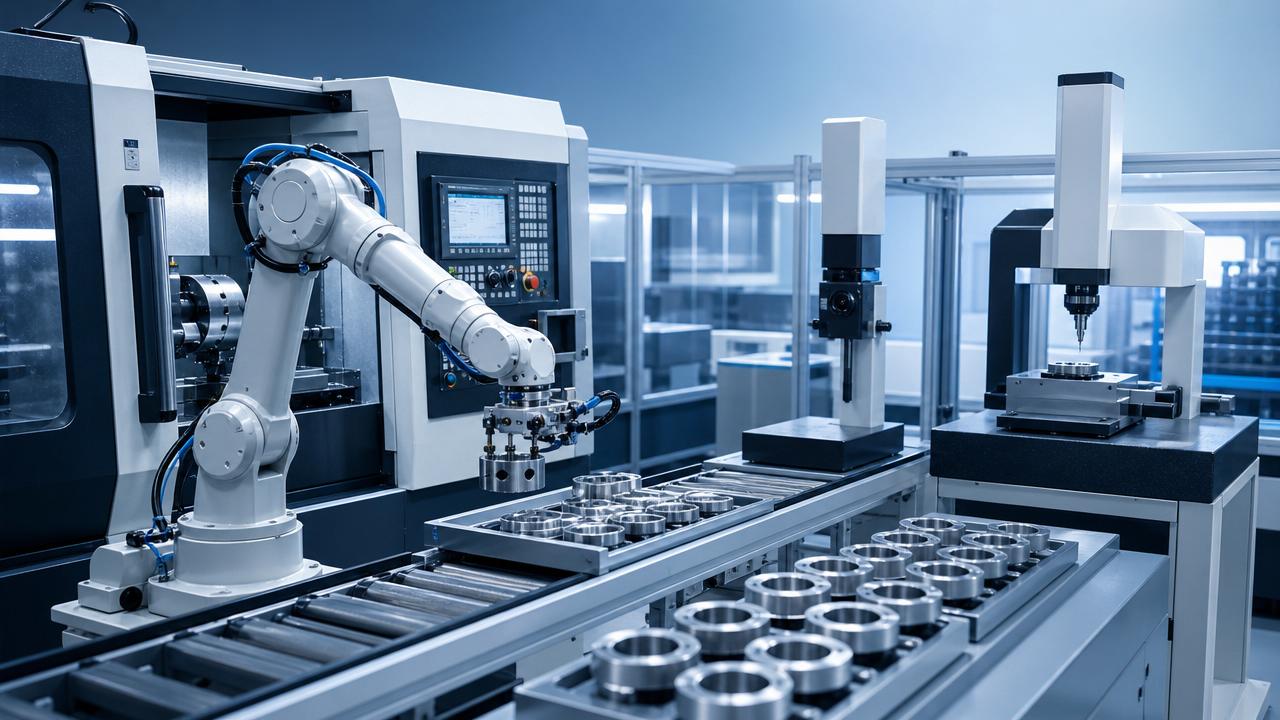
An Automated Production Line can transform CNC machining and precision manufacturing—but only when the investment aligns with real production demand, cost structure, and long-term business goals. For decision-makers evaluating automation, the key question is not simply whether robots, machining centers, or flexible systems improve efficiency, but when the return justifies the capital expense, integration risk, and operational changes required. This article explores the practical factors that determine payback, helping business evaluators assess whether automation is a strategic advantage or a premature investment.
For CNC factories, component suppliers, and contract manufacturers, automation is rarely a simple equipment purchase. It changes process planning, fixture strategy, workforce allocation, quality control, maintenance routines, and customer delivery commitments. A profitable decision depends on measurable production conditions, not only on the appeal of lights-out manufacturing.
Understanding the Business Case for an Automated Production Line
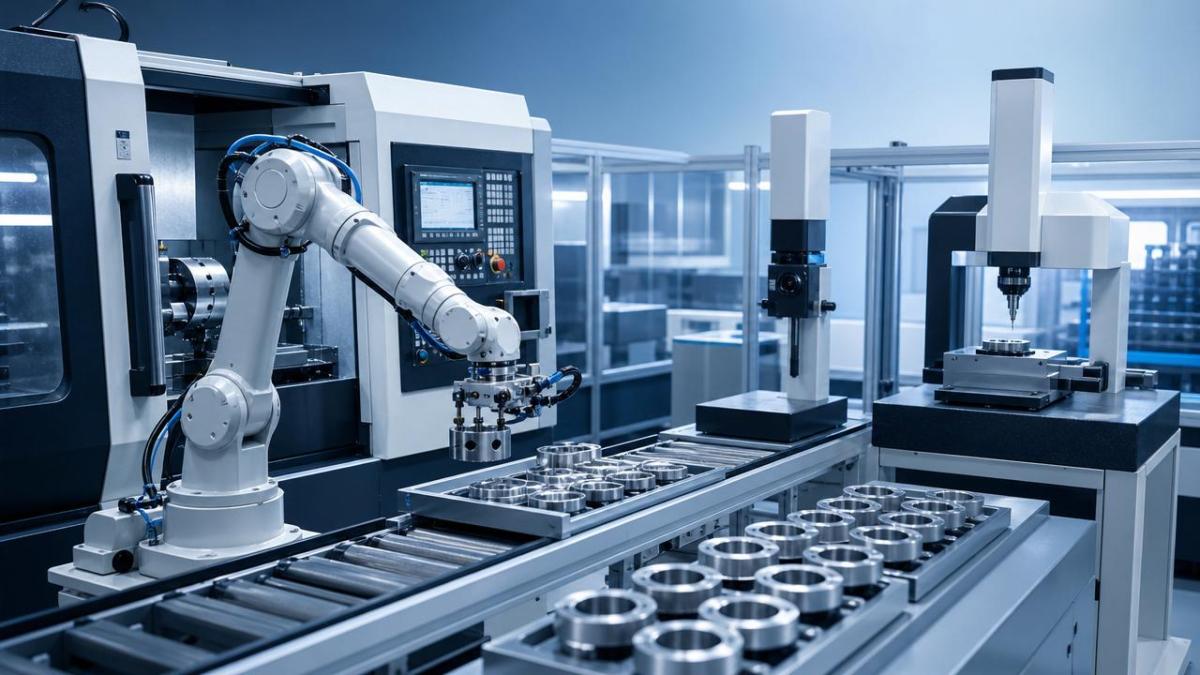
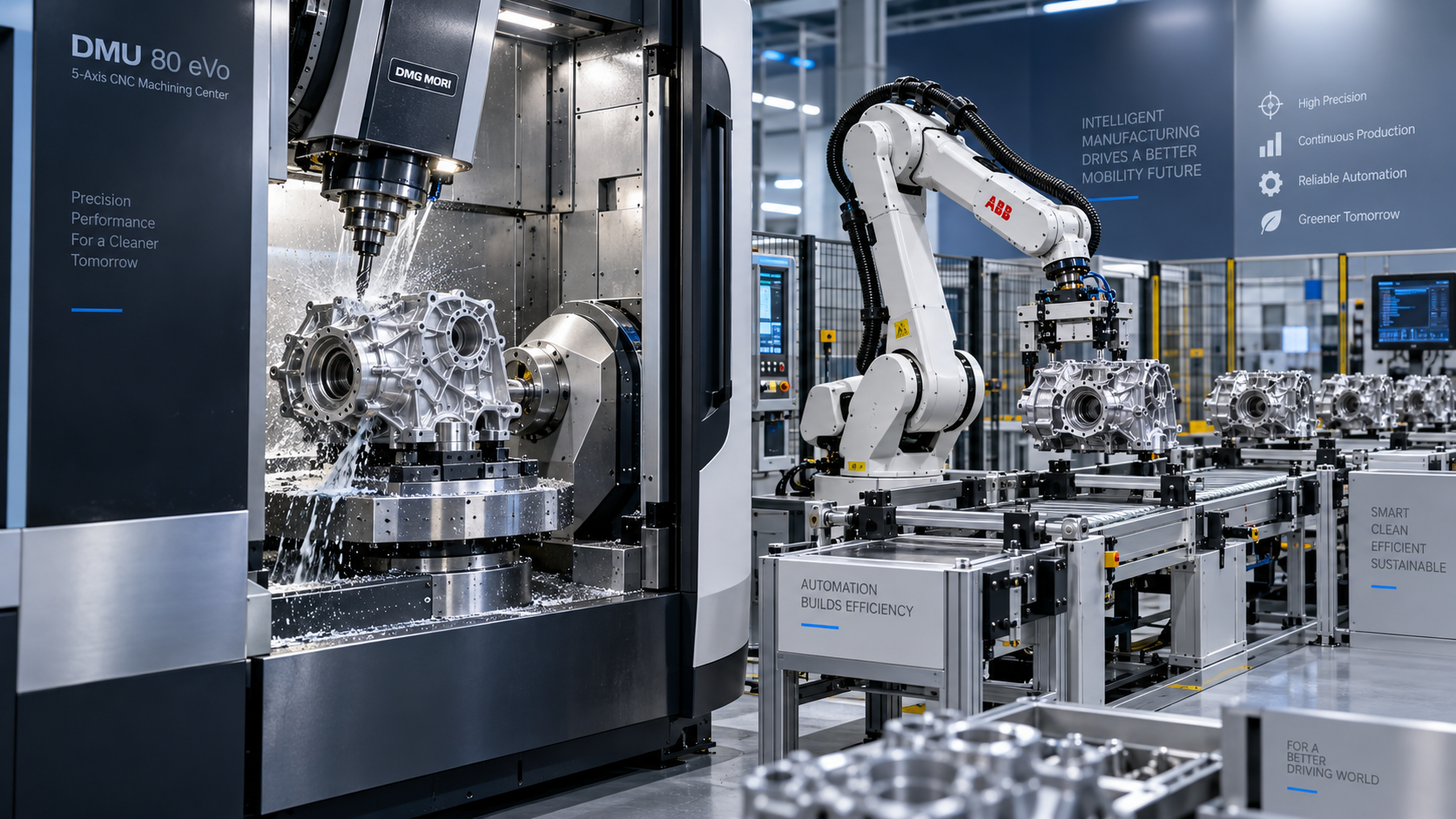
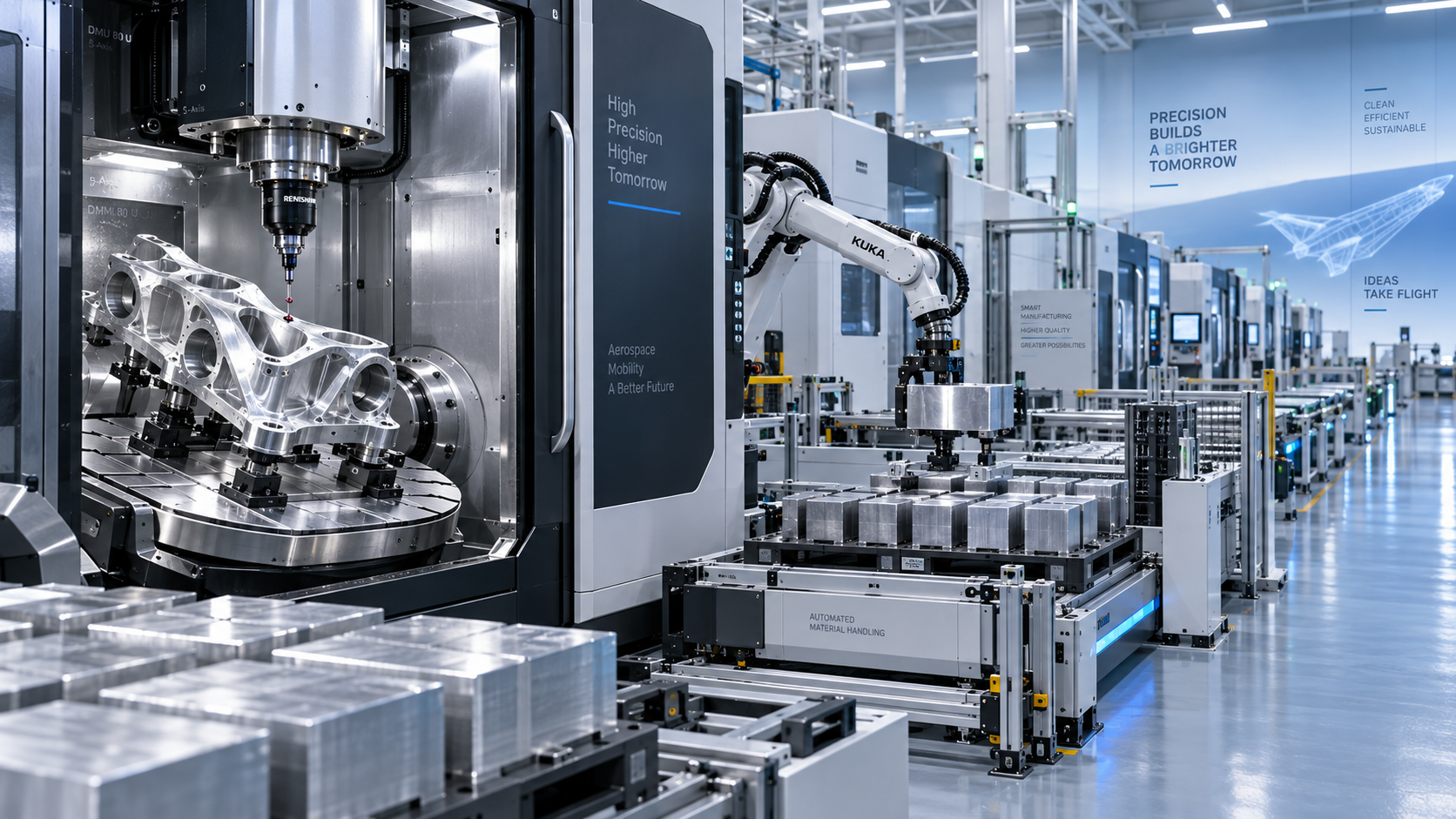
An Automated Production Line typically combines CNC lathes, machining centers, robots, conveyors, pallet systems, inspection stations, fixtures, and production control software. In precision manufacturing, the purpose is to reduce manual handling, stabilize cycle time, and improve repeatability across multiple shifts.
The investment pays off when production demand is stable enough to absorb equipment utilization. A line running 18–22 hours per day will usually justify automation faster than a line running only 6–8 hours with frequent changeovers and unstable orders.
What Payback Really Means in CNC Automation
Payback is not only the time required to recover the machine purchase price. A realistic calculation includes integration, tooling, programming, guarding, operator training, preventive maintenance, spare parts, floor space, and temporary production disruption during commissioning.
Many business evaluators use a 24–48 month payback window for capital equipment, though high-volume automotive or electronics projects may target 18–30 months. Aerospace and energy components may accept longer timelines when quality consistency and skilled labor availability are critical.
Core Financial Inputs
- Annual production volume by part family, including confirmed orders and forecast demand for 2–3 years.
- Current labor hours per part, including loading, unloading, inspection, deburring, and internal transport.
- Machine utilization rate, with separate tracking for cutting time, idle time, setup time, and downtime.
- Scrap and rework cost, especially where tolerance requirements are within ±0.005 mm to ±0.02 mm.
- Energy, compressed air, coolant, tooling, and maintenance cost per shift or per finished component.
A good automation proposal should convert these inputs into cost per part, annual savings, production capacity, and risk exposure. Without that level of detail, the Automated Production Line may be technically impressive but commercially unclear.
Production Conditions That Make Automation Worthwhile
The strongest business case appears when a manufacturer has repeatable processes, predictable demand, and measurable bottlenecks. Automation is most effective when it solves a specific constraint, such as labor shortage, unstable quality, excessive handling, or insufficient output per square meter.
A factory does not need millions of identical parts to benefit. Flexible automation can support families of parts, provided they share similar materials, clamping references, cutting sequences, tool requirements, and inspection logic.
The following table outlines common production scenarios and their likely automation fit. It helps evaluators separate strong candidates from projects that may need process standardization first.
The key conclusion is practical: automation pays when the line has enough repetition to standardize, enough value to protect quality, and enough utilization to convert fixed investment into lower unit cost.
Demand Stability and Product Lifecycle
Before approving an Automated Production Line, decision-makers should test demand stability. A project based on a 12-month peak order may be risky, while a 3-year supply agreement or platform program provides stronger justification.
Product lifecycle also matters. If the part design changes every quarter, the line must be flexible. If the design is mature for 3–5 years, dedicated fixtures, integrated gauging, and optimized cycle time become more attractive.
Cycle Time and Labor Bottlenecks
Automation becomes compelling when manual loading time, queue time, or inspection delay limits machine output. For example, reducing a 90-second handling step to 25 seconds can significantly improve throughput across two shifts.
In many CNC workshops, the machine spindle is not the only bottleneck. Parts wait for operators, measurement tools, forklifts, tooling presetters, or documentation checks. A payback study should map at least 5–8 process steps around the machine.
Cost Structure: Where Savings Actually Come From
A common mistake is assuming automation pays back only through headcount reduction. In reality, the financial value of an Automated Production Line often comes from several smaller improvements that accumulate over time.
These improvements may include higher spindle utilization, fewer quality escapes, reduced work-in-process inventory, shorter lead times, more stable takt time, improved safety, and better data visibility for production management.
Direct and Indirect Savings
- Labor efficiency: one operator may supervise 2–4 machines instead of loading one machine continuously.
- Utilization improvement: spindle uptime may rise from 55–65% to 75–85% in suitable applications.
- Quality control: automated gauging can detect drift before producing a full batch of nonconforming parts.
- Inventory reduction: synchronized flow can reduce waiting time between machining, washing, and inspection.
- Delivery reliability: stable output supports customer commitments measured in days, not emergency shifts.
The best financial models combine conservative assumptions with sensitivity analysis. Evaluators should test what happens if demand falls by 20%, tooling cost rises by 10%, or commissioning takes 6 weeks longer than planned.
Hidden Costs to Include
Capital cost is only the visible part. Integration engineering, robotic grippers, safety fencing, part buffers, automatic doors, coolant filtration, chip handling, and inspection interfaces may add 15–40% to the base equipment price.
Training also needs budget. Operators, maintenance staff, process engineers, and quality teams may require 2–6 weeks to adapt to automated workflows, alarm handling, preventive checks, and data-driven troubleshooting.
Technical Readiness Before Investment Approval
An Automated Production Line is most successful when the existing process is already stable. Automation amplifies process discipline; it does not automatically fix poor clamping, unstable cutting parameters, inconsistent blanks, or unclear inspection standards.
Before requesting quotations, manufacturers should confirm part references, datum strategy, tool life, chip evacuation, tolerance capability, and cleaning requirements. A weak baseline can extend commissioning from 4 weeks to 12 weeks or more.
The table below summarizes readiness factors that influence payback and implementation risk. It can be used as a pre-quotation checklist for business evaluators and engineering teams.
This checklist shows why automation decisions must involve finance, production, quality, maintenance, and supply chain teams. A line is only as reliable as the weakest operational assumption behind it.
Flexible Line or Dedicated Line?
A dedicated line is suitable when product geometry, annual volume, and customer demand are stable. It can achieve shorter cycle times and simpler operation, but design changes may require expensive modification.
A flexible line costs more at the beginning but supports multiple part families. For suppliers serving automotive, energy equipment, and electronics customers, flexibility can protect utilization when demand shifts between programs.
Implementation Timeline and Risk Control
A realistic implementation plan protects payback. For a CNC-based Automated Production Line, the timeline often includes 5 stages: concept design, process verification, equipment build, factory acceptance, and site ramp-up.
Simple robotic machine tending may be completed in 8–16 weeks. A multi-machine flexible manufacturing cell with pallet pools, inspection, washing, marking, and data integration may require 4–9 months from order to stable operation.
Acceptance Criteria That Matter
- Cycle time verification using actual workpieces, tools, fixtures, and loading conditions.
- Dimensional capability checks on critical features, including warm-up and long-run stability.
- Robot recovery procedures for misloads, dropped parts, chip interference, and emergency stops.
- OEE tracking for at least 2–4 weeks after commissioning, not only during demonstration runs.
- Operator and maintenance training records with defined responsibility for each shift.
Acceptance should not rely on a single successful test. Business evaluators should ask for repeatability across different shifts, tool wear conditions, and normal production disturbances.
Common Mistakes During Rollout
One frequent error is automating too many processes at once. A phased rollout may deliver faster learning: start with one cell, stabilize it for 30–60 days, then expand to additional machines or part families.
Another mistake is ignoring operator feedback. Skilled machinists often understand chip behavior, fixture wear, burr formation, and dimensional drift better than a spreadsheet. Their input can prevent costly redesigns.
How Business Evaluators Should Compare Suppliers
Choosing an Automated Production Line supplier requires more than comparing quotation totals. The strongest supplier is often the one that understands machining process risk, not only robot motion or machine specifications.
Evaluators should examine whether the supplier can support CNC selection, fixture design, tool optimization, line simulation, safety compliance, quality integration, and after-sales service across the intended production region.
Supplier Evaluation Criteria
- Application experience with similar materials, such as aluminum, alloy steel, stainless steel, titanium, or cast iron.
- Ability to validate cycle time through simulation, sample cutting, or comparable reference processes.
- Clear responsibility matrix covering CNC machines, robots, fixtures, tooling, inspection, and software interfaces.
- Service response plan, including remote diagnostics, spare parts supply, and on-site support time.
- Transparent documentation for maintenance, alarms, parameter backup, and operator training.
A quotation should explain assumptions. If a supplier promises a 20-second handling time, evaluators should ask about part weight, gripper type, door opening time, chuck confirmation, robot path, and safety zone limits.
When Not to Automate Yet
Automation may be premature if order volume is uncertain, product design is unstable, scrap causes are unresolved, or the factory lacks maintenance discipline. In these cases, process improvement may produce a faster return.
A staged approach can reduce risk. Start with quick-change fixtures, tool presetting, standardized work instructions, digital work orders, or in-process gauging before committing to a complete line.
Frequently Asked Questions for Investment Decisions
Business evaluators often ask similar questions before approving automation. The answers depend on production mix, capital budget, tolerance demand, and long-term commercial strategy.
What is a reasonable payback period?
For many CNC machining projects, 24–48 months is a practical benchmark. Shorter payback may be possible in high-volume lines, while complex precision manufacturing may justify a longer period if quality and capacity are strategic.
Does automation require fully unmanned operation?
No. Many profitable projects use assisted automation, where one operator manages multiple CNC machines, handles tool changes, responds to alarms, and performs periodic quality checks every 30–60 minutes.
Which industries benefit most?
Automotive, aerospace, energy equipment, electronics, medical components, and general machinery suppliers can benefit when parts are repeatable, tolerances are controlled, and delivery reliability affects customer contracts.
Making the Final Decision
An Automated Production Line pays off when it connects a real production constraint with a disciplined financial model and a technically stable process. The strongest projects combine confirmed demand, repeatable machining, trained staff, and supplier accountability.
For business evaluators, the decision should move through 4 practical questions: Is demand stable? Is the process ready? Are savings measurable? Can the organization support the line after commissioning?
When these answers are positive, automation can lower unit cost, expand capacity, strengthen quality control, and support long-term competitiveness in CNC machining and precision manufacturing. When they are uncertain, a phased plan is often wiser than a full-scale commitment.
If you are assessing whether automation fits your production strategy, prepare your part drawings, annual volume, cycle time data, and current cost structure. Contact us to discuss product details, compare line concepts, and obtain a tailored Automated Production Line evaluation for your manufacturing goals.
PREVIOUS ARTICLE
NEXT ARTICLE
Recommended for You
 How to Select a CNC Metal Lathe for Tight-Tolerance Shaft and Sleeve PartsCNC Machining Technology Center
 How to Select an Industrial Lathe for High-Volume Shaft ProductionMachine Tool Industry Editorial Team
 Selecting Machine Tools for Automotive Parts: Accuracy, Throughput, and AutomationMachine Tool Industry Editorial Team
 Industrial Machining: Selecting Processes for Tight-Tolerance Metal PartsCNC Machining Technology Center
 Manufacturing Technology Trends That Improve Throughput and Quality ControlManufacturing Market Research Center
 How to Design Cost-Effective Fixtures That Maintain Cycle Time in Mass ProductionCNC Machining Technology Center

Aris Katos
Future of Carbide Coatings
15+ years in precision manufacturing systems. Specialized in high-speed milling and aerospace grade alloy processing.
▶
Selecting Machine Tools for Automotive Parts: Accuracy, Throughput, and AutomationMachine Tool Industry Editorial Team▶
Smart Manufacturing for Small Businesses: Where Automation Delivers the Fastest ROIMachine Tool Industry Editorial Team▶
How Smart Manufacturing Technology Improves OEE Across Industry 4.0 Production LinesMachine Tool Industry Editorial Team▶
How to Evaluate an Automation Line for Electronics Production Before InvestmentMachine Tool Industry Editorial Team▶
How to Evaluate an Automated Production Line for Output, Flexibility, and ROIMachine Tool Industry Editorial Team
Mastering 5-Axis Workholding Strategies
Join our technical panel on Nov 15th to learn about reducing vibrations in thin-wall components.

Providing you with integrated sanding solutions
Before-sales and after-sales services
Comprehensive technical support