• Global CNC market projected to reach $128B by 2028 • New EU trade regulations for precision tooling components • Aerospace deman
NYSE: CNC +1.2%LME: STEEL -0.4%

When a Modular Tooling System Makes Production Easier
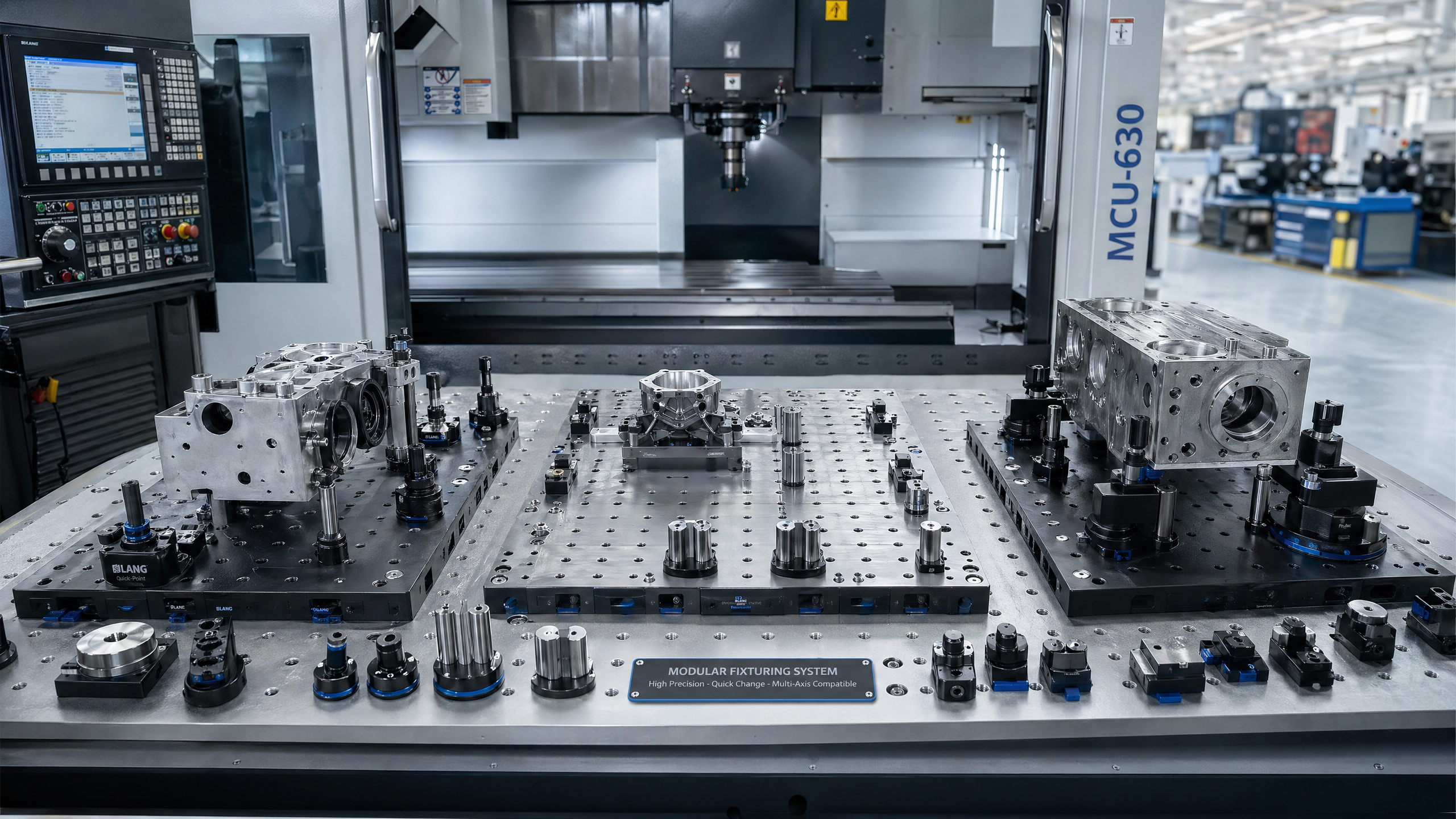
In precision CNC manufacturing, a Modular Tooling System can dramatically simplify setup, improve flexibility, and support cost-effective CNC manufacturing across automotive, aerospace, electronics, and energy equipment applications. For buyers, operators, and evaluators, understanding how quick setup CNC manufacturing and multi-axis machine tool solutions reduce downtime is key to building a more automated, high precision machine tool production environment.
Why does a modular tooling system make production easier?
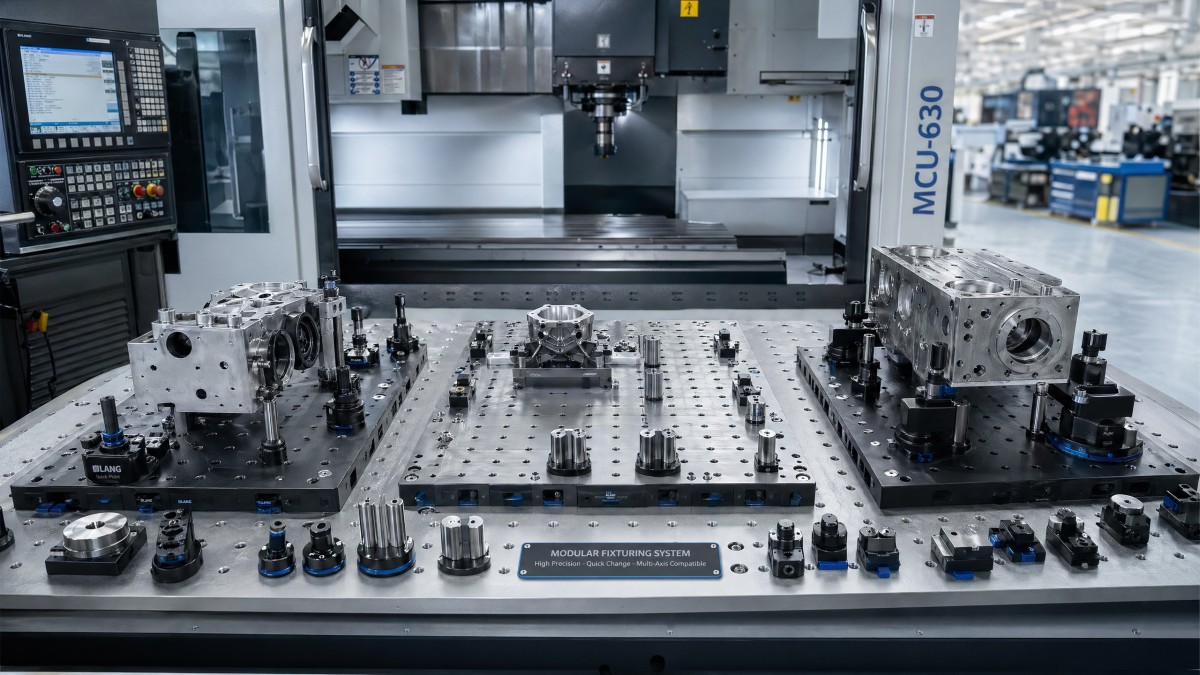
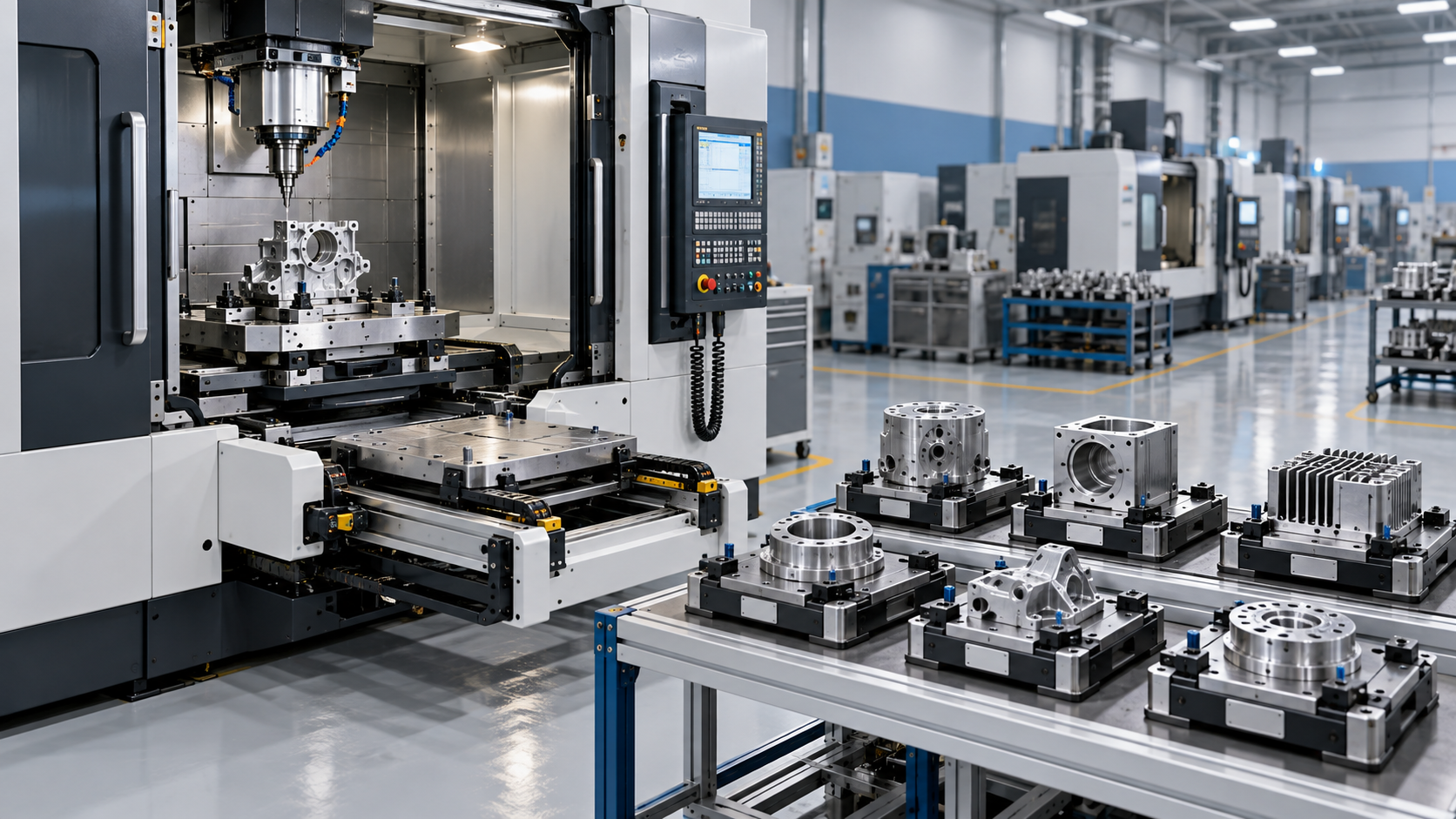
A modular tooling system is a structured set of standardized tool holders, clamping elements, locating components, adapters, and interface parts that can be combined for different workpieces and machine tools. Instead of building a new fixture for every part family, manufacturers reuse core modules and adjust only the necessary contact points. In CNC machine tool operations, this reduces setup uncertainty and helps teams move from one job to the next with fewer manual corrections.
This matters most in environments where product mix changes often. Automotive plants may shift between shaft parts, housing parts, and prototype batches within 1–3 days. Aerospace suppliers may run lower volumes but tighter tolerances. Electronics and energy equipment producers often need repeatable positioning for medium-size precision parts. In each case, a modular tooling system supports quick setup CNC manufacturing without forcing the plant to maintain a large inventory of dedicated fixtures.
For operators, easier production usually means fewer alignment steps, simpler loading logic, and shorter machine idle time. For procurement teams, it means tooling investment can be spread across several part programs rather than tied to a single SKU. For business evaluators, the benefit is broader: better machine utilization, lower fixture lead-time pressure, and more predictable changeover performance across CNC lathes, machining centers, and multi-axis machine tool cells.
In practical terms, many plants evaluate modular tooling through 4 core questions: how fast can it be reconfigured, how stable is clamping under production load, how many part families can share the same base system, and how easily can it connect with automation. These questions are more useful than a generic “is it advanced?” discussion because they directly affect cycle planning, labor allocation, and delivery reliability.
What changes on the shop floor after modular adoption?
The first change is setup discipline. Standardized reference points make it easier to document fixture positions, torque ranges, and repeat procedures. Instead of relying on a few experienced technicians, a plant can create repeatable work instructions in 3–5 setup steps. This is especially valuable when labor turnover is high or when shifts rotate between day and night production.
The second change is scheduling flexibility. When a fixture base can support multiple nests or clamping layouts, urgent orders are easier to insert. A machine that was running a disc component in the morning may switch to a structural aluminum part in the afternoon with fewer support delays. In a high precision machine tool environment, that flexibility often matters as much as raw spindle power.
The third change is risk reduction during new product introduction. Plants can test prototype or pilot-lot machining using existing modular elements before committing to a dedicated fixture. That reduces early-stage tooling waste and helps engineering teams confirm access, collision zones, chip evacuation, and clamping stability before scaling to batch production.
- Standard interfaces improve repeatability across 2-axis, 3-axis, and 5-axis machine tool setups.
- Reusable modules reduce the need to design a fully dedicated fixture for every new part.
- Documented setup logic supports operator training in shorter cycles, often within 1–2 production shifts for basic fixture changes.
- Automation integration becomes easier when clamping positions and loading orientation stay consistent across part families.
Which production scenarios benefit most from modular tooling?
Not every production line needs the same level of modularity. The strongest fit usually appears in mixed-model manufacturing, pilot production, and medium-volume precision machining where setup frequency is high. If a plant runs the same part for 12 months with almost no engineering changes, a dedicated fixture may still be economical. But if changeovers happen weekly, daily, or several times per shift, a modular tooling system often delivers stronger operational value.
For CNC lathes, modular tooling is helpful when families of shaft parts share similar datum logic but differ in diameter or length. For vertical and horizontal machining centers, the advantage grows when multiple plate, housing, or prismatic parts can use the same base plate with alternate locating pins and clamps. In multi-axis machine tool applications, modular tooling helps preserve tool access while keeping part orientation stable across complex toolpaths.
Smart manufacturing programs also benefit because modular tooling works well with digital setup libraries. Once a base layout is validated, teams can record offsets, part coordinates, and accessory combinations for future reuse. This supports faster repeat orders and more consistent handover between engineering, production, and quality departments. In international manufacturing groups, that standardization can help align factories across different regions.
The table below shows where modular tooling tends to create the clearest production advantage, especially for plants balancing flexibility, precision, and delivery performance.
The fit becomes weaker when a single dedicated part dominates capacity for long periods, or when a legacy machine lacks the rigidity and interface consistency needed for repeatable modular assembly. Even then, plants sometimes adopt a hybrid model: dedicated fixtures for stable high-volume work and modular tooling for engineering changes, urgent jobs, and pre-production validation.
How different industries use the same logic
Automotive and component manufacturing
Automotive suppliers often require quick setup CNC manufacturing because model variants change frequently and takt pressure is high. Modular tooling supports repeatable clamping for shafts, flanges, brackets, and housings while helping plants respond to engineering revisions within a short planning window of 2–4 weeks.
Aerospace and precision structural parts
Aerospace machining usually values access, deformation control, and traceable setup procedures. A modular tooling system helps engineers refine support points for thin-wall parts and can reduce the risk of redesigning a complete fixture every time a low-volume structural component changes.
Electronics and energy equipment
Electronics production and energy equipment often involve precision aluminum or steel parts in medium batches. Here, the benefit is not only flexibility but also line balancing. Shared modular bases make it easier to shift jobs between machines with similar travel and interface capabilities.
Modular tooling vs dedicated fixtures: what should buyers compare?
Procurement decisions should not reduce this topic to “modular is modern, dedicated is old.” The right comparison depends on part variety, tolerance sensitivity, capacity utilization, and project duration. A dedicated fixture often gives strong part-specific optimization. A modular tooling system usually gives broader reuse and faster changeover. Buyers need to compare lifecycle value, not only the initial fixture purchase price.
At minimum, purchasing and engineering teams should review 5 dimensions: configuration speed, repeatability, maintenance complexity, part-family coverage, and compatibility with future automation. If two solutions cost a similar amount at the start but one can support 6–10 part variants instead of 1–2, the long-term economics may be very different. This is especially true in plants serving export markets with fluctuating order patterns.
Another key issue is capacity planning. Dedicated fixtures may be justified for stable large-batch work where changeovers are rare and cycle optimization is highly refined. Modular tooling becomes more attractive where engineering revisions, aftermarket orders, or short-run contracts create frequent interruptions. In other words, the best choice depends on how uncertain your production mix is over the next 6–18 months.
The comparison table below is designed for procurement teams, plant managers, and business evaluators who need a practical decision framework rather than a purely technical description.
The main takeaway is that modular tooling should be judged as a flexibility asset, while dedicated fixtures should be judged as a specialization asset. Many of the most efficient CNC manufacturing plants use both. They reserve dedicated fixtures for mature products and deploy modular tooling where volatility, changeover speed, or engineering iteration creates a higher operational burden.
A useful 5-point buyer checklist
- Confirm whether current orders require frequent changes in part size, datum, or machining orientation.
- Check if the proposed modular tooling system matches spindle access, machine table space, and work envelope.
- Review how the supplier documents repeat setup positions, torque instructions, and inspection references.
- Assess whether automation, probing, or robot loading may be added within the next 12–24 months.
- Evaluate spare parts, replacement lead time, and local technical support before final approval.
How should procurement and implementation be planned?
A good procurement process starts with production data, not catalog browsing. Teams should map part families, machine types, setup frequency, and the main causes of downtime over a recent 8–12 week period. This makes it easier to identify whether the true bottleneck is fixture changeover, poor repeatability, excessive manual alignment, or limited tool access. Without this baseline, buyers may purchase a modular system that looks flexible but solves the wrong problem.
Implementation should also include quality and maintenance input. Quality teams need to confirm how locating points will be inspected and how repeatability will be validated after repeated assembly cycles. Maintenance teams need to review wear surfaces, fastener management, and replacement routines. In high precision machine tool environments, even a small deviation in mating surfaces can affect process consistency over time.
A practical rollout often happens in 4 stages: part-family review, concept layout, pilot setup, and production standardization. Depending on complexity, the pilot stage may run for 3–10 production days to verify clamping behavior, access, chip control, and setup repeatability. This staged method reduces the risk of scaling an incomplete concept into full production.
For global sourcing projects, commercial evaluators should also ask about documentation language, spare module supply, export packaging, and response time for engineering changes. These details matter when the tooling system will support plants in different countries or when the buyer needs to align procurement with broader smart factory investment plans.
Recommended evaluation dimensions before purchase
The next table summarizes common evaluation dimensions for modular tooling procurement in CNC machining and precision manufacturing. It is especially useful for cross-functional reviews involving engineering, operations, purchasing, and finance.
A structured review like this helps buyers avoid two common mistakes: overbuying complexity that operators will not use, and underbuying flexibility that future part programs will require. The right modular tooling system should match both current output needs and the factory’s likely production mix over the next planning cycle.
A simple implementation flow
- Select 3–5 representative parts that reflect real setup variability, not just ideal cases.
- Build a baseline using current setup time, fixture handling effort, and quality checkpoints.
- Pilot the modular tooling system on one machine or one cell before wider release.
- Standardize work instructions, spare-part lists, and maintenance checks for all shifts.
What risks, misconceptions, and FAQ should decision makers consider?
One common misconception is that modular tooling automatically lowers total cost in every situation. It does not. If production is stable, part geometry never changes, and the plant runs one program continuously for many months, a dedicated fixture may still provide the best value. Modular tooling becomes more compelling when it replaces repeated redesign, repeated setup loss, or repeated downtime across multiple jobs.
Another risk is assuming all modular systems are equally compatible with automation or high-precision machine tool work. Compatibility depends on interface consistency, rigidity, documentation quality, and the plant’s discipline in assembly and inspection. A flexible system without standardized procedures can actually increase variation. That is why implementation should always include operator training, maintenance rules, and repeat-validation routines.
Decision makers should also avoid comparing only hardware cost. Evaluate engineering hours, setup labor, changeover delays, storage requirements, and the business impact of delayed production. In many CNC manufacturing environments, the hidden cost is not the fixture price itself but the lost machine availability when setups are slow or inconsistent.
The FAQ below addresses practical concerns raised by information researchers, machine operators, procurement teams, and commercial evaluators during modular tooling selection.
How do I know if quick setup CNC manufacturing is worth the investment?
Start by tracking setup frequency and production interruptions over a recent 1–3 month period. If machines regularly stop for fixture swaps, alignment correction, or requalification between part families, a modular tooling system deserves serious review. The strongest signal is repeated downtime across multiple jobs rather than one isolated setup issue.
Is modular tooling suitable for multi-axis machine tool applications?
Yes, provided the layout protects tool access, workholding rigidity, and collision clearance. In 4-axis and 5-axis machining, fixture geometry must be reviewed carefully because clamping elements can interfere with toolpaths or rotary movement. A pilot verification on representative parts is usually the safest approach before volume release.
What should procurement focus on besides price?
Focus on 4 practical areas: reuse potential across future parts, repeatability documentation, spare module availability, and supplier response to engineering changes. A lower purchase price may not be attractive if replacement elements take several weeks to arrive or if setup instructions are not standardized enough for shift-based production.
How long does implementation usually take?
The answer depends on complexity, machine type, and part variety. For a focused pilot involving one part family and one machine, planning and verification may fit within 1–3 weeks. A broader rollout across several machines, shifts, and automation interfaces can require a longer phased schedule, especially when documentation and training must be standardized.
Why choose us for modular tooling insight and next-step planning?
We focus on the global CNC machining and precision manufacturing sector, where decisions are shaped by tolerance demands, delivery pressure, automation goals, and international sourcing realities. That means our support is not limited to general product descriptions. We help connect modular tooling choices with real production scenarios in automotive, aerospace, electronics, and energy equipment manufacturing.
If you are comparing fixture strategies, we can help clarify which modular tooling system fits your machine type, part family, and production volume. If you are an operator or process engineer, we can discuss setup logic, workholding access, and implementation checkpoints. If you are in procurement or business evaluation, we can help review part-family coverage, delivery timing, spare-module planning, and quotation alignment.
You can contact us for specific topics such as parameter confirmation, modular tooling selection, quick setup CNC manufacturing planning, multi-axis machine tool compatibility, sample support, estimated delivery windows, customization options, and documentation expectations for global projects. A focused technical discussion at the start usually saves far more time than correcting an unsuitable fixture strategy later.
If your team is assessing whether modular tooling can reduce downtime, improve flexibility, or support a more automated production environment, send your part type, machine configuration, target batch range, and current setup challenge. With that information, the next conversation can move directly to workable options instead of staying at a generic comparison level.
PREVIOUS ARTICLE
Recommended for You
![]() Mitsubishi Electric Announces Physical AI System Linking Humanoid Robots and CNC MachinesMachine Tool Industry Editorial Team
 Precision Machining for Defense: Supplier Quality and Traceability ChecksManufacturing Market Research Center
![]() Nidec Machine Tool Launches MVR-5X Five-Axis Gantry MachineMachine Tool Industry Editorial Team
 Choosing a Precision Disc Parts Manufacturer in China: Tolerances and Quality ChecksManufacturing Market Research Center
![]() Siemens Executive Says AI Could Raise Factory Automation to 80%Manufacturing Market Research Center
 Choosing Automated Machine Tools for High-Mix, Low-Volume ProductionMachine Tool Industry Editorial Team


Aris Katos
Future of Carbide Coatings
15+ years in precision manufacturing systems. Specialized in high-speed milling and aerospace grade alloy processing.
▶
KATS Expands CE Recognition for CNC Clamping SystemsMachine Tool Industry Editorial Team▶
How to Evaluate a Tooling System for Precision Machining: 7 Key Specs That MatterMachine Tool Industry Editorial Team▶
ITC Opens 337 Probe Into Chinese CNC Tool CoatingsMachine Tool Industry Editorial Team▶
Vietnam Ends 5% Tariff on Chinese CNC Tool ImportsMachine Tool Industry Editorial Team▶
Japan Ends Import License Rule for Chinese Cutting ToolsMachine Tool Industry Editorial Team
▶
Mastering 5-Axis Workholding Strategies
Join our technical panel on Nov 15th to learn about reducing vibrations in thin-wall components.

Providing you with integrated sanding solutions
Before-sales and after-sales services
Comprehensive technical support