• Global CNC market projected to reach $128B by 2028 • New EU trade regulations for precision tooling components • Aerospace deman
NYSE: CNC +1.2%LME: STEEL -0.4%

How to Choose an Energy-Saving Machine Tool for High-Mix Production
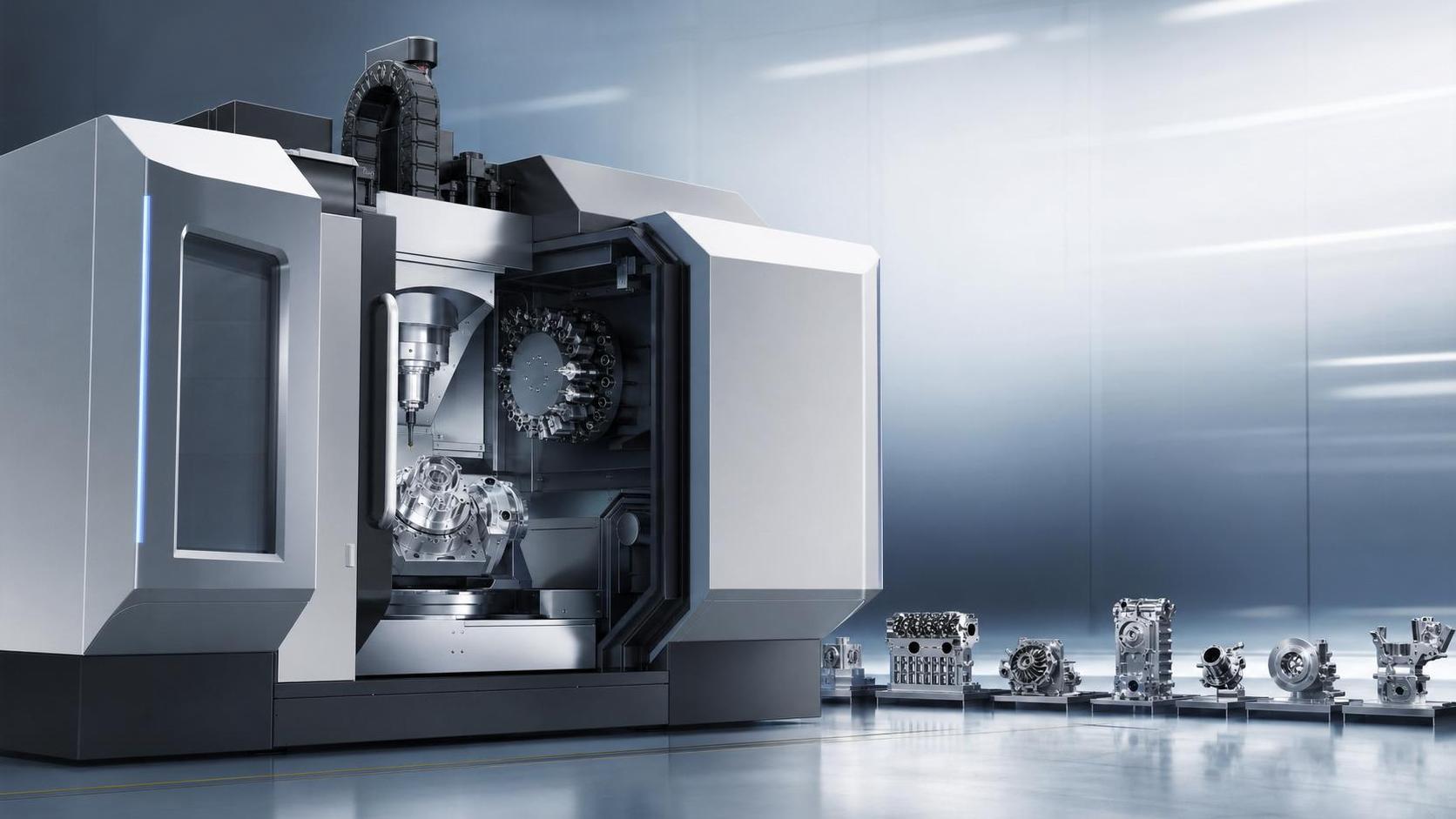
How to Choose an Energy-Saving Machine Tool for High-Mix Production
Choosing the right energy-saving machine tool is critical for high-mix production.
The challenge is not only lower power use.
It is also about changeover speed, machining stability, and cost control across many part types.
In high-mix environments, machine selection mistakes become expensive very quickly.
A machine may look efficient on paper, yet perform poorly in real scheduling conditions.
That is why an energy-saving machine tool should be evaluated as a production system, not a standalone asset.
This matters even more in CNC machining, where mixed orders, frequent setups, and precision targets often move together.
From a procurement perspective, the best choice balances efficiency, flexibility, and long-term value.
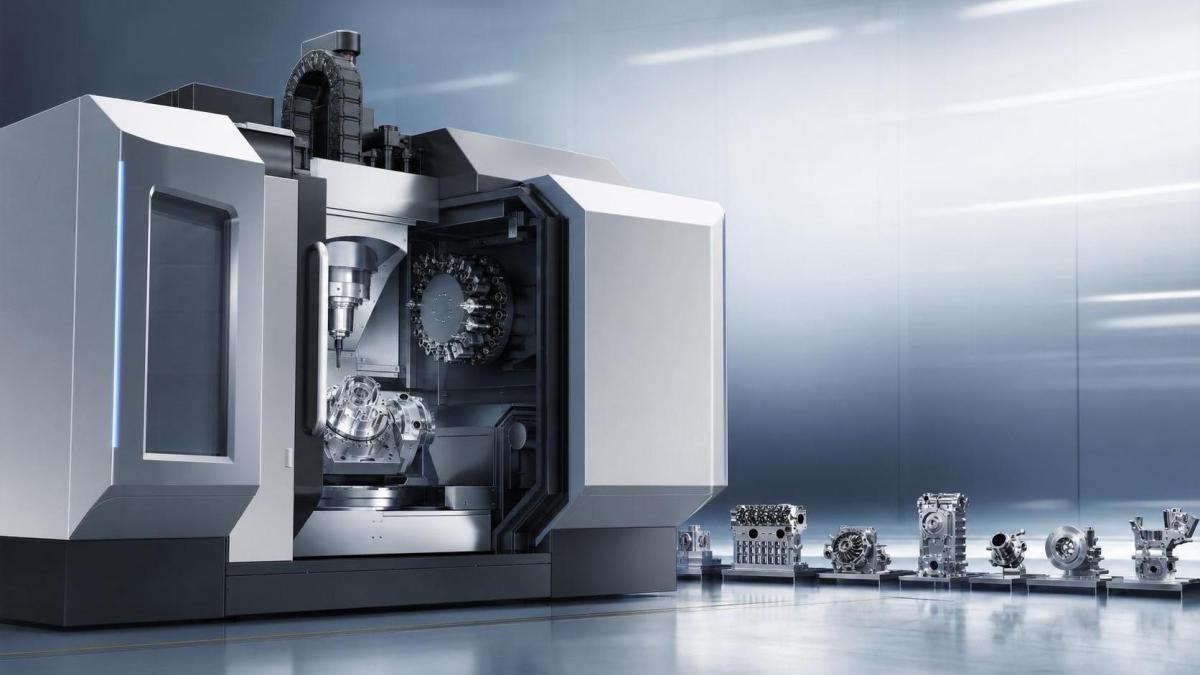
The market now offers more options with servo optimization, smart standby modes, and digital monitoring.
Still, not every energy-saving machine tool fits the needs of high-mix production.
Start with the Real Energy Profile of Your Production
The first step is understanding where energy is actually consumed.
Many buyers focus only on rated power, but that is rarely enough.
High-mix production includes idle time, warm-up cycles, setup changes, probing, tool changes, and short-run machining.
These activities can reshape total power consumption more than spindle cutting time.
An energy-saving machine tool should perform well across the full duty cycle.
Ask suppliers for energy data in several operating states:
- Idle mode
- Ready-to-run mode
- Tool change and axis movement
- Cutting under typical loads
- Standby and restart mode
This gives a more realistic picture than nameplate power alone.
In practical purchasing, real operating data is far more useful than brochure claims.
Match the Machine to High-Mix Production Behavior
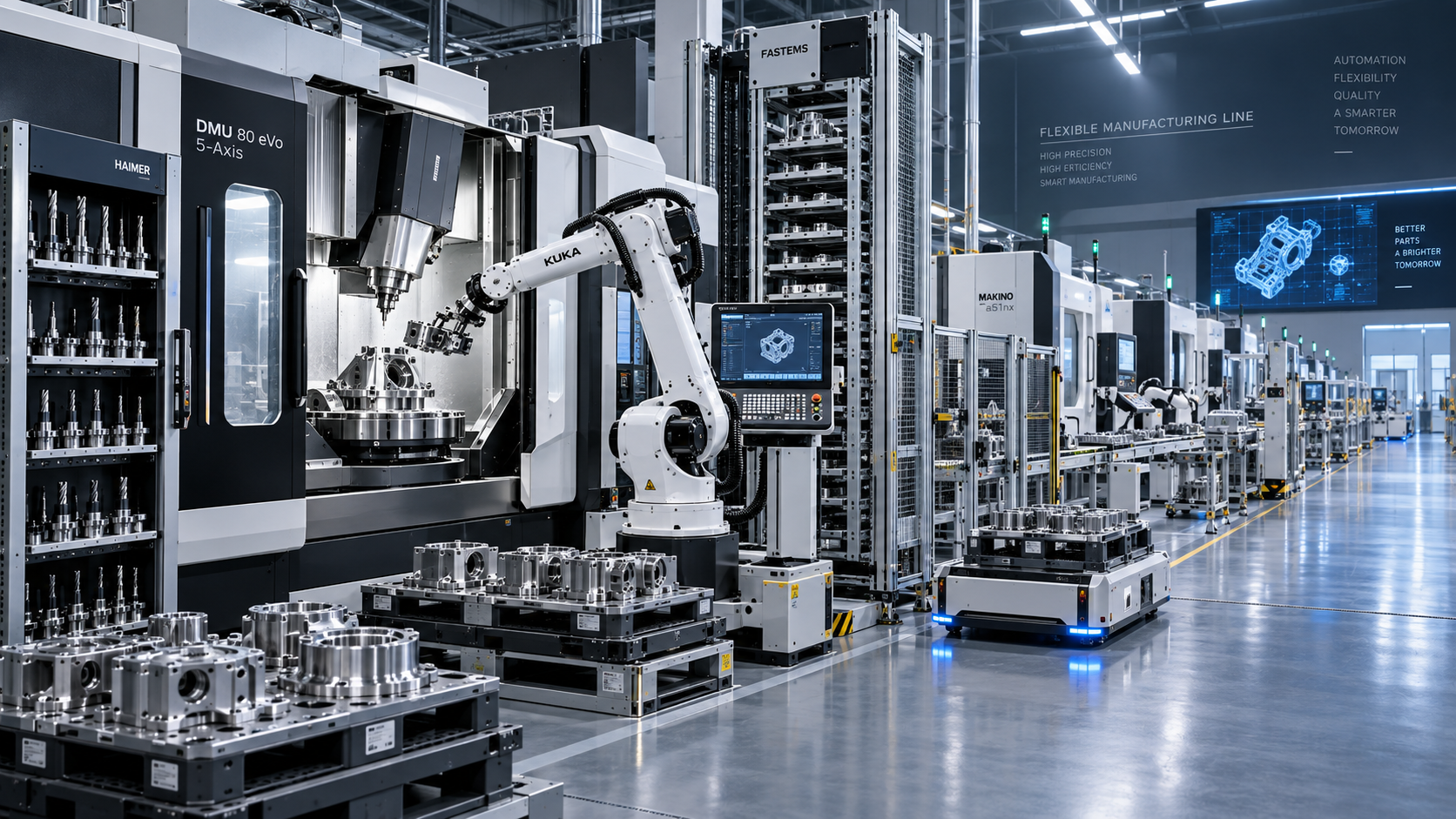
A good energy-saving machine tool must support production variability without losing efficiency.
That means quick adaptation between materials, part families, and batch sizes.
Machines designed only for long, repetitive runs may look efficient in tests.
But they often waste energy and labor during frequent changeovers.
Look closely at these factors:
- Setup repeatability for mixed jobs
- Tool magazine capacity and access speed
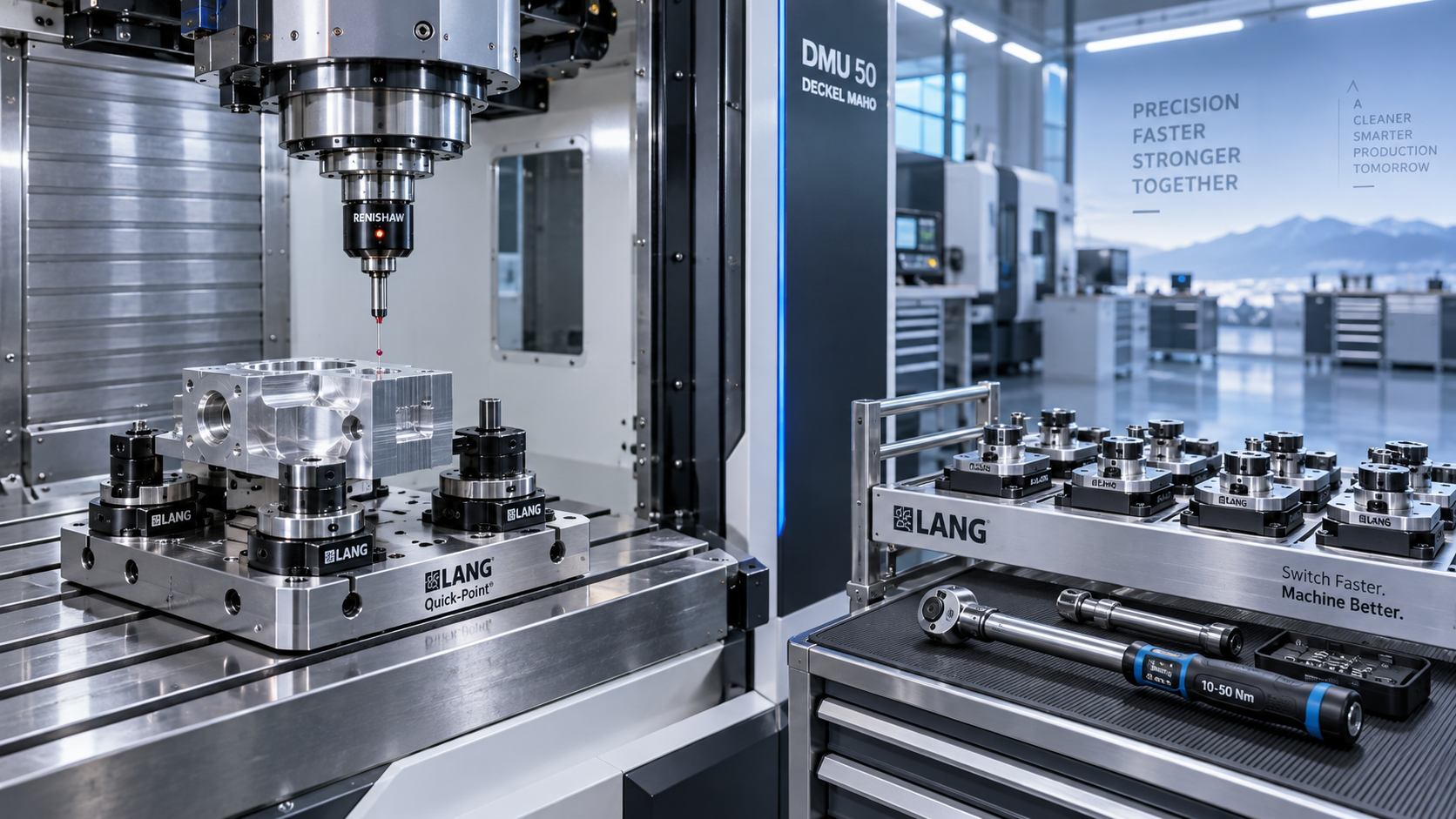
- Probe integration for faster first-part approval
- Program switching and operator interface efficiency
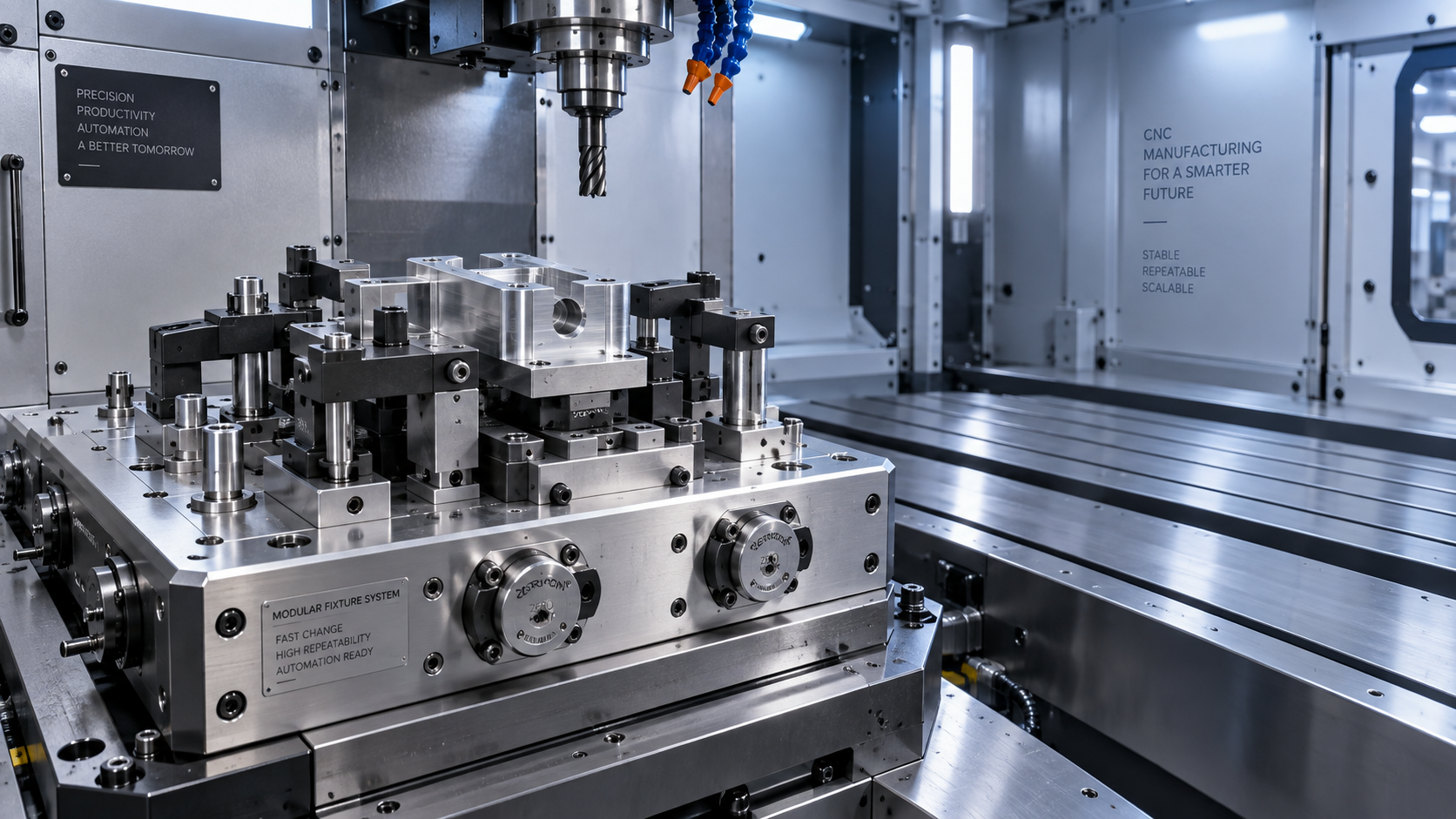
- Compatibility with modular fixtures and automation
When these areas are weak, energy performance drops because machine uptime becomes fragmented.
A flexible CNC machine tool often saves more energy through smoother workflow than through motor efficiency alone.
That is a key point in high-mix production decisions.
Check the Core Energy-Saving Technologies
Not all energy-saving machine tool designs deliver the same result.
Some features are proven, while others are mostly marketing language.
Focus on technologies that affect daily operation in measurable ways.
High-efficiency drives and motors
Modern servo systems can reduce unnecessary power draw during acceleration and deceleration.
This is especially useful in short-cycle, high-changeover machining.
Regenerative braking
Some machine tools recover energy during axis braking and feed it back into the system.
This can improve efficiency when motion is frequent and dynamic.
Intelligent standby control
Pumps, fans, cooling units, and auxiliary systems should not run at full load unnecessarily.
Automatic standby functions can cut waste during setup or waiting time.
Thermal stability with lower energy demand
Better casting design, spindle management, and cooling control reduce thermal drift.
That helps avoid scrap, rework, and extra machine time.
Evaluate Productivity and Energy Together
The right energy-saving machine tool is not always the one with the lowest hourly consumption.
It is the one that uses less energy per qualified part.
This distinction matters a lot in precision manufacturing.
For example, a higher-performance machining center may consume more power per hour.
But if it shortens cycle time, reduces scrap, and limits manual intervention, total energy per part may fall.
Use a balanced evaluation model like this:
This approach keeps the decision grounded in output, not just power ratings.
Do Not Ignore Digital Visibility
An energy-saving machine tool is easier to manage when energy data is visible.
That includes machine-level monitoring, alarm logging, and production analytics.
In smart manufacturing environments, this is becoming standard rather than optional.
Good digital visibility helps answer practical questions fast:
- Which job families consume the most energy?
- How much power is used during idle periods?
- Which programs cause repeated overload conditions?
- Where do auxiliary systems stay active too long?
Without this visibility, efficiency projects often become guesswork.
For global CNC operations, digital monitoring also supports standard reporting across sites.
Review Service, Parts, and Lifecycle Cost
A lower purchase price does not guarantee a better energy-saving machine tool investment.
Lifecycle cost matters more, especially in multi-shift use.
Energy savings can disappear if maintenance is slow or spare parts are difficult to source.
Review these points before making a final decision:
- Response time for field service
- Availability of key electrical and spindle components
- Software update policy and remote diagnostics
- Preventive maintenance intervals
- Expected machine life in mixed production conditions
A stable support network is especially important in cross-border equipment sourcing.
This is often where strong suppliers separate themselves from lower-cost offers.
Questions to Ask Before You Buy
Before selecting an energy-saving machine tool, ask suppliers for evidence, not general claims.
The most useful questions are direct and operational.
- What is the measured energy use for similar parts and cycle patterns?
- How does the machine reduce auxiliary power consumption?
- What features shorten setup in high-mix production?
- Can the control system export energy and utilization data?
- Which reference customers use this machine in mixed production?
- What results have been documented after installation?
These questions help move the conversation from promises to proof.
That makes the final selection more reliable and easier to justify internally.
Make the Decision with a Practical Scorecard
A structured scorecard keeps machine tool selection focused.
It also prevents one strong feature from hiding bigger operating risks.
A practical scorecard for an energy-saving machine tool can include:
- Energy efficiency across real operating states
- Suitability for high-mix production workflow
- Quality consistency and thermal control
- Digital integration and monitoring
- Maintenance support and spare parts security
- Total cost of ownership over three to five years
In the current machine tool market, efficiency is no longer a narrow power issue.
It is tied to throughput, quality, digital control, and supply continuity.
That is the bigger signal shaping modern manufacturing investment.
The best energy-saving machine tool is the one that stays efficient under real production pressure.
If the machine supports fast changeovers, stable accuracy, and visible energy data, it is usually worth closer attention.
Use real production scenarios, compare lifecycle evidence, and choose the option that improves both output and control.
Recommended for You
 How to Select CNC Equipment for High-Mix, Low-Volume ProductionCNC Machining Technology Center
 Can CNC Machining Inconel Control Tool Wear in High-Temperature Aerospace Parts?CNC Machining Technology Center
 Machine Tool Market Outlook: Demand Drivers, Capacity Shifts, and Investment RisksManufacturing Market Research Center
 Zero-Point Clamping or Modular Fixtures? Choosing a Faster CNC Changeover SystemCNC Machining Technology Center
 How to Cut CNC Fixture Changeover Time Without Sacrificing Part AccuracyCNC Machining Technology Center
 When Does CNC Turning Pay Off? A Break-Even Guide by Annual Part VolumeMachine Tool Industry Editorial Team

Aris Katos
Future of Carbide Coatings
15+ years in precision manufacturing systems. Specialized in high-speed milling and aerospace grade alloy processing.
▶
How to Compare Machine Tools for Small-Batch vs Mass Production JobsMachine Tool Industry Editorial Team▶
Multi-Axis Machine Tool Selection Guide: Travel, Spindle, Accuracy, and Control SystemMachine Tool Industry Editorial Team▶
How to Evaluate Precision Equipment for Tight-Tolerance Parts and Stable OutputMachine Tool Industry Editorial Team▶
KATS Tightens CNC Grinder Import Test RulesMachine Tool Industry Editorial Team▶
Precision Lathe Types Compared: Swiss-Type, Slant Bed, and Flat Bed DifferencesMachine Tool Industry Editorial Team
Mastering 5-Axis Workholding Strategies
Join our technical panel on Nov 15th to learn about reducing vibrations in thin-wall components.

Providing you with integrated sanding solutions
Before-sales and after-sales services
Comprehensive technical support