• Global CNC market projected to reach $128B by 2028 • New EU trade regulations for precision tooling components • Aerospace deman
NYSE: CNC +1.2%LME: STEEL -0.4%

When a Heavy Duty Machine Tool Is Worth the Extra Cost
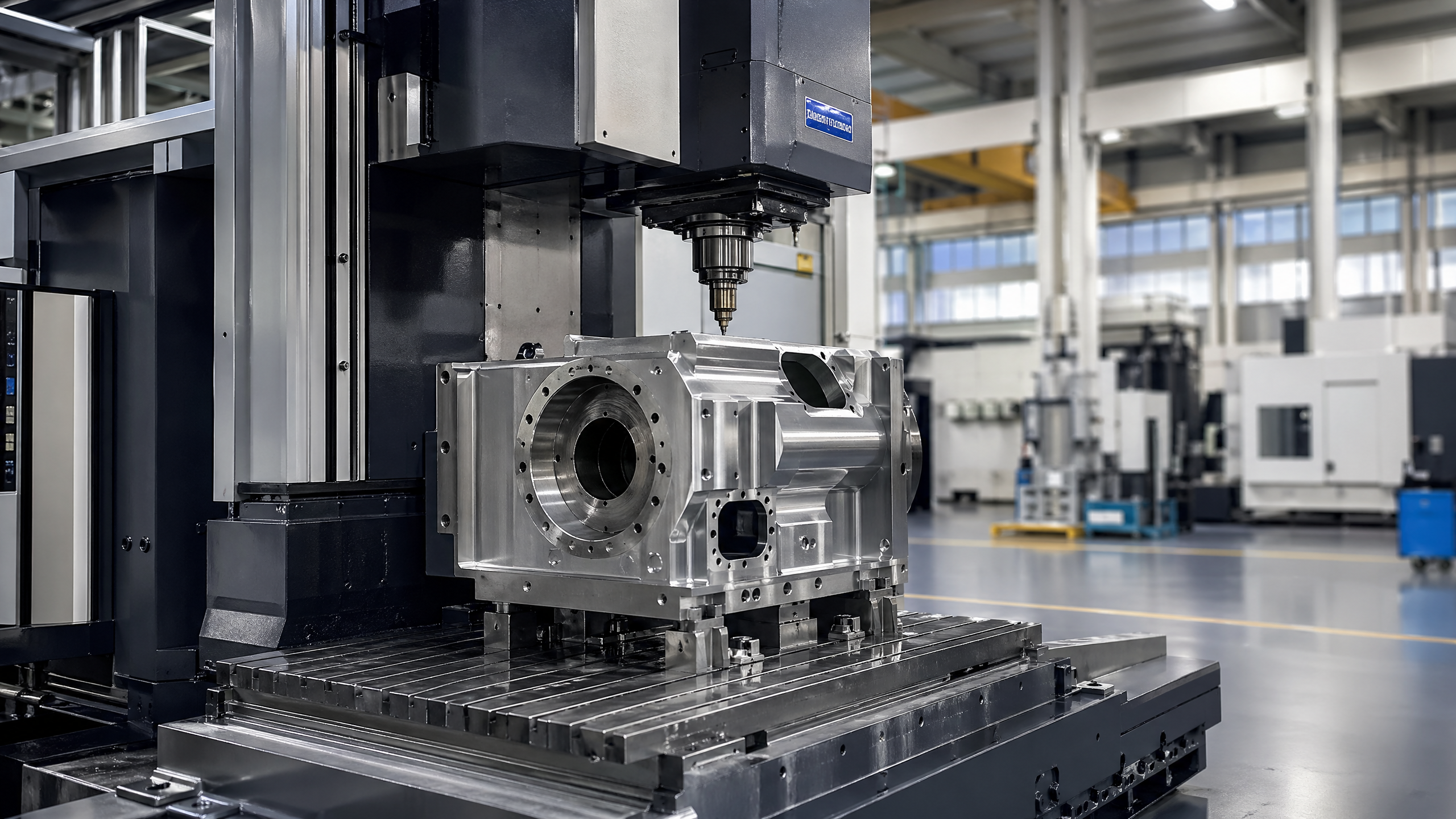
A heavy duty machine tool often costs more upfront, but in high precision CNC manufacturing, that extra investment can deliver better rigidity, longer service life, and more stable output. For buyers comparing machine tool price, CNC machine tool manufacturer options, and heavy-duty machining center performance, understanding when added strength improves efficiency, accuracy, and total operating value is essential.
When does a heavy duty machine tool make practical sense?
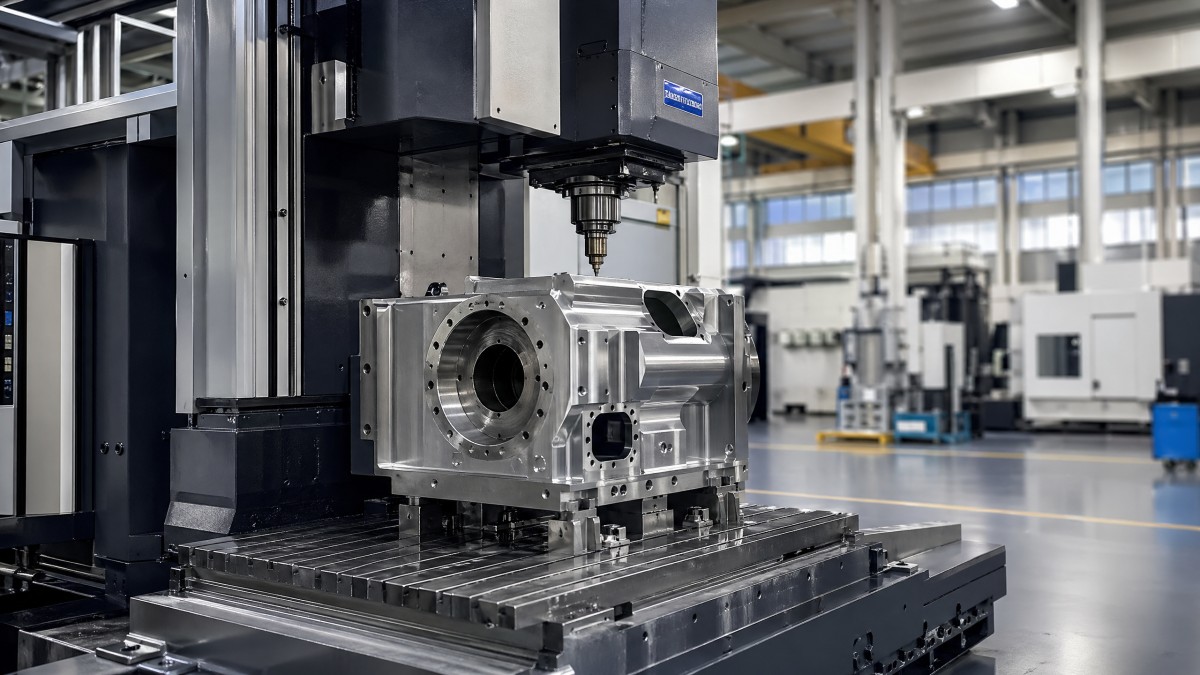
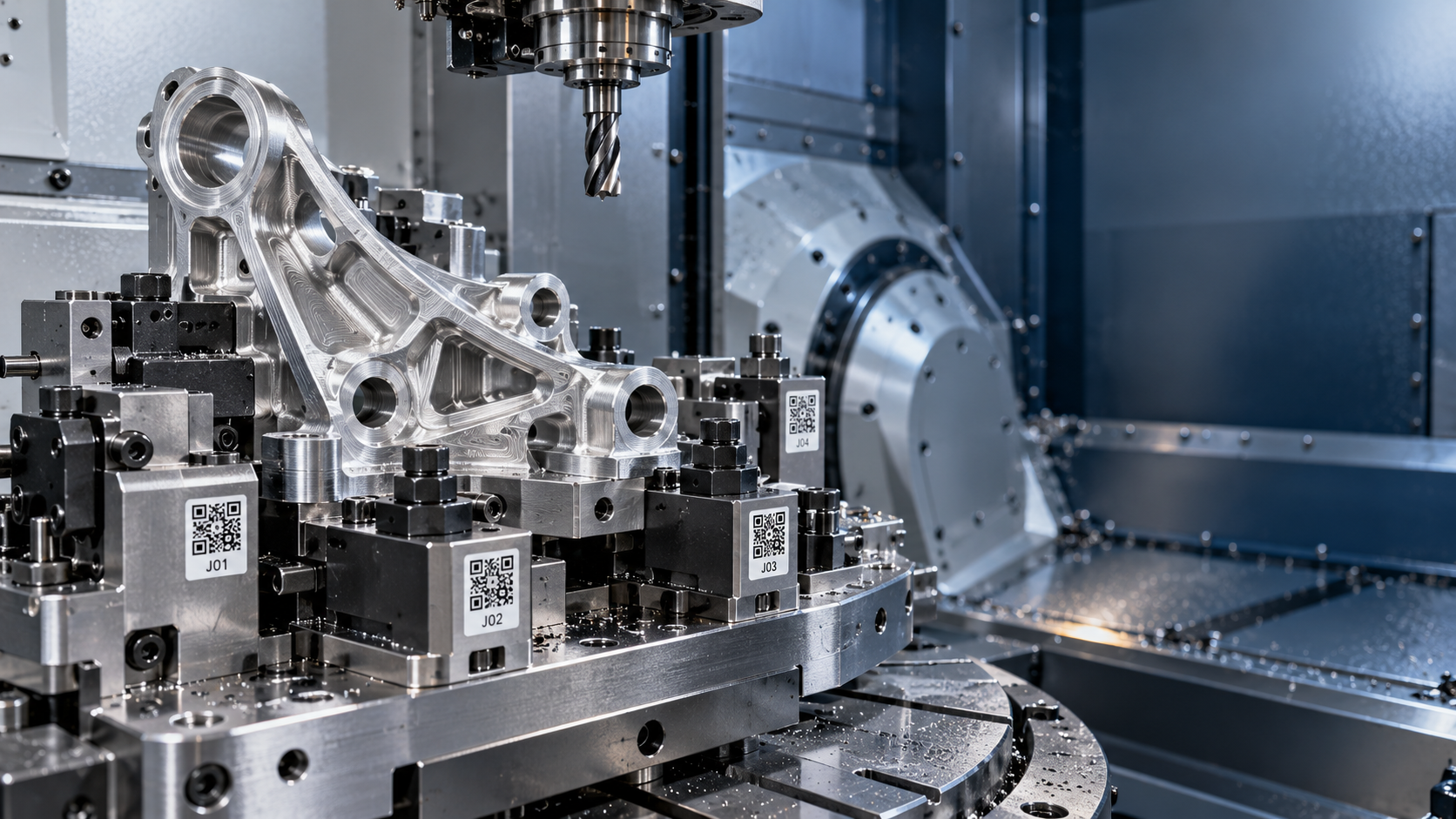
A heavy duty machine tool is not simply a bigger CNC machine. In most industrial purchasing decisions, it refers to a machine platform designed with stronger structural rigidity, higher load-bearing capacity, greater thermal stability, and longer-duty operating capability. That matters when production involves hard materials, large workpieces, long cutting hours, or tolerance requirements that cannot drift over a 2-shift or 3-shift schedule.
For information researchers and business evaluators, the key question is not whether heavy duty equipment is technically superior in general. The real question is whether the extra cost creates measurable production value in a specific use case. In automotive, aerospace, energy equipment, and large precision parts manufacturing, the answer is often yes because rigidity directly affects chatter control, tool life, dimensional consistency, and rework rates.
Operators and production managers usually see the difference first. A lighter machine may perform acceptably during short runs or softer-material jobs, but under continuous cutting, high spindle load, or large workholding demands, vibration, heat growth, and axis instability can begin to affect surface finish and repeatability. Over a 6-month to 24-month production cycle, those small deviations can become a significant hidden cost.
Typical signs that standard equipment may be undersized
- The machine runs 16-24 hours per day and thermal drift becomes difficult to control during long batches.
- Workpieces are large, heavy, or irregular, requiring stronger table support and more stable fixturing.
- The process involves deep cuts, interrupted cuts, difficult alloys, or aggressive roughing before precision finishing.
- Tool wear, chatter marks, and repeat correction are increasing overall cycle cost more than the initial machine tool price suggests.
In global CNC machining and precision manufacturing, more buyers are evaluating machine tools by total production impact rather than only by capital expenditure. That shift is especially visible in smart factory planning, where one unstable machining node can reduce the effectiveness of robots, automation cells, and digital scheduling systems connected upstream and downstream.
Which performance differences justify the extra machine tool price?
The premium for a heavy duty machine tool usually comes from the structure, not only from spindle power or axis travel. Buyers often focus on visible specifications such as kW, rpm, or travel range, but in reality, the base casting, guideway design, column stiffness, table support, drive system matching, and thermal management have a stronger impact on long-run machining consistency.
For procurement teams comparing CNC machine tool manufacturer options, a useful framework is to assess 3 core dimensions: structural capacity, process stability, and lifecycle maintenance risk. A machine that looks similar on paper may behave very differently when loaded with a 1-ton workpiece, operated across a 10°C-25°C shop environment, or scheduled for continuous roughing and finishing in the same production line.
The table below shows where heavy duty machine tools often deliver value compared with standard production machines. These are not brand-specific claims but common evaluation points used in industrial machine tool selection and business assessment.
The comparison does not mean every factory needs the heavier option. It means the machine tool price premium becomes easier to justify when output quality, uptime, and part consistency matter more than the lowest initial purchase number. In sectors producing shafts, discs, housings, structural parts, or precision energy components, this distinction is often financially meaningful.
What buyers should verify beyond brochure numbers
Mechanical structure
Check casting mass, support layout, guideway type, and whether the machine frame is designed for heavy interrupted loads. Ask how the machine handles force transfer during roughing, not only its maximum spindle output. A rigid design often protects both tool life and final part quality over 500-part or 5,000-part production windows.
Thermal behavior
For precision manufacturing, thermal performance is critical. The machine should be evaluated for warm-up stability, coolant interaction, spindle heat influence, and ambient shop variation. Even if catalog accuracy is attractive, real production conditions over 8-12 hours tell a more useful story for purchasing teams.
Serviceability
A heavy duty machine tool should also be practical to maintain. Access to lubrication points, way cover durability, chip evacuation performance, and replacement lead time for wear parts all affect return on investment. Lower downtime over 12-36 months may justify a higher upfront quote.
Which application scenarios benefit most from heavy duty machining centers?
The value of a heavy duty machining center depends on the combination of part geometry, material, batch size, and process intensity. A small precision part in aluminum may not need the same machine foundation as a steel gearbox housing, turbine component, large flange, or thick-wall structural part. The better the match between machine class and process demand, the stronger the investment case.
In automotive manufacturing, high-volume work often rewards machine repeatability more than extreme one-time speed. In aerospace, the focus may shift to difficult materials, low distortion, and consistent tolerance control. In energy equipment and industrial machinery, part weight, interrupted cuts, and long cycle times often push standard machines close to their comfort limit.
The following scenario table helps procurement staff, operators, and business evaluators quickly judge whether the extra cost of a heavy duty machine tool is likely to be justified in practice.
This type of scenario mapping is valuable because not all expensive equipment creates better financial outcomes. If the workload is mostly light material, short runs, and low fixture mass, a standard CNC machining center may provide better budget efficiency. If the workload includes thick sections, tougher metals, or long unattended cycles, heavier equipment can reduce process risk in ways that spreadsheet-only comparisons often miss.
Common high-fit industries
- Automotive and commercial vehicle manufacturing, where consistency across medium-batch to large-batch production is essential.
- Aerospace and defense supply chains, where part value is high and machining errors are expensive to correct.
- Energy, oil and gas, and heavy equipment sectors, where workpieces are often dense, oversized, and difficult to hold.
- Precision industrial component manufacturing requiring long-cycle stability in integrated production lines.
For global buyers sourcing from machine tool manufacturing clusters in China, Germany, Japan, or South Korea, application fit matters more than country-only assumptions. Each supply base may offer both standard and heavy duty platforms, but the right choice depends on process load, compliance needs, lead time expectations, and after-sales support capability.
How should procurement teams compare cost, risk, and return?
The extra cost of a heavy duty machine tool should be evaluated across the full operating cycle, not only the purchase quote. Procurement personnel often receive pressure to reduce capital spending, but in B2B manufacturing, lower acquisition cost can be offset by more scrap, more tool consumption, slower feeds, more re-fixturing, and more unplanned maintenance. That is why business assessment should cover at least 5 checkpoints before approval.
A practical review combines 3 cost layers: initial machine tool price, operating cost over 12-36 months, and production risk cost when tolerance or uptime problems disrupt delivery. This is especially important for factories linked to automated cells, flexible production lines, or contractual delivery schedules where one machine bottleneck can affect multiple downstream processes.
Five procurement checkpoints before choosing the heavier option
- Confirm the actual workpiece range, including weight, envelope size, material category, and clamping complexity across the next 12-24 months.
- Review duty cycle expectations such as single shift, 2-shift, or near-continuous production, because thermal and wear behavior change significantly with run time.
- Estimate the cost of process instability, including scrap parts, overtime, tool breakage, and lost delivery slots.
- Check infrastructure readiness, including floor loading, power supply, coolant management, chip removal, and operator training needs.
- Evaluate supplier response time, spare parts planning, commissioning support, and whether the CNC machine tool manufacturer can support customization.
The table below can help teams structure a side-by-side evaluation during sourcing, technical review, or cross-department approval meetings.
A structured procurement process often prevents two opposite mistakes: overbuying capacity that the plant never uses, and underbuying a machine that cannot support future process expansion. The best decision usually aligns current production needs with a realistic 2-year to 5-year manufacturing roadmap.
What common mistakes lead to the wrong machine choice?
One of the most common misconceptions is that a heavy duty machine tool is automatically slower and therefore less productive. In reality, for many demanding jobs, a rigid machine can sustain practical cutting conditions with fewer interruptions, less vibration, and more predictable finishing results. Productivity is not only about peak feed rate; it is also about how consistently the machine delivers acceptable parts across a full batch.
Another mistake is evaluating machine tool price without including the process chain. A lower-cost machine may require more conservative programming, extra roughing passes, or additional inspection time. In integrated CNC manufacturing environments, these secondary costs can offset the original savings. This is particularly important when buyers are sourcing equipment for automated or semi-automated lines.
A third error is using only catalog specifications during supplier comparison. Real implementation should include process sample review, technical communication on fixturing, and a practical discussion about installation time, operator training, and post-sale support. In many projects, these implementation details influence performance as much as the base machine specification.
FAQ for buyers, operators, and evaluators
How do I know if the extra cost is really justified?
If your process includes heavy cutting loads, large fixtures, difficult materials, or batch production running 8-16 hours per shift, the extra cost may be justified by better stability and less process loss. If your work is light, intermittent
PREVIOUS ARTICLE
Recommended for You
![]() FANUC Invests $18 Million in Largest U.S. Corporate Automation Training CenterMachine Tool Industry Editorial Team
 Southeast Asia Machine Tool Market: Comparing Automotive Demand by CountryManufacturing Market Research Center
![]() Zhongshan Xiaolan Machinery Exhibition Opens With Global Product DebutsMachine Tool Industry Editorial Team
 Automated Production Machining: Which Parts and Batch Sizes Are a Good Fit?Machine Tool Industry Editorial Team
![]() FANUC Links FIELD System Data with Copilot to Advance Shop-Floor Data UseCNC Machining Technology Center
 Smart Manufacturing for Aerospace: Building Traceability Across CNC OperationsCNC Machining Technology Center


Aris Katos
Future of Carbide Coatings
15+ years in precision manufacturing systems. Specialized in high-speed milling and aerospace grade alloy processing.
▶
Southeast Asia Machine Tool Market: Comparing Automotive Demand by CountryManufacturing Market Research Center▶
Machine Tool Market Outlook: Demand Drivers, Capacity Shifts, and Investment RisksManufacturing Market Research Center▶
Global Machine Tool Backlog Falls 12% as Automation Shifts DemandManufacturing Market Research Center▶
What Drives Machine Tool Price: 7 Cost Factors Buyers Should Compare Before OrderingManufacturing Market Research Center▶
Manufacturing Industry Cost Drivers in 2025: Labor, Energy, Freight, and Sourcing RisksManufacturing Market Research Center
▶
Mastering 5-Axis Workholding Strategies
Join our technical panel on Nov 15th to learn about reducing vibrations in thin-wall components.

Providing you with integrated sanding solutions
Before-sales and after-sales services
Comprehensive technical support