• Global CNC market projected to reach $128B by 2028 • New EU trade regulations for precision tooling components • Aerospace deman
NYSE: CNC +1.2%LME: STEEL -0.4%

Is Smart Manufacturing Technology for Industry 4.0 Worth It?
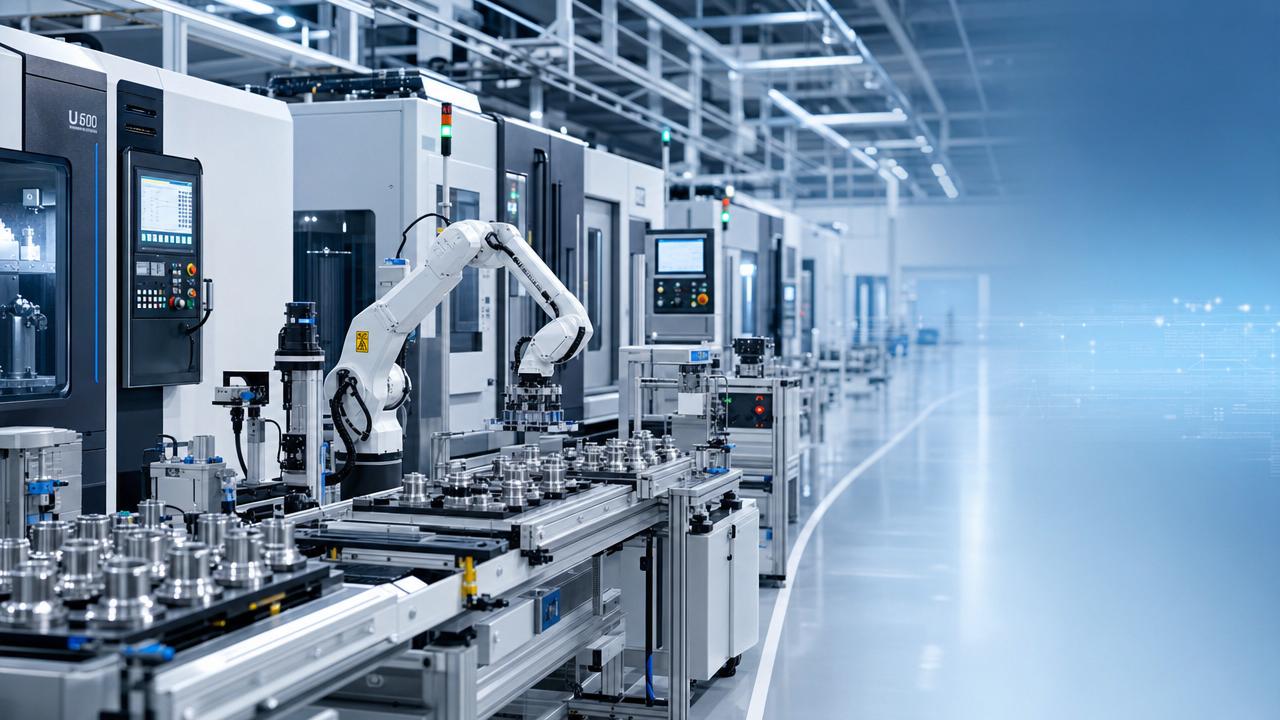
For manufacturing leaders evaluating digital transformation, the question is no longer whether automation matters, but whether Smart Manufacturing Technology for Industry 4.0 can deliver measurable business value. From CNC machining and precision production to connected equipment, flexible lines, and data-driven decision-making, smart manufacturing is reshaping competitiveness across global industries. This article examines whether the investment is worthwhile, what benefits decision makers should expect, and how companies can align advanced manufacturing technologies with long-term efficiency, quality, and growth goals.
Where Smart Manufacturing Technology for Industry 4.0 Creates Real Value
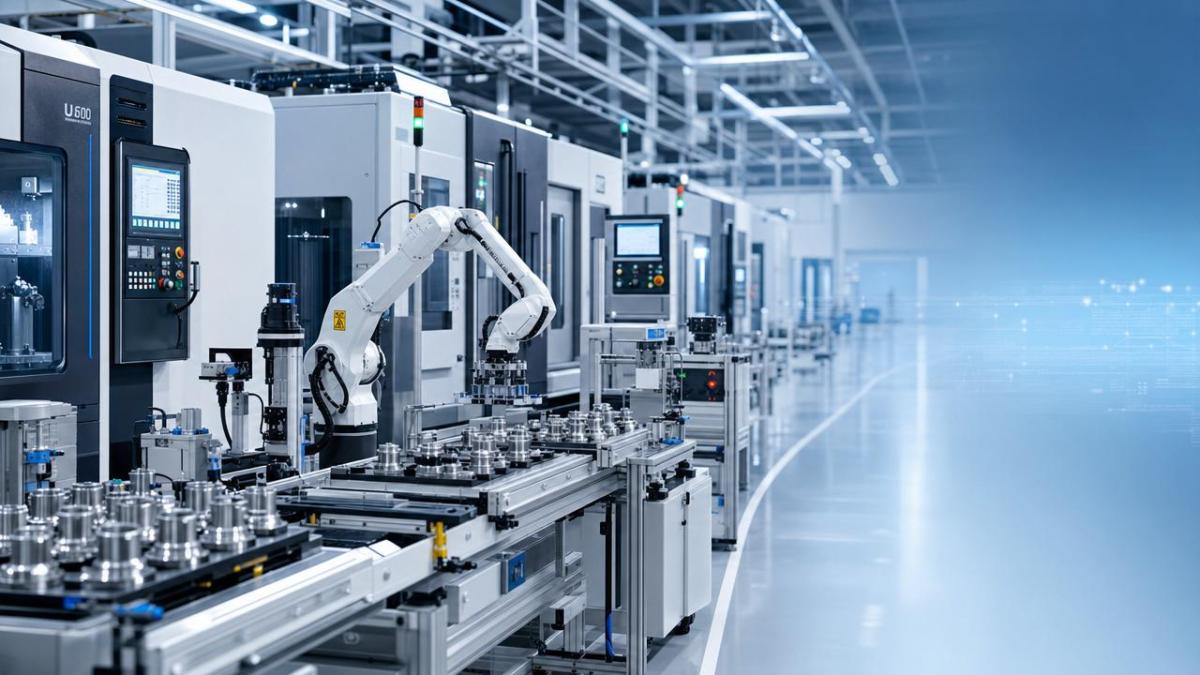
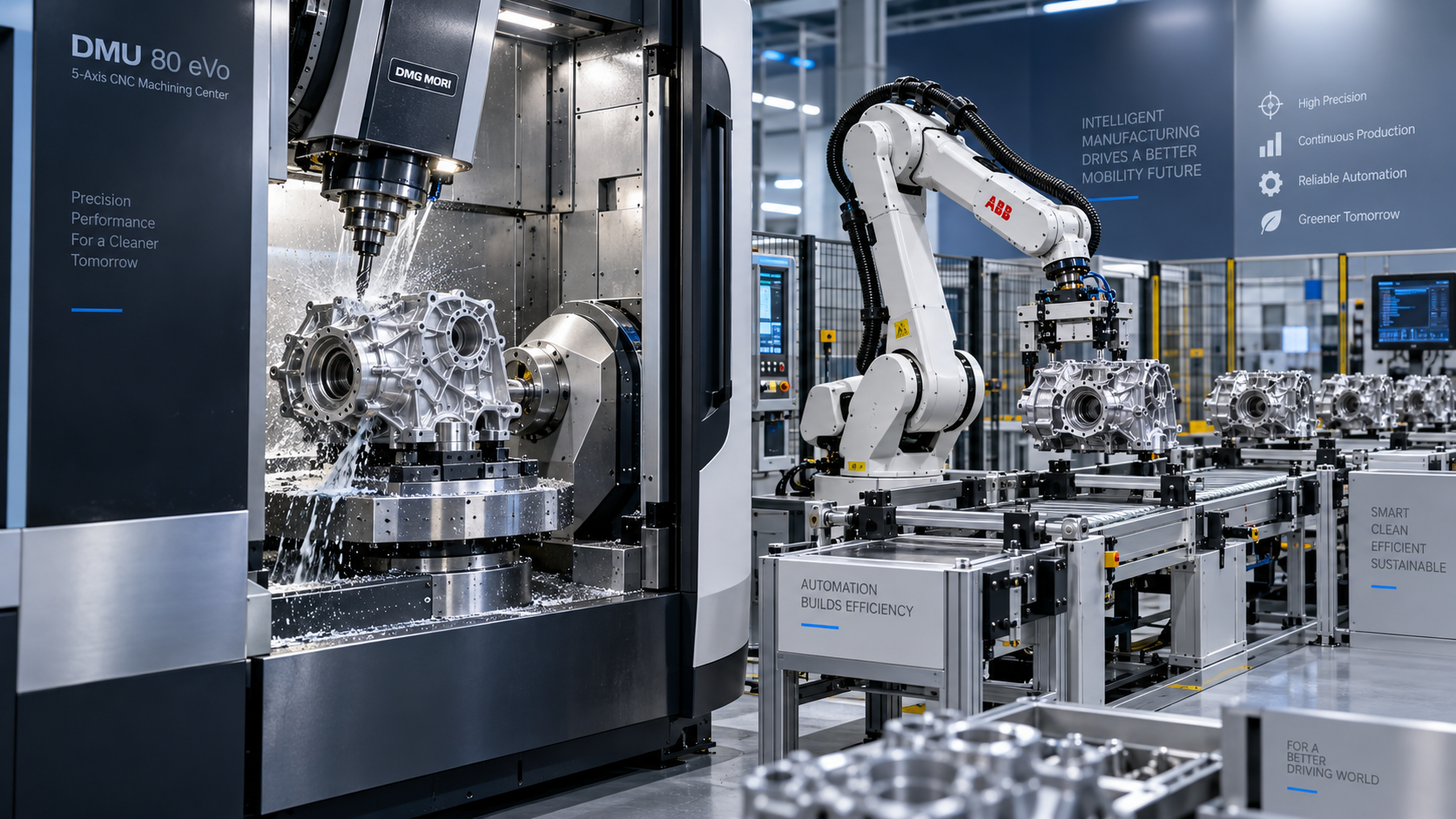
Smart manufacturing is not simply adding sensors to machines. It connects CNC equipment, machining centers, robots, tooling systems, inspection devices, and production software into one coordinated operating environment.
For enterprise decision makers, the value appears when machine data becomes operational intelligence. Spindle load, tool wear, cycle time, downtime, quality deviation, and energy use become visible.
In CNC machining, this visibility is critical. A small dimensional drift may affect aerospace parts, automotive shafts, energy components, or electronic housings across large production batches.
The business case is strongest when production complexity is rising
- High-mix production needs flexible scheduling, quick changeovers, and better control of tooling, fixtures, and machining programs.
- Precision parts require stable process control, traceable measurement data, and faster root-cause analysis when defects occur.
- Global supply chains demand predictable delivery, transparent capacity, and stronger coordination between suppliers, plants, and customers.
Smart Manufacturing Technology for Industry 4.0 becomes worthwhile when it solves these constraints rather than serving as a symbolic technology upgrade.
Which Manufacturing Scenarios Benefit Most?
Not every factory needs the same level of digital integration. The return depends on product type, tolerance requirements, batch size, labor structure, and existing equipment condition.
The following table helps decision makers identify where Smart Manufacturing Technology for Industry 4.0 usually produces stronger operational impact in CNC and precision manufacturing environments.
The table shows that smart manufacturing investment should follow production pain points. A factory with low downtime but weak traceability needs different priorities from a plant losing hours to unplanned stoppages.
Smart Manufacturing Versus Traditional Automation: What Changes?
Traditional automation improves individual tasks. Smart Manufacturing Technology for Industry 4.0 improves the connection between tasks, assets, people, quality data, and management decisions.
This difference matters in machine tool operations. A robotic loader may reduce manual handling, but without data integration, managers still cannot see bottlenecks clearly.
Key differences decision makers should evaluate
Before approving a budget, leaders should compare automation as isolated equipment with smart manufacturing as a connected production system.
The practical benefit is not only labor saving. It is faster decision-making, fewer hidden losses, and better alignment between production capability and customer delivery commitments.
What Should Enterprise Buyers Check Before Investing?
Many smart factory projects underperform because buyers start with software features rather than production constraints. The correct sequence begins with measurable operational targets.
For CNC plants, the targets may include higher spindle utilization, shorter setup time, lower scrap rate, better tool cost control, or more reliable delivery.
Procurement checklist for Smart Manufacturing Technology for Industry 4.0
- Confirm whether existing CNC machines, controllers, robots, inspection systems, and ERP or MES platforms can exchange usable data.
- Define which production KPIs will be tracked, including OEE, first-pass yield, machine downtime, changeover time, and delivery adherence.
- Evaluate whether operators, engineers, and maintenance teams can act on data rather than only view dashboards.
- Check supplier capability for machine integration, fixture coordination, tooling compatibility, commissioning, training, and after-sales support.
- Plan cybersecurity, user permissions, data backup, and network segmentation before connecting production equipment at scale.
Smart Manufacturing Technology for Industry 4.0 should be evaluated as an operating model. The best solution connects equipment, process knowledge, and business priorities.
Which Technical Parameters Matter in CNC-Centered Smart Factories?
Technical selection should balance digital ambition with shop-floor practicality. A connected system must survive coolant, vibration, legacy controllers, operator habits, and demanding delivery schedules.
The table below summarizes core parameters that influence the effectiveness of Smart Manufacturing Technology for Industry 4.0 in precision manufacturing projects.
These parameters prevent a common mistake: selecting attractive dashboards while ignoring whether the underlying data is complete, accurate, timely, and actionable.
Cost, ROI, and Alternatives: Is It Worth the Budget?
Smart manufacturing investment includes more than software licenses. Decision makers should include machine interfaces, sensors, network equipment, integration services, training, maintenance, and process redesign.
The investment is more defensible when it targets high-cost losses. These include machine idle time, rework, tool failure, late delivery penalties, excess inventory, and slow engineering response.
A practical ROI framework
- Start with one production family where downtime, scrap, or delivery pressure is already measurable and financially visible.
- Run a pilot on selected CNC machines, including operators and maintenance teams from the beginning.
- Compare before-and-after metrics for utilization, unplanned stoppage, first-pass yield, tool consumption, and schedule stability.
- Scale only after confirming that data supports decisions, not merely reporting activity after production has finished.
If the factory has very simple products, stable demand, and limited quality pressure, a full Industry 4.0 deployment may not be urgent.
In that case, staged upgrades such as machine monitoring, tool management, or automated inspection can be a lower-risk starting point.
Implementation Roadmap for Lower Risk
A successful project normally moves in phases. This avoids excessive disruption and allows management to validate technical assumptions before committing to factory-wide integration.
For CNC manufacturers, the roadmap should protect production continuity. Commissioning must be coordinated with order schedules, tooling changes, and operator training.
Recommended implementation stages
- Assessment: review machine inventory, controller interfaces, process flow, bottlenecks, inspection points, and current data gaps.
- Pilot deployment: connect selected CNC equipment, collect core production data, and validate dashboards against actual shop-floor events.
- Process integration: link production data with maintenance, quality inspection, tooling, scheduling, and work order management.
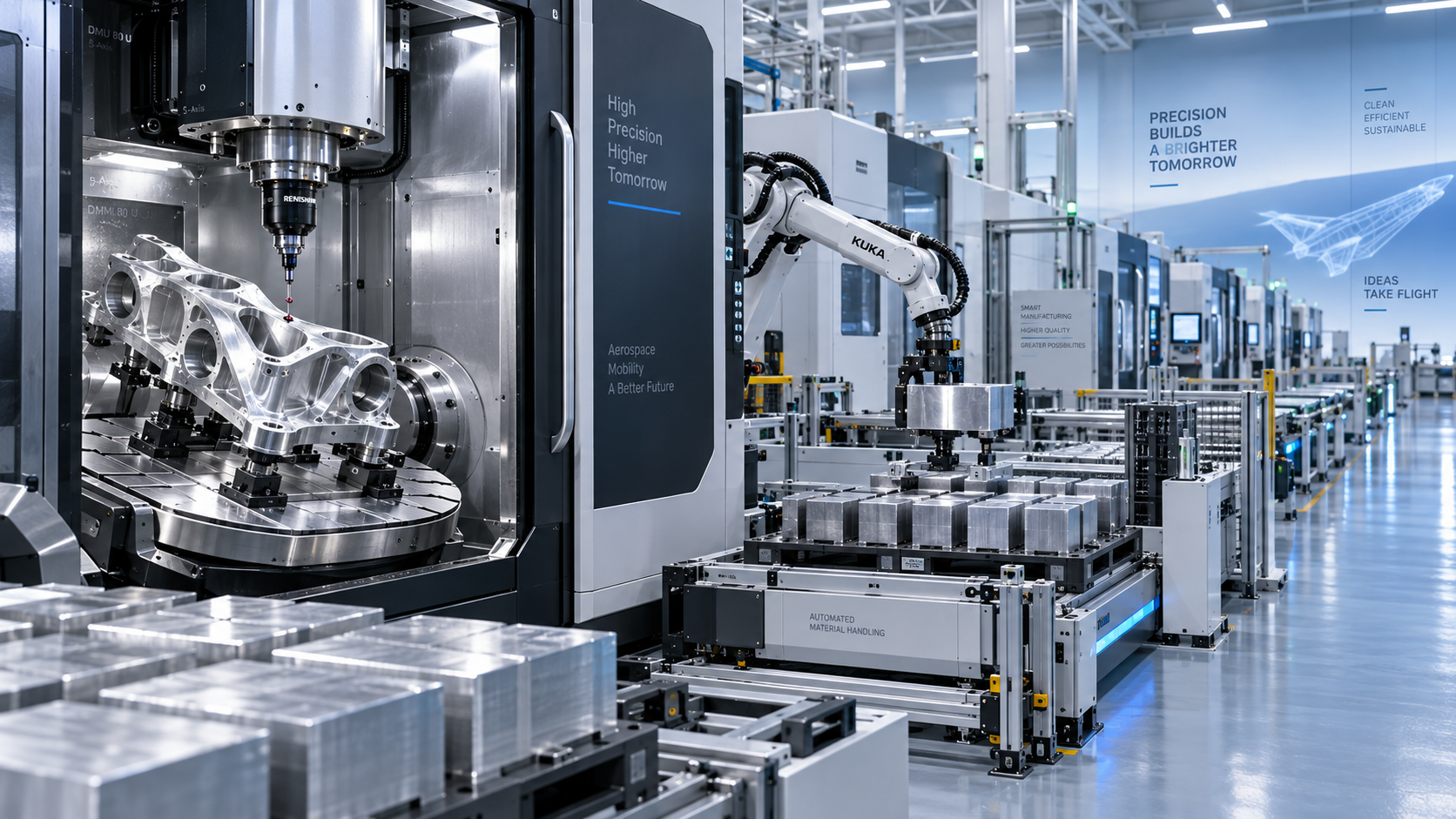
- Scale-up: expand to flexible lines, automated material handling, robots, and multi-site performance comparison where appropriate.
- Continuous improvement: use collected data to optimize programs, fixtures, cutting parameters, spare parts, and workforce planning.
Smart Manufacturing Technology for Industry 4.0 is most effective when implementation is linked to production engineering, not separated as an IT-only project.
Standards, Compliance, and Data Governance Considerations
Global manufacturing customers increasingly expect traceability, process control, and reliable quality records. Smart manufacturing can support these requirements when data governance is planned early.
Common references may include ISO 9001 for quality management, ISO 14001 for environmental management, and IEC 62443 concepts for industrial cybersecurity.
Compliance-related questions to ask suppliers
- How are production records stored, protected, retrieved, and linked to part numbers or batches?
- Can user permissions separate operators, engineers, quality teams, maintenance staff, and external service personnel?
- Does the system support export documentation, customer audits, and internal quality review without manual data reconstruction?
- How are software updates, remote access, and network security handled in a production environment?
Compliance is not only paperwork. It reduces audit pressure and helps factories prove that precision components were manufactured under controlled conditions.
Common Misconceptions and FAQ
Enterprise buyers often ask similar questions before adopting Smart Manufacturing Technology for Industry 4.0. The answers depend on production maturity and business priorities.
Does smart manufacturing require replacing all existing CNC machines?
Usually not. Many factories begin by connecting selected machines through controller interfaces, external sensors, or data collection gateways. Replacement is considered when equipment limits quality, accuracy, or connectivity.
How long does a pilot project usually take?
A focused pilot may take several weeks to a few months, depending on machine diversity, data availability, network readiness, and how quickly teams validate production metrics.
What is the biggest implementation risk?
The biggest risk is poor alignment between technology and operations. If engineers, operators, and managers do not share KPI definitions, dashboards may not improve decisions.
Is Smart Manufacturing Technology for Industry 4.0 only suitable for large factories?
No. Smaller precision machining companies can benefit from staged solutions, especially when they serve customers requiring tighter delivery control, traceability, and consistent part quality.
Final Decision: When Is the Investment Worth It?
Smart Manufacturing Technology for Industry 4.0 is worth it when the project is tied to measurable constraints: downtime, scrap, traceability, tool cost, delivery reliability, or capacity utilization.
It is less compelling when deployed without clear targets, process ownership, or integration planning. Digital tools cannot compensate for unclear production standards or weak execution discipline.
Why choose us for your evaluation and sourcing process?
Our platform focuses on global CNC machining, precision manufacturing, machine tools, automation, and international trade updates for manufacturing professionals and enterprise decision makers.
We can support discussions around CNC machine selection, machining center configuration, automated line planning, tooling compatibility, fixture requirements, and smart factory implementation priorities.
Contact us to clarify technical parameters, compare product options, review delivery cycles, discuss customized solutions, confirm certification expectations, request sample support, or prepare quotation communication.
For leaders considering Smart Manufacturing Technology for Industry 4.0, the right next step is not a generic purchase. It is a structured evaluation based on your production reality.
PREVIOUS ARTICLE
Recommended for You
 How to Select a CNC Metal Lathe for Tight-Tolerance Shaft and Sleeve PartsCNC Machining Technology Center
 How to Select an Industrial Lathe for High-Volume Shaft ProductionMachine Tool Industry Editorial Team
 Selecting Machine Tools for Automotive Parts: Accuracy, Throughput, and AutomationMachine Tool Industry Editorial Team
 Industrial Machining: Selecting Processes for Tight-Tolerance Metal PartsCNC Machining Technology Center
 Manufacturing Technology Trends That Improve Throughput and Quality ControlManufacturing Market Research Center
 How to Design Cost-Effective Fixtures That Maintain Cycle Time in Mass ProductionCNC Machining Technology Center

Aris Katos
Future of Carbide Coatings
15+ years in precision manufacturing systems. Specialized in high-speed milling and aerospace grade alloy processing.
▶
Manufacturing Technology Trends That Improve Throughput and Quality ControlManufacturing Market Research Center▶
Global Manufacturing Trends: How Supply Chains and Regional Shifts Affect SourcingManufacturing Market Research Center▶
Small-Batch Production and Smart Manufacturing for Small Businesses: Where to Start FirstManufacturing Market Research Center▶
What Smart Manufacturing Technology for Industry 4.0 Means for Mid-Sized FactoriesManufacturing Market Research Center▶
How Smart Manufacturing Benefits Reduce Downtime and Scrap in Metal Parts ProductionManufacturing Market Research Center
Mastering 5-Axis Workholding Strategies
Join our technical panel on Nov 15th to learn about reducing vibrations in thin-wall components.

Providing you with integrated sanding solutions
Before-sales and after-sales services
Comprehensive technical support