• Global CNC market projected to reach $128B by 2028 • New EU trade regulations for precision tooling components • Aerospace deman
NYSE: CNC +1.2%LME: STEEL -0.4%

Manufacturing Industry Trends: Cost, Labor, and Supply Chain Pressures
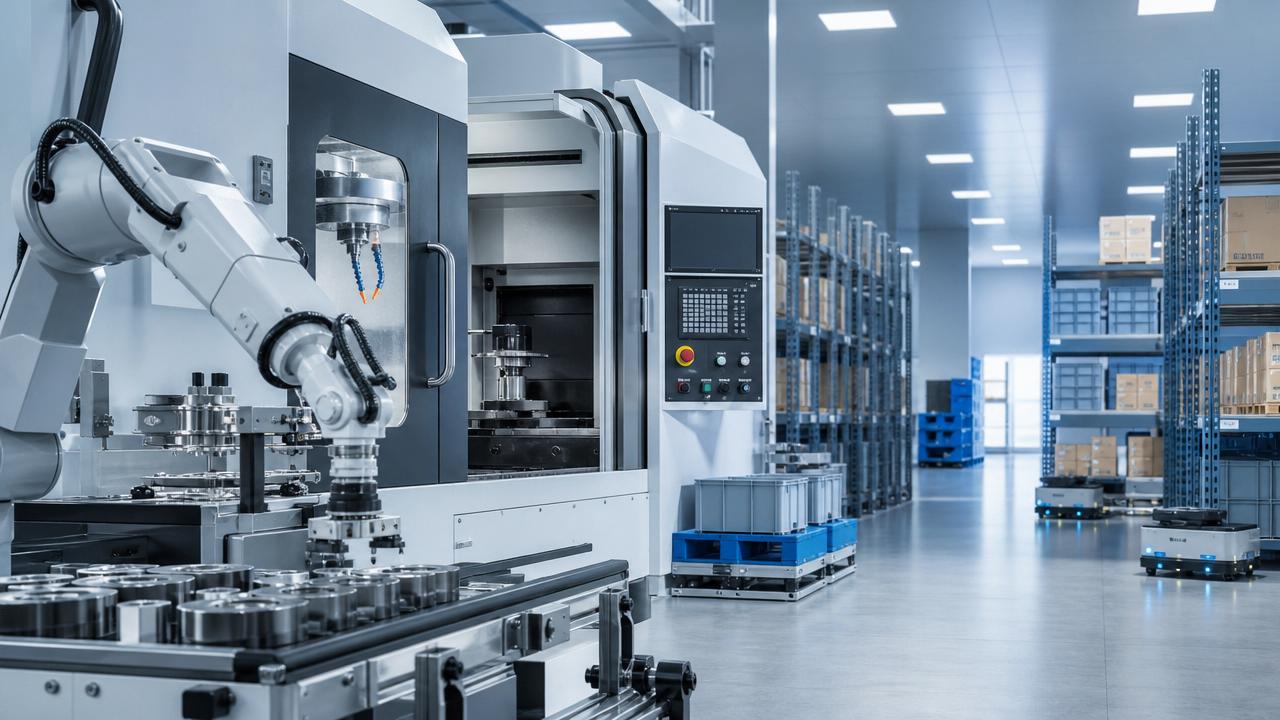
The Manufacturing Industry is entering a decisive period as rising costs, labor shortages, and supply chain instability reshape how companies plan production and investment. For business leaders in CNC machining, precision manufacturing, and automated equipment sectors, these pressures are not temporary disruptions but strategic signals. Understanding how manufacturers respond through automation, digital integration, smarter sourcing, and flexible production systems is essential for maintaining competitiveness, protecting margins, and building resilient operations in a rapidly changing global market.
Why Manufacturing Industry Pressures Are Becoming Board-Level Decisions
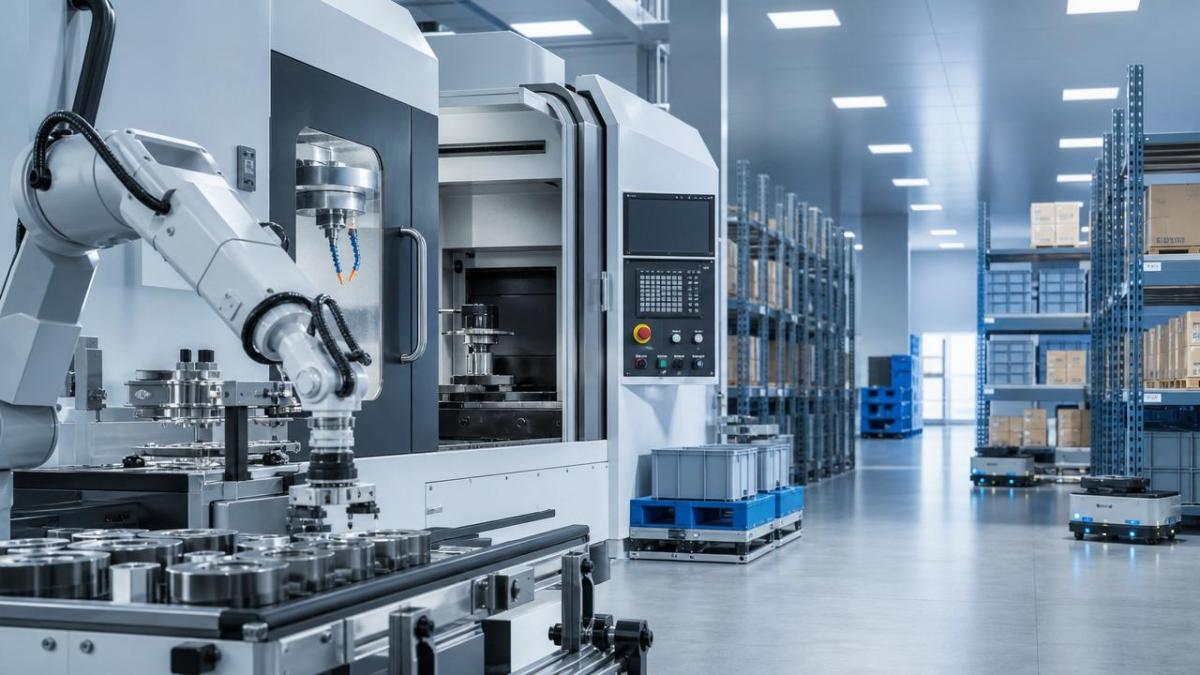
For many manufacturers, cost control is no longer a purchasing department issue. It now affects capacity planning, product pricing, customer commitments, and capital expenditure.
In the CNC machine tool sector, small differences in spindle utilization, tooling life, setup time, and scrap rate can directly influence margins.
The Manufacturing Industry also faces a structural labor challenge. Experienced operators, programmers, maintenance technicians, and process engineers are difficult to replace quickly.
Supply chains add another layer of risk. Delays in ball screws, control systems, cutting tools, fixtures, and automation components can interrupt production schedules.
Key pressure points decision-makers should monitor
- Energy and material costs that change quoting accuracy for machined parts and equipment production.
- Labor availability for CNC operation, process setup, inspection, and preventive maintenance.
- Lead time uncertainty for imported components, standard tooling, and customized machine assemblies.
- Customer demand for tighter tolerance, faster delivery, and traceable production quality.
These challenges are connected. A shortage of skilled setup staff can increase machine idle time, which raises unit cost and weakens delivery reliability.
Cost Pressure: Where CNC Manufacturers Are Losing Margin
Cost pressure in the Manufacturing Industry is often discussed at a broad level, but executives need a more operational view.
In CNC machining and precision equipment production, total cost is shaped by far more than machine purchase price.
Tool consumption, fixture changes, coolant management, quality inspection, unplanned downtime, and rework all affect real profitability.
The table below summarizes common cost drivers and practical responses for companies evaluating machining centers, CNC lathes, and automated production lines.
The most effective cost programs are not based only on supplier negotiation. They combine engineering discipline, automation readiness, and measurable production data.
For the Manufacturing Industry, the winning question is not “Which machine is cheapest?” but “Which configuration lowers lifecycle cost?”
Labor Shortages: Why Automation Is Becoming a Practical Requirement
Labor shortages are reshaping how the Manufacturing Industry evaluates capacity. Hiring more operators is not always realistic, especially for night shifts.
CNC machining requires knowledge of programming, clamping, cutting parameters, measurement, machine alarms, and process troubleshooting.
When that knowledge is concentrated in a few senior employees, production risk becomes significant.
Automation options that reduce labor dependency
- Robotic loading and unloading for repetitive shaft, disc, and housing components.
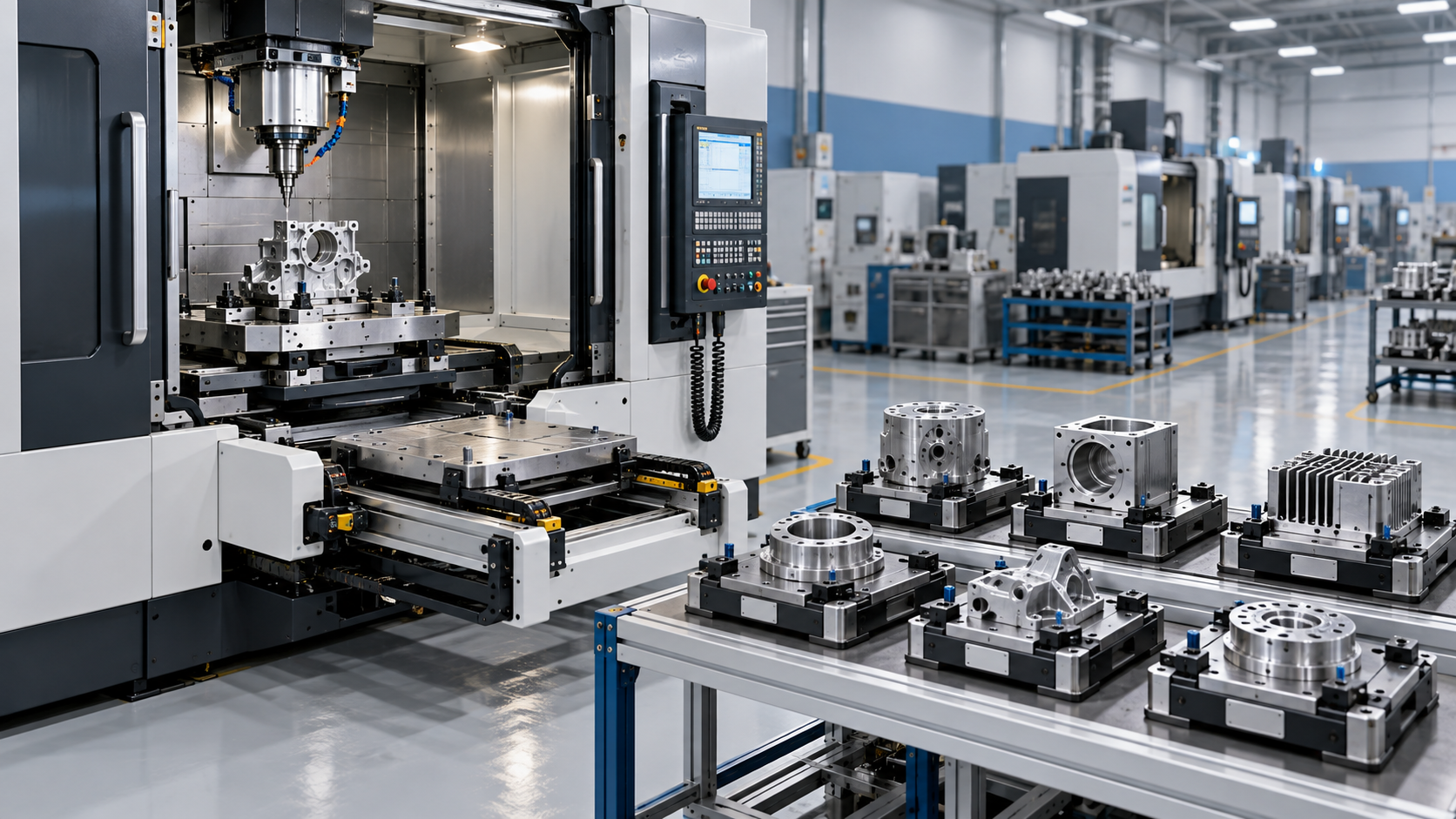
- Pallet changers that allow machining centers to continue cutting during part preparation.
- Tool management systems that reduce manual tracking and prevent unexpected tool failures.
- Digital work instructions that transfer setup knowledge across shifts and plants.
Automation does not eliminate the need for skilled people. It changes their role from manual intervention to process supervision.
This shift is important for business leaders because it creates scalable capacity without depending entirely on local labor availability.
Supply Chain Instability: How Equipment Buyers Should Reduce Risk
Supply chain instability has made procurement more strategic in the Manufacturing Industry. A single delayed component can slow an entire project.
For CNC equipment, key dependencies may include CNC controllers, servo systems, linear guides, bearings, tooling, sensors, and safety devices.
Executives should assess suppliers not only by quotation, but also by component transparency, delivery planning, documentation, and support capability.
The following comparison helps identify which sourcing approach fits different production and investment scenarios.
A resilient sourcing strategy does not mean buying from everywhere. It means knowing which risks matter most for each component and project.
In the Manufacturing Industry, better supplier qualification often prevents expensive production delays before they happen.
How to Choose CNC Equipment Under Cost, Labor, and Delivery Constraints
When budgets are limited, many companies compare only spindle power, axis count, and quoted price. That is rarely enough.
A better purchasing method connects machine specification with production reality: part geometry, tolerance, batch size, operator skill, and expansion plans.
Procurement checklist for executive review
- Confirm the main part families, including material, diameter range, cavity depth, tolerance level, and surface finish requirement.
- Evaluate whether the machine will run single-shift, multi-shift, lights-out, or flexible mixed-batch production.
- Review fixture strategy because poor clamping design can reduce the benefit of a high-performance machining center.
- Check controller compatibility, data interface options, maintenance access, and operator training requirements.
- Request delivery schedule details for the machine body, control system, accessories, installation, and commissioning support.
For the Manufacturing Industry, the right CNC investment should support both current orders and future product changes.
A machine that fits only one narrow program may become a bottleneck when customers request new tolerances or shorter delivery cycles.
Application Scenarios: Which Manufacturing Industry Operations Need Flexible Production?
Flexible production is becoming a competitive advantage as customer demand shifts faster and order sizes become less predictable.
CNC lathes, machining centers, multi-axis systems, robots, and inspection technologies can be combined differently across industries.
The table below links common manufacturing scenarios with equipment and operational priorities.
This scenario-based view helps executives avoid overbuying or under-specifying equipment.
The Manufacturing Industry increasingly rewards companies that match machine capability with actual production economics.
Digital Integration: Turning Production Data Into Better Decisions
Digital integration is one of the most important Manufacturing Industry trends because it connects shop-floor reality with management decisions.
Without reliable data, executives may approve new equipment while the real bottleneck is setup planning, tooling control, or inspection capacity.
Useful data points for CNC and precision manufacturing
- Machine utilization by shift, product family, operator group, and maintenance status.
- Tool life records linked to material type, cutting strategy, coolant condition, and part quality.
- Alarm frequency and downtime reasons that reveal hidden maintenance or training gaps.
- Inspection results connected to specific processes, fixtures, and machine offsets.
Digital transformation does not need to start with a full smart factory. Many companies begin by collecting basic machine and quality data.
Once the data is visible, management can decide whether to add automation, modify processes, retrain staff, or adjust sourcing plans.
Standards, Compliance, and Risk Control for Global Manufacturing
As the Manufacturing Industry becomes more global, compliance expectations are becoming more complex. Buyers need clear documentation before shipment.
Machine tool projects may involve safety requirements, electrical documentation, quality management references, and export-related paperwork.
Common references may include ISO 9001 for quality management, ISO 12100 for machinery safety principles, and regional electrical safety expectations.
Compliance questions to ask before purchase
- Can the supplier provide machine documentation, electrical diagrams, parameter lists, and operating instructions?
- Are safety guards, emergency stops, interlocks, and warning labels aligned with the destination market?
- Is there a clear commissioning plan covering installation, leveling, trial cutting, and operator guidance?
- Are spare parts, consumables, and service response options clarified before the purchase order?
Compliance should be reviewed early, not after the equipment reaches customs or the production floor.
This approach protects delivery schedules and reduces avoidable risk for international Manufacturing Industry projects.
Common Misconceptions That Lead to Poor Manufacturing Decisions
Many equipment investment problems begin with assumptions that seem reasonable but do not survive operational review.
For executives, challenging these assumptions before signing contracts can save capital, time, and internal conflict.
Misconception 1: Higher axis count always means better capability
Multi-axis machining is valuable for complex parts, but it requires programming skill, toolpath verification, and stable fixturing.
If the main workload is simple turning or three-axis milling, a more focused system may deliver better utilization.
Misconception 2: Automation only suits large factories
Small and mid-sized manufacturers can also benefit from modular automation, especially where repeat jobs, labor shortages, or night shifts exist.
The key is choosing automation that matches part flow instead of forcing the factory to adapt to a rigid system.
Misconception 3: The lowest quotation protects the budget
A low quotation can become expensive if it creates tooling limitations, spare part delays, weak service support, or excessive rework.
In the Manufacturing Industry, price must be compared with lifecycle value, delivery risk, and production performance.
FAQ: Practical Questions From Manufacturing Industry Decision-Makers
How should a company choose between CNC lathes and machining centers?
Start with part geometry. Shaft, ring, and cylindrical components usually favor CNC turning, while prismatic housings and multi-face parts favor machining centers.
If the part requires both turning and milling, consider process integration, fixture complexity, tolerance stack-up, and expected batch size.
What should executives review before approving automation investment?
Review part repeatability, loading method, cycle time, available floor space, operator skills, and maintenance capability.
Automation brings the best return when process stability is already understood and bottlenecks are clearly measured.
How long does CNC equipment procurement usually take?
Timelines vary by configuration, component availability, customization, shipping route, and installation requirements.
Decision-makers should request separate timing for specification confirmation, production, inspection, logistics, commissioning, and training.
What is the biggest risk in global CNC machine sourcing?
The biggest risk is often unclear scope. Missing details about tooling, fixtures, voltage, documentation, accessories, or service can cause delays.
A structured technical review reduces misunderstandings and helps both buyer and supplier align expectations before production begins.
Why Choose Us for Manufacturing Industry Insight and CNC Sourcing Support
Business leaders need more than general market commentary. They need practical information that connects Manufacturing Industry trends with equipment decisions.
Our platform focuses on CNC machining, precision machine tools, automation systems, global trade updates, and smart manufacturing development.
We help decision-makers clarify technical requirements, compare solution directions, understand sourcing risks, and prepare better supplier discussions.
You can consult us about these practical topics
- Parameter confirmation for CNC lathes, machining centers, multi-axis systems, and automated production lines.
- Product selection based on part type, tolerance requirement, production volume, and operator conditions.
- Delivery cycle planning, component availability review, and international trade considerations.
- Customized solution discussion covering fixtures, tooling, robotic loading, inspection, and digital integration.
- Certification, documentation, sample support, and quotation communication for global procurement projects.
The Manufacturing Industry will continue to face cost, labor, and supply chain pressure, but these pressures can become opportunities.
Contact us to discuss your production goals, technical constraints, delivery timeline, and sourcing priorities before your next CNC investment decision.
Recommended for You
![]() Mitsubishi Electric Announces Physical AI System Linking Humanoid Robots and CNC MachinesMachine Tool Industry Editorial Team
Mitsubishi Electric Announces Physical AI System Linking Humanoid Robots and CNC MachinesMachine Tool Industry Editorial Team Precision Machining for Defense: Supplier Quality and Traceability ChecksManufacturing Market Research Center
![]() Nidec Machine Tool Launches MVR-5X Five-Axis Gantry MachineMachine Tool Industry Editorial Team
Nidec Machine Tool Launches MVR-5X Five-Axis Gantry MachineMachine Tool Industry Editorial Team Choosing a Precision Disc Parts Manufacturer in China: Tolerances and Quality ChecksManufacturing Market Research Center
![]() Siemens Executive Says AI Could Raise Factory Automation to 80%Manufacturing Market Research Center
Siemens Executive Says AI Could Raise Factory Automation to 80%Manufacturing Market Research Center Choosing Automated Machine Tools for High-Mix, Low-Volume ProductionMachine Tool Industry Editorial Team

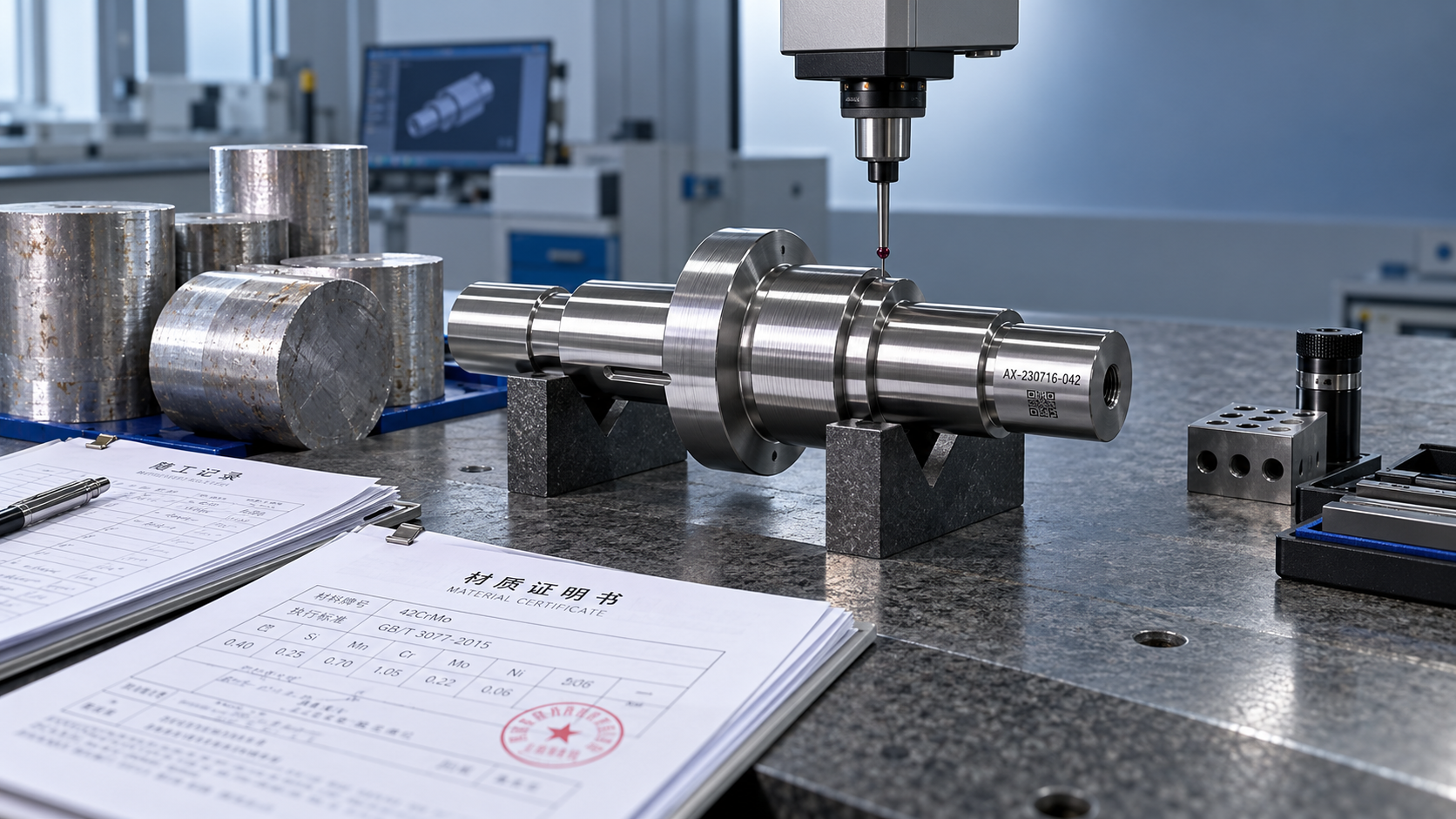
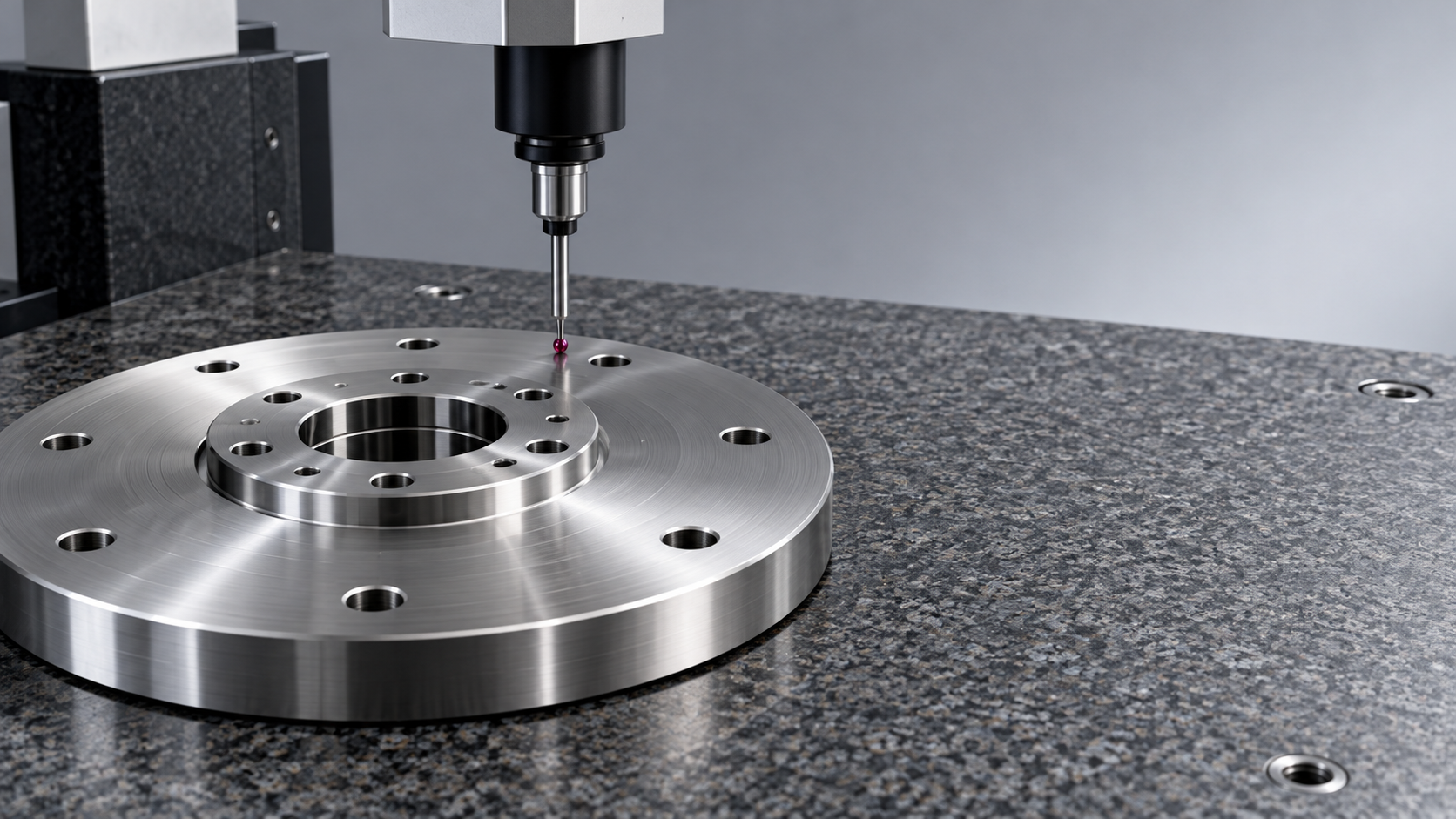

Aris Katos
Future of Carbide Coatings
15+ years in precision manufacturing systems. Specialized in high-speed milling and aerospace grade alloy processing.
▶
Siemens Executive Says AI Could Raise Factory Automation to 80%Manufacturing Market Research Center▶
Manufacturing Technology Trends That Improve Throughput and Quality ControlManufacturing Market Research Center▶
Global Manufacturing Trends: How Supply Chains and Regional Shifts Affect SourcingManufacturing Market Research Center▶
Small-Batch Production and Smart Manufacturing for Small Businesses: Where to Start FirstManufacturing Market Research Center▶
What Smart Manufacturing Technology for Industry 4.0 Means for Mid-Sized FactoriesManufacturing Market Research Center
▶
Mastering 5-Axis Workholding Strategies
Join our technical panel on Nov 15th to learn about reducing vibrations in thin-wall components.

Providing you with integrated sanding solutions
Before-sales and after-sales services
Comprehensive technical support