5 Axis Machining for Complex Parts: When Is It the Better Choice?
For technical evaluators, choosing the right machining strategy is not just about capability—it is about accuracy, setup efficiency, cost control, and production risk.
5 Axis Machining has become a preferred solution for complex parts with intricate geometries, tight tolerances, and difficult-to-reach features.
But it is not always the best or most economical option. The real question is when its advantages clearly outweigh its higher programming and equipment costs.
Start With the Decision Question: What Problem Must 5 Axis Machining Solve?
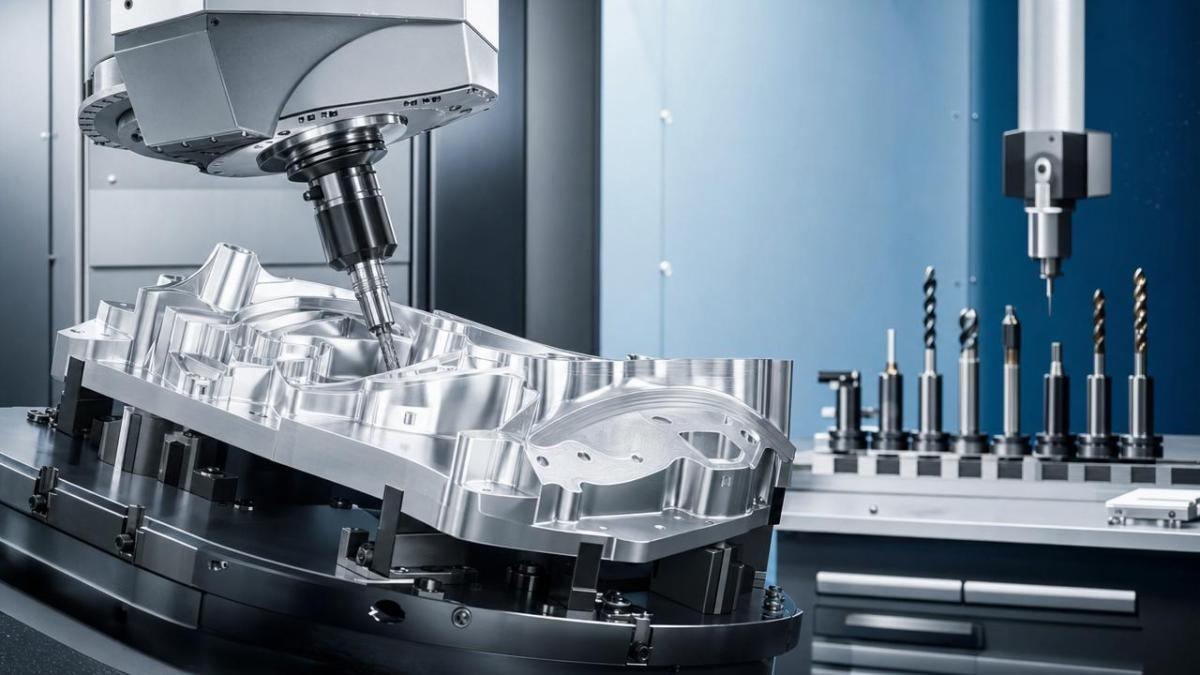
The strongest reason to choose 5 Axis Machining is not technical prestige. It is the ability to reduce process risk on parts that challenge conventional machining.
Technical evaluators usually search this topic because they need to justify a process route, compare suppliers, or assess whether a part requires advanced equipment.
The key decision is simple: if a part can be machined accurately, repeatably, and economically on 3-axis or 4-axis equipment, 5-axis may not be necessary.
However, when geometry, tolerance stack-up, tool access, or setup count becomes the main risk, 5-axis capability can become the more reliable option.
A good evaluation should focus less on axis count and more on measurable outcomes: fewer setups, better feature alignment, shorter tools, and lower rework probability.
When Complex Geometry Makes 5 Axis Machining the Better Choice
Complex parts often contain angled surfaces, deep pockets, compound curves, undercuts, or features that cannot be reached efficiently from three fixed directions.
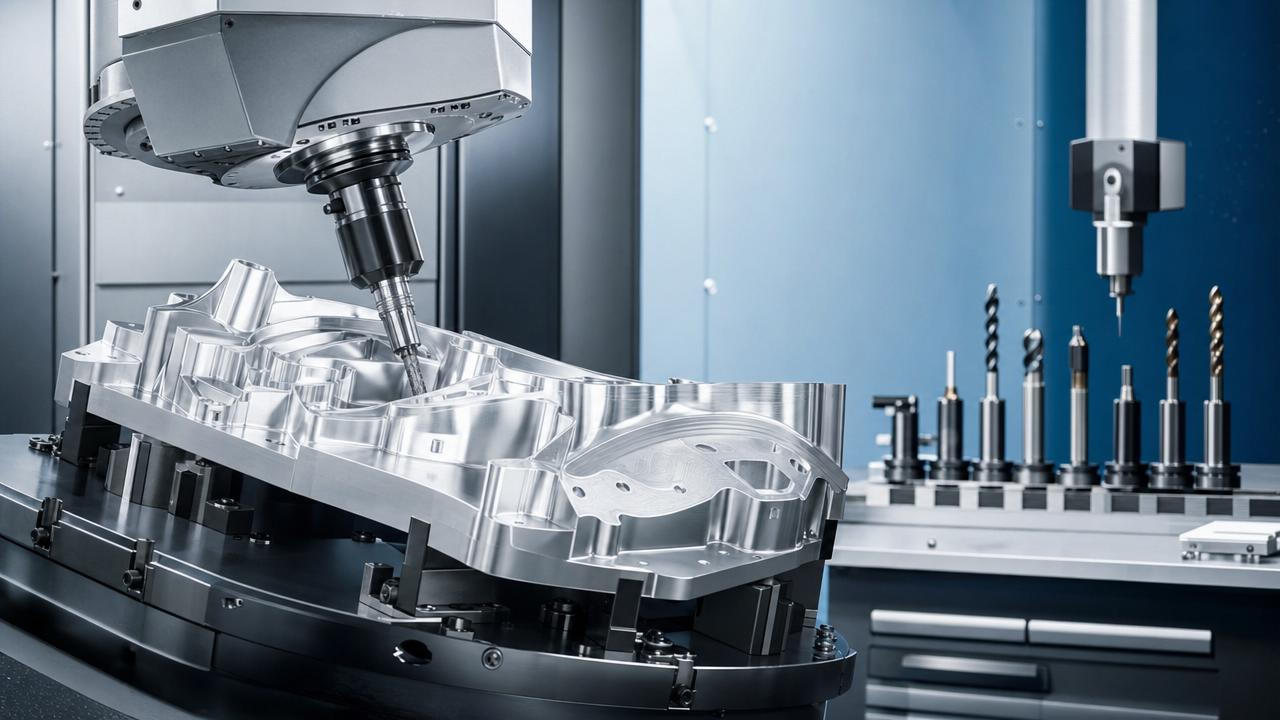
In these cases, 5 Axis Machining allows the cutting tool to approach the workpiece from multiple angles without repeatedly repositioning the part manually.
This is especially valuable for aerospace brackets, turbine components, impellers, medical implants, mold inserts, energy equipment parts, and lightweight structural components.
For sculptured surfaces, simultaneous 5-axis movement helps maintain better tool contact and smoother surface transitions across curved or irregular geometries.
For deep features, tilting the tool can avoid long, slender cutters that increase chatter, deflection, poor finish, and dimensional inconsistency.
The result is not only access to difficult geometry, but also improved process stability when machining features that would otherwise require compromises.
If a technical drawing includes many non-orthogonal features, internal angles, blended surfaces, or hard-to-reach details, 5-axis evaluation should begin early.
Setup Reduction Is Often the Biggest Business Case
Many companies focus on cutting time, but setup reduction is often the more important advantage of 5 Axis Machining for complex precision parts.
Every time a part is removed, reclamped, and re-indicated, there is an opportunity for alignment error, human variation, and accumulated tolerance deviation.
With 5-axis machining, multiple faces or features can often be completed in one setup, improving positional accuracy between related surfaces.
This matters greatly when holes, pockets, slots, and sealing surfaces must align precisely across several planes or datum references.
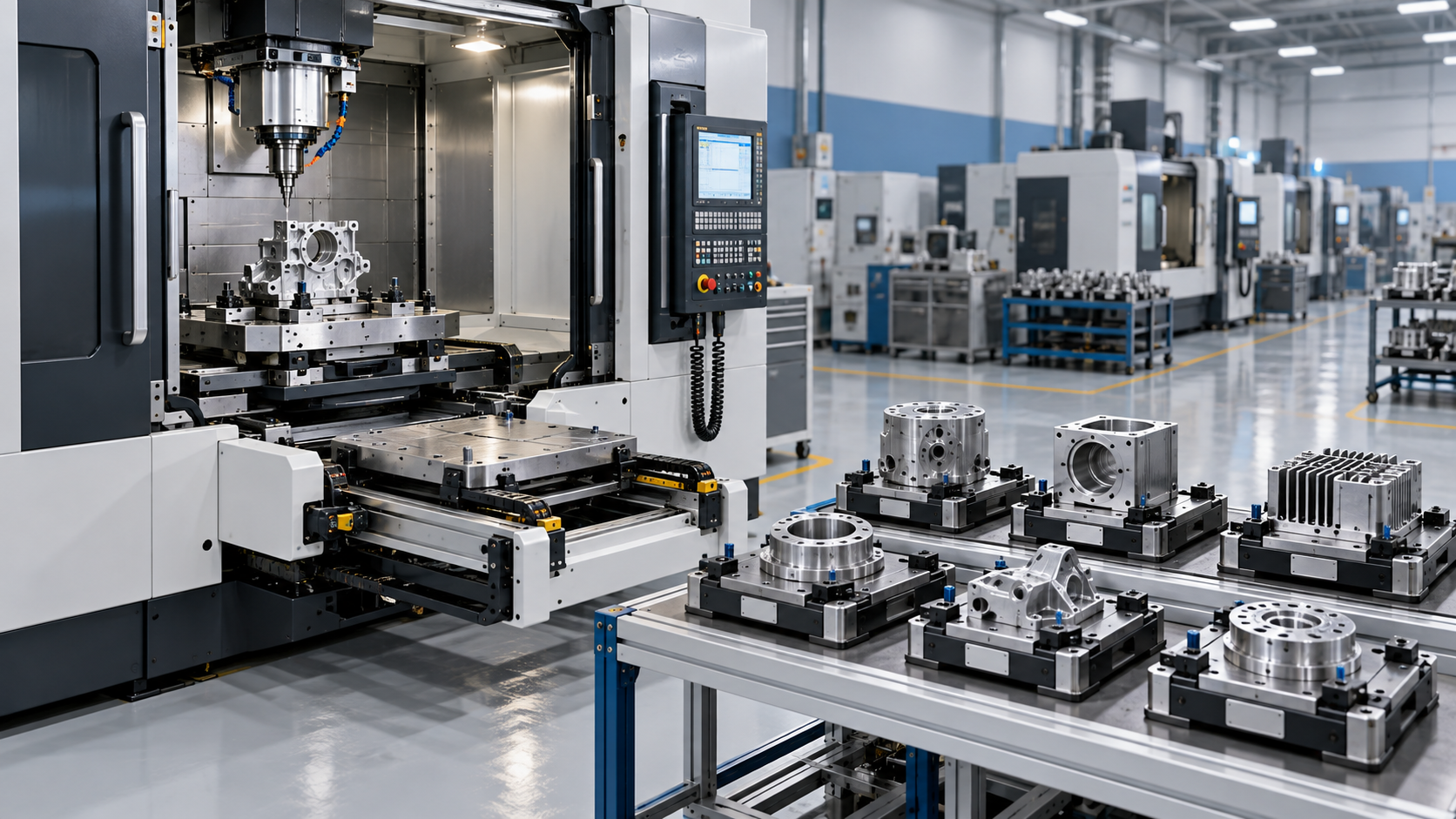
Fewer setups also reduce fixture complexity. Instead of designing several dedicated fixtures, manufacturers may use one optimized fixture with controlled access.
For low-volume, high-mix production, this can significantly reduce lead time because fixture design and manual setup time become major cost drivers.
For production environments, one-setup machining can improve repeatability and reduce inspection burden, especially when process capability must be documented.
If a part currently needs three or more setups, evaluators should calculate the true cost of handling, alignment, inspection, and scrap risk.
Accuracy and Tolerance: Where 5 Axis Helps Most
5 Axis Machining can improve accuracy when part quality depends on maintaining relationships between features on different faces or angular orientations.
For example, a bore on one side and a mating pocket on another may require precise positional relationships across several datum surfaces.
Machining these features in separate setups can introduce small but critical location errors, even when each individual operation appears accurate.
By completing related features without reclamping, 5-axis processing can reduce tolerance stack-up and improve geometric consistency.
It also helps when tool orientation affects feature quality. Proper tool angle can improve surface finish and reduce burr formation on difficult edges.
That said, 5-axis machines are not automatically more accurate. Machine calibration, rotary axis accuracy, thermal stability, probing strategy, and operator competence matter.
Technical evaluators should ask suppliers how they verify volumetric accuracy, compensate rotary axes, inspect first articles, and control process drift.
The better choice is not the shop with the most axes, but the shop that can prove repeatable accuracy under production conditions.
Cost Evaluation: When Higher Machine Rates Still Save Money
5-axis machine hourly rates are typically higher than conventional CNC equipment, so cost justification must look beyond the quoted machining rate.
The proper comparison should include programming time, setup time, fixture cost, tool life, inspection time, rework risk, and expected scrap rate.
A 3-axis process may appear cheaper per hour but become more expensive if it requires multiple fixtures and repeated manual intervention.
For complex parts, the cost of one scrapped component can exceed the savings from using a lower-cost machining center.
5 Axis Machining is often economically stronger for parts with high material cost, long manufacturing cycles, or strict quality documentation requirements.
It can also reduce work-in-progress because fewer operations are transferred between machines, departments, or subcontractors.
However, for simple prismatic parts, plates, basic housings, and open-access features, conventional machining often remains the more economical option.
The practical test is whether 5-axis capability removes enough setups, fixtures, tool limitations, or quality risks to offset its higher technical cost.
Production Volume Matters, But Not in a Simple Way
Some evaluators assume 5-axis is mainly for low-volume prototypes, while others view it as suitable only for high-value production parts.
In reality, both can be true. The value depends on part complexity, tolerance sensitivity, and how often the same process will repeat.
For prototypes, 5-axis machining may reduce the need for complex fixtures and accelerate design validation of difficult geometries.
For small batches, it can shorten setup cycles and make high-mix production more flexible, especially when engineering changes are frequent.
For stable production, 5-axis machining can support repeatable quality, shorter cycle chains, and reduced operator dependency when the process is optimized.
But for very high-volume simple parts, dedicated fixtures, transfer systems, or multi-spindle equipment may outperform 5-axis machining economically.
Volume should therefore be evaluated together with geometry. A complex ten-piece order may justify 5-axis, while a simple ten-thousand-piece order may not.
Material and Tooling Considerations for Difficult Parts
Material behavior can strongly influence whether 5 Axis Machining provides practical advantages over conventional methods.
In titanium, Inconel, hardened steels, and other difficult materials, tool rigidity and cutting engagement are crucial to controlling heat and vibration.
By tilting the tool and using shorter cutters, 5-axis machining can improve rigidity and help maintain more stable cutting conditions.
This can reduce chatter, extend tool life, and improve surface integrity on features that require deep reach or difficult approach angles.
For aluminum aerospace structures, 5-axis machining can improve material removal strategies while maintaining access to thin walls and complex pockets.
For molds and dies, continuous tool orientation may improve finish quality and reduce the amount of manual polishing required after machining.
Still, advanced machine motion cannot compensate for poor tooling selection, weak fixturing, or unsuitable cutting parameters.
A serious evaluation should include tool length, holder type, collision clearance, chip evacuation, coolant access, and expected tool wear patterns.
Risks and Limitations Technical Evaluators Should Not Ignore
5 Axis Machining introduces its own risks, especially when suppliers lack experience with complex programming, simulation, and machine verification.
Simultaneous multi-axis motion increases the chance of collisions between the tool, holder, spindle, fixture, and workpiece if not carefully simulated.
Post-processor quality is also critical. A good CAM strategy can fail if the machine-specific output is not accurate or proven.
Rotary axis limits, machine travel restrictions, and fixture interference can all affect whether a theoretical 5-axis plan is practical.
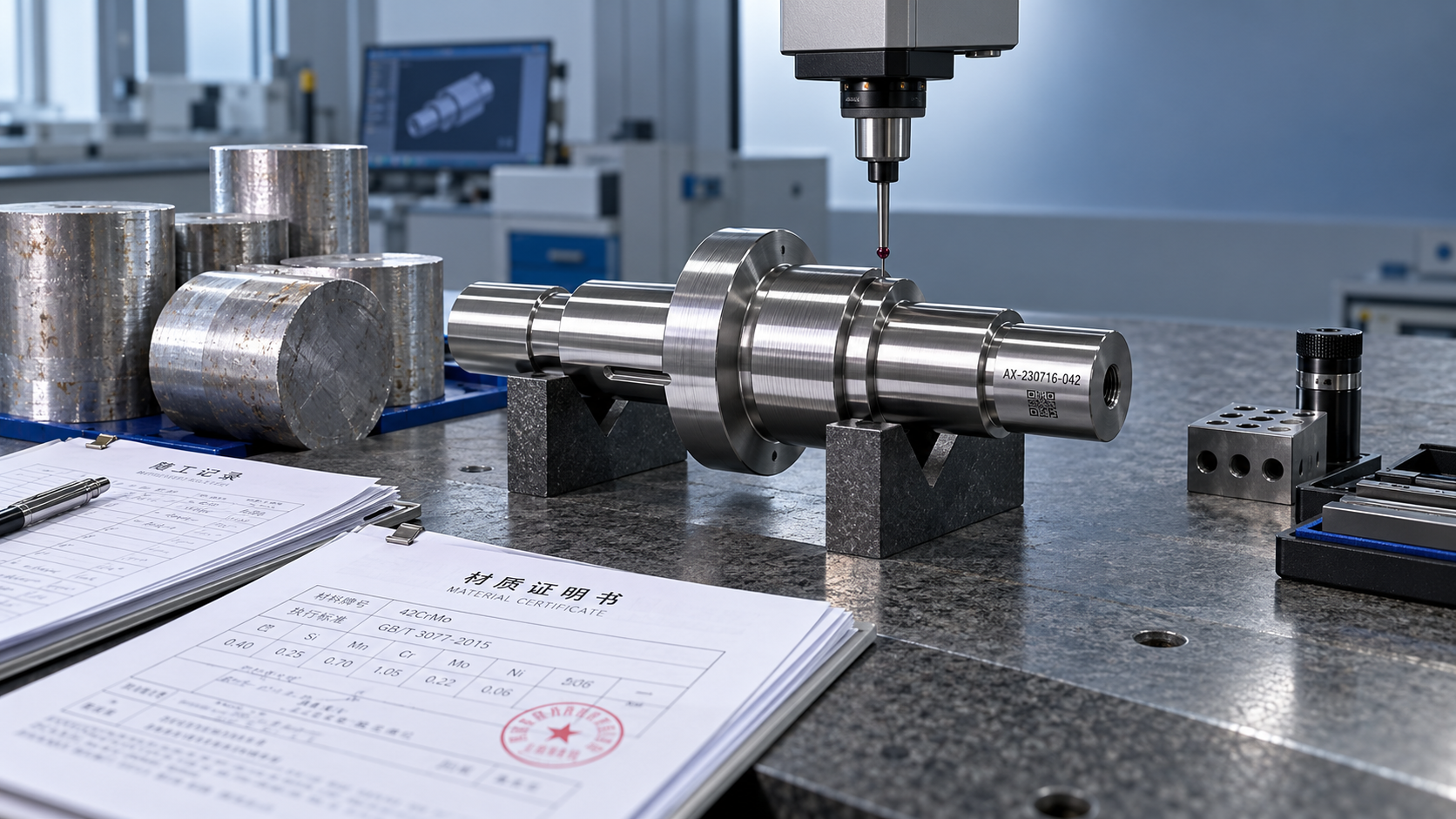
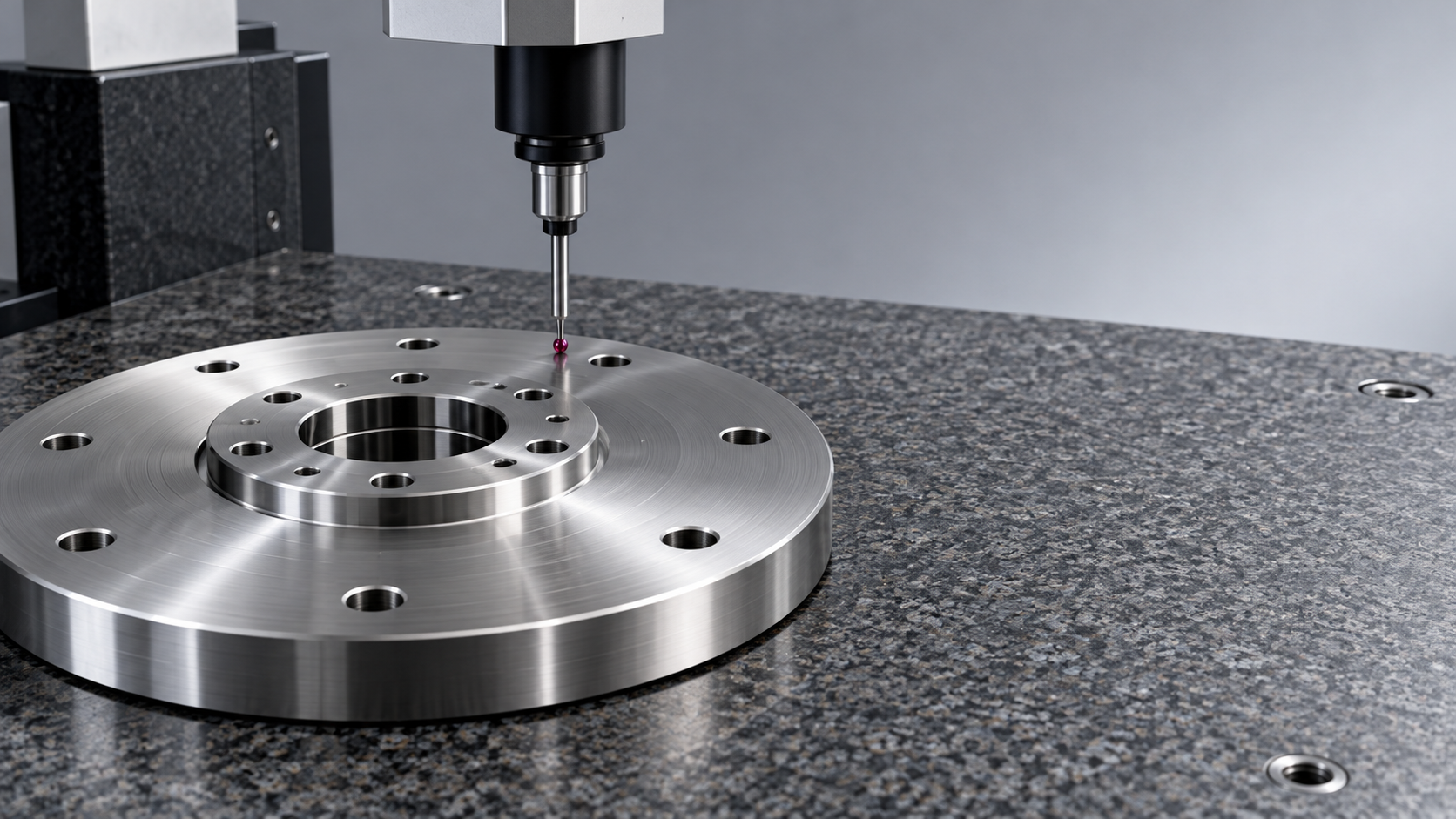
Inspection can also become more complex. Freeform surfaces, angled features, and tight geometric tolerances may require CMM programs or in-process probing.
Another concern is supplier dependency. If only one vendor can produce the part, sourcing flexibility and long-term cost control may suffer.
Evaluators should ask for examples of similar parts, first-article inspection reports, machine capability data, and documented collision-prevention workflows.
The goal is to confirm that 5-axis capability is mature, controlled, and repeatable—not simply listed on an equipment brochure.
A Practical Evaluation Checklist Before Choosing 5 Axis Machining
Before approving a 5-axis process, technical evaluators should review the part drawing and process plan against several practical questions.
First, identify how many setups a conventional process would require and which features are most sensitive to reclamping error.
Second, check whether long tools, deep cavities, angled holes, or undercuts create access problems on standard 3-axis equipment.
Third, evaluate whether surface finish, geometric tolerance, or datum relationships improve significantly when features are machined in one setup.
Fourth, compare total cost rather than hourly rate, including fixtures, programming, inspection, scrap probability, and schedule risk.
Fifth, confirm supplier capability through machine specifications, probing systems, CAM simulation practices, and quality documentation.
Sixth, consider future demand. A process route should support not only the first batch but also repeat orders and engineering revisions.
If several of these factors point toward reduced risk or better repeatability, 5 Axis Machining is likely worth serious consideration.
When Conventional Machining Is Still the Smarter Choice
Not every complex-looking part requires 5-axis machining. Some components can be designed, fixtured, and sequenced effectively on simpler equipment.
If all critical features are accessible from three sides and tolerances are moderate, 3-axis machining may deliver excellent results at lower cost.
If angular features are limited, 4-axis indexing may provide a balanced solution without the full complexity of simultaneous 5-axis motion.
Parts with loose relationships between faces may not benefit much from one-setup machining, especially when inspection requirements are simple.
Likewise, if material removal is straightforward and surface finish demands are modest, advanced tool orientation may add little practical value.
Design changes can also affect the decision. Sometimes minor design-for-manufacturing adjustments make a part easier and cheaper to machine conventionally.
The best technical decision is not always to use the most advanced process, but to choose the lowest-risk route that meets requirements.
Final Judgment: Use 5 Axis Machining When It Reduces Risk, Not Just When It Is Available
5 Axis Machining is the better choice when complex geometry, tight feature relationships, limited tool access, or setup reduction directly improves manufacturability.
Its strongest value appears in parts where conventional machining creates multiple setups, long tools, complicated fixtures, or unacceptable tolerance risk.
It can improve accuracy, shorten process chains, reduce rework, and support high-value precision manufacturing when properly programmed and controlled.
However, it should not be selected automatically. For simple parts, moderate tolerances, and open-access features, conventional CNC machining may remain preferable.
Technical evaluators should base the decision on total manufacturing risk, not axis count alone. Geometry, tolerance, volume, material, and supplier capability all matter.
When those factors align, 5 Axis Machining becomes more than an advanced option. It becomes the most practical route to reliable complex-part production.