• Global CNC market projected to reach $128B by 2028 • New EU trade regulations for precision tooling components • Aerospace deman
NYSE: CNC +1.2%LME: STEEL -0.4%

CNC Manufacturing for Energy Equipment: Key Parts and Process Needs
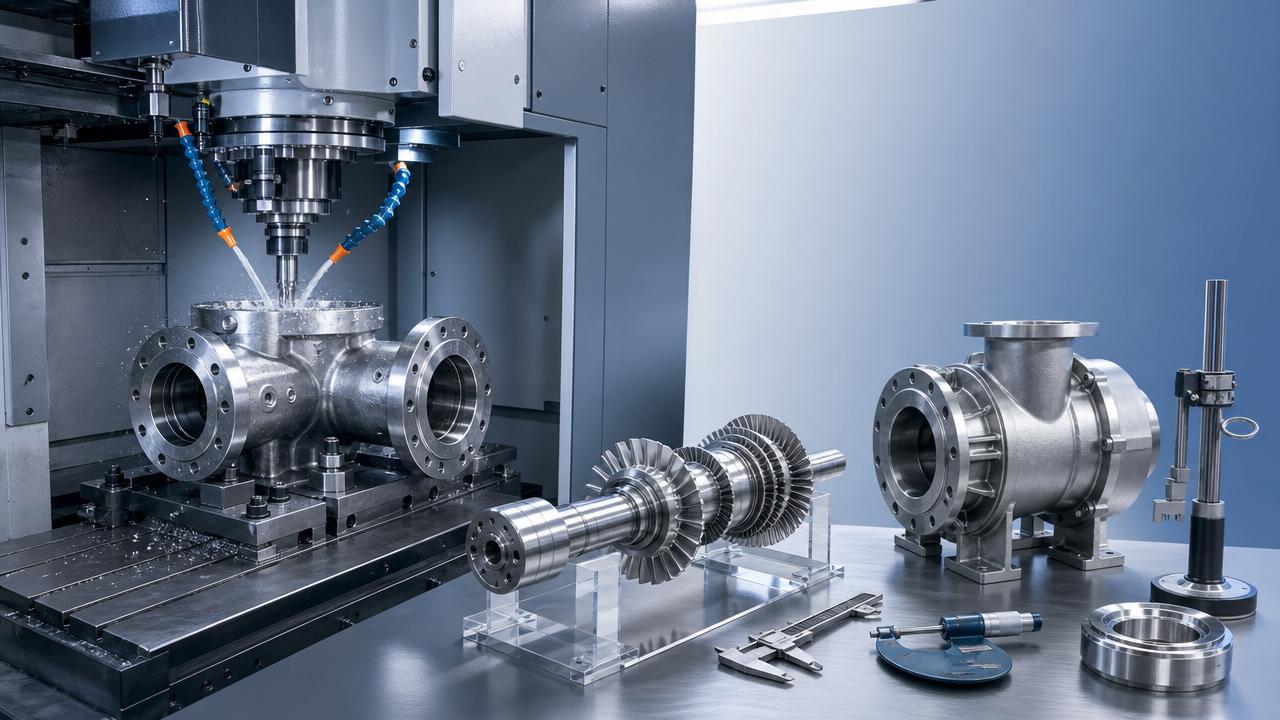
CNC manufacturing for energy equipment plays a critical role in delivering reliable turbines, generators, valves, pumps, and structural components for demanding power projects. For project managers and engineering leads, the challenge is not only achieving tight tolerances, but also controlling lead times, material performance, quality documentation, and supplier coordination. This article explores the key parts, machining requirements, and process considerations that help energy equipment projects move from design to production with greater precision, consistency, and confidence.
Where CNC Manufacturing for Energy Equipment Creates Project Value
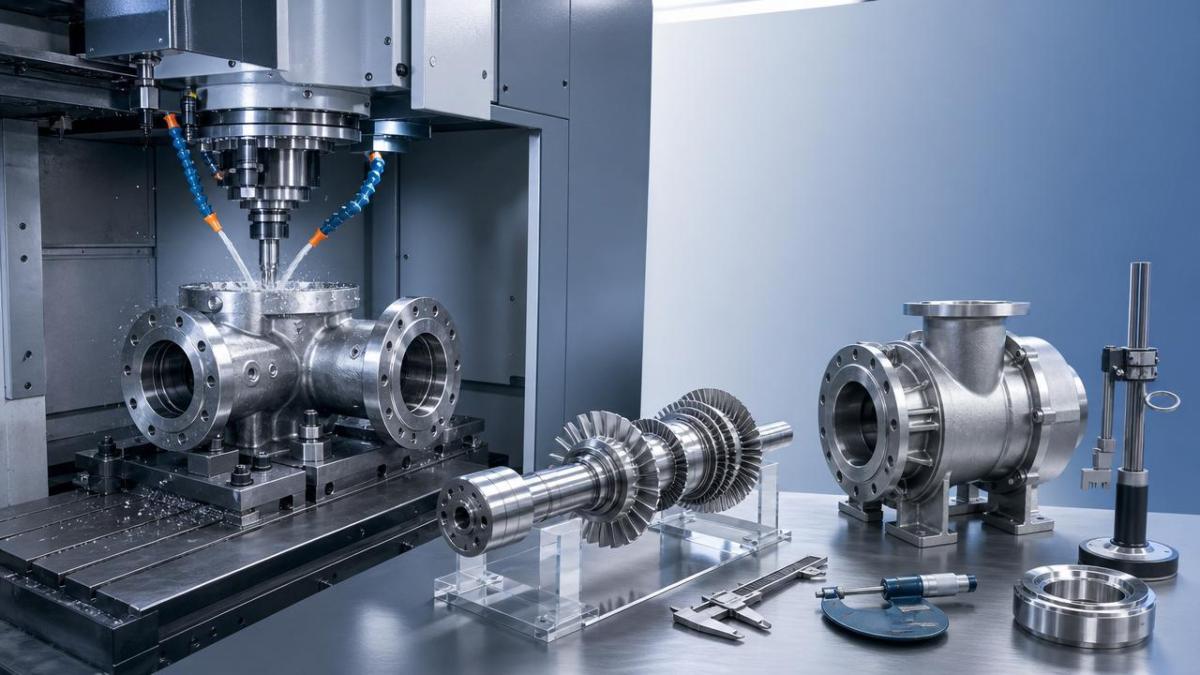
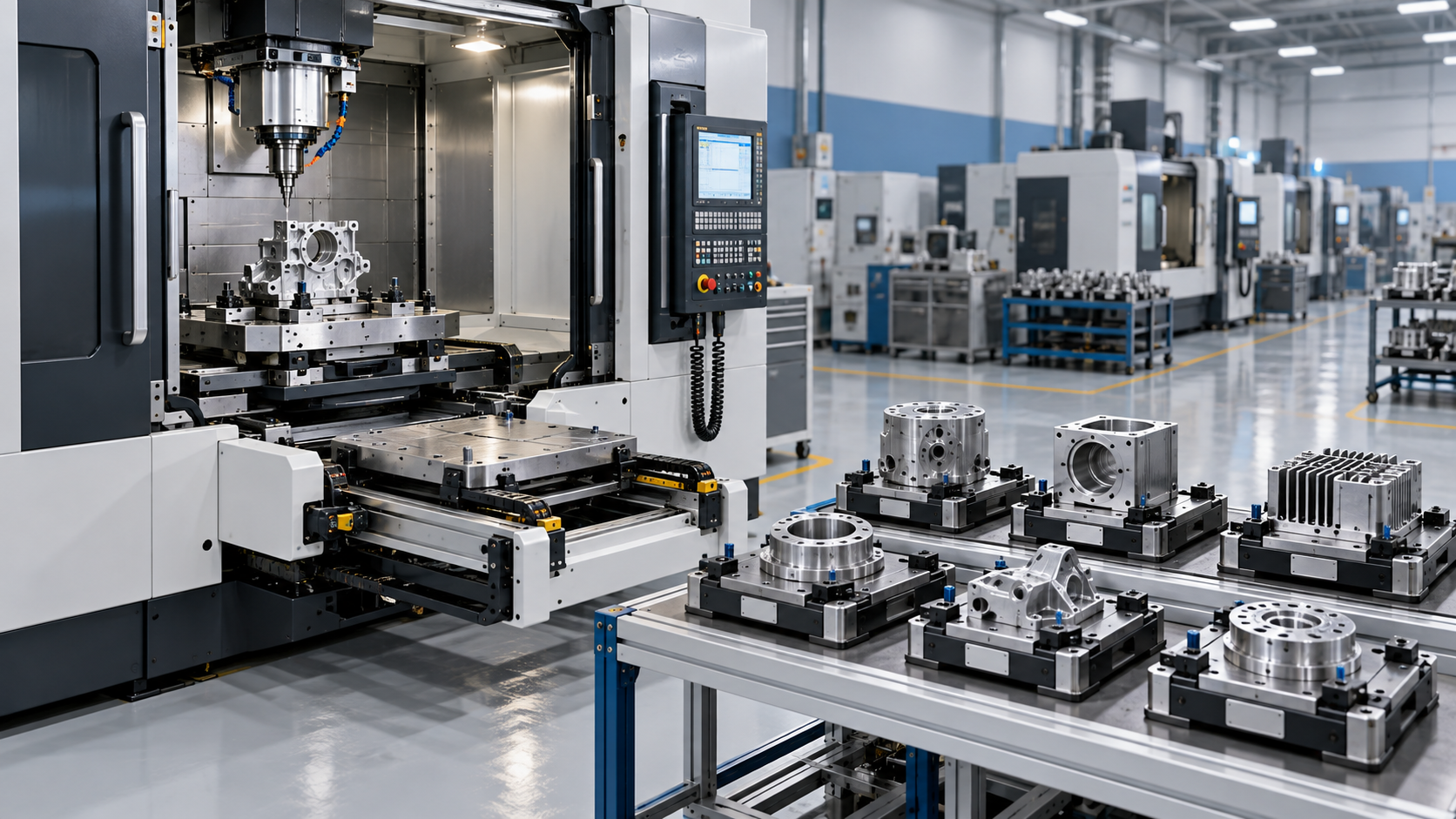
Energy equipment projects often combine heavy-duty operating conditions with strict dimensional requirements. CNC manufacturing for energy equipment supports this balance through repeatable machining, stable tooling, and controlled inspection.
For engineering project leaders, value is created when machined parts fit the assembly schedule, pass inspection, and perform reliably under pressure, heat, vibration, or corrosion.
Typical equipment categories requiring precision machining
- Power generation systems, including turbine housings, generator shafts, coupling parts, and high-load rotating components.
- Oil, gas, and process energy equipment, including valve bodies, pump casings, flanges, seals, and actuator components.
- Renewable energy equipment, including wind power hubs, gearbox parts, hydraulic blocks, and precision brackets.
- Electrical and thermal infrastructure, including busbar fixtures, heat exchanger plates, enclosures, and structural connection parts.
The best suppliers treat CNC machining as part of a broader production system. They connect material planning, fixture design, cutting strategy, inspection, and delivery control.
Which Energy Equipment Parts Usually Need CNC Machining?
Not every component requires the same machining route. Project teams should separate parts by function, risk level, material difficulty, and inspection intensity.
The table below helps engineering leads identify where CNC manufacturing for energy equipment has the greatest impact on schedule and performance.
This view supports early procurement segmentation. High-risk rotating and pressure-containing parts should receive stricter supplier qualification than simple covers or brackets.
Machining Requirements Project Managers Should Confirm Early
Late clarification is a common cause of rework. In CNC manufacturing for energy equipment, requirements should be frozen before material purchase and fixture preparation.
Key technical items to review before quotation
- Critical tolerances, including roundness, cylindricity, flatness, perpendicularity, runout, and true position requirements.
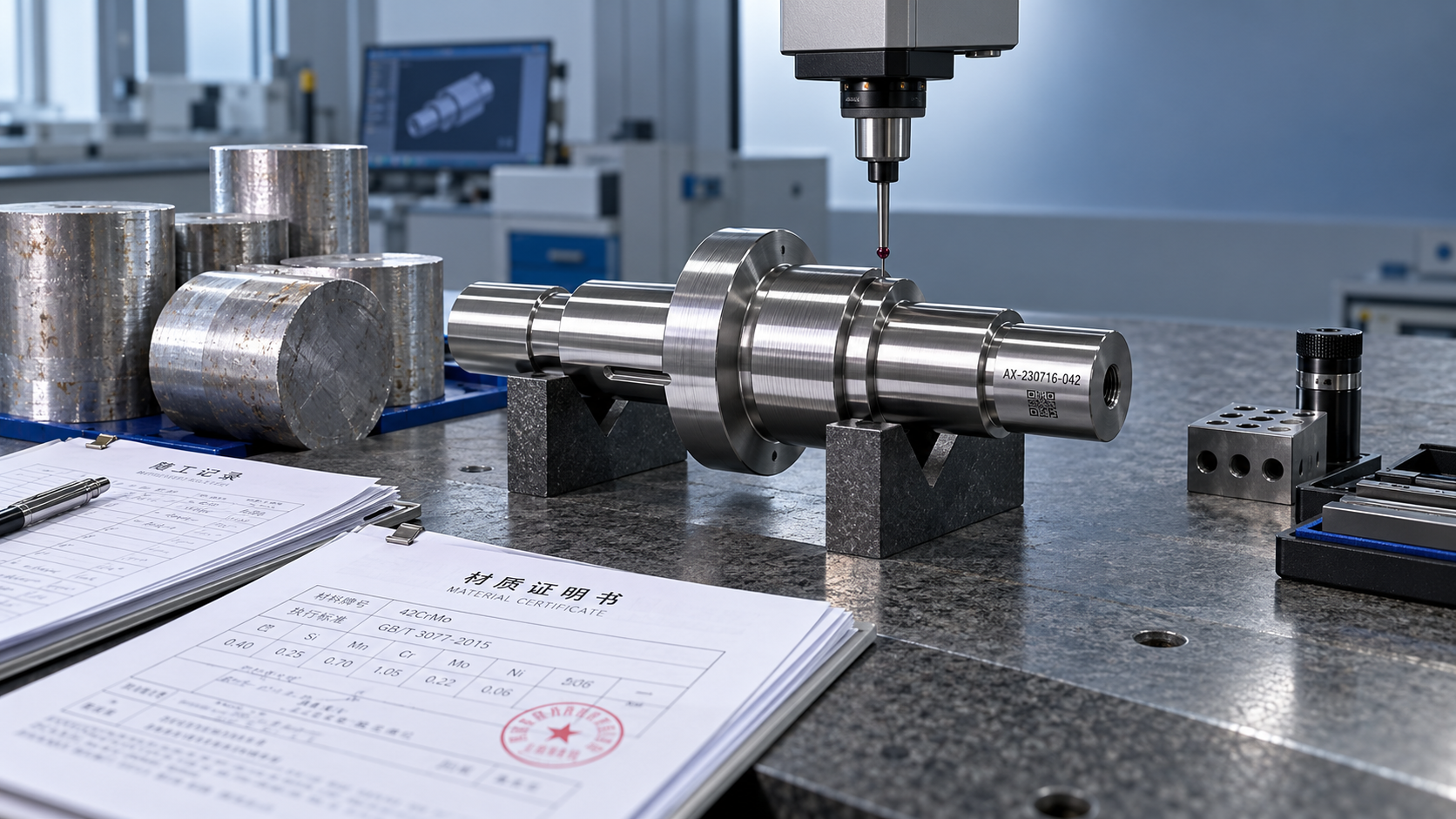
- Material grades, heat treatment conditions, hardness ranges, and whether traceability documents are required.
- Surface conditions, including sealing finishes, coating allowance, corrosion protection, and burr control.
- Inspection deliverables, such as dimensional reports, material certificates, NDT records, and process inspection logs.
A project drawing may show tolerances, but it may not show the real production risk. Complex geometry, interrupted cuts, and residual stress can affect stability.
For heavy components, handling plans also matter. Lifting, clamping, and repeat positioning influence both machining accuracy and shop-floor safety.
CNC Process Selection: Turning, Milling, Multi-Axis, or Integrated Cells?
Choosing the right machining process affects cost, accuracy, and lead time. CNC manufacturing for energy equipment often requires combined processes rather than one machine type.
The following comparison can help project managers discuss manufacturing routes with suppliers before purchase orders are finalized.
Integrated production may cost more at the preparation stage, but it can reduce quality variation when energy projects require repeated batches.
Material and Quality Documentation: What Should Be Included?
Energy components often use alloy steel, stainless steel, cast iron, aluminum alloys, copper alloys, or high-strength specialty materials. Each material changes the process plan.
CNC manufacturing for energy equipment must connect machining with traceability. A dimensionally correct part may still fail procurement review without proper records.
Common documentation checkpoints
- Material certificates should match purchase specifications, heat numbers, and any project-specific traceability requirements.
- Heat treatment records should state process condition, hardness range, and inspection results where applicable.
- Dimensional inspection reports should reference drawing revisions, measurement tools, and critical characteristics.
- Surface treatment or coating records should confirm thickness, preparation method, and protected functional surfaces.
For pressure-related parts, project teams may also request NDT records such as ultrasonic, magnetic particle, dye penetrant, or radiographic inspection.
Relevant standards vary by project, but ISO 9001 quality systems, ASME-related requirements, IEC references, and customer specifications are commonly discussed.
Procurement Decision Guide for Engineering Project Leads
Supplier selection should not rely only on unit price. CNC manufacturing for energy equipment involves technical risk, delivery risk, and documentation risk.
A practical procurement review should compare machining capability, engineering communication, quality control, and project management responsiveness.
When budgets are tight, protect critical characteristics first. Reducing inspection on non-critical surfaces is safer than weakening control of sealing or rotating interfaces.
Cost Drivers and Alternatives Without Sacrificing Reliability
Cost pressure is common in energy infrastructure projects. However, the lowest machining price can create higher expenses through rework, downtime, and field correction.
Main cost drivers in CNC manufacturing for energy equipment
- Raw material selection, especially when certified alloy, stainless, or forged stock is required for traceability.
- Machining time, affected by hardness, stock allowance, interrupted cutting, tool wear, and setup complexity.
- Inspection depth, including full dimensional reports, CMM programs, NDT, and customer witness points.
- Packaging and logistics, particularly for large, coated, or precision-machined components needing surface protection.
Reasonable alternatives include near-net-shape casting, forging with controlled allowance, modular part redesign, or separating rough machining and finishing stages.
These alternatives must be reviewed with engineering approval. Changing material form or datum strategy can affect strength, distortion, and final assembly alignment.
Implementation Workflow from Drawing Review to Delivery
A controlled workflow helps project managers avoid unclear responsibilities. CNC manufacturing for energy equipment should be managed through visible checkpoints.
Recommended execution sequence
- Review drawings, specifications, material requirements, quality clauses, and expected delivery dates before quotation.
- Confirm manufacturing route, key machines, fixture concept, inspection plan, and special process responsibilities.
- Purchase material and verify certificates before machining begins, especially for traceable energy project components.
- Perform rough machining, stress relief when required, semi-finishing, final machining, and staged inspection.
- Complete final inspection, documentation package, protective packing, delivery coordination, and after-delivery technical support.
For urgent projects, parallel engineering communication is essential. Material sourcing, fixture preparation, and inspection planning can often progress before final machining.
Common Misconceptions and FAQ
Many delays occur because teams underestimate machining complexity. The following questions reflect real procurement and engineering concerns in energy equipment projects.
Is CNC manufacturing for energy equipment only about tight tolerances?
No. Tolerances matter, but material stability, heat treatment, surface integrity, documentation, and assembly fit are equally important for dependable project outcomes.
How early should a project manager involve the machining supplier?
Supplier input is most useful before drawings are released for procurement. Early review can identify difficult tolerances, expensive setups, and inspection gaps.
What affects lead time most in energy equipment machining?
Material availability, machine capacity, special processes, inspection requirements, and customer approval cycles usually influence lead time more than cutting time alone.
Can one supplier handle both prototypes and batch production?
It depends on equipment range, process discipline, and documentation capability. Prototype flexibility does not always guarantee stable batch repeatability.
Why Choose Us for CNC Manufacturing for Energy Equipment?
Project managers need more than machining capacity. They need practical technical communication, predictable coordination, and manufacturing insight across CNC machine tools and precision production.
Our industry focus covers CNC lathes, machining centers, multi-axis systems, automation, tooling, fixtures, and smart manufacturing trends across global supply chains.
What you can discuss with us
- Parameter confirmation for shafts, housings, flanges, valve parts, pump components, and structural energy equipment parts.
- Process selection between turning, milling, multi-axis machining, automated cells, and combined manufacturing routes.
- Delivery planning, including material lead time, machining milestones, inspection windows, packing, and logistics coordination.
- Custom solution review for drawings, tolerance risks, quality documents, sample support, and quotation communication.
- Certification and compliance discussion based on project specifications, general quality systems, and inspection expectations.
If your project requires CNC manufacturing for energy equipment, share the drawings, material requirements, quantities, and target schedule for a focused technical review.
A clear conversation at the beginning can reduce procurement uncertainty, protect assembly milestones, and support reliable delivery for demanding energy equipment programs.
Recommended for You
![]() Mitsubishi Electric Announces Physical AI System Linking Humanoid Robots and CNC MachinesMachine Tool Industry Editorial Team
Mitsubishi Electric Announces Physical AI System Linking Humanoid Robots and CNC MachinesMachine Tool Industry Editorial Team Precision Machining for Defense: Supplier Quality and Traceability ChecksManufacturing Market Research Center
![]() Nidec Machine Tool Launches MVR-5X Five-Axis Gantry MachineMachine Tool Industry Editorial Team
Nidec Machine Tool Launches MVR-5X Five-Axis Gantry MachineMachine Tool Industry Editorial Team Choosing a Precision Disc Parts Manufacturer in China: Tolerances and Quality ChecksManufacturing Market Research Center
![]() Siemens Executive Says AI Could Raise Factory Automation to 80%Manufacturing Market Research Center
Siemens Executive Says AI Could Raise Factory Automation to 80%Manufacturing Market Research Center Choosing Automated Machine Tools for High-Mix, Low-Volume ProductionMachine Tool Industry Editorial Team


Aris Katos
Future of Carbide Coatings
15+ years in precision manufacturing systems. Specialized in high-speed milling and aerospace grade alloy processing.
▶
Choosing a CNC Machine for Mold Making: Accuracy, Rigidity, and Surface FinishCNC Machining Technology Center▶
How to Cut CNC Machining Energy Use per Part Without Longer Cycle TimesCNC Machining Technology Center▶
Will a Mazak CNC retrofit work with your existing servo drives?CNC Machining Technology Center▶
Do energy-efficient machine tools reduce power use at partial load?CNC Machining Technology Center▶
Comparing energy-efficient machine tools by energy use per partCNC Machining Technology Center
▶
Mastering 5-Axis Workholding Strategies
Join our technical panel on Nov 15th to learn about reducing vibrations in thin-wall components.

Providing you with integrated sanding solutions
Before-sales and after-sales services
Comprehensive technical support