• Global CNC market projected to reach $128B by 2028 • New EU trade regulations for precision tooling components • Aerospace deman
NYSE: CNC +1.2%LME: STEEL -0.4%

ISO 23218-3:2026/Amd 1 Adds Mandatory OPC UA over TSN for CNC Digital Twins

On 10 May 2026, ISO/TC 39 published Amendment 1 to ISO 23218-3:2026, mandating OPC UA over Time-Sensitive Networking (TSN) as the required communication protocol for real-time, cross-vendor data exchange in CNC machine tool digital twin implementations. This update directly affects manufacturers of CNC-controlled machine tools, system integrators serving global smart factories, and suppliers engaged in international industrial automation projects — particularly those bridging Chinese CNC systems with European and Japanese production environments.
Event Overview
On 10 May 2026, the International Organization for Standardization’s Technical Committee 39 (ISO/TC 39), responsible for machine tools, released ISO 23218-3:2026/Amd 1. The amendment specifies that digital twin models for computer numerical control (CNC) machine tools must support interoperable real-time data exchange using OPC UA over TSN. The amendment entered into force immediately upon publication. It applies to all new implementations and certifications referencing ISO 23218-3:2026, and is intended to serve as a baseline interoperability requirement for integration with overseas smart factory infrastructures, including those deployed by Siemens, FANUC, and HEIDENHAIN.
Impact on Specific Industry Segments
Machine Tool OEMs and CNC System Developers
These entities are directly affected because compliance with ISO 23218-3:2026/Amd 1 is now a technical prerequisite for CE marking, export certification, and qualification in multinational OEM supply chains. Non-compliant legacy or newly launched CNC controllers may face rejection during factory acceptance testing (FAT) in global smart manufacturing deployments.
Smart Factory Integrators and Automation Solution Providers
Integrators deploying digital twin–enabled production lines must verify that all connected CNC assets support OPC UA over TSN at the firmware and configuration level. Interoperability gaps — especially between domestic Chinese CNC systems and Western PLC or MES platforms — may now require protocol gateway upgrades or firmware revisions before project sign-off.
Export-Oriented Component and Subsystem Suppliers
Suppliers of motion controllers, HMIs, edge gateways, or embedded modules used in CNC systems must ensure their products meet the amended standard’s conformance clauses when bundled into certified machine tool solutions. Failure to align may limit market access in regions where ISO 23218-3 compliance is enforced through procurement specifications.
What Relevant Enterprises or Practitioners Should Focus On and How to Respond
Monitor official conformance documentation and test procedures
ISO/TC 39 has not yet published formal conformance test specifications for Amendment 1. Enterprises should track updates from the ISO Central Secretariat and national mirror committees (e.g., SAC/TC 243 in China, DIN/NA in Germany) for implementation guidance and validation methods.
Assess current product roadmaps against the mandatory protocol requirement
Manufacturers should audit whether existing or planned CNC controllers, edge devices, or digital twin middleware already implement OPC UA over TSN — not just OPC UA alone — and whether TSN-capable network interfaces (e.g., IEEE 802.1AS-2020 time synchronization, 802.1Qbv scheduled traffic) are integrated at hardware and driver levels.
Distinguish between specification adoption and field deployment timelines
Although the amendment is effective immediately, widespread enforcement in procurement contracts or regulatory audits may lag by 12–24 months. Enterprises should treat this as a near-term engineering priority, not an immediate compliance deadline — but delay risks design rework in ongoing development cycles.
Prepare for cross-supplier interface verification and documentation
Companies involved in multi-vendor digital twin deployments should initiate joint interface definition sessions with key partners (e.g., PLC vendors, MES providers) to confirm supported OPC UA information models, TSN traffic profiles, and security policies (e.g., UA Security Policies, certificate management workflows).
Editorial Perspective / Industry Observation
Observably, this amendment signals a shift from conceptual interoperability to enforceable, low-level communication discipline in industrial digital twins. Analysis shows it reflects growing convergence between IT networking standards (TSN) and OT domain semantics (OPC UA), rather than introducing entirely new architecture. From an industry perspective, it is best understood not as a standalone technical upgrade, but as a foundational enabler for deterministic, vendor-agnostic data flow — a prerequisite for scaling AI-driven predictive maintenance and closed-loop process optimization across heterogeneous shop floors. Current enforcement remains tied to voluntary adoption in high-value export segments; broader impact will depend on whether regional regulators or major OEMs begin referencing the amended clause in procurement terms.
This amendment marks a procedural milestone — not yet a market-wide inflection point. Its significance lies less in immediate disruption and more in clarifying the minimum viable infrastructure for next-generation CNC connectivity. For most stakeholders, it is more accurately interpreted as a forward-looking signal of architectural direction than an operational constraint requiring urgent remediation. A measured, roadmap-aligned response — prioritizing verification readiness over wholesale redesign — remains the most pragmatic path forward.
Source: ISO/TC 39 Secretariat (published 10 May 2026); ISO 23218-3:2026/Amd 1 official document release. Note: Conformance test specifications and national implementation guidelines remain under development and are subject to ongoing observation.
Recommended for You
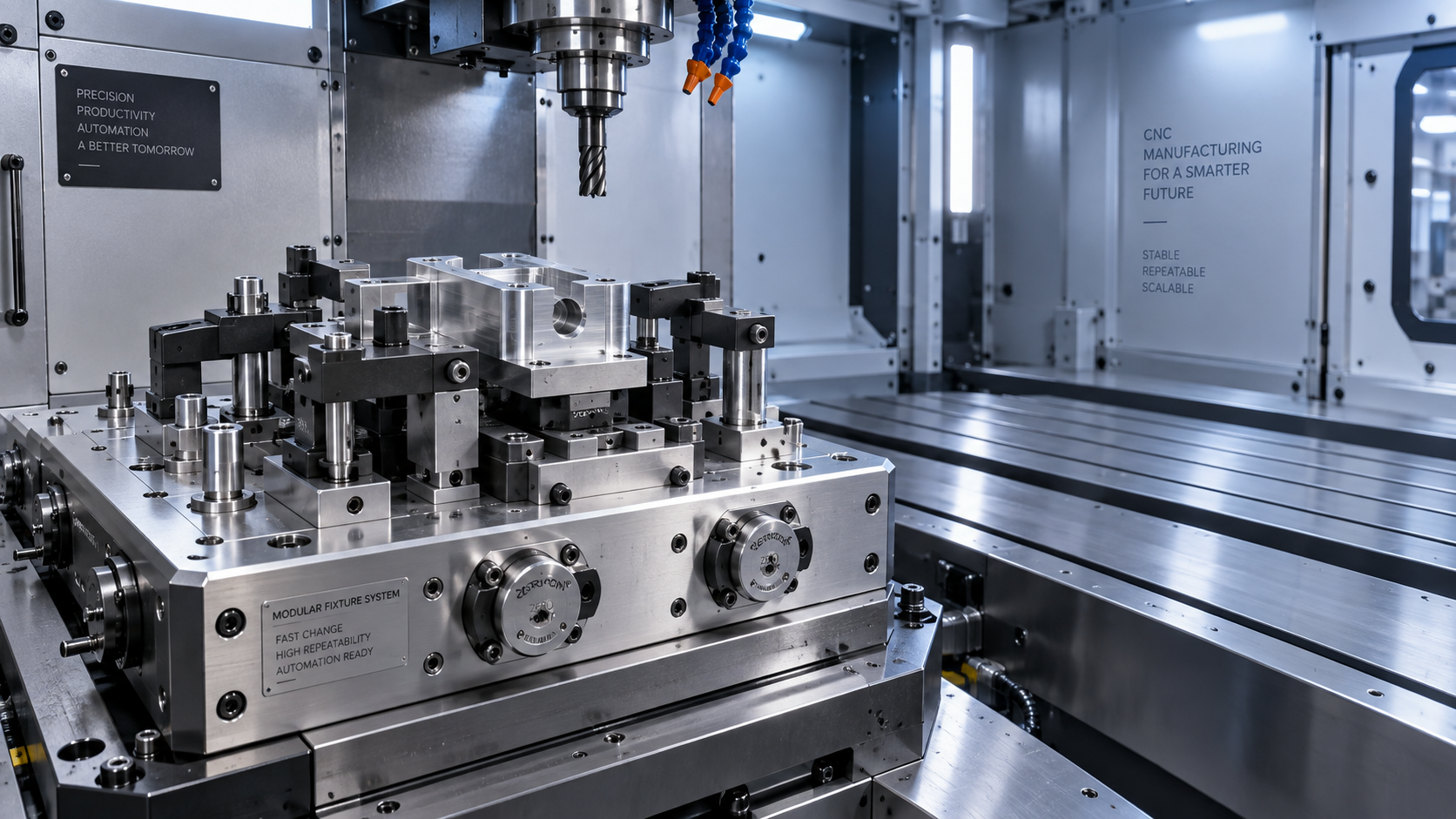
 Zero-Point Clamping or Modular Fixtures? Choosing a Faster CNC Changeover SystemCNC Machining Technology Center
 How to Cut CNC Fixture Changeover Time Without Sacrificing Part AccuracyCNC Machining Technology Center
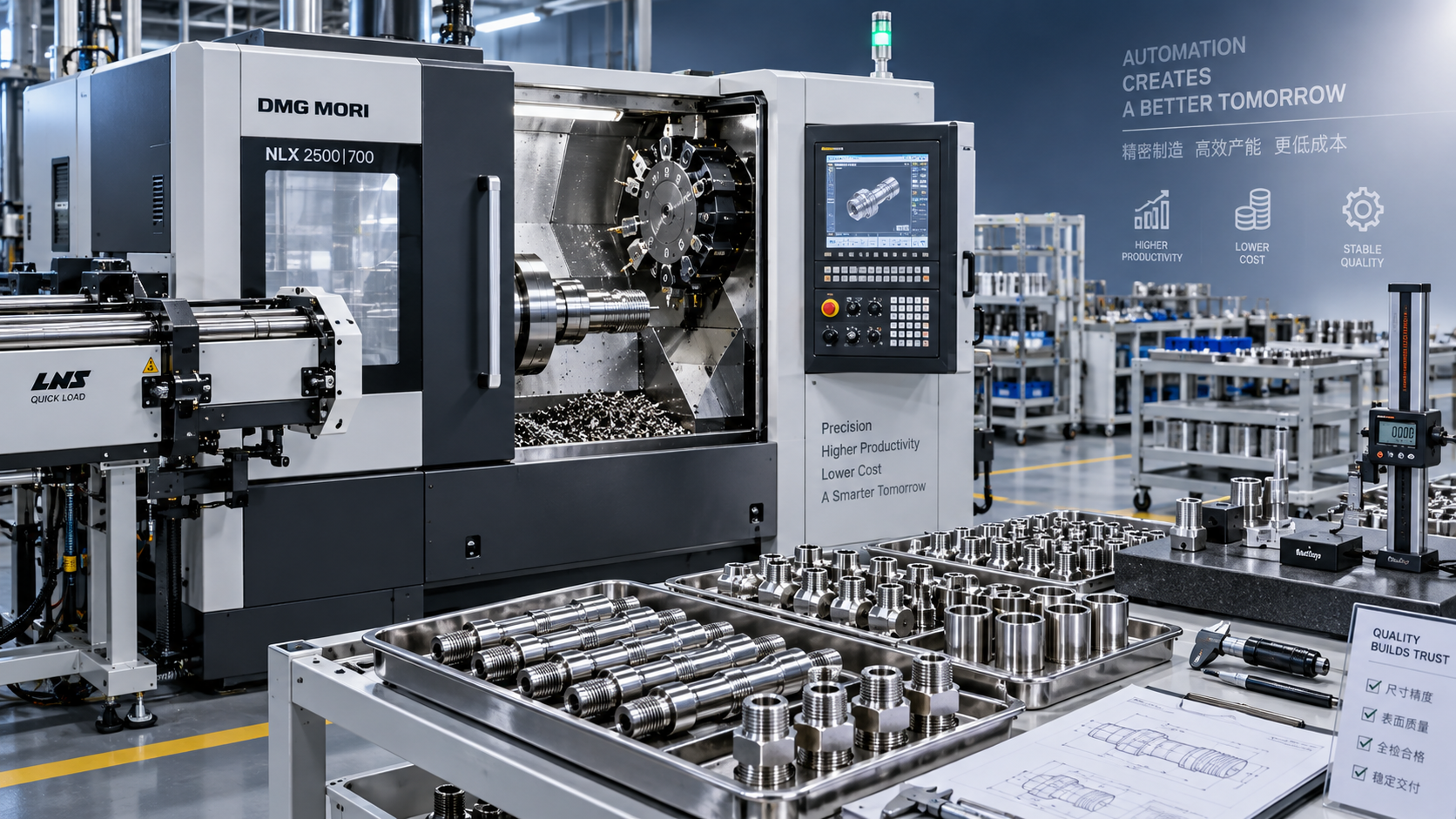
 When Does CNC Turning Pay Off? A Break-Even Guide by Annual Part VolumeMachine Tool Industry Editorial Team
 Machine Tool Standards by Country: What Importers Must Verify Before PurchaseManufacturing Policy Research Center
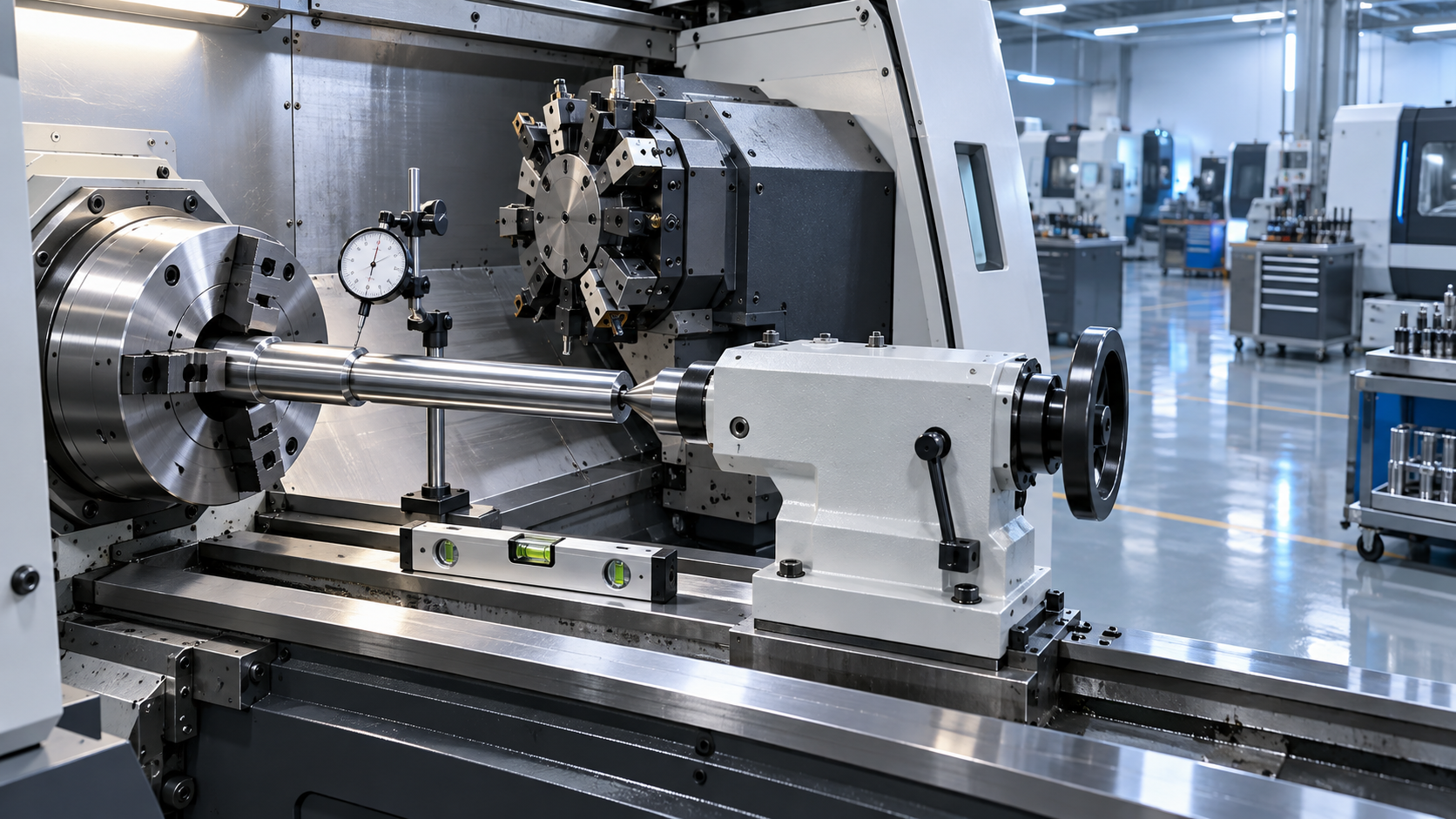
 CNC Lathe Quick Installation Guide: Alignment Checks Before First Production RunCNC Machining Technology Center
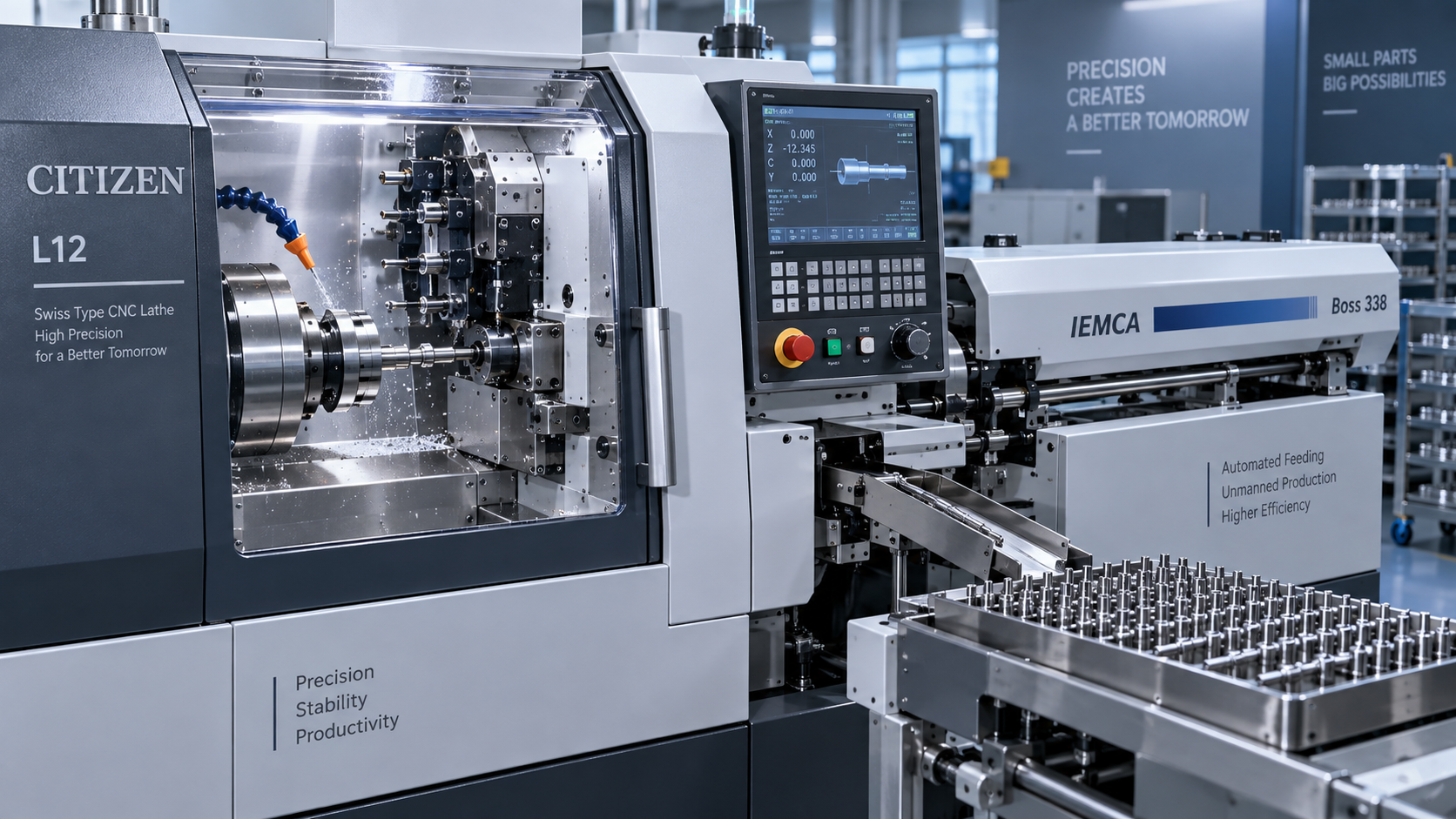
 How to Select a CNC Lathe for Small Parts Without Sacrificing Accuracy or Cycle TimeCNC Machining Technology Center



Aris Katos
Future of Carbide Coatings
15+ years in precision manufacturing systems. Specialized in high-speed milling and aerospace grade alloy processing.
▶
How Automated Precision Machining Maintains Tolerance in High-Mix ProductionCNC Machining Technology Center▶
CNC Programming Explained: From CAD Models to Reliable Shop-Floor ToolpathsCNC Machining Technology Center▶
How Multi-Axis Machining Produces Complex Components With Fewer SetupsCNC Machining Technology Center▶
How Much Does CNC Programming Software Cost in 2026?CNC Machining Technology Center▶
CNC Machining Explained: Processes, Tolerances, and Parts It Can ProduceCNC Machining Technology Center
Mastering 5-Axis Workholding Strategies
Join our technical panel on Nov 15th to learn about reducing vibrations in thin-wall components.

Providing you with integrated sanding solutions
Before-sales and after-sales services
Comprehensive technical support