• Global CNC market projected to reach $128B by 2028 • New EU trade regulations for precision tooling components • Aerospace deman
NYSE: CNC +1.2%LME: STEEL -0.4%

CNC Manufacturing for Energy Equipment: Key Tolerances, Materials, and Process Challenges
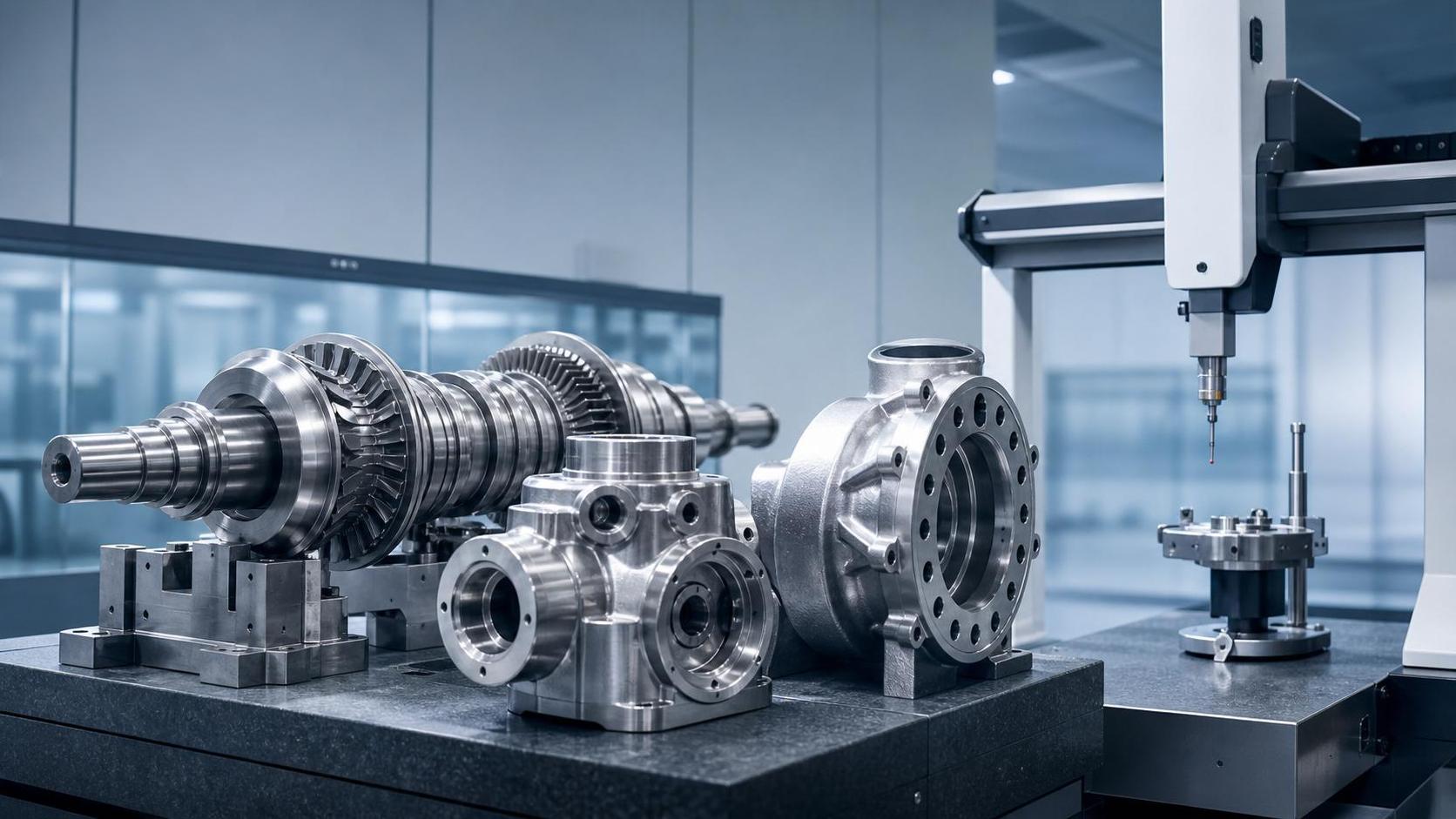
CNC Manufacturing for Energy Equipment: Why Precision Becomes a System Issue
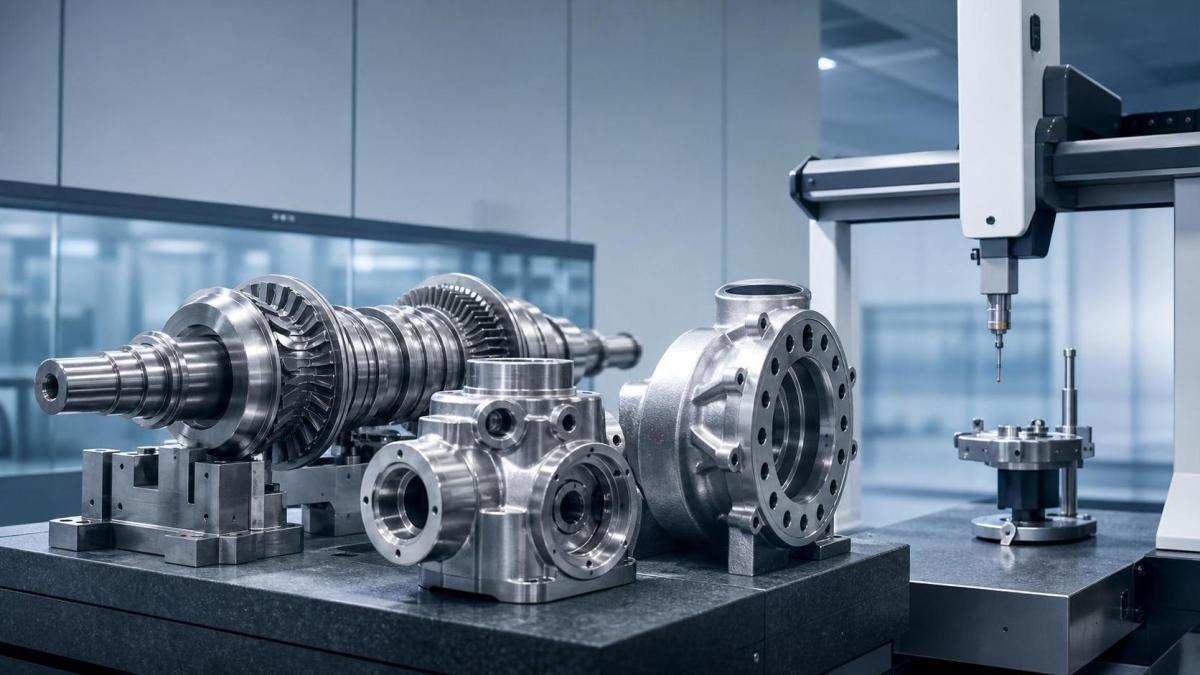
CNC manufacturing for energy equipment sits in a different category from general industrial machining.
Parts often face heat, vibration, pressure, corrosion, and long service cycles.
That changes how tolerances are defined, how materials are selected, and how machining processes are controlled.
In practical sourcing work, the drawing alone rarely tells the full story.
A dimension may look ordinary, yet its function may affect sealing, fatigue life, or assembly stability.
This is why CNC manufacturing for energy equipment must be assessed as a complete manufacturing capability.
The most common applications include turbine shafts, valve bodies, pump housings, impellers, flanges, couplings, and structural supports.
These components appear across oil and gas, wind power, nuclear systems, thermal plants, and power transmission equipment.
From recent project trends, tighter reliability requirements matter more than nominal machining speed.
That also means supplier evaluation needs to focus on repeatability, traceability, and process discipline.
Key Tolerances in CNC Manufacturing for Energy Equipment
Tolerance control in energy components is usually linked to operating risk, not cosmetic quality.
The critical question is where dimensional variation starts affecting system performance.
Dimensions that usually matter most
- Bearing fits and shaft journals, where roundness and cylindricity affect rotation stability.
- Sealing faces, where flatness and surface finish directly influence leakage control.
- Bolt patterns and flange interfaces, where true position affects field assembly.
- Impeller and rotor features, where concentricity influences balance and vibration.
- Valve seating areas, where geometry affects pressure retention and wear rate.
Typical dimensional tolerances vary by part function, material condition, and finishing route.
However, CNC manufacturing for energy equipment often requires tighter geometric control than general fabrication buyers expect.
For example, a shaft diameter tolerance may be manageable.
Yet the same part can still fail performance checks because of runout, taper, or poor surface integrity.
Why GD&T deserves closer attention
Suppliers may quote confidently on linear dimensions while underestimating geometric tolerances.
That gap shows up later during balancing, leak testing, or assembly.
A stronger review should check datum strategy, inspection method, and measurement repeatability.
In CNC manufacturing for energy equipment, tolerance capability is only credible when measurement capability matches it.
Material Selection: Machinability Versus Service Reliability
Material choice is where many cost and risk decisions are quietly made.
Energy equipment parts rarely use materials chosen only for easy cutting.
They are selected for strength, corrosion resistance, thermal stability, or pressure performance.
Common materials in CNC manufacturing for energy equipment
This is where application knowledge becomes essential.
A lower-cost material may machine faster but fail under thermal cycling or corrosive exposure.
A premium alloy may meet service demands but create higher scrap risk during machining.
For CNC manufacturing for energy equipment, material approval should include raw stock certification, heat treatment route, and post-machining verification.
Process Challenges That Affect Cost, Lead Time, and Quality
Most machining problems in energy projects are predictable.
They usually come from part size, material behavior, or unstable process planning.
1. Distortion after rough machining
Large rings, housings, and welded structures often move after stress is released.
If the process skips interim stress relief, finish dimensions can drift quickly.
2. Tool wear in hard or heat-resistant alloys
Nickel alloys, hardened steels, and duplex grades shorten tool life dramatically.
This affects surface finish, cycle time, and consistency between batches.
3. Deep-feature and multi-axis complexity
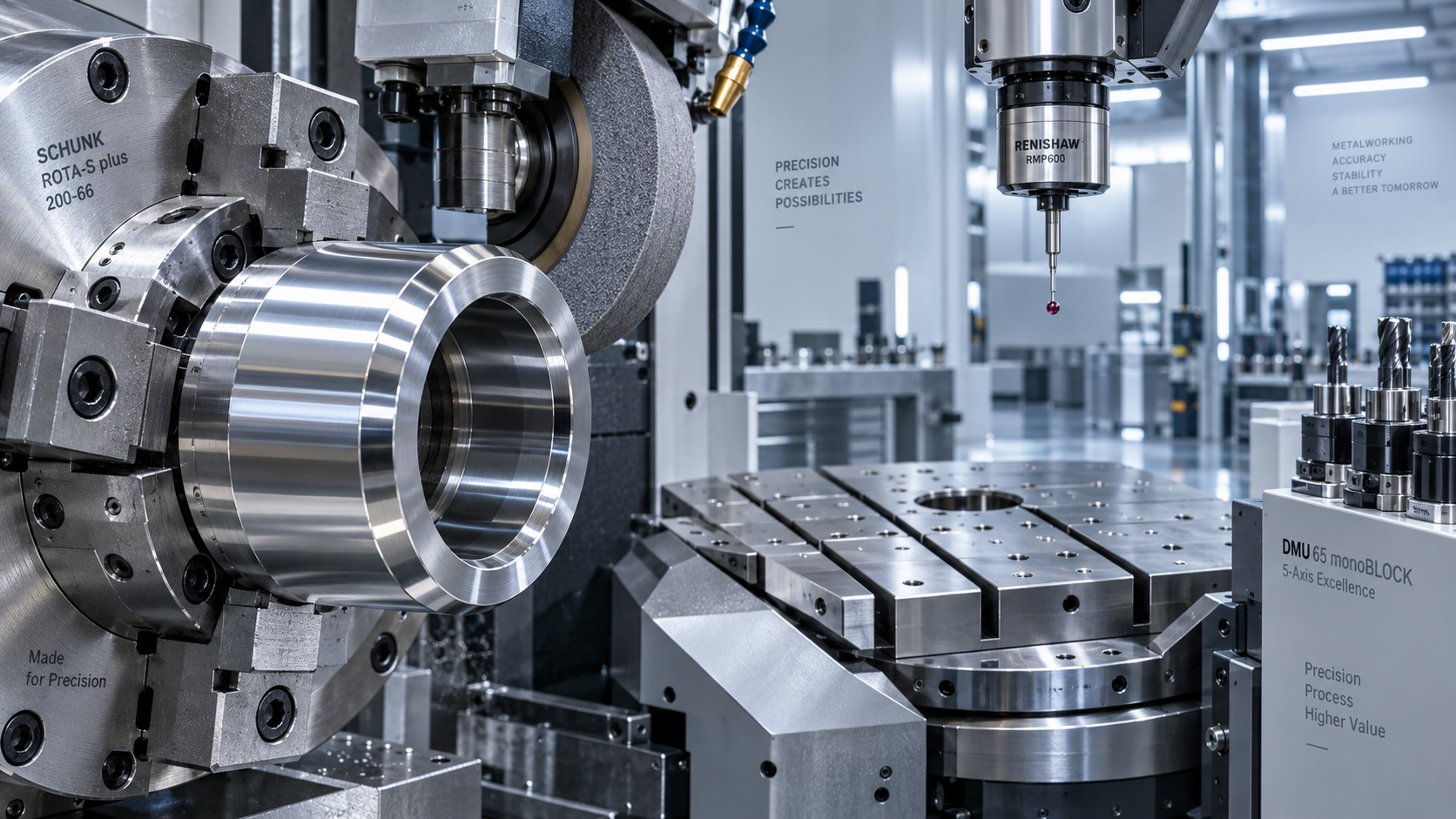
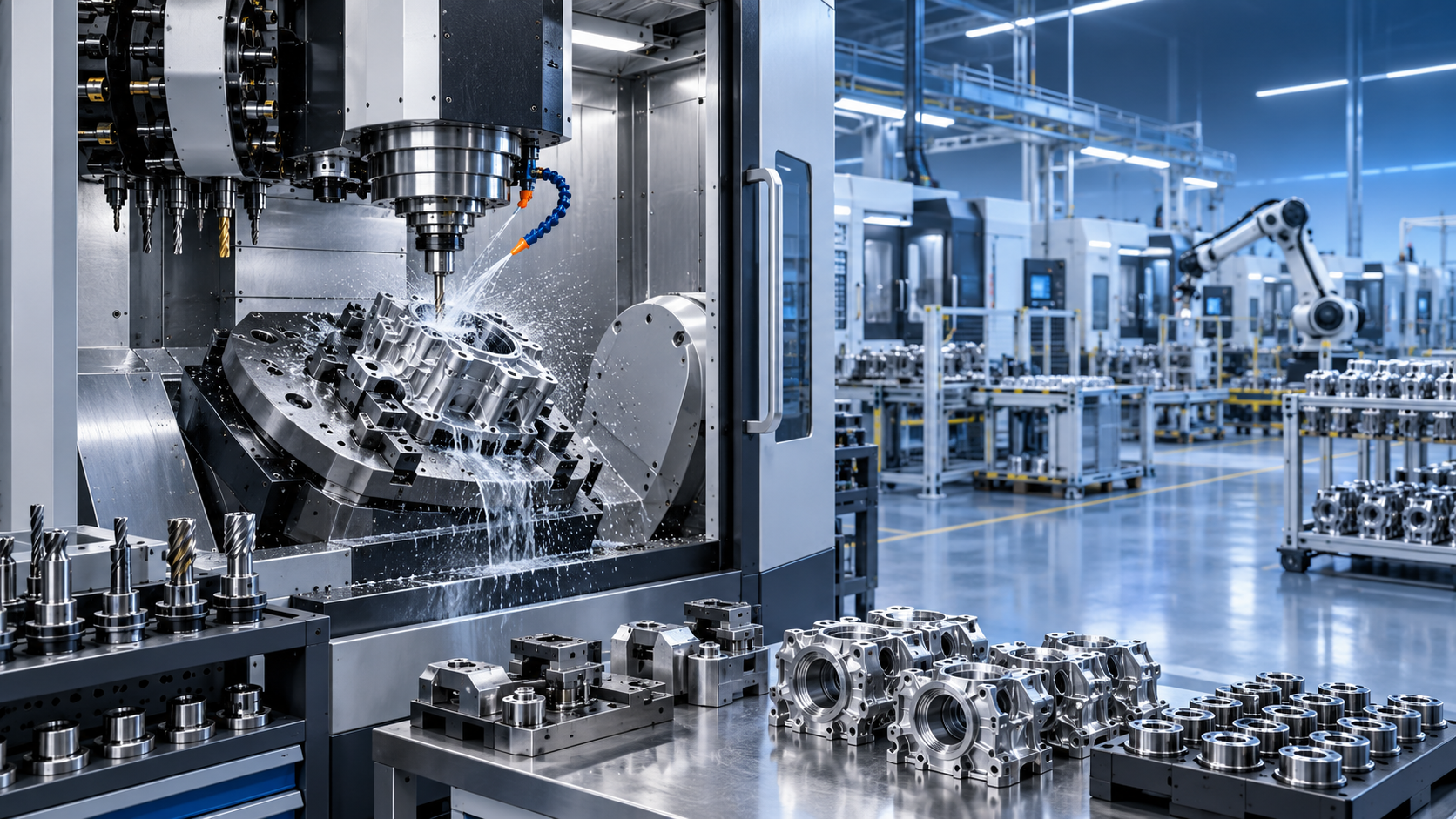
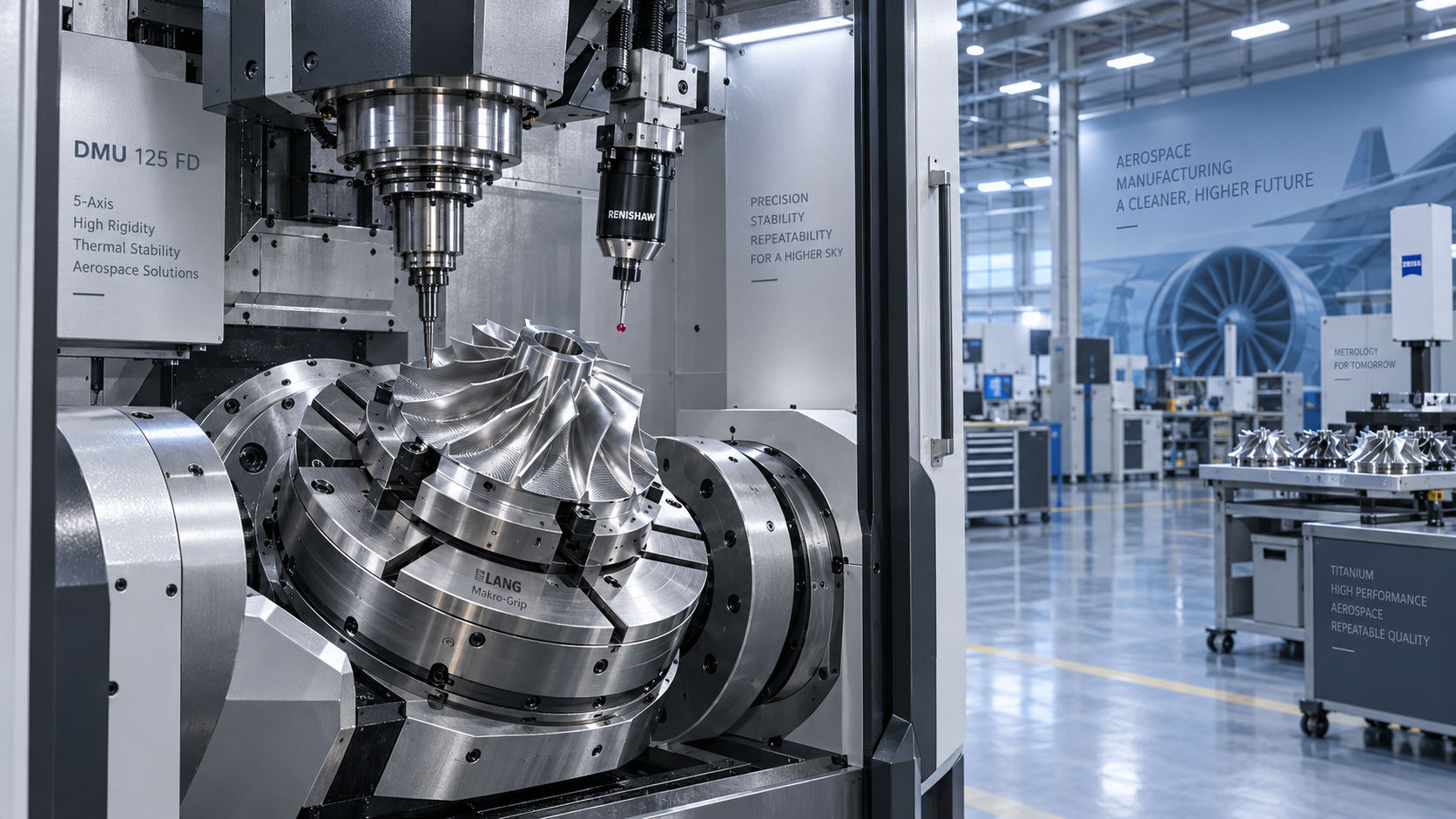
Impellers, valve cavities, and intersecting channels need stable 5-axis capability.
Poor fixturing or weak toolpath strategy can cause chatter and dimensional drift.
4. Surface integrity issues
Some parts pass dimensional inspection but still perform badly in service.
Residual stress, microcracks, burrs, and smeared surfaces can become fatigue or sealing problems.
That is a recurring challenge in CNC manufacturing for energy equipment, especially in high-pressure systems.
How to Evaluate Supplier Capability for Energy Equipment Parts
A capable supplier is not defined by machine count alone.
The stronger signal is whether the shop can control the full process around the machine.
Checklist for technical evaluation
- Can they show similar parts used in energy, power, or heavy-duty equipment?
- Do they define critical tolerances separately from general dimensions?
- Are CMM, roundness, hardness, and surface checks available in-house or controlled externally?
- Is the material traceable from mill certificate to final part marking?
- Do they plan stress relief, semi-finish stages, and final inspection before shipment?
- Can they explain scrap risks and process limits clearly during quotation?
These points help separate routine job shops from suppliers suited to critical projects.
In actual procurement work, early technical alignment reduces later disputes over quality responsibility.
That matters even more when CNC manufacturing for energy equipment involves exported parts, third-party inspection, or compliance documentation.
Practical Process Controls That Reduce Failure Risk
The best results usually come from disciplined controls applied before problems appear.
For CNC manufacturing for energy equipment, a few process habits make a measurable difference.
- Review drawings for function-critical features before programming starts.
- Separate roughing, stress relief, semi-finishing, and final finishing when distortion risk is high.
- Match cutting parameters to alloy behavior, not only target cycle time.
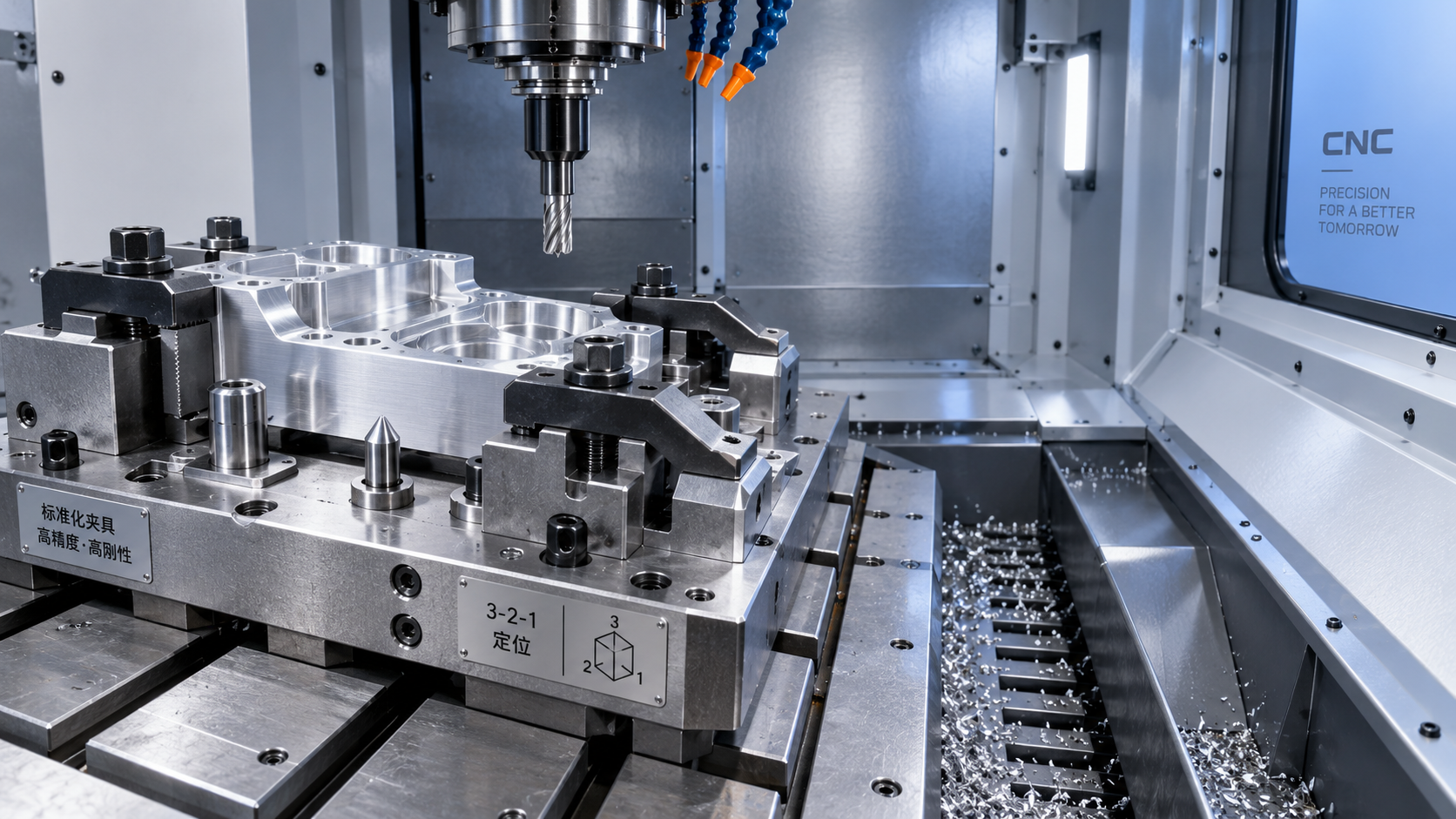
- Use fixture plans that protect datums during multiple setups.
- Confirm inspection points before production, especially for GD&T and sealing surfaces.
- Record process deviations by batch so repeat orders improve instead of repeating hidden defects.
None of these controls are complicated by themselves.
The value comes from applying them consistently across every revision and every production lot.
Conclusion
CNC manufacturing for energy equipment is ultimately about controlled reliability.
Tolerances matter because they protect function.
Materials matter because service conditions are unforgiving.
Process control matters because even small machining errors can become system-level failures.
When evaluating suppliers or planning new projects, focus on tolerance capability, material discipline, and manufacturing transparency together.
That approach leads to better sourcing decisions, fewer production surprises, and stronger long-term equipment performance.
Recommended for You
 Industrial Machining: Selecting Processes for Tight-Tolerance Metal PartsCNC Machining Technology Center
 Manufacturing Technology Trends That Improve Throughput and Quality ControlManufacturing Market Research Center
 How to Design Cost-Effective Fixtures That Maintain Cycle Time in Mass ProductionCNC Machining Technology Center
 Is Learning CNC Programming Worth It for Shop Owners Seeking Higher Margins?CNC Machining Technology Center
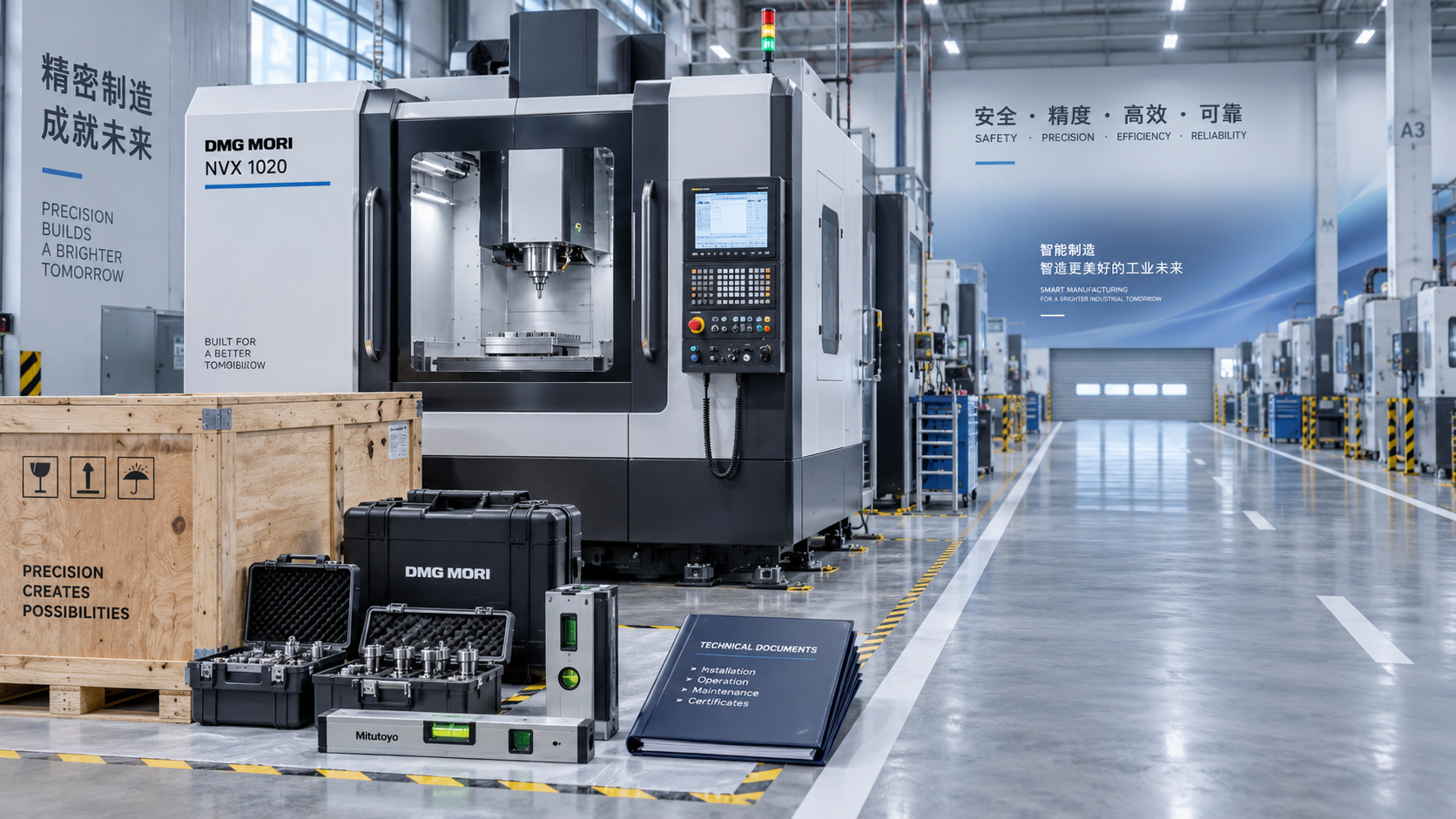
 CNC Machine Arrival Inspection: Check Shipping Damage, Accuracy, Safety, and DocumentsCNC Machining Technology Center
 How to Select a Machine Tool for Aerospace Parts with Tight Tolerances?Machine Tool Industry Editorial Team

Aris Katos
Future of Carbide Coatings
15+ years in precision manufacturing systems. Specialized in high-speed milling and aerospace grade alloy processing.
▶
Is Learning CNC Programming Worth It for Shop Owners Seeking Higher Margins?CNC Machining Technology Center▶
How to Select CNC Equipment for High-Mix, Low-Volume ProductionCNC Machining Technology Center▶
Can CNC Machining Inconel Control Tool Wear in High-Temperature Aerospace Parts?CNC Machining Technology Center▶
How Automated Precision Machining Maintains Tolerance in High-Mix ProductionCNC Machining Technology Center▶
CNC Programming Explained: From CAD Models to Reliable Shop-Floor ToolpathsCNC Machining Technology Center
Mastering 5-Axis Workholding Strategies
Join our technical panel on Nov 15th to learn about reducing vibrations in thin-wall components.

Providing you with integrated sanding solutions
Before-sales and after-sales services
Comprehensive technical support