• Global CNC market projected to reach $128B by 2028 • New EU trade regulations for precision tooling components • Aerospace deman
NYSE: CNC +1.2%LME: STEEL -0.4%

What Is CNC Production? Key Process Stages, Equipment, and Quality Control Points
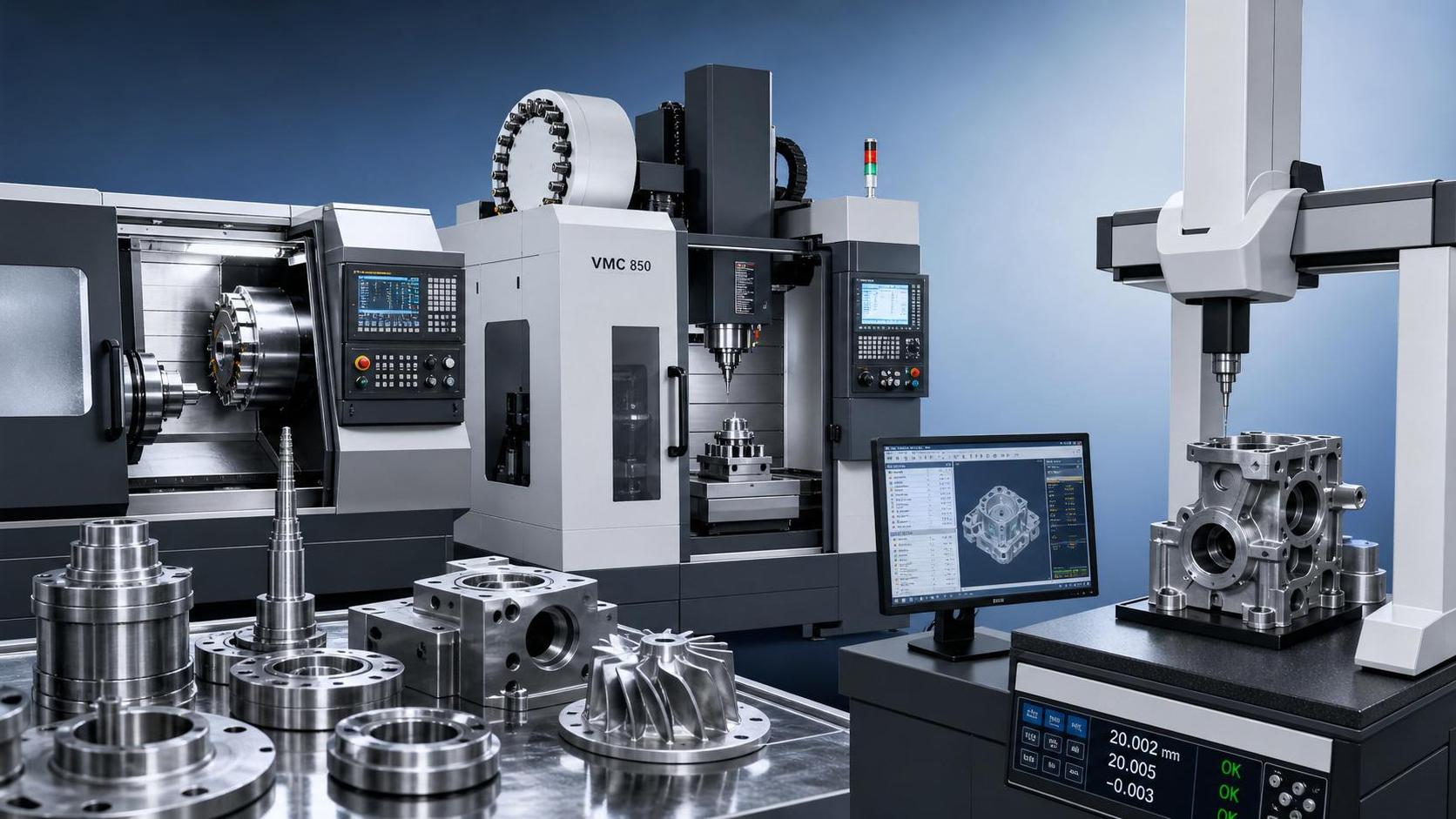
CNC production turns digital part data into repeatable physical components through programmed machine motion, controlled cutting, and disciplined inspection. It matters because modern industries now depend on precision, traceability, and stable output at a scale that manual machining cannot reliably sustain.
From automotive shafts to aerospace brackets, energy equipment housings, and electronics fixtures, CNC production supports parts that must fit, perform, and remain consistent across batches. That is why process stages, equipment choice, and quality control points deserve close attention.
Understanding CNC Production in Today’s Manufacturing Context
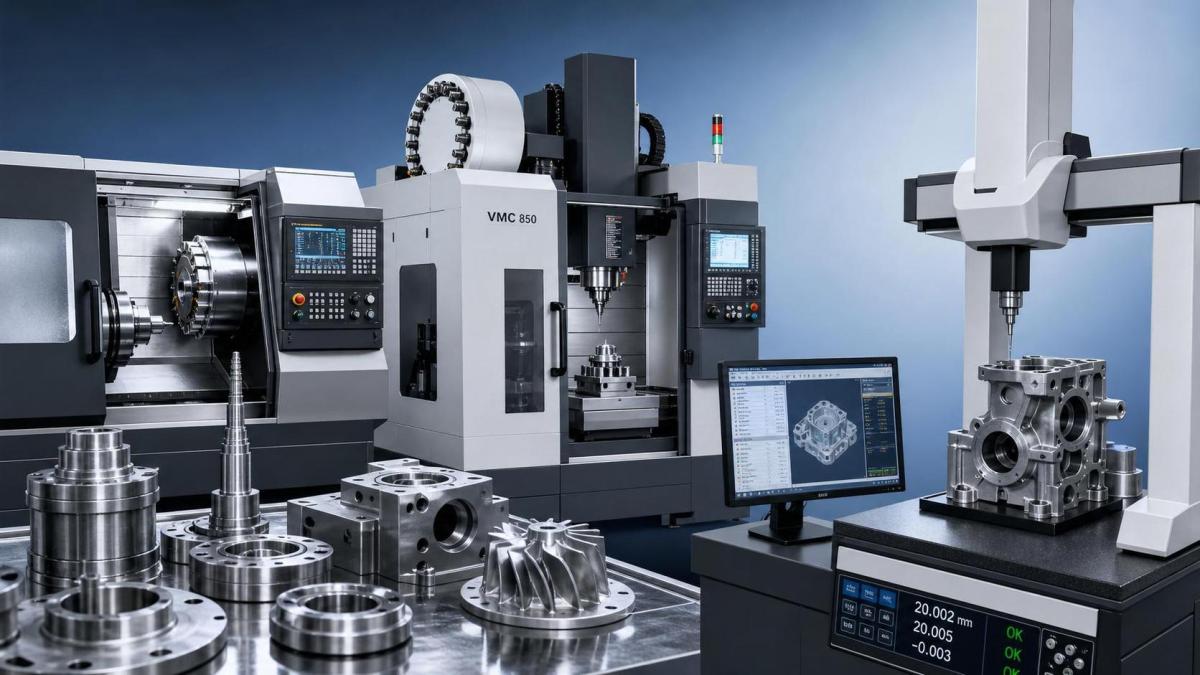
At its core, CNC production is a manufacturing method that uses computer numerical control to guide machine tools. The program defines tool paths, cutting parameters, positioning logic, and sequence timing for each operation.
Simple parts may run on a CNC lathe or three-axis machining center. More demanding work often moves to multi-axis systems, where complex surfaces and tighter tolerances become easier to achieve in fewer setups.
This is also why the machine tool sector remains a foundation of industrial capability. Precision equipment, fixtures, cutting tools, and automation cells shape the productivity of entire supply chains, not just single workshops.
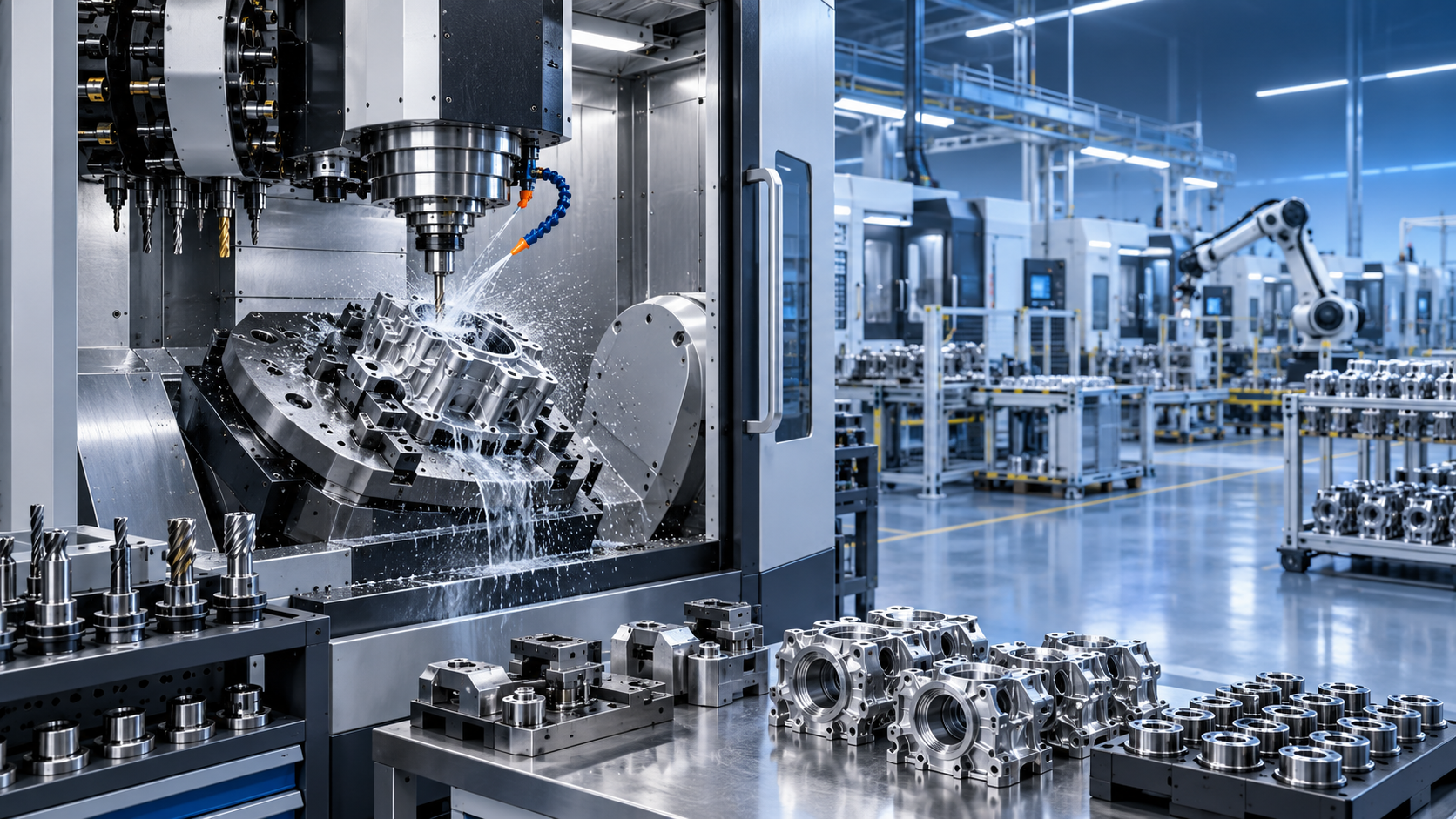
Global competition has pushed CNC production toward higher accuracy, shorter cycle times, and stronger digital integration. Smart factories, robots, and flexible lines are changing how parts move from design release to finished shipment.
The Main Stages of CNC Production
Although workflows differ by part type, most CNC production follows a practical sequence. Each stage affects cost, lead time, and final quality.
Process planning starts before cutting
The first step is reading the drawing, tolerance requirements, material grade, and finish expectations. A sound plan decides machining order, reference datums, allowance strategy, and whether one setup or several will be required.
CAM programming follows this logic. Tool paths, spindle speed, feed rate, cutting depth, and tool entry style are selected to balance efficiency with surface integrity and dimensional control.
Machine setup defines process stability
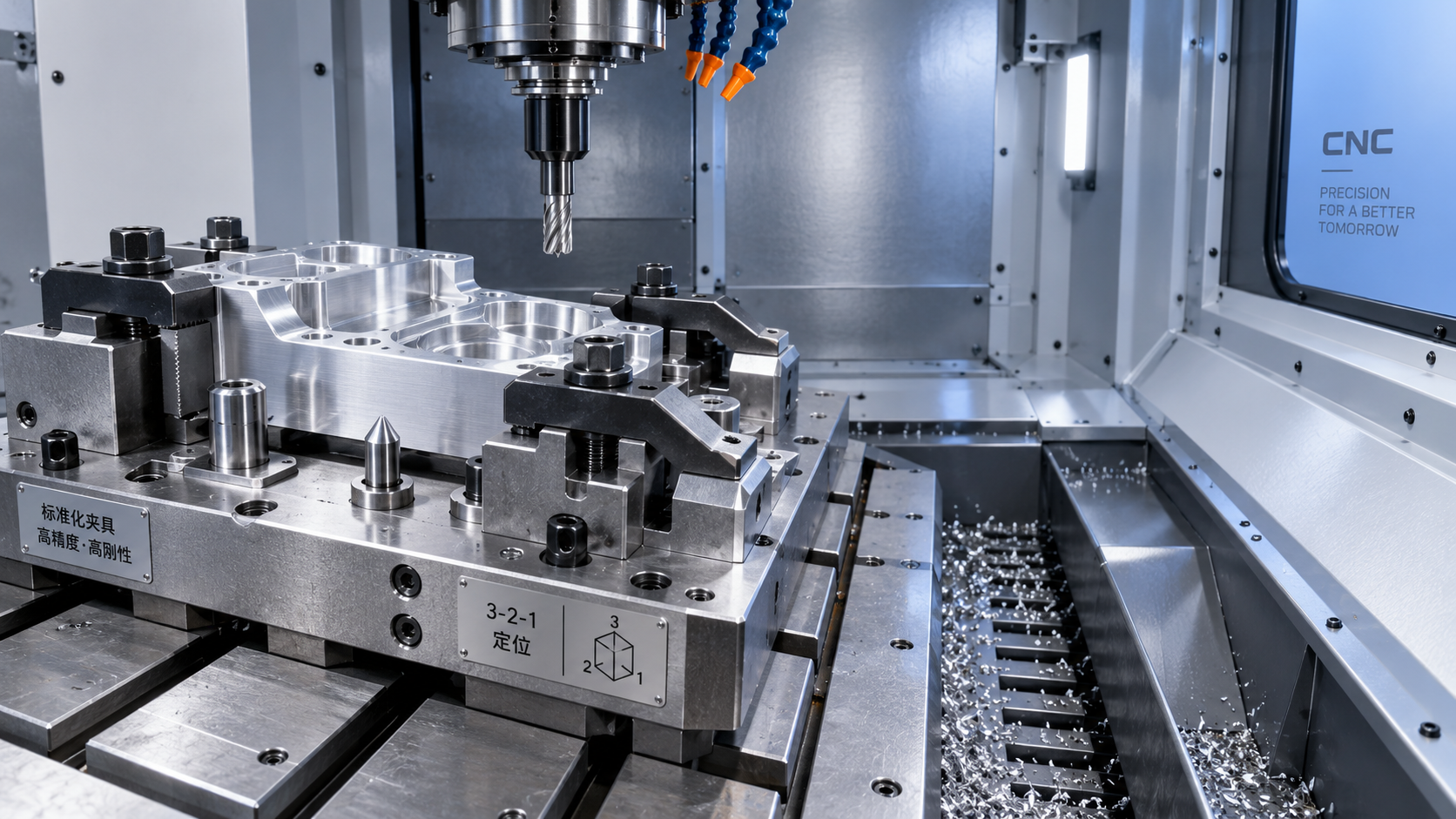
Setup includes fixture installation, tool loading, work offset setting, and program verification. In CNC production, poor setup often causes more variation than program logic itself.
For complex components, alignment accuracy matters immediately. If the workholding scheme is weak, vibration, deflection, or position drift can affect every part in the batch.
Machining operations build the part progressively
Most parts pass through roughing, semi-finishing, and finishing. Roughing removes material quickly. Semi-finishing improves geometry. Finishing controls critical dimensions, surface quality, and final form.
Secondary steps may include drilling, boring, tapping, slotting, contouring, chamfering, deburring, or thread milling. Some CNC production lines also integrate washing, marking, and automated transfer between stations.
Inspection closes the loop
Inspection is not only the last checkpoint. In well-managed CNC production, it appears during first-article approval, in-process checks, and final release.
This closed loop helps teams adjust offsets, replace worn tools, and confirm that the process remains centered before larger deviations appear.
Key Equipment Behind CNC Production
Equipment selection shapes both capability and economics. A fast machine with the wrong structure still produces weak results, while a properly matched system can improve yield without adding unnecessary complexity.
Core machine tools
- CNC lathes for shafts, sleeves, threads, and rotational parts.
- Vertical and horizontal machining centers for prismatic parts and cavity work.
- Multi-axis machines for complex geometries and reduced repositioning.
- Grinding, EDM, or hybrid systems where tolerance or material demands exceed standard milling limits.
Supporting systems that often decide outcomes
Cutting tools, holders, probes, fixtures, coolant units, and chip management systems are not minor accessories. In many CNC production environments, they determine achievable speed, stability, and repeatability.
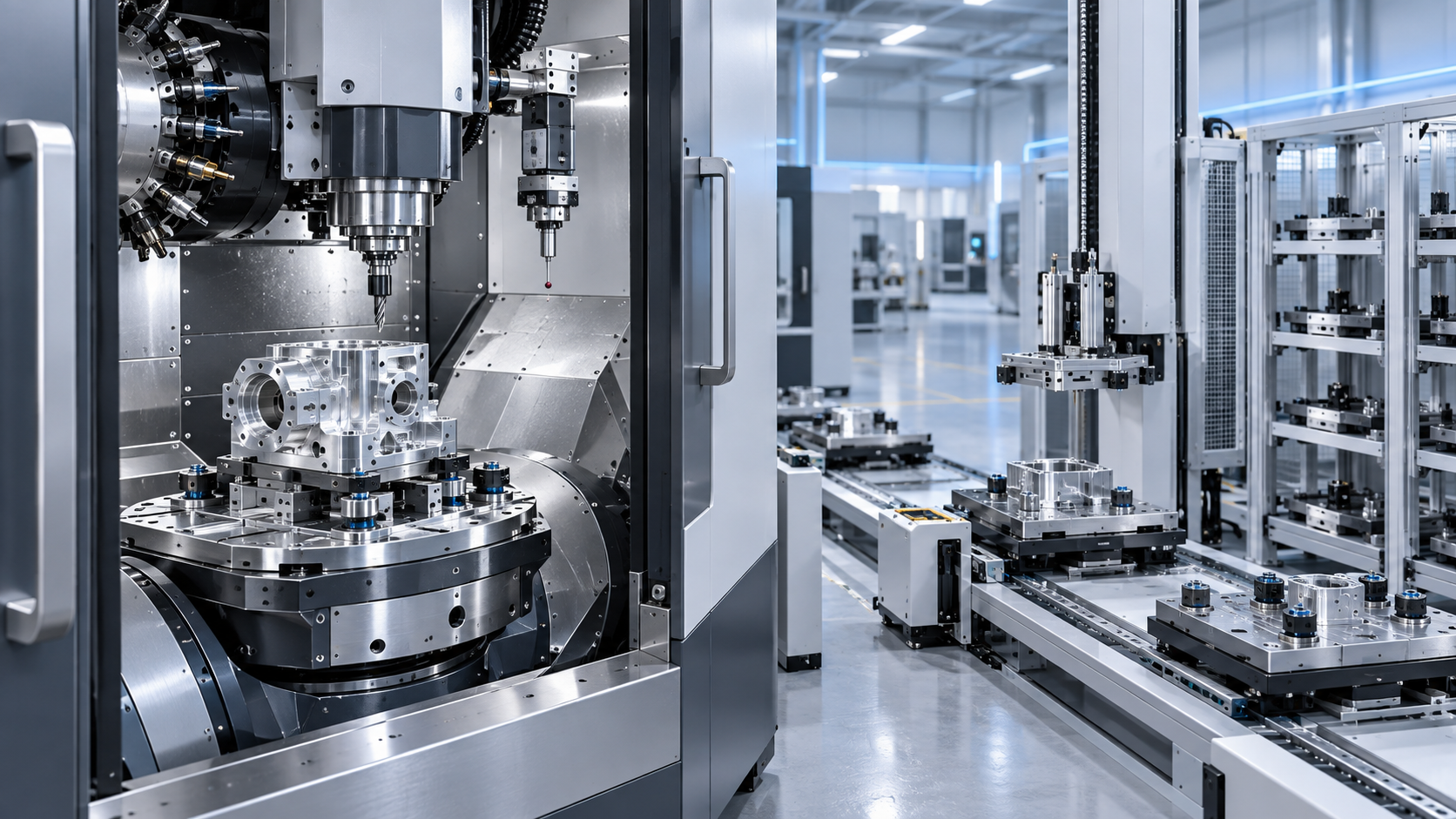
Automation is increasingly part of the equipment decision. Robot loading, pallet changers, automatic tool changers, and flexible lines help reduce idle time and support mixed-volume manufacturing.
Where Quality Problems Usually Begin
Quality issues in CNC production rarely come from one isolated error. More often, they result from small weaknesses stacking together across programming, setup, tooling, and measurement.
Critical control points to watch
- Material verification before machining, especially for hardness and lot consistency.
- Datum selection that matches the drawing and inspection method.
- Tool life tracking to prevent silent dimensional drift.
- Thermal effects during long runs, especially on tight-tolerance work.
- Fixture rigidity for thin-wall or asymmetric components.
- In-process measurement for features that cannot be corrected later.
Surface finish problems may point to chatter, incorrect feed, unstable workholding, or worn edges. Position errors may come from offset mistakes, thermal growth, or cumulative setup deviation.
More demanding sectors such as aerospace and energy equipment also require traceability. That means CNC production must connect inspection records, machine parameters, and batch identification in a usable way.
Why CNC Production Is Gaining More Strategic Attention
The discussion is no longer limited to machining speed. CNC production now sits inside broader questions about supply resilience, localization, automation returns, and digital manufacturing maturity.
Countries with strong machine tool clusters, including China, Germany, Japan, and South Korea, continue to shape both equipment supply and process know-how. Their influence reaches global trade, component standards, and production expectations.
At the same time, industrial buyers increasingly compare not only machine specifications, but also software integration, maintenance support, spare part access, and compatibility with automated production lines.
This shift matters because advanced CNC production is becoming part of a connected manufacturing system. Machine tools, probes, robots, and inspection platforms now contribute data that can improve planning and reduce recurring defects.
How to Assess CNC Production for Real Business Use
A useful assessment starts with the part, not the machine brochure. Geometry, tolerance, annual volume, material, and downstream assembly risk should shape the evaluation.
Questions that help separate strong processes from average ones
- Can the process hold tolerance consistently across an entire batch, not only on the first part?
- How many setups are required, and where does cumulative error enter?
- Which dimensions are checked in process, and which are verified at the end?
- What tool management method is used for wear compensation?
- Does the line support future automation or mixed-model production?
For information research, it is often useful to compare CNC production capabilities across three layers: machine performance, process discipline, and inspection reliability. Strong output usually depends on all three working together.
It also helps to track industry developments through machine tool news, technology updates, and international trade signals. Equipment trends often reveal where precision manufacturing capacity is heading next.
A Practical Next Step
CNC production is best understood as a system rather than a single machine operation. The real value appears when programming, tooling, fixturing, automation, and inspection are aligned around the part’s actual requirements.
The next step is to build a simple evaluation framework: define critical features, map the process stages, identify likely quality risks, and compare equipment options against those realities. That approach makes CNC production easier to judge in practical terms.
Recommended for You
 How to Design Cost-Effective Fixtures That Maintain Cycle Time in Mass ProductionCNC Machining Technology Center
 Is Learning CNC Programming Worth It for Shop Owners Seeking Higher Margins?CNC Machining Technology Center
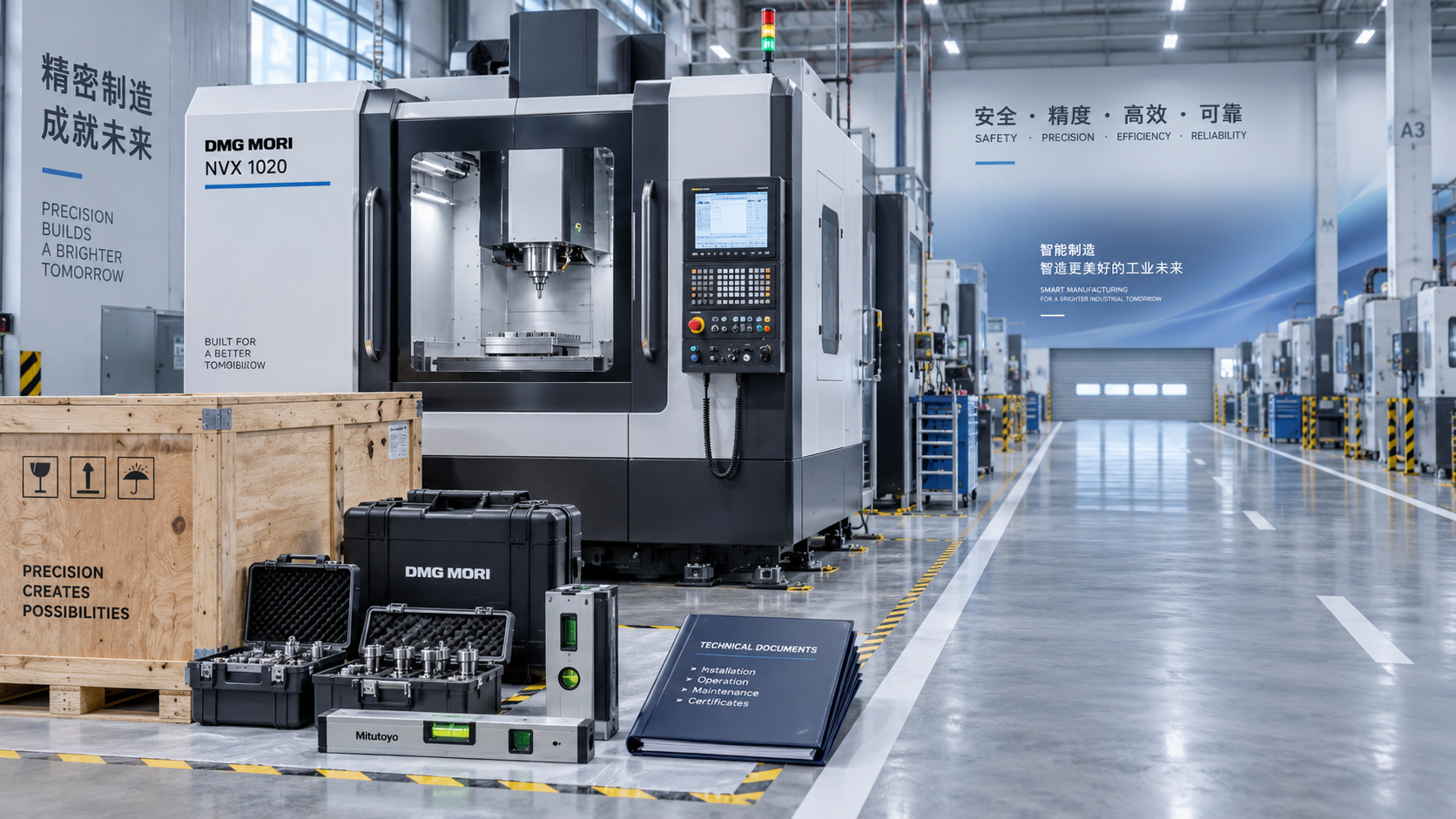
 CNC Machine Arrival Inspection: Check Shipping Damage, Accuracy, Safety, and DocumentsCNC Machining Technology Center
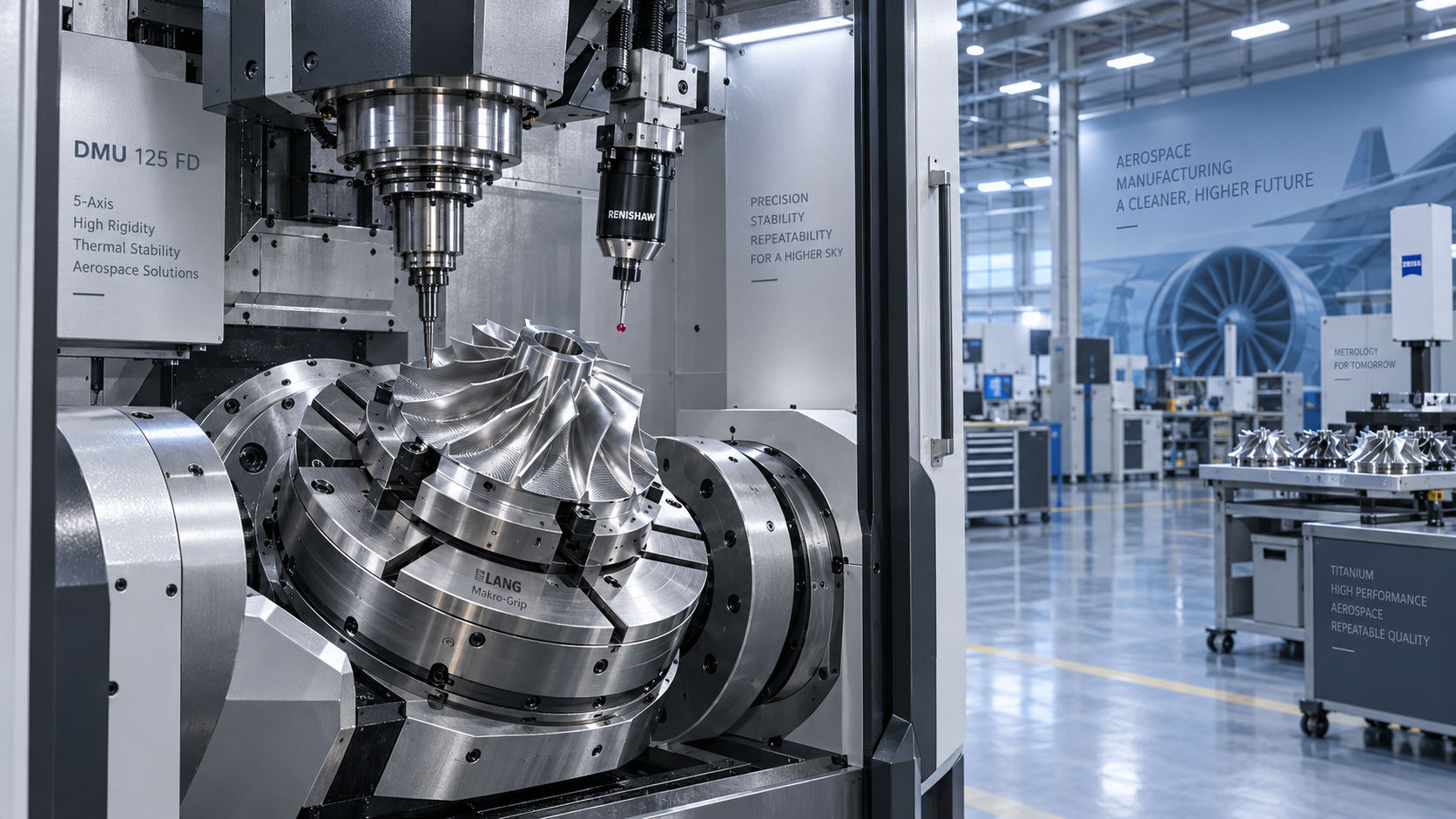
 How to Select a Machine Tool for Aerospace Parts with Tight Tolerances?Machine Tool Industry Editorial Team
 How to Select CNC Equipment for High-Mix, Low-Volume ProductionCNC Machining Technology Center
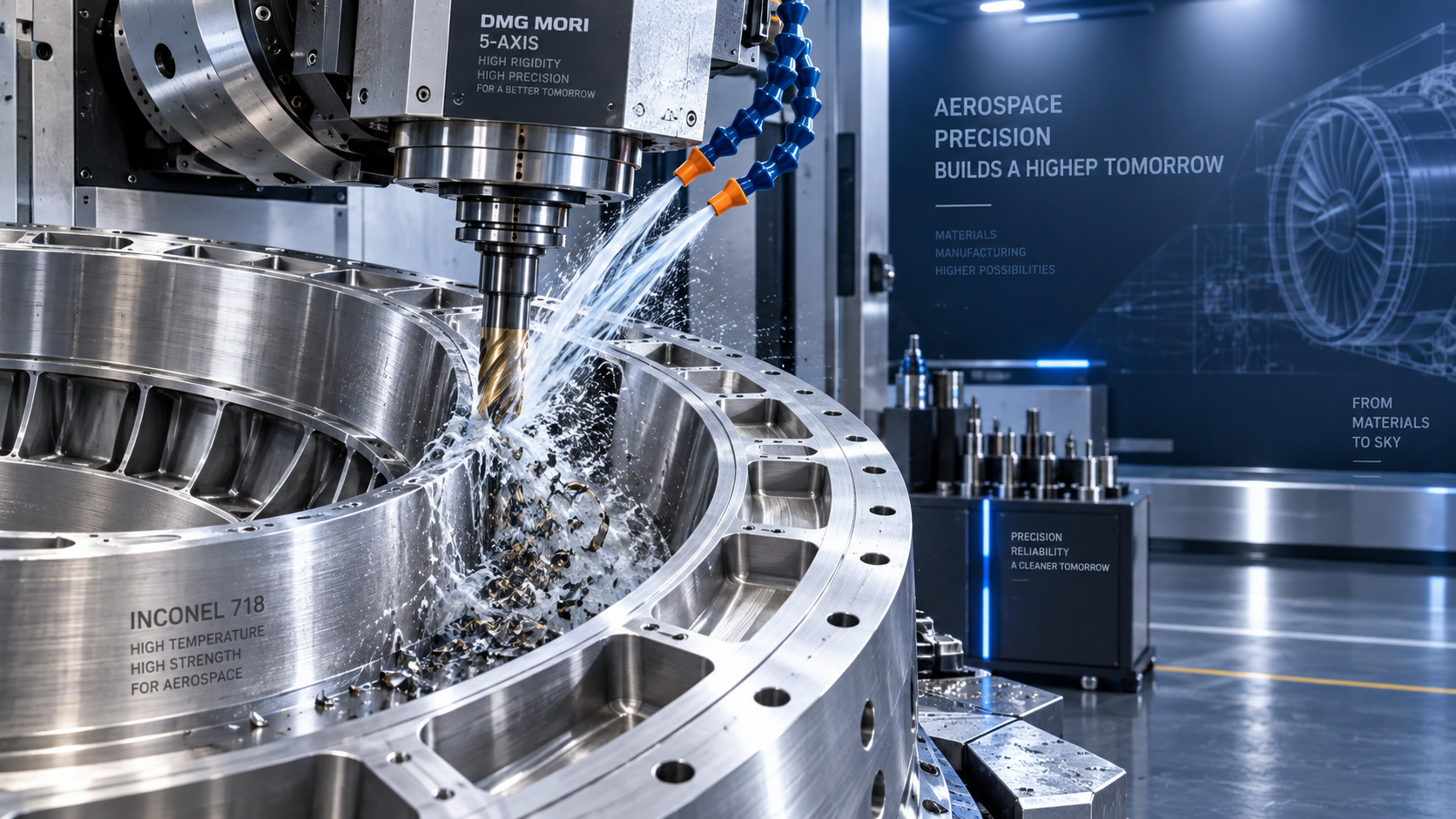
 Can CNC Machining Inconel Control Tool Wear in High-Temperature Aerospace Parts?CNC Machining Technology Center

Aris Katos
Future of Carbide Coatings
15+ years in precision manufacturing systems. Specialized in high-speed milling and aerospace grade alloy processing.
▶
Is Learning CNC Programming Worth It for Shop Owners Seeking Higher Margins?CNC Machining Technology Center▶
How to Select CNC Equipment for High-Mix, Low-Volume ProductionCNC Machining Technology Center▶
Can CNC Machining Inconel Control Tool Wear in High-Temperature Aerospace Parts?CNC Machining Technology Center▶
How Automated Precision Machining Maintains Tolerance in High-Mix ProductionCNC Machining Technology Center▶
CNC Programming Explained: From CAD Models to Reliable Shop-Floor ToolpathsCNC Machining Technology Center
Mastering 5-Axis Workholding Strategies
Join our technical panel on Nov 15th to learn about reducing vibrations in thin-wall components.

Providing you with integrated sanding solutions
Before-sales and after-sales services
Comprehensive technical support