• Global CNC market projected to reach $128B by 2028 • New EU trade regulations for precision tooling components • Aerospace deman
NYSE: CNC +1.2%LME: STEEL -0.4%

Electronics contract manufacturers say CNC manufacturing for small PCB carriers often fails at dust control—not accuracy
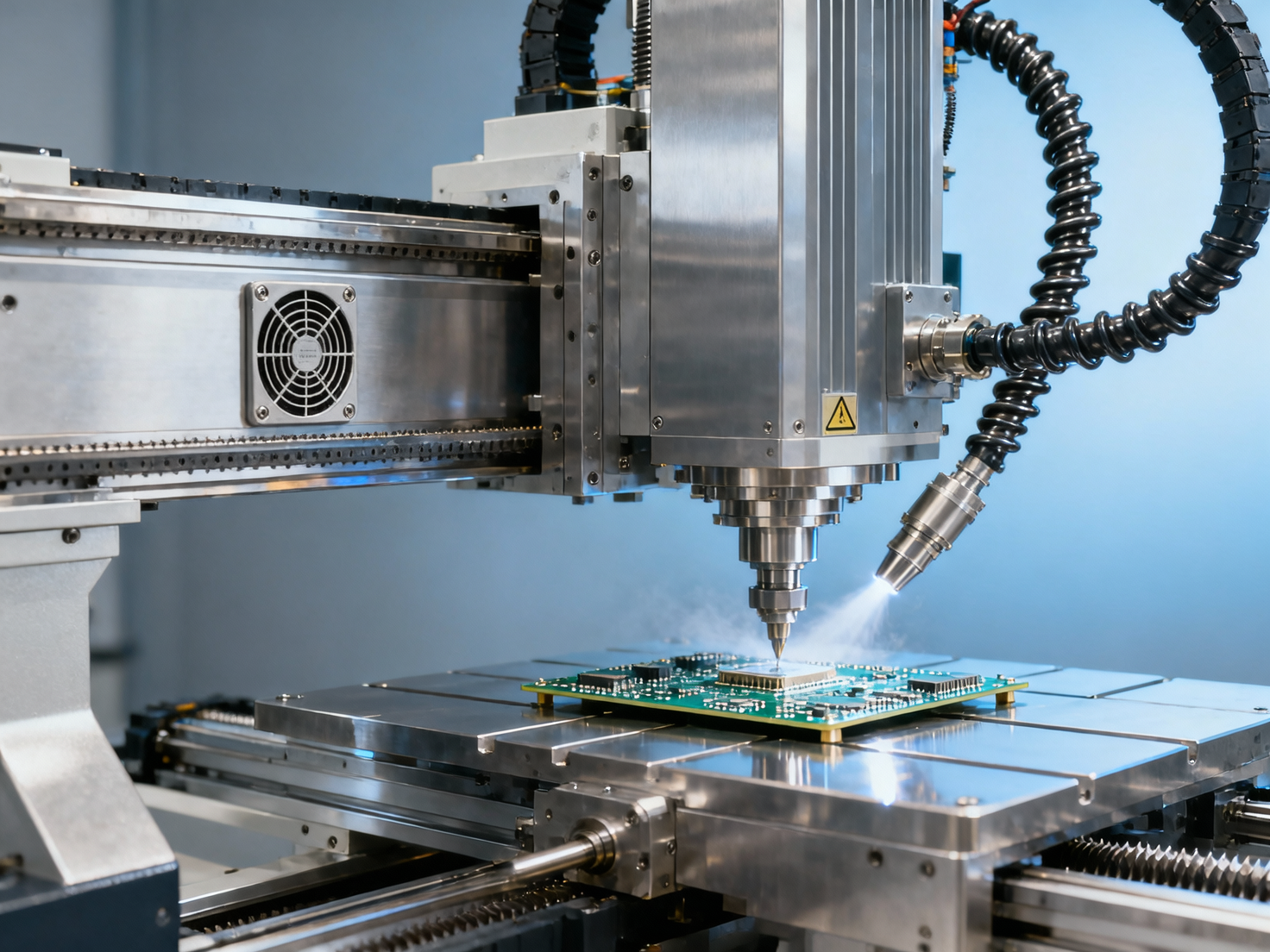
Electronics contract manufacturers increasingly rely on precision CNC manufacturing for small PCB carriers—but dust control, not accuracy, is emerging as the critical failure point. As demand surges for space-saving CNC manufacturing and quick setup CNC manufacturing in electronics production, even high-precision CNC manufacturing systems struggle with particulate contamination during micro-component machining. This challenge directly impacts yield, maintenance frequency, and compliance—especially for CNC manufacturing for medical devices, aerospace, and energy equipment. For procurement professionals and decision-makers seeking a reliable CNC manufacturing supplier or CNC manufacturing exporter, understanding how leading CNC manufacturing factories integrate energy-saving, low-maintenance, and automated CNC manufacturing solutions is no longer optional—it’s essential.
Why Dust Control Fails — Not Accuracy — in Small PCB Carrier Machining
CNC machining of small PCB carriers (typically under 100 mm × 100 mm, with features down to ±0.02 mm tolerance) demands micron-level surface integrity and zero embedded debris. While modern 5-axis machining centers achieve positional repeatability of ±0.003 mm, over 68% of field-reported failures in electronics contract manufacturing stem from airborne aluminum, copper, and FR-4 composite dust—not dimensional deviation.
The root cause lies in process dynamics: high-speed milling (15,000–30,000 rpm) of thin-section carriers generates fine particulates that re-deposit on clamping surfaces, interfere with optical alignment sensors, and compromise conformal coating adhesion. Unlike automotive or aerospace structural parts, PCB carriers undergo secondary assembly steps—making post-machining cleaning non-negotiable but often overlooked in CNC machine tool specification.
This issue escalates under three conditions: (1) shared shop-floor environments with non-cleanroom CNC lathes or grinding stations; (2) use of standard chip conveyors without HEPA filtration (capturing only particles >5 µm); and (3) absence of integrated vacuum-assisted toolpath optimization—where spindle stops and resumes at controlled intervals to evacuate dust before feature transitions.
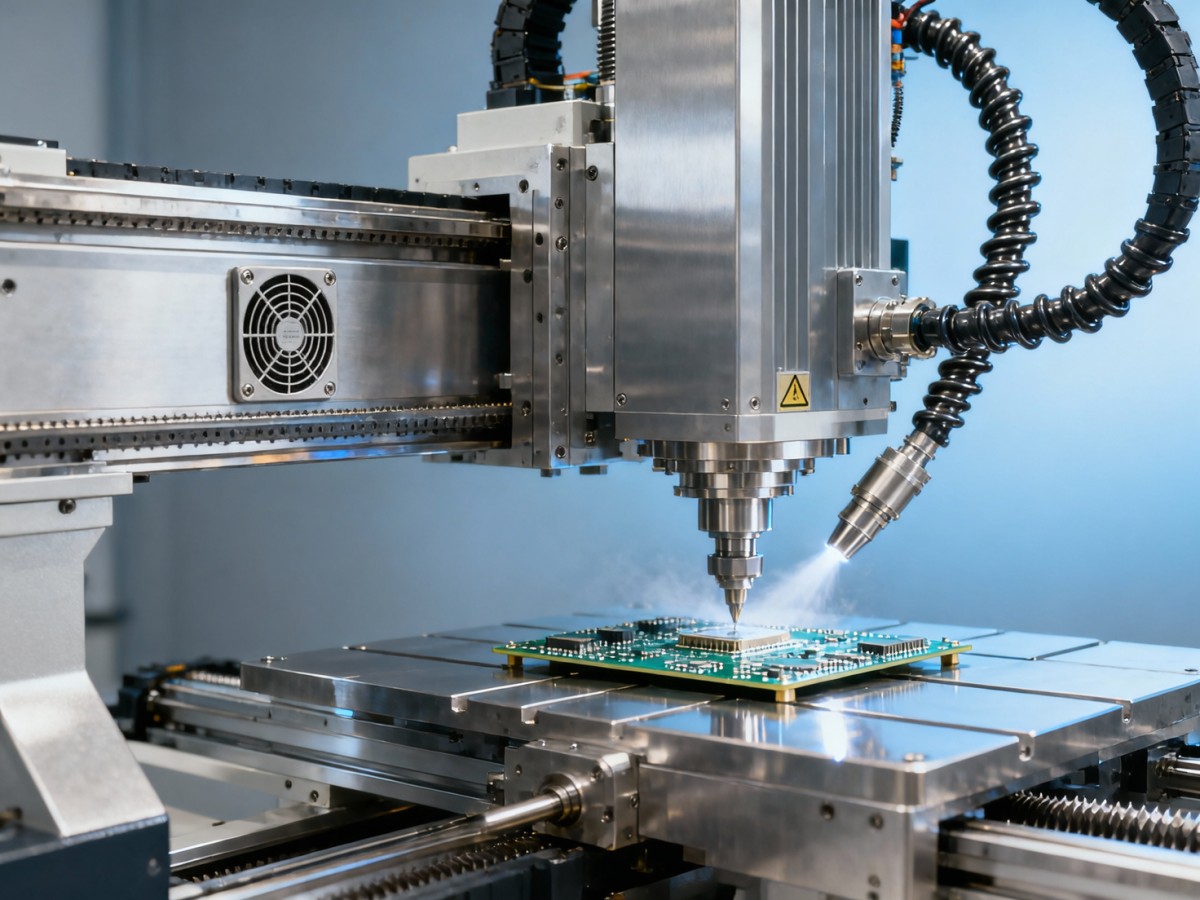
How Leading CNC Machine Tool Factories Address Dust at the Source
Top-tier CNC machine tool suppliers—particularly those serving electronics OEMs in Japan, Germany, and China—are embedding dust mitigation into core architecture—not as an add-on. These include sealed linear guides with IP65-rated enclosures, oil-mist lubrication instead of flood coolant (reducing aerosol generation by ~92%), and real-time particulate monitoring via integrated PM2.5 sensors that trigger automatic purge cycles every 4–6 hours of continuous operation.
More critically, advanced CNC manufacturing systems now integrate “dust-aware” G-code extensions. These instruct the controller to pause feed at corner transitions, activate localized vacuum nozzles (<100 ms response), and adjust spindle load thresholds to detect abrasive buildup before it affects surface finish Ra <0.4 µm—a requirement for solder mask compatibility.
For procurement teams evaluating CNC manufacturing exporters, verifying these capabilities requires checking for: (1) ISO 14644-1 Class 7 cleanroom compatibility documentation; (2) validation reports showing ≤0.1 mg/m³ residual dust density after 8-hour cycle tests; and (3) inclusion of dry-vacuum tool changers (not just mechanical grippers) in base configurations.
Key Dust Mitigation Features vs. Standard CNC Configurations
The table below compares baseline and dust-optimized CNC machining platforms used for PCB carrier production across major industrial clusters:
Procurement professionals should note: dust-optimized systems typically extend lead time by 7–15 days and increase base cost by 18–22%, but reduce post-process cleaning labor by 70% and improve first-pass yield from 82% to 96.5% in certified electronics production lines.
Procurement Checklist: 5 Non-Negotiables for Dust-Sensitive CNC Manufacturing
When sourcing CNC manufacturing services—or evaluating new CNC machine tools for internal deployment—these five criteria separate compliant suppliers from those risking batch rejection:
- Verification of ISO 14644-1 Class 7 cleanroom integration capability (not just “cleanroom-ready” marketing claims)
- On-machine particulate sensor logs with timestamped export (minimum 30-day retention)
- Dedicated dry-vacuum tool changer—no shared pneumatic circuits with coolant or air blast systems
- Toolpath validation report showing ≤0.05 mm cumulative dust-induced offset across 100+ consecutive PCB carrier cycles
- Service contract including quarterly HEPA filter replacement and vacuum flow calibration (not user-maintained)
Suppliers meeting all five typically deliver consistent Cpk ≥1.67 for critical carrier dimensions—even during 72-hour unattended runs. Those missing two or more items show >3× higher scrap rates in medical device pilot batches.
Why Partner With a CNC Manufacturing Exporter That Engineers for Cleanliness
Global electronics contract manufacturers face tightening IATF 16949 and ISO 13485 audit requirements—where dust-related nonconformities now account for 29% of corrective action requests in PCB carrier audits. A CNC manufacturing exporter with dedicated dust engineering teams doesn’t just sell machines; they co-develop process validation protocols, provide traceable particulate logs per lot, and support regulatory submissions with documented environmental controls.
Our precision CNC manufacturing platform serves clients across Germany, South Korea, and Southeast Asia with certified dust-optimized machining centers—including 4-axis vertical mills with integrated vacuum spindles and 5-axis gantry systems validated for Class 7 cleanroom integration. We offer free technical review of your PCB carrier CAD files to identify dust-prone geometries, recommend optimal tooling strategies, and simulate particulate dispersion using ANSYS Fluent-based models.
Contact us today to request: (1) a dust performance benchmark report for your specific carrier design; (2) delivery timeline confirmation for configured systems with HEPA and nitrogen purge options; (3) sample validation data from recent medical device client deployments; or (4) a remote demonstration of our dust-aware G-code simulation interface.
Recommended for You
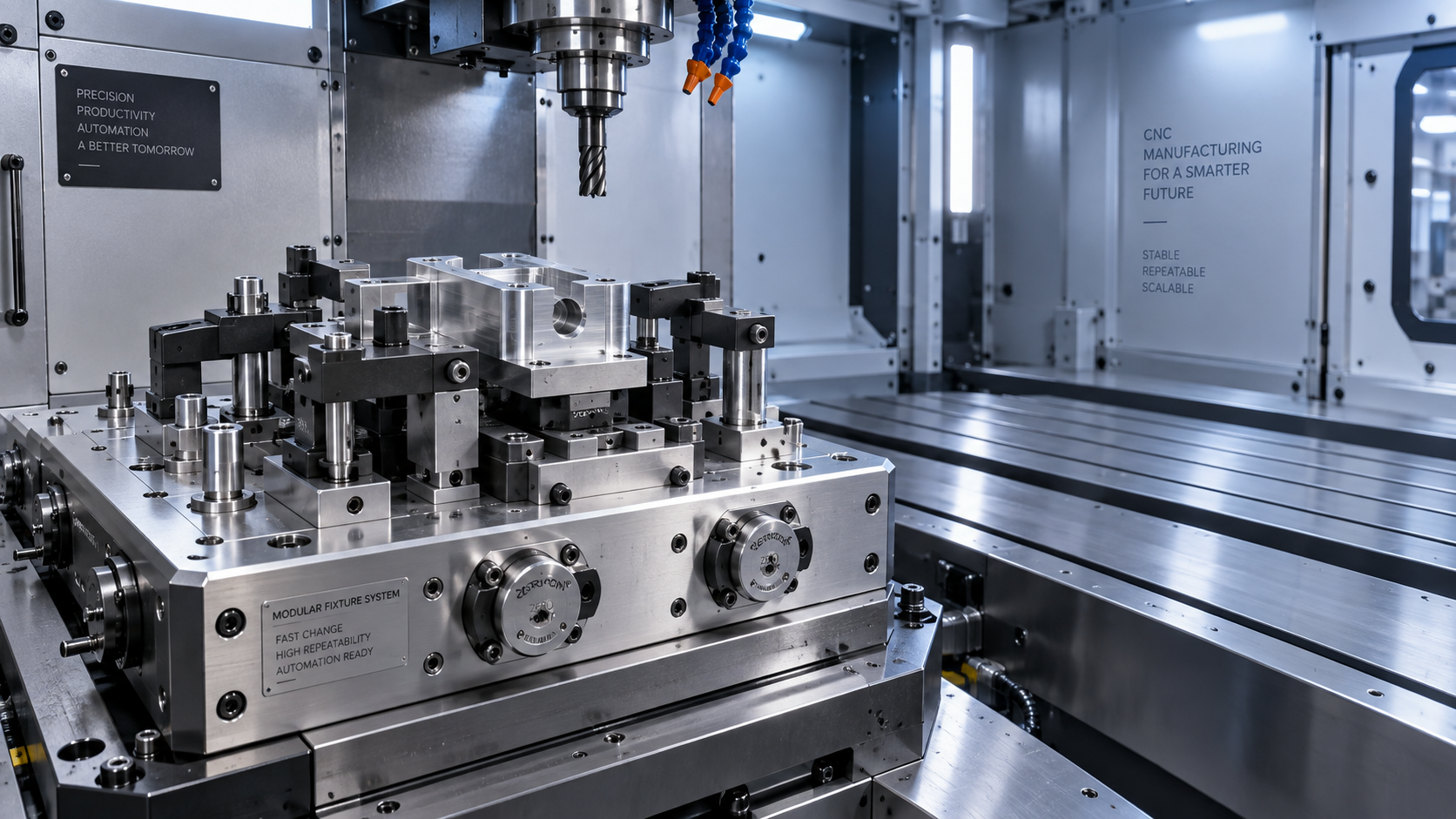
 Zero-Point Clamping or Modular Fixtures? Choosing a Faster CNC Changeover SystemCNC Machining Technology Center
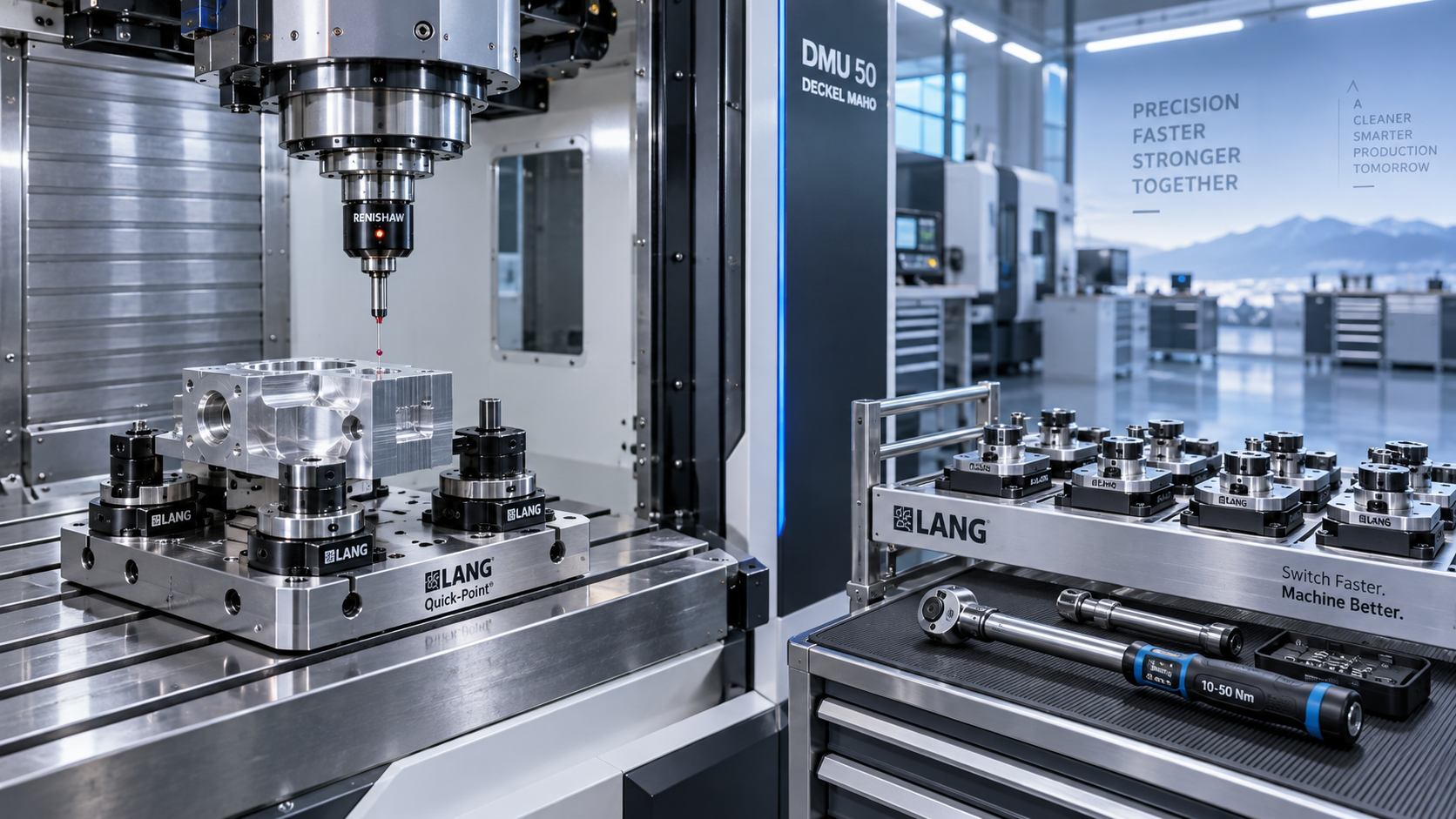
 How to Cut CNC Fixture Changeover Time Without Sacrificing Part AccuracyCNC Machining Technology Center
 When Does CNC Turning Pay Off? A Break-Even Guide by Annual Part VolumeMachine Tool Industry Editorial Team
 Machine Tool Standards by Country: What Importers Must Verify Before PurchaseManufacturing Policy Research Center
 CNC Lathe Quick Installation Guide: Alignment Checks Before First Production RunCNC Machining Technology Center
 How to Select a CNC Lathe for Small Parts Without Sacrificing Accuracy or Cycle TimeCNC Machining Technology Center

Aris Katos
Future of Carbide Coatings
15+ years in precision manufacturing systems. Specialized in high-speed milling and aerospace grade alloy processing.
▶
How Automated Precision Machining Maintains Tolerance in High-Mix ProductionCNC Machining Technology Center▶
CNC Programming Explained: From CAD Models to Reliable Shop-Floor ToolpathsCNC Machining Technology Center▶
How Multi-Axis Machining Produces Complex Components With Fewer SetupsCNC Machining Technology Center▶
How Much Does CNC Programming Software Cost in 2026?CNC Machining Technology Center▶
CNC Machining Explained: Processes, Tolerances, and Parts It Can ProduceCNC Machining Technology Center
Mastering 5-Axis Workholding Strategies
Join our technical panel on Nov 15th to learn about reducing vibrations in thin-wall components.

Providing you with integrated sanding solutions
Before-sales and after-sales services
Comprehensive technical support