• Global CNC market projected to reach $128B by 2028 • New EU trade regulations for precision tooling components • Aerospace deman
NYSE: CNC +1.2%LME: STEEL -0.4%

Aerospace suppliers now require CNC manufacturing for titanium alloys to include full thermal history logs—not just final dimensions
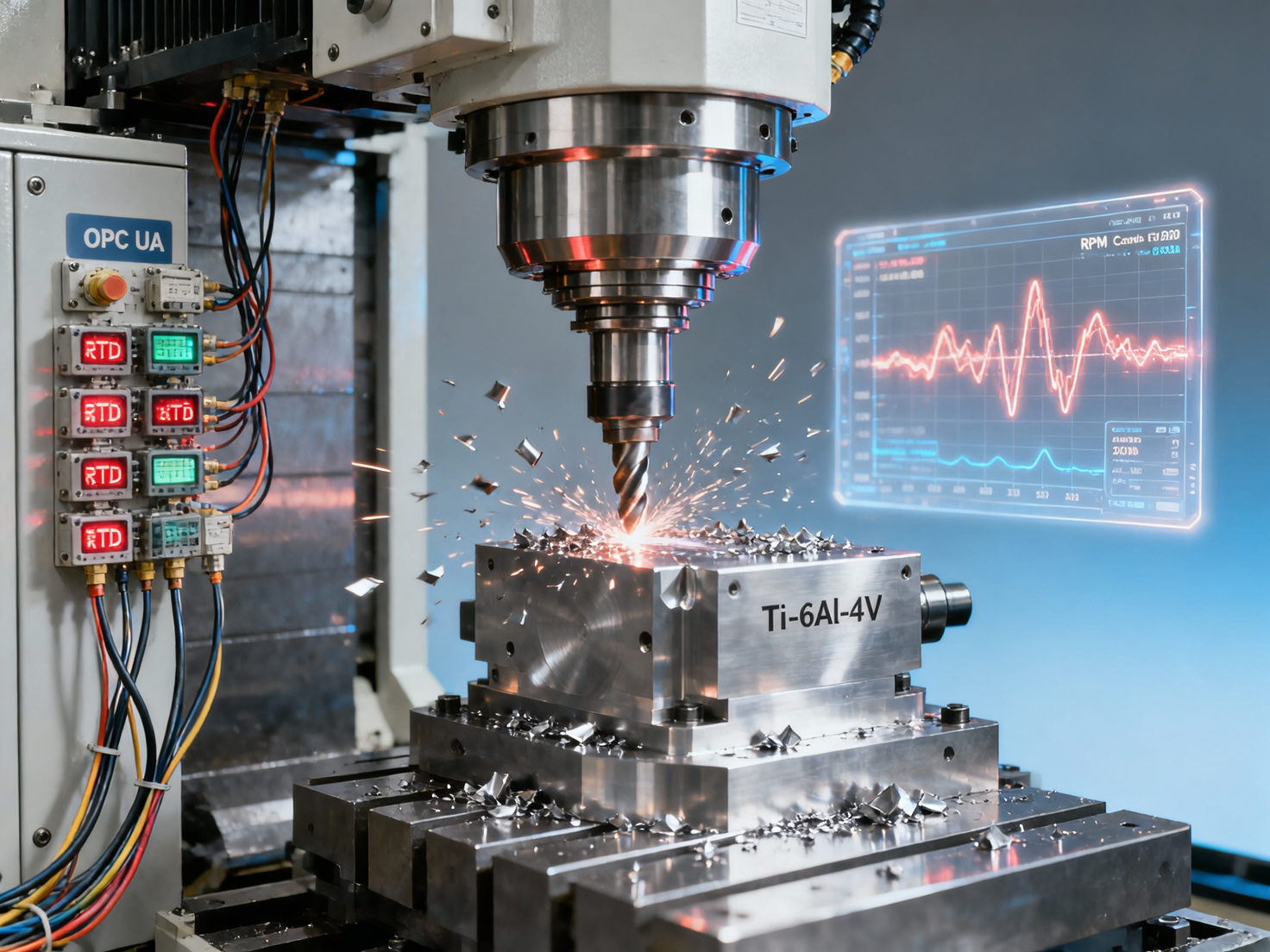
Aerospace suppliers now mandate full thermal history logs—not just final dimensions—for titanium alloy parts produced via CNC manufacturing. This shift underscores the critical need for high-precision CNC manufacturing, multi-axis CNC manufacturing, and automated CNC manufacturing capable of real-time data traceability. As demand surges for cost-effective CNC manufacturing and CNC manufacturing for aerospace, leading CNC manufacturing suppliers and CNC manufacturing exporters are upgrading systems to meet stringent space-saving, energy-saving, and low-maintenance requirements—especially in high-speed, high-precision CNC manufacturing for medical devices, electronics, and energy equipment.
Why Thermal History Tracking Is Now Non-Negotiable for Titanium CNC Parts
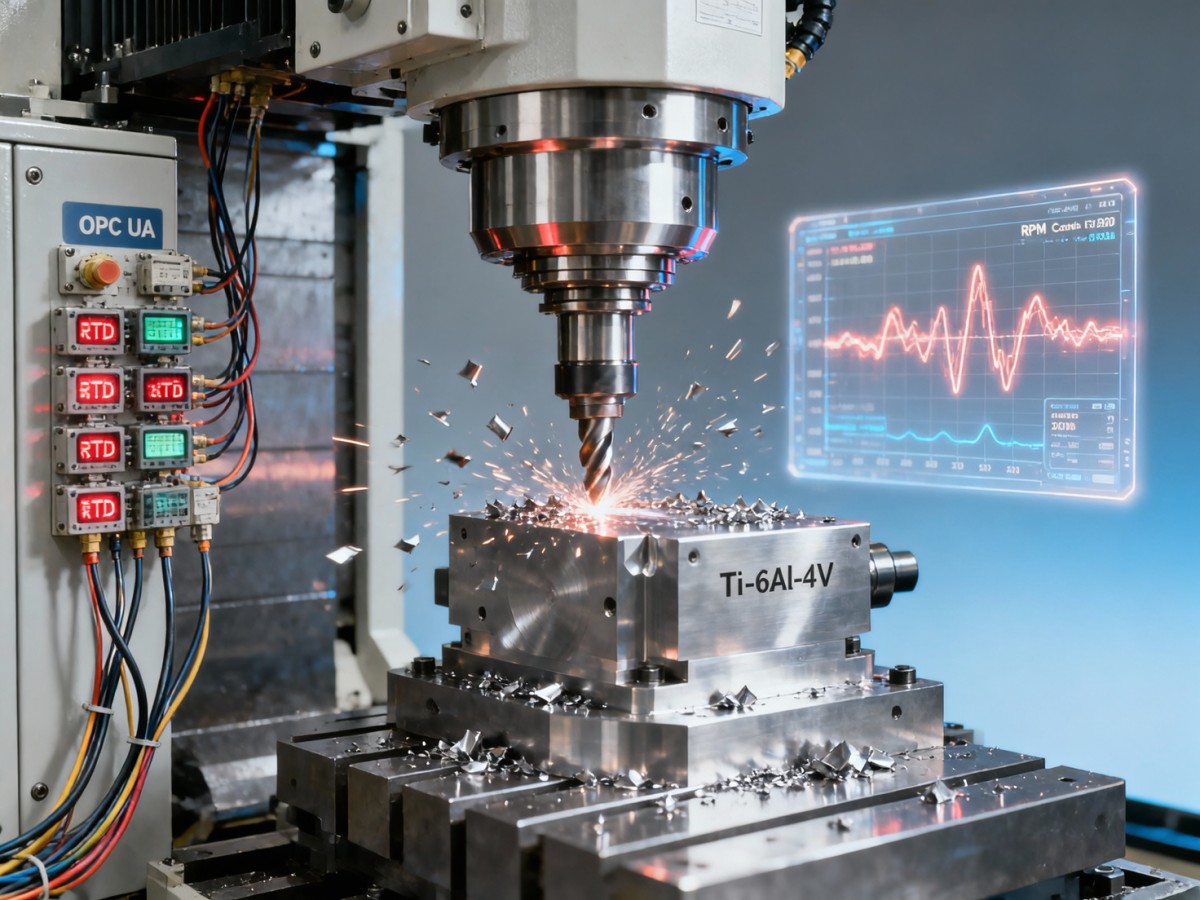
Titanium alloys—particularly Ti-6Al-4V—are widely used in jet engines, airframes, and landing gear due to their exceptional strength-to-weight ratio and corrosion resistance. However, their mechanical properties are highly sensitive to thermal exposure during machining. Even minor deviations in cutting temperature (±15°C), dwell time (>3 seconds at >600°C), or post-machining cooling rates can induce microstructural changes that compromise fatigue life and fracture toughness.
New supplier mandates from Boeing, Airbus, and NASA require full digital thermal history logs per part—including spindle RPM vs. feed rate profiles, coolant flow rate (≥12 L/min), ambient shop temperature (recorded every 90 seconds), and in-process infrared thermography snapshots at three critical stages: roughing, semi-finishing, and finishing. These logs must be timestamped, cryptographically signed, and stored for minimum 20 years per AS9100 Rev D Clause 8.5.2.
Legacy CNC machines lack integrated sensor fusion and edge-computing capabilities required for this level of traceability. Only modern CNC machining centers with embedded PLCs, OPC UA–compliant data ports, and ISO 230-2 compliant thermal drift compensation qualify for Tier 1 aerospace contracts today.
What CNC Systems Can Deliver Full Thermal Traceability?
Not all “high-precision” CNC platforms support thermal history logging. True compliance requires hardware-software co-design across five layers: real-time thermal sensing, closed-loop process control, deterministic data acquisition, secure cloud archiving, and audit-ready reporting. Below is a comparison of system capabilities across key supplier categories:
The table reveals a clear threshold: only aerospace-certified platforms provide synchronized, high-frequency thermal sampling tied directly to G-code execution. This eliminates interpolation gaps where unlogged thermal transients could occur between traditional 1–5 second logging cycles—critical for titanium’s narrow processing window.
Key Integration Requirements for Compliance
- OPC UA server with Part-Specific Data Model (IEC 62541-100 compliant)
- Embedded Linux RTOS supporting deterministic I/O latency ≤ 50 µs
- Onboard SSD with write endurance ≥ 10 DWPD over 5 years
- Dual-channel EtherCAT interface for synchronized sensor/actuator control
How Procurement Teams Should Evaluate Thermal-Ready CNC Suppliers
For procurement professionals, verifying thermal traceability capability goes beyond spec sheets. Focus on these five validation checkpoints during RFQ and factory audits:
- Request live demonstration of thermal log generation on a Ti-6Al-4V test part—verify timestamps align within ±10 ms of G-code line execution
- Confirm data retention architecture: local storage (minimum 32 GB encrypted) + cloud backup (AWS GovCloud or Azure Government compliant)
- Validate calibration traceability: sensors must be NIST-traceable with annual recalibration documented per ISO/IEC 17025
- Audit software versioning: firmware must support rollback to previous certified versions without log corruption
- Review cybersecurity certification: IEC 62443-3-3 SL2 or higher for OT network segmentation
Suppliers unable to demonstrate all five items should be disqualified—even if quoting competitive pricing. Retrofitting legacy machines with thermal logging kits typically fails AS9100 verification due to timing jitter and firmware integrity gaps.
Future-Proofing Your Investment: What’s Next Beyond Thermal Logs?
Thermal history is just the first layer of digital twin readiness. Leading aerospace OEMs are already piloting predictive maintenance models that correlate thermal signatures with tool wear (R² ≥ 0.92), residual stress mapping (via XRD validation), and in-process surface integrity assessment (Ra deviation ≤ ±0.05 µm).
By 2026, EASA and FAA will require digital thread continuity from raw billet certification through final inspection—meaning CNC platforms must interoperate with MES (e.g., Siemens Opcenter), PLM (e.g., Teamcenter), and QMS (e.g., ETQ Reliance) via standardized APIs. Machines purchased today must support this evolution—or risk obsolescence within 3–5 years.
We help global CNC manufacturing suppliers and exporters implement AS9100D-aligned thermal traceability solutions—including pre-validated machine configurations, NADCAP documentation packages, and integration support for major ERP/MES ecosystems. Contact us to review your current CNC fleet against upcoming aerospace thermal logging requirements, request sample thermal log reports, or schedule a remote compatibility assessment for your target machine models.
Recommended for You
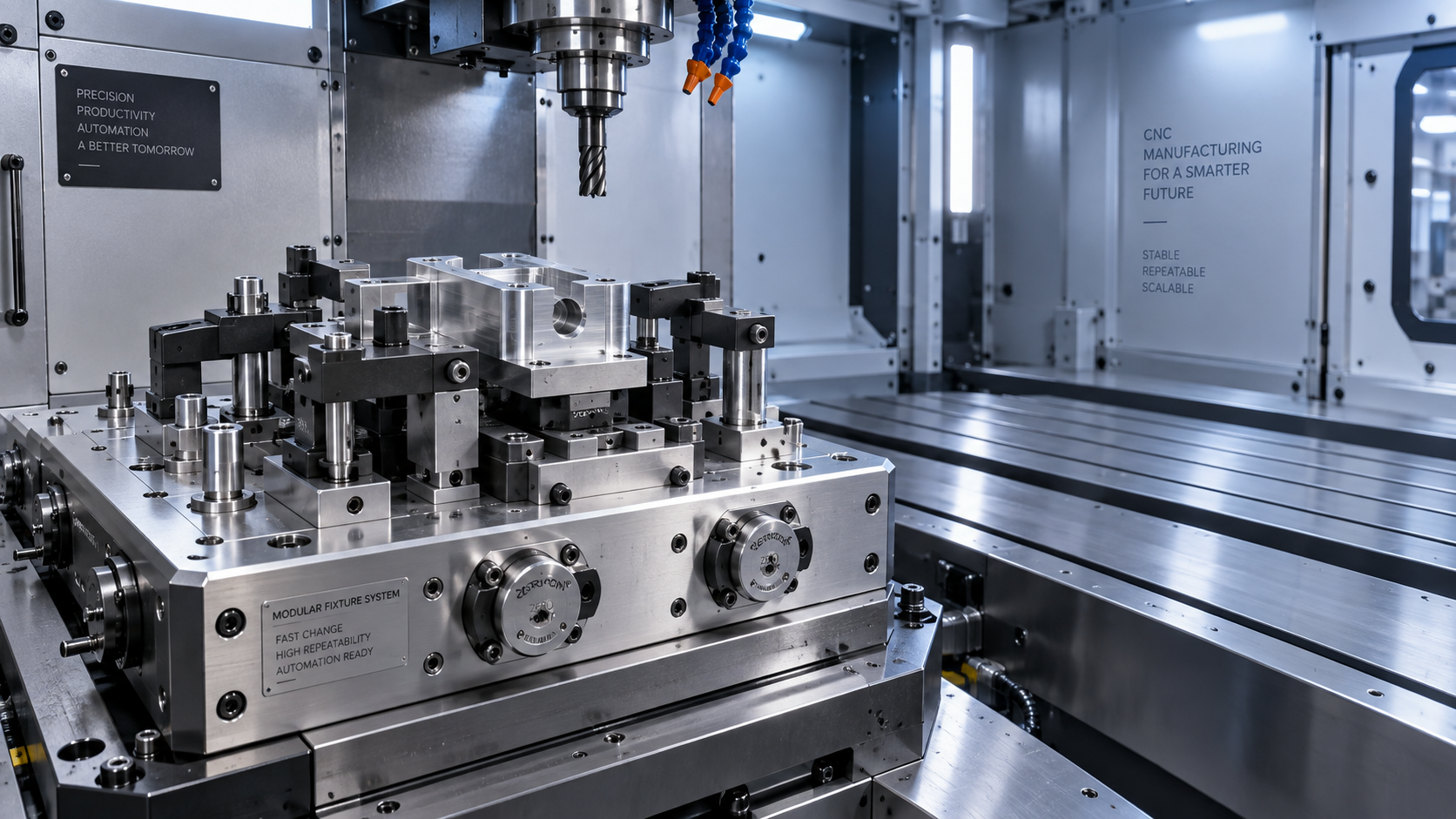
 Zero-Point Clamping or Modular Fixtures? Choosing a Faster CNC Changeover SystemCNC Machining Technology Center
 How to Cut CNC Fixture Changeover Time Without Sacrificing Part AccuracyCNC Machining Technology Center
 When Does CNC Turning Pay Off? A Break-Even Guide by Annual Part VolumeMachine Tool Industry Editorial Team
 Machine Tool Standards by Country: What Importers Must Verify Before PurchaseManufacturing Policy Research Center
 CNC Lathe Quick Installation Guide: Alignment Checks Before First Production RunCNC Machining Technology Center
 How to Select a CNC Lathe for Small Parts Without Sacrificing Accuracy or Cycle TimeCNC Machining Technology Center

Aris Katos
Future of Carbide Coatings
15+ years in precision manufacturing systems. Specialized in high-speed milling and aerospace grade alloy processing.
▶
How Automated Precision Machining Maintains Tolerance in High-Mix ProductionCNC Machining Technology Center▶
CNC Programming Explained: From CAD Models to Reliable Shop-Floor ToolpathsCNC Machining Technology Center▶
How Multi-Axis Machining Produces Complex Components With Fewer SetupsCNC Machining Technology Center▶
How Much Does CNC Programming Software Cost in 2026?CNC Machining Technology Center▶
CNC Machining Explained: Processes, Tolerances, and Parts It Can ProduceCNC Machining Technology Center
Mastering 5-Axis Workholding Strategies
Join our technical panel on Nov 15th to learn about reducing vibrations in thin-wall components.

Providing you with integrated sanding solutions
Before-sales and after-sales services
Comprehensive technical support