• Global CNC market projected to reach $128B by 2028 • New EU trade regulations for precision tooling components • Aerospace deman
NYSE: CNC +1.2%LME: STEEL -0.4%

How CNC Programming choices affect quality and cycle time
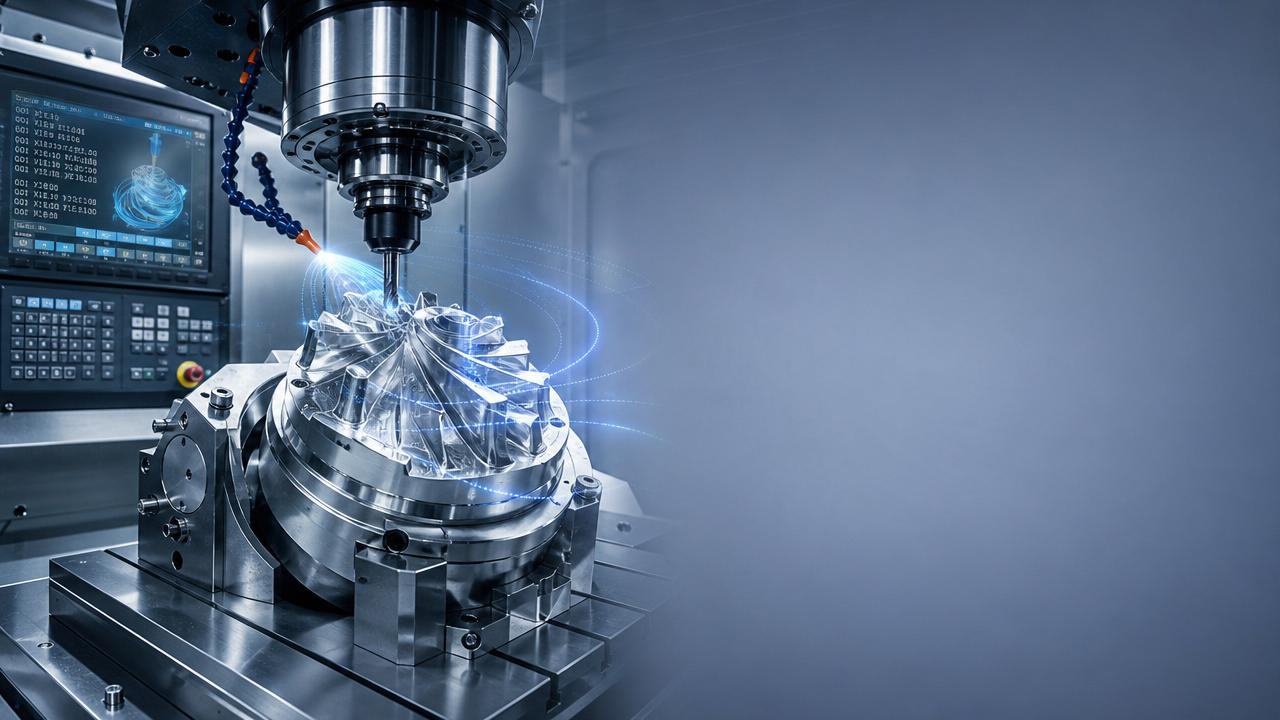
CNC Programming directly shapes dimensional accuracy, surface finish, repeatability, and machine utilization. In precision manufacturing, a small change in toolpath logic or cutting data can shorten cycle time, reduce scrap, or create instability. That is why CNC Programming should be reviewed as a process decision, not only as a code-writing task. A structured checklist helps compare programming choices against quality targets, spindle time, tooling cost, and production risk.
Why a checklist is necessary for CNC Programming decisions
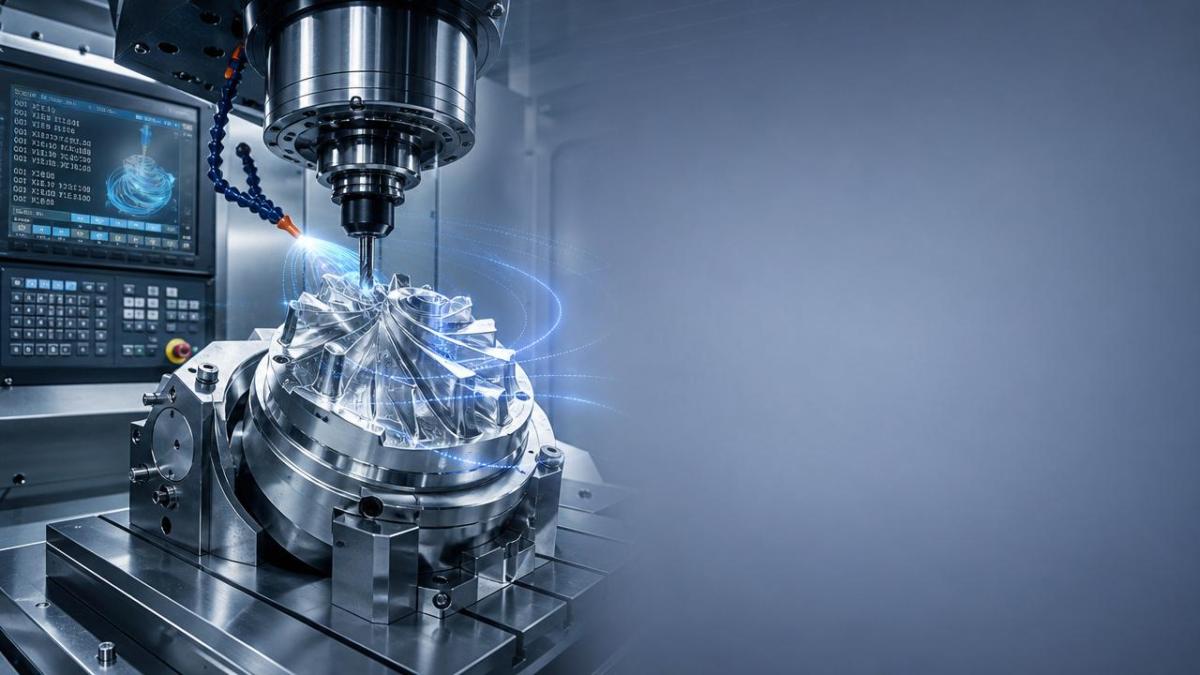
Modern machining involves many variables at once. CAM strategy, machine rigidity, fixture access, tool wear, and tolerance zones all interact. Without a checklist, CNC Programming often becomes reactive, and important trade-offs stay hidden until parts fail inspection or cycle time exceeds the quote.
A checklist also improves consistency across jobs, shifts, and facilities. It supports faster process validation, clearer technical communication, and better alignment between programming choices and production goals in automotive, aerospace, electronics, energy, and general industrial machining.
Core checklist: evaluate how CNC Programming affects quality and cycle time
Use the following points to review any CNC Programming plan before release to the machine. Each item helps balance speed, accuracy, stability, and cost.
- Define tolerance-critical features first, then assign roughing, semi-finishing, and finishing paths that protect geometry instead of optimizing only for shortest tool motion.
- Match toolpath strategy to part shape, using adaptive clearing for material removal and constant engagement paths to reduce heat, chatter, and uneven tool wear.
- Set feeds and speeds from real machine limits, tool overhang, material behavior, and coolant condition rather than relying only on default CAM libraries.
- Reduce air cutting by reordering operations, shortening retract height, and improving approach moves, but never compromise safe clearance around clamps and stock variation.
- Control cutter entry and exit with ramps, arcs, or lead moves that avoid marks on visible surfaces and prevent shock loading at engagement.
- Check machine kinematics early, especially on 4-axis and 5-axis work, because rotary limits and axis reversals can damage both finish and cycle stability.
- Stabilize workholding assumptions by programming around actual fixture behavior, including clamping distortion, reach limitations, and part deflection during heavy cuts.
- Use rest machining carefully so leftover stock is removed predictably, avoiding sudden full-width cuts that raise load and distort thin-wall sections.
- Apply tool compensation and wear offsets where process control demands adjustment at the machine, especially for bores, sealing faces, and mating features.
- Simulate collisions, holder interference, and stock removal in detail, because safe CNC Programming is not only about geometry but also real tool assembly behavior.
- Standardize proven postprocessor output, since inconsistent code structure, arc handling, or canned cycles can create timing differences and unpredictable machine response.
- Measure cycle time by actual spindle load and machine motion, not CAM estimates alone, because acceleration limits often change the real production result.
How CNC Programming priorities change by application
High-volume automotive parts
For repeat production, CNC Programming usually focuses on predictable cycle time, long tool life, and minimal variation between batches. Small time savings per part become significant over thousands of cycles, so motion efficiency matters.
Even so, aggressive optimization should not increase burr formation, edge break inconsistency, or tool-change frequency. Stable code often beats the fastest theoretical path when uptime is the real productivity driver.
Aerospace structural and precision components
In aerospace work, CNC Programming must prioritize geometry control, thin-wall stability, and traceable process integrity. Tool engagement, residual stress, and thermal effects often matter more than raw cycle reduction.
Longer but safer finishing paths may be justified if they improve profile accuracy and reduce rework risk. In this environment, process reliability is usually more valuable than marginal speed gains.
Electronics, medical, and small precision parts
Miniature features demand careful CNC Programming around spindle speed, chip evacuation, and delicate tool engagement. Excess feed or poor lead-in design can break micro tools instantly.
Here, quality loss often appears as burrs, corner rounding, poor wall straightness, or feature mismatch under magnification. Programming should favor clean entry, short tool stickout, and excellent repeatability.
Energy and heavy industrial components
Large parts amplify the impact of machine dynamics. CNC Programming for these jobs should account for long travel distances, heavy cutting loads, and the cost of scrap on high-value material.
Cycle time still matters, but safe roughing, reliable chip control, and manageable heat input often dominate. A conservative strategy can protect expensive setups and improve first-pass success.
Commonly overlooked factors that weaken CNC Programming results
Ignoring machine-specific behavior
The same CNC Programming output may run differently across machine brands or control systems. Servo response, look-ahead capability, and acceleration limits can change finish quality and actual cycle time.
Trusting CAM defaults too much
Default stepovers, tolerance values, and smoothing settings rarely match every material or quality target. Programs need verification against real process capability, not software convenience.
Optimizing one operation in isolation
A faster roughing path can leave unstable stock for finishing. Effective CNC Programming considers the entire route, including handoff between operations and inspection points.
Underestimating thermal and wear effects
Cycle time pressure often leads to hotter cutting conditions. If programming ignores wear progression, part size drift and surface damage may appear before the batch is complete.
Failing to link code with inspection feedback
Programming decisions improve faster when inspection data is reviewed systematically. Repeating the same toolpath without learning from feature deviation wastes machine time and engineering effort.
Practical execution steps for better CNC Programming
- Rank part features by tolerance, finish, and functional importance before choosing any roughing or finishing strategy.
- Build a baseline program, then test one variable at a time, such as feed, stepdown, or path smoothing.
- Compare CAM cycle estimates with machine-run data and record the gap for future quoting accuracy.
- Document proven settings by material, tool, and machine model to create a reusable CNC Programming knowledge base.
- Review scrap, tool wear, and inspection trends monthly so programming standards evolve with actual shop performance.
Conclusion: use CNC Programming as a quality and productivity lever
CNC Programming is one of the most controllable factors in machining performance. Better programming choices can improve tolerance consistency, reduce idle motion, extend tool life, and lower total cost per part.
The most effective next step is to audit one active job using the checklist above. Review toolpaths, machine data, and inspection results together. That process quickly reveals where CNC Programming can raise quality and cut cycle time without adding unnecessary risk.
PREVIOUS ARTICLE
Recommended for You
 How to Select CNC Equipment for High-Mix, Low-Volume ProductionCNC Machining Technology Center
 Can CNC Machining Inconel Control Tool Wear in High-Temperature Aerospace Parts?CNC Machining Technology Center
 Machine Tool Market Outlook: Demand Drivers, Capacity Shifts, and Investment RisksManufacturing Market Research Center
 Zero-Point Clamping or Modular Fixtures? Choosing a Faster CNC Changeover SystemCNC Machining Technology Center
 How to Cut CNC Fixture Changeover Time Without Sacrificing Part AccuracyCNC Machining Technology Center
 When Does CNC Turning Pay Off? A Break-Even Guide by Annual Part VolumeMachine Tool Industry Editorial Team

Aris Katos
Future of Carbide Coatings
15+ years in precision manufacturing systems. Specialized in high-speed milling and aerospace grade alloy processing.
▶
How to Select CNC Equipment for High-Mix, Low-Volume ProductionCNC Machining Technology Center▶
Can CNC Machining Inconel Control Tool Wear in High-Temperature Aerospace Parts?CNC Machining Technology Center▶
How Automated Precision Machining Maintains Tolerance in High-Mix ProductionCNC Machining Technology Center▶
CNC Programming Explained: From CAD Models to Reliable Shop-Floor ToolpathsCNC Machining Technology Center▶
How Multi-Axis Machining Produces Complex Components With Fewer SetupsCNC Machining Technology Center
Mastering 5-Axis Workholding Strategies
Join our technical panel on Nov 15th to learn about reducing vibrations in thin-wall components.

Providing you with integrated sanding solutions
Before-sales and after-sales services
Comprehensive technical support