• Global CNC market projected to reach $128B by 2028 • New EU trade regulations for precision tooling components • Aerospace deman
NYSE: CNC +1.2%LME: STEEL -0.4%

What CNC milling errors are quietly driving up part costs?
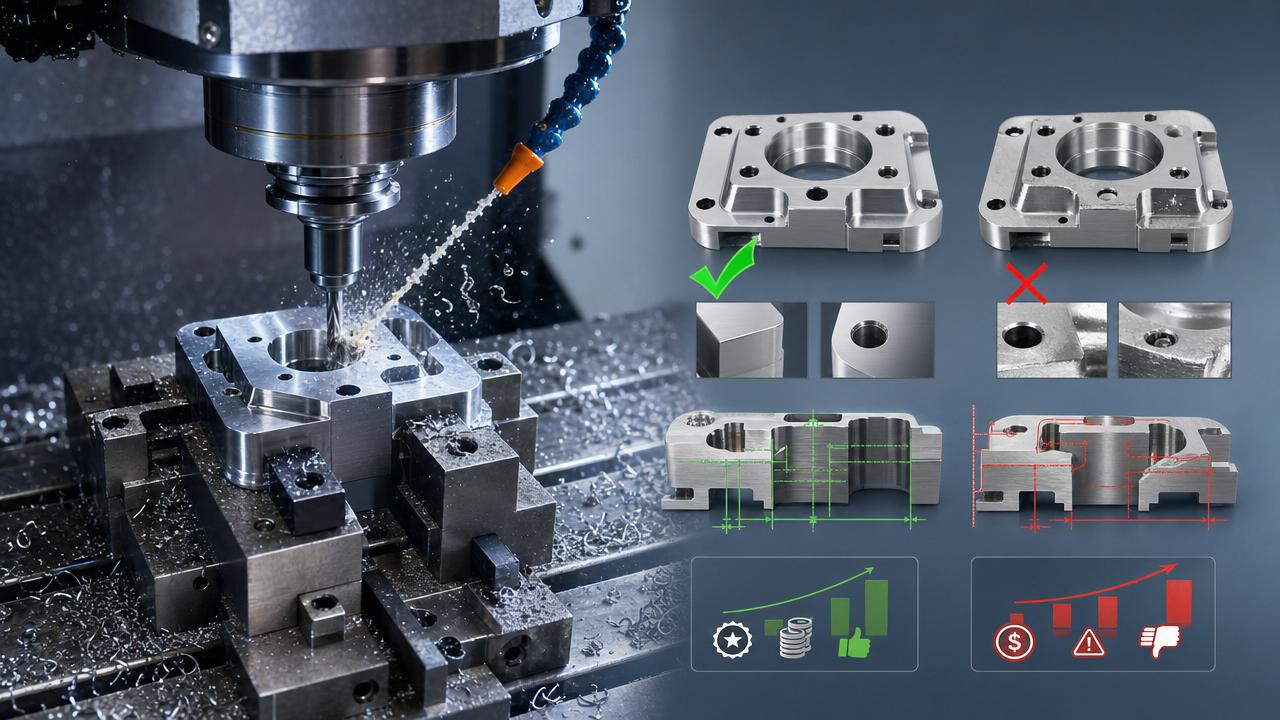
Many CNC milling cost issues do not start with material prices or machine rates—they begin with small process errors that operators often overlook. From incorrect toolpaths and poor workholding to excessive tolerances and unstable cutting parameters, these hidden mistakes can quietly increase scrap, cycle time, and rework. Understanding where CNC milling errors occur is the first step toward improving part quality and controlling production costs.
Where do CNC milling costs really go off track?
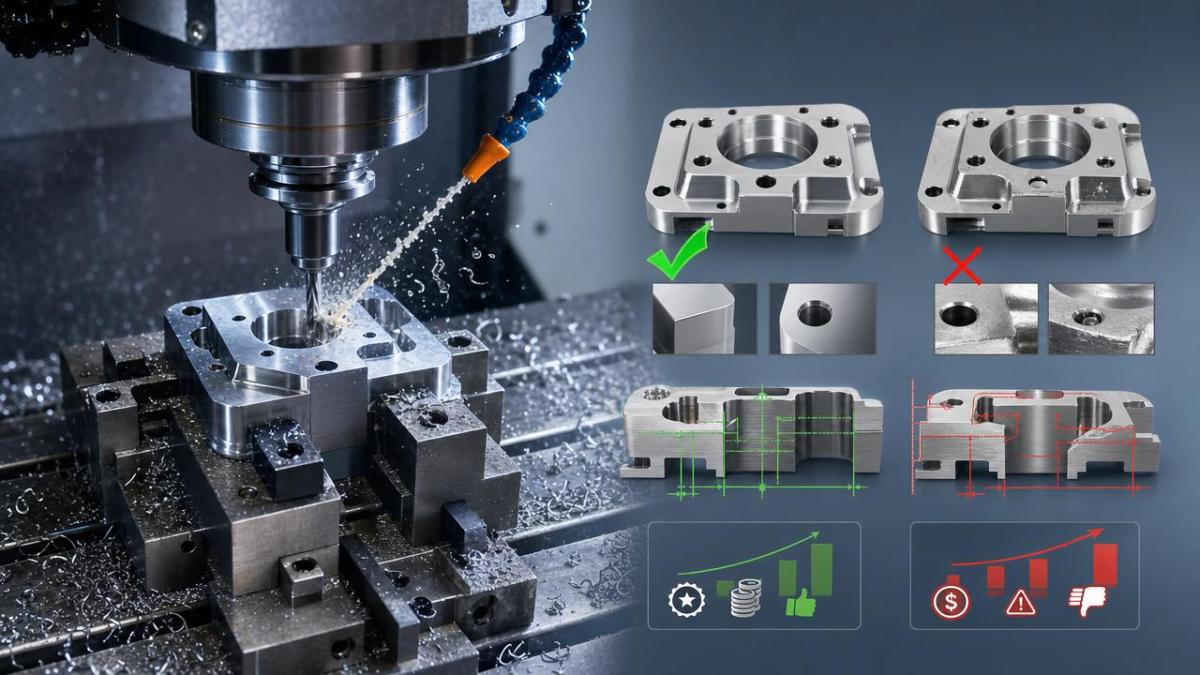
In daily production, operators often focus on spindle hours, tool prices, and delivery pressure. Yet the bigger cost driver in CNC milling is usually process variation. A small setup mistake can turn into repeated offsets, extra inspection, poor surface finish, and late shipments.
This matters across automotive, aerospace, energy equipment, electronics, and general precision manufacturing. As parts become more complex and tolerances tighter, hidden milling errors affect not only one job but also machine availability, scheduling, and downstream assembly performance.
For operators, the challenge is practical: how do you identify cost-driving errors before they become scrap? Start by separating visible problems from silent losses.
- Visible losses include broken tools, obvious chatter, out-of-tolerance dimensions, and rejected parts.
- Silent losses include conservative feeds, too many finishing passes, avoidable air cutting, excessive fixture adjustments, and overinspection caused by unstable processes.
- System losses include poor handoff between programming, setup, machining, and quality control, which is common in mixed-batch production.
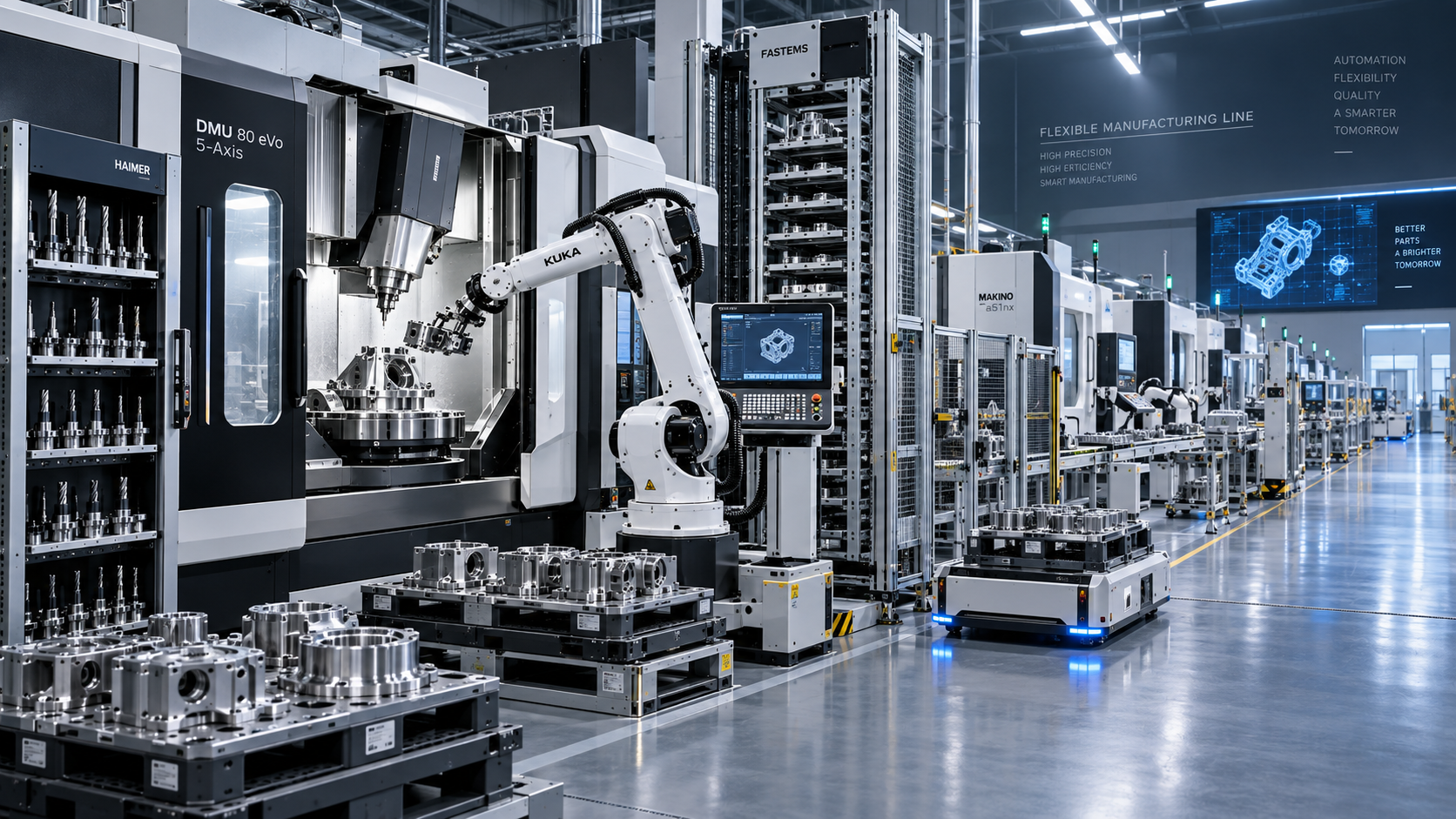
In modern smart manufacturing environments, CNC milling is no longer an isolated machining step. It sits inside a digital and automated production chain. That means one milling error can affect robot loading rhythm, fixture utilization, tool inventory, and final assembly yield.
Which CNC milling errors quietly increase part cost the most?
The most expensive CNC milling mistakes are not always dramatic. Many are routine habits that seem acceptable on one shift but become costly across dozens or hundreds of parts. The table below highlights common errors and how they raise real production cost.
These issues often appear together. For example, a weak setup may lead an operator to reduce feed and depth of cut. That protects the part temporarily, but it increases machine time and may still fail to stabilize accuracy. The result is a hidden cost loop rather than a true fix.
Toolpath errors are often underestimated
In CNC milling, a poor toolpath does more than waste time. It changes cutter load, heat distribution, chip flow, and part distortion risk. On thin walls, pockets, or long-reach features, the wrong entry, exit, or step-over can make a stable machine look inaccurate.
Workholding is a cost control tool, not only a setup tool
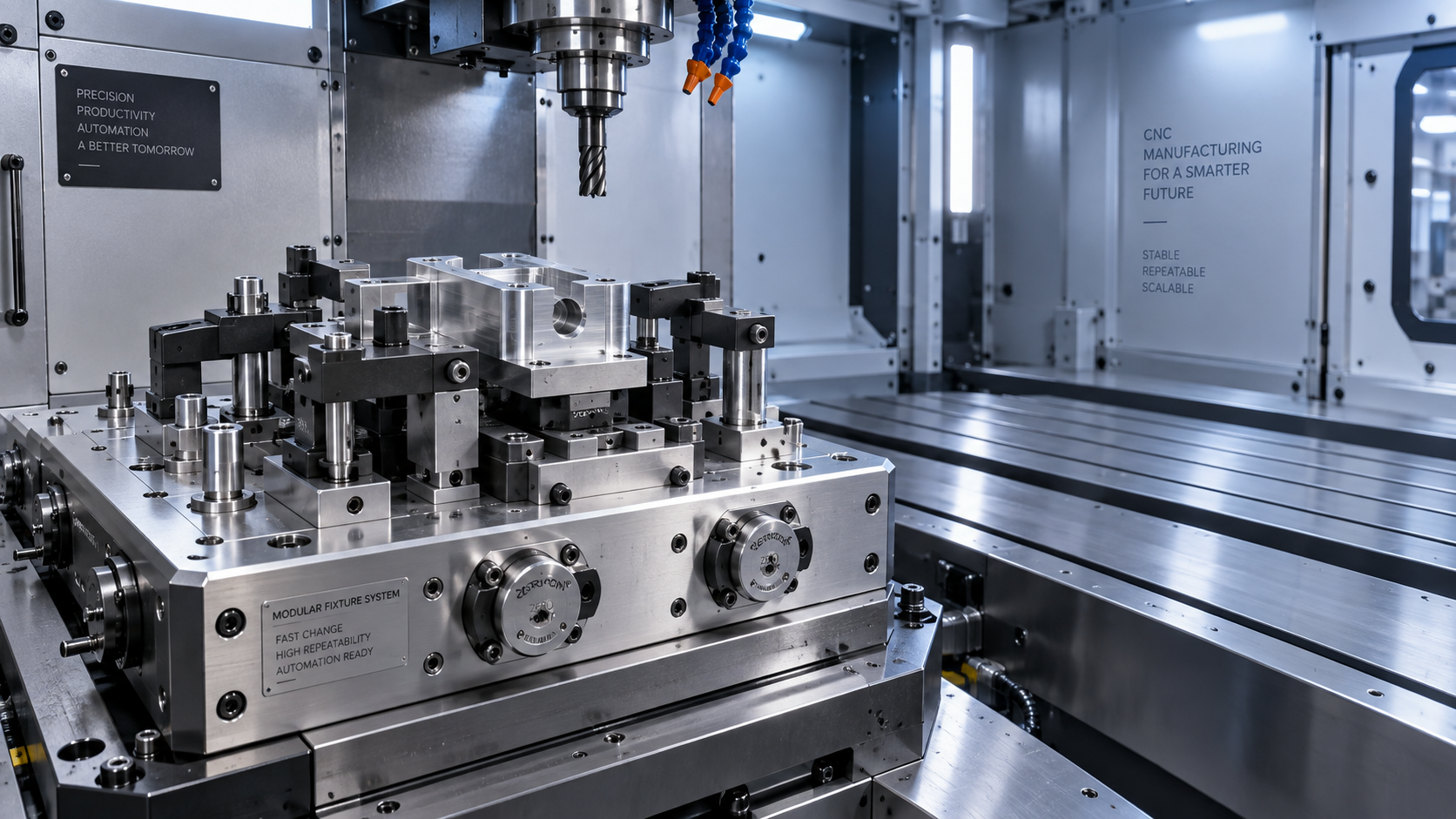
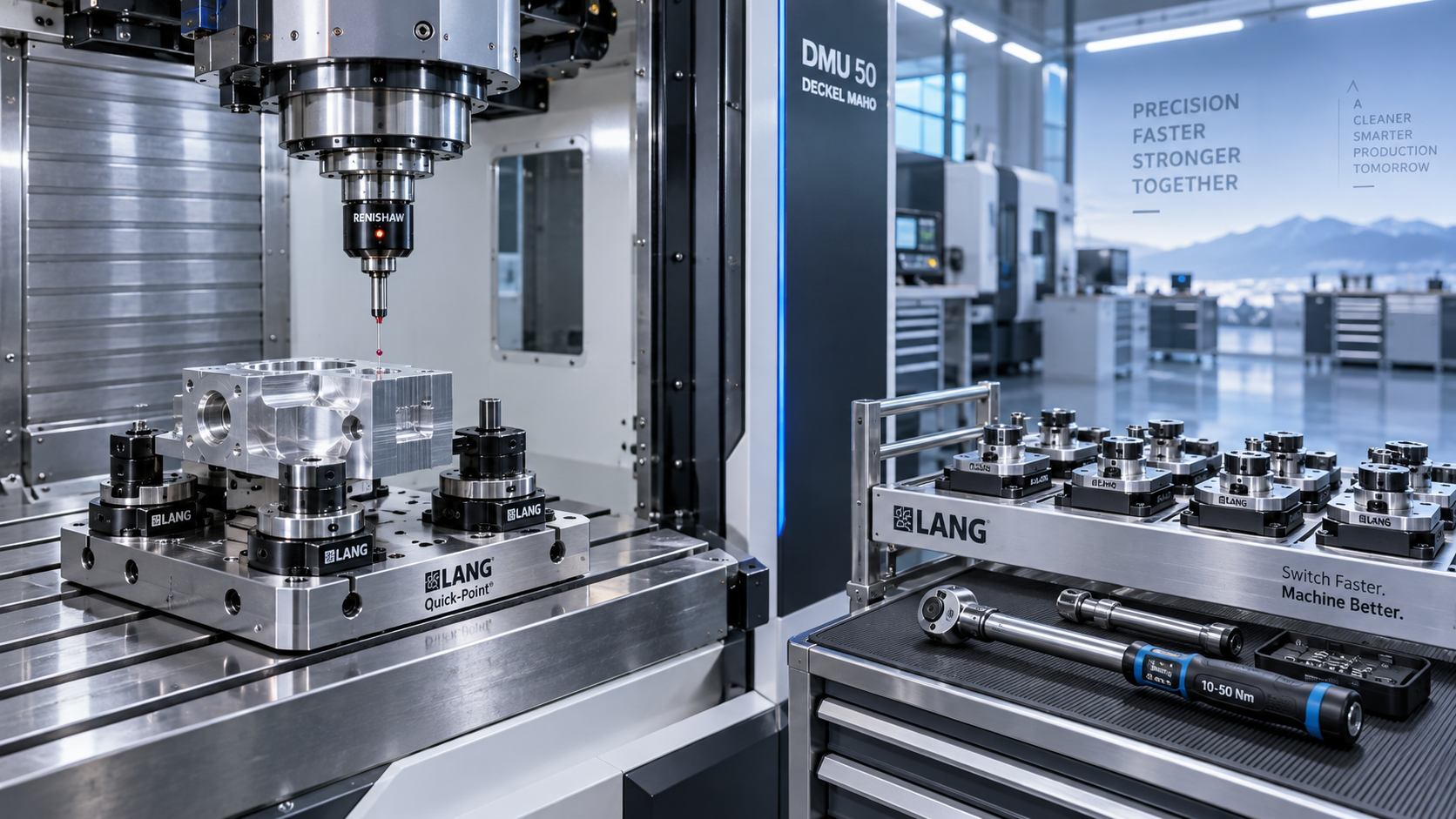
Operators sometimes treat fixturing as a one-time preparation step. In reality, workholding directly affects repeatability, datum stability, and how aggressively the machine can cut. Better fixturing often reduces cost more than simply increasing spindle speed.
How can operators spot cost-driving errors before parts fail?
Most expensive CNC milling problems leave early warning signs. Operators who track process behavior instead of waiting for inspection reports can reduce scrap and avoid late-stage correction. A structured check at setup and first-piece approval is usually the fastest gain.
- Watch spindle load trends rather than one-time peaks. A gradual increase may indicate tool wear, chip recutting, or poor engagement.
- Listen for changing vibration patterns during pocketing, side milling, and finishing passes. Chatter often begins before dimensions move out of tolerance.
- Inspect chips. Blue chips, powder-like chips, or long packed chips can point to wrong speed, feed, coolant delivery, or flute selection.
- Check repeatability across several parts, not only the first part. A process that passes once but drifts later is not under control.
- Compare actual setup time and cycle time against routing assumptions. Hidden inefficiency often starts when real production no longer matches planned production.
In advanced machining centers and multi-axis systems, this discipline becomes even more important. Higher machine capability can hide poor practices for a while, but when expensive equipment runs with unstable parameters, the financial loss per hour is much greater.
What process choices reduce CNC milling cost without hurting quality?
Cost reduction in CNC milling is not about running every job faster. It is about choosing the right process level for the part’s function, material, and tolerance. Operators and production teams should review where precision is truly needed and where the process can be simplified.
The comparison below shows how common decision points affect cycle time, stability, and total cost in practical machining conditions.
The best CNC milling process is usually not the most aggressive one. It is the one that balances machine capability, tool life, fixture stability, required tolerance, and downstream assembly needs. Operators who understand this tradeoff can prevent “fast but expensive” production.
How should operators evaluate tolerances, tooling, and setup before production?
Before the first batch starts, a short evaluation can prevent repeated losses. This is especially important in sectors using precision discs, structural parts, housings, and complex profiles where CNC milling must support consistent assembly quality.
A practical pre-run checklist
- Confirm which dimensions are critical-to-function and which are only reference features. Do not machine all features as if they carry the same risk.
- Review tool overhang, holder rigidity, and cutter diameter against cavity depth and wall condition. Reach problems are a common source of hidden cost.
- Validate fixture contact points and clamping order. Distortion introduced during setup can appear later as false machining error.
- Check if the selected coolant method matches material and chip load. Poor evacuation causes heat, recutting, and surface defects.
- Compare programmed cycle time with a realistic setup and inspection allowance. A plan that ignores actual handling time will hide real part cost.
In international production environments, shops often align machining practice with general quality systems such as ISO 9001 process control principles, while drawing interpretation may reference GD&T practices where applicable. Even when certification is not the immediate issue, disciplined process review supports more stable CNC milling results.
Which shop scenarios create the highest risk of hidden CNC milling cost?
Not every shop faces the same risk. Hidden CNC milling cost usually grows fastest when production conditions combine complexity, urgency, and incomplete process control. The table below helps operators and supervisors identify where attention is most needed.
These scenarios are common in global machine tool manufacturing clusters and export-oriented production. As automation and digital integration increase, the value of process discipline grows. Stable CNC milling is not only a machining issue; it is a supply reliability issue.
FAQ: what do operators ask most about CNC milling cost errors?
Does tighter tolerance always mean better part quality?
No. In CNC milling, tighter tolerance only adds value when the feature affects fit, motion, sealing, load transfer, or another functional requirement. If the tolerance is tighter than the real application needs, the shop may add finishing passes, inspection time, and scrap risk without improving the part’s usefulness.
Why does a stable first part still lead to later scrap?
Because first-part acceptance does not guarantee process stability. Tool wear, thermal growth, chip accumulation, clamping relaxation, and coolant inconsistency can shift results after several cycles. That is why trend monitoring and periodic checks matter in CNC milling, especially during unattended or long-run batches.
Is faster cutting always the best way to lower CNC milling cost?
Not always. Higher feed or speed can reduce cycle time, but if it increases vibration, tool wear, or dimensional instability, the total cost may rise. The better goal is stable material removal with predictable tool life and repeatable quality.
What should operators check first when part cost is rising unexpectedly?
Start with cycle time drift, setup repeatability, tool consumption, and rework frequency. Then review whether the current CNC milling strategy still matches the part design, batch size, and fixture condition. In many shops, hidden cost comes from process drift rather than a sudden major failure.
Why choose us for CNC milling insight and production decision support?
We focus on the global CNC machining and precision manufacturing industry, with attention to machine tools, tooling, fixtures, automation systems, and cross-border production trends. This allows us to discuss CNC milling not only as a machining method, but as part of a wider manufacturing and procurement decision.
If you are reviewing part cost, planning a new machining route, or trying to reduce scrap in daily operation, you can contact us for practical support on the topics that matter most in production:
- Parameter confirmation for material, cutter type, and feature geometry
- Product and process selection for machining centers, fixtures, and tooling combinations
- Delivery cycle evaluation for batch production, urgent jobs, or automated line integration
- Custom machining strategy discussion for thin-wall parts, precision discs, structural components, and multi-axis parts
- Certification and compliance considerations where customer drawings or export markets require structured process documentation
- Sample support and quotation communication for new projects, trial runs, or supplier comparison
When CNC milling errors quietly drive up cost, the right response is not guesswork. It is a clearer process, a better setup, and a smarter production decision. If you need help reviewing machining risk or improving part consistency, reach out with your drawings, batch targets, tolerance priorities, and delivery window.
Recommended for You
 How to Select CNC Equipment for High-Mix, Low-Volume ProductionCNC Machining Technology Center
 Can CNC Machining Inconel Control Tool Wear in High-Temperature Aerospace Parts?CNC Machining Technology Center
 Machine Tool Market Outlook: Demand Drivers, Capacity Shifts, and Investment RisksManufacturing Market Research Center
 Zero-Point Clamping or Modular Fixtures? Choosing a Faster CNC Changeover SystemCNC Machining Technology Center
 How to Cut CNC Fixture Changeover Time Without Sacrificing Part AccuracyCNC Machining Technology Center
 When Does CNC Turning Pay Off? A Break-Even Guide by Annual Part VolumeMachine Tool Industry Editorial Team

Aris Katos
Future of Carbide Coatings
15+ years in precision manufacturing systems. Specialized in high-speed milling and aerospace grade alloy processing.
▶
How to Select CNC Equipment for High-Mix, Low-Volume ProductionCNC Machining Technology Center▶
Can CNC Machining Inconel Control Tool Wear in High-Temperature Aerospace Parts?CNC Machining Technology Center▶
How Automated Precision Machining Maintains Tolerance in High-Mix ProductionCNC Machining Technology Center▶
CNC Programming Explained: From CAD Models to Reliable Shop-Floor ToolpathsCNC Machining Technology Center▶
How Multi-Axis Machining Produces Complex Components With Fewer SetupsCNC Machining Technology Center
Mastering 5-Axis Workholding Strategies
Join our technical panel on Nov 15th to learn about reducing vibrations in thin-wall components.

Providing you with integrated sanding solutions
Before-sales and after-sales services
Comprehensive technical support