• Global CNC market projected to reach $128B by 2028 • New EU trade regulations for precision tooling components • Aerospace deman
NYSE: CNC +1.2%LME: STEEL -0.4%

Multi-axis Machining Process for Complex Components: When Is 5-Axis Worth It?
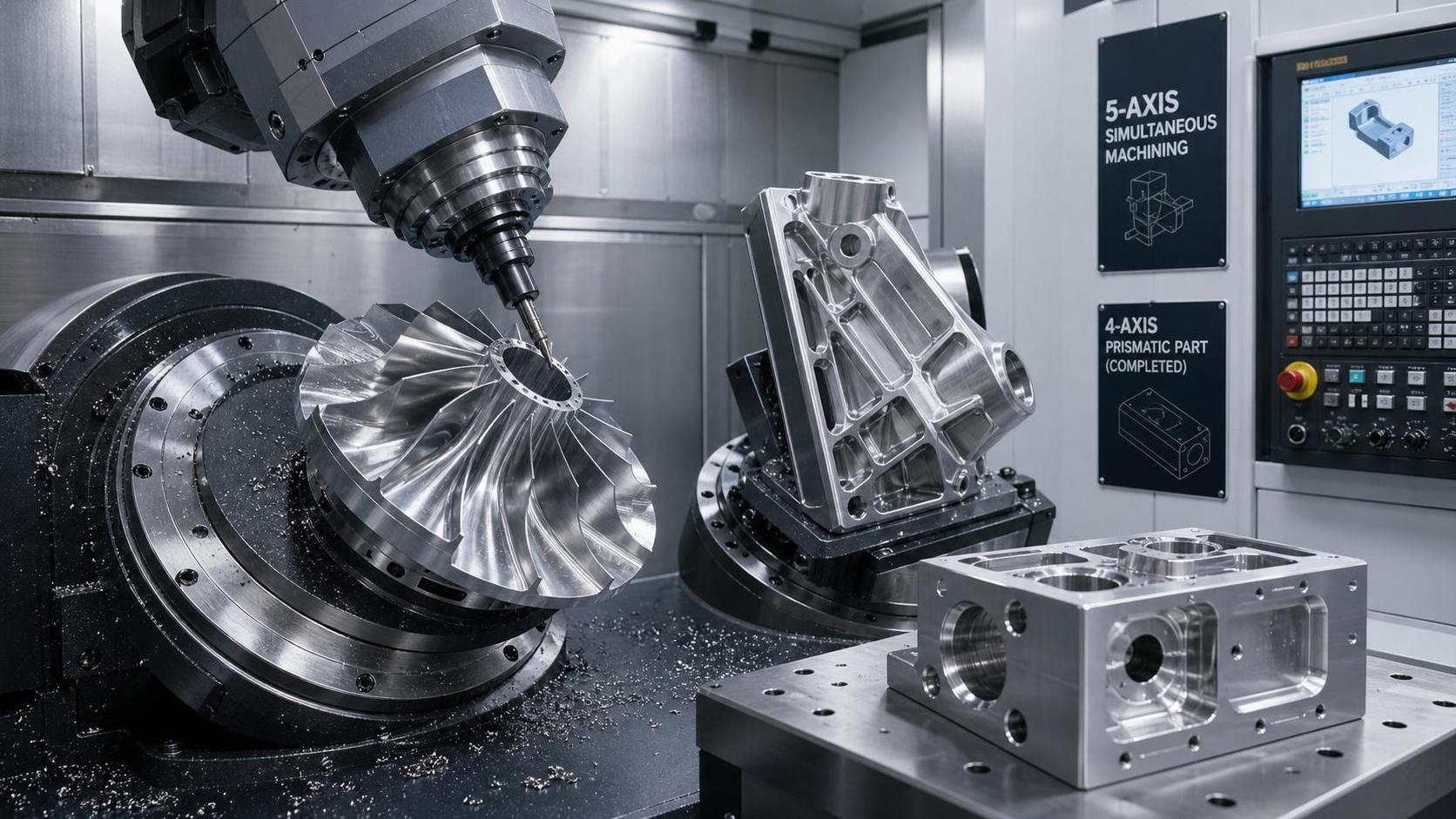
Where 5-Axis Changes the Outcome
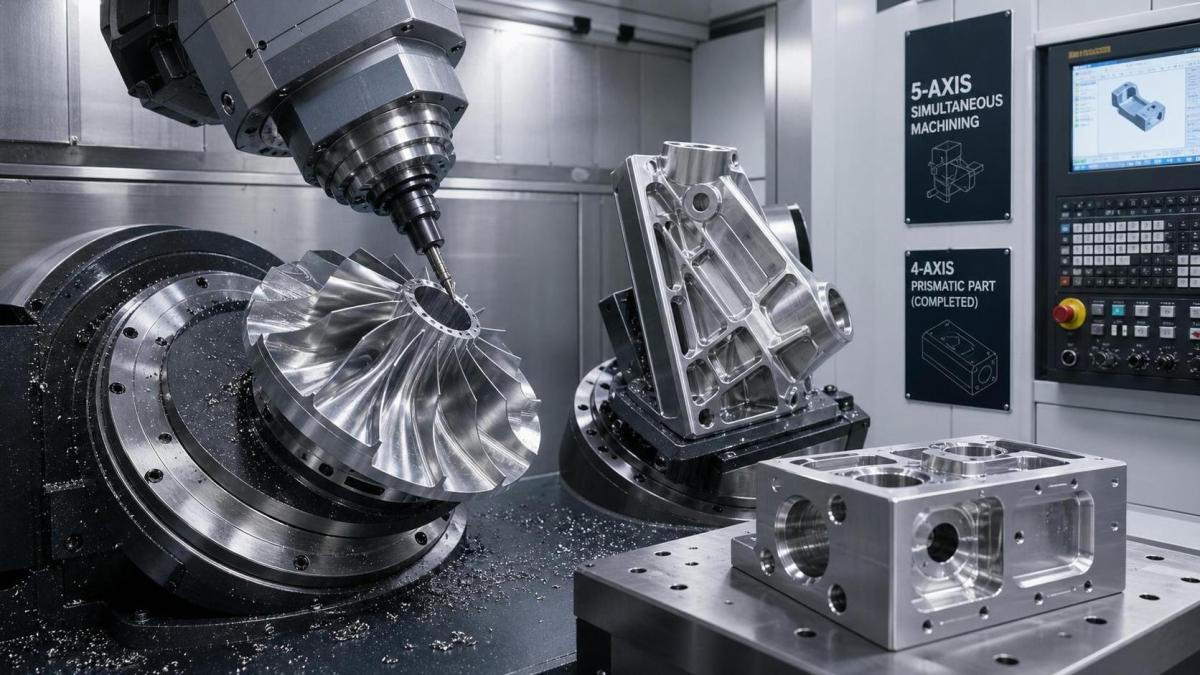
The Multi-axis Machining Process for complex components becomes important when geometry, tolerance, and delivery targets begin to conflict with each other.
In practical production, the question is rarely whether 5-axis is more advanced. The real question is whether it removes enough process risk to justify higher programming and machine costs.
That distinction matters across automotive, aerospace, energy equipment, and electronics, where part complexity is rising alongside pressure for automation, traceability, and shorter cycle times.
A Multi-axis Machining Process for complex components can reduce setups, improve tool access, and stabilize quality. Still, those gains depend heavily on part type, batch size, fixture strategy, and inspection requirements.
Many shops already run strong 3-axis and 4-axis processes. Moving to 5-axis only makes sense when those existing methods start creating avoidable scrap, delays, or repeated manual intervention.
Why the Same Part Family Does Not Always Need the Same Process
The Multi-axis Machining Process for complex components is not decided by shape alone. Two visually similar parts may need different routes because the business constraints are different.
One part may tolerate extra setups because annual volume is low and delivery is flexible. Another may require single-clamp machining because datum transfer errors are unacceptable.
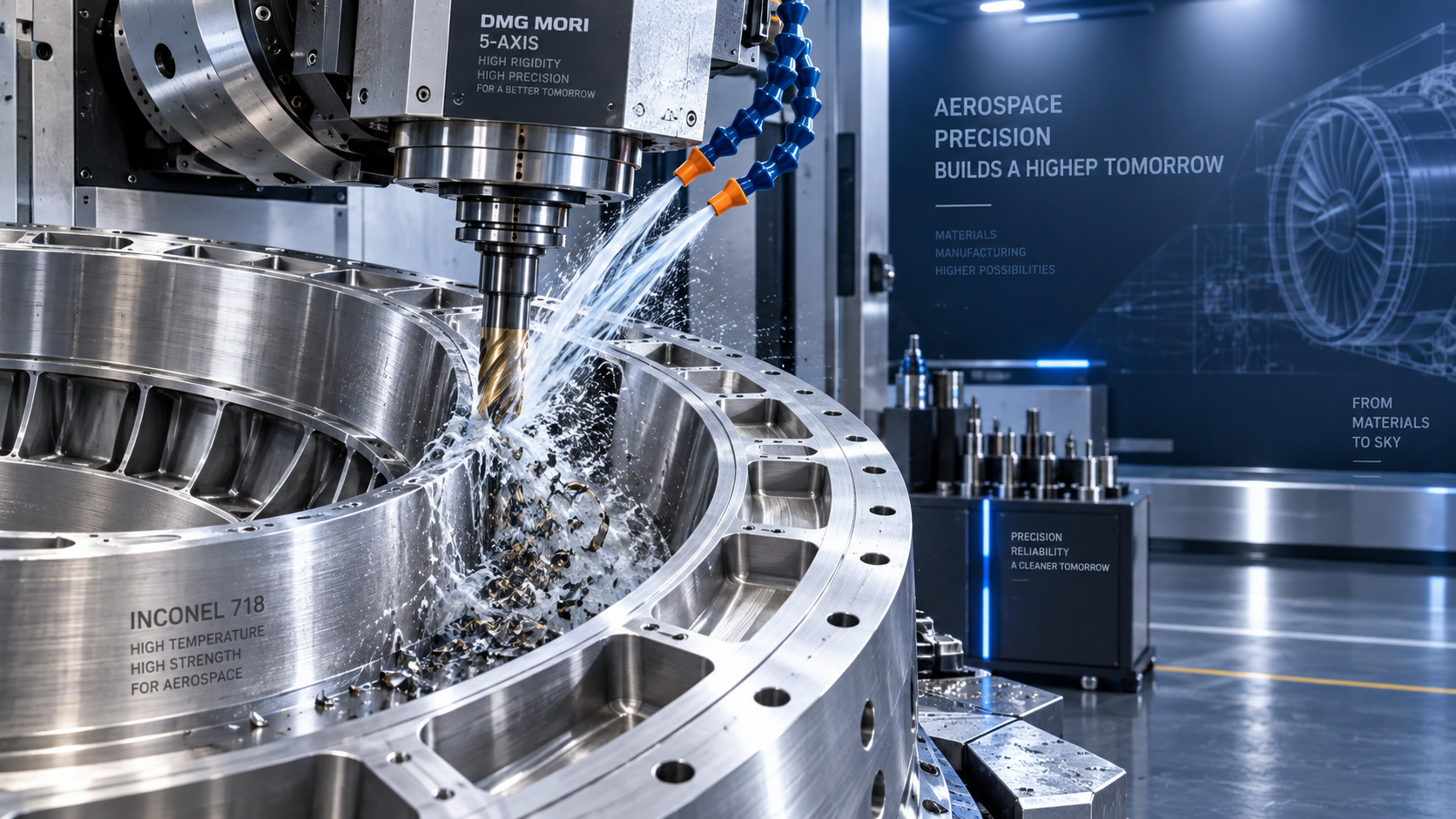
Material also shifts the decision. Titanium, Inconel, hardened steel, and thin-wall aluminum each react differently to tool reach, vibration, heat, and cutter orientation.
In a broader manufacturing context, digital integration also matters. When smart factory systems track spindle time, inspection loops, and changeover losses, hidden inefficiencies become easier to see.
That is why the Multi-axis Machining Process for complex components is increasingly evaluated as a production system choice, not only a machine tool choice.
High-Value Geometries Usually Reveal the Need First
The clearest case for 5-axis appears when the cutting tool cannot reach critical features efficiently from standard vertical or indexed positions.
This often includes impellers, turbine blades, blisks, orthopedic components, complex housings, and structural parts with deep cavities or compound-angle surfaces.
In these cases, the Multi-axis Machining Process for complex components improves more than access. It also shortens tool overhang, which helps surface finish and dimensional stability.
A good example is a thin-wall aerospace bracket. On 3-axis equipment, repeated reclamping may distort the part and shift datums. With 5-axis, machining can follow the structure more naturally.
Another frequent case is a precision mold insert with steep walls and blended surfaces. Here, smoother tool orientation may reduce hand polishing and improve downstream fit.
When indexed 4-axis is still enough
Not every angled feature requires simultaneous motion. Many prismatic parts only need access to several faces, not continuous contour control.
If features are discrete, tolerances are moderate, and cycle time pressure is manageable, a 4-axis indexed approach often delivers a better cost balance.
That is a common boundary line in the Multi-axis Machining Process for complex components: complex orientation does not automatically mean complex motion.
Batch Size and Changeover Often Decide the Economics
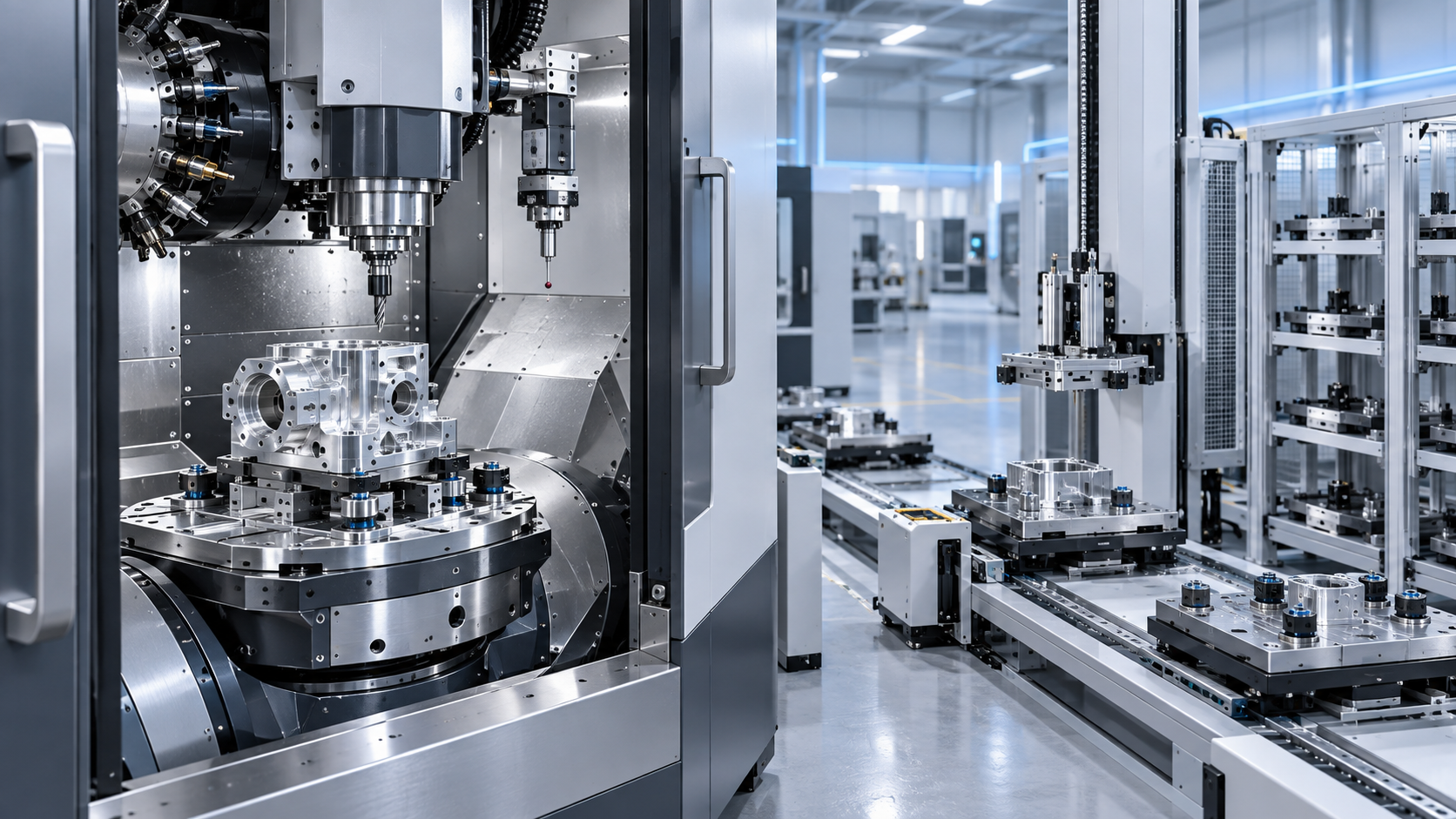
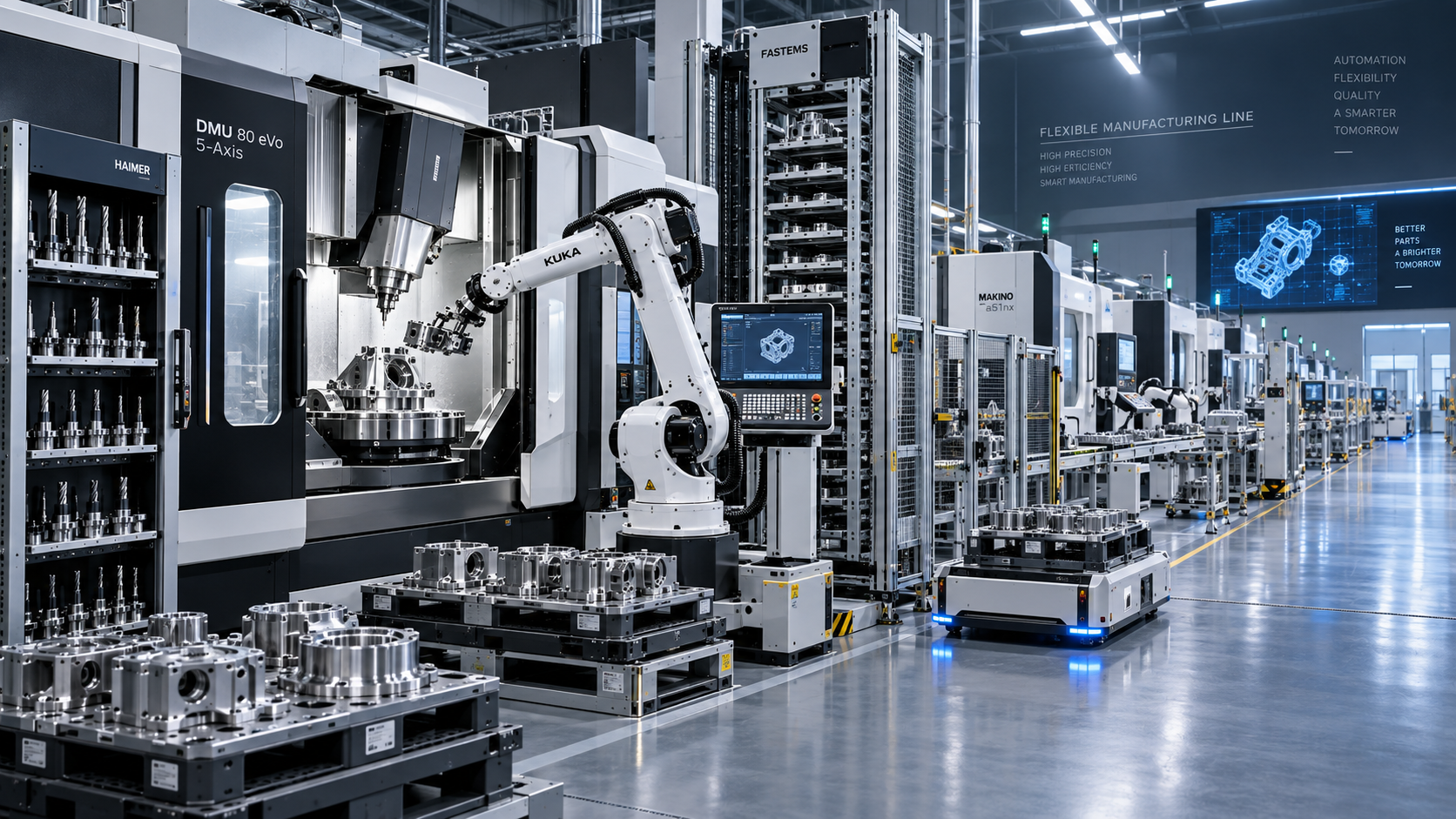
For prototype work and high-mix production, 5-axis can create value by compressing process planning and reducing fixture complexity.
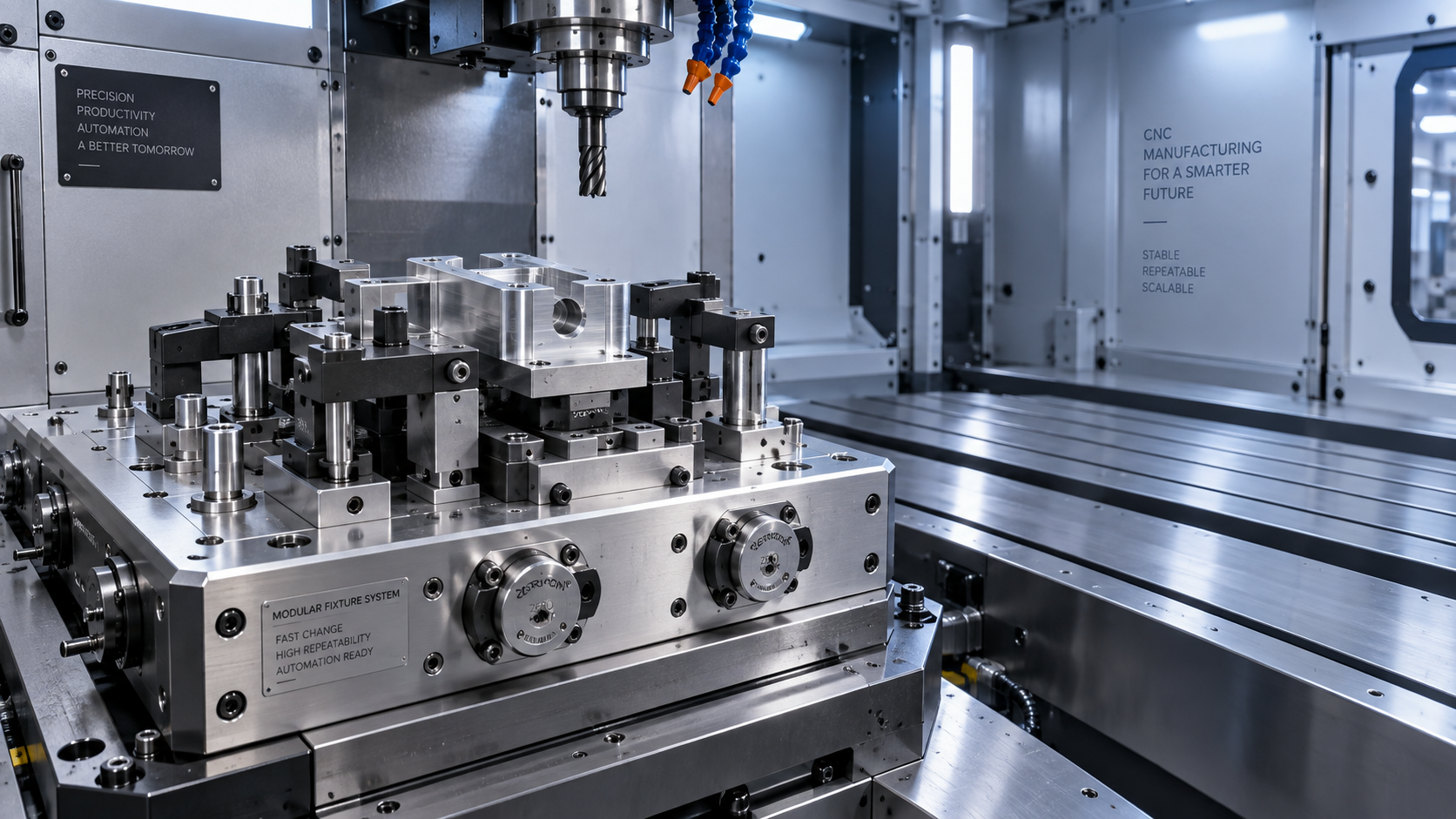
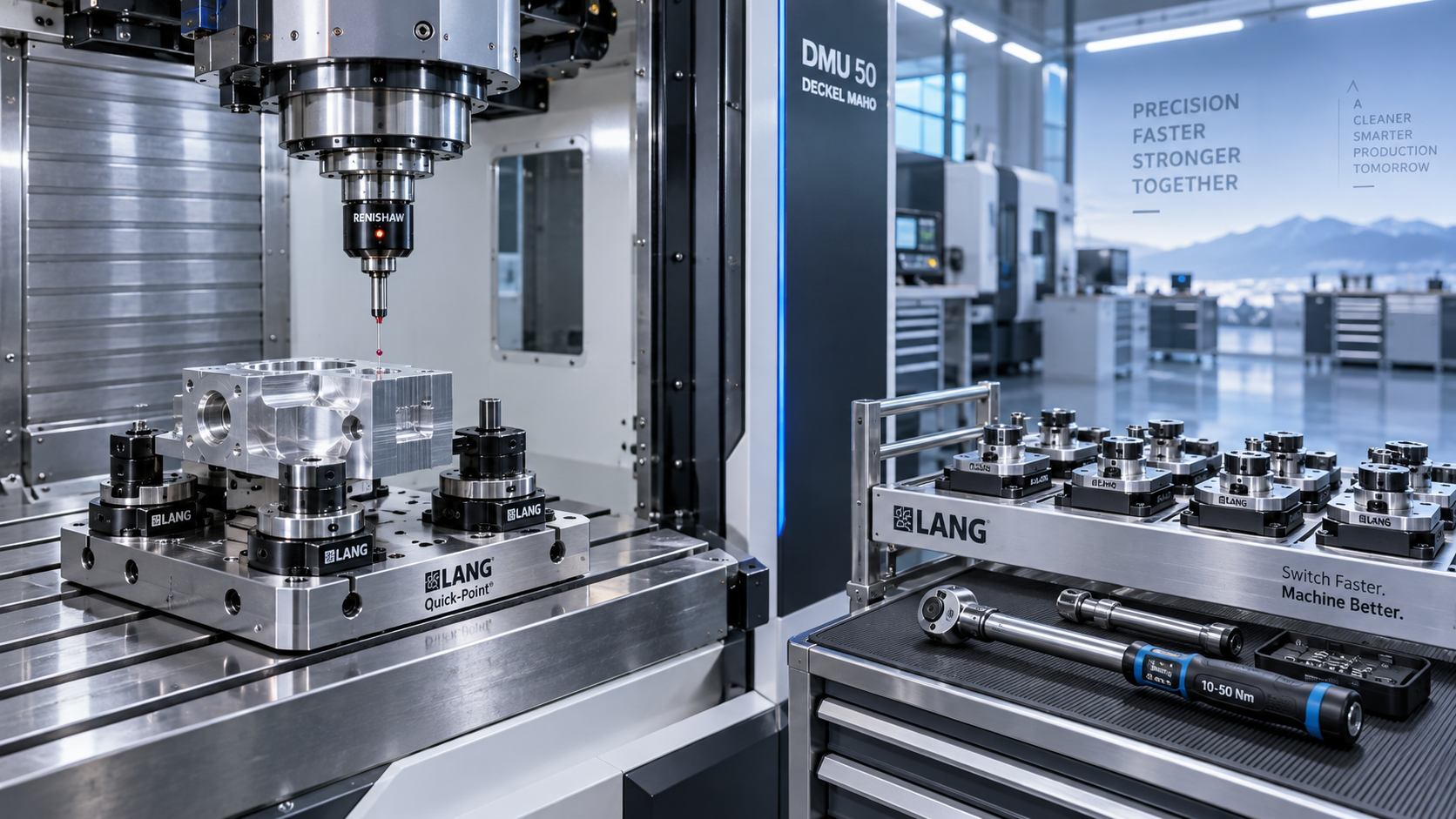
Instead of building several dedicated setups, teams can use one more adaptable fixture and let the machine handle orientation changes.
That matters in global precision manufacturing, where product variants change quickly and engineering revisions arrive late in the schedule.
For stable, high-volume parts, the picture can look different. A dedicated transfer line or optimized 3-axis cell may still outperform 5-axis on cost per piece.
The Multi-axis Machining Process for complex components pays back faster when setup reduction repeats across many low-volume part numbers, not just one flagship component.
Different Industries Ask Different Questions
The Multi-axis Machining Process for complex components shows its value differently from one sector to another, even inside the same machine tool ecosystem.
Aerospace and energy equipment
These applications usually care most about traceable quality, difficult materials, and surfaces that affect flow, stress, or assembly performance.
Here, 5-axis earns attention because fewer setups can reduce cumulative positional error and improve access to critical internal features.
Automotive and e-mobility
Automotive parts often divide into two groups. Some are high-volume and highly standardized. Others are low-volume, performance-driven, or constantly updated.
For battery trays, lightweight housings, and prototype powertrain parts, the Multi-axis Machining Process for complex components may shorten launch cycles significantly.
Electronics and precision assemblies
Small parts do not always demand 5-axis, but miniaturized features often make tool clearance and burr control more difficult than expected.
In this setting, the better choice depends on tolerance stack, cosmetic finish, and how much post-machining handling the assembly process can tolerate.
What to Compare Before Choosing the Multi-axis Machining Process for Complex Components
A useful evaluation compares the whole route, not only spindle hours. The hidden costs often sit outside the cutting cycle.
- Count how many setups are eliminated, and whether those setups currently drive scrap or inspection delays.
- Check if shorter tools become possible, especially on deep cavities, fillets, and undercut features.
- Review fixture investment across the full part family, not just one drawing revision.
- Estimate CAM complexity, postprocessor maturity, and collision verification effort.
- Include probing, in-process measurement, and final inspection strategy in the comparison.
In many factories, the best signal is not maximum feed rate. It is whether the process becomes easier to repeat across shifts, sites, and revision changes.
Where Misjudgments Usually Happen
One common mistake is treating the Multi-axis Machining Process for complex components as a shortcut to speed in every case.
If programming time rises sharply and the part only needs occasional angled access, the extra capability may sit unused for most of the schedule.
Another mistake is focusing only on machine price. Tooling, simulation, operator training, calibration discipline, and maintenance readiness all shape the real return.
Shops also underestimate data quality. Poor CAD surfaces, unstable tool libraries, or weak postprocessor control can erase the benefits of advanced kinematics.
A more subtle error is assuming all complex components behave the same. Thin walls, interrupted cuts, and hard materials create very different process windows.
A Practical Way to Decide Before Committing
Start with three or four representative parts, not the easiest drawing and not the most extreme one. That gives a more reliable view of recurring process behavior.
Then compare 3-axis, indexed 4-axis, and 5-axis routes using the same assumptions for tooling, inspection, and revision risk.
The Multi-axis Machining Process for complex components is worth it when it consistently improves datum control, reduces manual touch time, and protects lead time under changing demand.
If the gains appear only on one showcase part, the business case is usually weak. If they appear across a family of demanding parts, the decision becomes easier.
Before moving ahead, map the target geometries, confirm tolerance-sensitive features, compare setup counts, and test the programming burden against actual delivery pressure.
That approach turns the Multi-axis Machining Process for complex components from a technology debate into a clear manufacturing decision with measurable criteria.
Recommended for You
 How to Select CNC Equipment for High-Mix, Low-Volume ProductionCNC Machining Technology Center
 Can CNC Machining Inconel Control Tool Wear in High-Temperature Aerospace Parts?CNC Machining Technology Center
 Machine Tool Market Outlook: Demand Drivers, Capacity Shifts, and Investment RisksManufacturing Market Research Center
 Zero-Point Clamping or Modular Fixtures? Choosing a Faster CNC Changeover SystemCNC Machining Technology Center
 How to Cut CNC Fixture Changeover Time Without Sacrificing Part AccuracyCNC Machining Technology Center
 When Does CNC Turning Pay Off? A Break-Even Guide by Annual Part VolumeMachine Tool Industry Editorial Team

Aris Katos
Future of Carbide Coatings
15+ years in precision manufacturing systems. Specialized in high-speed milling and aerospace grade alloy processing.
▶
How to Select CNC Equipment for High-Mix, Low-Volume ProductionCNC Machining Technology Center▶
Can CNC Machining Inconel Control Tool Wear in High-Temperature Aerospace Parts?CNC Machining Technology Center▶
How Automated Precision Machining Maintains Tolerance in High-Mix ProductionCNC Machining Technology Center▶
CNC Programming Explained: From CAD Models to Reliable Shop-Floor ToolpathsCNC Machining Technology Center▶
How Multi-Axis Machining Produces Complex Components With Fewer SetupsCNC Machining Technology Center
Mastering 5-Axis Workholding Strategies
Join our technical panel on Nov 15th to learn about reducing vibrations in thin-wall components.

Providing you with integrated sanding solutions
Before-sales and after-sales services
Comprehensive technical support