• Global CNC market projected to reach $128B by 2028 • New EU trade regulations for precision tooling components • Aerospace deman
NYSE: CNC +1.2%LME: STEEL -0.4%

Efficient Machining Process for Aluminum Alloys: Key Steps to Reduce Burrs and Cycle Time
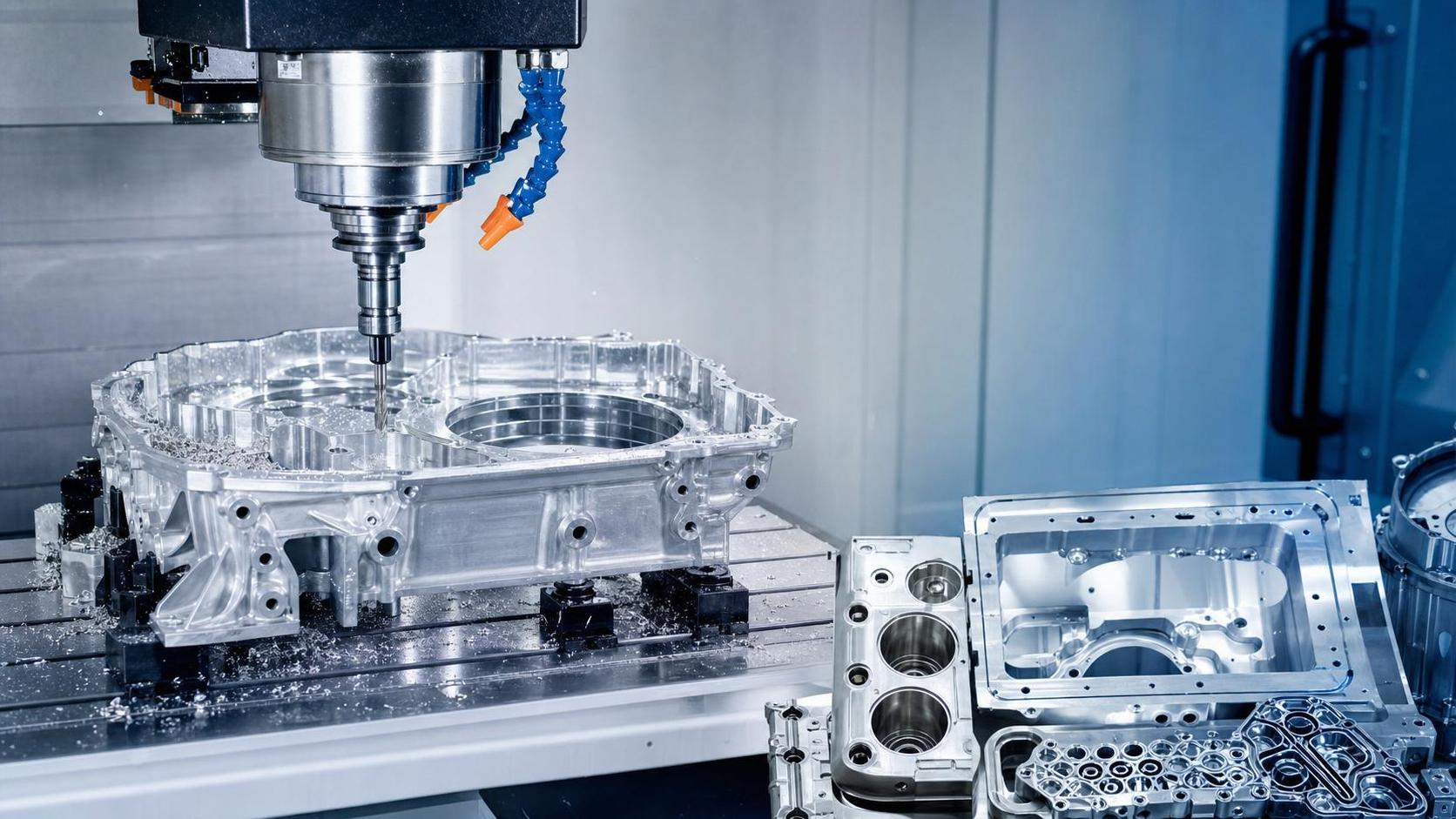
Why the Efficient Machining Process for Aluminum Alloys Starts With Context
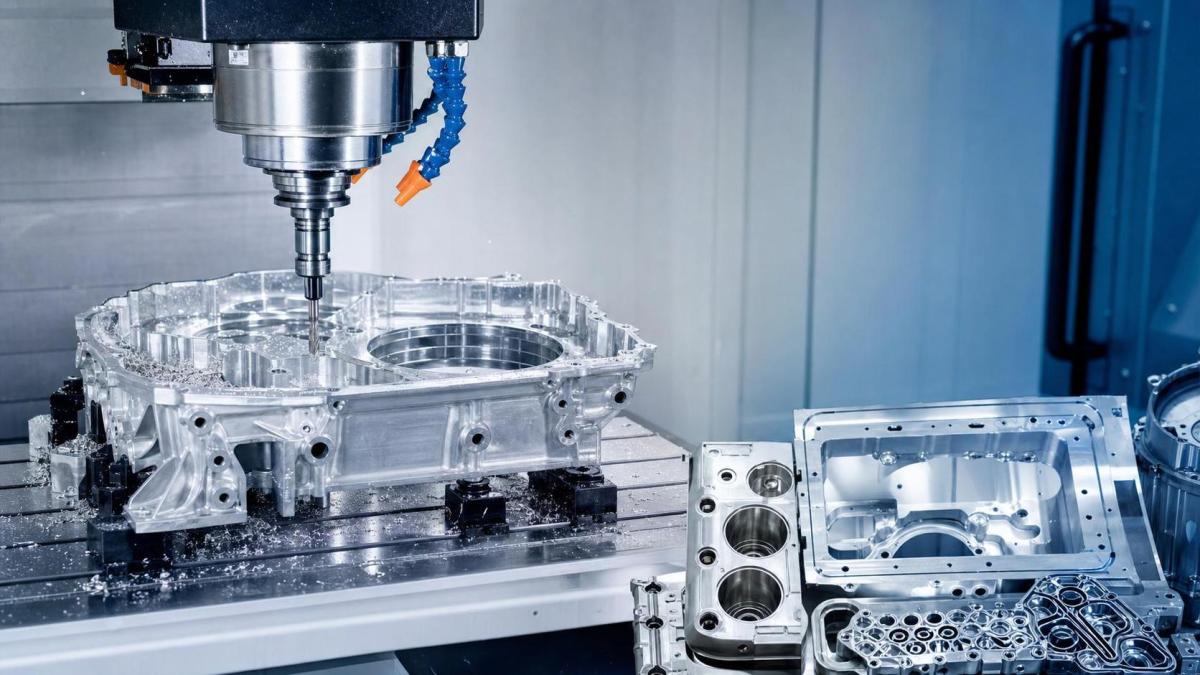
An Efficient Machining Process for aluminum alloys is rarely defined by spindle speed alone.
Part geometry, batch size, alloy grade, and burr tolerance change the right process window.
In CNC production, aluminum looks easy to cut, yet inconsistency appears fast.
A thin wall reacts differently from a solid housing, even under similar cutting data.
That is why an Efficient Machining Process for aluminum alloys matters across automotive, aerospace, electronics, and energy equipment lines.
Global machine tool development is pushing toward tighter tolerances, automation, and digital control.
Under those conditions, burrs are no longer a minor cosmetic issue.
They affect downstream assembly, probing reliability, robotic handling, and final inspection stability.
Cycle time pressure adds another layer.
When output rises, secondary deburring quickly becomes the hidden bottleneck.
A practical process therefore balances edge quality, tool life, evacuation, and machine utilization.
Different Production Conditions Create Different Priorities
The same aluminum alloy can behave differently across machining cells.
High-volume lines usually care about predictable chip flow and repeatable cycle time.
Low-volume precision work often values surface integrity and dimensional confidence more strongly.
Material condition also shifts the decision.
Wrought grades such as 6061 and 7075 cut differently from gummy cast aluminum.
Silicon-rich alloys may wear edges faster and generate unpredictable burrs near exit features.
More importantly, modern machining centers, multi-axis systems, and automated fixtures expose process weakness quickly.
If the process is unstable, automation only repeats the instability faster.
A stronger method is to define the Efficient Machining Process for aluminum alloys around the real operating scene.
Where the first judgment usually happens
- Is burr control needed at hole exits, pocket edges, or contour intersections?
- Does the part lose stiffness after roughing?
- Will chips pack inside deep pockets or narrow channels?
- Is the real limit spindle power, fixture access, or tool change frequency?
- Will the part enter automated assembly without manual touch-up?
When Thin Walls and Precision Faces Share the Same Part
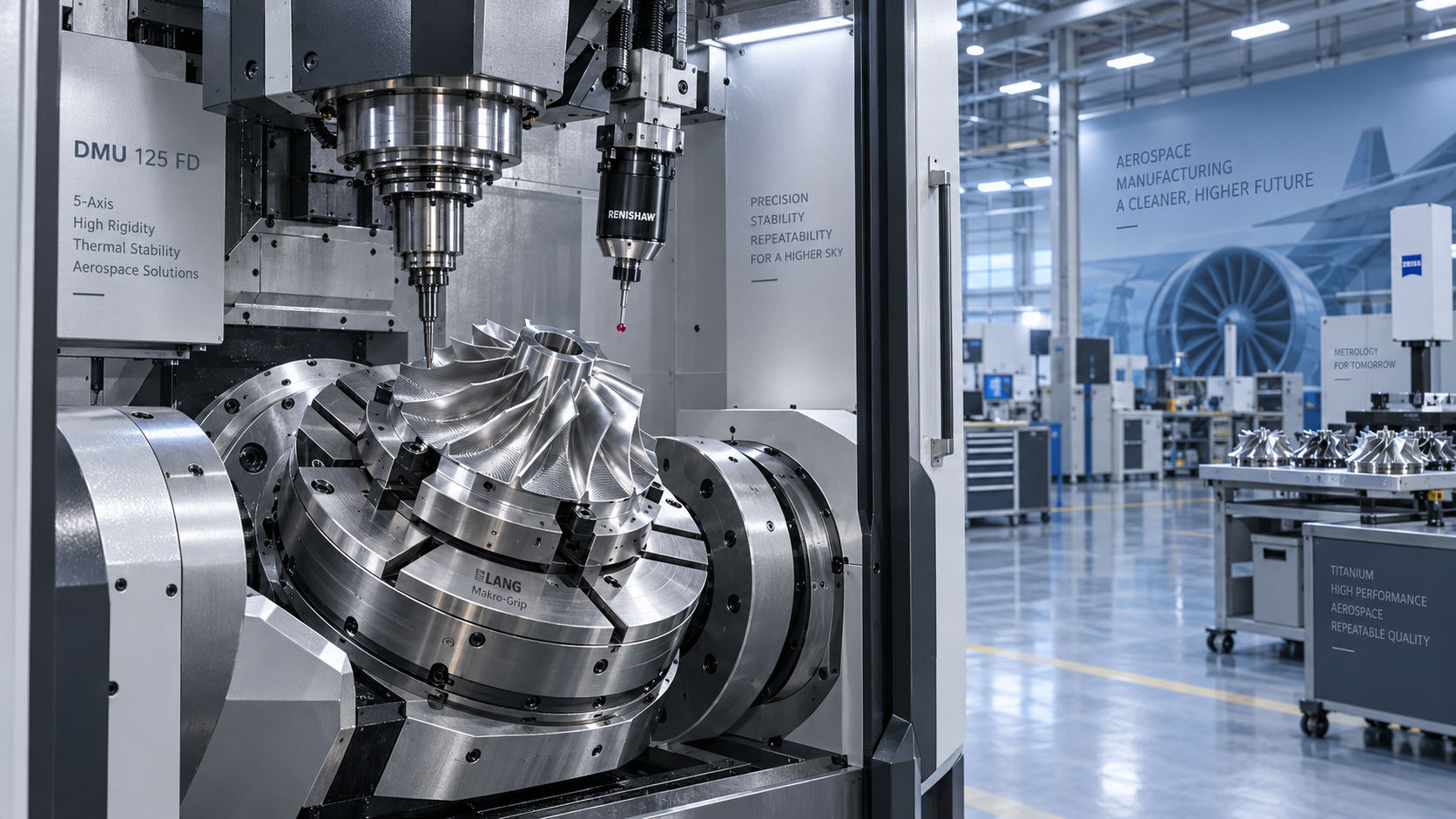
This is common in aerospace brackets, electronics housings, and lightweight structural frames.
The challenge is not only metal removal rate.
It is the sequence of stiffness loss during machining.
A roughing strategy that looks efficient at the start may create chatter and edge tearing later.
In this scene, an Efficient Machining Process for aluminum alloys usually begins with staged stock removal.
Leave support ribs or temporary stock where possible.
Move finishing operations closer to the final clamping condition.
Tool path direction also matters.
Climb milling often improves finish, but unsupported exits may still raise burrs.
A light spring pass or adjusted exit path can reduce that risk.
High helix polished tools help evacuate chips cleanly from thin features.
For Deep Cavities and High Chip Volume, Evacuation Becomes the Real Constraint
Automotive molds, battery trays, and equipment enclosures often fall into this category.
The visible problem may be burrs, yet the root cause is often recutting.
Once chips stay in the pocket, edge quality drops and cycle time grows.
Here, an Efficient Machining Process for aluminum alloys depends on stable chip evacuation more than aggressive feed targets.
Trochoidal roughing, larger flute valleys, and strong coolant direction are usually more useful than simply increasing spindle speed.
In some cells, minimum quantity lubrication works well for clean chips.
In deeper enclosed pockets, flood coolant or through-tool delivery often performs better.
The decision depends on pocket depth, chip length, and whether the machine can clear chips consistently between tool paths.
Holes, Threads, and Edge Breaks Often Decide the Secondary Workload
A large share of manual deburring time comes from drilled features, cross holes, and threaded entries.
This is especially visible in valve bodies, manifolds, and multi-face machined components.
If the process treats drilling as a simple standard cycle, burr reduction usually remains inconsistent.
A better Efficient Machining Process for aluminum alloys checks point geometry, breakthrough support, and chamfer timing together.
Short pecking may help in sticky material, but excessive retraction adds time without improving edge quality.
Thread milling can reduce deformation risk compared with tapping in thin or interrupted sections.
Where cross holes intersect, a small programmed edge break may save more labor than a faster drilling cycle.
A quick comparison of demand differences
In Automated Cells, Repeatability Matters More Than Peak Speed
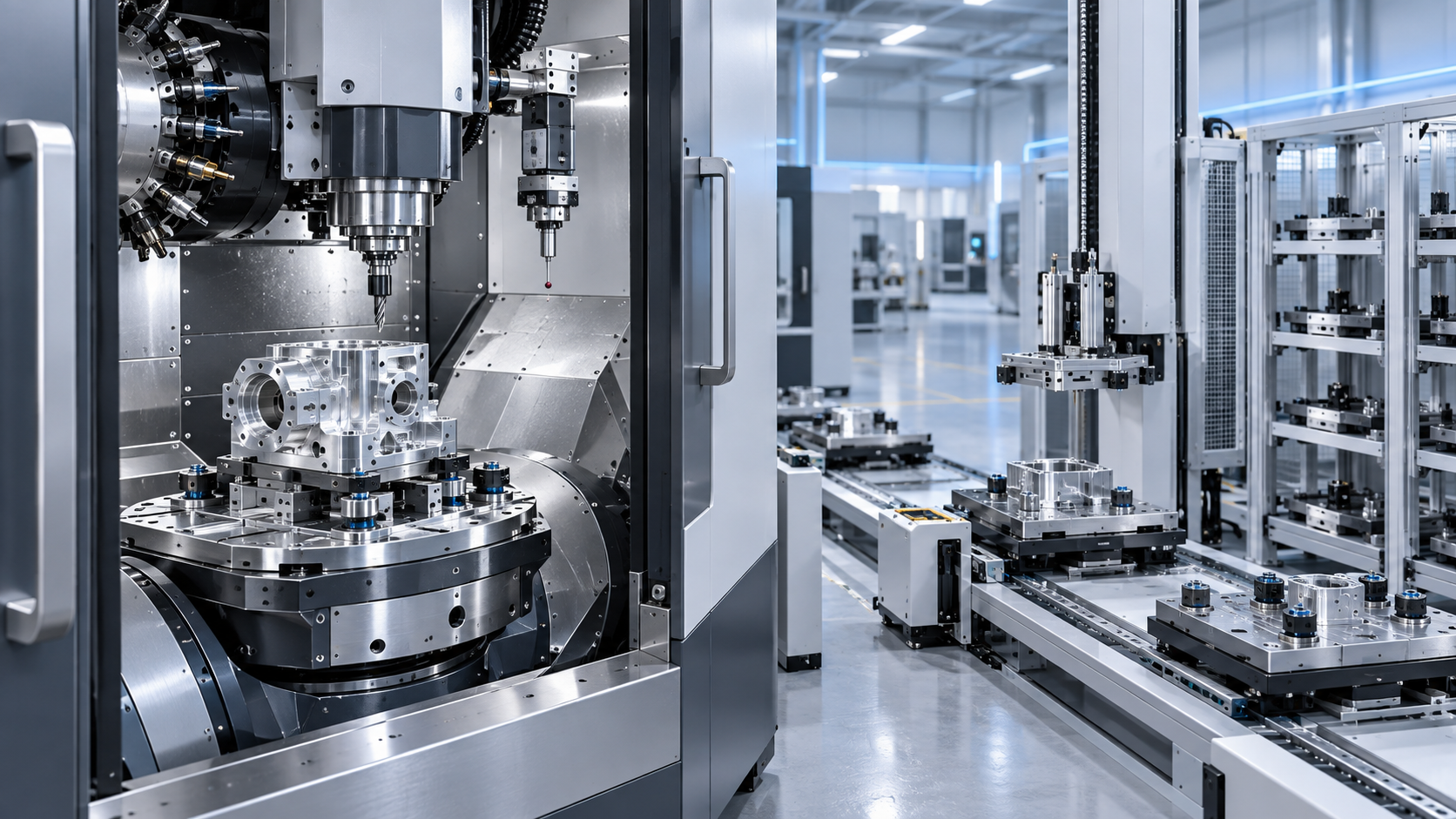
Flexible lines and smart factory systems reward process stability.
A fast cycle that drifts after twenty parts is not efficient.
For this reason, the Efficient Machining Process for aluminum alloys in automated cells should include predictable wear behavior.
Tool presetting, broken-tool detection, and fixture location repeatability become part of burr control.
This is often overlooked.
Small position shifts can change exit conditions enough to create edge variation.
In robot-loaded cells, clean chip removal around datums is equally important.
Otherwise, the process loses repeatability before cutting data appear to be wrong.
What Often Gets Misjudged Before Process Release
One common mistake is choosing tools by catalog speed range without checking part-specific exits.
Another is assuming all aluminum alloys respond the same way to edge sharpness.
Some grades reward very sharp cutting edges.
Others need stronger geometry to avoid premature wear.
A further mistake is optimizing roughing and finishing separately.
In practice, roughing stock pattern shapes finishing behavior, burr position, and cycle stability.
Cost is also misread when only machining time is measured.
Manual edge cleanup, fixture rework, and scrap from damaged threads can outweigh small feed gains.
Useful checks before locking the process
- Map every burr-sensitive edge, not only visible outer contours.
- Confirm chip evacuation under real coolant pressure and actual fixture access.
- Test cycle time across a tool life window, not a single fresh tool sample.
- Check whether deburring can be absorbed into the CNC path.
- Measure part distortion after unclamping, especially on thin sections.
A Practical Way to Build the Efficient Machining Process for Aluminum Alloys
A useful starting point is to group parts by behavior rather than by industry label.
Separate thin-wall parts, cavity-dominant parts, and hole-intensive parts first.
Then define the control points for each group.
For thin walls, monitor stiffness loss and finishing order.
For deep pockets, monitor chip evacuation and heat build-up.
For hole-rich parts, monitor breakthrough quality and thread consistency.
That approach fits current CNC machine tool trends well.
It supports digital process control, easier replication across sites, and cleaner automation handoff.
The next step is straightforward.
Review actual part families, define burr-critical features, compare machining conditions, and rank risks by impact on finishing time.
From there, the Efficient Machining Process for aluminum alloys becomes a controlled production method, not a trial-and-error setup.
Recommended for You
 Manufacturing Technology Trends That Improve Throughput and Quality ControlManufacturing Market Research Center
 How to Design Cost-Effective Fixtures That Maintain Cycle Time in Mass ProductionCNC Machining Technology Center
 Is Learning CNC Programming Worth It for Shop Owners Seeking Higher Margins?CNC Machining Technology Center
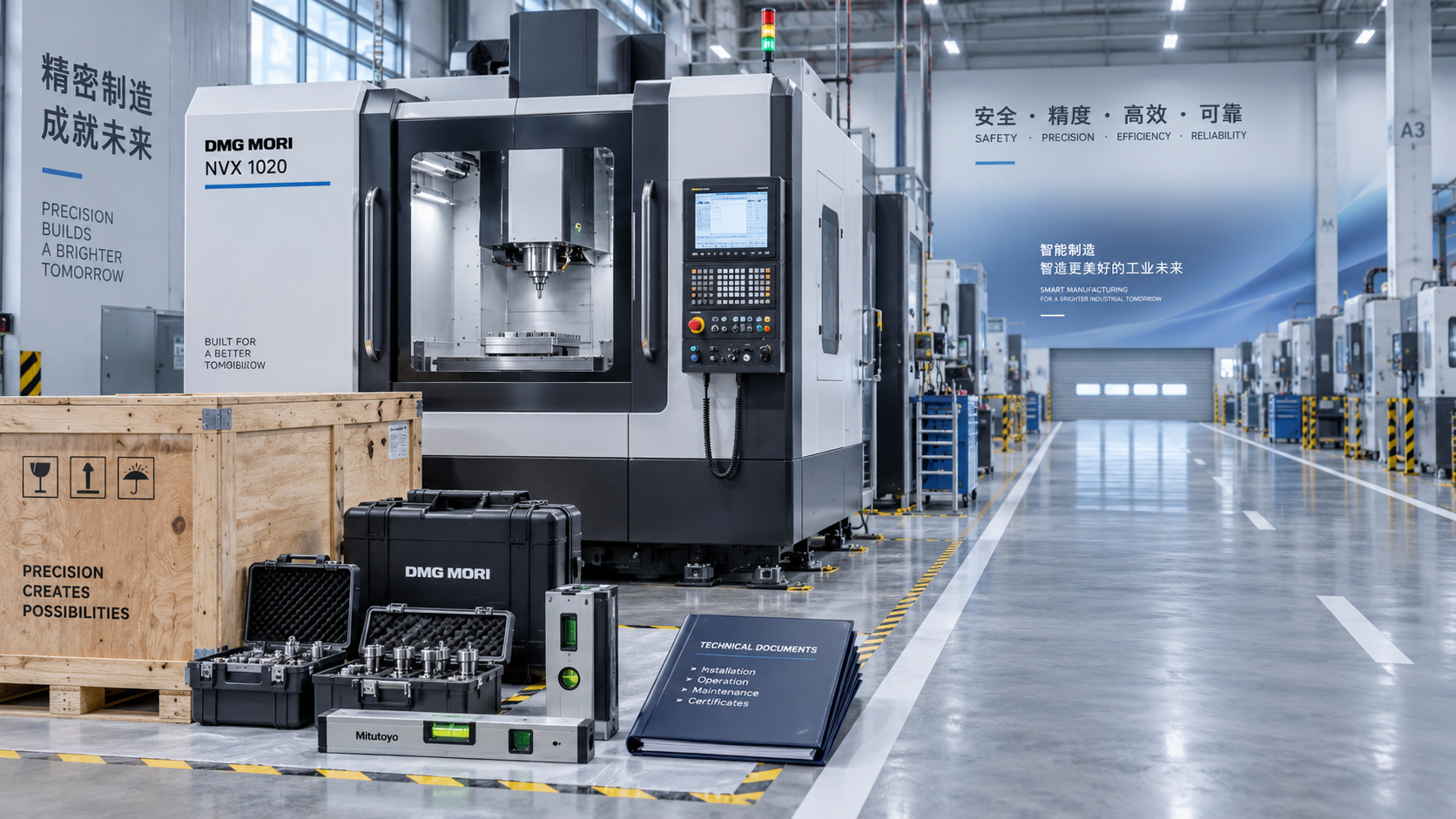
 CNC Machine Arrival Inspection: Check Shipping Damage, Accuracy, Safety, and DocumentsCNC Machining Technology Center
 How to Select a Machine Tool for Aerospace Parts with Tight Tolerances?Machine Tool Industry Editorial Team
 How to Select CNC Equipment for High-Mix, Low-Volume ProductionCNC Machining Technology Center


Aris Katos
Future of Carbide Coatings
15+ years in precision manufacturing systems. Specialized in high-speed milling and aerospace grade alloy processing.
▶
How Does Precision Machining Differ From Standard Machining?CNC Machining Technology Center▶
CNC Precision: Which Tolerances, Materials, and Processes Fit Your Part?CNC Machining Technology Center▶
How to Choose Metal Machining Processes for Tight Tolerances and Production VolumeCNC Machining Technology Center▶
Production Process Explained: Key Stages, Controls, and Quality CheckpointsCNC Machining Technology Center▶
How to Select a Machine Tool for Electronics Manufacturing with Tight Tolerance NeedsCNC Machining Technology Center
Mastering 5-Axis Workholding Strategies
Join our technical panel on Nov 15th to learn about reducing vibrations in thin-wall components.

Providing you with integrated sanding solutions
Before-sales and after-sales services
Comprehensive technical support