• Global CNC market projected to reach $128B by 2028 • New EU trade regulations for precision tooling components • Aerospace deman
NYSE: CNC +1.2%LME: STEEL -0.4%

What Drives Multi-axis Machining System Cost? A Breakdown of Key Budget Factors
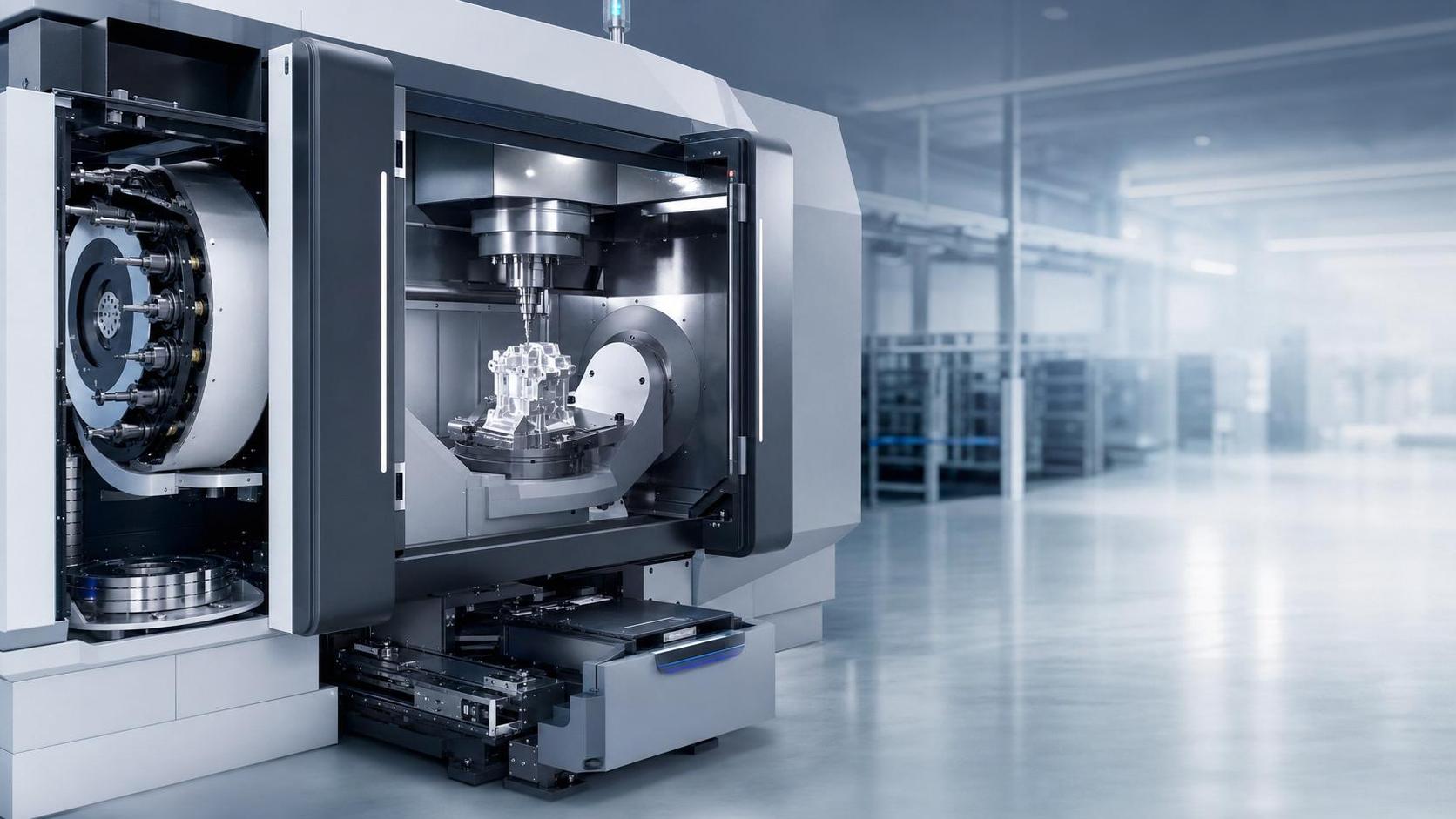
Multi-axis Machining System Cost is rarely defined by the machine alone. In advanced manufacturing, the real budget is shaped by capability, precision targets, automation goals, and the production environment around the equipment.
That matters more now because CNC investment decisions sit at the center of automotive, aerospace, energy, and electronics production. As machine tools become more connected and more precise, cost evaluation also becomes more complex.
A lower purchase price can still lead to a higher long-term expense. A more expensive system may reduce setups, scrap, labor dependency, and delivery risk. The useful question is not only what it costs, but what drives that cost.
Why Multi-axis cost is receiving more attention
Multi-axis systems have moved beyond niche applications. They are now part of broader smart manufacturing strategies, especially where complex geometries, tighter tolerances, and shorter cycle times are required.
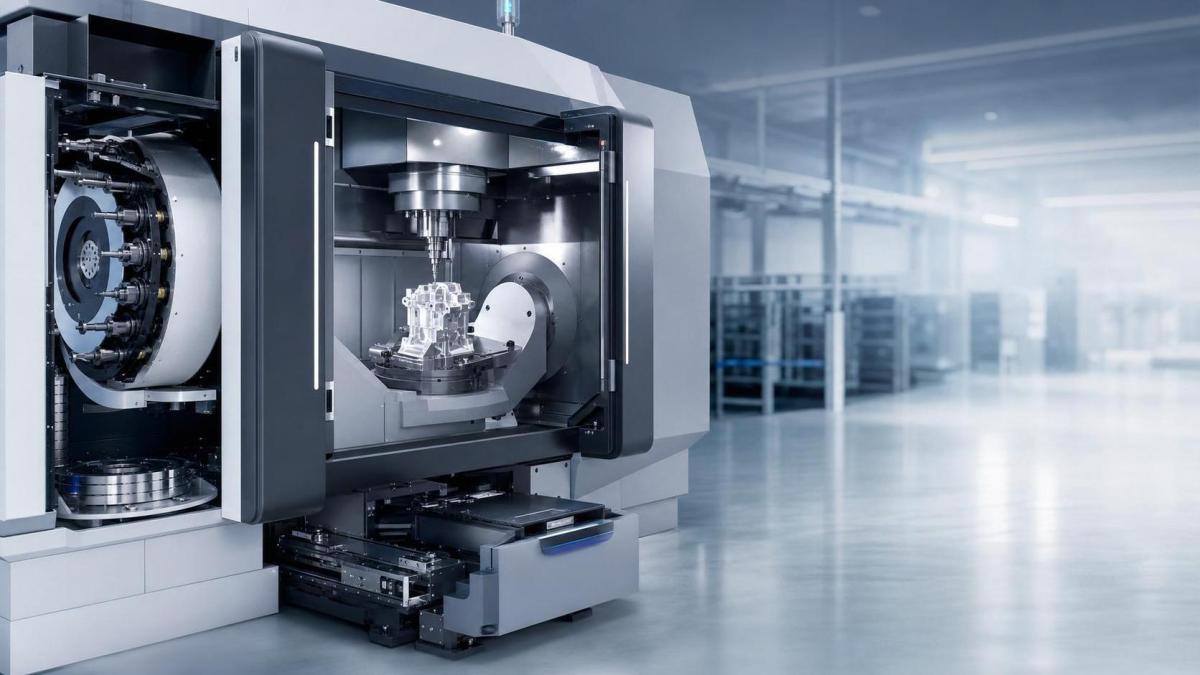
In practical terms, these systems support fewer setups and better part consistency. They also fit the wider industry push toward digital integration, flexible production lines, and automated process control.
Global supply chains also influence pricing. Major machine tool clusters in China, Germany, Japan, and South Korea continue to compete on performance, lead time, localization, and service coverage.
What Multi-axis Machining System Cost really includes
The visible equipment quote is only one layer of the total number. A realistic budget includes hardware, controls, tooling, installation, process validation, operator training, and ongoing support.
This is why two systems with similar travel ranges can carry very different budgets. One may be priced for basic contouring work, while another is built for high-speed, high-accuracy, unattended production.
The machine configuration sets the baseline
One of the biggest cost drivers is basic configuration. A 3+2 machine, a full simultaneous 5-axis center, and a mill-turn platform may all be discussed together, but their cost structures differ sharply.
Spindle speed and torque also change the budget. High-speed finishing for aluminum airframe parts requires a different spindle package than heavy cutting on difficult alloys or energy equipment components.
Travel range, table size, and load capacity matter as well. Larger platforms bring heavier structures, stronger drives, and more demanding thermal control. Those upgrades raise Multi-axis Machining System Cost quickly.
Accuracy demands often add hidden expense
Tolerance targets are expensive because they influence the entire build. Better guideways, encoders, spindle bearings, thermal compensation, and vibration control all increase the final system price.
In sectors such as aerospace and precision electronics, that premium may be justified. In lower-complexity production, paying for ultra-high accuracy that is never used weakens the investment case.
Controls, software, and digital integration change the equation
A modern multi-axis platform is also a software decision. CNC control brands vary in motion quality, programming convenience, diagnostics, and compatibility with CAD/CAM, MES, and factory data systems.
Advanced functions can raise Multi-axis Machining System Cost, but they often lower process risk. Examples include tool breakage detection, in-machine probing, automatic error compensation, collision avoidance, and remote monitoring.
For plants moving toward smart factory models, digital integration has direct value. Better data visibility helps improve machine utilization, schedule accuracy, and preventive maintenance planning.
Tooling, fixtures, and process engineering are not minor line items
It is common to underestimate these items during early budgeting. Yet for complex parts, tooling and fixturing can account for a significant share of startup cost.
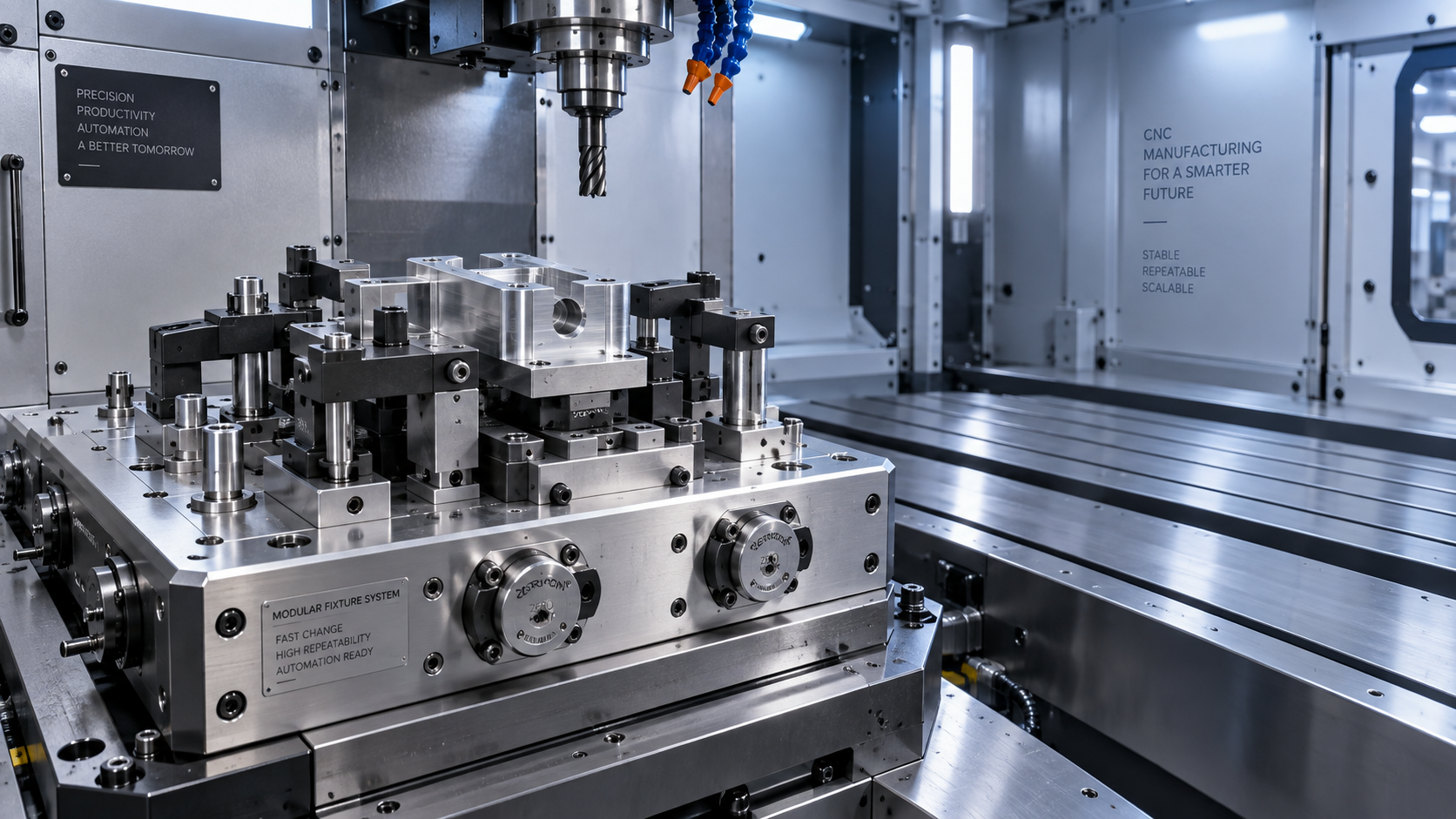
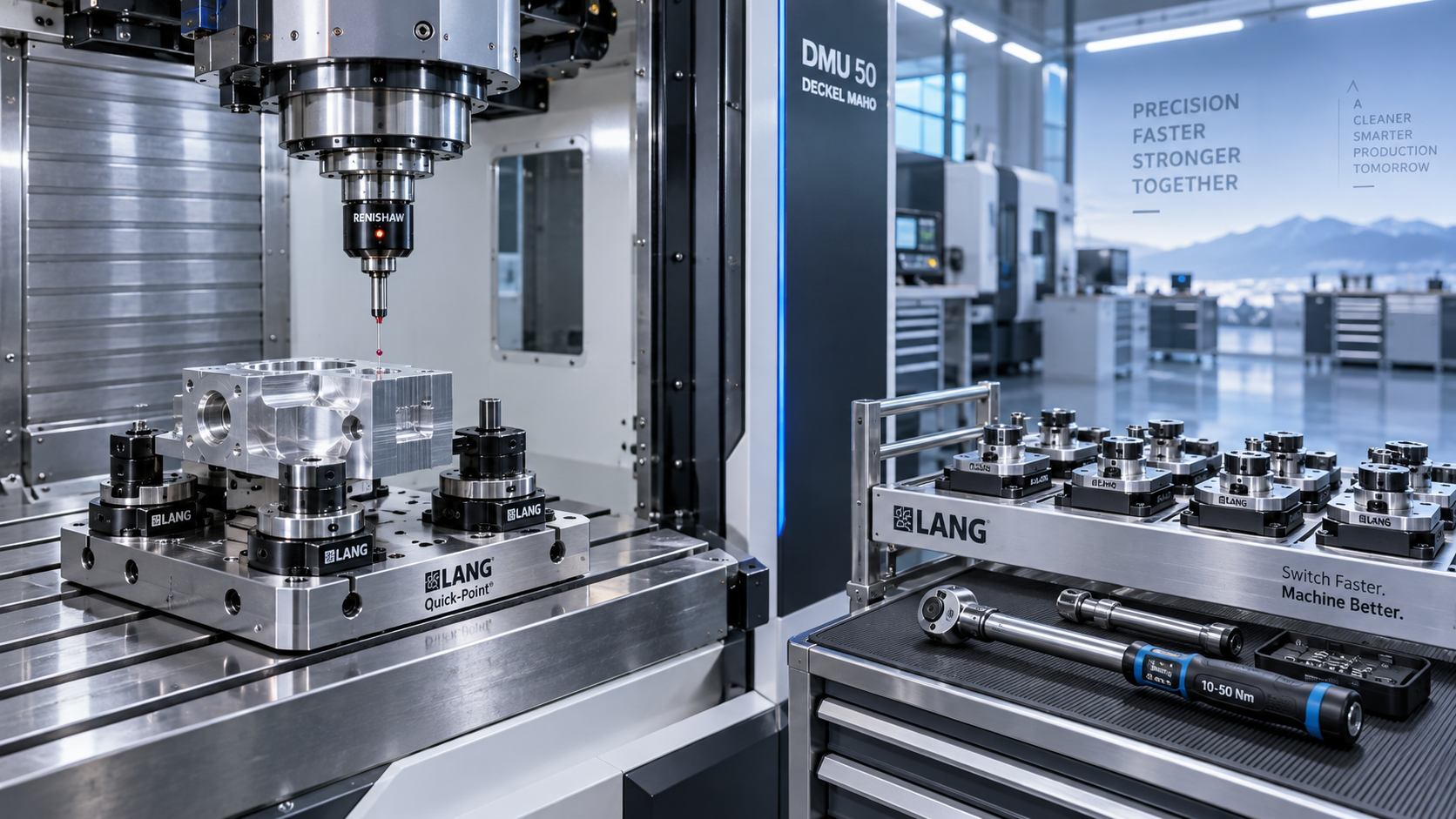
Custom fixtures may be needed to expose multiple faces in one cycle. Specialized tool holders, shrink-fit systems, balancing equipment, and probing routines may also be required.
Process engineering adds another layer. Post-process development, cutting trials, CAM optimization, and first-article validation all contribute to the effective Multi-axis Machining System Cost before stable production begins.
Part mix strongly affects support spending
A shop producing repeated families of parts can spread fixture and programming cost across volume. A site handling frequent changeovers usually faces higher engineering effort per order.
That difference is easy to miss when comparing machine quotes alone. The lower equipment price is not always the lower business cost.
Automation can increase capital cost and improve economics
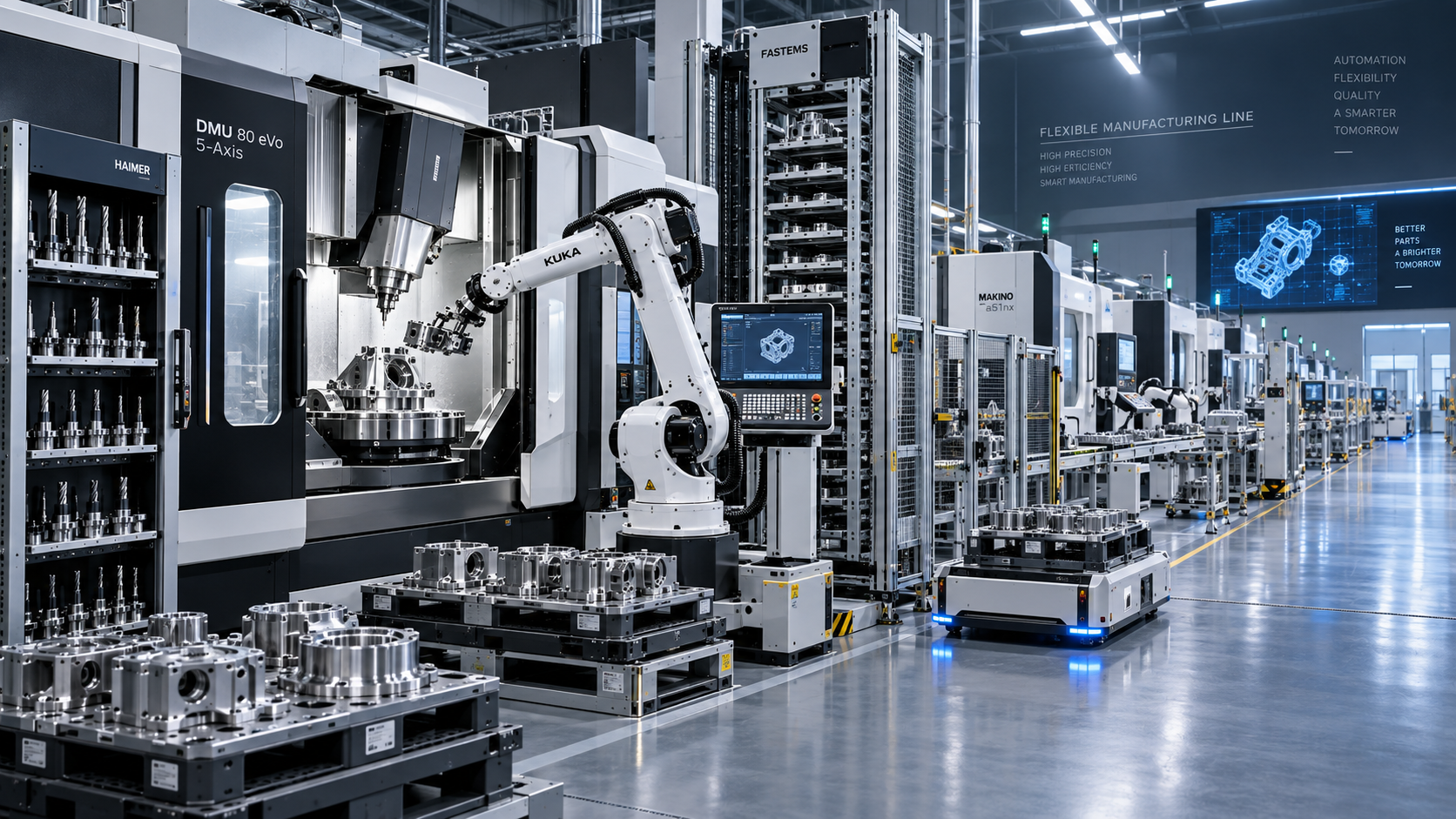
Automation is now tied closely to machine tool investment. Robotic loading, pallet systems, tool management, chip handling, and integrated inspection raise the upfront figure, sometimes materially.
Even so, the return can be strong where labor availability is tight or utilization is low. More unattended hours can offset higher Multi-axis Machining System Cost through output gains and better schedule reliability.
The key is fit. Automation should match part stability, batch size, and quality requirements. Adding a robot to an unstable process usually multiplies problems instead of solving them.
Installation, training, and maintenance shape long-term ownership
A machine delivered to the floor is not yet a productive asset. Site preparation, power supply, foundations, coolant systems, and environmental control may all affect commissioning cost.
Training is equally important. Multi-axis equipment has a steeper learning curve than standard CNC platforms, especially when simultaneous motion, complex tool paths, and integrated inspection are involved.
Maintenance costs also vary by brand, region, and machine complexity. Spare parts access, service response time, and technical support quality should be evaluated before purchase, not after downtime begins.
- Check local service coverage and response commitments.
- Estimate annual wear parts, calibration, and preventive maintenance expense.
- Review software licensing, upgrades, and compatibility costs.
- Include training refresh needs for turnover or expanded production.
A practical way to compare budget options
The most useful comparison is based on production outcome, not catalogue specification alone. Budget evaluation should connect machine cost with target parts, takt time, scrap risk, and planned capacity growth.
A structured review often helps separate necessary capability from optional upgrades. That reduces the chance of overbuying prestige features or underbuying critical process stability.
Where to focus next
Multi-axis Machining System Cost should be judged as a business system cost, not just an equipment price. Machine architecture, software, tooling, automation, and lifecycle support all shape the real outcome.
The next step is to map expected parts, tolerance levels, annual volume, and digital integration needs against several machine configurations. That usually reveals which costs are essential, which are optional, and which create the strongest long-term value.
In a market moving toward smarter, more flexible production, the strongest investment decisions come from comparing total operating impact, service readiness, and future production fit together.
Recommended for You
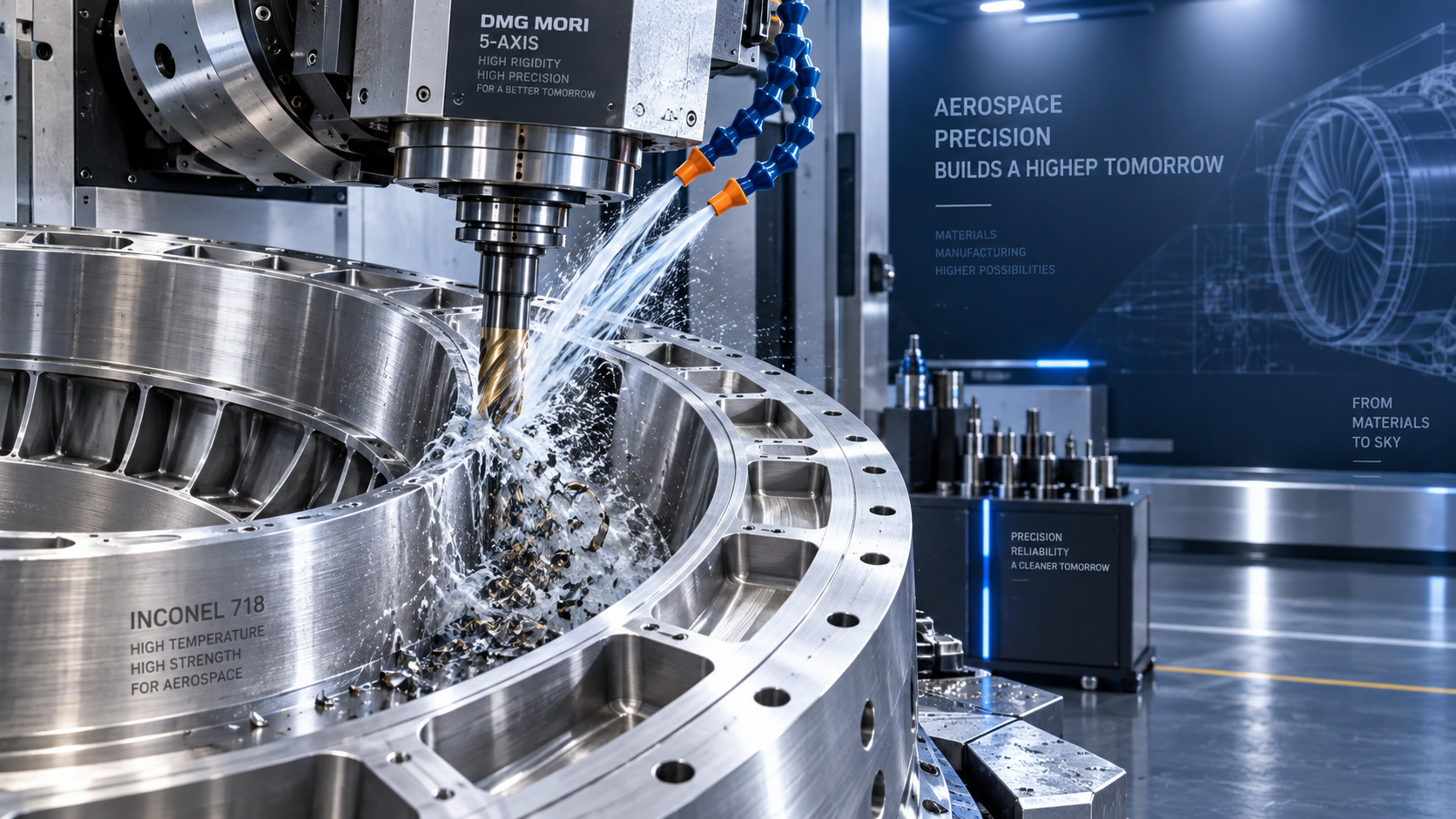
 Can CNC Machining Inconel Control Tool Wear in High-Temperature Aerospace Parts?CNC Machining Technology Center
 Machine Tool Market Outlook: Demand Drivers, Capacity Shifts, and Investment RisksManufacturing Market Research Center
 Zero-Point Clamping or Modular Fixtures? Choosing a Faster CNC Changeover SystemCNC Machining Technology Center
 How to Cut CNC Fixture Changeover Time Without Sacrificing Part AccuracyCNC Machining Technology Center
 When Does CNC Turning Pay Off? A Break-Even Guide by Annual Part VolumeMachine Tool Industry Editorial Team
 Machine Tool Standards by Country: What Importers Must Verify Before PurchaseManufacturing Policy Research Center

Aris Katos
Future of Carbide Coatings
15+ years in precision manufacturing systems. Specialized in high-speed milling and aerospace grade alloy processing.
▶
How Does Precision Machining Differ From Standard Machining?CNC Machining Technology Center▶
CNC Precision: Which Tolerances, Materials, and Processes Fit Your Part?CNC Machining Technology Center▶
How to Choose Metal Machining Processes for Tight Tolerances and Production VolumeCNC Machining Technology Center▶
Production Process Explained: Key Stages, Controls, and Quality CheckpointsCNC Machining Technology Center▶
How to Select a Machine Tool for Electronics Manufacturing with Tight Tolerance NeedsCNC Machining Technology Center
Mastering 5-Axis Workholding Strategies
Join our technical panel on Nov 15th to learn about reducing vibrations in thin-wall components.

Providing you with integrated sanding solutions
Before-sales and after-sales services
Comprehensive technical support