• Global CNC market projected to reach $128B by 2028 • New EU trade regulations for precision tooling components • Aerospace deman
NYSE: CNC +1.2%LME: STEEL -0.4%

Industrial Machining Explained: Common Processes, Tolerances, and Best-Fit Applications
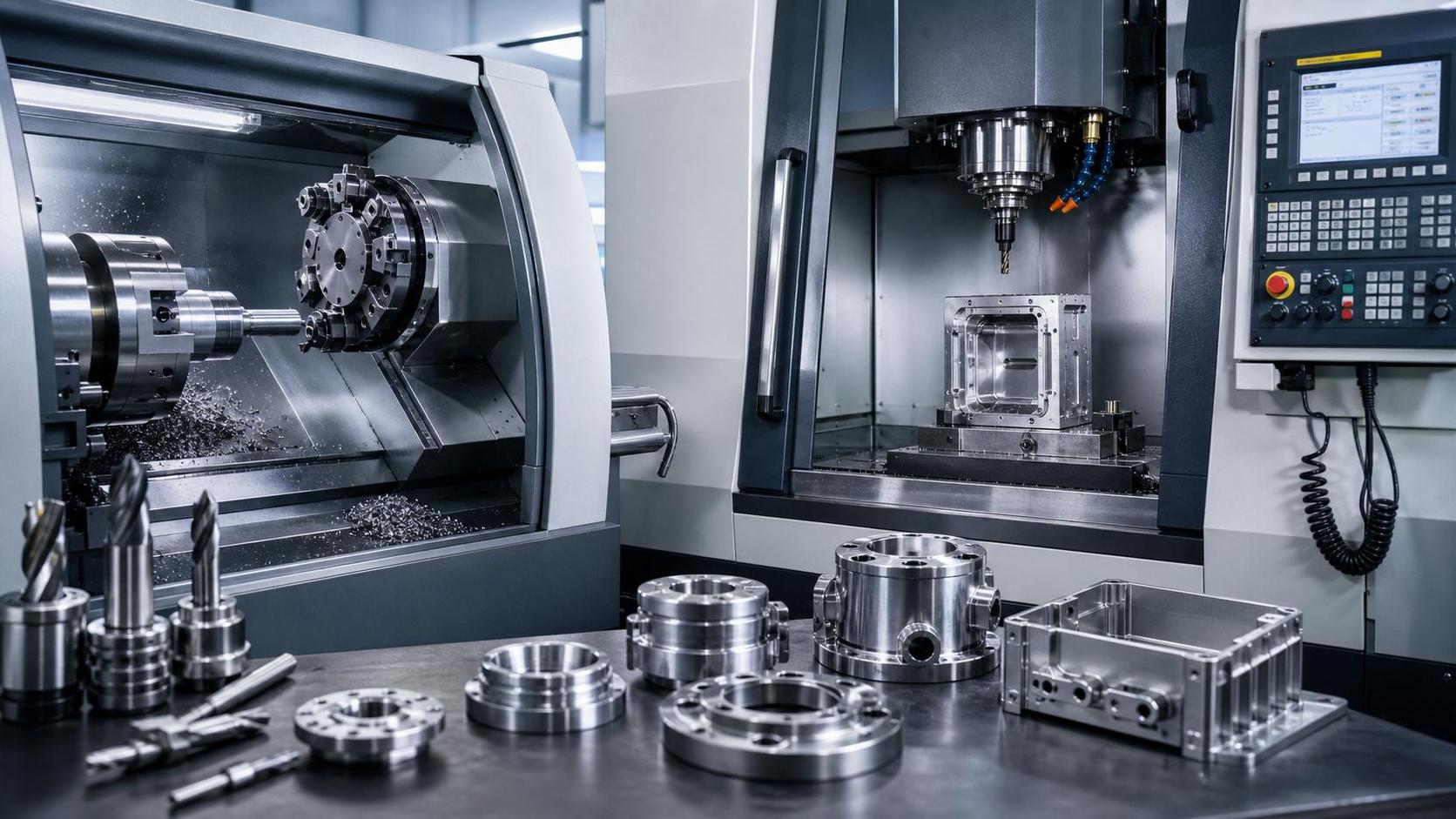
Industrial machining sits behind nearly every precision product category, from vehicle drivetrains to turbine housings and electronic enclosures. The topic matters now because manufacturing decisions are no longer driven by geometry alone. Tolerance targets, automation levels, digital integration, material behavior, and production volume all shape which machining route makes practical and commercial sense.
In today’s machine tool market, CNC lathes, machining centers, and multi-axis systems are doing more than removing material. They support flexible production, traceable quality, and faster changeovers across global supply chains. Understanding industrial machining means understanding how process capability, part design, and end-use requirements connect on the factory floor.
What industrial machining really covers
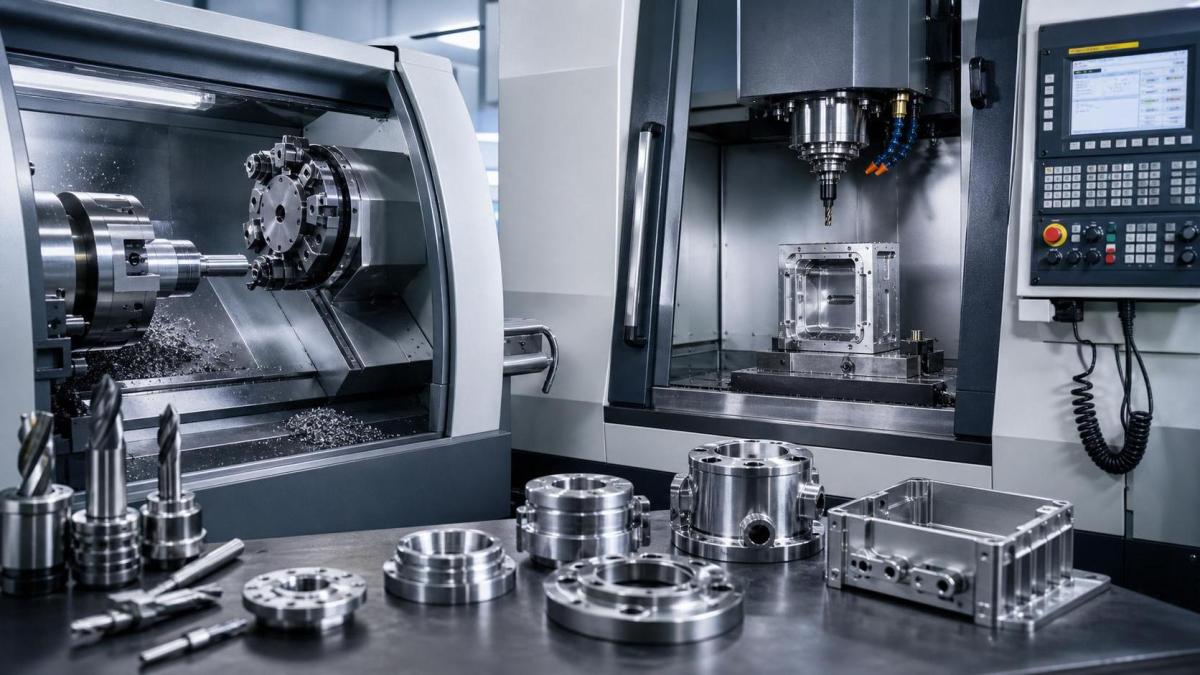
At its core, industrial machining is the controlled removal of material to create parts with defined dimensions, surface conditions, and functional features. It applies to metals, engineering plastics, composites, and specialty alloys used in demanding environments.
The term often includes turning, milling, drilling, boring, tapping, grinding, and electrical discharge machining. In practice, these processes are tied to tooling, fixturing, metrology, coolant strategy, software programming, and increasingly to automated loading and monitoring systems.
That broader view matters because a part rarely succeeds due to one machine alone. Accuracy depends on the full process chain, including spindle stability, tool wear control, setup repeatability, thermal behavior, and inspection discipline.
Why the subject is drawing more attention
Industrial machining is receiving closer scrutiny as manufacturers push for tighter tolerances, shorter lead times, and more resilient supply networks. Aerospace and energy applications demand difficult materials. Automotive programs require consistency at scale. Electronics production values compact, repeatable features.
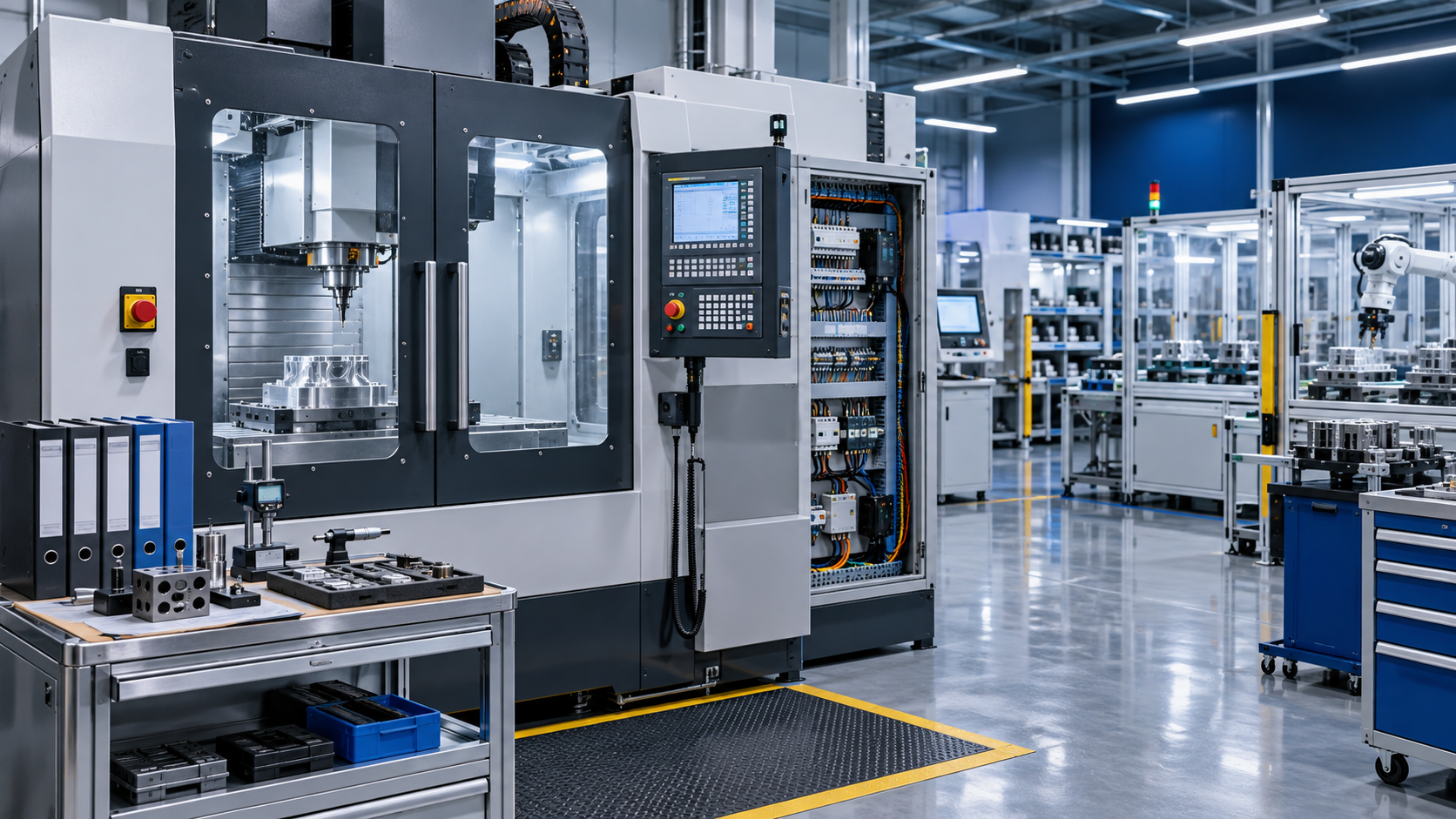
At the same time, machine tools are becoming more connected. Smart factories now combine CNC equipment, robots, in-process sensing, and production software to reduce downtime and improve visibility. This shift changes how machining performance is evaluated.
The global landscape also matters. China, Germany, Japan, and South Korea remain influential machine tool centers, while international suppliers continue expanding through technology partnerships and trade channels. For market observers, industrial machining is both a production discipline and a strategic industry signal.
Common machining processes and where they fit
Different processes solve different geometric and economic problems. The best choice usually depends on part shape, material, finish demands, and batch size rather than on a single headline specification.
Turning
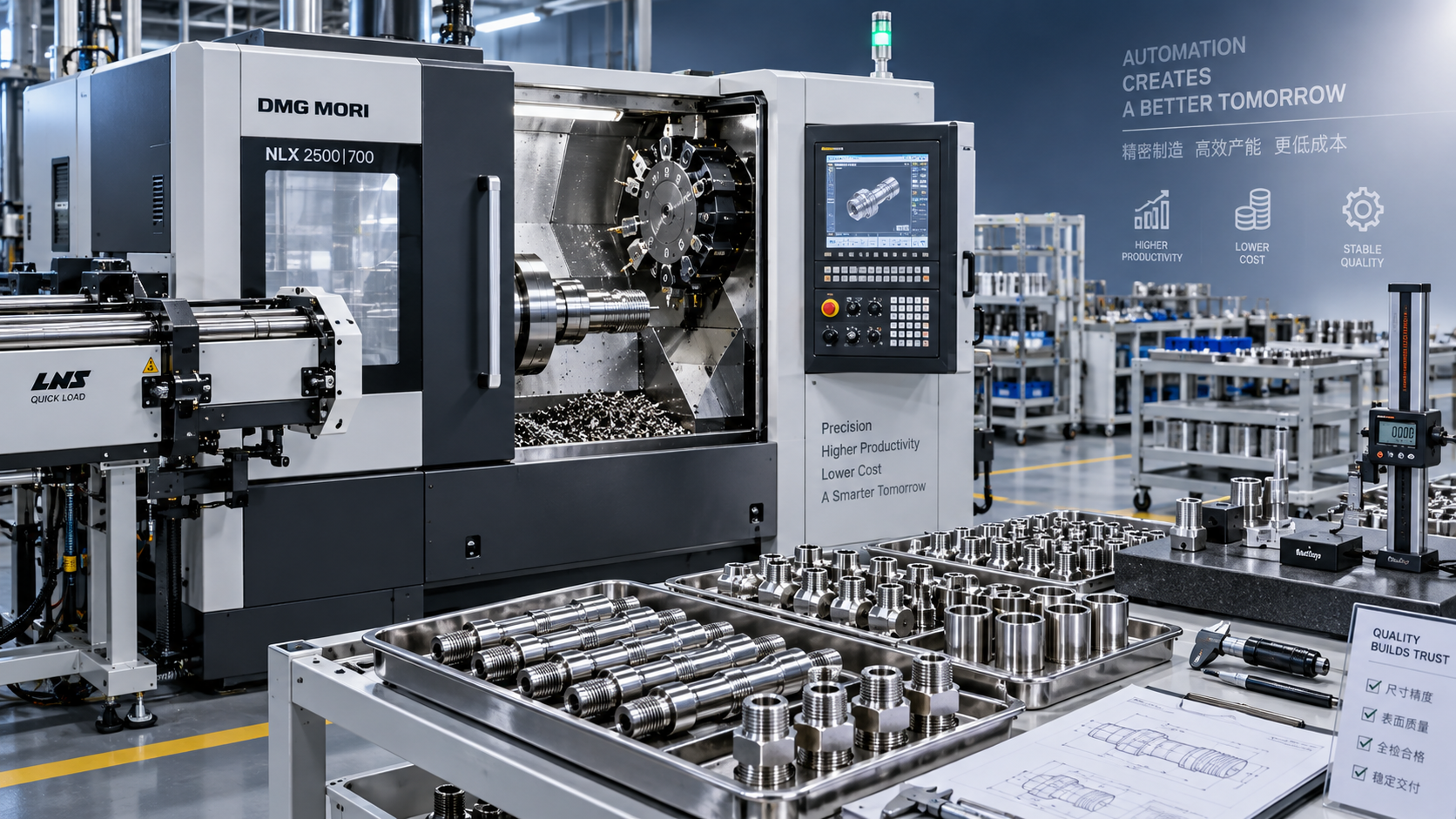
Turning is ideal for cylindrical components such as shafts, bushings, sleeves, threaded parts, and bearing seats. CNC lathes handle concentric features efficiently and are common in automotive, hydraulic, and general industrial production.
Milling
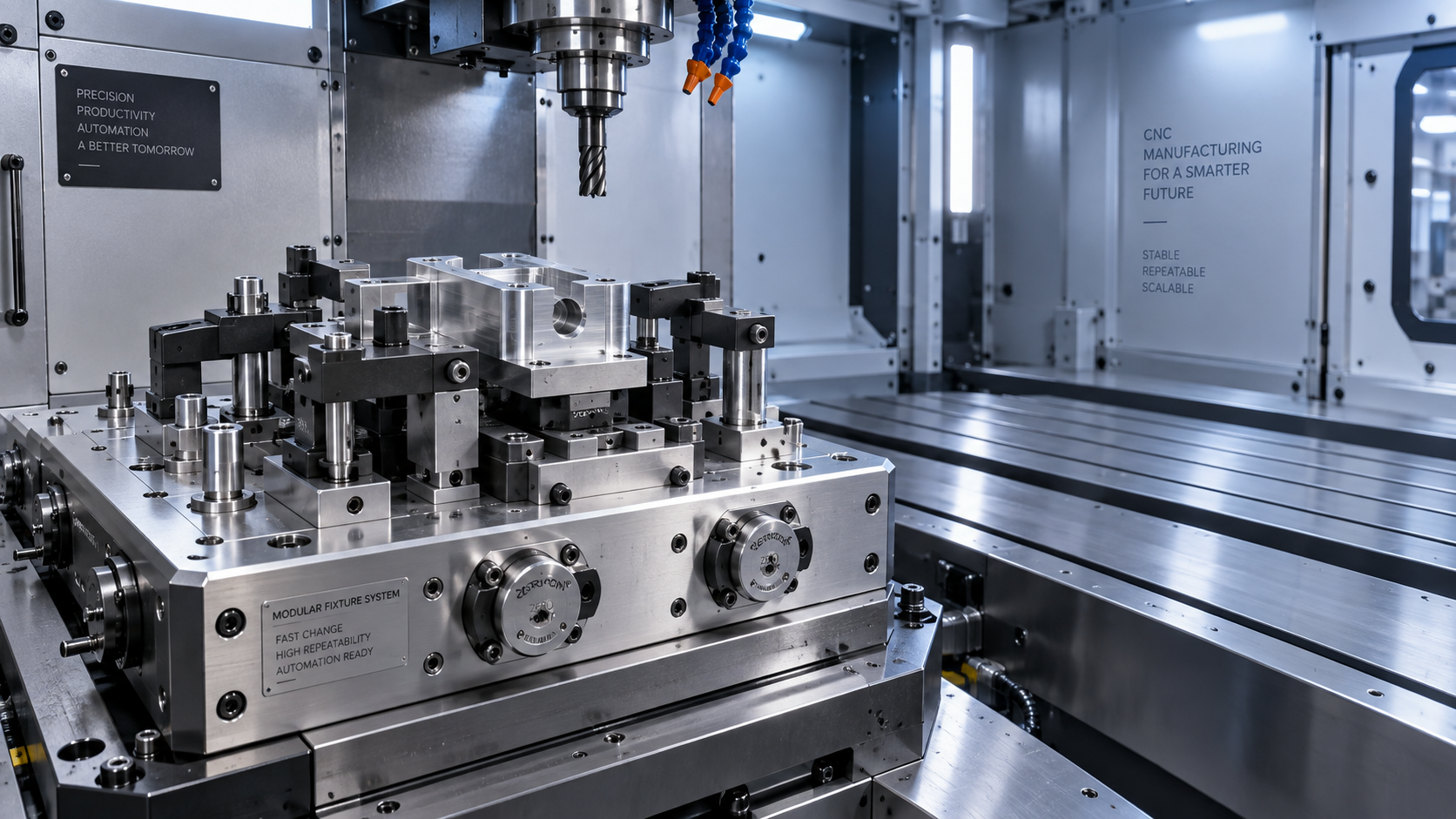
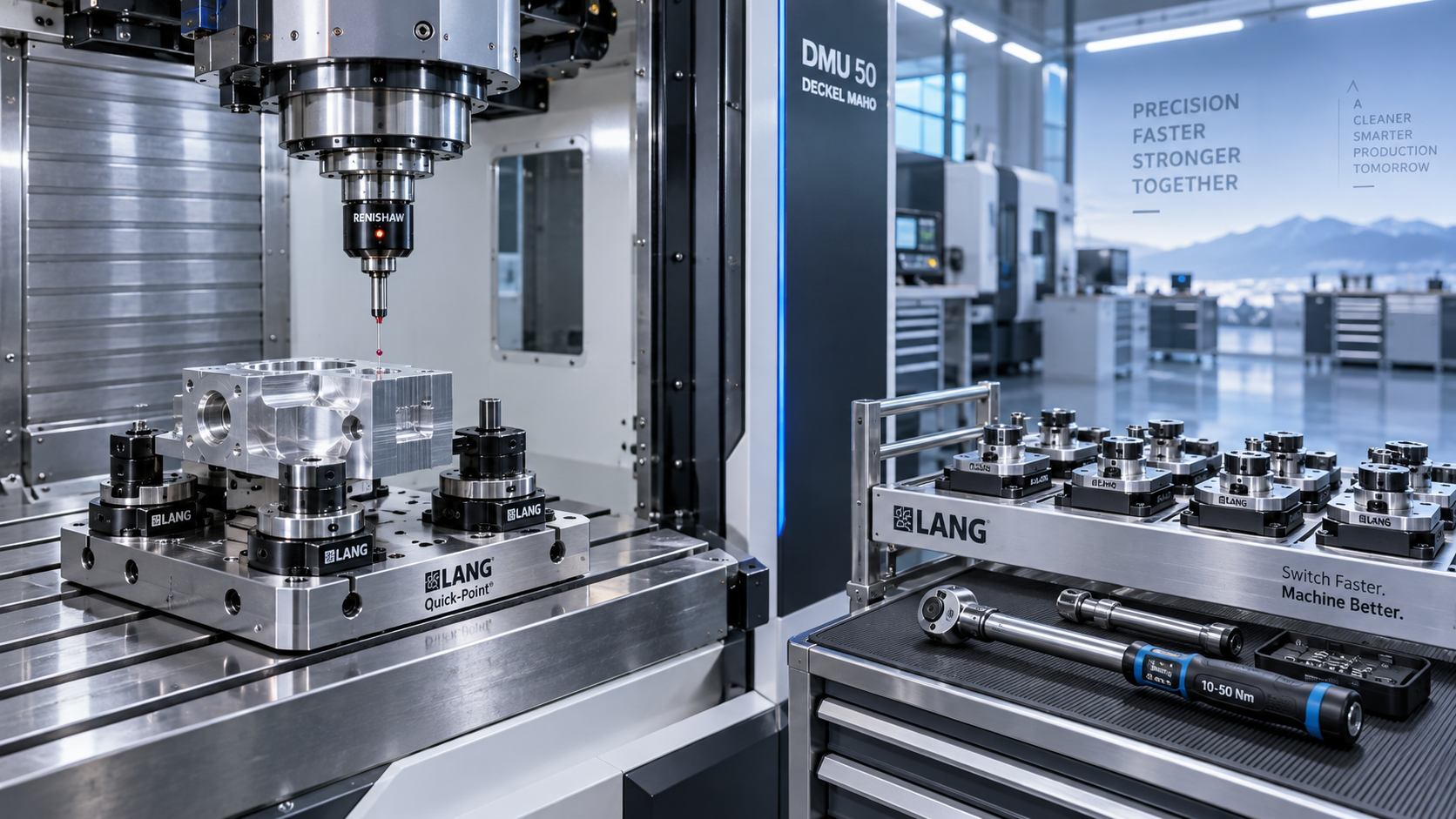
Milling works well for prismatic parts, pockets, slots, faces, and complex contours. Vertical and horizontal machining centers support housings, brackets, manifolds, molds, and structural components across aerospace, electronics, and equipment manufacturing.
Drilling and boring
Drilling creates holes quickly, while boring improves hole size, roundness, and alignment. These operations are critical when parts must accept pins, bearings, valves, or fasteners with controlled fit.
Grinding
Grinding is often selected when surface finish and dimensional precision exceed standard cutting capability. It is common for hardened parts, sealing surfaces, tool components, and critical rotating elements.
EDM and specialty methods
Electrical discharge machining supports intricate shapes, sharp internal corners, and hard materials that are difficult to cut conventionally. It is frequently used in toolmaking, medical parts, and fine-feature components.
How tolerances should be understood
Tolerance is not just a drawing number. In industrial machining, it defines the allowable variation that still lets a part function, assemble, seal, rotate, or carry load as intended. Tightening that window usually increases cycle time, inspection effort, tooling cost, and scrap risk.
Typical CNC machining can hold moderate tolerances reliably for many industrial components. Much tighter control may require thermal stabilization, finishing passes, specialized workholding, probing, and secondary operations such as grinding or honing.
Surface finish also belongs in the tolerance conversation. A dimension may measure correctly but still fail in service if the contact surface is too rough for sealing, sliding, or fatigue resistance.
- Loose to medium tolerances often suit brackets, covers, and non-critical supports.
- Closer tolerances are common in bearing fits, hydraulic interfaces, and precision housings.
- Ultra-precise features usually need process isolation, premium metrology, and stricter environmental control.
A useful rule is to match tolerance to function, not to preference. Over-specification is a common cost driver in industrial machining, especially when drawings inherit unnecessarily tight limits from earlier designs.
Where each method performs best
Best-fit application depends on more than machine capability. Material removal rate, setup burden, feature accessibility, and downstream assembly all matter. The same part may be machinable in several ways, but only one route may be commercially sensible.
Automotive and transport
High-volume shafts, brake components, gear blanks, and transmission parts often favor turning, transfer-style automation, and repeatable fixturing. The emphasis is stable throughput with controlled variation.
Aerospace and defense
Complex structural parts, titanium components, and thin-wall features often push multi-axis milling and advanced toolpath strategies. Here, industrial machining must balance precision, material cost, and process traceability.
Energy and heavy equipment
Large flanges, valve bodies, pump casings, and turbine-related parts may combine milling, boring, and grinding. Reliability under pressure, heat, or vibration often matters more than cosmetic finish.
Electronics and precision assemblies
Compact housings, heat sinks, connectors, and fixture elements often require milling and drilling with excellent repeatability. Small feature control and short production cycles are major concerns.
What shapes real production decisions
In actual sourcing and process planning, industrial machining choices are shaped by a cluster of factors rather than one technical metric. A part can be feasible on paper and still perform poorly in production if the process window is too narrow.
- Material type affects tool wear, heat generation, chip control, and achievable finish.
- Annual volume influences whether flexible CNC cells or dedicated automation make more sense.
- Part geometry determines tool access, fixturing complexity, and the need for multi-axis capability.
- Inspection requirements can change routing, especially for safety-critical components.
- Lead time pressure may favor fewer setups over theoretically lower cutting cost.
Digital integration now adds another layer. Shops with machine monitoring, automated measurement, and traceable process data can often manage variation more predictably, especially in mixed-part environments.
Practical ways to evaluate an industrial machining approach
A useful evaluation starts with the part’s functional surfaces. Identify which dimensions control fit, sealing, alignment, or load path. Then separate those from non-critical features that can tolerate wider variation.
Next, compare process routes by setup count, tooling demand, inspection burden, and likely bottlenecks. This often reveals whether a simpler two-operation plan beats a technically elegant but fragile sequence.
It also helps to review three questions early:
- Which tolerances are function-driven, and which may be tighter than needed?
- Does the selected process match expected volume and material behavior?
- Can automation, probing, or fixture redesign reduce variation and labor exposure?
For broader market tracking, it is worth following machine tool development, tooling trends, and regional manufacturing investment. Industrial machining evolves quickly where precision, labor efficiency, and digital control intersect.
The most useful next step is to build a comparison framework around process, tolerance, material, and application fit. That approach makes it easier to assess machining options, interpret supplier capability, and judge where future manufacturing investments are likely to deliver real value.
Recommended for You
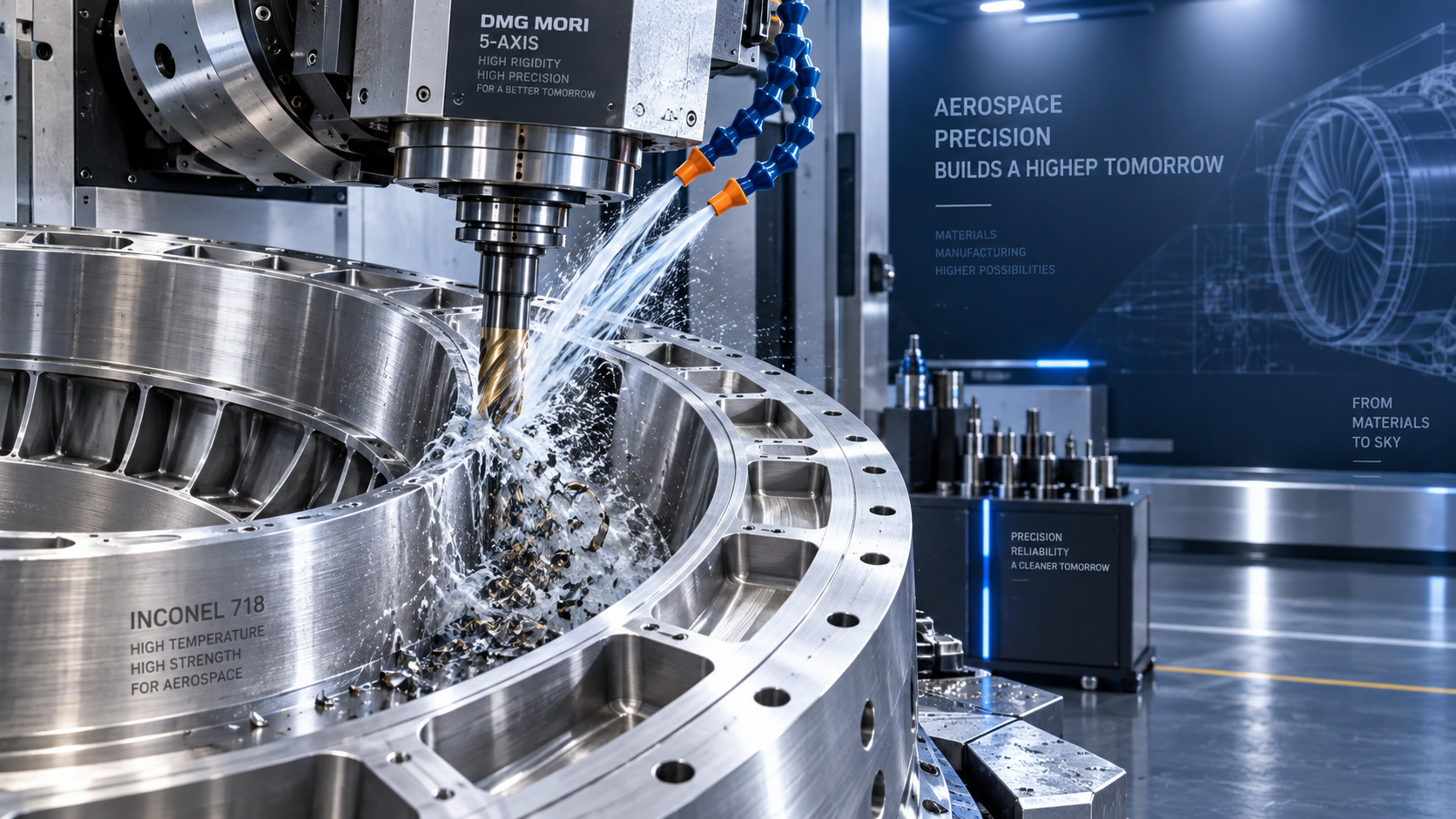
 Can CNC Machining Inconel Control Tool Wear in High-Temperature Aerospace Parts?CNC Machining Technology Center
 Machine Tool Market Outlook: Demand Drivers, Capacity Shifts, and Investment RisksManufacturing Market Research Center
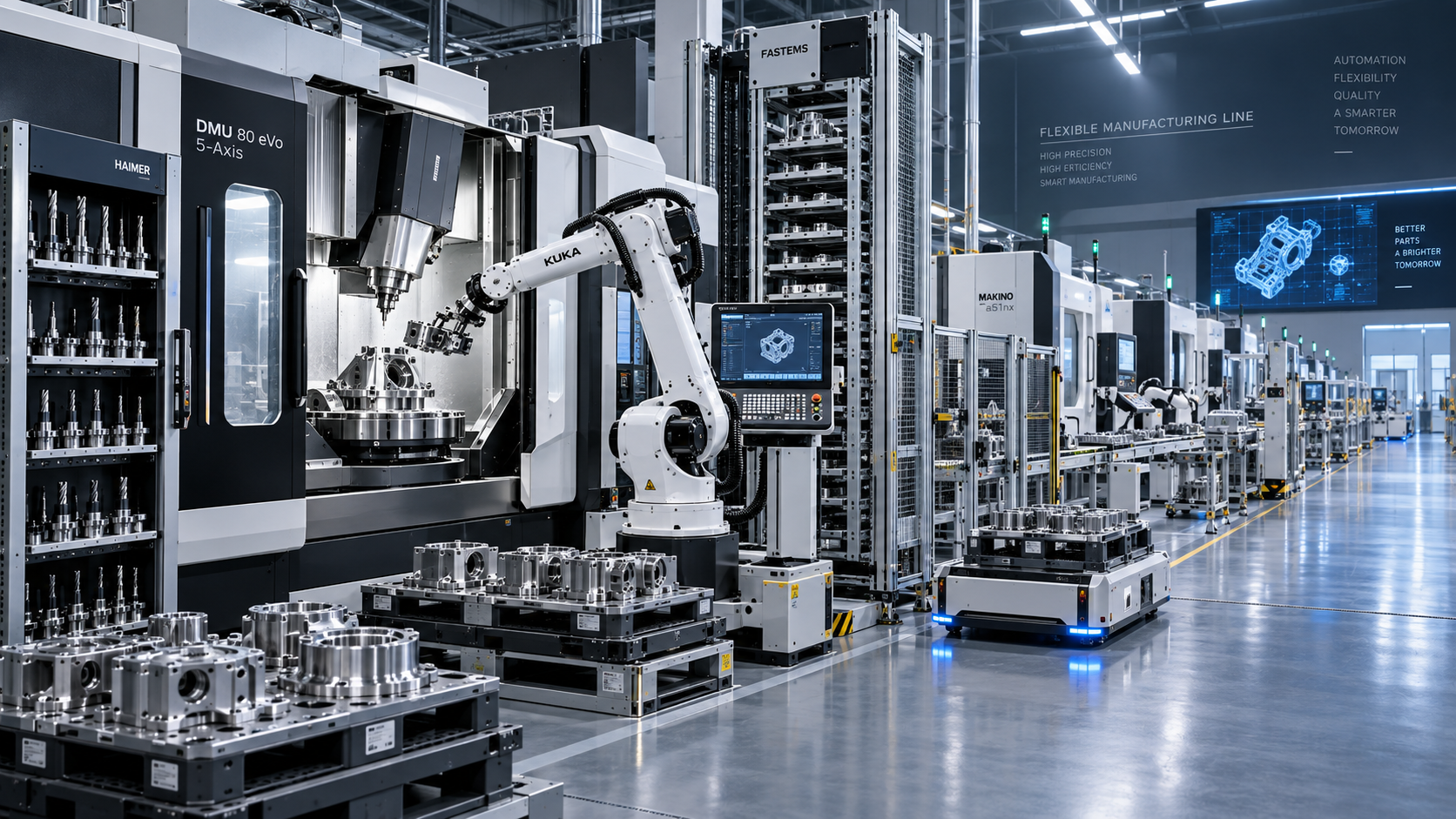
 Zero-Point Clamping or Modular Fixtures? Choosing a Faster CNC Changeover SystemCNC Machining Technology Center
 How to Cut CNC Fixture Changeover Time Without Sacrificing Part AccuracyCNC Machining Technology Center
 When Does CNC Turning Pay Off? A Break-Even Guide by Annual Part VolumeMachine Tool Industry Editorial Team
 Machine Tool Standards by Country: What Importers Must Verify Before PurchaseManufacturing Policy Research Center

Aris Katos
Future of Carbide Coatings
15+ years in precision manufacturing systems. Specialized in high-speed milling and aerospace grade alloy processing.
▶
How Does Precision Machining Differ From Standard Machining?CNC Machining Technology Center▶
CNC Precision: Which Tolerances, Materials, and Processes Fit Your Part?CNC Machining Technology Center▶
How to Choose Metal Machining Processes for Tight Tolerances and Production VolumeCNC Machining Technology Center▶
Production Process Explained: Key Stages, Controls, and Quality CheckpointsCNC Machining Technology Center▶
How to Select a Machine Tool for Electronics Manufacturing with Tight Tolerance NeedsCNC Machining Technology Center
Mastering 5-Axis Workholding Strategies
Join our technical panel on Nov 15th to learn about reducing vibrations in thin-wall components.

Providing you with integrated sanding solutions
Before-sales and after-sales services
Comprehensive technical support