• Global CNC market projected to reach $128B by 2028 • New EU trade regulations for precision tooling components • Aerospace deman
NYSE: CNC +1.2%LME: STEEL -0.4%

Precision Machining for Tight-Tolerance Parts: Common Accuracy Problems and Fixes
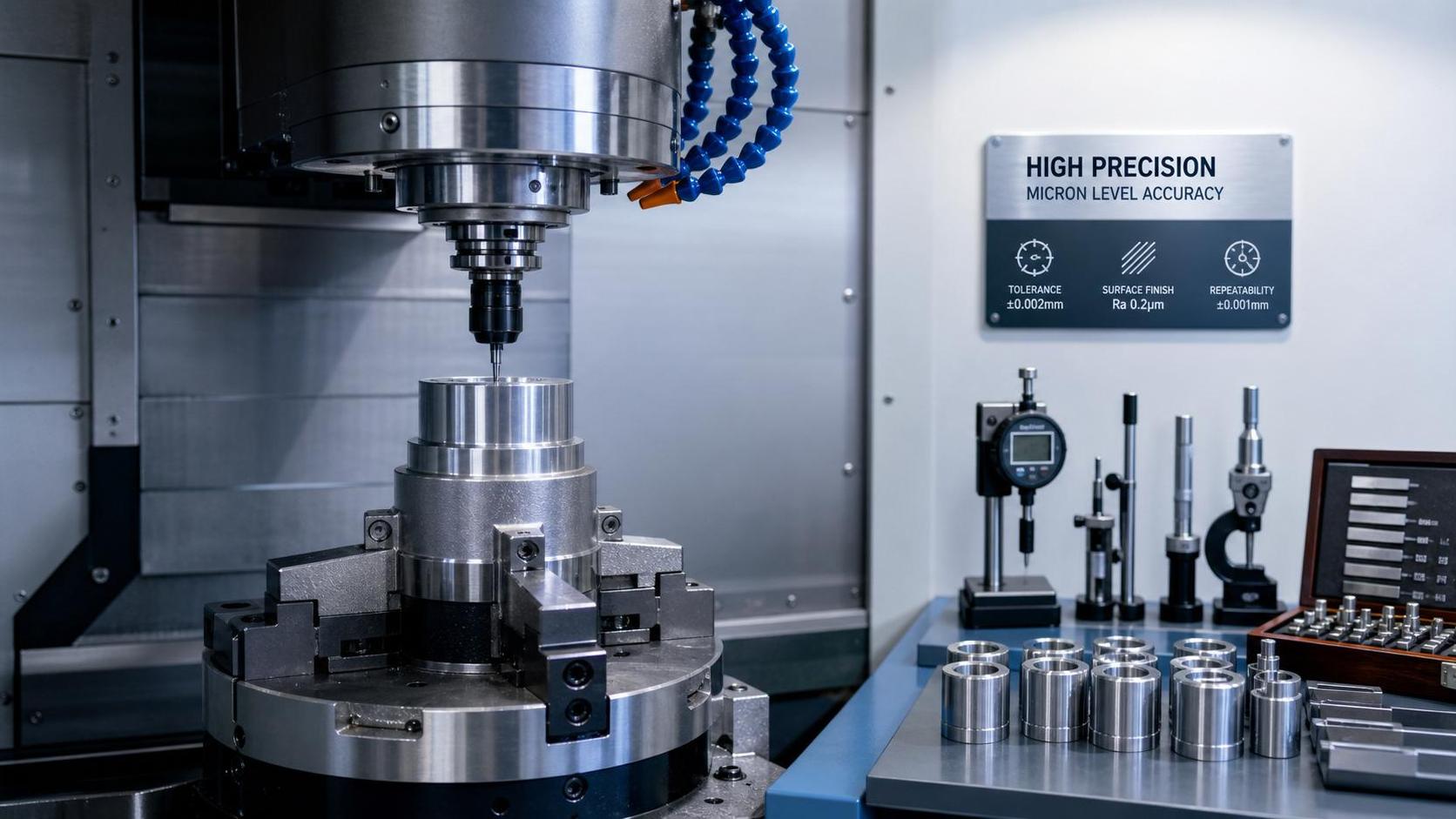
Why does Precision Machining still lose accuracy on tight-tolerance parts?
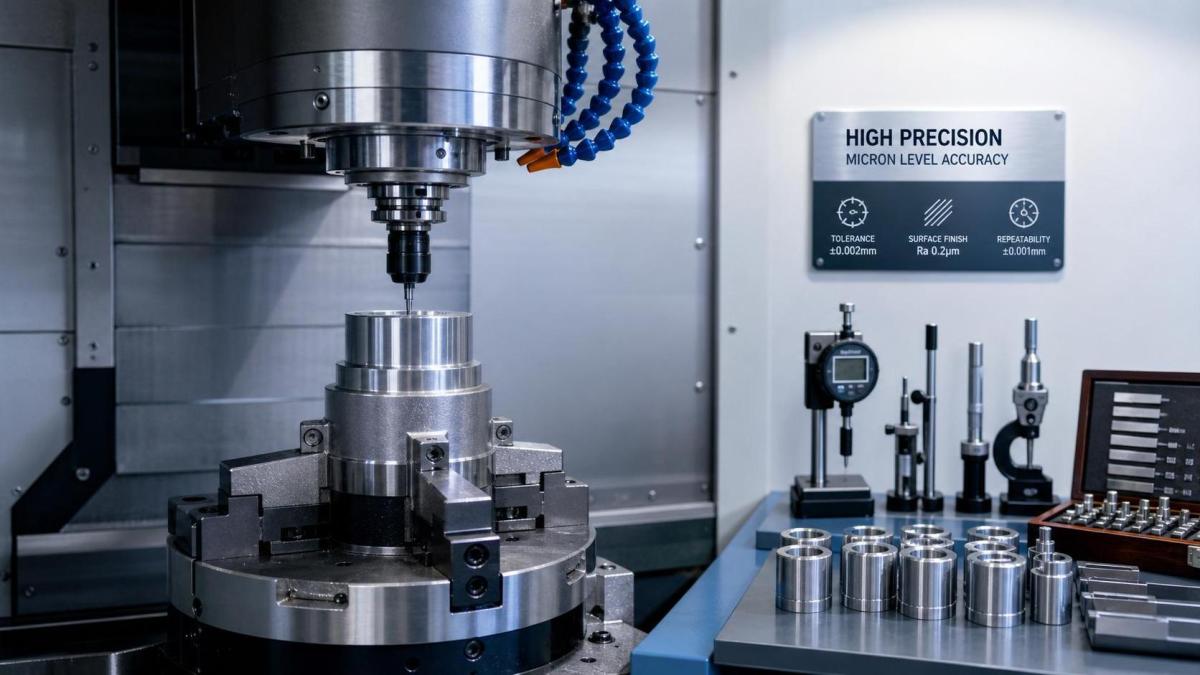
Precision Machining matters because many parts fail long before they visibly break. A bore that drifts a few microns can affect fit, sealing, heat, vibration, or tool life.
That is why automotive, aerospace, electronics, and energy equipment lines rely on stable CNC processes, not just nominal machine capability.
In practice, most accuracy problems do not come from one dramatic mistake. They come from small variations stacking together through the shift.
Common sources include tool wear, spindle growth, fixture distortion, program mismatch, coolant inconsistency, and machine backlash.
Precision Machining becomes difficult when the process window is narrow. Tight tolerance means the machine, tool, material, and setup must stay aligned under real production conditions.
A machine may cut a perfect first article, yet still drift after thirty parts. That difference is where most troubleshooting begins.
How can you tell whether the problem is tool wear, heat, or machine instability?
The fastest way is to read the pattern, not just the failed dimension. Different error shapes usually point to different causes.
If dimensions slowly shift in one direction, tool wear or thermal growth is often involved. If results jump randomly, check clamping, vibration, and axis repeatability.
Surface clues also help. Taper, chatter marks, out-of-round conditions, or inconsistent edge finish often tell more than a single measurement report.
This quick reference helps narrow down the source before changing too many variables.
In Precision Machining, diagnosis improves when measurements are taken at fixed intervals. A time-based record often reveals drift that spot inspection misses.
What machining conditions usually push a stable process out of tolerance?
Thermal variation is one of the biggest reasons. Machines, spindles, and even fixtures expand during long cycles or after aggressive cutting loads.
The problem becomes sharper when tolerance is tight and material removal is uneven. Aluminum, stainless steel, and thin-wall parts react very differently.
Another frequent issue is incorrect tool engagement. A tool that works on one geometry may deflect badly on a deeper pocket or longer reach.
Coolant delivery also matters more than many expect. Poor nozzle direction can raise heat at the edge and accelerate wear before offsets are updated.
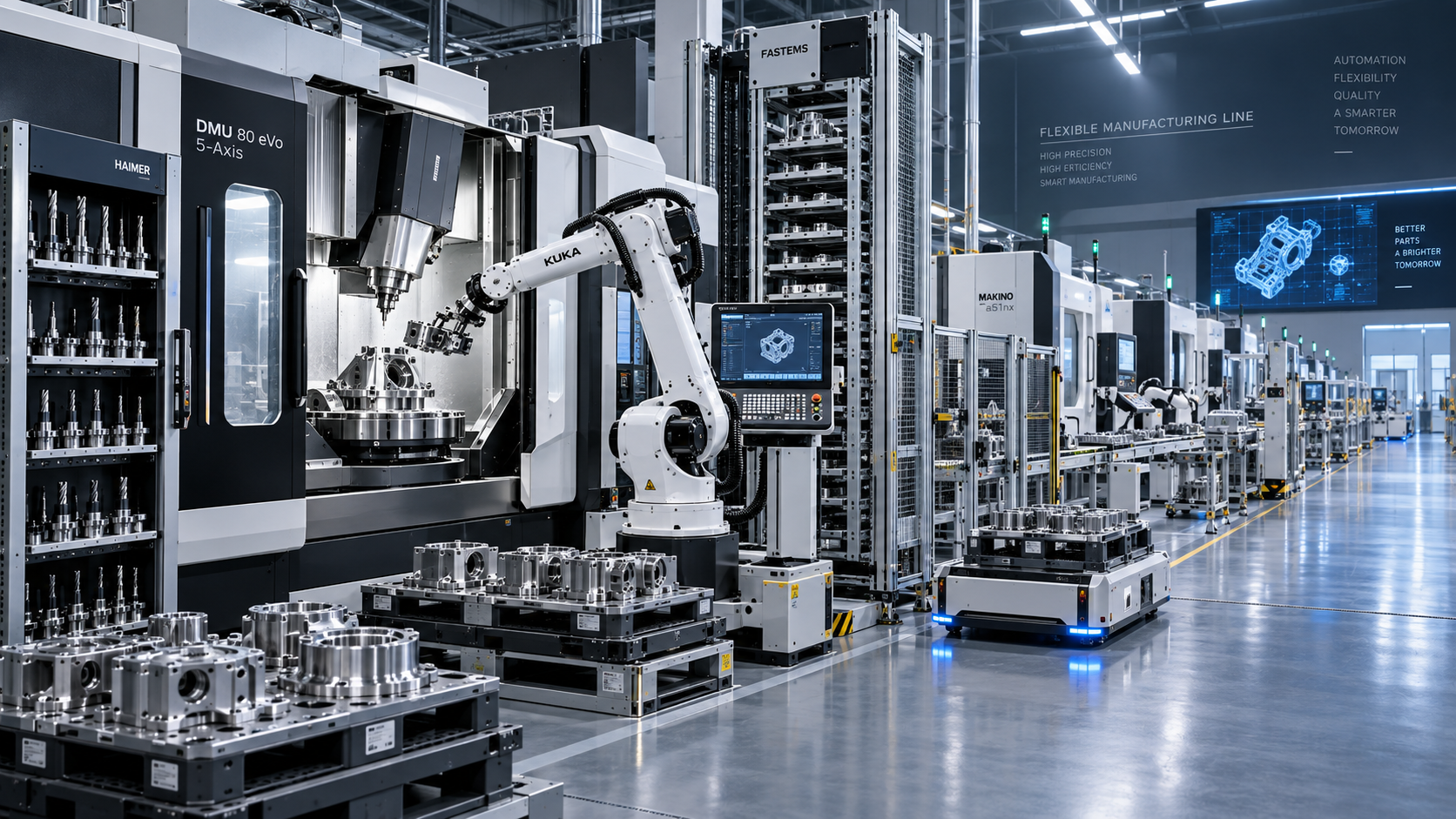
In smart manufacturing lines, cycle compression sometimes introduces new risk. Faster handoff and longer unattended runs leave less room for manual correction.
When Precision Machining supports automated cells, repeatability must be designed into the process, not recovered later through inspection alone.
- Long tool overhang increases deflection and taper risk.
- Uneven stock allowance changes cutting load between parts.
- Cold starts can shift zero conditions during the first batch.
- Worn pull studs, holders, or collets reduce repeatable positioning.
Is fixturing the hidden reason many Precision Machining jobs fail?
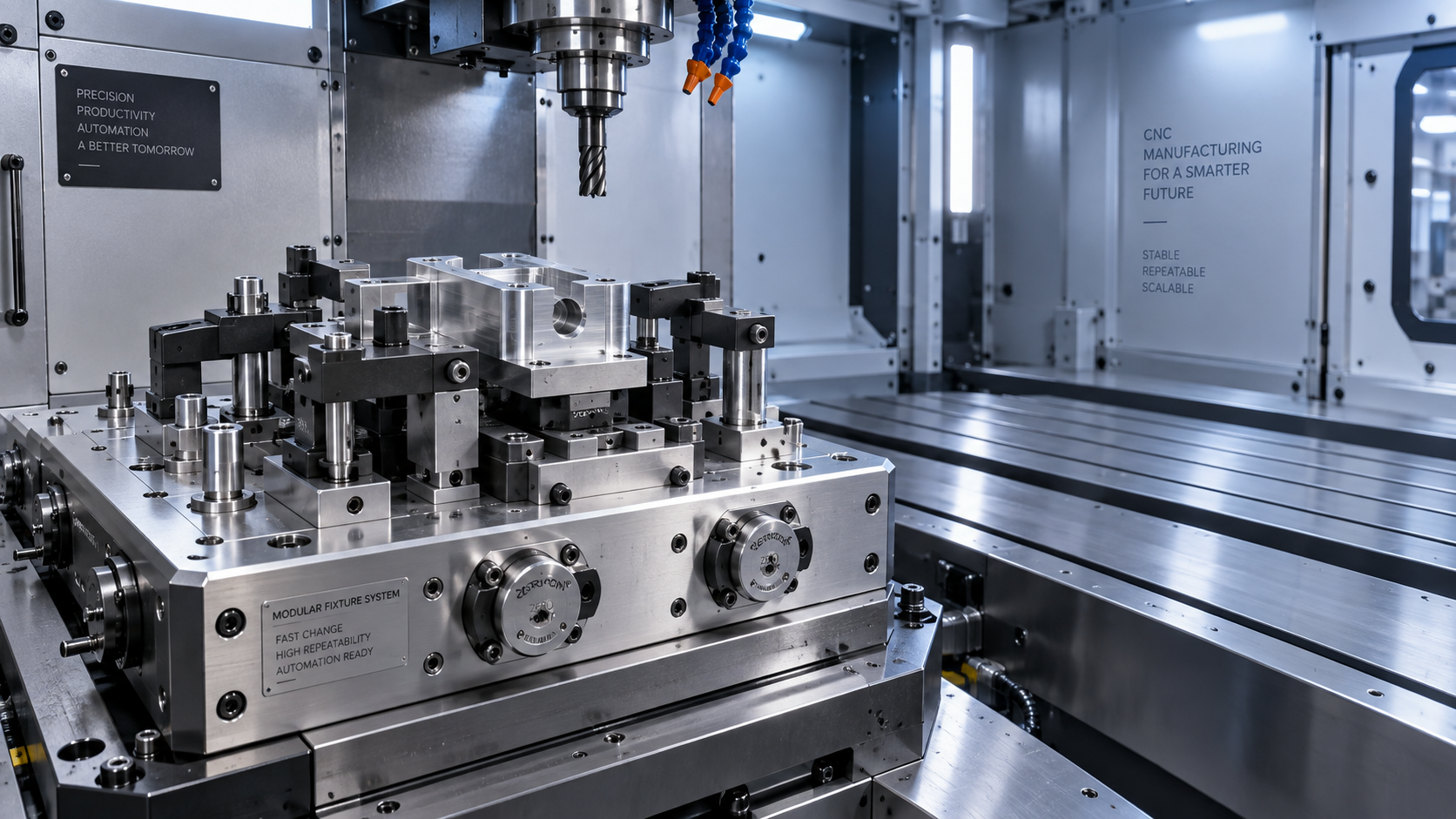
Very often, yes. A capable machine cannot hold tolerance if the part moves, distorts, or seats differently each cycle.
This is common with thin sections, long shafts, delicate sealing surfaces, and parts that need multiple operations across different machines.
The trap is assuming that stronger clamping always improves control. Excess force can bend the workpiece, especially on precision discs and lightweight structural parts.
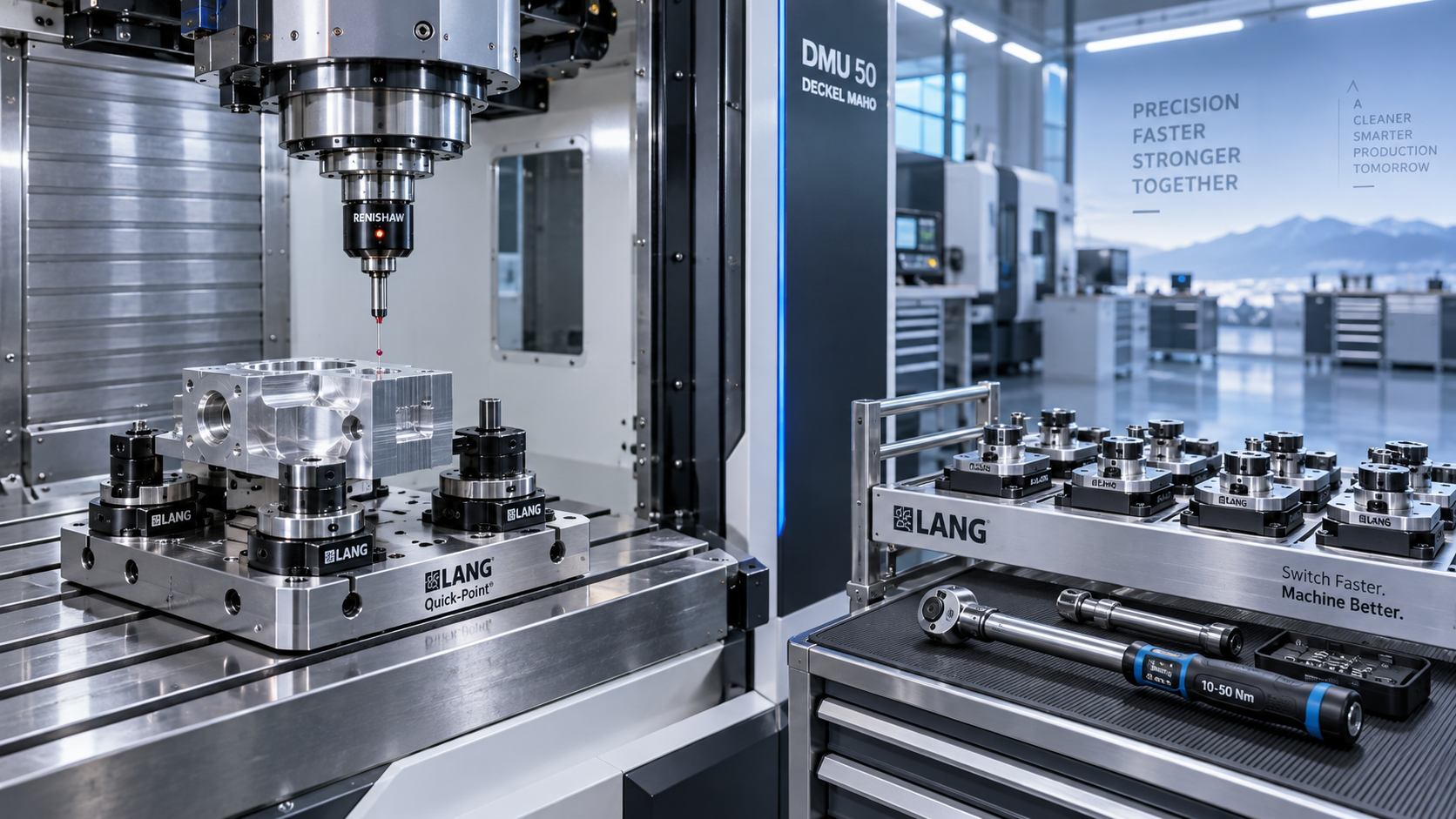
A better approach is controlled location plus stable support. The fixture should constrain the part without forcing it into a stressed shape.
Check the basics carefully: datum cleanliness, stop wear, jaw condition, locator repeatability, and chip evacuation around contact surfaces.
In Precision Machining, fixture errors often appear as inconsistent results after tool changes, operator shifts, or part restarts.
If the first measurement after reclamping is always different, the process likely has a seating problem rather than a cutting problem.
A useful fixture check before changing the program
- Blue the locating faces to confirm full contact.
- Measure part variation after repeated clamp and unclamp cycles.
- Compare dimensions at low and normal clamping force.
- Inspect whether chips pack into nest corners during production.
Which process fixes give the fastest improvement without adding major cost?
Not every fix requires a new machine or expensive retrofit. Many gains come from controlling variation earlier and more consistently.
Start with tool life discipline. Use measured wear limits, not visual judgment alone. A tool can still cut while already missing tolerance.
Standardize warm-up routines for spindles and axes. This matters on high-speed machining centers and multi-axis systems running mixed schedules.
Then review the cutting sequence. Separating roughing, semi-finishing, and finishing often reduces thermal load and residual stress movement.
Probing and in-process compensation can help, but only if the measurement method is stable. Otherwise, automation simply reacts to noisy data.
A practical improvement plan usually includes several low-cost controls working together.
- Set offset updates by part count or spindle time.
- Reduce tool overhang where geometry allows.
- Use semi-finish passes before final critical dimensions.
- Match coolant flow and direction to the actual cutting zone.
- Record ambient and machine temperature during drift events.
For global production environments, these controls scale well across plants because they depend more on discipline than on special hardware.
When should you adjust the process, and when is the machine itself the limitation?
That distinction is important. Process tuning cannot fully compensate for worn ways, poor spindle condition, servo lag, or unstable geometry.
A good rule is this: if the same error remains after tool, fixture, program, and thermal checks, test machine capability directly.
Ball bar testing, spindle runout checks, backlash tests, and repeatability studies can show whether Precision Machining targets still match actual machine condition.
This matters even more in facilities expanding automation. A machine that seems acceptable for general work may fail under unattended tight-tolerance production.
It is also worth comparing part requirements to process capability, not just machine brochure numbers. Catalog accuracy and shop-floor accuracy are not the same thing.
If a job needs stable micron-level control across long batches, the answer may involve maintenance, calibration, or moving the work to a more suitable platform.
What is the most reliable next step?
Treat Precision Machining issues as a system problem. Look at trend data, part geometry, fixturing, tool condition, and machine behavior together.
For the next review, list the exact tolerance failures, when they appear, and what changes just before they appear. That usually reveals the real driver.
Then rank fixes by impact: stabilize clamping, control heat, shorten wear intervals, verify machine repeatability, and only after that revise the program.
In demanding CNC production, consistent accuracy comes from repeatable decisions. Better data, cleaner setup logic, and disciplined checks reduce scrap far more effectively than constant trial-and-error.
Recommended for You
 How to Select CNC Equipment for High-Mix, Low-Volume ProductionCNC Machining Technology Center
 Can CNC Machining Inconel Control Tool Wear in High-Temperature Aerospace Parts?CNC Machining Technology Center
 Machine Tool Market Outlook: Demand Drivers, Capacity Shifts, and Investment RisksManufacturing Market Research Center
 Zero-Point Clamping or Modular Fixtures? Choosing a Faster CNC Changeover SystemCNC Machining Technology Center
 How to Cut CNC Fixture Changeover Time Without Sacrificing Part AccuracyCNC Machining Technology Center
 When Does CNC Turning Pay Off? A Break-Even Guide by Annual Part VolumeMachine Tool Industry Editorial Team

Aris Katos
Future of Carbide Coatings
15+ years in precision manufacturing systems. Specialized in high-speed milling and aerospace grade alloy processing.
▶
How Does Precision Machining Differ From Standard Machining?CNC Machining Technology Center▶
CNC Precision: Which Tolerances, Materials, and Processes Fit Your Part?CNC Machining Technology Center▶
How to Choose Metal Machining Processes for Tight Tolerances and Production VolumeCNC Machining Technology Center▶
Production Process Explained: Key Stages, Controls, and Quality CheckpointsCNC Machining Technology Center▶
How to Select a Machine Tool for Electronics Manufacturing with Tight Tolerance NeedsCNC Machining Technology Center
Mastering 5-Axis Workholding Strategies
Join our technical panel on Nov 15th to learn about reducing vibrations in thin-wall components.

Providing you with integrated sanding solutions
Before-sales and after-sales services
Comprehensive technical support