• Global CNC market projected to reach $128B by 2028 • New EU trade regulations for precision tooling components • Aerospace deman
NYSE: CNC +1.2%LME: STEEL -0.4%

How to Choose Shaft Parts for Marine Applications by Load, Corrosion, and Fit
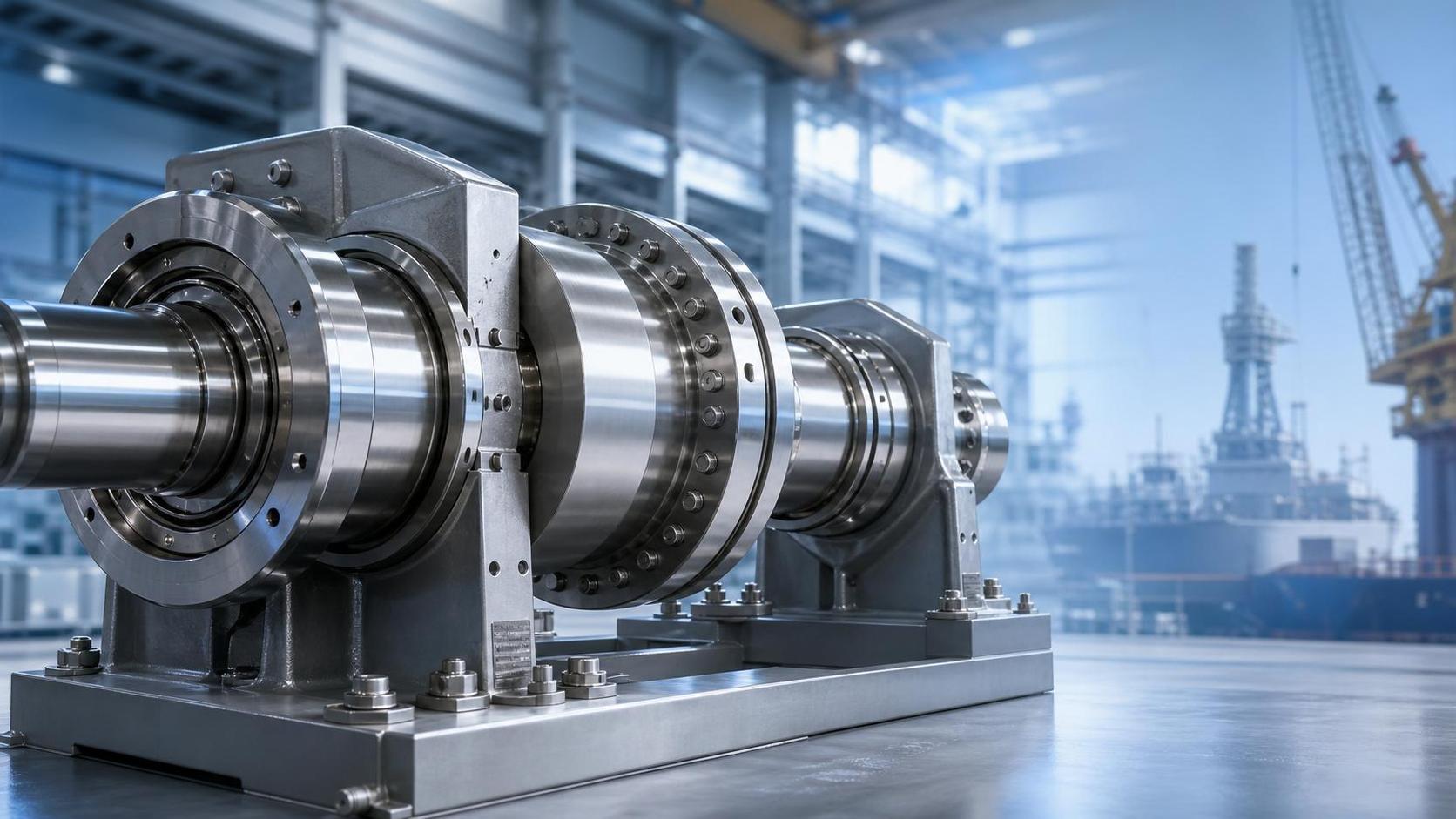
How to Choose Shaft Parts for Marine Applications by Load, Corrosion, and Fit
Choosing Shaft Parts for Marine Applications is rarely about one property alone.
In marine service, load, corrosion, and fit interact every day.
A shaft that handles torque well may still fail from seawater attack.
A corrosion-resistant part may still cause vibration if tolerances are wrong.
That is why shaft selection for offshore and industrial marine systems needs a balanced review.
The practical goal is simple: longer service life, lower failure risk, and predictable maintenance.
This guide explains how to evaluate Shaft Parts for Marine Applications with clear decision points.
Start with the Real Load Profile
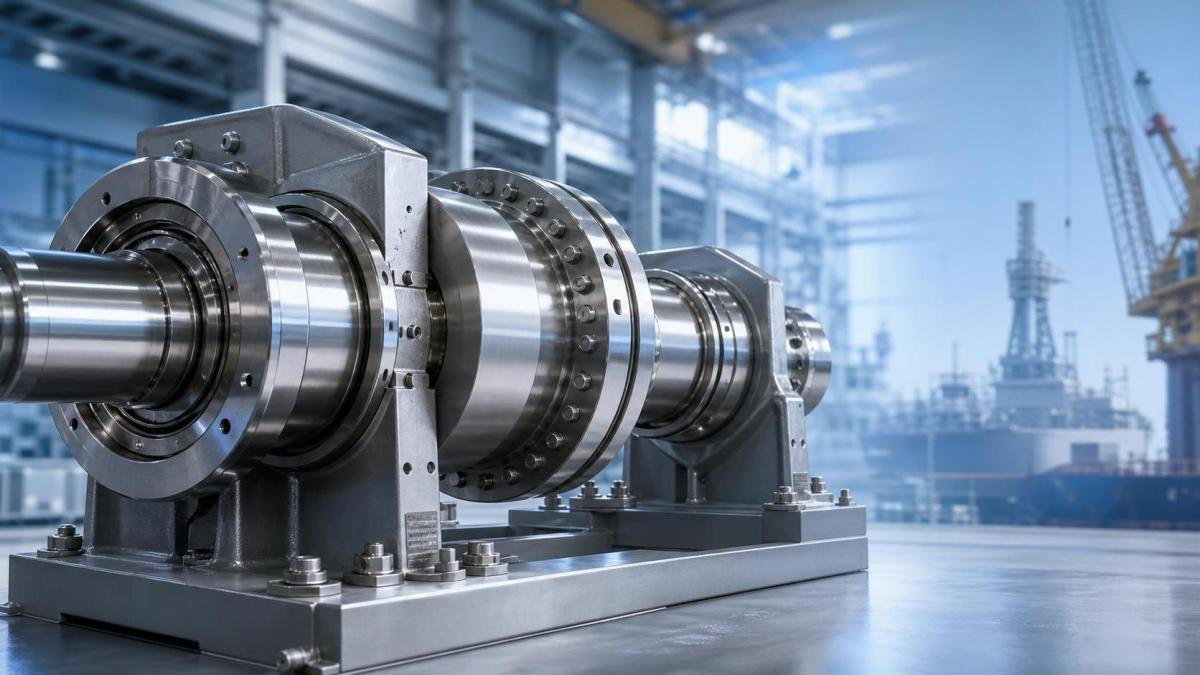
Load is the first filter when choosing Shaft Parts for Marine Applications.
But the catalog load value alone is rarely enough.
You need to define how the shaft actually works in service.
For example, propulsion systems, deck machinery, pumps, and winches create different stress patterns.
A useful review should cover these load conditions:
- Steady torque during normal rotation
- Shock loading during startup or reversal
- Bending from overhung components or misalignment
- Axial thrust from connected assemblies
- Cyclic fatigue from repeated duty
From a decision standpoint, peak load matters as much as average load.
Marine systems often face transient events that shorten shaft life faster than expected.
This is especially true where wave motion, intermittent impact, or variable motor control is involved.
In practical sourcing, ask for torque data, fatigue performance, and safety factor assumptions.
If a supplier only provides basic strength numbers, the evaluation is incomplete.
Match Material to the Corrosion Environment
Corrosion is usually the next deciding factor for Shaft Parts for Marine Applications.
And marine corrosion is more complex than simple rust resistance.
Saltwater, humidity, temperature cycling, and dissimilar metals all shape performance.
The correct material depends on the exposure zone.
A shaft inside a sealed gearbox has very different needs from one near splash zones.
Common material options include carbon steel, alloy steel, stainless steel, duplex stainless, and nickel-based alloys.
Each option brings tradeoffs in cost, machinability, and long-term reliability.
What to review beyond base material
- Pitting resistance in chloride-rich exposure
- Crevice corrosion risk near seals and joints
- Galvanic compatibility with couplings, sleeves, and fasteners
- Stress corrosion cracking under sustained load
- Surface treatment durability after machining
This is where marine shaft component selection often becomes more nuanced.
For instance, stainless steel may look sufficient on paper.
Yet in stagnant saltwater, lower grades can still pit around seals or keyways.
That also means surface finish and geometry affect corrosion performance, not only chemistry.
Do Not Underestimate Fit and Tolerance
Fit is often where good Shaft Parts for Marine Applications become reliable assemblies.
Poor fit creates vibration, fretting, seal wear, and premature bearing damage.
In a marine environment, these issues accelerate quickly.
That is why machining accuracy matters as much as material grade.
Review dimensional fit at every interface:
- Shaft to bearing seat
- Shaft to coupling hub
- Shaft to seal running surface
- Shaft to gear, pulley, or propeller interface
Tolerance stack-up matters more than isolated dimensions.
A shaft can meet print size and still perform poorly in the final assembly.
Check runout, concentricity, cylindricity, and surface roughness where rotation and sealing are critical.
For CNC-produced shaft parts, process capability should support repeatability, not just one successful sample.
This is particularly important for batch procurement across multiple vessels or platforms.
Fit issues that usually trigger early failure
- Interference fit too high, causing stress concentration
- Clearance too loose, allowing micro-movement and fretting
- Seal surface roughness outside specification
- Misaligned shoulders and reference faces
Compare Manufacturing Capability, Not Just Drawings
When evaluating Shaft Parts for Marine Applications, drawings tell only part of the story.
Actual manufacturing capability determines whether the part performs consistently.
This is where the CNC machining and precision manufacturing supply chain becomes relevant.
Modern CNC lathes, machining centers, and multi-axis systems support tight tolerances and complex shaft geometry.
Still, capability varies widely between suppliers.
A strong supplier should demonstrate control across material sourcing, machining, inspection, and finishing.
Recent changes in manufacturing also support faster validation.
Digital inspection, automated production lines, and smarter process control can improve consistency.
But only if the supplier uses them in a disciplined way.
Use an Application-Based Selection Checklist
A practical decision process helps compare Shaft Parts for Marine Applications more objectively.
The following checklist works well during technical review.
- Define operating loads, including peaks, cycles, and startup shock.
- Map the corrosion exposure by immersion, splash, humidity, and chemical contact.
- Confirm material grade, heat treatment, and any coating requirements.
- Review fits, tolerance chain, and sealing surface specifications.
- Check manufacturing capability for repeatable CNC machining and inspection.
- Request quality documents, traceability records, and dimensional reports.
- Compare life-cycle cost, not only purchase price.
This structure is useful because marine shaft component decisions are rarely isolated.
A lower-cost part may increase maintenance downtime, spare inventory, or inspection frequency.
In offshore operations, those indirect costs can exceed the original procurement saving.
Common Selection Mistakes to Avoid
Some mistakes appear repeatedly during shaft selection for marine systems.
Avoiding them improves both reliability and procurement confidence.
- Choosing material by price before checking chloride exposure
- Using static strength as the only load criterion
- Ignoring fit conditions at couplings and seals
- Assuming all stainless grades behave the same in marine service
- Approving samples without reviewing batch process control
- Overlooking galvanic interaction with nearby components
More often than not, failures come from combined causes.
A small fit error can trap moisture.
That trapped moisture can trigger crevice corrosion.
Over time, cyclic load turns that local damage into a larger crack risk.
A Practical Way to Finalize the Decision
The best Shaft Parts for Marine Applications are the ones that match real operating conditions.
That means selecting by system demands, not by a generic part description.
Start with load profile.
Then validate corrosion resistance for the exact exposure zone.
Finally, confirm that machining accuracy and fit support stable assembly performance.
This approach is straightforward, but it prevents costly oversights.
When supplier capability, material integrity, and dimensional control align, marine shaft parts perform with far fewer surprises.
For any new project or replacement program, review the application first, then challenge each candidate part against load, corrosion, and fit.
That final discipline usually makes the difference between a workable purchase and a durable solution.
Recommended for You
 Can CNC Machining Inconel Control Tool Wear in High-Temperature Aerospace Parts?CNC Machining Technology Center
 Machine Tool Market Outlook: Demand Drivers, Capacity Shifts, and Investment RisksManufacturing Market Research Center
 Zero-Point Clamping or Modular Fixtures? Choosing a Faster CNC Changeover SystemCNC Machining Technology Center
 How to Cut CNC Fixture Changeover Time Without Sacrificing Part AccuracyCNC Machining Technology Center
 When Does CNC Turning Pay Off? A Break-Even Guide by Annual Part VolumeMachine Tool Industry Editorial Team
 Machine Tool Standards by Country: What Importers Must Verify Before PurchaseManufacturing Policy Research Center


Aris Katos
Future of Carbide Coatings
15+ years in precision manufacturing systems. Specialized in high-speed milling and aerospace grade alloy processing.
▶
How Does Precision Machining Differ From Standard Machining?CNC Machining Technology Center▶
CNC Precision: Which Tolerances, Materials, and Processes Fit Your Part?CNC Machining Technology Center▶
How to Choose Metal Machining Processes for Tight Tolerances and Production VolumeCNC Machining Technology Center▶
Production Process Explained: Key Stages, Controls, and Quality CheckpointsCNC Machining Technology Center▶
How to Select a Machine Tool for Electronics Manufacturing with Tight Tolerance NeedsCNC Machining Technology Center
Mastering 5-Axis Workholding Strategies
Join our technical panel on Nov 15th to learn about reducing vibrations in thin-wall components.

Providing you with integrated sanding solutions
Before-sales and after-sales services
Comprehensive technical support