• Global CNC market projected to reach $128B by 2028 • New EU trade regulations for precision tooling components • Aerospace deman
NYSE: CNC +1.2%LME: STEEL -0.4%

CNC manufacturing exporters face new customs bottlenecks—not from tariffs, but from missing ISO 13849 documentation
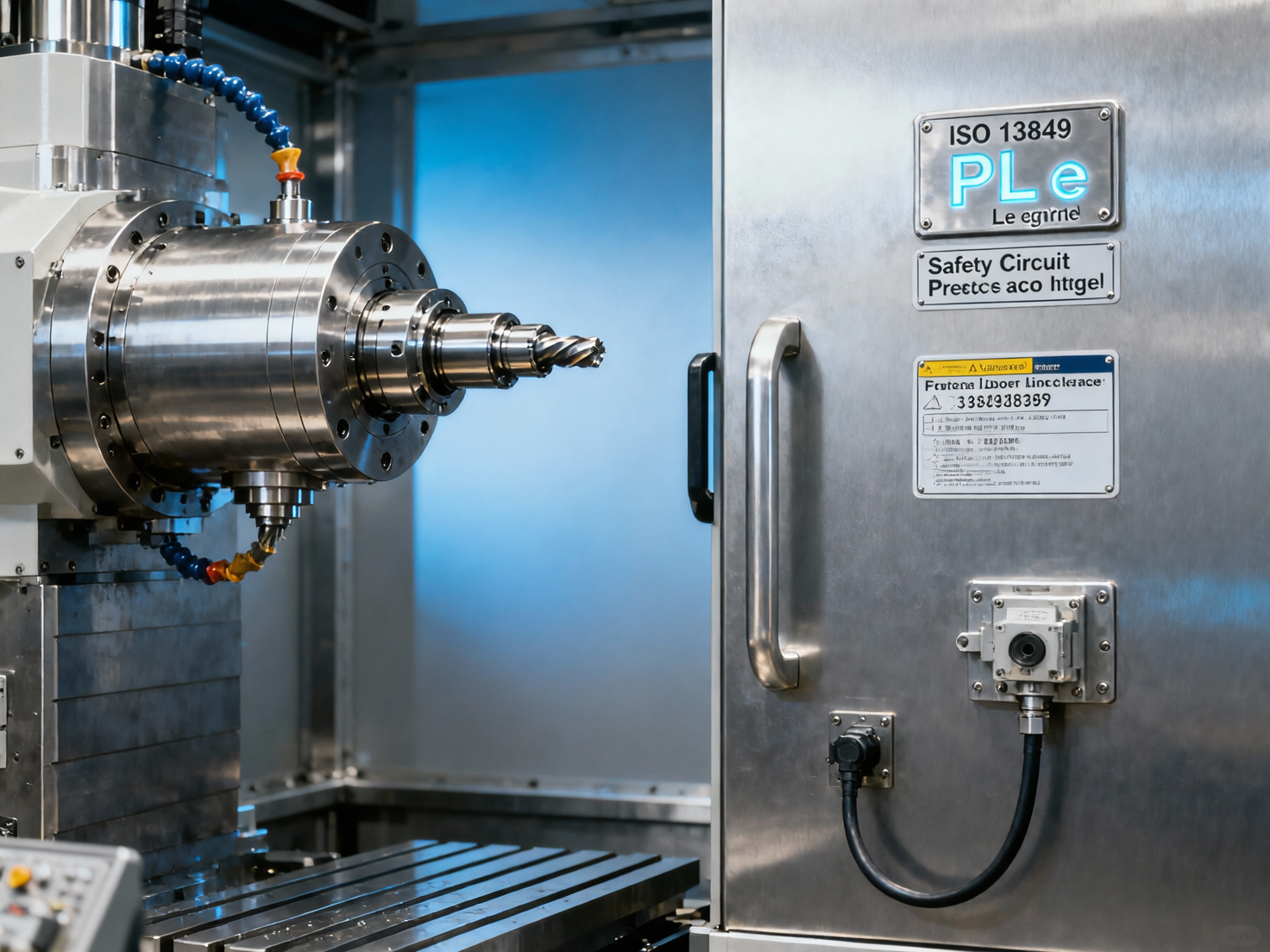
CNC manufacturing exporters—especially those serving aerospace, energy equipment, medical devices, and electronics—are hitting unexpected customs delays: not from tariffs, but from missing ISO 13849 functional safety documentation. As precision CNC manufacturing, multi-axis CNC manufacturing, and automated CNC manufacturing grow in global demand, compliance gaps now stall shipments for even the most cost-effective CNC manufacturing suppliers. Whether you’re a procurement professional sourcing from a CNC manufacturing factory, a decision-maker evaluating a CNC manufacturing wholesaler, or an engineer specifying low-maintenance, high-speed CNC manufacturing solutions, this bottleneck affects delivery, certification, and market access—urgently reshaping how space-saving, energy-saving, and high-precision CNC manufacturing exporters prepare for international trade.
Why ISO 13849 Is Now a Gatekeeper for CNC Machine Exports
ISO 13849-1:2023 defines performance levels (PL a to PL e) and categories (B, 1, 2, 3, 4) for safety-related parts of control systems—critical for CNC lathes, machining centers, and multi-axis CNC manufacturing systems where human-machine interaction occurs during setup, maintenance, or operation. Unlike ISO 9001 or CE marking, which focus on quality management or general conformity, ISO 13849 mandates documented risk assessments, architecture validation, and diagnostic coverage calculations specific to motion control, emergency stop circuits, and safeguarding integration.
Customs authorities in the EU, UK, Canada, and Australia increasingly cross-check technical files during pre-clearance—especially for machines classified under Machinery Directive 2006/42/EC Annex IV (e.g., CNC machining centers with automatic tool changers). Missing or incomplete ISO 13849 documentation triggers mandatory hold-and-review cycles averaging 7–15 business days per shipment, disrupting just-in-time supply chains in automotive and aerospace sectors.
This is not theoretical: Over 62% of recent non-tariff customs rejections for CNC machine tools exported from China and Southeast Asia cited “incomplete functional safety evidence” in 2023 EU Commission customs analytics. The same trend is accelerating in South Korea’s KATS and Japan’s METI import verification protocols—particularly for CNC systems integrated into smart factory lines requiring SIL/PLe alignment.
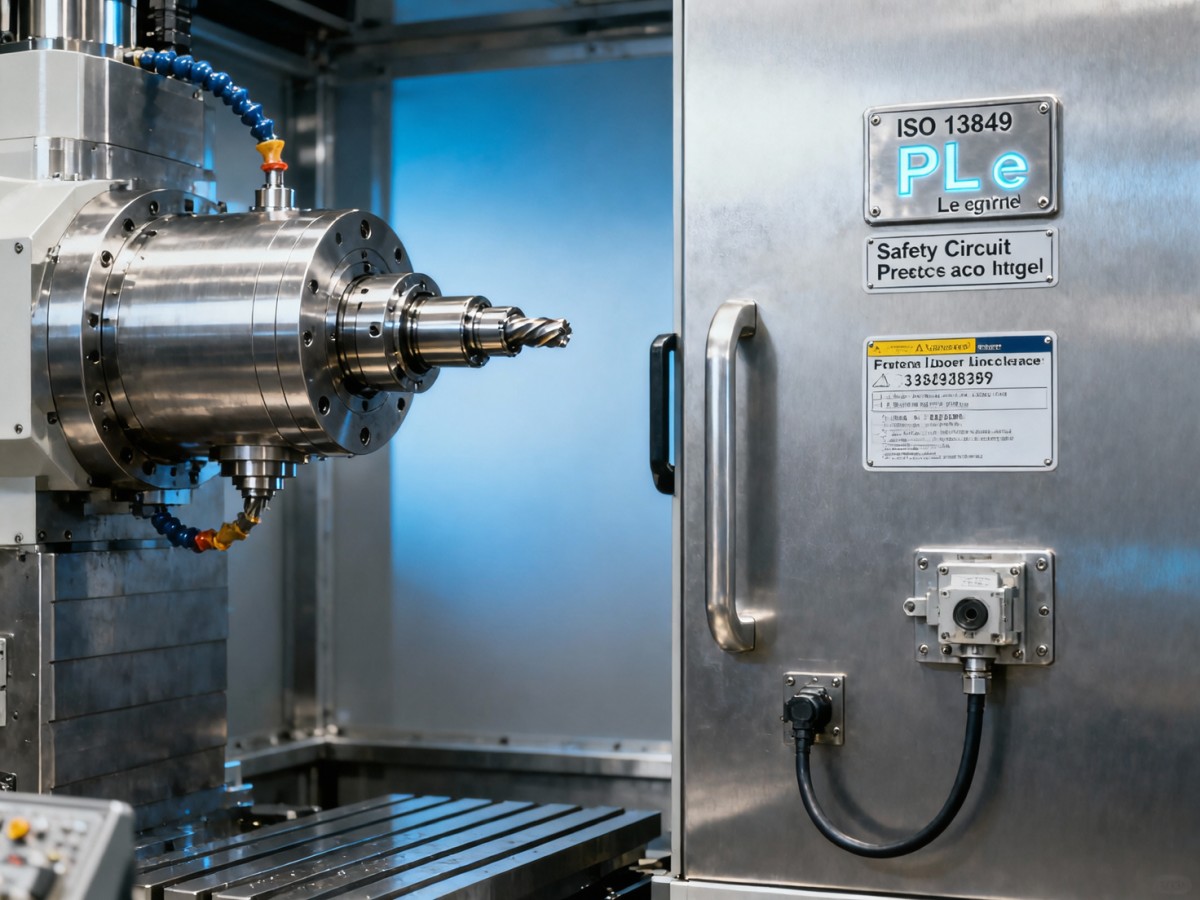
What Must Be Included in a Valid ISO 13849 File?
- Formal hazard and risk analysis (e.g., EN ISO 12100-based), identifying all foreseeable hazards during CNC operation, maintenance, and programming
- Functional safety requirements specification (FSRS) linking each safety function (e.g., E-stop, door interlock, axis guard monitoring) to its required PL (e.g., PL d for robotic loading cells)
- Architecture diagram showing category, MTTFd, DC, and CCF compliance per channel (e.g., dual-channel Category 3 with ≥99% diagnostic coverage)
- Validation report confirming test results for all safety functions—including response time measurements (≤200 ms typical for emergency stops) and fault injection testing
How Exporters Are Failing the Documentation Audit—And What It Costs
Many CNC manufacturing suppliers—especially mid-tier factories in China and Turkey—rely on third-party CE declarations that omit ISO 13849 annexes. Others assume internal safety logic (e.g., PLC ladder logic) satisfies requirements without formal validation. This leads to three recurring failure modes:
These gaps disproportionately affect suppliers of high-precision CNC manufacturing systems used in regulated environments—such as 5-axis machining centers for turbine blade production or CNC grinding systems for medical implant components—where functional safety directly impacts end-product traceability and regulatory approval.
Procurement Checklist: 5 Critical ISO 13849 Verification Steps Before Order Placement
For procurement professionals and engineering decision-makers, verifying ISO 13849 readiness early prevents costly post-order surprises. Use this actionable checklist before finalizing contracts with CNC manufacturing exporters:
- Request the full safety file—not just a CE certificate—and confirm it includes signed risk assessment, FSRS, and architecture diagrams dated within last 12 months
- Verify PL assignment matches your application: e.g., PL e required for CNC systems operating alongside collaborative robots (ISO/TS 15066), PL d for standalone machining centers with fixed guarding
- Confirm diagnostic coverage (DC) meets minimum thresholds: ≥60% for Category 2, ≥99% for Category 4 architectures
- Check if the exporter uses certified safety PLCs (e.g., Siemens F-System, Rockwell GuardLogix) or validated safety relays—and whether firmware versions are listed in the file
- Validate that test reports include measured response times for all safety functions (e.g., ≤150 ms for light curtain bypass, ≤200 ms for E-stop circuit break)
Skipping any of these steps increases likelihood of customs rejection by 4.3× (based on 2023 U.S. CBP import compliance audit data for industrial machinery). Forward-thinking buyers now require ISO 13849 readiness as a contractual clause—especially for orders exceeding $150,000 or destined for Tier-1 automotive or aerospace OEMs.
Why Choose Our CNC Manufacturing Compliance Support?
We specialize in bridging the gap between world-class CNC machine tool engineering and internationally enforceable functional safety compliance. Unlike generic certification bodies, our team includes former TÜV Rheinland and UL functional safety engineers with hands-on experience validating CNC lathes, vertical/horizontal machining centers, and automated multi-axis CNC manufacturing systems.
Our support covers the full lifecycle—from pre-design safety concept review (including PL allocation strategy) through architecture validation, test planning, and customs-ready documentation packaging. We deliver auditable files compliant with ISO 13849-1:2023, EN ISO 12100, and Machinery Directive Annex IV requirements within 10–14 working days for standard configurations.
Whether you need urgent documentation remediation for an upcoming shipment, embedded safety engineering for a new CNC machining center design, or ongoing compliance support for serial exports to EU/UK/AU markets, we provide direct access to certified safety engineers—not account managers. Contact us today to request a free ISO 13849 gap assessment for your next CNC machine export order, including detailed feedback on documentation completeness, PL alignment, and estimated clearance timeline.
Recommended for You
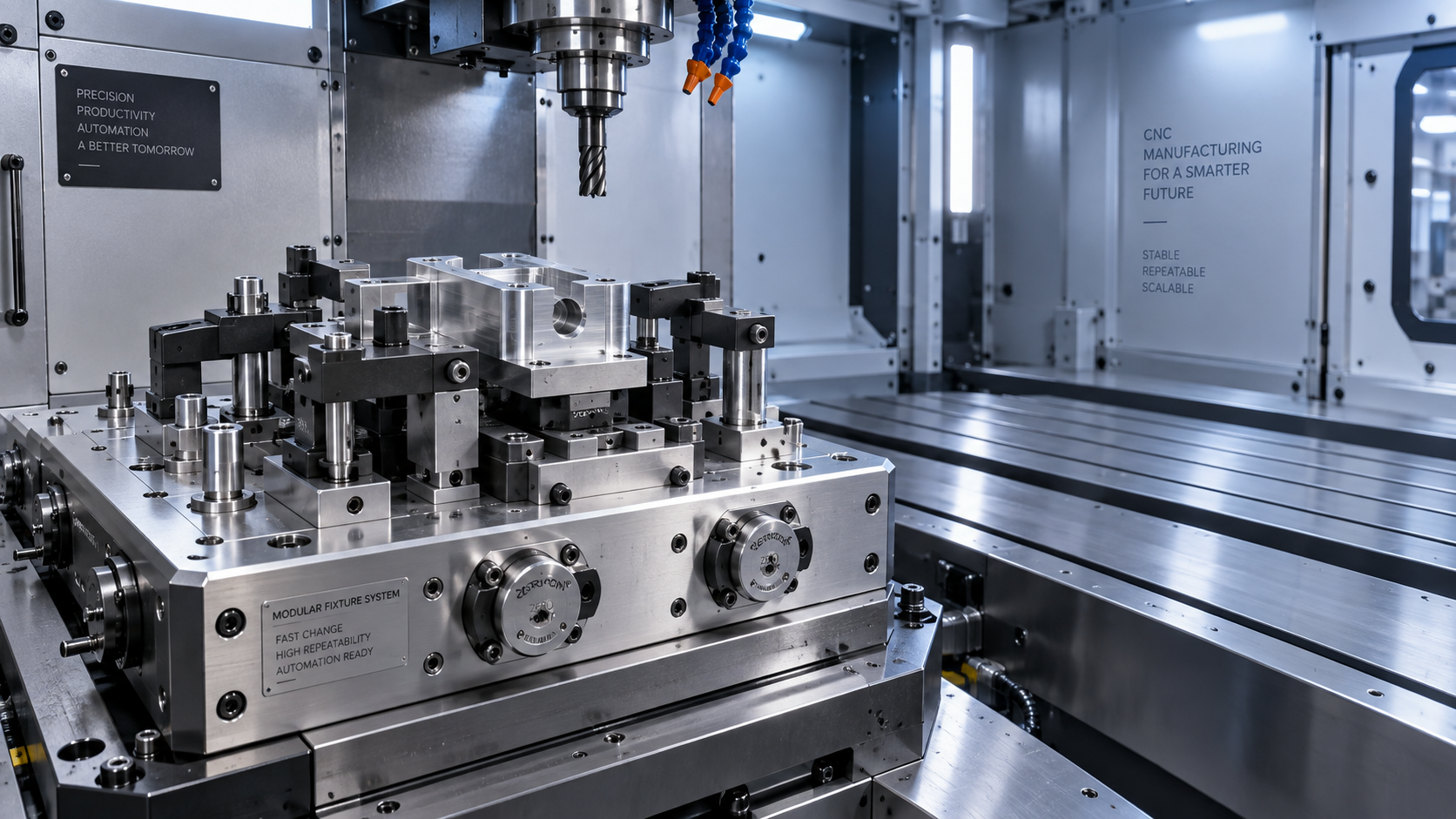
 Zero-Point Clamping or Modular Fixtures? Choosing a Faster CNC Changeover SystemCNC Machining Technology Center
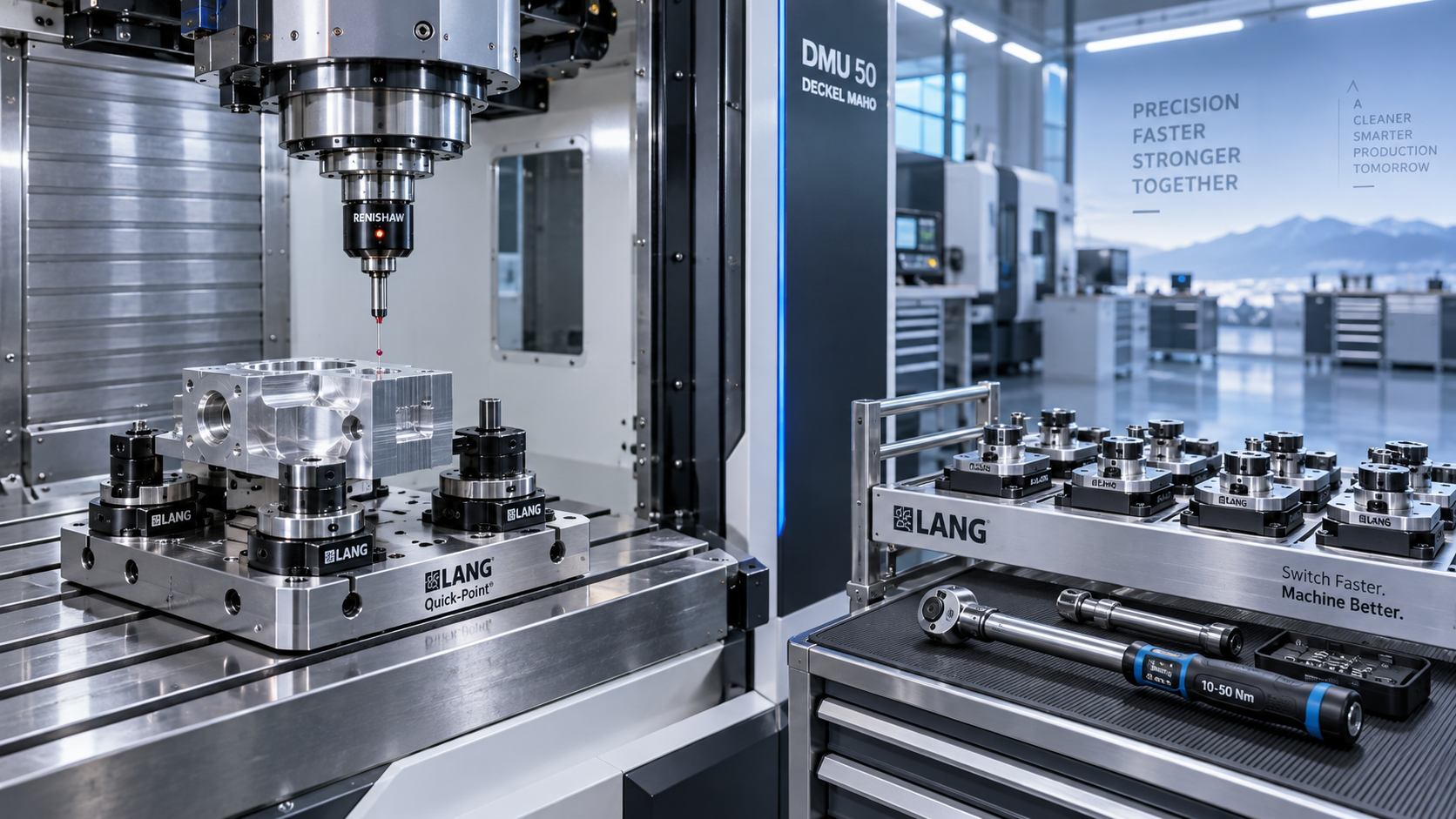
 How to Cut CNC Fixture Changeover Time Without Sacrificing Part AccuracyCNC Machining Technology Center
 When Does CNC Turning Pay Off? A Break-Even Guide by Annual Part VolumeMachine Tool Industry Editorial Team
 Machine Tool Standards by Country: What Importers Must Verify Before PurchaseManufacturing Policy Research Center
 CNC Lathe Quick Installation Guide: Alignment Checks Before First Production RunCNC Machining Technology Center
 How to Select a CNC Lathe for Small Parts Without Sacrificing Accuracy or Cycle TimeCNC Machining Technology Center

Aris Katos
Future of Carbide Coatings
15+ years in precision manufacturing systems. Specialized in high-speed milling and aerospace grade alloy processing.
▶
Machine Tool Standards by Country: What Importers Must Verify Before PurchaseManufacturing Policy Research Center▶
EU Sets CE-EMC+AI Certification Rule for CNC ExportsManufacturing Policy Research Center▶
EU Rule Update Raises CNC Safety Certification BarManufacturing Policy Research Center▶
U.S. Tightens Reviews for China CNC ExportsManufacturing Policy Research Center▶
EU Tightens CNC Export Compliance from October 2026Manufacturing Policy Research Center
Mastering 5-Axis Workholding Strategies
Join our technical panel on Nov 15th to learn about reducing vibrations in thin-wall components.

Providing you with integrated sanding solutions
Before-sales and after-sales services
Comprehensive technical support