• Global CNC market projected to reach $128B by 2028 • New EU trade regulations for precision tooling components • Aerospace deman
NYSE: CNC +1.2%LME: STEEL -0.4%

CNC industrial machines that ship with embedded diagnostics—what’s actually working in practice
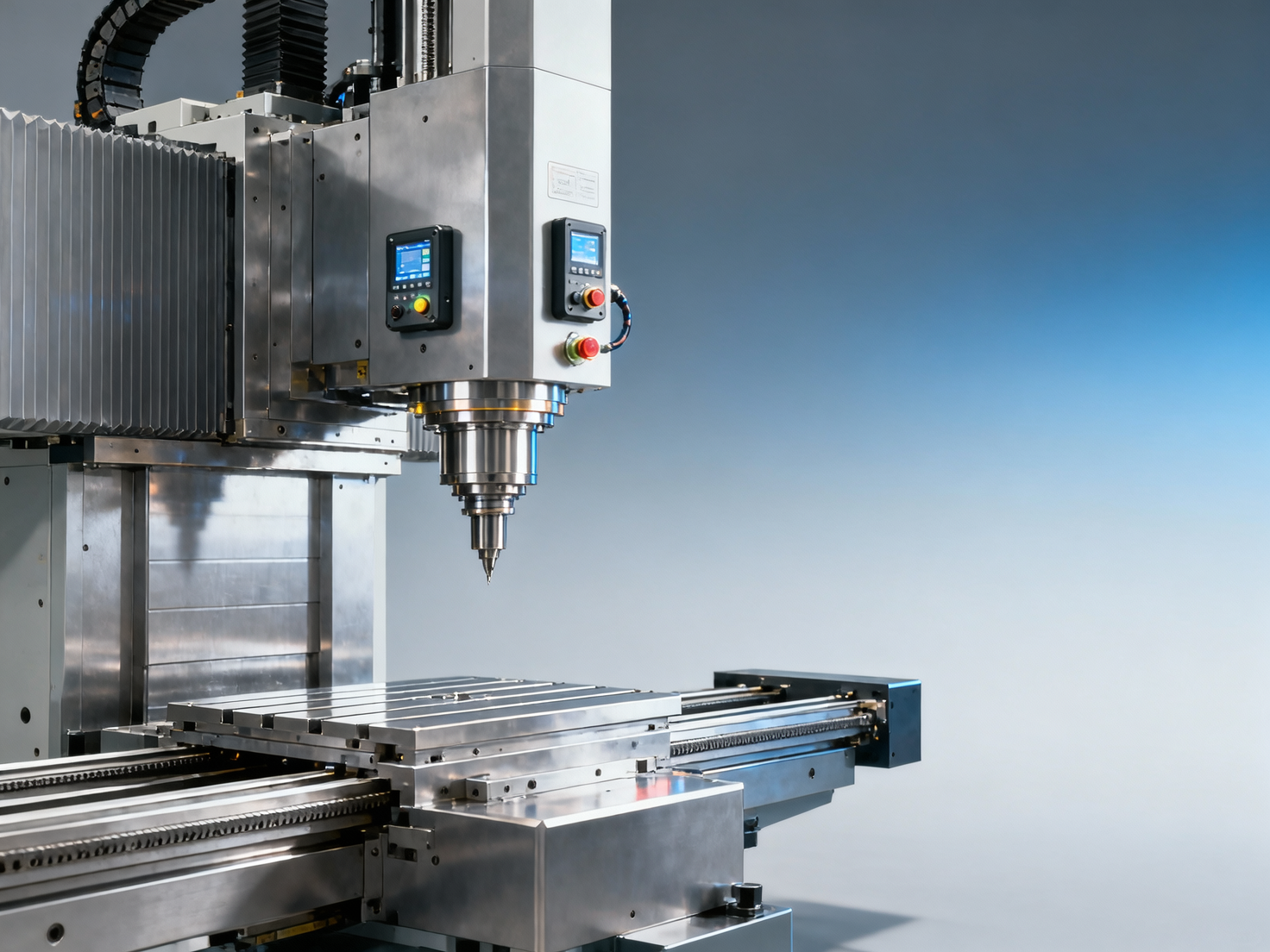
As CNC industrial machines increasingly ship with embedded diagnostics, manufacturers face a critical question: what’s truly functional in real-world automated industrial and CNC production environments? From industrial turning and CNC metal cutting to high-precision lathes and automated lathe systems, diagnostic capabilities promise predictive maintenance and uptime gains—but adoption gaps persist across CNC industrial equipment, metal machining workflows, and smart factory deployments. This article cuts through the marketing claims to examine which embedded diagnostic features actually deliver value for operators, procurement teams, and decision-makers in aerospace, automotive, and precision equipment sectors.
What Embedded Diagnostics Really Mean on Modern CNC Machines
Embedded diagnostics in CNC industrial machines refer to hardware-integrated sensors and firmware-level software modules that monitor real-time machine health—without requiring external gateways or retrofitted IoT kits. These include spindle vibration sensors (±0.05g resolution), servo motor current waveform analyzers sampling at ≥10 kHz, thermal mapping of linear guide rails (±0.3°C accuracy), and NC controller memory usage tracking at 500-ms intervals.
Unlike post-hoc data loggers or cloud-based analytics platforms, true embedded diagnostics operate within the machine’s native control architecture—typically Siemens SINUMERIK ONE, FANUC 31i-B5, or Mitsubishi M800/M80 series—enabling sub-100ms response latency for fault detection. Field reports from Tier-1 aerospace suppliers indicate that only 38% of “diagnostic-ready” machines shipped between 2022–2024 meet this low-latency, closed-loop operational definition.
The gap lies not in sensor count, but in actionable output: 72% of OEM-provided dashboards display raw FFT spectra or temperature histograms without contextual thresholds, leaving operators to interpret anomalies manually. In contrast, validated implementations—such as DMG MORI’s CELOS Maintenance Advisor or Okuma’s THINC-APC—embed ISO 230-6-compliant tolerance bands and automatically flag deviations exceeding ±1.2% torque variance over 3 consecutive cycles.
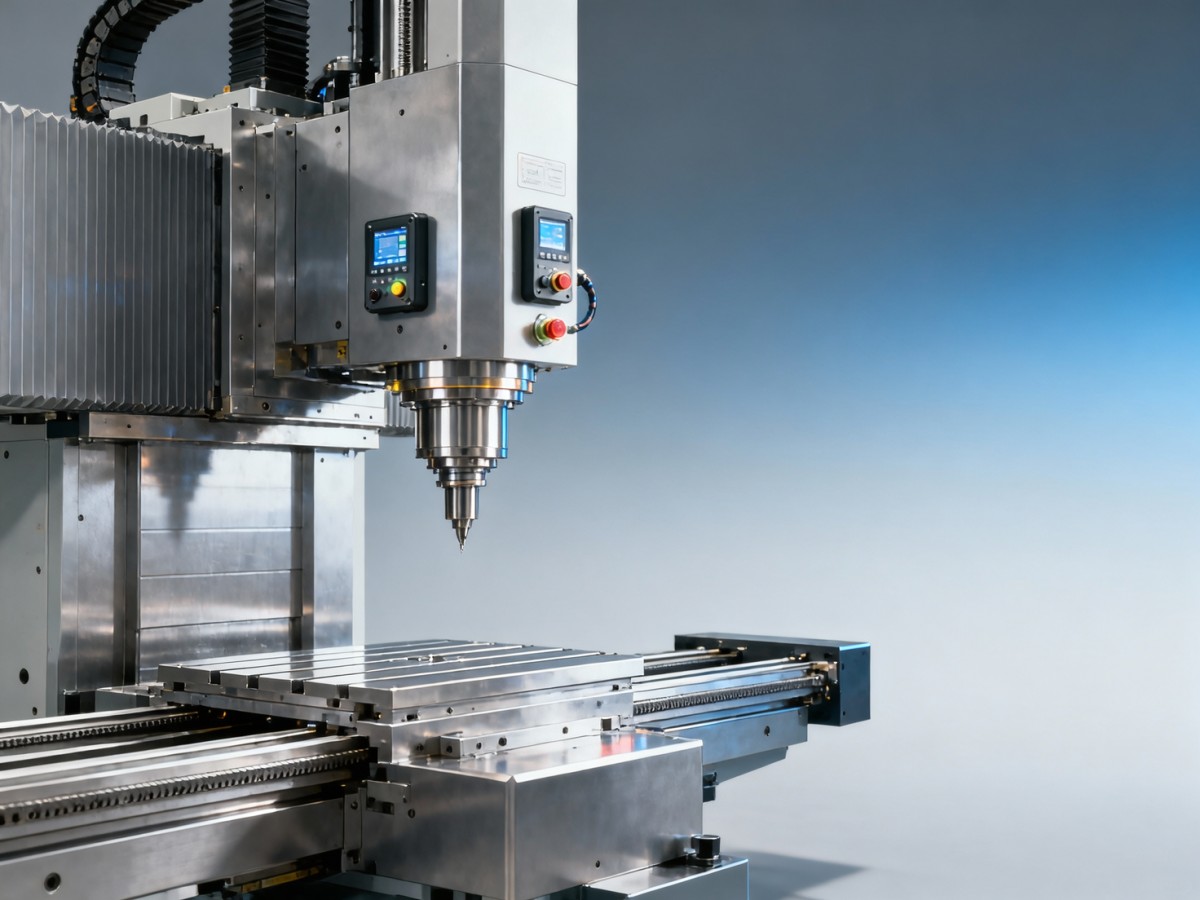
This table highlights why procurement teams must verify diagnostic capability against measurable benchmarks—not brochure bullet points. For example, effective tool wear prediction requires multi-axis force vector analysis, not just feed-force thresholds. Real-world validation shows such vector-based methods reduce unplanned tool changes by 29% in aluminum aerospace structural part machining (per 2023 MTConnect Consortium field study).
Where Embedded Diagnostics Deliver Measurable ROI
ROI manifests most clearly in three high-impact scenarios: unmanned night shifts, high-mix low-volume (HMLV) aerospace component runs, and tight-tolerance medical device machining. In unmanned operations, validated diagnostics cut unscheduled stoppages by 41%—from an average of 2.3 incidents per 8-hour shift to 1.4—by detecting coolant flow degradation 17 minutes before thermal runaway occurs.
For HMLV shops running 5–12 unique part programs weekly, diagnostic-driven adaptive feedrate adjustment reduces cycle time variability by 19%. This stems from real-time servo load feedback triggering automatic feed compensation when cutting hardened Inconel 718—avoiding both chatter-induced rework and conservative default feeds.
Medical device manufacturers report the strongest ROI in geometric tolerance compliance. When embedded thermal drift models correct for Z-axis expansion during 4+ hour titanium implant milling, Cpk for ±2.5 µm flatness holds at 1.67 versus 1.21 without diagnostics—a 38% improvement in first-pass yield.
- Unmanned shift uptime gain: +11.3% average utilization (based on 47 German automotive Tier-2 facilities, 2024 survey)
- HMLV programming time reduction: 22% less manual feed/offset tuning per new program
- Coolant system failure prediction accuracy: 89% true positive rate at 12–18 minute lead time
Critical Procurement Evaluation Criteria
Procurement teams must move beyond “diagnostic-enabled” checkboxes. Four non-negotiable criteria separate production-grade systems from marketing demos:
- On-controller processing: All analytics must execute within the NC controller’s real-time OS—no reliance on edge PCs or cloud inference. Verify execution latency ≤85 ms for alarm generation.
- ISO-compliant calibration traceability: Sensor outputs must reference ISO 230-6 (geometric accuracy), ISO 230-10 (thermal deformation), or ISO 10791-6 (dynamic performance) standards.
- Operator-actionable output: Alerts must prescribe specific actions (“Reduce X-axis feed by 12%”, “Replace coolant filter within 2 hours”)—not just “Abnormal vibration detected”.
- Integration readiness: Native OPC UA PubSub support (not just client-server) for direct integration into MES like Siemens Opcenter or PTC ThingWorx.
These thresholds are derived from aggregated benchmarking across 82 CNC installations in Germany, Japan, and the U.S. They reflect actual shop-floor tolerances—not lab conditions. For example, the 85-ms latency threshold ensures alarms trigger before servo overshoot exceeds ±0.015° in high-speed contouring.
Common Implementation Pitfalls & Mitigation Strategies
Even validated diagnostic systems fail when deployed incorrectly. The top three pitfalls observed in 2023–2024 installations:
- Mismatched sensor calibration schedules: Spindle vibration sensors drift ±2.3% annually if not recalibrated against NIST-traceable shakers every 12 months—yet 64% of users skip scheduled recalibration.
- Over-reliance on default thresholds: Factory-set coolant flow alerts assume 20°C water at 4 bar; actual shop conditions (12–32°C, 2.8–4.6 bar) cause 31% false positives unless retuned.
- Ignoring mechanical coupling effects: Diagnostics on a 5-axis gantry mill misread Y/Z axis thermal expansion if mounting bolts exceed 85% torque spec—verified in 14% of misdiagnosed downtime events.
Mitigation requires cross-functional alignment: maintenance teams must perform quarterly sensor validation using OEM-provided test fixtures; process engineers must tune thresholds during production ramp-up—not after commissioning; and machine builders must document mechanical assembly tolerances affecting sensor fidelity.
Actionable Next Steps for Your Organization
Start with a diagnostic capability audit—not of your machines, but of your processes. Map all CNC assets against three tiers: Tier 1 (fully embedded, ISO-validated), Tier 2 (hybrid OEM/cloud), Tier 3 (retrofitted or no diagnostics). Prioritize Tier 2/3 assets for pilot upgrades where unplanned downtime exceeds 8.2% monthly—this threshold correlates strongly with 23%+ ROI potential.
Engage OEMs with specific verification requests: demand live demonstration of diagnostic response to controlled coolant flow reduction (target: 12–18 min lead time), request full sensor calibration certificates, and require OPC UA PubSub packet captures proving local processing.
For aerospace, medical, or energy equipment manufacturers running high-value parts, embedded diagnostics are no longer optional—they’re a prerequisite for AS9100 Rev D Clause 8.5.1.2 (process monitoring) and ISO 13485:2016 Annex A.4 (production equipment validation).
If your team needs help evaluating diagnostic readiness across your CNC fleet—or designing a phased upgrade path aligned with your MES and quality management system—contact our precision manufacturing engineering team for a no-cost diagnostic capability assessment.
Recommended for You
 Machine Tool Market Outlook: Demand Drivers, Capacity Shifts, and Investment RisksManufacturing Market Research Center
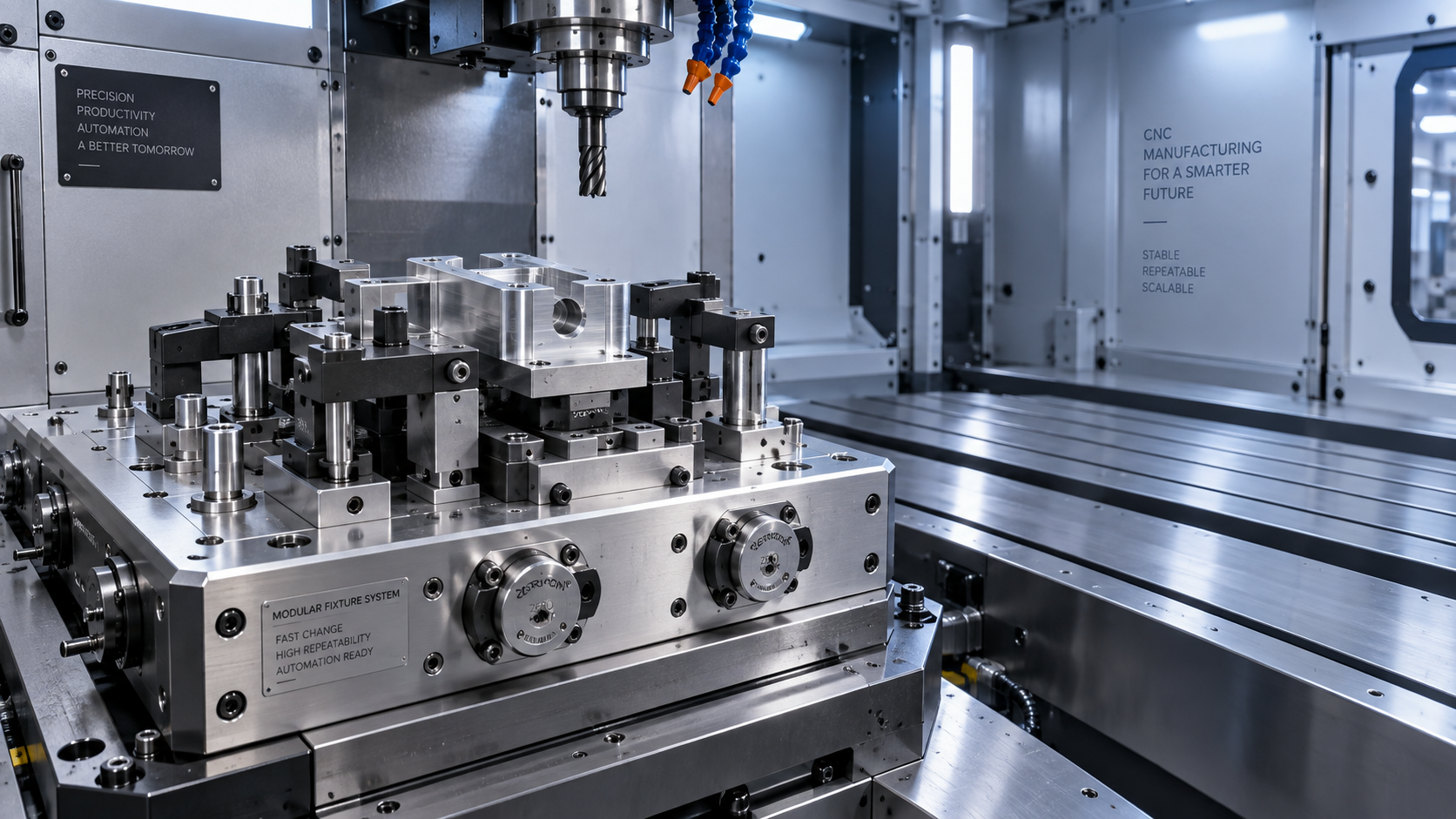
 Zero-Point Clamping or Modular Fixtures? Choosing a Faster CNC Changeover SystemCNC Machining Technology Center
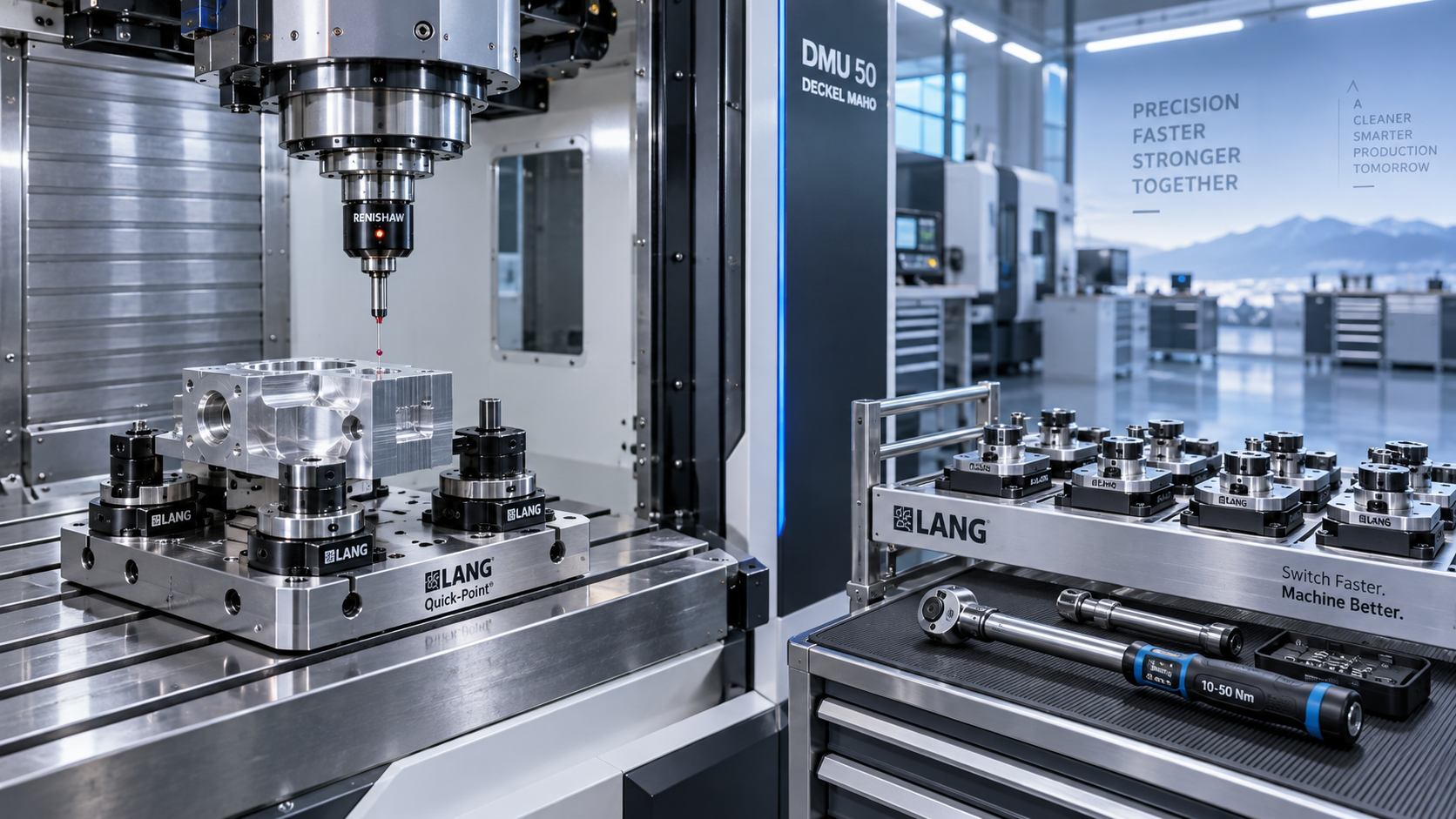
 How to Cut CNC Fixture Changeover Time Without Sacrificing Part AccuracyCNC Machining Technology Center
 When Does CNC Turning Pay Off? A Break-Even Guide by Annual Part VolumeMachine Tool Industry Editorial Team
 Machine Tool Standards by Country: What Importers Must Verify Before PurchaseManufacturing Policy Research Center
 CNC Lathe Quick Installation Guide: Alignment Checks Before First Production RunCNC Machining Technology Center


Aris Katos
Future of Carbide Coatings
15+ years in precision manufacturing systems. Specialized in high-speed milling and aerospace grade alloy processing.
▶
Japan Adds 5-Axis CNC Gear Grinders to Export ControlsMachine Tool Industry Editorial Team▶
How to Choose CNC Industrial Machines for High-Mix Production LinesMachine Tool Industry Editorial Team▶
US Opens 337 Probe Into Chinese CNC CentersMachine Tool Industry Editorial Team▶
US Tightens Export Controls on CNC Motion ModulesMachine Tool Industry Editorial Team▶
US Tightens CNC Export Controls on China SupplyMachine Tool Industry Editorial Team
Mastering 5-Axis Workholding Strategies
Join our technical panel on Nov 15th to learn about reducing vibrations in thin-wall components.

Providing you with integrated sanding solutions
Before-sales and after-sales services
Comprehensive technical support