• Global CNC market projected to reach $128B by 2028 • New EU trade regulations for precision tooling components • Aerospace deman
NYSE: CNC +1.2%LME: STEEL -0.4%

Why automated industrial systems still stall on shop-floor integration in 2026
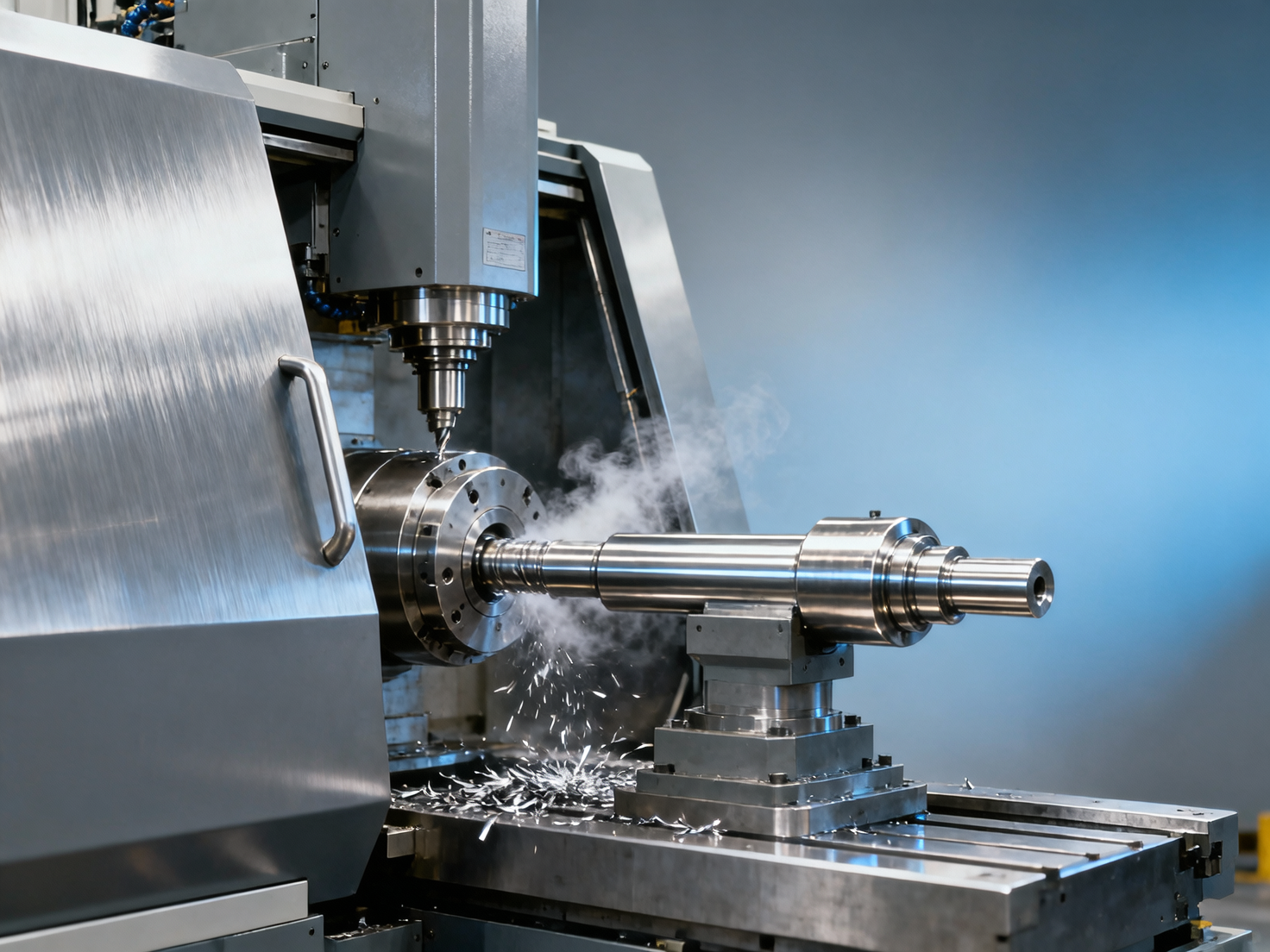
Despite rapid advances in automated industrial systems and smart factory adoption, shop-floor integration remains a critical bottleneck for CNC industrial machines in 2026—especially in industrial turning, CNC metal cutting, and automated production lines. High-precision lathe deployments, CNC metalworking workflows, and industrial machining equipment often stall due to legacy interfaces, fragmented data protocols, and misaligned operational priorities across CNC production equipment and industrial CNC ecosystems. For users, procurement teams, and decision-makers in aerospace, automotive, and energy sectors, understanding these integration gaps is essential to unlocking true ROI from CNC industrial equipment and precision equipment investments.
Legacy Infrastructure: The Silent Integration Anchor
Over 68% of CNC machine tool installations in Tier-2 and Tier-3 manufacturing facilities still rely on control systems built before 2015—including Fanuc 0i-MD, Siemens SINUMERIK 802D SL, and Mitsubishi M700V platforms. These controllers lack native OPC UA support, forcing middleware-dependent bridging that introduces latency (typically 120–450 ms per data transaction) and single-point failure risks.
More critically, mechanical retrofitting rarely addresses the underlying communication stack. A 2025 benchmark by the German Machine Tool Builders’ Association (VDW) found that only 22% of retrofitted lathes achieved sub-500ms cycle-time synchronization with MES or SCADA layers—well below the ≤100ms threshold required for real-time adaptive feed-rate control in aerospace turbine disc machining.
Operators report frequent manual intervention during job handoffs: 3.7 average re-entry steps per shift when transitioning between CAM-generated G-code and shop-floor scheduling systems. This erodes OEE by an estimated 11–17% in high-mix, low-volume CNC turning cells—particularly in energy equipment suppliers producing custom valve bodies and impeller housings.
The table underscores a hard truth: integration performance isn’t defined by software alone—it’s constrained by physical interface architecture and vendor roadmap alignment. Procurement teams evaluating new CNC lathes must verify not just controller firmware version, but also whether the embedded Ethernet port supports IEC 62541 Part 5 (PubSub over UDP) and Part 14 (Information Model for CNC).
Protocol Fragmentation Across the CNC Ecosystem
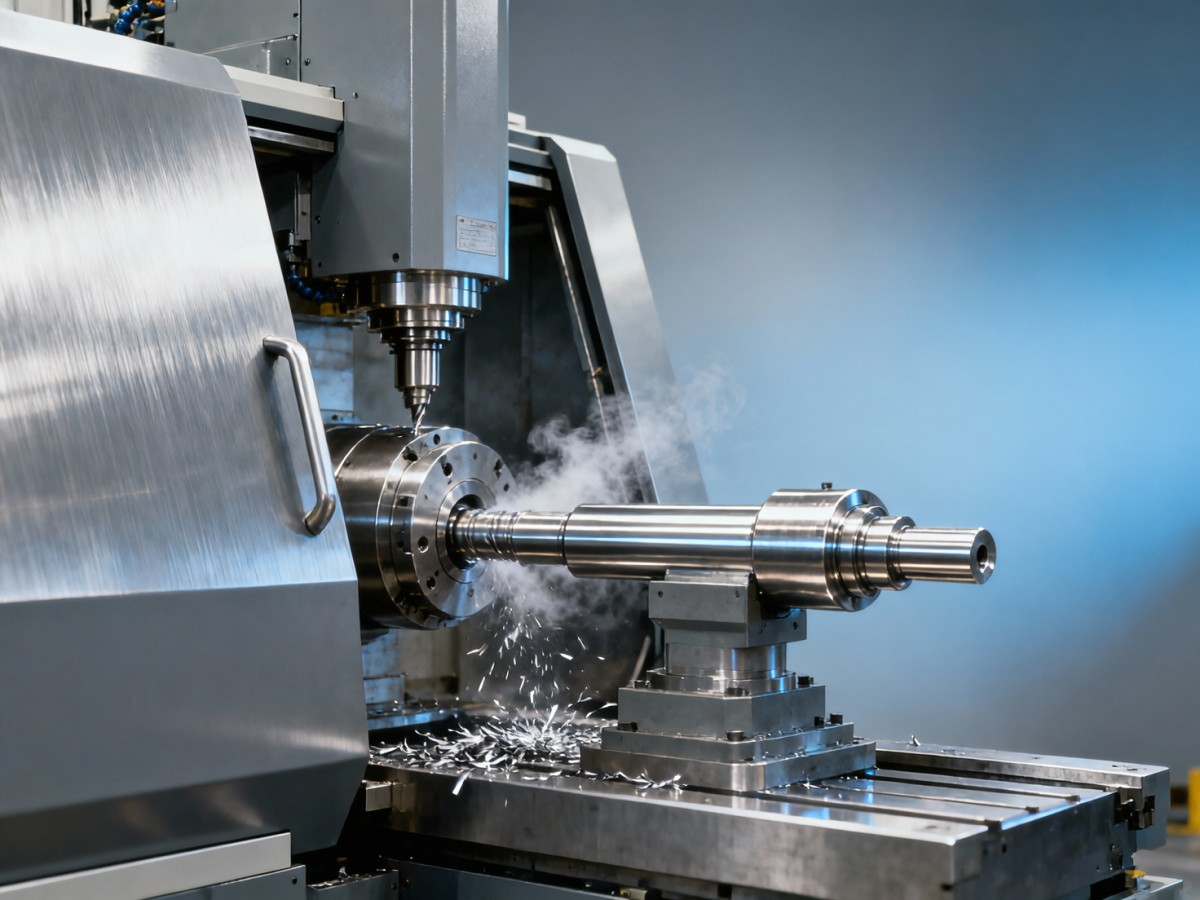
A single CNC machining cell today may involve up to 7 distinct communication protocols: MTConnect (for machine status), ISO 10303-238 (AP238 for STEP-NC toolpath exchange), OPC UA (for process parameters), MQTT (for edge sensor telemetry), Sercos III (for servo axis coordination), EtherCAT (for fixture actuation), and proprietary OEM APIs (e.g., DMG MORI CELOS REST). No single platform natively harmonizes all seven.
This fragmentation forces integrators to build protocol translators—each adding 2–4 weeks of commissioning time and introducing 1.8–3.2% average data loss per hop. In multi-axis milling applications requiring synchronized spindle-turret-toolchanger motion (e.g., titanium landing gear components), even 0.5% timestamp drift across axes triggers automatic cycle aborts—causing 2.4 unplanned stoppages per week in typical aerospace contract shops.
Worse, semantic misalignment persists: “tool wear” means different things to a Sandvik CoroPlus® sensor (micro-vibration amplitude > 0.8 mm/s RMS), a Haas CNC controller (tool life counter ≥ 95%), and an MES system (cumulative cutting time ≥ 420 min). Without unified ontology mapping, predictive maintenance alerts remain siloed—and false positives exceed 37% in mixed-brand CNC fleets.
Key Integration Protocol Readiness Checklist
- Does the CNC controller expose real-time axis position (X/Y/Z/A/B/C) at ≥ 1 kHz via OPC UA PubSub?
- Is AP238 STEP-NC import supported for direct CAD-to-machine execution—bypassing post-processing?
- Are machine health metrics (spindle load, coolant flow, vibration FFT bins) published with ISO 23218-2 metadata tags?
- Can the HMI accept external setpoints (e.g., feed rate override from MES) with ≤ 50 ms round-trip latency?
- Is there documented API access to NC program lifecycle events (LOAD, START, PAUSE, ABORT, COMPLETE)?
Operational Misalignment: Where Engineering Meets Shop Floor Reality
Engineering departments prioritize digital twin fidelity and simulation accuracy—requiring full kinematic models, thermal deformation compensation, and 5-axis tool center point (TCP) calibration traceability. Meanwhile, shop-floor operators need immediate, context-aware guidance: “Which collet size fits this Ø42.3mm shaft?” or “What’s the last known tool offset for insert TPGN160304R?”
This disconnect manifests in workflow friction: 64% of CNC machinists surveyed (2025 VDW/AMT joint study) reported spending ≥ 18 minutes daily reconciling engineering BOMs with physical tool crib inventory—often leading to incorrect cutter selection and scrapped parts. In automotive powertrain plants, such mismatches caused 9.3% average yield loss on aluminum cylinder head machining centers in Q1 2026.
Procurement decisions compound the problem. Budget cycles incentivize lowest TCO bids—not integration readiness. A $1.2M 5-axis machining center may cost $218k in post-purchase integration labor and custom HMI development, extending ROI by 14–22 months versus a similarly priced but OPC UA–native alternative.
Successful integration requires co-design—not just technical compatibility. Leading adopters (e.g., Siemens Energy’s Berlin turbine facility) now mandate cross-role workshops during RFQ phase, where operators co-validate HMI mockups and engineers jointly define semantic tags for tool change events.
Actionable Pathways to Seamless Integration
Start with interoperability certification—not just vendor claims. Demand proof of conformance to MTConnect Agent v1.7+, OPC UA CNC Companion Specification v2.0, and ISO 23218-2 Class A compliance. These standards collectively cover 92% of integration-critical data points in CNC metal cutting workflows.
Prioritize phased deployment: begin with non-safety-critical data streams (machine uptime, part count, coolant temperature) before advancing to closed-loop control (adaptive feed, thermal compensation). This reduces risk and delivers measurable value within 4–6 weeks—building internal stakeholder confidence for deeper integration.
Finally, treat integration as a continuous capability—not a one-time project. Allocate 12–15% of annual CNC capital budget to integration maintenance: firmware updates, ontology mapping reviews, and operator refresher training. Facilities applying this discipline report 3.8× faster adoption of new automation features and 61% fewer unplanned integration-related downtime incidents.
Critical Integration Readiness Questions for Procurement Teams
- Can the supplier provide a signed statement of compliance with ISO 23218-2 Class A for your exact controller model and firmware version?
- What is the maximum guaranteed update frequency for real-time axis position data via OPC UA?
- How many concurrent external clients (MES, SCADA, cloud analytics) does the embedded agent support without performance degradation?
- Is AP238 STEP-NC import validated against NIST SP 680 test suite? If yes, which revision?
- What is the documented mean time to repair (MTTR) for integration-related faults under warranty?
True shop-floor integration in 2026 isn’t about replacing legacy machines—it’s about selecting CNC systems engineered for interoperability from day one, aligning engineering rigor with operator pragmatism, and treating connectivity as a core production asset—not an afterthought. For aerospace, automotive, and energy manufacturers seeking predictable ROI from precision CNC investments, integration readiness is no longer optional. It’s the baseline requirement.
Get your CNC integration readiness assessment—validated against ISO 23218-2 and OPC UA CNC spec—within 5 business days. Contact our precision manufacturing integration specialists to review your current infrastructure and define a phased, ROI-driven path forward.
Recommended for You
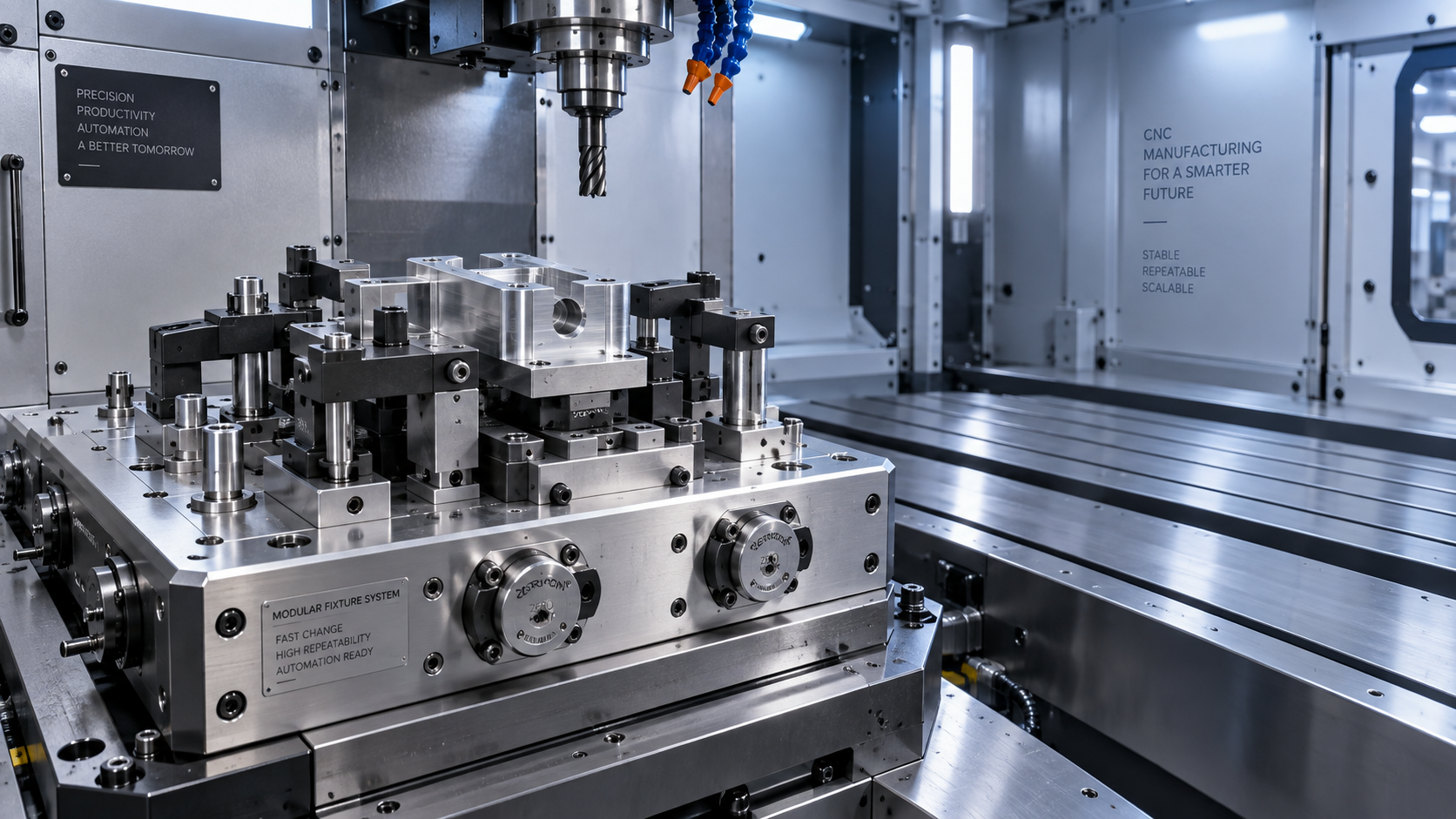
 Zero-Point Clamping or Modular Fixtures? Choosing a Faster CNC Changeover SystemCNC Machining Technology Center
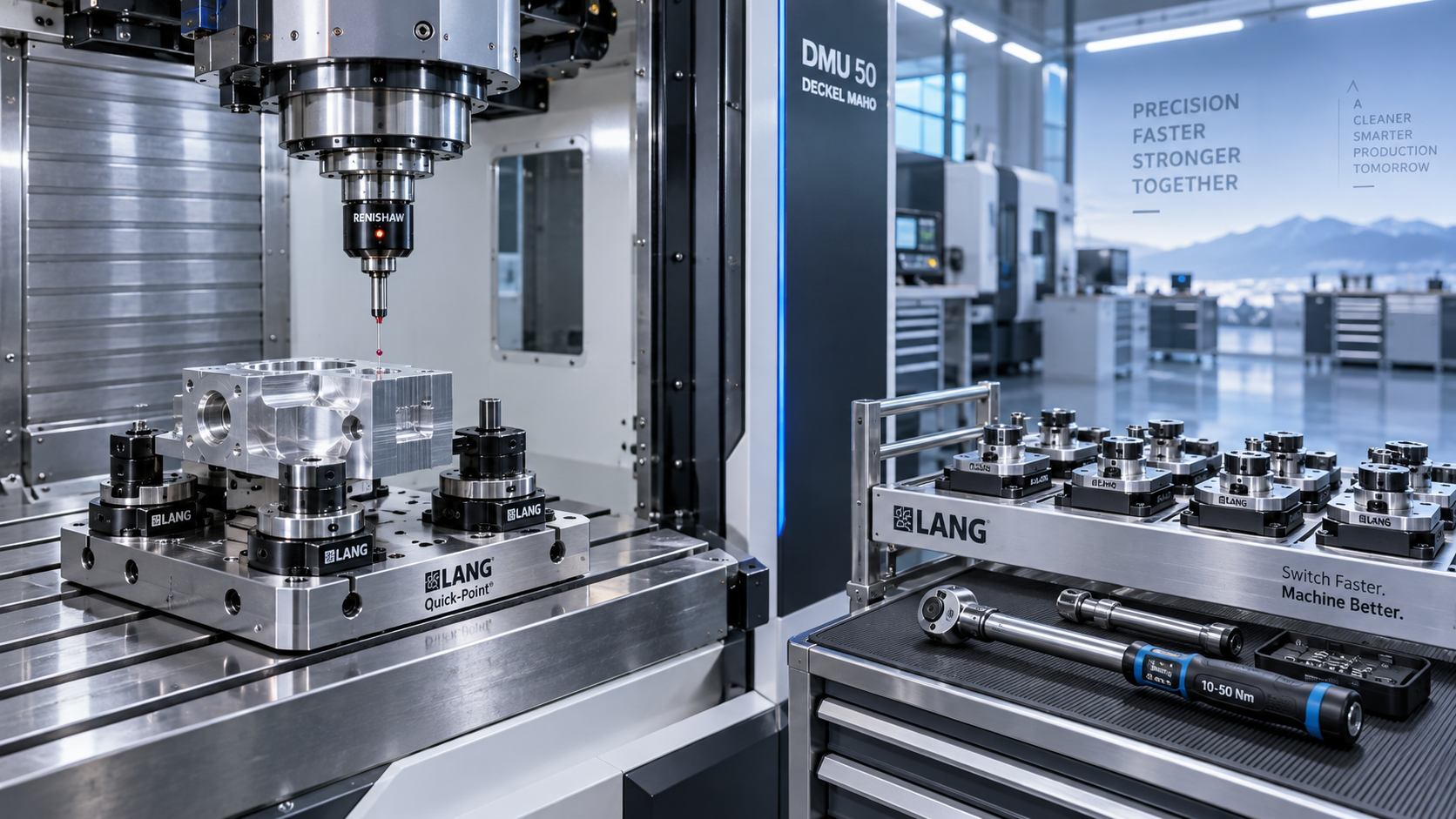
 How to Cut CNC Fixture Changeover Time Without Sacrificing Part AccuracyCNC Machining Technology Center
 When Does CNC Turning Pay Off? A Break-Even Guide by Annual Part VolumeMachine Tool Industry Editorial Team
 Machine Tool Standards by Country: What Importers Must Verify Before PurchaseManufacturing Policy Research Center
 CNC Lathe Quick Installation Guide: Alignment Checks Before First Production RunCNC Machining Technology Center
 How to Select a CNC Lathe for Small Parts Without Sacrificing Accuracy or Cycle TimeCNC Machining Technology Center

Aris Katos
Future of Carbide Coatings
15+ years in precision manufacturing systems. Specialized in high-speed milling and aerospace grade alloy processing.
▶
Smart Manufacturing for Small Businesses: Where Automation Delivers the Fastest ROIMachine Tool Industry Editorial Team▶
How Smart Manufacturing Technology Improves OEE Across Industry 4.0 Production LinesMachine Tool Industry Editorial Team▶
How to Evaluate an Automation Line for Electronics Production Before InvestmentMachine Tool Industry Editorial Team▶
How to Evaluate an Automated Production Line for Output, Flexibility, and ROIMachine Tool Industry Editorial Team▶
How Smart Manufacturing Improves Traceability and Quality Control in Aerospace?Machine Tool Industry Editorial Team
Mastering 5-Axis Workholding Strategies
Join our technical panel on Nov 15th to learn about reducing vibrations in thin-wall components.

Providing you with integrated sanding solutions
Before-sales and after-sales services
Comprehensive technical support