• Global CNC market projected to reach $128B by 2028 • New EU trade regulations for precision tooling components • Aerospace deman
NYSE: CNC +1.2%LME: STEEL -0.4%

What Buyers Miss When Comparing CNC Production Equipment
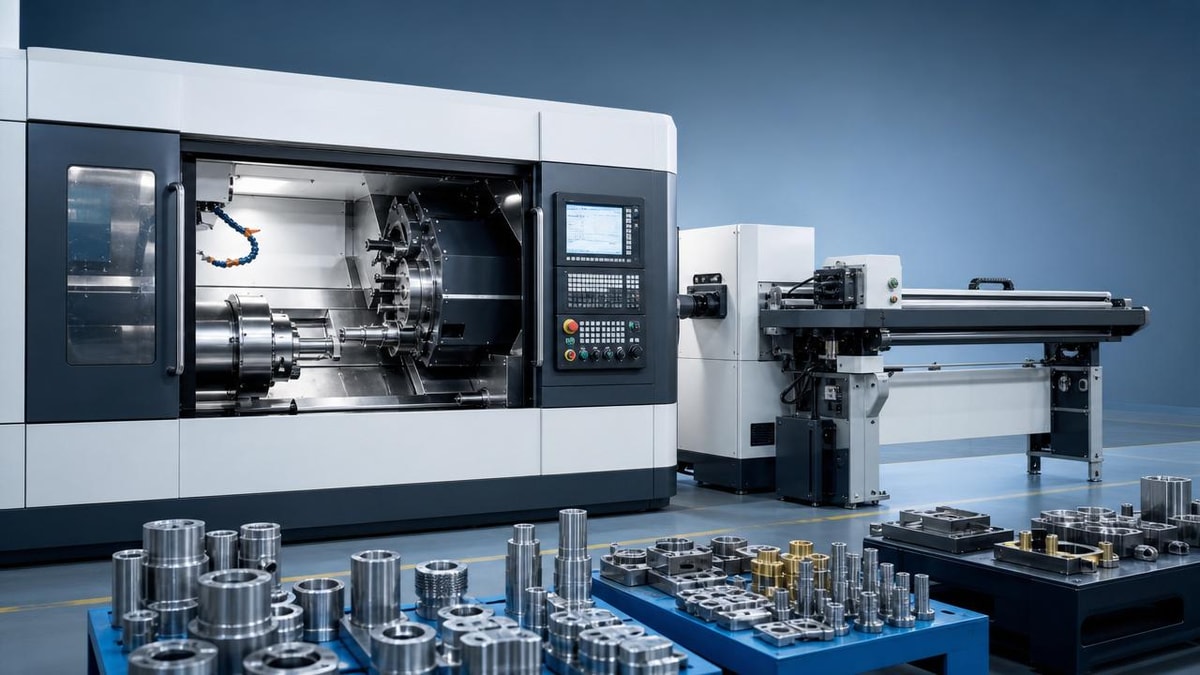
When buyers compare CNC production equipment, price and basic specifications often dominate the shortlist—but critical factors like process stability, service response, software compatibility, and long-term operating cost are easy to overlook. For procurement teams, understanding these hidden differences is essential to choosing equipment that supports productivity, quality, and future manufacturing flexibility.
Why scenario-based comparison matters more than a spec sheet
In the global manufacturing sector, CNC production equipment is used in very different operating environments. A machine selected for batch automotive parts may fail to deliver value in high-mix aerospace work. A compact system that looks economical for electronics components may become a bottleneck when production expands. That is why procurement teams should not compare only spindle speed, axis travel, or unit price. They need to compare how well the equipment fits the production scenario, operator capability, quality requirements, and future workflow.
The same model of CNC production equipment can perform very differently depending on materials, shift patterns, changeover frequency, tooling strategy, and digital integration needs. In practical sourcing, the best purchase is rarely the cheapest machine. It is the one that maintains stable output, reduces scrap, works with existing software and fixtures, and can be supported quickly when downtime threatens delivery schedules.
For buyers, this means every comparison should begin with one question: in what production scenario will this equipment create reliable value over three to seven years? Once that question is clear, many hidden differences become easier to evaluate.
Common application scenarios for CNC production equipment
Procurement decisions usually become clearer when CNC production equipment is evaluated by application scenario rather than by catalog category. The table below highlights how priorities shift across common manufacturing environments.
This scenario view helps buyers compare CNC production equipment in a way that aligns with actual business output rather than sales brochure language.
Scenario 1: High-volume production lines need stability more than headline speed
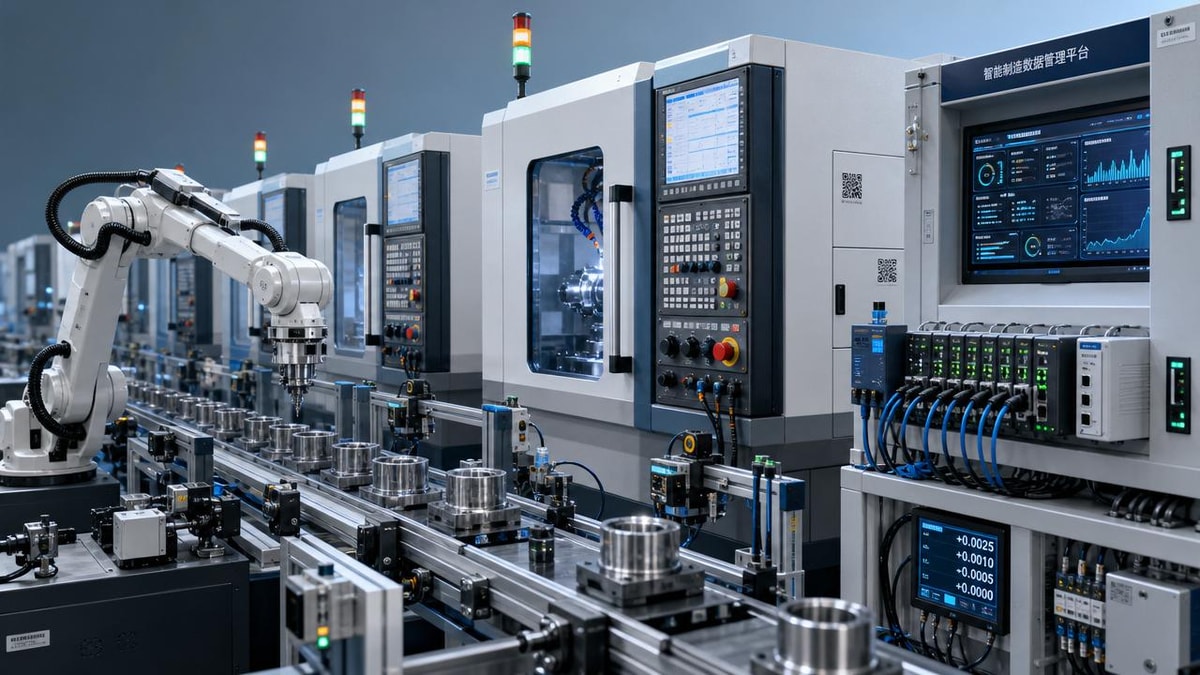
In automotive manufacturing, appliance components, and other repeat production environments, the procurement focus should be on throughput stability. Suppliers often highlight rapid traverse, spindle power, and automatic loading options. Those matter, but the real cost driver is whether the CNC production equipment can run day after day with predictable cycle times and limited intervention.
Buyers in this scenario should examine process capability over long shifts, alarm frequency, tool breakage detection, lubrication reliability, and integration with robots or conveyors. A machine that is 5% slower on paper but produces fewer stoppages may generate more finished parts per month. Another overlooked point is service support. In a high-volume environment, even a short response delay can lead to major financial loss, so local service coverage and spare parts availability deserve the same attention as machine specification.
Scenario 2: Precision industries require control of variation, not just nominal accuracy
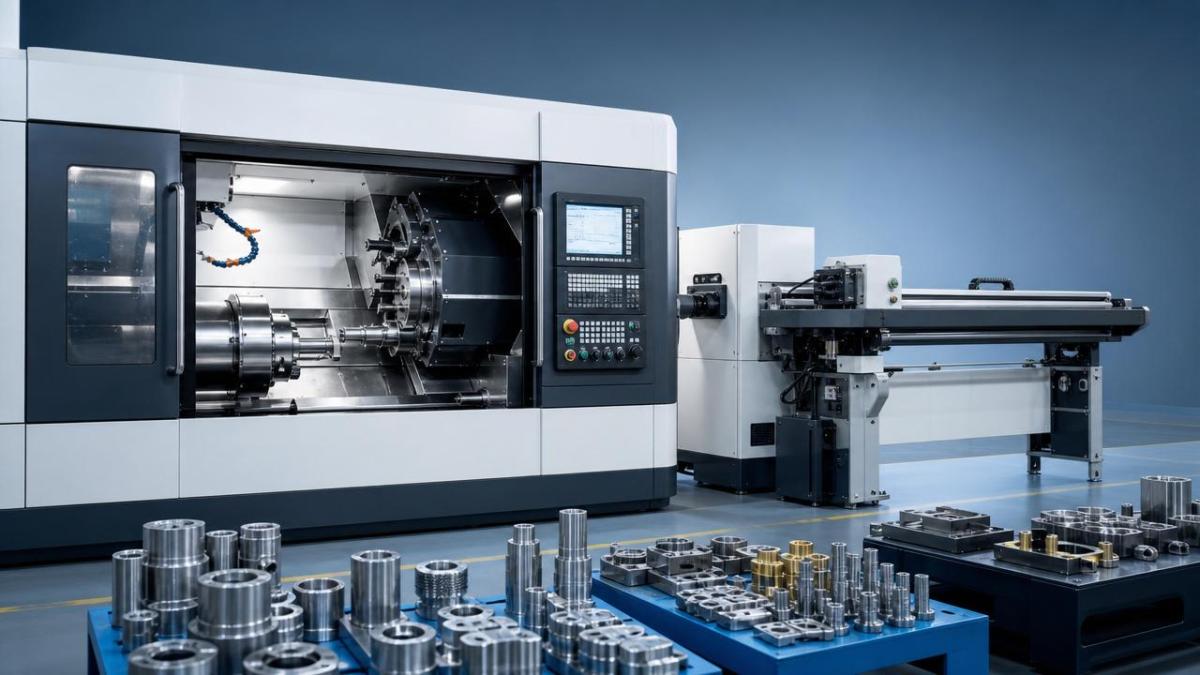
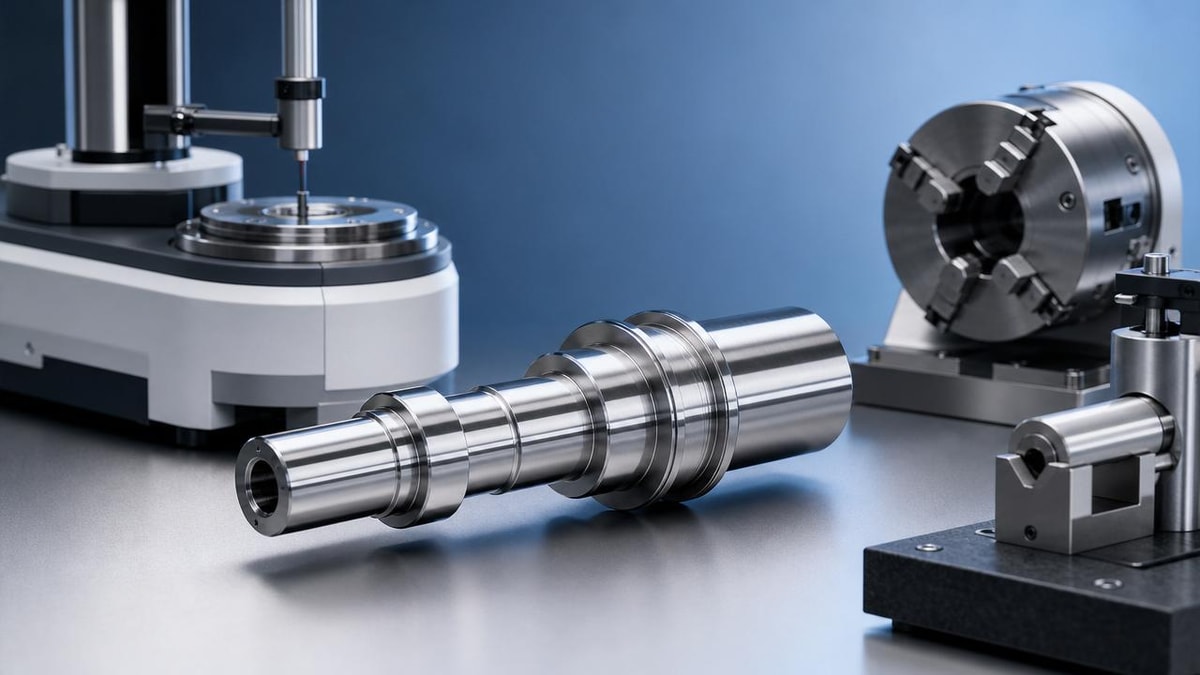
In aerospace, medical components, and advanced precision manufacturing, buyers often compare CNC production equipment by quoted positioning accuracy. However, nominal accuracy alone does not guarantee part quality. What matters is repeatable accuracy under heat, extended cutting time, and complex multi-axis movement.
Procurement teams should ask how the machine behaves after several hours of operation, whether thermal compensation is built in, how probing routines support in-process measurement, and whether the control system can handle complex geometry without creating programming friction. In these scenarios, software quality becomes a hidden but critical purchasing factor. Poor CAM compatibility or weak post-processor support can delay part approval, increase programming time, and create avoidable dimensional risk.
For this reason, buyers should request sample machining under realistic conditions rather than relying only on unloaded test data. Real material, real tolerances, and real cycle time expectations reveal far more than a specification chart.
Scenario 3: Heavy-duty applications demand infrastructure readiness
Energy equipment, large shafts, discs, and structural parts create a very different comparison logic for CNC production equipment. Here, rigidity, torque, and cutting force management are essential, but procurement teams also need to evaluate site conditions. Heavy machines may require reinforced foundations, specific lifting plans, more coolant handling capacity, and better chip management systems.
A common mistake is focusing on machine capability while underestimating installation complexity and maintenance access. If routine maintenance points are difficult to reach, or if chip evacuation struggles with large-volume material removal, real productivity will fall. In this scenario, buyers should compare total implementation readiness, including floor layout, power stability, operator safety, and downstream inspection capacity.
Scenario 4: High-mix manufacturers need flexibility over maximum utilization
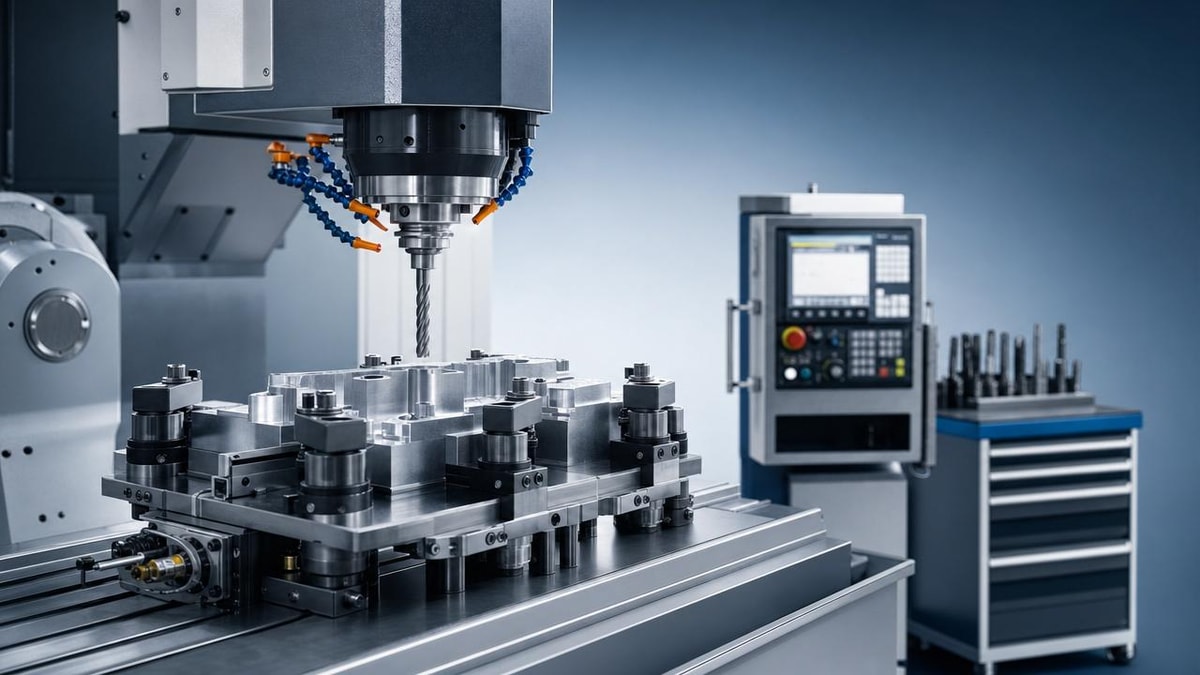
Job shops, subcontractors, and diversified manufacturers often purchase CNC production equipment for a wide range of parts. Their biggest risk is choosing a machine optimized for a narrow type of work. In these environments, the most valuable features are often fast setup, easy programming, fixture flexibility, and the ability to switch between short runs without excessive downtime.
Buyers should evaluate tool magazine size, ease of setup verification, conversational programming options where relevant, and controller familiarity for current staff. They should also review how the machine handles varying materials and whether the supplier offers application engineering support during ramp-up. A machine with broad flexibility can produce stronger long-term returns than a highly optimized system that performs well only in one product family.
What procurement teams often overlook when comparing suppliers
Beyond the machine itself, supplier capability strongly affects the value of CNC production equipment. Procurement teams commonly overlook five areas:
- Application engineering support before and after installation
- Response speed for troubleshooting and spare parts
- Training quality for operators, programmers, and maintenance staff
- Compatibility with existing ERP, MES, CAM, and automation systems
- Roadmap for future expansion, retrofits, or digital upgrades
These factors are especially important as global manufacturing moves toward smart factories, connected production, and flexible automation. A lower purchase price can quickly lose its advantage if the machine cannot connect to digital workflows or requires expensive workarounds.
A practical comparison framework for different business needs
When evaluating CNC production equipment, procurement teams can use a weighted framework based on their application scenario instead of a generic checklist.
Common buying mistakes in CNC production equipment selection
Several mistakes appear repeatedly across industries. First, buyers compare machine lists without mapping them to the actual part mix. Second, they treat technical specifications as if all suppliers interpret them equally. Third, they ignore hidden costs such as energy use, coolant management, maintenance labor, software licensing, and downtime exposure. Fourth, they assume current production needs will remain unchanged, even when the business is moving toward more automation or more complex parts.
Another major mistake is failing to involve multiple stakeholders early. A sourcing team may focus on capital expense, while production managers care about output, quality teams care about consistency, and IT teams care about data connectivity. CNC production equipment should be evaluated as a production system decision, not just an equipment purchase.
FAQ for buyers comparing CNC production equipment
Is lower-priced CNC production equipment always more expensive in the long run?
Not always, but it can be if reliability, support, and integration are weak. Total cost should include maintenance, downtime, scrap, training, and upgrade capability.
How can buyers compare machines for different application scenarios fairly?
Use weighted scoring based on your own production scenario. For example, a job shop should assign more value to setup time and flexibility, while an automotive line should assign more value to uptime and automation readiness.
What is the most overlooked technical factor?
Process stability under real operating conditions. Many machines look similar on paper, but differ significantly in thermal behavior, vibration control, and long-shift consistency.
How to move from comparison to confident purchase decision
The best way to choose CNC production equipment is to match the equipment to your production reality: part type, tolerance level, order variability, labor capability, automation plan, and digital requirements. Buyers should build a scenario-based checklist, request trial cuts or sample parts, verify service commitments, and calculate total operating cost across the expected equipment life.
In a market shaped by precision manufacturing, automated production lines, and smart factory development, procurement teams that look beyond price and basic specifications make stronger long-term investments. If your business is comparing CNC production equipment today, start by defining the application scenario clearly. That single step will make every technical discussion, supplier evaluation, and final negotiation far more effective.
NEXT ARTICLE
Recommended for You
 Industrial Machining Equipment Lead Times Are Changing AgainManufacturing Market Research Center
 Where Industrial Robotics Adds Value Beyond Simple Labor SavingsMachine Tool Industry Editorial Team
 Shaft Parts Machining Problems That Show Up After Final InspectionCNC Machining Technology Center
 Production Process Variations That Quietly Raise Scrap RatesCNC Machining Technology Center
 Industrial Automation Projects Fail When Data Is Added Too LateCNC Machining Technology Center
 CNC Metal Cutting Quality Drops Often Start With ClampingMachine Tool Industry Editorial Team


Aris Katos
Future of Carbide Coatings
15+ years in precision manufacturing systems. Specialized in high-speed milling and aerospace grade alloy processing.
▶
What Buyers Miss When Comparing CNC Production EquipmentGlobal Machine Tool Trade Research Center▶
Japan’s METI Launches Green Machine Tool Subsidy 2.0 for Chinese CNC ImportsGlobal Machine Tool Trade Research Center▶
2026 Foshan Tanzhou Auto Expo: EV Parts Sourcing FocusGlobal Machine Tool Trade Research Center▶
Industrial CNC buying errors that lead to hidden upgrade costsGlobal Machine Tool Trade Research Center▶
What buyers miss in CNC production equipment quotesGlobal Machine Tool Trade Research Center
Mastering 5-Axis Workholding Strategies
Join our technical panel on Nov 15th to learn about reducing vibrations in thin-wall components.

Providing you with integrated sanding solutions
Before-sales and after-sales services
Comprehensive technical support